
Review · PORTUGAL PALACE TOURS
Porto Bishop’s Palace Guided Tour
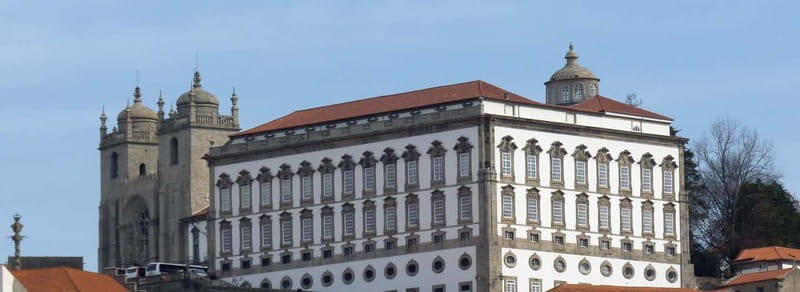
Porto’s Bishop’s Palace is more than a grand old house. It shows how religious authority, money, and city politics once shared the same rooms. For $18, this one-hour tour gives you a focused look at Portuguese Baroque design, from carved wood furniture and carpets to silver and decorative art, while explaining why the bishop mattered so much to Porto’s growth.
I like the short walk from the Pelourinho to Terreiro da Sé, since it places the palace in its proper setting rather than treating it as an isolated museum. I also like the strong guiding, especially from Arthur, who handles detailed questions with patience, and from Oleksandra, whose clear explanations help visitors unfamiliar with Portuguese customs and history. The main drawback is practical: the palace is not wheelchair accessible, and the visit can feel warm on a hot day, so bring water and wear sensible shoes.
Key points to know before you go
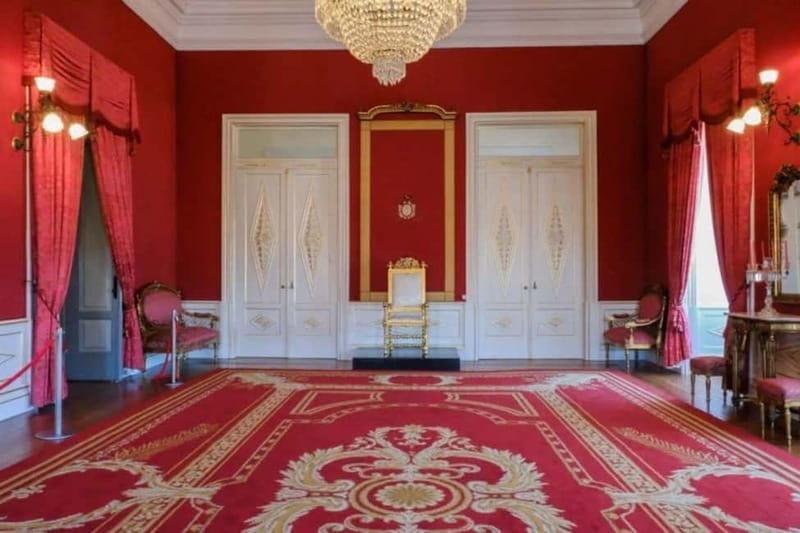
- A 45-minute guided visit inside the Bishop’s Palace: The main palace visit is compact but packed with art, furniture, and historical detail.
- A useful 15-minute walk from the Pelourinho: You meet beside the decorated pillar, then continue through Terreiro da Sé with your guide.
- Strong attention to Porto’s power structure: The tour explains the bishop’s religious and political role, as well as the influence of elite groups and ordinary people.
- Several language choices: Tours are offered in English, Portuguese, Spanish, Ukrainian, and Russian.
- A separate entrance for the palace: The activity includes admission and skip-the-line access through a separate entrance.
- A low-cost way to add context to Porto: At $18 per person, the tour makes most sense for anyone who wants more than a quick look at the building.
Why the Bishop’s Palace matters in Porto
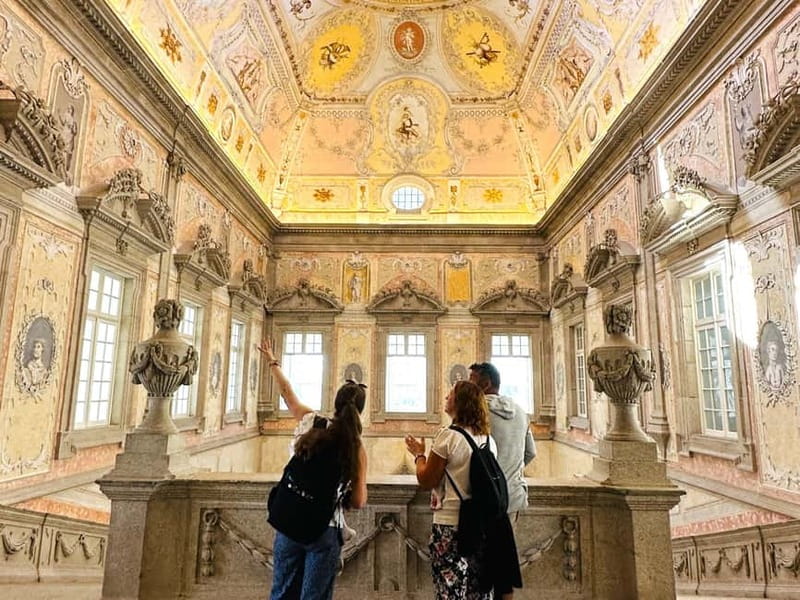
The Bishop’s Palace, or Paço Episcopal, sits beside Porto’s cathedral area, where religious power and civic life have long met. Its grand scale makes an immediate point: the bishop was not simply a church official living in a comfortable residence. The palace represented authority, wealth, and influence in a city shaped by both faith and commerce.
That is the useful idea to carry into the tour. You are not only looking at handsome rooms. You are seeing how a city’s elite presented itself, how religious leaders took part in public affairs, and how Porto’s political and economic life developed around powerful institutions.
The Baroque style fits this purpose. Its decoration is bold, formal, and designed to impress. As you move through the palace, details such as carved wood, carpets, silver, paintings, sculptures, and other decorative pieces help explain how status was displayed. The objects are not just ornaments. They reveal the resources available to the people who lived and worked here.
I find this kind of visit useful early in a Porto stay. It gives you a frame for the city before you spend the rest of your time wandering its streets. One guide also offers suggestions for enjoying Porto after the tour, which makes the experience a handy first-day activity.
More Palaces to Tour in Portugal:
- Sintra: Pena Palace and Park Entrance Ticket
★ 4.2 · 17,410 reviews - Lisbon: Pena Palace, Sintra, Cabo da Roca, & Cascais Daytrip
★ 4.7 · 9,981 reviews - Small Group Tour to Sintra, Pena Palace, Cabo Roca and Cascais
★ 5.0 · 3,559 reviews
Meeting beneath Porto’s Pelourinho
The meeting point is the Pelourinho do Porto, the decorated stone pillar in the middle of the square. Look for the guide holding a white umbrella. That detail matters in a crowded historic center, where a clear marker saves time and avoids a frustrating search.
From there, the group walks to Terreiro da Sé. This portion takes about 15 minutes and is treated as sightseeing rather than a transfer. You get a chance to see the cathedral surroundings and understand where the palace sits within Porto’s old religious quarter.
The walk is short, but comfortable shoes still matter. Porto’s historic center is known for steep streets and uneven surfaces, and the activity specifically calls for practical footwear. You do not need special equipment, but sandals with poor support would be a poor choice.
The meeting arrangement also means you should arrive ready to begin. Since the tour is only one hour, a late start would cut into the palace visit. The white umbrella should make the guide easy to identify, but give yourself enough time to reach the square without rushing.
Terreiro da Sé, a short walk with useful context
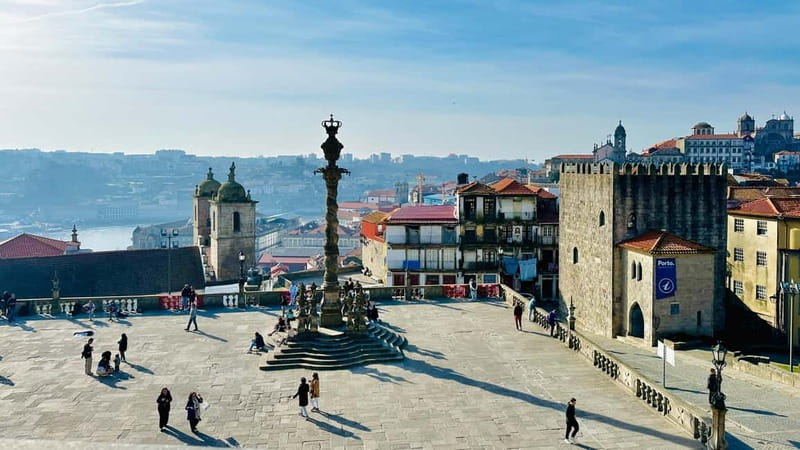
The walk through Terreiro da Sé links the city you see today with the institution you are about to enter. The palace is not presented as a detached monument. It belongs to a wider group of buildings and public spaces that show how religious and civic life were arranged in Porto.
Your guide uses this transition to provide background on the city and the bishop’s place within it. The emphasis is not only on famous names or dates. You learn how different groups helped shape Porto, including the people with social and economic power and the wider population whose work supported the city’s rise.
That balance is one of the tour’s best features. A palace can easily become a parade of expensive objects with little explanation. Here, the focus connects luxury to authority. The fine furniture and precious materials tell you something about the people who commissioned or used them, while the setting points to the wider social structure around them.
The walk also keeps the pace gentle. You spend 15 minutes getting oriented, then 45 minutes on the main visit. If you prefer a long architectural tour, this may feel brief. If you want a clear introduction without giving up half a day, the timing works well.
Inside the Paço Episcopal for 45 minutes
The palace visit is the heart of the experience. With the entrance included, you go inside through a separate entrance and explore the rooms with a professional, certified guide rather than trying to decode the building alone.
Expect a strong visual impression. The palace is a major example of Portuguese Baroque architecture, and its lavish interiors reflect the position of the bishop and the city’s elite. Carved wood furniture, carpets, silver, paintings, sculptures, and other decorative arts give the rooms their sense of ceremony.
I would pay attention to the relationship between the objects and the rooms. The point is not to count how many treasures you can spot. It is to notice how decoration, scale, and craftsmanship work together to communicate power. A richly furnished room can tell you about taste, but it can also tell you who had access to money, skilled makers, and imported or valuable materials.
The tour also explains how Porto changed over time. The palace’s grandeur belongs to one part of the city’s story, while the streets outside continue to evolve. That contrast gives the visit its interest. You see a formal world built around hierarchy, then step back into a modern city with a very different rhythm.
The 45-minute format keeps the experience manageable, but it also leaves little room for a slow, independent study of every display. If you like to linger over individual paintings or decorative objects, you may want to return to any museum setting at a more relaxed pace if that is possible during your visit. This tour is designed first for explanation and context.
Same city, another grand address:
- Lisbon: Sintra, Pena Palace, Cabo da Roca, & Cascais Tour
★ 4.9 · 3,509 reviews - Lisbon: Sintra Cascais & Pena Palace Small Group Tour
★ 4.8 · 3,218 reviews - Sintra to Cascais: 2 Palaces, 4 Sites, Small Group 10 Hour Tour
★ 5.0 · 3,105 reviews - From Lisbon: Sintra & Cascais Group Tour with Pena Palace
★ 4.8 · 2,237 reviews
The guides make the history easier to follow
The clearest strength of this activity is the quality of its guiding. Arthur has led tours marked by thorough explanations, prompt arrival, warmth, and an ability to handle detailed questions. His presentation is especially useful if you enjoy asking how individual objects connect to wider events.
That matters in a palace because architecture alone can leave you with a vague impression of luxury. A guide gives the rooms a chain of meaning. You learn why the bishop’s role mattered, how the palace reflected authority, and how Porto’s culture developed around institutions with money and influence.
Oleksandra has also guided the experience in a way that helps people from outside Portugal understand the local culture. If Portuguese religious traditions or social customs are new to you, clear comparisons and patient explanations can make the visit far more rewarding.
The available languages are English, Portuguese, Spanish, Ukrainian, and Russian. Check the time and language when booking, since the language choice will shape how easily you can follow the discussion.
One practical point: this is an interactive guided visit, not simply an audio guide or a room-by-room walk. If you have questions, ask them. The tour is short enough that you should stay focused, but the guides are prepared to respond rather than rush through a fixed speech.
What the palace collections tell you
The palace’s collections help turn broad history into things you can actually see. Paintings and sculptures point toward religious and cultural values. Carved wood furniture shows the skill and expense invested in interiors. Carpets and silver add another layer, showing how ceremony and display shaped important rooms.
The word lavish is appropriate here, but it should not distract from the larger lesson. The palace was also a working symbol of authority. Its decoration helped communicate rank to people who entered it, and its very scale made the bishop’s position visible within Porto.
The tour’s attention to both elite groups and ordinary people is valuable. A grand palace can present only the winners of history. This experience also considers the people whose labor, trade, and daily lives helped the city become prosperous enough to support such institutions.
You may not leave with a specialist’s command of Portuguese art, and the one-hour length does not allow for every historical detail. You should leave with something more useful for sightseeing: a clearer understanding of why Porto looks and feels the way it does, and why the cathedral district has such weight.
Is $18 good value for one hour?
At $18 per person, the price is reasonable if you want admission, a live guide, and historical interpretation in one package. Buying access alone would show you the rooms, but it would not necessarily explain the bishop’s political role, the social divisions behind the palace’s luxury, or the connection between the building and Porto’s development.
The value is strongest for first-time visitors, people interested in architecture, and anyone who prefers a structured introduction to a city. The cost also stays modest compared with longer guided activities, while the one-hour duration leaves time for lunch, another sight, or independent walking.
The price is less attractive if you plan to rush through the historic center and only want a quick photograph. In that case, a dedicated palace tour may feel too focused. You are paying mainly for the guide’s context, not simply for a chance to enter a historic building.
The activity includes entrance tickets, the guided visit, historical and cultural information, and required insurance and certifications. Personal spending is not included, and gratuity is separate. You can cancel up to 24 hours before the start for a full refund, and the reserve-now, pay-later option allows more flexibility when your Porto plans are still changing.
Practical details that affect your visit
Wear comfortable walking shoes. The activity includes the route from the Pelourinho to the cathedral square, and Porto’s old center is not the place for footwear that makes every slope or uneven surface difficult.
Bring water, especially in hot weather. One visitor needed to hurry away after the palace visit to find a drink on a very warm day, so do not assume the short duration means you will not need hydration.
Photography is allowed without flash. A camera is useful for recording the architectural details and decorative arts, but flash photography is not permitted. Be ready to put the camera away when the guide is explaining something important.
The palace is not wheelchair accessible, so this tour is not suitable for wheelchair users. That limitation should be part of your decision before booking, rather than an unpleasant surprise at the meeting point.
Who should book the Bishop’s Palace tour?
I would choose this tour if you want Porto’s historic center to make more sense. It suits you particularly well if you enjoy architecture, religious history, decorative arts, or the story of how wealthy and powerful groups shaped a city.
It is also a good match if you are visiting from another culture and want explanations rather than assumptions. The available languages and patient guiding make the experience easier to follow, especially when Portuguese customs or church traditions are unfamiliar.
Families with older children may also find the one-hour length manageable, though the appeal depends on their interest in historic rooms and objects. The tour is less suitable if you need step-free access, dislike guided visits, or want a long, unhurried study of every piece in the collection.
Should you book it?
Book the Porto Bishop’s Palace Guided Tour if you want a compact, well-explained look at Porto’s religious and elite past. The $18 price, included admission, separate entrance, and strong guides such as Arthur and Oleksandra make it a practical choice near the start of your stay.
Skip it if accessibility is essential, or if you prefer to explore at your own pace without a fixed one-hour schedule. For most visitors who want the building’s grandeur tied to real history, this is a sensible use of an hour. Bring water, wear good shoes, and arrive at the Pelourinho ready to look for the white umbrella.
FAQ
Where does the Porto Bishop’s Palace tour meet?
The meeting point is beside the Pelourinho do Porto, the decorated pillar in the middle of the square. Your guide will be holding a white umbrella.
How long does the tour last?
The total activity lasts one hour. About 15 minutes are spent walking through Terreiro da Sé, followed by a 45-minute guided visit inside the Bishop’s Palace.
What is included in the price?
The price includes entrance tickets, a guided tour of the Bishop’s Palace, historical and cultural information about Porto, a professional certified guide, and the required insurance and certifications.
How much does the tour cost?
The listed price is $18 per person.
Which languages are available?
The live tour guide may conduct the experience in English, Portuguese, Spanish, Ukrainian, or Russian.
Is photography allowed inside the palace?
Photography is allowed, but flash photography is not permitted.
Is the palace wheelchair accessible?
No. The palace is not wheelchair accessible, and the activity is not suitable for wheelchair users.
What should I bring?
Bring comfortable walking shoes and a camera. Water is also a sensible choice, particularly on a hot day.
Can I cancel the tour?
Yes. You can cancel up to 24 hours in advance for a full refund. The reserve-now, pay-later option lets you hold a place without paying immediately.
Newly added in Portugal
- Óbidos historic village and Mafra Palace Private Tour★ 5.0 · 34 reviews
- Private Tour Sintra Palaces and Scenic Landscapes★ 5.0 · 3 reviews
- Lisbon: Pena Palace, Cabo da Roca, Cascais private tour★ 5.0 · 44 reviews
- Óbidos – Nazaré – Mafra (National Palace of Mafra)Private tour from Lisbon★ 5.0 · 2 reviews
- National Palace and Gardens of Queluz: E-ticket with Audio Guide★ 3.5 · 6 reviews
- Half day Sintra PRIVATE TOUR Pena Palace + Roca Cape (2-6people)★ 5.0 · 3 reviews
- From Lisbon Sintra Highlights Tour – Pena, Regaleira & Monserrate★ 5.0 · 79 reviews
- Mafra and Sintra: Choose 3 of 6 Palaces to visit on private tour★ 5.0 · 26 reviews
Portugal Palace Tours, compared.

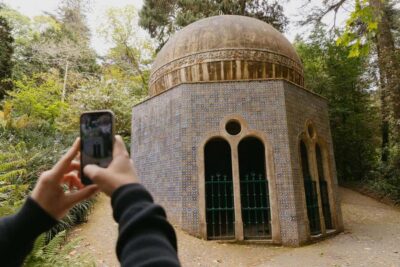
Pena Palace, Sintra, Cabo da Roca, & Cascais Daytrip
Read our review →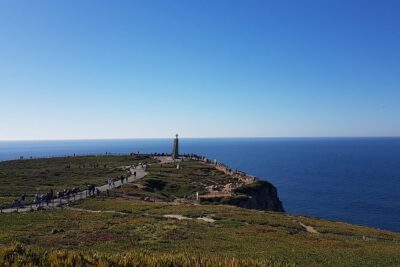
Small Group Tour to Sintra, Pena Palace, Cabo Roca and Cascais
Read our review →
Sintra, Pena Palace, Cabo da Roca, & Cascais Tour
Read our review →
Sintra Cascais & Pena Palace Small Group Tour
Read our review →
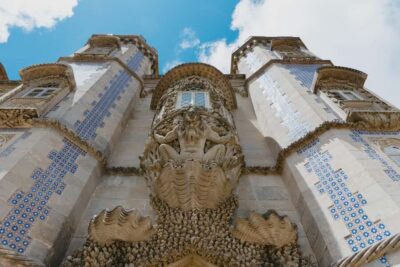

Sintra, Pena, Regaleira, Cabo da Roca & Cascais from Lisbon
Read our review →Browse the lists this tour appears in