
Review · CHATEAU AND WINE ESTATE TOURS
Québec City: Saint-Louis-Forts-and-Châteaux visit
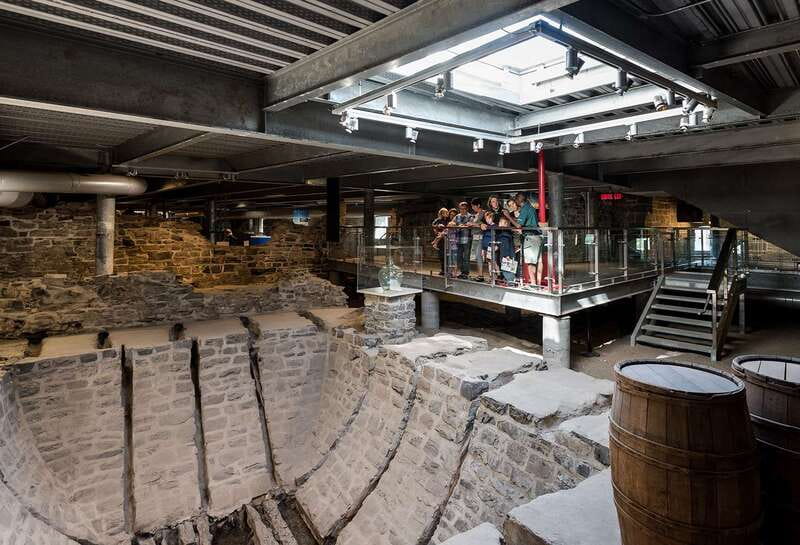
The most surprising part of this visit is what sits under Dufferin Terrace: the remains of Château Saint-Louis, once the official residence and seat of power for French and British governors. I like the way the site turns buried foundations into a readable story about more than 200 years of government, diplomacy, and daily life. The archaeological artifacts add useful detail, from household routines to the grand events held here.
I also like the choice between a live guide and a self-guided audio tour, with commentary available in English, French, Spanish, German, and Chinese. The main drawback is mobility: stairs and uneven historic remains make this unsuitable for wheelchair users and people with mobility impairments. The audio version also uses role-playing and theatrical scenes, which some people may find less useful than plain historical explanation.
Key points at a glance
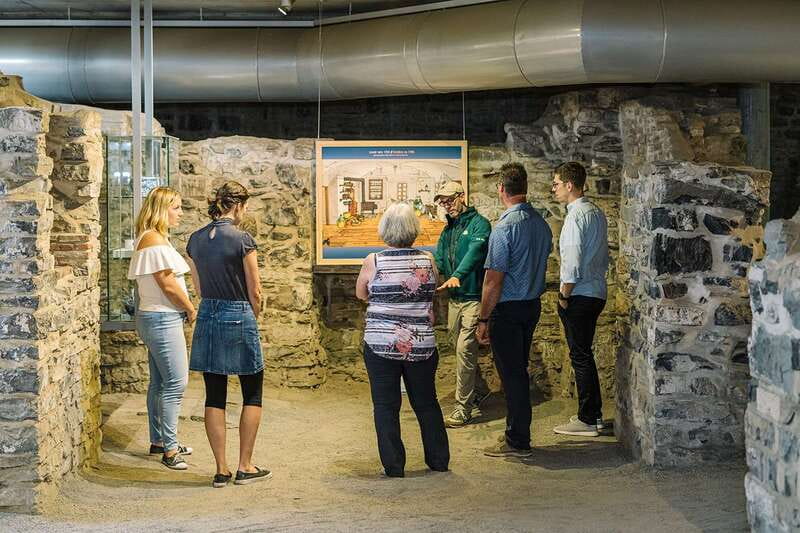
- A seat of power beneath Dufferin Terrace: Walk through the remains of the governors’ residence that shaped colonial decisions across North America.
- More than 120 archaeological artifacts: Household objects and excavated finds help explain how people lived and worked inside the château.
- A Huron-Wendat perspective: Learn how diplomatic alliances with colonial governors affected relations between the Nation and European authorities.
- Two ways to visit: Join an on-site heritage guide or use the downloadable Parks Canada app for a self-guided audio tour.
- A compact one-hour stop: The visit fits easily into an Old Québec sightseeing day, especially before or after exploring the terrace.
- Good value at $9: The low admission price makes this a practical choice for history-minded visitors, though the guided option may cost more if selected separately.
What lies beneath Dufferin Terrace
Dufferin Terrace is one of Old Québec’s best places for a view of the St. Lawrence River. Most people come for the boardwalk, the river outlook, and the grand Château Frontenac above them. This visit asks you to look down instead.
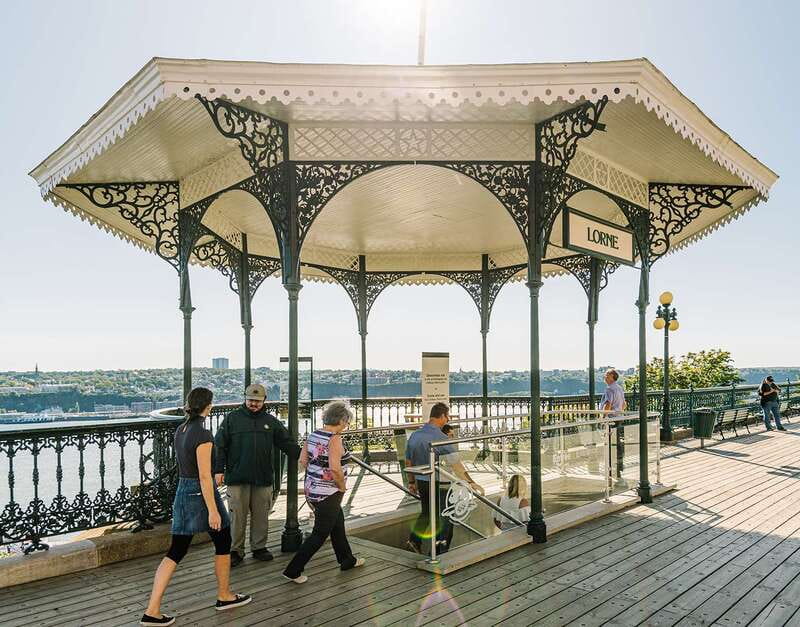
Near the beginning of the terrace, you’ll find a green and white kiosk with a Canadian flag and a Frontenac sign. From there, you descend beneath the boardwalk into the Saint-Louis Forts and Châteaux National Historic Site. The change is quick. One moment you are in an open public promenade, and the next you are among the remains of a former government center.
The site was the official residence of French and British governors from 1620 to 1834. That long span matters. You are not looking at one short-lived building or a single military episode. You are tracing the evolution of government in Québec through more than two centuries of changing leadership, alliances, construction, and everyday use.
I find the setting especially useful because it links familiar Old Québec scenery with the less visible work of governing. Decisions made here affected colonial policy and relations across North America. The foundations give those decisions a physical setting, rather than leaving them as names and dates in a book.
More Chateau and Wine Estate Tours in the world:
- Versailles Château and Gardens Walking Tour
★ 4.5 · 727 reviews - Versailles Château and Gardens Walking Tour from Paris by Train
★ 4.5 · 714 reviews - Loire Valley: Château Royal d’Amboise Entrance Ticket
★ 4.6 · 476 reviews
Reading the château through its foundations
Do not expect a fully rebuilt castle. The attraction is an archaeological site, and the experience depends on learning how to read what remains. Walls, outlines, and building traces help show the planning and growth of the complex over time.
A guide can point out how the architecture changed and how the château developed during its working life. The audio tour takes a different route, using narration to help you picture the rooms, functions, and people connected to the site. One strong benefit of either option is that the remains become easier to understand than they would be on their own.
You may find it helpful to pay attention to the practical clues. The visit includes details about the icebox, grooves in the bottom of an object, and the reason women used bottles of ammonia. These small questions are more memorable than a list of governors. They show how the site worked at the level of food storage, cleaning, household labor, and routine tasks.
This is where the visit becomes more than a walk around old stones. Architecture explains how the complex was planned, while the objects explain how people used it. Together, they give you a stronger sense of the château as a working residence and office.
Artifacts that make daily life easier to picture
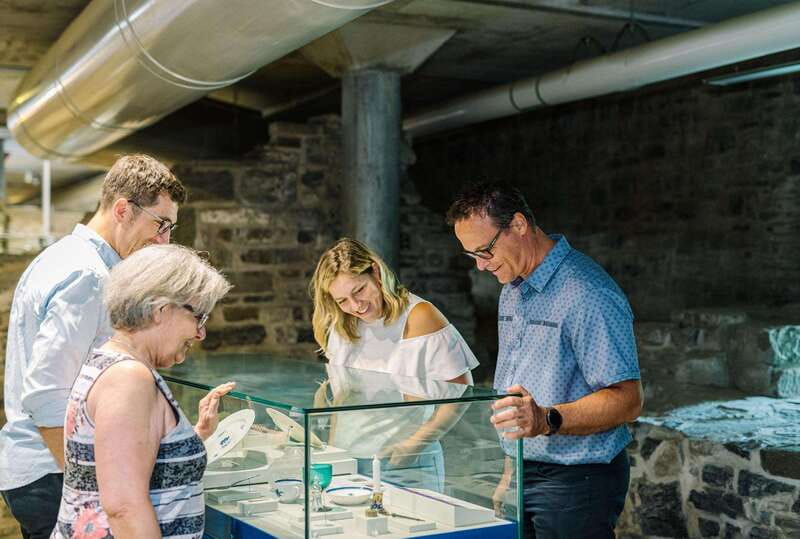
More than 120 artifacts are displayed at the site, many of them found during archaeological digs. They are one of the clearest reasons to include this stop in your Old Québec plans.
Large foundations tell you that an important building once occupied the space. An object can tell you what happened inside it. A household item may raise a question about storage, cooking, cleaning, serving, or personal habits. The answers make the site more immediate.
The displays also help balance the political story. The governors and diplomatic meetings matter, but the château was not used only for formal decisions. People had to prepare food, maintain rooms, store supplies, serve guests, and manage the practical business of a large residence. The artifacts bring those less glamorous jobs into view.
I would give yourself time to look closely instead of rushing from one display to the next. The scheduled visit lasts about an hour, so you will not have unlimited time, but the collection rewards attention. If you enjoy archaeology, material culture, or small historical details, this may be the most satisfying section of the tour.
The artifacts also help if you have trouble picturing the building from the foundations alone. They supply scale and purpose. Even without a complete château above you, the objects suggest how rooms may have functioned and how people moved through their daily work.
Diplomacy, governors, and the Huron-Wendat story
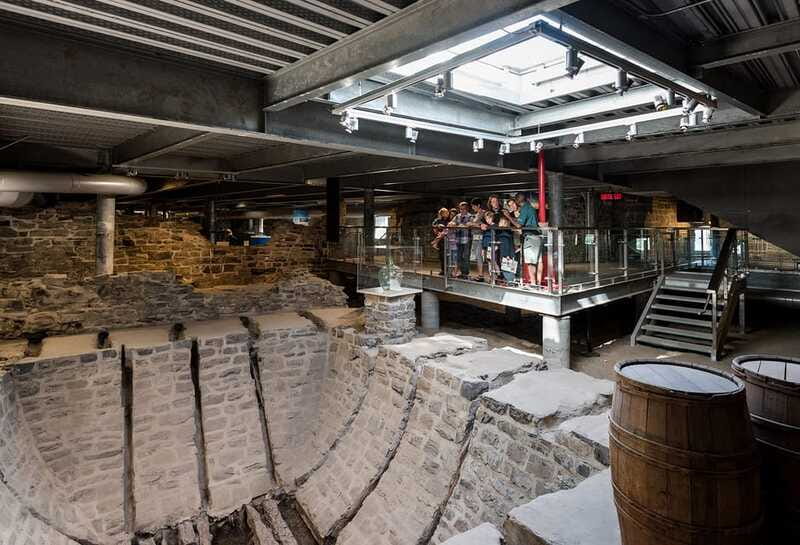
The château was a place of political decisions as well as domestic life. French and British governors used it as a residence and administrative center, and important diplomatic discussions took place here.
A central part of the visit concerns alliances between colonial governors and the Huron-Wendat Nation. This section is presented in collaboration with the Nation and gives you a Huron-Wendat perspective on those relationships. That matters because colonial history can easily become a story told only through governors, forts, and European policy.
Here, diplomacy is treated as an active relationship rather than a footnote. Alliances affected the balance of power, communication, and decisions across the region. The site gives you a place to connect those broad issues with actual meetings and negotiations held at the governors’ residence.
I appreciate that this focus keeps the tour from becoming only a celebration of colonial authority. The château was a seat of power, but power depended on relationships with Indigenous Nations. Listening to the Huron-Wendat perspective makes the political story more complete and gives the site relevance beyond its architectural remains.
If you have only a basic understanding of Québec’s early colonial period, the diplomatic material may be especially useful. If you already know the broad outline, the value comes from seeing where those relationships were managed and how the residence functioned as a political center.
Same city, another grand address:
- Venice: Doge’s Palace Reserved Entry Ticket
★ 4.6 · 42,716 reviews - Paris: Versailles Palace and Gardens Full Access Ticket
★ 4.6 · 41,579 reviews - Granada: Alhambra & Nasrid Palaces Tour with Tickets
★ 4.7 · 19,801 reviews - Sintra: Pena Palace and Park Entrance Ticket
★ 4.2 · 17,410 reviews
Grand events and ordinary routines
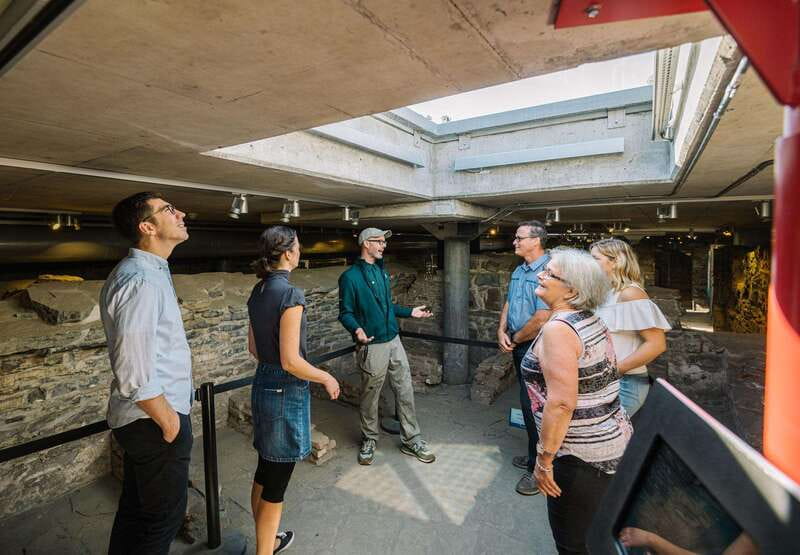
The tour also explores lavish events held at the château. These stories help you picture the residence at its most formal, with governors receiving important people and hosting occasions that reflected their status.
That grandeur is only half of the picture. The daily-life details are just as useful. A governor’s residence required constant work, and the objects on display point toward the servants, household systems, and practical routines behind formal gatherings.
I like this contrast. It keeps the château from feeling like a distant stage set populated only by governors. You get both the official side of the building and the less polished business that kept it running.
The audio tour may make these scenes feel more dramatic through role-playing. At times, you may be asked to imagine yourself as a governor or a servant. That approach can help some people picture the social structure and daily activity. If you prefer direct explanation, it may feel too much like audio theater. The live guide is likely the better choice for you if you want to ask questions or keep the history in a straightforward format.
The live guides are described as animated and informative, and that style suits a compact site like this. A good guide can explain an architectural trace, then connect it to a political decision or household object before your attention wanders. The experience is only an hour, so lively delivery makes a real difference.
Choosing between a live guide and the audio tour
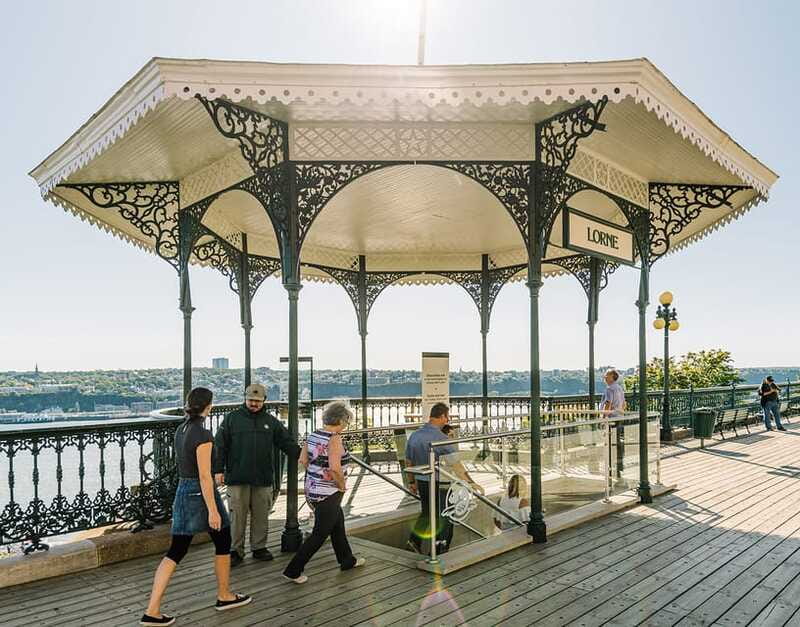
The live option is best if you want structure, explanation, and the chance to hear the story as you move through the remains. The guide wears a green and beige uniform and meets you at the Frontenac sign on the terrace. Live tours are offered in English, French, Spanish, German, and Chinese.
A guide also helps you make sense of the site in real time. You can focus on the remains and artifacts while the explanation supplies the missing context. For first-time visitors to Québec City, this is probably the simplest way to get the most from the hour.
The self-guided option uses a downloadable Parks Canada app and includes an audio tour. Downloading the app before you start may save time, especially if your phone connection is unreliable near the entrance. The audio format lets you move at your own pace, which is useful if you want to linger over the artifacts.
The tradeoff is tone. The audio program includes role-playing, sometimes placing you in the position of a governor or servant. Some people enjoy that interactive approach. If you prefer clear facts about objects, architecture, and governance, you may find the theatrical sections distracting.
I would choose the live tour for a first visit, especially if you are interested in diplomacy or have questions about the foundations. I would choose the audio version if you prefer independence, need one of the listed languages, or want to pause and examine the displays on your own.
Why the one-hour format works
One hour is enough to introduce the main story without taking over your day. Old Québec offers plenty to see, and this visit works well between walks along Dufferin Terrace, visits to nearby historic sites, and time spent in the upper town.
The short length also suits the site. You receive the main historical framework, see the archaeological remains, and examine the artifacts without needing to devote half a day to one attraction. At the same time, you should not expect a full treatment of every period or every object.
Plan to arrive with enough time to locate the kiosk. The meeting point is at the beginning of Dufferin Terrace, not simply somewhere inside the château. The terrace itself is open and scenic, so you can combine the meeting point with your river views rather than treating it as wasted time.
Food and drinks are not allowed inside. Large bags and luggage are also prohibited, and pets cannot enter except for assistance dogs. Bare feet are not allowed, an unusual rule but one worth noting if you are spending a summer day in sandals.
Because the site involves stairs and historic remains, it is not suitable for wheelchair users or people with mobility impairments. If that applies to you, check your full Old Québec plan carefully before booking this stop.
Is $9 a fair price?
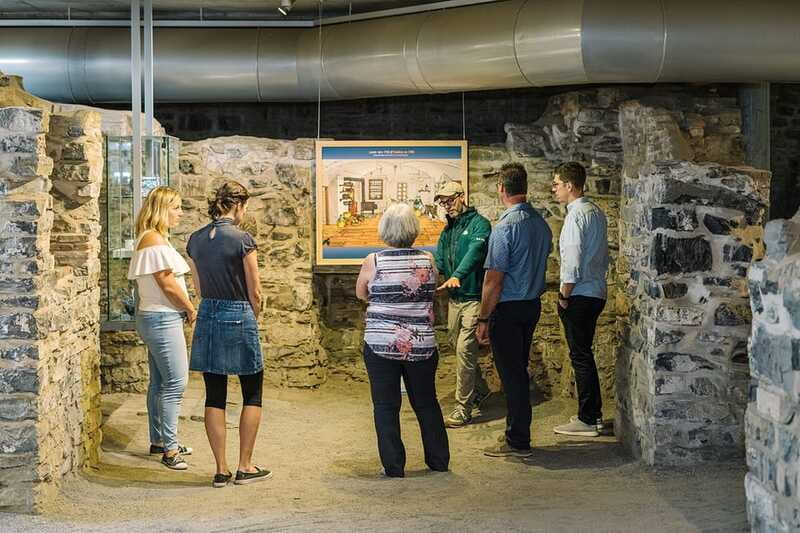
At $9 per person, this is an easy attraction to justify for most history-minded visitors. You are paying for access to an important archaeological site, more than 120 artifacts, and either a self-guided audio experience or an on-site heritage guide, depending on the option booked.
The value comes from the combination of setting and interpretation. You could walk over Dufferin Terrace and never know what lies beneath it. The admission gives you access to the remains and explains why they matter.
It is also a sensible choice if you have already seen the major views and grand façades of Old Québec. This visit supplies a different kind of experience. Instead of admiring the city from the outside, you look at the foundations of the authority that once directed life from this spot.
The price is less persuasive if you dislike archaeological sites, guided interpretation, or historical detail. Since the château is not reconstructed as a complete building, you need to enjoy using remains and artifacts to form a picture. If you want dramatic rooms with original furnishings, this will not offer that kind of visit.
Canadian Armed Forces members, Canadian veterans, and their immediate family may receive daily free admission to Parks Canada sites by presenting the specified Platinum Une FC card or Canadian Veterans Service Card. The free entry does not include the guided tour.
Who should book this Québec City visit?
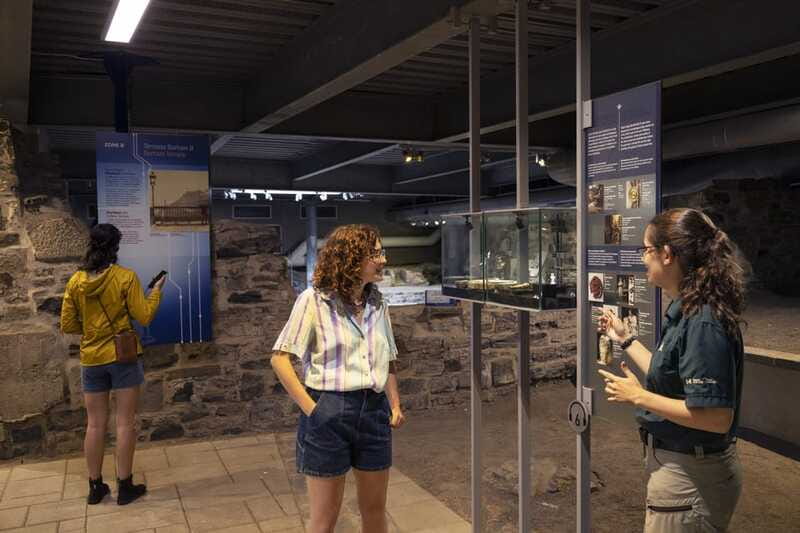
I would recommend it to you if you enjoy history that connects architecture, politics, and ordinary life. It is particularly useful for anyone who wants more context for Old Québec than a walk through its streets can provide.
Families with older children may also find the artifacts and everyday-life questions easier to grasp than a long lecture about colonial government. The icebox, household objects, and unusual cleaning details give younger visitors concrete points to remember.
The tour also suits people with a tight schedule. One hour is short enough to fit between other plans, and the meeting point is central to a visit around Dufferin Terrace.
I would hesitate if stairs are difficult for you, if you carry luggage, or if you strongly dislike audio programs with role-playing. In that case, the live guide may be preferable to the app, but the site’s physical limitations still apply.
Should you book the Saint-Louis Forts and Châteaux visit?
Book it if you want to understand what stood beneath Dufferin Terrace and how Québec City functioned as a center of colonial power. The combination of archaeological remains, more than 120 artifacts, diplomatic history, and a Huron-Wendat perspective gives the hour real substance.
Choose the live guide if you want clear explanations and a more human pace. Choose the audio tour if you prefer independence and do not mind some theatrical role-playing. At $9, it is a low-risk addition to an Old Québec day, provided stairs and uneven historic surfaces are manageable for you.
FAQ
Where does the Saint-Louis Forts and Châteaux visit begin?
Meet at the beginning of Dufferin Terrace, near a green and white kiosk with a Canadian flag and a Frontenac sign. The guide wears a green and beige uniform.
How long does the visit last?
The visit lasts one hour.
How much does admission cost?
The listed price is $9 per person.
Is the tour guided or self-guided?
You can choose an on-site heritage guide or a self-guided audio tour using the downloadable Parks Canada app.
Which languages are available?
Live tour guide languages include English, French, Spanish, German, and Chinese.
What will I see during the visit?
You will see the remains of Château Saint-Louis, more than 120 archaeological artifacts, and exhibits about colonial government, daily life, diplomacy, and Huron-Wendat alliances.
Can wheelchair users join the visit?
No. The experience is not suitable for wheelchair users or people with mobility impairments.
Can I bring food, drinks, luggage, or pets?
Food and drinks, luggage, and large bags are not allowed. Pets are not allowed, but assistance dogs are permitted.
Newly added in the world
- Óbidos historic village and Mafra Palace Private Tour★ 5.0 · 34 reviews
- Private Tour Sintra Palaces and Scenic Landscapes★ 5.0 · 3 reviews
- Lisbon: Pena Palace, Cabo da Roca, Cascais private tour★ 5.0 · 44 reviews
- Óbidos – Nazaré – Mafra (National Palace of Mafra)Private tour from Lisbon★ 5.0 · 2 reviews
- National Palace and Gardens of Queluz: E-ticket with Audio Guide★ 3.5 · 6 reviews
- Half day Sintra PRIVATE TOUR Pena Palace + Roca Cape (2-6people)★ 5.0 · 3 reviews
- From Lisbon Sintra Highlights Tour – Pena, Regaleira & Monserrate★ 5.0 · 79 reviews
- Mafra and Sintra: Choose 3 of 6 Palaces to visit on private tour★ 5.0 · 26 reviews
Chateau and Wine Estate Tours, compared.

Medoc or Saint Emilion Wine Tasting and Chateau from Bordeaux
Read our review →
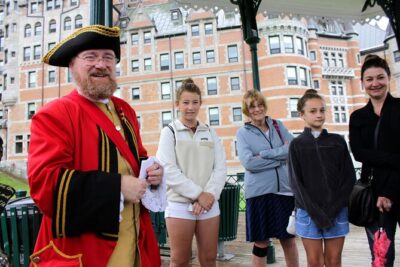
Guided Tour of the Fairmont Le Chateau Frontenac in Quebec City
Read our review →
Versailles Château and Gardens Walking Tour from Paris by Train
Read our review →

Loire Valley: Château Royal d’Amboise Entrance Ticket
Read our review →
Fontainebleau & Vaux-le-Vicomte Châteaux Day Tour from Paris
Read our review →Browse the lists this tour appears in