
Review · MUSEUMS
Tbilisi: Ritual Palace & Vintage Car Museum
The most surprising part of this Tbilisi outing is that a wedding palace becomes a lesson in Soviet design, Georgian tradition, and personal extravagance. Built in 1985, the Palace of Rituals mixes church-like forms, frescoes, a bell tower, and grand ceremonial rooms with halls styled after Egypt, China, France, and Morocco.
I like the unusual architecture and the chance to see a side of Tbilisi that ordinary city walks often miss. I also like the garden and its peacocks, followed by a vintage-car collection that includes Daimlers linked to Queen Elizabeth II and a car associated with Yuri Gagarin. The main drawback is that the tour runs only on weekdays, at 11:00 or 16:00, and it is not suitable for children under 18 or wheelchair users.
Key points
- A Soviet-era wedding palace with Georgian religious touches: See how architect Victor Jorbenadze worked around censorship to create a ceremonial building with a sacred feel.
- International halls under one roof: Visit Egyptian, Chinese, French, and Moroccan rooms, plus a Georgian courtyard modeled on a home in old Tbilisi.
- A garden with peacocks and rare trees: The grounds include trees brought from the Lappen Baumschule nursery and peacocks around Arkadia Hall.
- A remarkable collection of cars: See Daimlers linked to Queen Elizabeth II, Yuri Gagarin’s personal car, a World War II car associated with Joseph Goebbels, and a rare Excalibur.
- A short, focused guided visit: The tour lasts about 1.5 to 2 hours and includes an English-speaking guide and entrance to all listed sites.
- Optional Georgian tastes: Add churchkhela and a glass of homemade wine in the Georgian Room for an extra cost.
Why This Palace Is One of Tbilisi’s Oddest Attractions
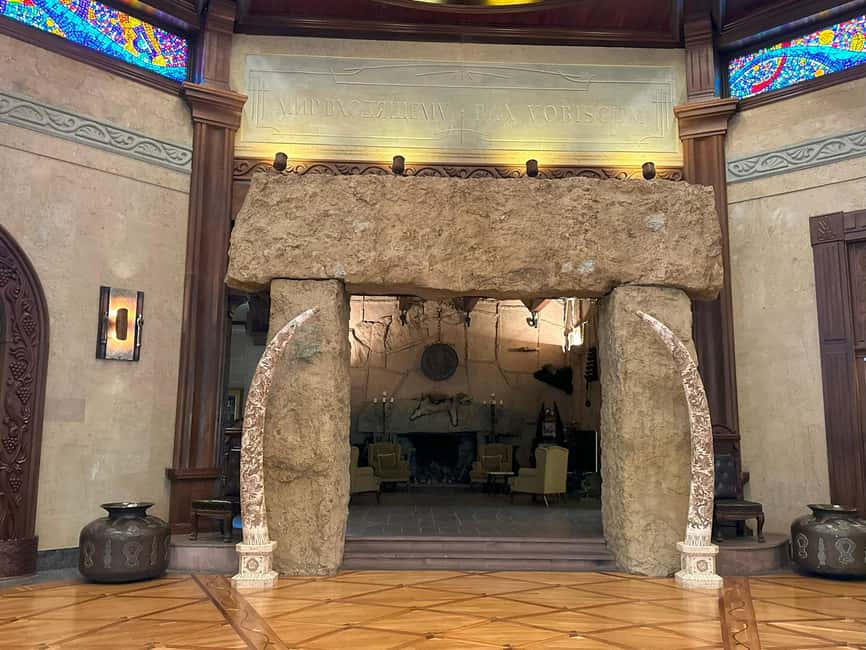
Tbilisi is full of old churches, balconies, sulfur baths, and winding streets. The Palace of Rituals offers something quite different. It is a late Soviet ceremonial building designed for weddings, yet its shapes and decorations reach back toward Georgian religious architecture.
Architect Victor Jorbenadze built the palace in 1985. The official purpose was practical and ideological: create a grand setting for civil weddings and present marriage as an important socialist ceremony. But the building does not feel like a plain government office. It uses soaring interior spaces, frescoes, a bell tower, and forms that suggest a church.
That contrast is what makes the visit worthwhile. You are not simply looking at an attractive building. You are seeing how Georgian cultural ideas found a place inside a Soviet-era project. The palace was meant to serve state values, but its design also carries local religious and artistic references.
I would not book this tour expecting a conventional museum. The palace is better understood as an architectural experience. Its appeal comes from the combination of grand rooms, unusual decoration, personal stories, and a setting that is difficult to categorize.
Inside Victor Jorbenadze’s 1985 Wedding Palace
Your guide meets you at the main gate at 21 Bochorma Street. Look for the guide wearing a Concierge Tbilisi badge. The English-speaking tour then moves through the palace and its connected spaces, with the guide explaining the building’s design and purpose.
The first impression is scale. High ceilings and ceremonial rooms give the palace a sense of occasion. This was built for weddings, so the architecture was intended to make an ordinary civil ritual feel important. That helps explain the wide interiors, formal arrangement, and dramatic vertical shapes.
The Georgian elements are especially interesting. The palace includes features that recall church buildings, along with frescoes and a bell tower. These details do not turn the site into a church, but they do give it a spiritual mood. You can see how architecture was used to create a sacred space without officially being one.
The guide is important here. Without explanation, some of the decoration may seem theatrical or simply strange. With context, the building becomes a story about Soviet rules, Georgian identity, and the desire to preserve familiar cultural forms.
The tour is described as relaxed, with enough time to look around rather than rush from room to room. That pace suits the site. You need a moment to take in the ceilings, decorative details, and the way each room shifts in mood.
More Palace Museums in the world:
- Venice’s Best: Basilica, Doge’s Palace, Gondola & History Gallery
★ 4.5 · 2,478 reviews - Royal Palace & Prado Museum Skip the Line Guided Tour
★ 4.5 · 1,347 reviews - Venice: City Pass with Museums including Doge’s Palace
★ 4.1 · 1,020 reviews
Egyptian, Chinese, French, and Moroccan Rooms
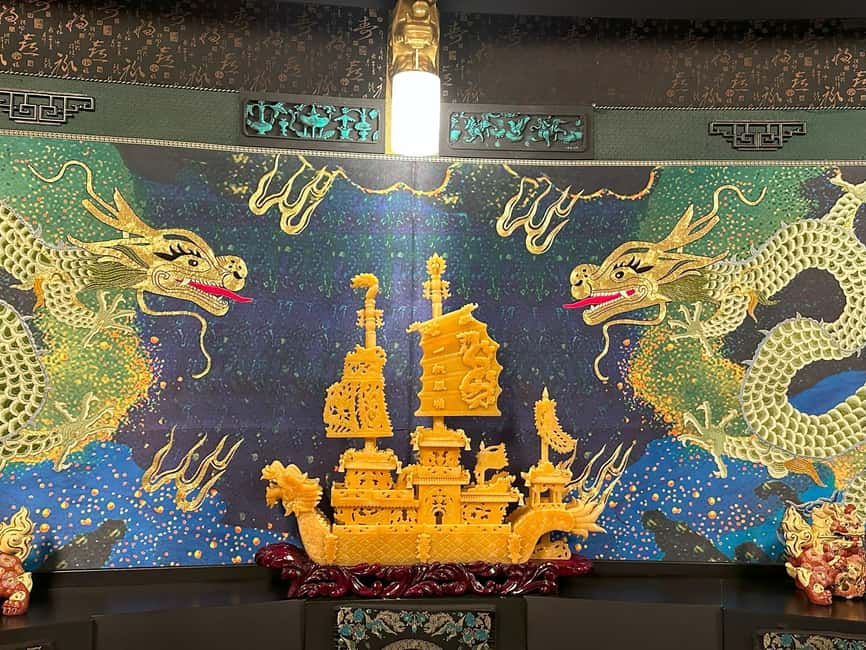
One of the palace’s most curious features is its collection of halls dedicated to different nations. The Egyptian, Chinese, French, and Moroccan rooms bring a series of visual changes within a single visit.
These halls are not presented as a full survey of those cultures. Think of them as themed ceremonial spaces, shaped by the palace’s ambitious design. Each room adds another layer to the building’s unusual character.
I find this part most useful for visitors interested in interiors and architectural ideas. You can compare the rooms as expressions of the period rather than judge them as exact representations of Egypt, China, France, or Morocco. The result is eclectic, and sometimes a little surreal.
That is also the fair warning. If you prefer carefully documented museums with extensive displays and labels, this may feel light on traditional interpretation. The pleasure here comes from the rooms themselves and from the guide’s explanation of how they fit into the palace.
The mix also shows how Soviet ceremonial buildings could borrow international imagery while remaining tied to local needs. A wedding palace in Tbilisi was given a world tour in miniature, all within a structure that still uses distinctly Georgian references.
A Georgian Courtyard and a Home Recreated
The palace visit includes a Georgian courtyard described as an exact replica of Badri Patarkatsishvili’s home in old Tbilisi. This gives the tour a more personal and local turn after the grand international halls.
The courtyard helps connect the ceremonial building to Tbilisi’s older domestic architecture. Old Tbilisi is known for its intimate courtyards and layered homes, so this stop offers a contrast to the palace’s large public rooms.
It is worth paying attention to the change in feeling. The Egyptian and Chinese halls are formal and theatrical. The Georgian courtyard is meant to suggest home, neighborhood, and local character. Together, the spaces show two sides of the experience: public ceremony and private life.
The information provided does not specify how much time is spent in the courtyard, so expect it as one part of a compact guided route rather than a separate long visit. The full tour takes about 1.5 to 2 hours, depending on the pace and schedule.
Rare Trees and Peacocks Around Arkadia Hall
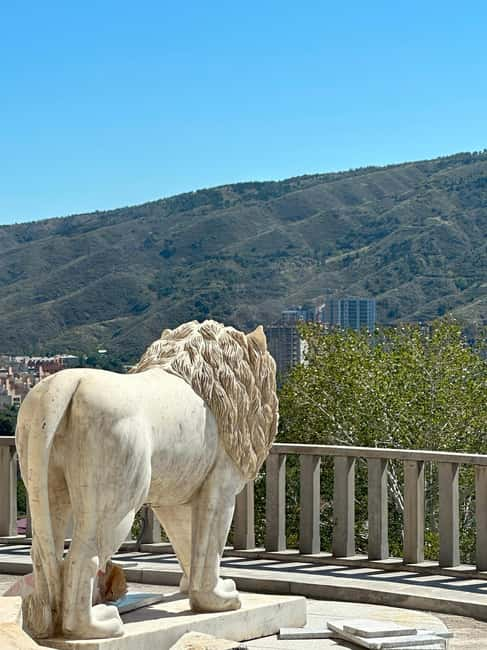
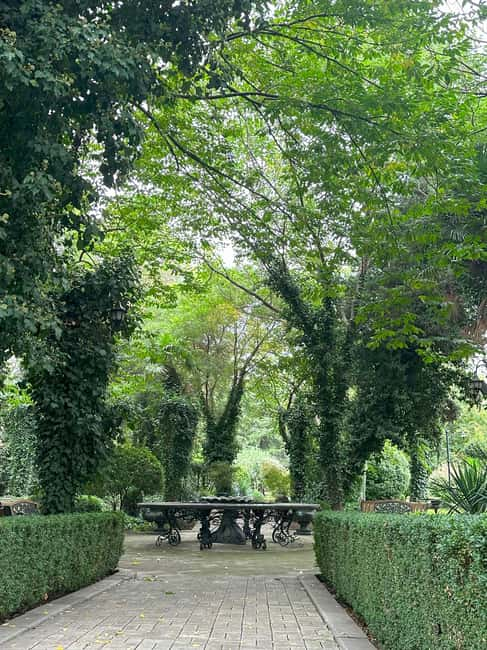
The outdoor portion adds welcome breathing space. You visit a garden with rare trees brought to Georgia from Lappen Baumschule, a well-known tree nursery. The grounds also include peacocks around Arkadia Hall.
This is not just a walk between buildings. The garden gives the palace a different setting and makes the visit feel more like an estate tour. After the heavy architecture and formal rooms, trees, open air, and peacocks create a lighter change of pace.
Arkadia Hall is an event space, and the surrounding garden gives it a distinctive atmosphere. If you enjoy unusual gardens, ornamental trees, or animal life in historic settings, this will likely be one of the most memorable parts of the outing.
Bring comfortable shoes and water. The tour includes both indoor and outdoor areas, and comfortable clothing makes sense. High heels are not allowed, which is practical advice for a visit involving a garden and several different spaces.
The peacocks are part of the setting, not a guaranteed animal encounter on a fixed schedule. You should expect to observe them in the garden, but avoid treating the stop like a wildlife tour.
More Palaces to Tour in the world:
- Venice: Doge’s Palace Reserved Entry Ticket
★ 4.6 · 42,716 reviews - Paris: Versailles Palace and Gardens Full Access Ticket
★ 4.6 · 41,579 reviews - Granada: Alhambra & Nasrid Palaces Tour with Tickets
★ 4.7 · 19,801 reviews - Sintra: Pena Palace and Park Entrance Ticket
★ 4.2 · 17,410 reviews
The Vintage Cars: Royal Links and Famous Owners
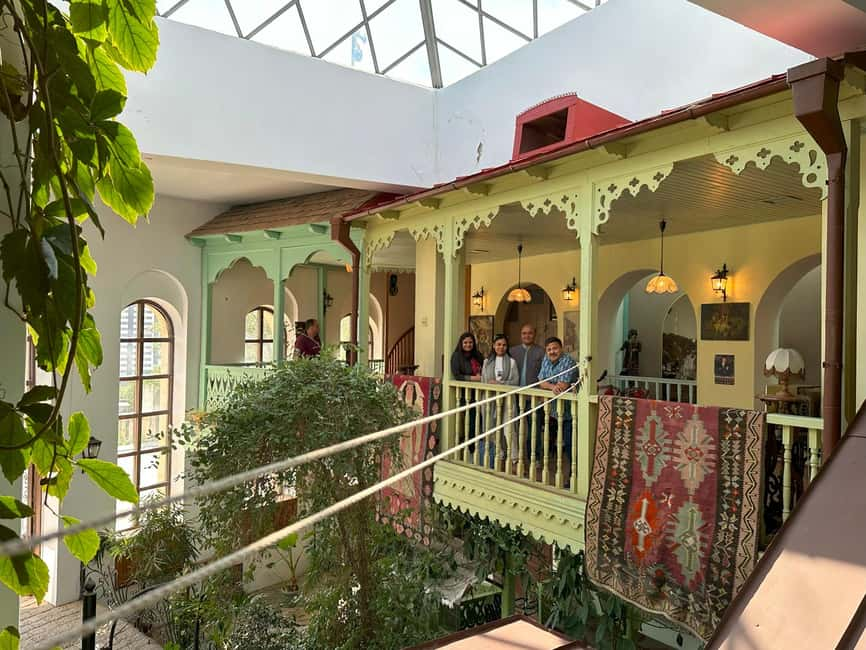
The final major attraction is the vintage-car park. This collection gives the tour a second theme beyond architecture: cars tied to famous people and major moments in modern history.
Among the vehicles are Daimler cars belonging to Queen Elizabeth II. Their presence adds a royal connection to an otherwise very Georgian and Soviet-focused visit. You also see Yuri Gagarin’s personal car, linking the collection to the first human spaceflight.
Another vehicle is associated with Joseph Goebbels and dates from the World War II era. That item carries a darker historical association, so it is best viewed as an artifact connected to the period, not as a lighthearted celebrity curiosity.
The collection also includes what is described as the world’s rarest Excalibur model. Excalibur cars are neo-classical automobiles, built to look like grand cars from an earlier age. Their exaggerated styling has long been linked with wealthy owners and gangster-era glamour.
This section should appeal to anyone who likes cars, royal memorabilia, space history, or objects with a strong backstory. It is also a good reason to choose this experience even if you are only mildly interested in wedding palaces. The car collection broadens the visit and keeps the two-hour route from feeling like a single-subject architectural tour.
Still, the experience is not a major automobile museum. The information provided does not indicate the number of cars, the depth of the displays, or whether the vehicles are presented with extensive technical details. If your main goal is engines, restoration, or a large collection, this may feel brief. If you enjoy rare objects and surprising connections, it is a strong addition.
Optional Churchkhela and Georgian Wine
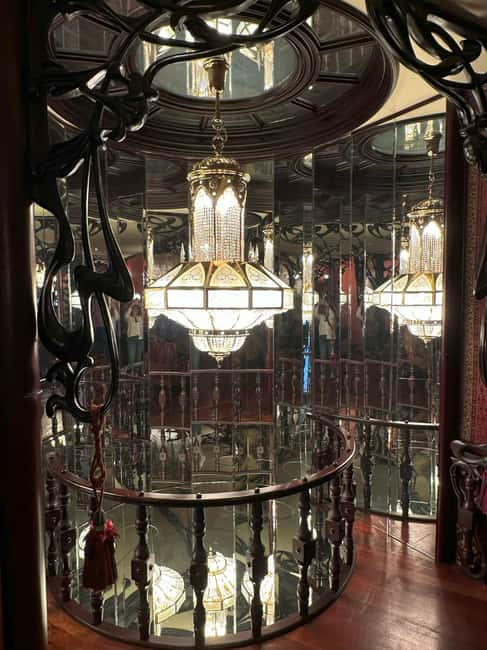
You can add a churchkhela tasting and a glass of homemade Georgian wine in the Georgian Room. These extras cost more, so include them in your budget when comparing the total price.
Churchkhela is a traditional Georgian snack made by coating threaded nuts in thickened fruit juice. It is often shaped like a candle, which explains its familiar nickname. Tasting it in the Georgian Room gives the visit a local food connection after the architecture and cars.
The homemade wine offers another Georgian touch. The supplied information does not specify the wine variety, serving size, or tasting format, so ask about those details before paying for the add-on.
You do not need the tasting to enjoy the tour. I would choose it if you want a small cultural extra and like trying local food and drink. If you are keeping costs down, the main palace, garden, event hall, and car park are already included.
Is $44 a Fair Price for Two Hours?
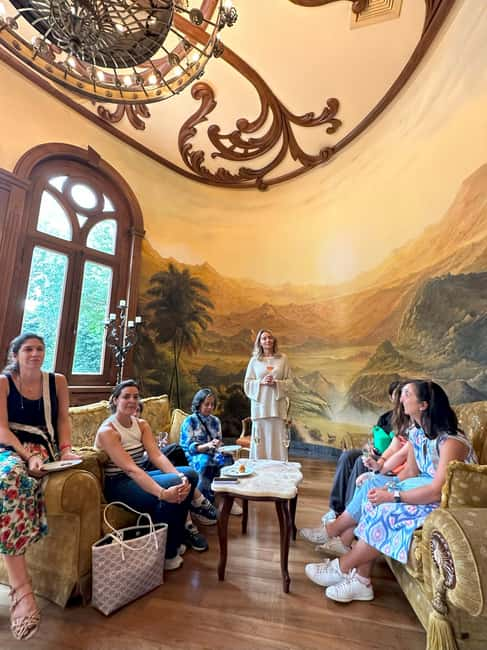
At $44 per person, this is not the cheapest short activity in Tbilisi. The value depends on how much you care about guided access to a private-feeling architectural site and the unusual combination of attractions.
The price includes an English-speaking guide and entrance to the Ritual Palace, Arkadia event hall, vintage-car park, and garden. You are paying for more than a look at the palace exterior. The route brings together architecture, international-themed interiors, a Georgian courtyard, rare trees, peacocks, and unusual vehicles.
The guided format also matters. The palace’s meaning is not immediately obvious. A good explanation helps you understand why a Soviet wedding building uses church-like design and Georgian cultural references. The two available reviews describe the experience as well planned, clear, friendly, relaxed, and not rushed. One also describes the service as premium from beginning to end.
No guide name is provided, so you cannot request a specific guide. The available feedback does indicate that the English explanations were engaging and that the pace allowed time to look around.
I see this as a fair price for a niche experience, especially if you have already seen Tbilisi’s standard sights and want something different. It is less compelling if your budget is tight or if you want a long, citywide sightseeing tour. This is a focused visit to one unusual complex.
Timing, Meeting Point, and Restrictions
Tours operate Monday through Friday, with starting times at 11:00 and 16:00. The operating schedule begins September 3, according to the supplied details, so check the date and availability before booking.
Meet at the main gate of the Palace of Rituals, 21 Bochorma Street. The guide will be waiting with a Concierge Tbilisi badge. The activity does not include transportation, so plan your route to the meeting point separately.
The tour lasts about two hours, though the stated range is 1.5 to 2 hours. That makes it easy to fit before dinner or alongside another Tbilisi activity, but you should leave a little space in your schedule.
The tour is not suitable for children under 18. It is also not suitable for wheelchair users, and the restrictions exclude mobility scooters, electric wheelchairs, non-folding wheelchairs, baby strollers, and non-folding strollers. Smoking and chewing gum are not allowed indoors, and food and drinks cannot be brought inside.
Comfortable shoes, water, comfortable clothes, and some cash are sensible choices. Cash may be useful for the optional tasting, though the supplied information does not specify the accepted payment method.
Who Should Book This Tbilisi Experience?
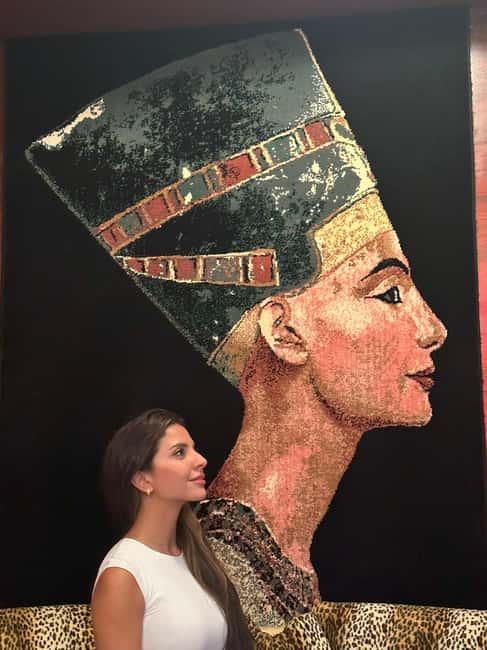
I would recommend this tour to you if you like unusual architecture, Soviet-era places, Georgian cultural details, historic objects, or collections with famous associations. It works especially well for a return visit to Tbilisi, when you have already seen the main old-town sights.
It also suits anyone who enjoys a mixed itinerary. One hour may be devoted to architecture and ceremonial rooms, another part to gardens and peacocks, and the rest to vintage cars. That variety is a strength.
You may want to skip it if you need a family activity for younger children, require step-free access, or have only a weekday morning or afternoon outside the listed start times. It is also not the right choice if you want a long outdoor garden tour or a full automobile museum.
The strongest reason to go is the palace itself. The cars and garden make the outing more varied, but the central attraction is the strange and thoughtful way Jorbenadze combined Soviet ceremony with Georgian forms.
Should You Book the Ritual Palace Tour?
Book it if you want a short, well-organized experience that goes beyond Tbilisi’s usual churches, baths, and old streets. The combination of a 1985 wedding palace, international halls, a Georgian courtyard, rare trees, peacocks, and famous vintage cars is hard to duplicate elsewhere.
At $44, it is a specialist experience rather than a budget stop. The English guide, entrance fees, and four included areas make the price reasonable if the subject appeals to you. The relaxed pace and clear explanations are important advantages.
Skip it if accessibility, child-friendly planning, or a weekend schedule matters. For the right visitor, though, this is one of Tbilisi’s more unexpected two-hour outings, with enough architectural oddity and historical character to justify the detour.
FAQ
Where does the tour meet?
Meet at the main gate of the Palace of Rituals at 21 Bochorma Street. The guide will have a Concierge Tbilisi badge.
How long does the experience last?
The tour takes about 1.5 to 2 hours. The listed duration is two hours.
What time does the tour start?
The available start times are 11:00 and 16:00, Monday through Friday.
Which days does the tour operate?
The tour operates Monday through Friday. The supplied information says operation starts from September 3.
Is an English-speaking guide included?
Yes. An English-speaking live guide is included.
What attractions are included?
Admission includes the Ritual Palace, Arkadia event hall, vintage-car park, and garden tour.
Are churchkhela and wine included?
No. Churchkhela tasting and a glass of homemade Georgian wine are optional extras at an additional cost.
Is the tour suitable for children?
No. The experience is not suitable for children under 18.
Is the tour wheelchair accessible?
No. The activity is not suitable for wheelchair users and does not allow non-folding or electric wheelchairs.
What should I bring?
Bring comfortable shoes, water, comfortable clothes, and cash. High heels are not allowed.
Newly added in the world
- Óbidos historic village and Mafra Palace Private Tour★ 5.0 · 34 reviews
- Private Tour Sintra Palaces and Scenic Landscapes★ 5.0 · 3 reviews
- Lisbon: Pena Palace, Cabo da Roca, Cascais private tour★ 5.0 · 44 reviews
- Óbidos – Nazaré – Mafra (National Palace of Mafra)Private tour from Lisbon★ 5.0 · 2 reviews
- National Palace and Gardens of Queluz: E-ticket with Audio Guide★ 3.5 · 6 reviews
- Half day Sintra PRIVATE TOUR Pena Palace + Roca Cape (2-6people)★ 5.0 · 3 reviews
- From Lisbon Sintra Highlights Tour – Pena, Regaleira & Monserrate★ 5.0 · 79 reviews
- Mafra and Sintra: Choose 3 of 6 Palaces to visit on private tour★ 5.0 · 26 reviews
Museums, compared.
Venice’s Best: Basilica, Doge’s Palace, Gondola & History Gallery
Read our review →
Royal Palace & Prado Museum Skip the Line Guided Tour
Read our review →
City Pass with Museums including Doge’s Palace
Read our review →
Crete: Knossos Palace and Museum E-Tickets with Audio Guides
Read our review →
Venice Museum Pass & Doge’s Palace Entrance Ticket
Read our review →
Palace, Museum, Madrasa & Medina Highlights Tour
Read our review →
Browse the lists this tour appears in