
Review · MUSEUMS
Taipei: National Palace Museum and Taiwan Aborigines Museum
Taipei gives you an unusual two-museum pairing here: one small museum devoted to Taiwan’s Indigenous peoples, followed by one of Asia’s great collections of Chinese art. The contrast is the point. You move from local cultures, clothing, festivals, and religious traditions to 5,000 years of imperial art and daily life.
I like the low price of $15 and the freedom to set your own pace. I also like the chance to see the jadeite cabbage carving and other famous works without giving up time for Taiwan’s own Indigenous story. The main drawback is that the Shung Ye Museum is fairly small, and the National Palace Museum can easily take several hours, so this is a full museum day rather than a quick sightseeing stop.
- Two museums, one ticket: Redeem both admissions at Shung Ye before walking to the National Palace Museum.
- A useful cultural contrast: Start with Taiwan’s 14 to 16 Indigenous groups, then move into Chinese art and court culture.
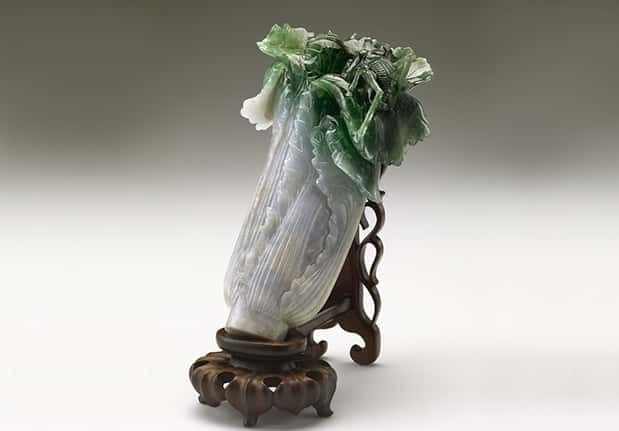
- The jadeite cabbage: Look for one of the National Palace Museum’s best-known treasures.
- Optional audio guide: Commentary is available for Shung Ye if you select that option.
- Flexible timing: You explore independently during one valid day, with no fixed group schedule.
- Easy bus connection: Buses 255, S18, and S19 run from Exit 1 of Shilin MRT Station.
Start at Shung Ye with Taiwan’s Indigenous cultures
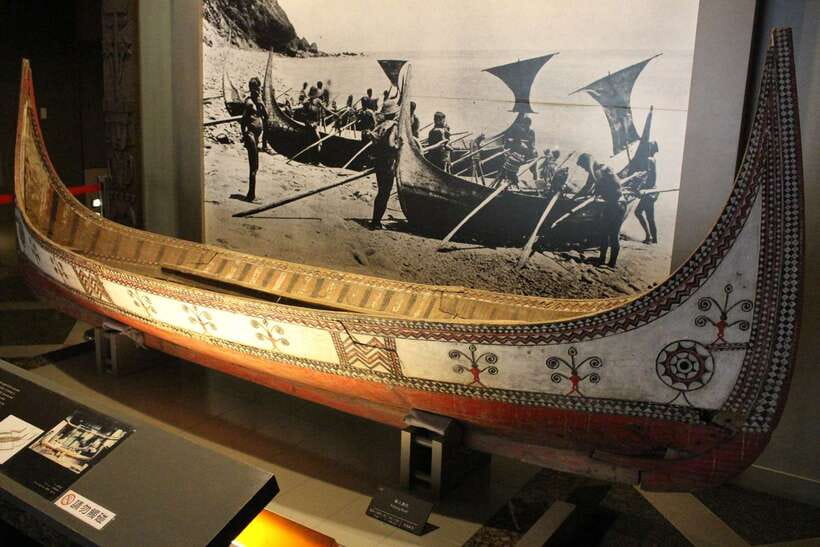
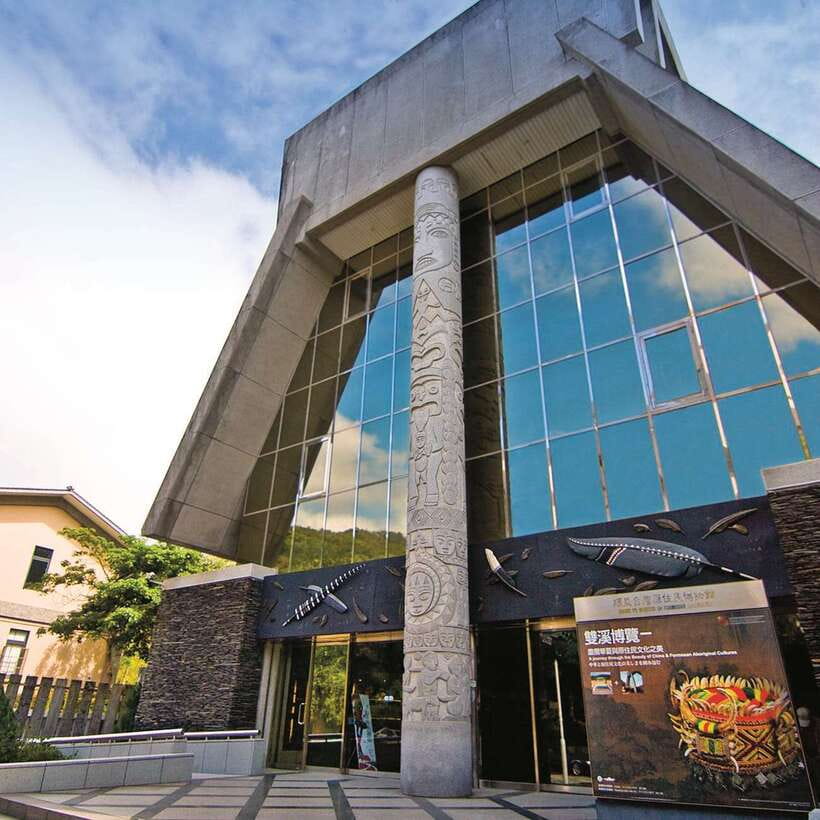
Your day begins at the Shung Ye Museum of Formosan Aborigines on Zhi Shan Road in Taipei’s Shilin District. This is not just a ticket pickup point. It gives the visit a proper beginning by introducing the people and traditions that existed in Taiwan long before the island became closely tied to Chinese political and cultural power.
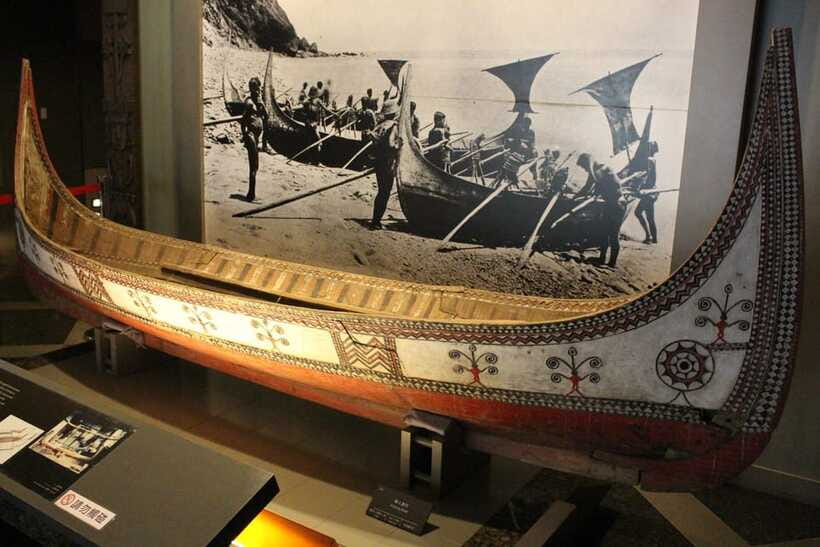
Inside, you learn about Taiwan’s Indigenous groups, including their ways of life, clothing, festivals, religions, and social customs. The museum is not huge, so you can see its main displays without spending half a day there. That works well as an opening stop, especially if you want context before reaching the much larger National Palace Museum.
I would allow roughly an hour here, longer if you plan to watch the films in the auditorium. Those films address the present conditions of Indigenous people in Taiwan, which adds an important modern layer to displays that could otherwise feel limited to clothing and objects from the past.
The museum’s size is also the main limitation. If you expect a large national museum with room after room of major galleries, you may find Shung Ye modest. Its value comes from focus, not scale. The displays give you a useful introduction, and the films help connect cultural traditions with life in Taiwan today.
If you select the audio guide, use it here rather than rushing through the galleries. The commentary is intended to make the displays easier to follow, especially when you are unfamiliar with the names and traditions of Taiwan’s Indigenous peoples. The National Palace Museum ticket does not include an audio guide, so plan on reading its gallery information yourself or arranging a separate guide elsewhere.
Redeem both tickets before leaving the first museum
The practical detail that matters most is simple: you must redeem both tickets at Shung Ye. Do this before heading to the National Palace Museum. If you go directly to the larger museum first, you may not be able to use the package as intended.
Once you have collected the admissions, the National Palace Museum is a short walk away. This makes the pairing much easier than two museums scattered across Taipei. You can finish at Shung Ye, walk over, and spend the bulk of the afternoon with the Chinese collection.
The day is self-guided. There is no fixed departure time, no bus tour, and no guide leading you from room to room. I see that as a benefit for museum lovers who want to linger over a favorite gallery, but it requires some self-discipline. The National Palace Museum has enough material to absorb three or four hours, and possibly more if you read labels carefully.
More Palace Museums in the world:
- Venice’s Best: Basilica, Doge’s Palace, Gondola & History Gallery
★ 4.5 · 2,478 reviews - Royal Palace & Prado Museum Skip the Line Guided Tour
★ 4.5 · 1,347 reviews - Venice: City Pass with Museums including Doge’s Palace
★ 4.1 · 1,020 reviews
Spend the main part of the day at the National Palace Museum
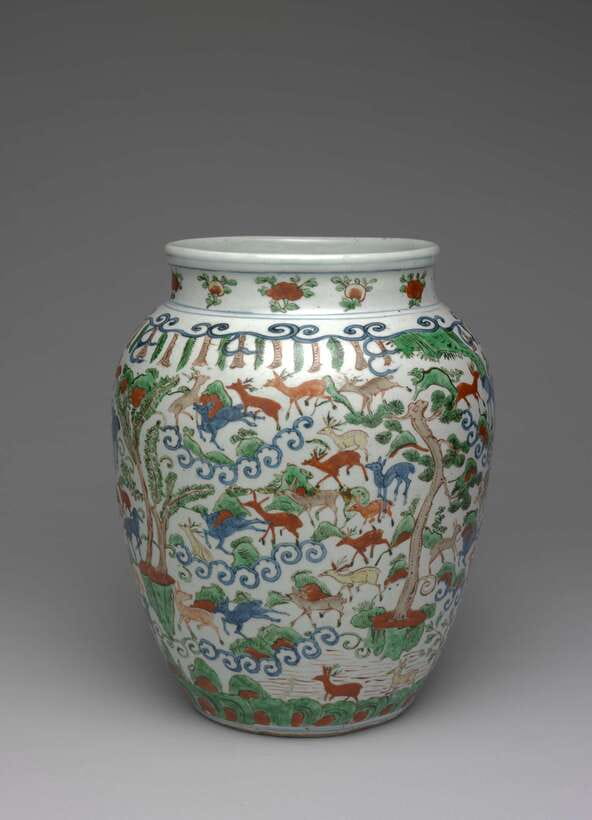
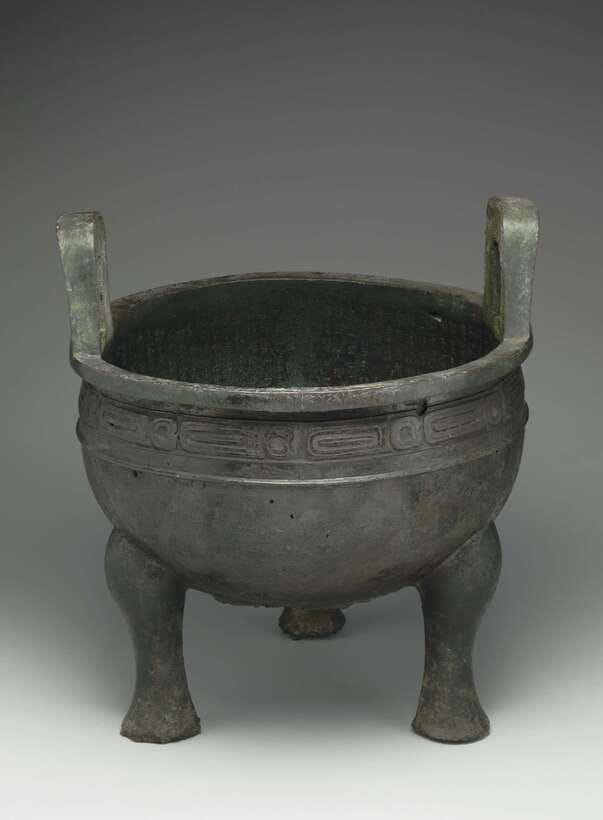
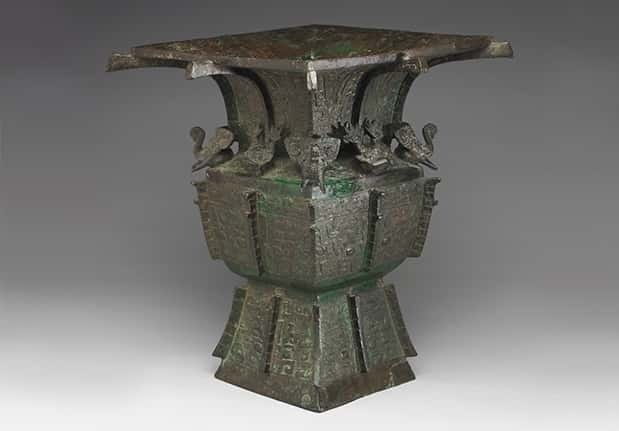
The National Palace Museum houses more than 700,000 pieces of Chinese art. You will not see all of them in one visit, of course. Exhibits change, and the museum’s size can make it difficult to know where to begin, so give yourself permission to choose rather than trying to inspect every case.
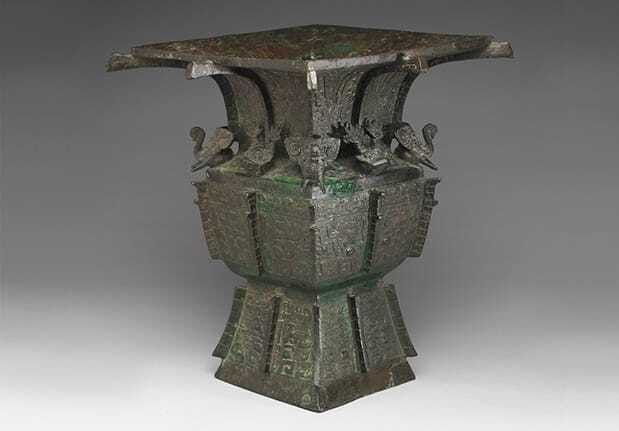
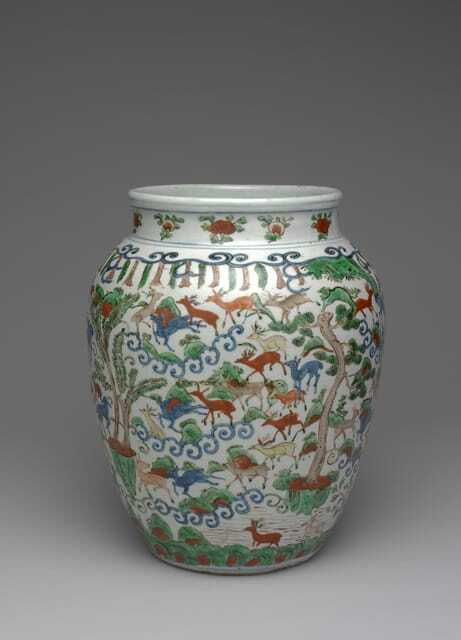
The collection includes calligraphy, ceramics, paintings, and objects connected with Chinese history and daily life. Together, these works cover about 5,000 years of culture. The displays help explain how Chinese artistic and political traditions influenced Taiwan, while also making clear that Taiwan has its own Indigenous cultures and historical experience.
The famous jadeite cabbage carving is a natural target for a first visit. It is small, detailed, and easy to overlook if you expect a monumental sculpture. Its appeal comes from the careful carving and the way a piece of jade was shaped into a familiar vegetable form. Check the current gallery arrangement when you arrive, since museum displays can change.
You should also make time for works outside the headline objects. The ceramics and paintings show changes in taste and technique across long periods, while calligraphy rewards a slower look than its compact size might suggest. If your interest is mainly in famous treasures, you can make a shorter circuit. If you enjoy objects as evidence of how people lived and thought, the museum deserves most of the day.
A visitor who went back after 30 years found the experience far more memorable with extra time. That is a useful warning: the National Palace Museum is not a place to squeeze into a rushed morning. I would plan the day around it and treat Shung Ye as the thoughtful opening chapter, not as an equal-sized second attraction.
Why the pairing works better than either museum alone
The two museums answer different questions. Shung Ye asks you to consider who lived in Taiwan and how communities shaped their own customs. The National Palace Museum asks you to look at the long artistic and political traditions of China and the way those traditions reached Taiwan.
That contrast prevents the day from becoming a single stream of similar display cases. You see textiles and cultural practices at Shung Ye, then shift to objects made for writing, ceremony, decoration, collecting, and daily use. The result is a broader view of Taiwan than you would get from the National Palace Museum alone.
The pairing also corrects a common imbalance in Taipei sightseeing. The National Palace Museum is famous internationally, but Taiwan is not simply a storage place for Chinese art. Starting at Shung Ye makes Indigenous history part of the day’s central plan rather than an afterthought.
I would especially recommend this combination if you have already seen major Chinese collections elsewhere. One visitor noted that the National Palace Museum offered objects unlike those found in Beijing’s Forbidden City. The collections overlap in broad subject matter, but the experience here has its own focus and connection to Taiwan.
Timing, transport, and the best order
The Shung Ye Museum opens from 9:00 a.m. to 5:00 p.m., Tuesday through Sunday. The National Palace Museum opens from 8:30 a.m. to 6:30 p.m. on those days, with Friday and Saturday hours extending to 9:00 p.m.
Because the ticket redemption must happen at Shung Ye, begin there even though the larger museum opens earlier. A morning start gives you time for the Indigenous museum, its films, the walk between sites, and several hours at the National Palace Museum.
From Shilin MRT Station on Taipei’s red line, use Exit 1 and take bus 255, S18, or S19. Get off at Wesley Girls High School, written in Chinese as 衛理女中. Have the stop name ready on your phone or written down, since the English name may be less familiar to a driver or local passenger.
The experience is valid for one day, not a multi-day pass. That sounds obvious, but it matters if you are building a packed Taipei schedule. Keep both museums on the same day and avoid placing another distant attraction between them.
More Palaces to Tour in the world:
- Venice: Doge’s Palace Reserved Entry Ticket
★ 4.6 · 42,716 reviews - Paris: Versailles Palace and Gardens Full Access Ticket
★ 4.6 · 41,579 reviews - Granada: Alhambra & Nasrid Palaces Tour with Tickets
★ 4.7 · 19,801 reviews - Sintra: Pena Palace and Park Entrance Ticket
★ 4.2 · 17,410 reviews
What the $15 price really buys you
At $15 per person, this is a strong-value museum day. You receive admission to both museums, and the two sites are close enough to combine without paying for a separate transfer between them. If you would visit the National Palace Museum anyway, adding Shung Ye for the same outing gives you a second cultural viewpoint at a modest extra cost.
The value is best for independent visitors. You do not pay for a private guide, transport, or a fixed sightseeing program, so you retain control over time and focus. The tradeoff is that the ticket does not include an audio guide for the National Palace Museum, and the optional Shung Ye audio guide must be selected in advance.
There can also be a small locker charge. Filming equipment must be left in onsite lockers, which cost around TWD20 each. Cameras and flash photography are not allowed, so arrive ready to look rather than record. Bring your passport or another ID card, as it may be required for admission.
Who will enjoy this museum day most
I would choose this experience if you want substance without a formal tour group. It suits people who enjoy art, history, cultural anthropology, or simply want a more balanced look at Taiwan.
Families can use the freedom to move at their own pace, though very young children may find the historical displays demanding. Children under seven enter free. The films at Shung Ye and the famous jadeite cabbage at the National Palace Museum give you two easy anchors for younger visitors, but the day still centers on quiet galleries and reading.
It is also a good choice for repeat visitors to Taipei. If you have already seen the city’s markets and temples, these museums offer a slower look at the forces that shaped Taiwan. The combination can also work for a first visit if you are willing to give up a full day to museums.
This is less suitable if you want a fast list of photo stops. Cameras are not permitted, the National Palace Museum is large, and Shung Ye rewards attention to cultural detail more than quick sightseeing.
Small practical details that improve the visit
Wear comfortable shoes. The walk between the museums is short, but the National Palace Museum can keep you on your feet for hours.
Start with a simple plan: Indigenous cultures first, major National Palace Museum highlights next, then any gallery that catches your interest. Do not spend all your energy trying to see every object. A shorter, attentive visit is better than racing through hundreds of cases.
If the audio guide matters to you, select it for Shung Ye when booking. Do not assume the same service covers both museums. For the National Palace Museum, prepare to use the written information provided in the galleries.
Check the day carefully before setting out. Both museums list Tuesday through Sunday hours, and the late opening at the National Palace Museum on Friday and Saturday gives you extra flexibility. The ticket includes free cancellation up to 24 hours before the visit, and you can reserve now and pay later if you want to keep your plans open.
The museums are wheelchair accessible. That makes the paired visit practical for many visitors, though you may still want to allow extra time for moving through the larger National Palace Museum.
Should you book this Taipei museum pairing?
Book it if you want a good-value, self-guided day that places Taiwan’s Indigenous cultures beside one of the world’s major Chinese art collections. The $15 price, nearby locations, flexible pacing, and famous jadeite cabbage make it an easy choice for museum-focused visitors.
Skip it if your Taipei plans allow only a short morning, or if you dislike large historical museums. Shung Ye is compact, while the National Palace Museum can fill three or four hours without effort. For everyone else, redeem the tickets early, start at Shung Ye, use the audio guide if you want more context, and give the National Palace Museum the time it deserves.
FAQ
How much does the experience cost?
The listed price is $15 per person. Children under seven enter free.
How long is the experience valid?
The tickets are valid for one day. You visit both museums on the same day.
Where do I collect both museum tickets?
Redeem both tickets at the Shung Ye Museum of Formosan Aborigines before visiting the National Palace Museum.
How do I reach the Shung Ye Museum by public transport?
From Exit 1 of Shilin MRT Station on Taipei’s red line, take bus 255, S18, or S19. Get off at Wesley Girls High School, or 衛理女中.
Is an audio guide included?
An audio guide for the Shung Ye Museum is included only if you select that option. An audio guide for the National Palace Museum is not included.
What are the museum opening hours?
Shung Ye is open from 9:00 a.m. to 5:00 p.m., Tuesday through Sunday. The National Palace Museum is open from 8:30 a.m. to 6:30 p.m. Tuesday through Sunday, with hours extending to 9:00 p.m. on Friday and Saturday.
What should I bring?
Bring your passport or another ID card. Comfortable shoes are also useful for a full museum day.
Can I take photographs or bring filming equipment?
Cameras and flash photography are not allowed. Filming equipment must be left in onsite lockers, which cost around TWD20 each.
Can I cancel or change my booking?
You can cancel up to 24 hours in advance for a full refund. Reserve now and pay later is also available, and the experience is wheelchair accessible.
Newly added in the world
- Óbidos historic village and Mafra Palace Private Tour★ 5.0 · 34 reviews
- Private Tour Sintra Palaces and Scenic Landscapes★ 5.0 · 3 reviews
- Lisbon: Pena Palace, Cabo da Roca, Cascais private tour★ 5.0 · 44 reviews
- Óbidos – Nazaré – Mafra (National Palace of Mafra)Private tour from Lisbon★ 5.0 · 2 reviews
- National Palace and Gardens of Queluz: E-ticket with Audio Guide★ 3.5 · 6 reviews
- Half day Sintra PRIVATE TOUR Pena Palace + Roca Cape (2-6people)★ 5.0 · 3 reviews
- From Lisbon Sintra Highlights Tour – Pena, Regaleira & Monserrate★ 5.0 · 79 reviews
- Mafra and Sintra: Choose 3 of 6 Palaces to visit on private tour★ 5.0 · 26 reviews
Museums, compared.
Venice’s Best: Basilica, Doge’s Palace, Gondola & History Gallery
Read our review →
Royal Palace & Prado Museum Skip the Line Guided Tour
Read our review →
City Pass with Museums including Doge’s Palace
Read our review →
Crete: Knossos Palace and Museum E-Tickets with Audio Guides
Read our review →
Venice Museum Pass & Doge’s Palace Entrance Ticket
Read our review →
Palace, Museum, Madrasa & Medina Highlights Tour
Read our review →
Browse the lists this tour appears in