
Review · CAIRO PALACE TOURS
Tour To The Nilometer And Manial Palace With Felucca Ride
Cairo’s traditional felucca ride is the most relaxing part of this full-day outing, but the land visits give it more purpose than a simple boat trip. You’ll see the Nilometer on Roda Island, Manial Palace’s unusual mix of Islamic and European design, and the tomb-lined streets of the City of the Dead.
I like the private format, the included entrance fees, and the air-conditioned vehicle between stops. I also like that the tour visits places outside the usual pyramid and museum circuit, especially Manial Palace and the historic Nilometer.
The main concern is value. At $130 per person, this is not a cheap Cairo day, and one past booking calculated admission to the two main sites at only 140 Egyptian pounds. Much depends on the quality of your guide, the lunch, and how much time you actually spend at each place.
Key points at a glance
- The felucca ride includes lunch: You finish beside the Nile, with roughly an hour on a traditional sailboat.
- The Nilometer explains Nile taxation: Its measuring shaft once helped determine whether farmland had received enough floodwater.
- Manial Palace is the architectural highlight: Five buildings combine Ottoman, Moorish, Persian, European Art Nouveau, and Rococo influences.
- The City of the Dead is still lived in: Ancient tombs and mausoleums share space with homes, offering a difficult but important look at Cairo’s housing crisis.
- This is a private tour: Only your group takes part, with a private guide and hotel pickup and return.
- The day runs about eight hours: The stated start time is 8:00 am, and airport or distant-area pickups cost extra.
A different side of Cairo in one long day
This tour works best if you have already seen, or are less interested in, Cairo’s headline sights. It skips the pyramids and Egyptian Museum in favor of monuments tied to water, royal life, burial customs, and daily housing problems.
That makes the day feel more varied than a standard ancient Egypt itinerary. You move from a practical medieval instrument to a lavish royal residence, then to one of Cairo’s most unusual urban areas before ending on the river.
The pace is fairly full. The planned visits allow about two hours at the Nilometer, two hours at Manial Palace, two hours in the City of the Dead, and one hour on the Nile, not counting driving and hotel transfers. In real terms, you should expect an eight-hour day, with some time spent getting between districts.
The private setup is useful here. You can ask the guide to slow down at the palace, explain the Nilometer in more detail, or clarify what you are seeing in the cemetery. That matters because the sights are less self-explanatory than the pyramids. One booking reported needing to ask the guide for more explanation, so I would be direct from the start and request fuller commentary.
More Palaces to Tour in Egypt:
- Discover The Palaces of Cairo
★ 5.0 · 46 reviews - Cairo Tour Manial Palace and Felucca with Lunch
★ 4.5 · 12 reviews - Cairo Heritage Tour: Golden Palace, Oldest Mosque with Lunch
★ 4.9 · 11 reviews
Roda Island and the Nilometer
The first stop is the Nilometer at the southern tip of Roda Island. This old stone structure measured the annual rise of the Nile, a task that once affected the collection of agricultural taxes.
The logic was simple but powerful. If the river rose to a suitable level during flood season, fields received enough water to support crops. Taxes were collected when the flood reached the designated mark. The Nilometer was therefore not just a measuring device. It connected the Nile, farming, government income, and the survival of the city.
I like this stop because it gives you a practical way to understand Egypt’s dependence on the river. Instead of looking only at royal monuments, you see the tool behind an entire farming system.
The visit is scheduled for two hours, which may feel generous for a single structure. That time can be worthwhile if your guide explains how the shaft worked, why the flood level mattered, and how the monument fit into Cairo’s development. If the explanation is brief, the stop may feel thin. The monument itself is not a large complex packed with rooms and displays.
This is one place where the guide makes a major difference. Ask what you are looking at, how the water was read, and how the measurement affected taxation. Those questions should turn a quiet monument into a clearer picture of medieval Egyptian life.
Admission is included, as it is at Manial Palace. Keep in mind that the entrance fees alone do not explain the full price of the day. The package also covers private transport, guide service, lunch, taxes, and hotel pickup and return.
Manial Palace’s five contrasting buildings
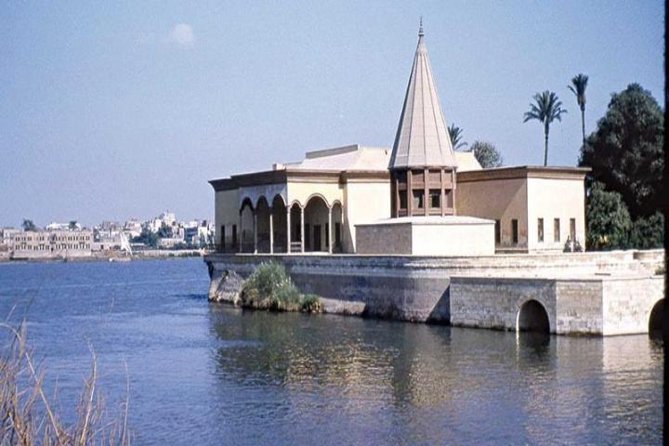
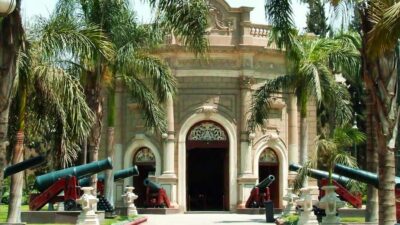
Manial Palace Museum is likely to be the visual high point of the tour. The palace belonged to Prince Mohamed Ali Pasha, the uncle of King Farouk, and its design mixes several styles rather than following one strict architectural rule.
You may see European Art Nouveau and Rococo alongside Ottoman, Moorish, and Persian elements. That combination appears in the buildings, interior decoration, spatial arrangements, and materials. The result is less like a single royal mansion and more like a collection of carefully styled settings.
The compound contains five separate buildings. Each has its own character, and the surrounding gardens contain rare tropical plants gathered by the prince during his travels. The grounds also sit beside a small branch of the Nile, adding a calmer setting after the traffic and density of central Cairo.
I like the palace because it shows a later and more personal side of Egyptian history. The Nilometer reflects the practical needs of an older Nile society. Manial Palace shows how a member of the royal family chose to display taste, status, and interest in several artistic traditions.
Two hours is a sensible amount of time here. You can look at the exteriors, enter the decorated rooms, and spend some time in the gardens without having to rush through the compound. The palace is also a good place to ask your guide to point out the differences between Ottoman, Moorish, Persian, Art Nouveau, and Rococo details.
The drawback is that visitors who want only ancient monuments may find the palace less immediately gripping. It is not a pharaonic temple or a grand archaeological site. Its appeal comes from design, royal history, gardens, and the unusual combination of styles.
The City of the Dead and Cairo’s housing crisis
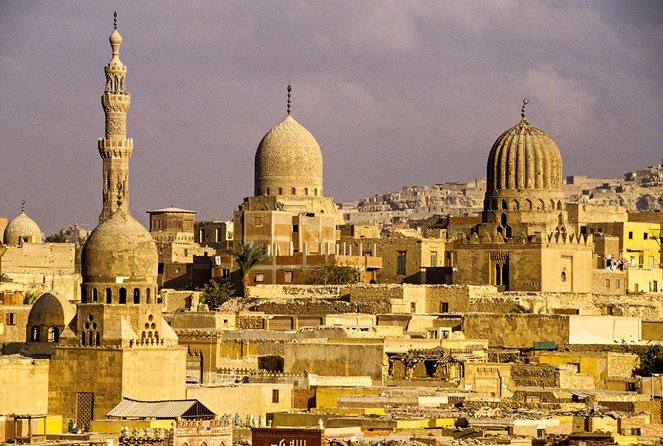
The tour then turns to the City of the Dead, also called the Northern Cemetery. This large Cairo cemetery contains tombs and mausoleums, with some structures dating back to the Islamic conquest of Egypt in 642 AD.
The area is also home to people. Because of Egypt’s long-running shortage of housing, some residents have made permanent homes among the tombs and mausoleums. That makes the visit more than a look at old burial architecture. It offers a direct view of how Cairo’s need for space has reshaped an area originally intended for the dead.
This is the most socially sensitive part of the day. Approach it with respect. You are seeing a living neighborhood as well as historic tombs. Avoid treating residents’ homes as curiosities, and follow your guide’s advice about where to look and when photography is appropriate.
The scheduled two hours gives the guide time to explain the cemetery’s layout, the age of the tombs, and the reasons people live there. It also lets you absorb the contrast between monumental burial spaces and ordinary domestic life.
I find this stop valuable because it complicates the usual picture of Cairo. The city is not only mosques, palaces, and ancient monuments. It is also a place where old structures remain part of present-day life, sometimes because families have few other choices.
Still, this may be the least comfortable part of the tour. Some people will find the subject difficult, and the experience depends heavily on the guide’s tone. A thoughtful explanation can add real value. A hurried or overly casual visit would miss the point.
Same city, another grand address:
- Cairo:Nilometer, Manial Palace,City of The Dead With Felucca
★ 4.7 · 9 reviews - Palaces tour: Day tour to Baron Palace , Abdeen Palace,Manial Palace.
★ 4.5 · 8 reviews - Sultan Hassan Mosque, Nilometer and Mohamed Ali Palace
★ 4.5 · 6 reviews - Half Day Tour to Baron Palace
★ 5.0 · 4 reviews
Lunch and one hour under sail on the Nile
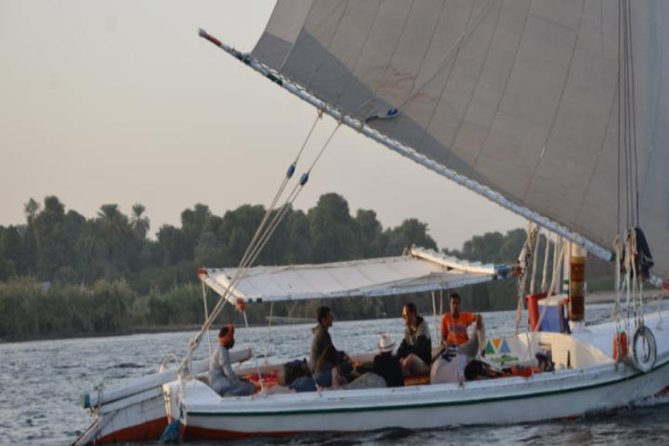
After the land visits, you return to the river for a felucca ride. A felucca is a traditional sailboat used on the Nile and in other Mediterranean areas. The planned ride lasts about one hour, and lunch is served on board.
This is the part of the day most likely to feel restful. After several historic sites and a cemetery visit, the open river gives you time to sit, watch Cairo from the water, and let the day slow down.
Do not expect the boat trip to replace a full Nile cruise. It is a short local ride, not an overnight sailing or a luxury dining voyage. Its appeal is the simple combination of traditional boat, river views, and a meal.
The quality of the experience will depend on the weather, the boat conditions, and the lunch provided, none of which are specified in the booking details. I would treat the felucca ride as a pleasant closing segment rather than the sole reason to pay for the tour.
A past booking described the felucca ride as the best part of the day, while finding the other stops less substantial. That is useful guidance. If you mainly want a Nile boat ride with a little sightseeing attached, this tour may suit you. If you expect every stop to deliver the scale of the pyramids, you may find the day underwhelming.
After the ride, the driver takes you back to your hotel. Pickup and return are included for hotels, while transfers from Cairo Airport, Sphinx Airport, the New Administrative Capital, New Cairo, Heliopolis, Badr City, Shorouk, Rehab, Obour, Sheraton Al Matar, Sheikh Zayed City, or Madinaty City require an additional charge.
What the $130 price really covers
The listed cost is $130 per person. That is a substantial price for a Cairo sightseeing day, especially when the two principal site admissions were once calculated at only 140 Egyptian pounds.
The price makes more sense if you value convenience and privacy. It includes:
- Hotel pickup and return
- A private guide
- Air-conditioned transport
- Lunch
- Entrance fees and taxes
- A private group format
- The felucca ride
The private vehicle matters in Cairo. You are not organizing several taxis between Roda Island, Manial, the Northern Cemetery, and the river. You also avoid sharing the day with a large group and can raise questions as you go.
But the price still depends on service. Since no individual guide is named in the details, ask for the guide’s name and confirm the schedule before the day begins. More importantly, tell the guide that you want explanations at each stop, especially at the Nilometer and City of the Dead. One report found the commentary too limited without prompting.
Group discounts may make the tour more attractive for families or small parties. Compare the total group price with arranging a private car and guide separately, but include the value of lunch, entrance fees, and the boat ride in your calculation.
Who will get the most from this tour
I would recommend this experience to you if you want a private Cairo day away from the standard circuit. It suits repeat visitors, history fans interested in Islamic-era Cairo, and people who enjoy seeing how monuments connect with current life.
It also works for visitors who want a mix of indoor and outdoor stops. Manial Palace offers decorated interiors and gardens. The Nilometer provides a focused historical visit. The cemetery offers a serious look at the city. The felucca adds a slower finish.
Families may appreciate the private vehicle and flexible format, though the City of the Dead can require a mature explanation. Anyone with limited mobility should ask the provider for more details before booking, since the supplied information only says that most people can participate and does not describe surfaces, steps, or boat access.
I would not choose this as my first Cairo tour if I had never seen the pyramids, the Sphinx, or the Egyptian Museum. Those major sights usually deserve priority on a first visit. I would also hesitate if I wanted a low-cost excursion focused mainly on the Nile, since a one-hour felucca ride is only one part of a $130 package.
Practical advice before you go
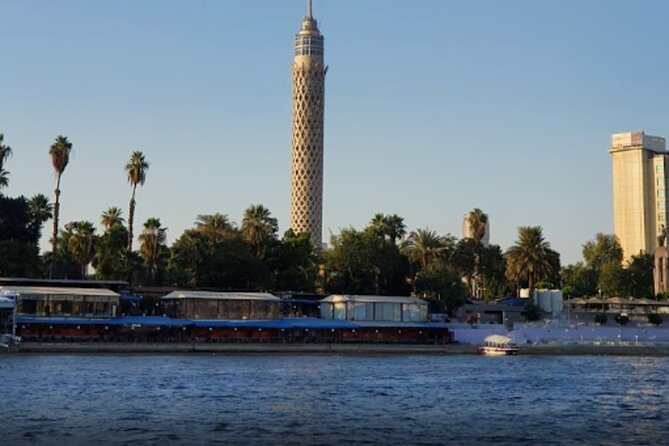
The tour starts at 8:00 am, so plan for a full morning departure and most of the day. The stated length is about eight hours, though hotel location and Cairo traffic can affect the return time.
Wear comfortable clothing for a day with several stops. The plan includes historic structures, palace grounds, a cemetery area, vehicle transfers, and a boat ride. Bring water and sun protection, since the itinerary includes time outdoors, even though the vehicle is air-conditioned.
Ask how the day will be divided before leaving your hotel. The scheduled two hours at each land stop may not always be used in the same way, and you may prefer more time at Manial Palace than at the Nilometer. A private tour gives you a better chance to discuss that preference.
Cancellation is free if you cancel at least 24 hours before the start time. Cancellations or changes made within 24 hours are not refundable. That deadline uses Cairo local time.
Should you book the Nilometer, palace, cemetery, and felucca tour?
Book it if you want a private, less predictable Cairo route and place real value on an included guide, transport, lunch, and a traditional Nile boat ride. Manial Palace and the City of the Dead give the day character, while the Nilometer adds a useful lesson in how the Nile shaped government and farming.
Think twice if you judge tours mainly by admission value or want a long, memorable felucca trip. The $130 price is high compared with the reported admission cost, and the experience depends strongly on receiving detailed guiding. Before paying, ask who your guide will be, how much time is planned on the boat, and what lunch includes.
For the right visitor, this is a thoughtful look at Cairo beyond the famous postcard sights. For someone seeking maximum monument value, it may feel expensive.
FAQ
What time does the tour start?
The tour starts at 8:00 am.
How long does the tour last?
The experience lasts approximately eight hours, including the visits, felucca ride, lunch, and transfers.
Is this a private tour?
Yes. Only your group participates, and a private guide is included.
Is hotel pickup included?
Pickup from your hotel and return to your hotel are included. Pickup and drop-off from several outlying areas and airports cost extra.
Are entrance fees included?
Yes. Entrance fees and taxes are included in the tour price.
Is lunch included?
Yes. Lunch is served during the felucca ride on the Nile.
What is the cancellation policy?
You can receive a full refund by canceling at least 24 hours before the experience starts. Cancellations or changes made less than 24 hours before the start time are not refunded.
Newly added in Egypt
- Palaces tour: Day tour to Baron Palace , Abdeen Palace,Manial Palace.★ 4.5 · 8 reviews
- Sultan Hassan Mosque, Nilometer and Mohamed Ali Palace★ 4.5 · 6 reviews
- Half Day Tour to Baron Palace★ 5.0 · 4 reviews
- Alexandria Library & Pompeii’s Pillar Montazah Palace Citadel of Qaitbay★ 4.5 · 4 reviews
- Royal Tour To Baron Palace, Abdeen Palace And Manial Palace★ 4.1 · 4 reviews
- Cairo: Private Tour to Abdeen Palace with transfers.★ 4.6 · 3 reviews
- Cairo: Prince Mohamed Ali Palace Manial QR Tickets★ 5.0 · 3 reviews
- Cairo: Private Manial Palace and Cairo Tower Guided Day Trip★ 5.0 · 2 reviews
Cairo Palace Tours, compared.
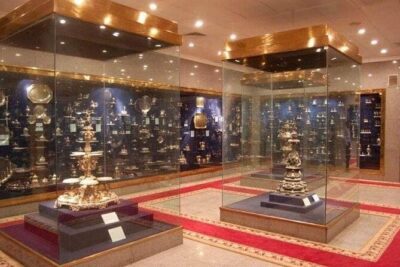
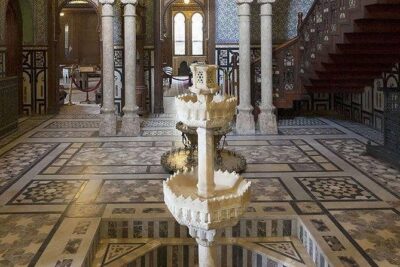
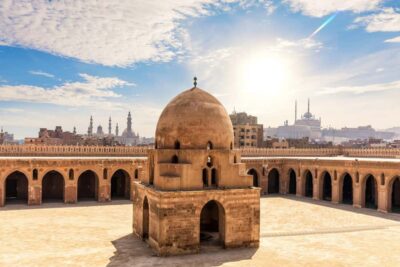
Cairo Heritage Tour: Golden Palace, Oldest Mosque with Lunch
Read our review →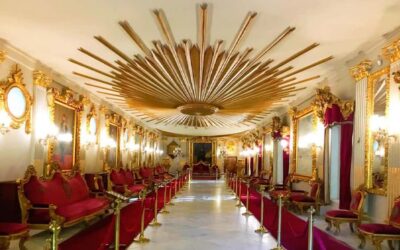
Nilometer, Manial Palace,City of The Dead With Felucca
Read our review →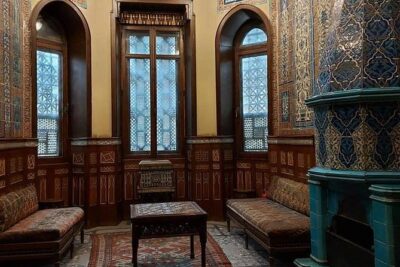
Sultan Hassan Mosque, Nilometer and Mohamed Ali Palace
Read our review →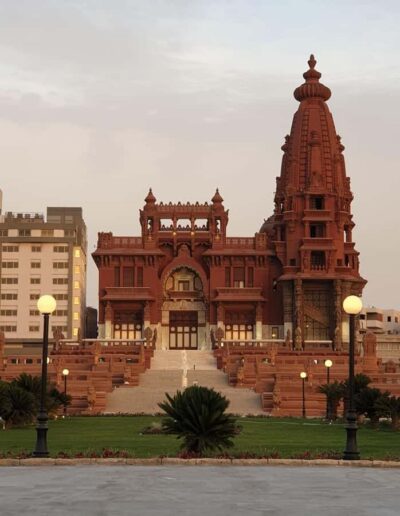
Royal Tour To Baron Palace, Abdeen Palace And Manial Palace
Read our review →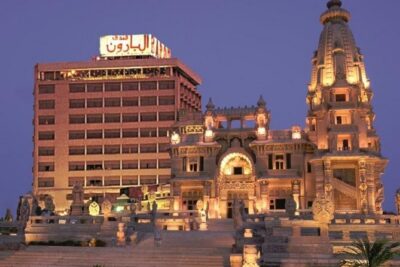
Browse the lists this tour appears in