
Review · CONCERTS
Berlin: Classical concerts in Köpenick Palace – Aurora Hall
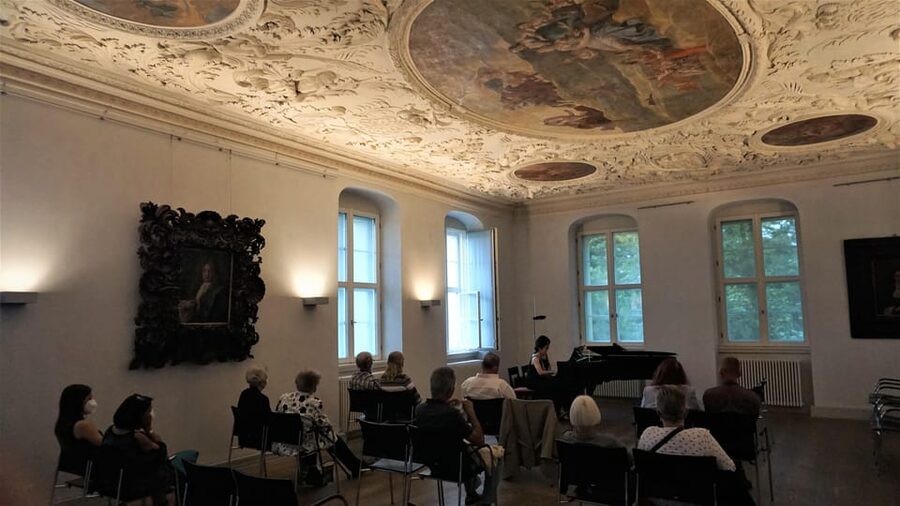
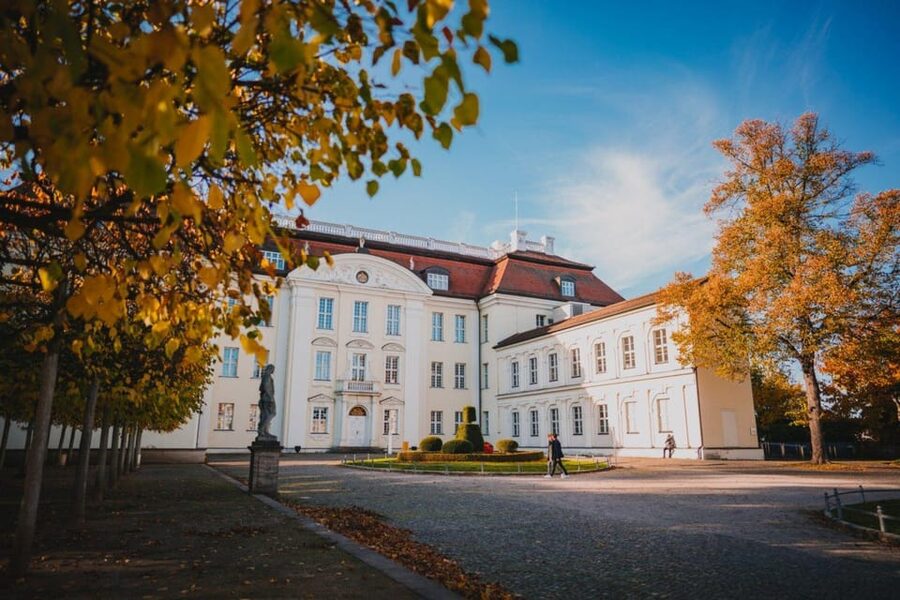
Köpenick Palace gives classical music a handsome setting: the Aurora Hall, where a 90-minute concert pairs works by Mozart, Bach, Schubert, and others with the atmosphere of a former royal palace. You can choose from piano recitals, opera songs, violin sonatas, and small ensemble programs rather than one fixed show.
I like the range of music, which lets you choose a program that fits your taste, and I like the free museum admission, giving you a reason to arrive early. The $33 price is reasonable for a palace concert, but check your exact date carefully: one paid booking in May 2025 was reported as canceled without a prompt response, and a September concert was uncomfortably hot because the hall had no cooling.
I also appreciate the intimate scale suggested by the named performers and focused programs. This is not a grand orchestra spectacle. It is a compact cultural evening built around close attention to the music, with some pieces presented in their original language.
Key points to know before booking
- Aurora Hall setting: Hear classical music inside Köpenick Palace rather than in a standard concert venue.
- Different program on each date: Choose among Mozart, Bach, Schubert, opera, Romantic duets, recorders, harpsichord, guitar, and four-hand piano.
- Named performers: Artists include Marianne Boettcher, Stephen Barchi, Yuko Tomeda, and Maria-Magdalena Pitu-Jokisch.
- 90-minute format: The concert is long enough to feel substantial without taking up your entire evening.
- Museum admission included: You can add a palace museum visit without paying a separate admission fee.
- A few practical cautions: Some material is performed in its original language, audio recording is forbidden, and hall temperatures may be uncomfortable.
What the Aurora Hall concert actually offers
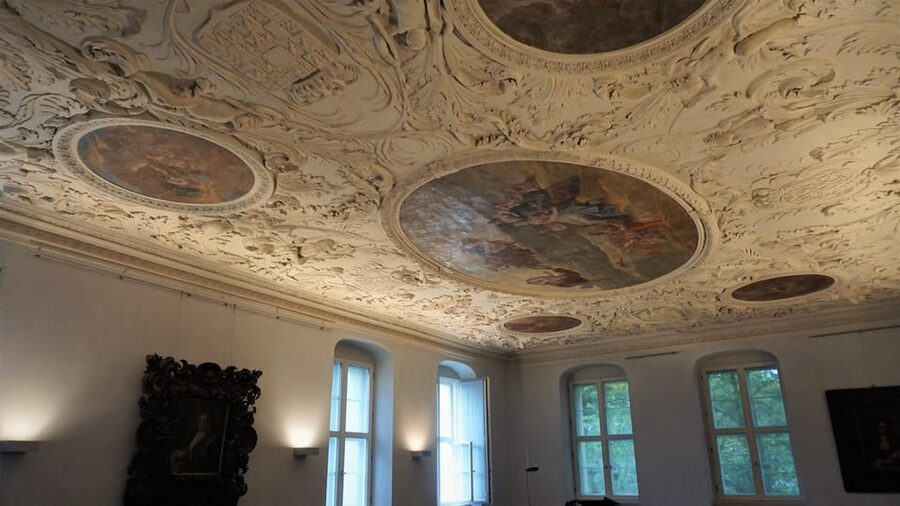
The appeal begins with the room. You are not simply buying a seat for a recital. You are entering the Aurora Hall at Köpenick Palace, a historic setting that gives even a short concert a sense of occasion.
The format is focused. Each event lasts 90 minutes, and each date has its own musical identity. That matters because you can choose a concert based on what you genuinely enjoy, rather than accepting a generic classical program.
One date may center on Mozart’s piano music. Another may bring together soprano and alto voices in Romantic duets. A later program may pair a baritone with piano for Schubert songs. This variety makes the series useful for both experienced classical listeners and curious first-timers who want a manageable introduction.
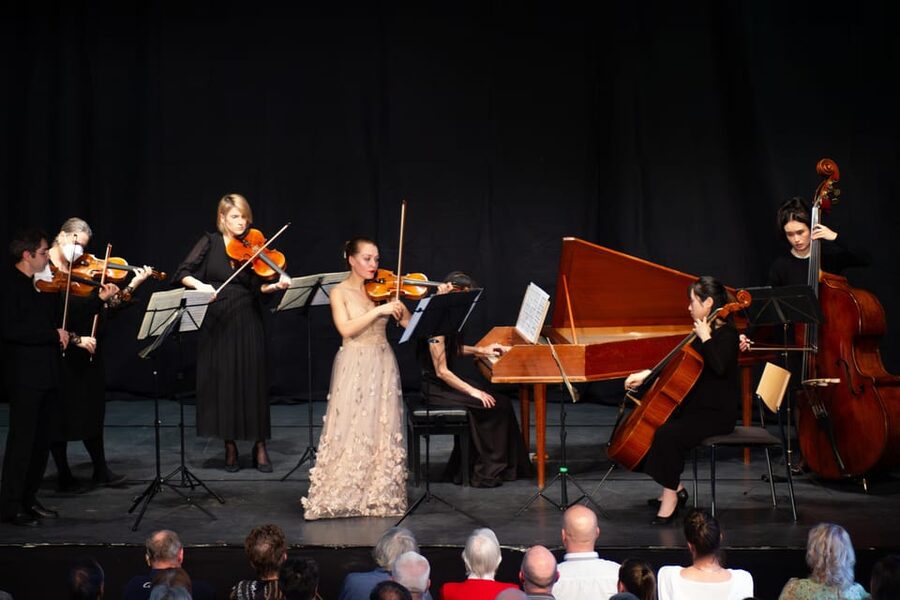
The performers are named in advance, which helps you understand what kind of evening you are booking. You can expect solo piano, voice and piano, violin and piano, harpsichord with violin, guitar with soprano, and a small ensemble performance. The sound should feel more personal than a large symphonic concert, though the supplied details do not give a seating plan or group size.
More Palace Concerts in Berlin:
- Salzburg: Mozart Concert at Mirabell Palace
★ 4.8 · 3,498 reviews - Prague Castle: Midday Classical Concert at Lobkowicz Palace
★ 4.6 · 1,106 reviews - Rome: Opera Concert at Palazzo Poli – Fontana di Trevi
★ 4.7 · 1,026 reviews
February 15: Romantic duets with three vocal colors
The opening listed program, Pure Romance: Romantic Duets, brings together soprano Inês Pinto, alto Kristina Naudé, and pianist Beatrice Wehner-Schaller.
This is a good choice if you like vocal music and want a program built around interaction between singers. Duets can offer more drama than a solo song recital because the voices answer, blend, and push against one another. The piano provides the musical frame rather than taking the main role.
The presence of both soprano and alto should give the program a clear contrast in vocal range. You should expect a lyrical evening rather than a full opera production. There is no indication of staging, costumes, or scenery, so book this for the singing and the palace atmosphere, not for theater effects.
March 8 and April 4: Mozart piano works in two programs
Two dates focus on Mozart’s piano music. Maria-Magdalena Pitu-Jokisch performs the second program on March 8, while Naoko Fukumoto performs the third program on April 4.
The wording suggests a continuing series rather than two identical concerts. If you enjoy hearing a composer’s keyboard writing explored across several recitals, these dates offer a useful way to compare performers and programs. If you know only Mozart’s most famous works, a piano recital can also show you the lighter, more intimate side of his music.
The main consideration is that a full piano program asks you to listen closely. It does not provide the changing texture of voices, strings, and wind instruments. Choose one of these dates if you enjoy the piano itself, Mozart’s phrasing, and the small details of a solo performance.
March 22: Mozart songs, arias, and duets
On March 22, mezzo-soprano Yuri Mizobuchi and baritone Stephen Barchi join pianist Graham Cox for Mozart: Songs, Arias, and Duets.
This is likely the broadest Mozart option for anyone who wants voices as well as piano. Songs offer a more intimate side of the composer, while arias bring stronger operatic character. Duets add conversation between the two singers.
Some material may be performed in its original language. That is worth remembering if you prefer to understand every word, but classical vocal music also carries its meaning through tone, pace, and musical shape. If the language is unfamiliar, check any program information available on the concert date and treat the voice as an instrument as well as a storyteller.
More Palaces to Tour in Berlin:
- Berlin: Charlottenburg Palace Entry Ticket
★ 4.4 · 2,076 reviews - From Berlin: Potsdam and Sanssouci Palace Tour with Entry
★ 4.7 · 1,219 reviews - Potsdam Tour from Berlin With Guided Sanssouci Palace Visit
★ 4.5 · 364 reviews - Small group Potsdam: A Journey Through History and Palaces
★ 4.7 · 317 reviews
March 29: The Seven Last Words
The Mozart Ensemble Berlin performs The Seven Last Words of the Savior on the Cross on March 29.
The title points to a serious, reflective program. This is probably the date to choose if you want a more concentrated spiritual or dramatic mood rather than a light collection of songs and dances. The ensemble format should also offer more instrumental variety than a solo piano recital, though the supplied information does not name the individual instruments or performers.
I would not choose this event casually if you want an upbeat evening. The subject matter is weighty. But for listeners who appreciate sacred music and solemn concert works, the palace setting may suit the program especially well.
April 3: Frederick the Great’s music book
The Music Book of Frederick the Great brings recorder player Susanne Ehrhardt and harpsichordist Yuko Tomeda to the Aurora Hall.
This is one of the more distinctive programs in the series. The combination of recorders and harpsichord points toward an early music sound, with a lighter and more transparent texture than a modern piano recital. It also offers a musical link to Frederick the Great, making the palace setting feel especially relevant.
You should book this if you enjoy period instruments or want something beyond the usual Mozart and Beethoven concert menu. Do not expect a large ensemble. The attraction is the direct sound of two instruments and the historical connection between music, court culture, and the room.
April 5: Four-hand piano magic
Naoko Fukumoto and Maria-Magdalena Pitu-Jokisch share the piano for Piano magic for 4 hands on April 5.
Four-hand piano music has a special appeal because two performers must share one instrument and coordinate every gesture. The sound can be fuller than a solo piano recital, while the setup remains intimate and easy to follow.
This is a friendly choice if you are new to classical concerts. The format has a natural visual interest, and the program should provide more variety in texture than a single-player recital. It may also suit families with older children, although no age recommendation is supplied.
April 6: Classical violin sonatas
Violinist Annegret Pieske and pianist Victoria Litsoukova perform classical violin sonatas on April 6.
A violin sonata is a conversation between two equal musical partners. The piano is not merely background accompaniment, and the violin is not simply carrying the melody. You will hear the two instruments trade ideas and shape the music together.
This program should appeal to listeners who prefer instrumental music with a singing quality. The violin can bring warmth and emotion, while the piano adds structure and depth. If you are sensitive to high-pitched sound, you may prefer one of the vocal or keyboard programs instead, but the details do not indicate anything unusual about the hall’s acoustics.
May 1: Schubert songs with baritone and piano
Baritone Stephen Barchi returns on May 1 for Schubert Potpourri, accompanied by Maria-Magdalena Pitu-Jokisch.
The word potpourri suggests a varied selection rather than one long work. Schubert’s songs often move quickly between moods, from tender and lyrical to restless or dramatic. A baritone voice gives the music a lower, grounded color, while piano accompaniment can suggest everything from flowing movement to quiet reflection.
This is a strong pick if you like art song. It is less suitable if you want orchestral scale or a theatrical opera scene. As with the Mozart vocal program, some content may be presented in its original language.
May 10: Bach violin sonatas
Marianne Boettcher plays violin with Yuko Tomeda on harpsichord for Bach Violin Sonatas 2 on May 10.
The harpsichord changes the character of the concert. Its crisp, clear sound is quite different from a modern piano, and it can make Bach’s counterpoint easier to hear. The violin and keyboard share the musical work, creating a focused program for listeners who enjoy structure, precision, and older instrumental styles.
The number 2 suggests that this may be part of a sequence, so you should check the program details if you want to know how it relates to another Bach sonata concert. The supplied information does not identify a first program or explain whether the events must be heard in order.
May 17: Piano music to dream to
Maria-Magdalena Pitu-Jokisch returns alone on May 17 for Piano music to dream to.
The title makes the mood clear. This should be the gentlest option in the series, suited to you if you like lyrical, calming piano music rather than vocal drama or dense ensemble writing.
A quiet recital can be rewarding in the Aurora Hall because your attention stays on one performer and one instrument. It is also the date I would avoid if you want a highly energetic program. The title promises calm rather than fireworks.
May 31: Iberian sounds with soprano and guitar
The final listed event, Iberian sounds, pairs soprano Inês Pinto with guitarist Márcio Silva on May 31.
This combination offers one of the most unusual sound worlds in the program. Guitar gives the music a close, plucked texture, while the soprano brings vocal color and expressive range. The Iberian theme also sets this concert apart from the Mozart, Bach, and Schubert dates.
Choose it if you want a change from central European classical staples. The program may be especially appealing if you enjoy the meeting of art song and regional musical traditions. The details do not specify the composers or languages, so check the final program if those points matter to you.
What the $33 price includes
At $33 per person, the concert is fairly priced for a 90-minute performance in a palace setting, especially because museum admission is included. The value is strongest if you plan to visit the museum as well, since the ticket then covers both a cultural performance and an additional palace experience.
The value depends heavily on your chosen date. A focused piano recital may be perfect for one person and too narrow for another. The four-hand piano program, vocal evenings, and ensemble dates offer more variety if you want a fuller range of sound.
You should also remember that the ticket does not promise a major opera production or full orchestra. This is a chamber-scale experience. Pay for it because you want close attention to specific musicians and works, not because you expect a lavish spectacle.
Free cancellation up to 24 hours before the start gives you some protection if your plans change. Reserve and pay later is also available. Still, because one previously paid event was reported as not taking place and the booker had not received a response, I would confirm the concert status close to the date and keep your booking details handy.
Heat, sound, and practical comfort
A serious comfort issue has been reported for the hall: no refrigeration and excessive heat during a September concert. The information does not say whether this affects every season or every room, so conditions may be different in February, March, April, and May. Even so, warm-weather visitors should be prepared for the possibility of an overheated room.
Audio recording is not allowed, and alcohol and drugs are prohibited. These rules are normal for a formal concert, but they matter if you hoped to record a favorite aria or bring a drink into the hall.
The activity is wheelchair accessible. The meeting point is the Aurora Hall itself. Starting times vary by date, so check the exact performance time before planning dinner or another evening activity.
Who should book this palace concert
I would recommend it most strongly to classical music lovers who want choice. You can select a composer, instrument, or vocal style instead of accepting a fixed program. Mozart fans have several options, while Bach, Schubert, Romantic song, early instruments, and Iberian music broaden the series.
It also suits you if you want a shorter concert. Ninety minutes is enough time to hear a serious program, yet it leaves room for a museum visit or another Berlin activity. The palace setting gives the event more character than a routine recital in a modern hall.
First-time concertgoers should choose a vocal program, four-hand piano, or the Iberian sounds evening if they want immediate variety. Experienced listeners may prefer the Bach violin sonatas, Frederick the Great program, or a Mozart piano recital.
You should think twice if temperature control is important to you, if you need a guaranteed large-scale production, or if the precise artist and program are not confirmed for your date. The event’s strength is its focused, intimate format, and that same quality may feel limited if you prefer grand opera or symphonic music.
Should you book the Aurora Hall concert?
Book it if the specific program appeals to you. The named performers, varied repertoire, historic hall, and free museum admission make $33 a sensible cultural purchase in Berlin.
Before paying, verify the date, start time, performer, and current event status. If you are attending in warmer weather, prepare for the possibility of a hot hall. With those cautions in mind, this is a good pick for a thoughtful 90-minute concert in a historic setting, especially when you choose the music rather than simply choosing the venue.
FAQ
Where do the concerts take place?
The concerts take place in the Aurora Hall at Köpenick Palace in Berlin.
How long is the concert?
Each concert lasts 90 minutes.
How much does the experience cost?
The listed price is $33 per person.
Is museum admission included?
Yes. Free museum admission is included with the concert experience.
Can I choose different types of music?
Yes. The scheduled programs include Mozart piano works, opera songs and duets, Bach violin sonatas, Schubert songs, Romantic duets, recorder and harpsichord music, four-hand piano, classical violin sonatas, and Iberian music for soprano and guitar.
Which performers appear in the programs?
Named performers include Inês Pinto, Kristina Naudé, Beatrice Wehner-Schaller, Maria-Magdalena Pitu-Jokisch, Yuri Mizobuchi, Stephen Barchi, Graham Cox, Naoko Fukumoto, Annegret Pieske, Victoria Litsoukova, Marianne Boettcher, Yuko Tomeda, Susanne Ehrhardt, and Márcio Silva. The Mozart Ensemble Berlin performs on March 29.
Are the concerts wheelchair accessible?
Yes. The activity is listed as wheelchair accessible.
Can I cancel my booking?
You can cancel up to 24 hours in advance for a full refund.
Is audio recording allowed?
No. Audio recording is not allowed during the concert.
Newly added in Berlin
- Skip-the-line Charlottenburg Palace Private Tour & Transfers★ 5.0 · 6 reviews
- Small group Potsdam: A Journey Through History and Palaces★ 4.5 · 151 reviews
- Potsdam & Sanssouci Palace: Private Day Trip from Berlin by Train★ 5.0 · 2 reviews
- Potsdam: Private Walking Tour – Time for Palace Entries Included!★ 5.0 · 2 reviews
- Potsdam Palaces Private Tour -Sanssouci Palace entrance included!★ 5.0 · 3 reviews
- From Berlin: Gardens & Palaces of Potsdam Bike Tour★ 5.0 · 61 reviews
- Potsdam: 5-Hour-Tour “Parks & Palaces” from Berlin by VW-Bus★ 5.0 · 17 reviews
- Charlottenburg Palace with an excursion to Potsdam★ 5.0 · 23 reviews
Concerts, compared.
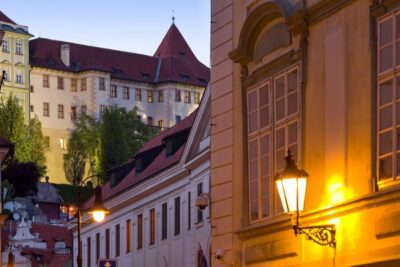
Prague Castle: Midday Classical Concert at Lobkowicz Palace
Read our review →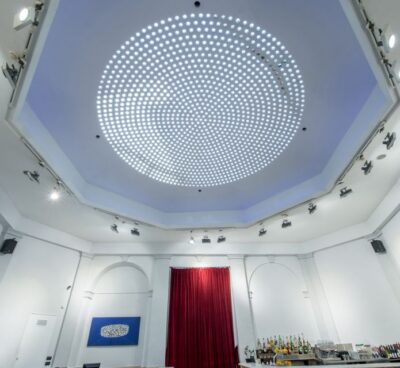
Opera Concert at Palazzo Poli – Fontana di Trevi
Read our review →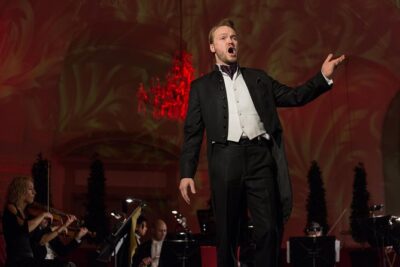
Exclusive Evening at Schönbrunn Palace: After-Hours Audiotour, Dinner, Concert
Read our review →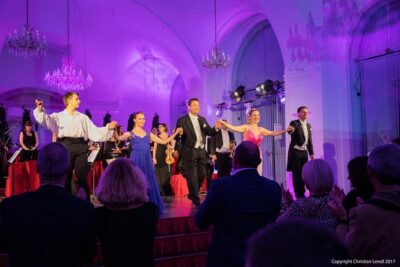
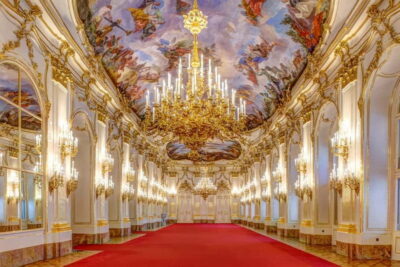
Schönbrunn Palace Evening Tour, Dinner and Concert
Read our review →
Mozart & Strauss Classical Concert at Börse Palace
Read our review →
Browse the lists this tour appears in