
Review · AVIGNON PALACE TOURS
Avignon: Around The Palace Tour
The clever idea behind this tour is that it shows you Avignon from around the Palais des Papes, rather than simply ushering you through a grand interior. You trace the city’s papal past, climb to the Rocher des Doms, hear the story behind the famous bridge, and finish in front of the palace itself.
I like the way the route links big sights with less obvious details, especially the gardens created by Avignon’s sixth pope and the city’s connection with Jean Vilar and its theater festival. I also like the lively, personal guiding style reported from guides such as Vincent. The main drawback is important: this is an exterior walking tour. It does not include entry to the Palais des Papes or the Pont Saint-Bénézet.
Key points to know
- A different view of the Palais des Papes: You study the palace, its setting, and its changing walls from the streets and squares around it.
- The Rocher des Doms is central: The route climbs to Avignon’s largest green space in the city center.
- The palace and bridge are not entered: You hear about both monuments but do not tour their interiors.
- The route connects many eras: Roman remains, the popes, King Philip the Fair, the festival, and modern city life all fit into two hours.
- The guide speaks French: This matters if you need a tour in another language.
- It costs $41 per person: That is fair for a focused two-hour guided walk, but less appealing if you want admission tickets included.
A smart introduction to Avignon’s papal quarter
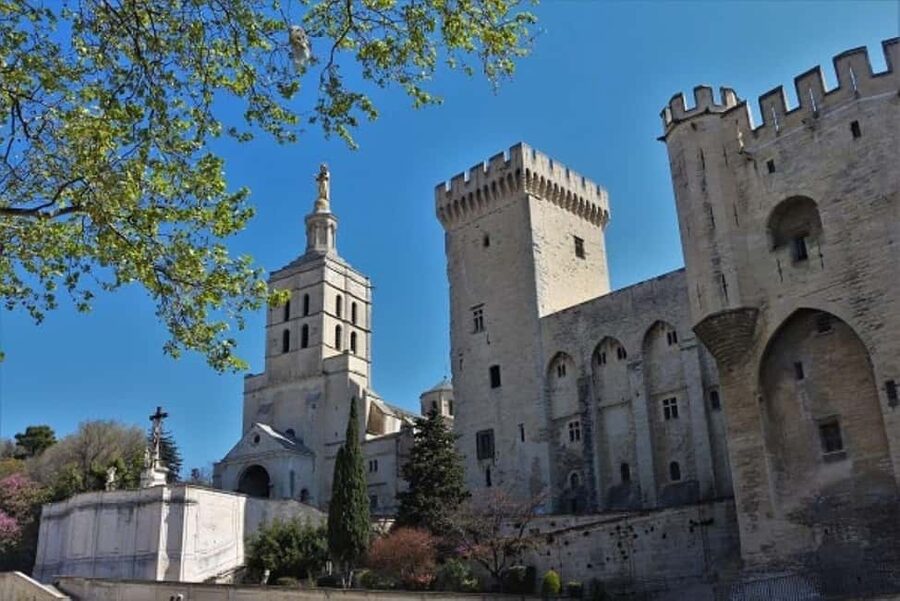
Avignon can feel like a history book with the pages left open all over town. Roman traces sit near medieval streets. The papal palace dominates the old center. The Rhône and its famous broken bridge explain why this place mattered long before it became a major cultural destination.
This tour gives you a useful first look at that story. You walk through the area around the Palais des Papes, hear why the popes came to Avignon in the 14th century, and see how the city grew around their presence. The guide also places Avignon in its wider setting, including trade, geography, nearby towns, and the influence of the French crown.
I especially like that the tour does not treat the palace as an isolated monument. You learn how the palace affected the city, how the walls and public spaces changed over time, and how the medieval center still functions today.
The route is also a good fit for anyone who wants a guide before touring the monuments alone. It gives you context first, so a later visit inside the palace or bridge can feel less like a collection of rooms and more like part of a larger story.
More Palaces to Tour in France:
- Paris: Versailles Palace and Gardens Full Access Ticket
★ 4.6 · 41,579 reviews - Versailles: Skip-the-Line Tour of Palace and Gardens Access
★ 4.7 · 10,429 reviews - From Paris: Versailles Palace & Gardens with Transportation
★ 4.6 · 6,222 reviews
Starting among Roman remains at Place de l’Amirande
The meeting point is in front of Roman ruins at the crossing between Place de l’Amirande and Rue Peyrollerie. This opening is a small but useful reminder that Avignon’s story began long before the papal period.
You start with roughly 15 minutes of guided explanation in this area. The guide sets up Avignon’s long past and explains the city’s position in the region. That opening helps you understand why the old center contains such a mix of remains, religious buildings, civic spaces, and later additions.
Because the tour starts beside the ruins rather than directly at the palace gate, you begin with a sense of place instead of a quick monument briefing. Look for the exact meeting point carefully, since the directions identify a cross street and square rather than a single ticket office.
The tour is conducted in French. If you understand French well, you can expect a detailed account from a guide who knows the city closely. If you do not, this is not the right choice, since no other language is listed.
Following the palace’s changing walls
The next sections of the walk focus on the treasures left by the popes and cardinals, along with the way Avignon’s monuments have changed since the Middle Ages. Two guided portions last about 20 minutes each, giving the guide time to explain more than dates and names.
This is where the tour’s outside perspective pays off. You are not only looking at a huge Gothic building. You are learning how power, religion, construction, and daily city life met around it.
The Palais des Papes is often described as the largest Gothic palace in the world. Its scale is easier to appreciate from the surrounding streets, where the massive walls control the feel of the quarter. The tour explains why the popes chose Avignon and how their arrival altered the city’s importance.
King Philip the Fair of France is also part of the story. His role helps explain the political pressures behind the papacy’s move to Avignon. You do not need to be a medieval-history specialist to follow this section. A good guide turns the political background into a clear explanation of why Avignon became such a powerful center.
One practical point: the tour discusses the palace but does not take you inside. If you want to see the grand halls, chapels, chambers, and interiors, you need a separate admission ticket and visit.
A darker pause near the Utopia
The stop in front of the Utopia adds a less polished side of Avignon’s past. The description of this part of the route points to darker episodes in the city’s story, giving the tour more range than a simple parade of religious monuments.
That shift is useful. Historic cities are not only made of impressive buildings and famous leaders. A good walking tour should also show how power affected ordinary life and how the city remembers difficult chapters.
The Utopia stop also helps break up the palace story. After hearing about popes, cardinals, and royal politics, you get a different angle on Avignon and its public spaces. The guide can connect the site to the city’s later cultural life, rather than leaving the medieval period sealed off from the present.
Same city, another grand address:
- Versailles: Skip-the-Line Guided Palace Tour and Full Access
★ 4.6 · 5,214 reviews - From Paris: Versailles Palace Guided Tour & Gardens Access
★ 4.7 · 3,574 reviews - Versailles Palace and Gardens Tour from Paris
★ 4.5 · 3,390 reviews - Versailles Palace Bike Tour with Market & Marie-Antoinette hamlet
★ 5.0 · 2,680 reviews
Climbing to the Rocher des Doms garden
The route then climbs to the garden of the Rocher des Doms. One of the tour’s most appealing features is its attention to this green space, described as the largest in central Avignon.
The walk includes an ascent, followed later by a descent toward Place du Palais. You should wear comfortable shoes and be ready for a walking tour rather than a flat street stroll. The exact accessibility conditions are not provided, so anyone with mobility concerns should ask the operator before booking.
At the Rocher des Doms, the focus shifts from the palace itself to the history of the surrounding region. The guide also tells an unusual story about Avignon. That sort of local tale can make the city easier to remember, especially after the heavier political material.
The garden gives the tour a change of pace. Instead of looking only at stone walls and narrow streets, you get an open setting in the middle of the old city. The route’s green space is one reason this experience feels broader than a standard palace introduction.
Pont Saint-Bénézet and the song everyone knows
The tour includes a guided stop at Pont Saint-Bénézet, better known as the Pont d’Avignon. This section lasts about 20 minutes and covers the famous song associated with the bridge.
The bridge is one of those sights that can be misunderstood if you only know its name. The tour explains its place in Avignon’s story and gives you the background behind its cultural fame. You hear why this partial bridge became such a strong symbol of the city.
Again, the practical detail matters: the tour does not include entry onto the bridge. You see and discuss it as part of the walking route, but an interior or on-structure visit requires a separate ticket.
That makes this stop especially valuable if you are new to Avignon and want the basic story before deciding which monuments deserve your admission money. If you already know you want to walk on the bridge, plan that as an additional activity.
Notre Dame des Doms and its concealed details
The descent leads to Notre Dame des Doms Cathedral, where the guide spends about 15 minutes. The cathedral is closely tied to the papal quarter, so it makes sense to place it near the end of the route, after the wider story of Avignon has been established.
The guide points out secrets the cathedral conceals. The supplied information does not specify every detail, so you should expect discoveries tied to the building and its history rather than a fixed list of named features.
This stop adds another layer to the tour. The Palais des Papes is the great political and architectural statement, while Notre Dame des Doms brings the focus back to worship and the religious center of the city.
Since the tour is conducted in French, the cathedral section will be most useful if you can follow spoken explanation comfortably. It is not simply a photo stop. The value comes from the guide’s interpretation of what you are seeing.
Finishing beneath the Palais des Papes
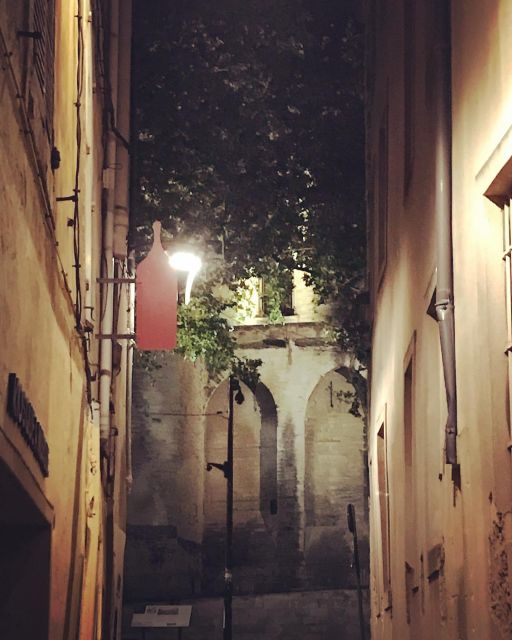
The tour ends at 17 Place du Palais, in front of the UNESCO World Heritage Site. The final 15-minute section explains why the popes selected Avignon in the 14th century and brings the earlier stops together.
Ending here is well planned. You finish with the palace directly in front of you, after seeing the city from several angles. By this point, the building is no longer just a large Gothic facade. You have heard about the popes, cardinals, French royal pressure, the cathedral, the bridge, the garden, and Avignon’s later cultural life.
The tour also covers the Avignon Festival and Jean Vilar, who played a key role in the festival’s development. This connection is one of the best modern touches in the route. Avignon is not frozen in the Middle Ages. The palace area continues to shape the city’s identity through theater, exhibitions, and public projects.
If you are visiting during festival season, the guide’s explanation can help you understand why theater is so closely tied to Avignon. If you visit at another time of year, it still shows how the old city remains a working cultural center.
What $41 buys you
At $41 per person, this is a mid-priced two-hour walking tour. The price is reasonable if you value a live guide who can connect several major sights and explain the city in a clear sequence.
You are paying for interpretation, not admission tickets. Food and drinks are not included, and neither the palace nor the bridge is entered. That distinction should shape your decision.
I would see the price this way:
- If you want a guided introduction to Avignon before visiting the monuments independently, the cost can be worthwhile.
- If you expect a ticketed palace tour, the price will feel high because you still need to pay separately.
- If your time is limited to one day, compare this walk with a direct visit to the Palais des Papes.
- If you enjoy city history, public spaces, and local stories, the broader route gives you more than a single building visit.
The tour also allows cancellation up to 24 hours before the start for a full refund, and you can reserve now while paying later. Those policies make it easier to fit into a changing French itinerary.
Who will get the most from this walk
I would recommend this tour to you if you want a guide-led orientation to Avignon and prefer context over a quick checklist of sights. It suits people who enjoy medieval history, urban stories, religious architecture, and the connection between an old city and its modern arts scene.
It is also a good option for anyone who wants to see the Rocher des Doms garden as part of a planned route. The garden, cathedral, bridge, palace, and old streets form a logical circuit that could be harder to piece together on your own.
You should think twice if your main goal is to enter the Palais des Papes or walk on Pont Saint-Bénézet. This tour will not replace those visits. It may still help you understand them, but you need separate admission plans.
The walking pace and ascent make comfortable shoes sensible. Exact group size, accessibility arrangements, and the full route conditions are not provided, so ask the operator if those details affect your plans.
A French-only tour with a personal touch
The guide language is French, and that is the most important booking limitation. You should be comfortable listening to French for two hours to get the full value.
The named guide Vincent has been singled out for his passion and strong command of Avignon’s city and history. Other guide feedback also points to friendly presentation, careful answers, and a willingness to explain topics beyond the palace itself.
That personal element matters. The tour covers a lot in two hours: 2,500 years of local history, the papacy, commerce, the city’s geography, the bridge, the cathedral, the festival, and modern cultural projects. A rigid script could make that feel crowded. A responsive guide can adjust the emphasis to your questions.
The overall rating is 4.5 from 13 ratings, with most of the comments praising the guides’ warmth and command of the subject. One serious complaint concerns a guide who did not arrive, while another visitor felt the tour lacked value because it did not enter the palace or bridge. Those two points tell you exactly what to check before booking: confirm the meeting details, and understand that this is an exterior tour.
Should you book Around the Palace?
Book it if you want a French-speaking guide to connect Avignon’s palace quarter, Rocher des Doms, bridge, cathedral, and modern festival culture in one two-hour walk. The route offers a useful overview and a pleasant change from spending all your time inside monuments.
Skip it if you have only a short window and want to see the interiors of the Palais des Papes or Pont Saint-Bénézet. In that case, put your $41 toward admission and explore the surrounding streets with a guidebook or audio guide.
For many visitors, the best plan is to use this walk as an introduction, then return to the palace or bridge on your own. Just book it knowing what you are buying: a guided look at Avignon around its great monuments, not entry into them.
FAQ
How long does the Around the Palace tour last?
The tour lasts two hours.
Where does the tour begin?
It begins in front of Roman ruins at the crossing between Place de l’Amirande and Rue Peyrollerie, at 2 Place de l’Amirande.
Where does the tour finish?
It finishes at 17 Place du Palais, in front of the Palais des Papes.
Is entry to the Palais des Papes included?
No. The tour explains the palace and finishes in front of it, but palace entry is not included.
Is entry to Pont Saint-Bénézet included?
No. The route includes a guided stop at the bridge, but it does not include entry onto the bridge.
What language is the tour in?
The live tour guide speaks French.
What is included in the price?
A guided walking tour is included. Food and drinks are not included.
Newly added in France
- Avignon: Full-Day Châteauneuf du Pape Wines & Luberon Tour★ 4.8 · 42 reviews
- Angers: Château d’Angers Entrance Ticket★ 4.6 · 191 reviews
- Tours: Chateaux Azay-le-Rideau and Villandry Morning Tour★ 4.9 · 71 reviews
- Versailles Palace Private Half Day Guided Tour including Hotel Pickup from Paris★ 5.0 · 70 reviews
- Versailles Palace & Marie-Antoinette’s Estate Full Day Private Tour from Paris★ 5.0 · 62 reviews
- Sainte-Chapelle, Conciergerie & Palais de Justice Private Tour★ 5.0 · 72 reviews
- Versailles Palace, Garden Entry Ticket – Optional Private Guide★ 3.5 · 147 reviews
- Versailles Palace & Marie-Antoinette’s Estate Private Guided Tour with Lunch★ 5.0 · 193 reviews
Avignon Palace Tours, compared.
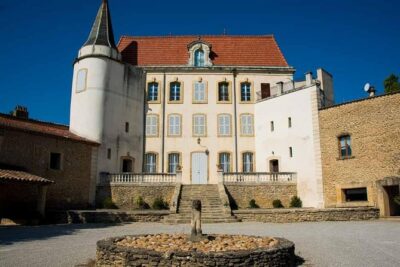


Châteauneuf du Pape Wine Day Tasting Tour including Lunch from Avignon
Read our review →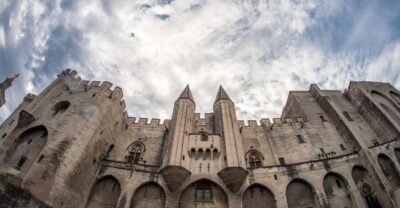
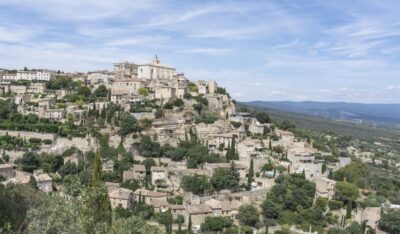
Full-Day Châteauneuf du Pape Wines & Luberon Tour
Read our review →Browse the lists this tour appears in