
Review · INDONESIA PALACE TOURS
Bali: Lempuyang Temple, Water Palace, and Waterfall Tour.
The best part of this East Bali tour is the variety packed into one long day. You move from the famous Gate of Heaven at Lempuyang Temple to koi ponds, jungle cliffs, rice fields, and a local coffee plantation. It is a photo-friendly route, but it also gives you a useful look at Balinese religion, farming, and daily culture.
I like the combination of Tirta Gangga and Tukad Cepung Waterfall. The water palace is calm and polished, while the waterfall requires a short walk and feels more natural. I also like that transport, entrance fees, water, and an English-speaking driver are included.
The main consideration is the schedule. Ten hours on the road, with walking and several major stops, makes this a full day rather than a relaxed outing. The rice terrace and coffee plantation visits are part of the advertised experience, but the timed schedule gives specific visit periods only for Lempuyang, Tukad Cepung, and Tirta Gangga, so ask how those extra stops fit into your departure time.
Key points to know before booking
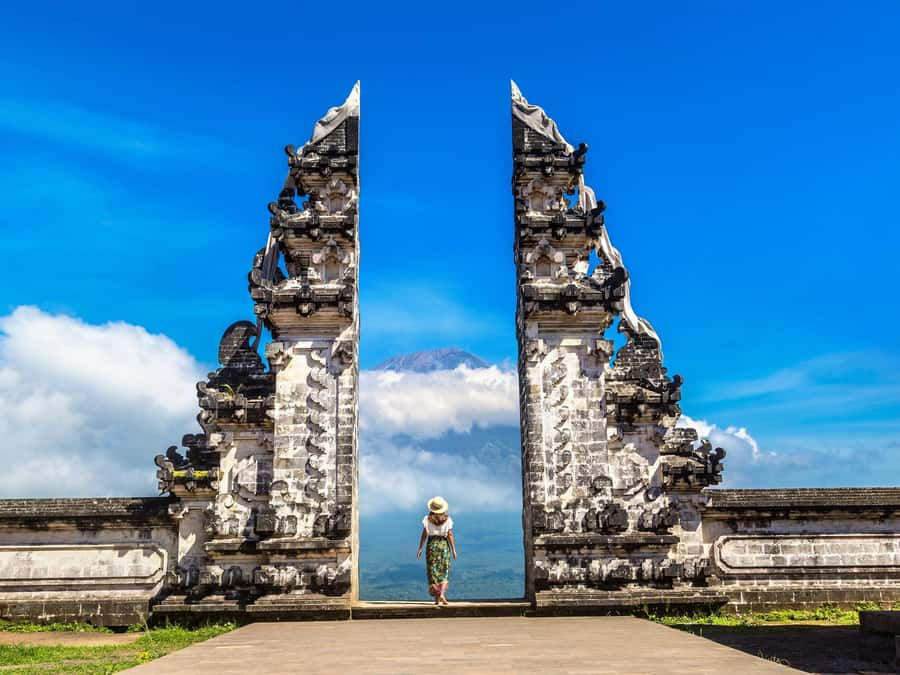
- Lempuyang comes with a major photo stop: The Gate of Heaven is the tour’s headline sight, with Mount Agung framed beyond it when conditions allow.
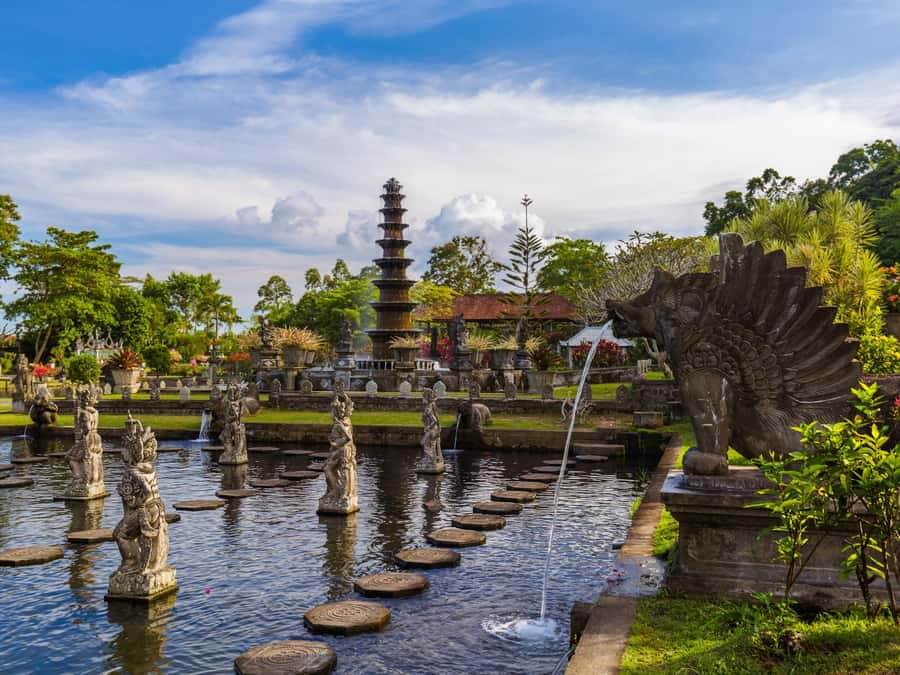
- Tirta Gangga offers a gentler pace: Expect fountains, lily ponds, statues, and koi in a former royal garden.
- Tukad Cepung requires walking: The waterfall sits in a canyon reached by a short jungle route, so sturdy shoes matter.
- The day is designed for variety: Temple culture, royal gardens, farming, coffee, and natural scenery all appear in one package.
- Guides can add a personal touch: Wayan Agus and Nengah are named guides associated with excellent bookings, though your assigned guide may differ.
- The $86 price covers the basics: Hotel transport, entrance fees, bottled water, and an English-speaking driver are included, but lunch and personal purchases are extra.
Why this East Bali route works
East Bali is a good choice when you want more than beach time. The region trades nightlife and resort convenience for temples, mountain views, gardens, farms, and long stretches of road. This tour gathers several of those sights into one private or small-group day, with the group limited to 10 people.
At $86 per person, the value rests mainly in what is bundled. You do not need to arrange a car, pay separate entrance fees at the main sights, or work out the route yourself. For a first visit to Bali, that can remove a lot of guesswork.
The tradeoff is time. Lempuyang, Tukad Cepung, and Tirta Gangga are spread across East Bali, and the tour lasts 10 hours. You should expect a day with an early start or a long return, depending on your pickup time. The schedule is best for you if seeing several key places matters more than lingering at one.
Pickup and drop-off are available in Denpasar, Ubud, and Gianyar. That makes the tour practical for many Bali bases, but confirm your exact hotel area and pickup time before booking. You should also arrive at least 15 minutes early.
More Palaces to Tour in Indonesia:
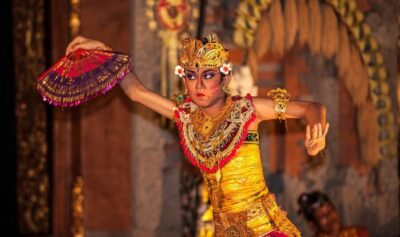
- Bali: Ubud Palace Legong Dance Show Ticket
★ 4.4 · 3,979 reviews - East Bali Tour: Gate of Heaven, Water Palace, Sleeping Gajah
★ 5.0 · 1,726 reviews - Bali: Lempuyang Quick Access, Waterfall, Water Palace & More
★ 4.7 · 1,072 reviews
Lempuyang Temple and the Gate of Heaven
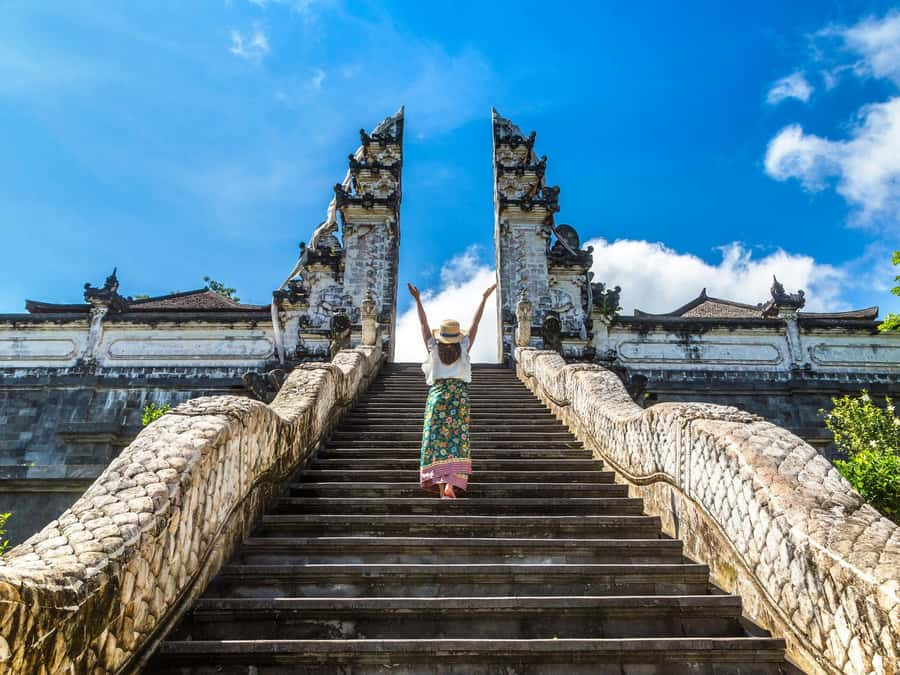
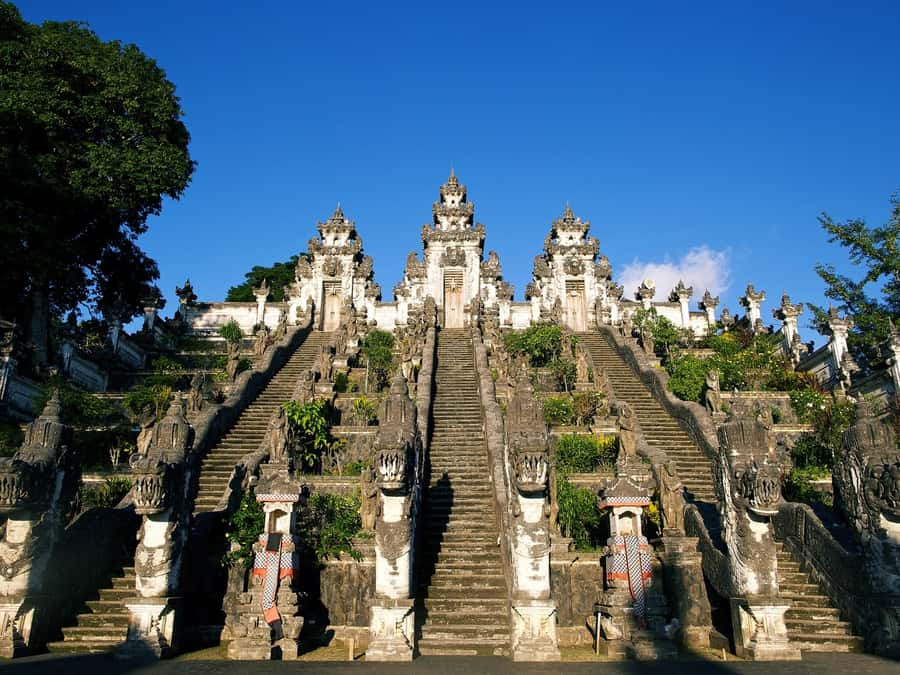
Lempuyang Temple is one of Bali’s six holiest temples, so it is more than a scenic platform for photographs. The site has real religious importance, and you should treat it as a place of worship as well as a famous viewpoint.
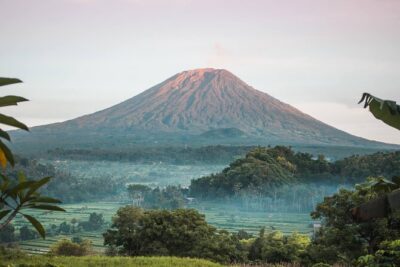
The Gate of Heaven is the main draw. Its split gateway frames Mount Agung, Bali’s tallest volcano, creating the classic image associated with Lempuyang. Clear weather is important here. Clouds or haze can soften or hide the mountain, so the view is never something you can count on.
You receive about one hour at Lempuyang. That is enough to see the key area and take photographs, but it is not a long temple visit. I would use the time wisely: wear respectful clothing, keep your camera ready, and listen when your guide explains how to behave at a sacred site.
The popularity of the gate also means the photo experience can require patience. The tour information does not specify a waiting system or queue length, so you should not build your expectations around getting an instant picture. The temple itself is the worthwhile part, even if weather or timing affects the volcano view.
Tukad Cepung Waterfall through the canyon
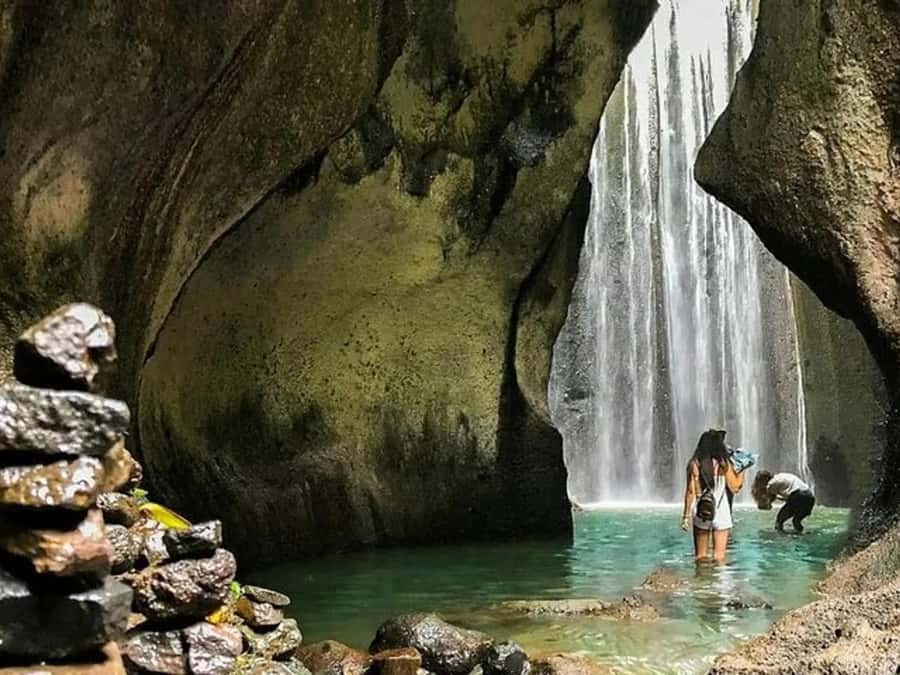
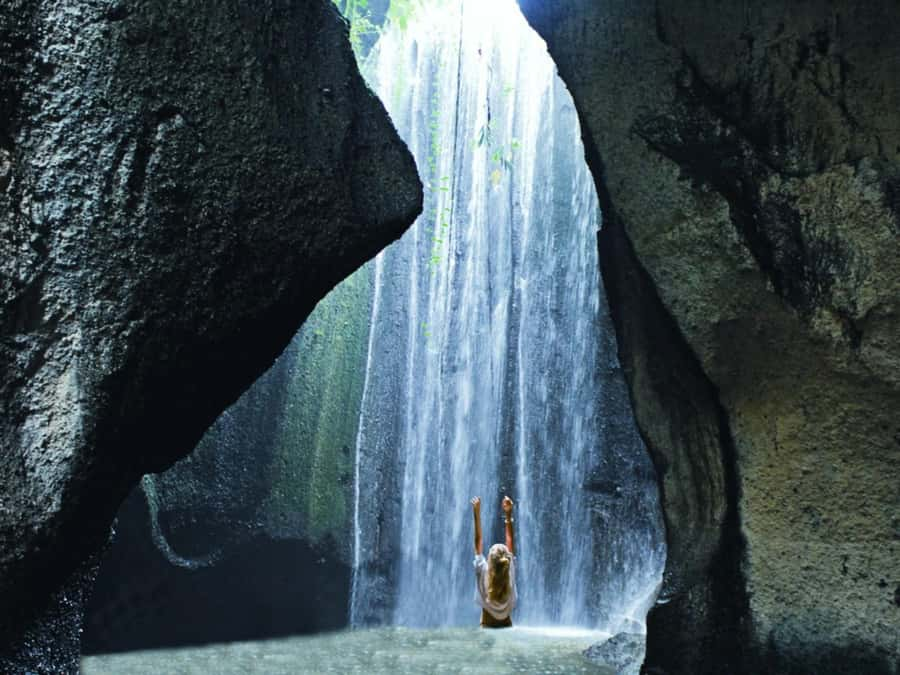
Tukad Cepung is the most adventurous stop on the route. The waterfall is set inside a secluded canyon, with tall rock walls and jungle around it. Sunlight filtering through the opening can illuminate the falling water and mist, giving the place a striking glow.
You have about two hours here, which is much more generous than the Lempuyang stop. That time allows for the walk, photographs, and a pause beside the falls without needing to rush every minute.
This is where your footwear matters most. The route includes walking through a jungle setting and down toward the canyon. Comfortable shoes are specifically advised, and sandals with poor grip would be a questionable choice. Bring a raincoat or umbrella if the weather looks unsettled, since conditions can change.
Tukad Cepung is not the easiest stop for every person. The tour is not suitable for wheelchair users, pregnant women, or people with back problems. Even if you fit none of those categories, be realistic about your comfort with a walking route and uneven ground.
The waterfall is also a good counterpoint to Lempuyang. At the temple, the focus is a well-known cultural site and a single grand view. At Tukad Cepung, the pleasure comes from reaching a natural setting and seeing how the rock walls shape the light.
Tirta Gangga Water Palace and its koi ponds
Tirta Gangga gives the day a quieter middle or final chapter, depending on the exact routing. You have about two hours to walk through the former royal garden, which was built by the King of Karangasem in the 1940s.
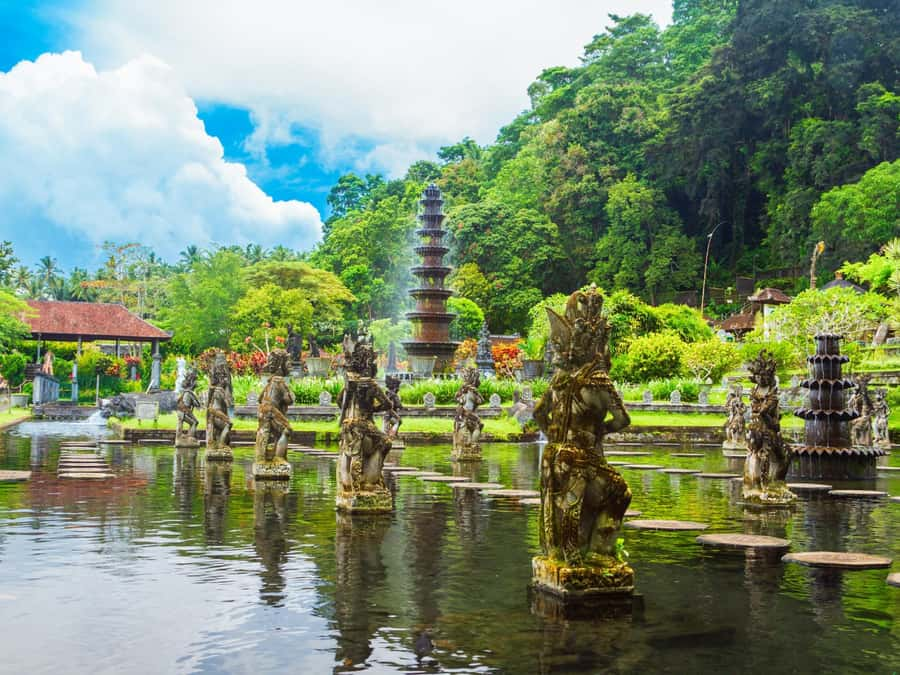
The name Tirta Gangga means holy water from the Ganges. That name points to the site’s spiritual role, but the garden is also visually appealing. Fountains, lily ponds, statues, and koi fish create a calm setting after the more active waterfall walk.
I would slow down here. Watch the koi move through the ponds, look closely at the carved figures, and give yourself time to enjoy the layout rather than treating the palace as another quick photo stop. The two-hour visit makes that possible.
Tirta Gangga is a strong choice for anyone interested in the meeting point between royal history, Balinese Hindu tradition, and garden design. It is also likely to suit you if you want a scenic stop that does not demand as much physical effort as the waterfall.
The site is not a grand palace interior tour based on the details provided. Think of it primarily as an open royal garden with water features and statues. That distinction matters if you are expecting rooms, exhibitions, or a museum-style visit.
Same city, another grand address:
- East Bali: Lempuyang Gates, Tenganan, & Water Palaces Tour
★ 4.8 · 175 reviews - Bali: Ujung Water Palace, Candidasa and Sidemen Village Tour
★ 4.8 · 80 reviews - Yogyakarta: Yogyakarta Palace & Water Castle Guided Tour
★ 4.7 · 70 reviews - Legong Dance Show at Ubud Palace Bali
★ 4.0 · 45 reviews
Rice terraces and the subak farming system
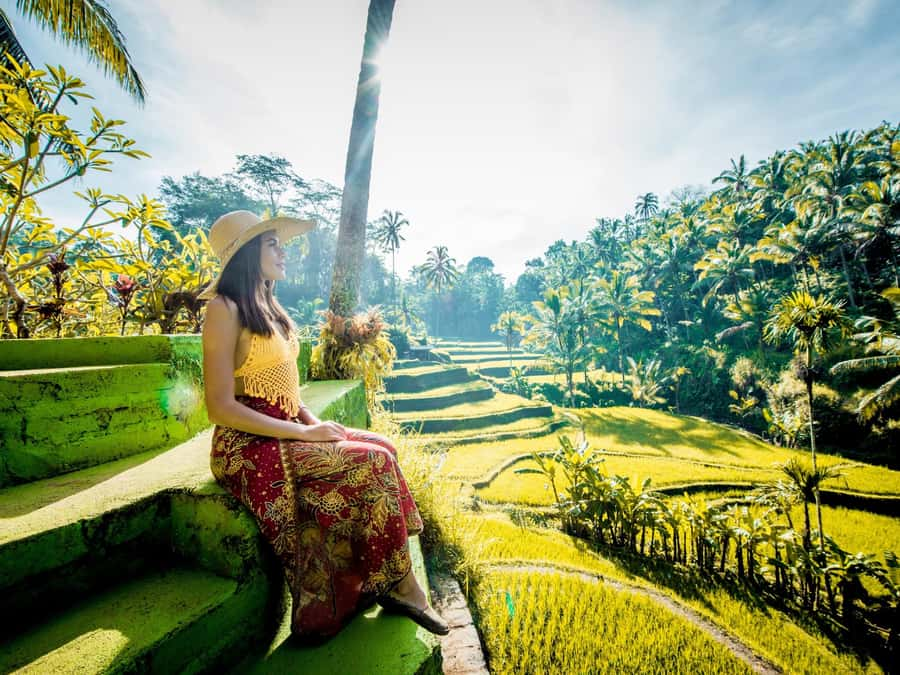
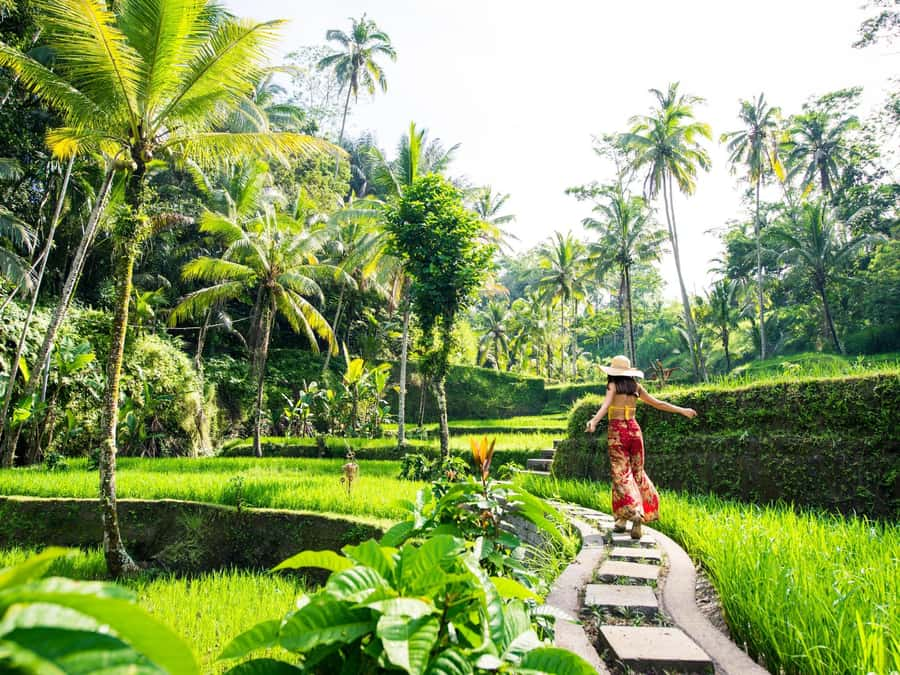
The rice terraces add an important human side to the day. Bali’s rice fields are not simply green scenery. They reflect a long-standing farming system and the subak irrigation tradition, which has UNESCO recognition for its cultural importance.
As you walk through the terraces, you may see local farmers working the land. The appeal is in seeing how agriculture shapes the countryside and supports village life. This is more meaningful than stopping only for a photograph of a field.
The information provided does not give a fixed visit length or name one specific terrace location. That means the stop may be fitted around the main temple, waterfall, and water palace visits. If rice farming is a top priority for you, ask your guide at the start of the day how much walking time is planned there.
Bring sunscreen and a hat. Open fields offer little shade, and you will already be spending much of the day outside. A camera is useful, but pay attention to where you walk and avoid treating working farmland as a stage set.
Coffee plantation tasting in Bali
The coffee plantation stop brings a different kind of cultural experience. You learn how coffee is grown, processed, and roasted, then taste locally grown coffee and herbal drinks. Freshly ground coffee is also available as a souvenir.
The plantation discussion includes kopi luwak, made from beans eaten and excreted by civet cats. That is an unusual part of Bali’s coffee culture, but you may want to ask questions about how the animals are treated before buying or tasting products connected with it. The supplied tour details explain the process but do not provide animal welfare standards for this particular plantation.
This stop is most useful when you approach it as a short introduction to local agriculture and food culture, not simply as a shopping stop. You can learn what grows in Bali, how beans are roasted, and how the final drink differs across varieties.
Again, no fixed duration is supplied for the plantation. The main timed visits are Lempuyang, Tukad Cepung, and Tirta Gangga. If you dislike sales-oriented stops, ask whether tasting and shopping are optional and how much time the group normally spends there.
What the guide and transport add
The driver speaks English, and the small-group size is capped at 10 participants. That is a useful middle ground. You get more structure than hiring a car alone, but the group should be smaller than a large coach outing.
The two named guides connected with excellent bookings are Nengah and Wayan Agus. One booking describes Nengah as kind and helpful. Another highlights Wayan Agus for his humor, cultural explanations, professional service, and effort to greet a Hungarian-speaking couple in their own language. Those details suggest that the guide can shape the day, especially when explaining Balinese customs and the meaning of each stop.
They are not a guarantee that either person will lead your tour. Guide assignments can vary, so consider those names examples of the personal service possible rather than a promise.
Hotel pickup and drop-off are included, along with entrance fees and bottled water. Lunch is not included, and personal expenses are yours to cover. Since this is a 10-hour outing, carry enough money for food and coffee or plantation purchases.
What to pack and how to dress
Keep your packing simple but practical:
- Comfortable walking shoes with a secure sole
- Hat and sunscreen
- Camera or fully charged phone
- Water, even though bottled water is included
- Raincoat or umbrella if the forecast is uncertain
- Clothing suitable for temple visits
The route combines sacred places, wet natural areas, open rice fields, and garden paths. You need clothing that works across all four. Respectful dress is especially important at Lempuyang Temple, although the supplied details do not specify a required dress code.
Weather can affect every scenic stop. Mount Agung may be hidden by cloud, sunlight at Tukad Cepung may be less dramatic, and rain can make walking conditions harder. That is normal for an outdoor day in Bali, not a flaw in the route, but you should book with flexible expectations.
Who should book this tour
This experience suits you if you have limited time in Bali and want to see several East Bali highlights without arranging a car and separate tickets. It is also a good fit if you like a mix of temples, gardens, nature, farming, and food culture.
You will probably enjoy it most if you are comfortable with a full day and some walking. The two-hour waterfall visit and outdoor temple stops make it less suitable for anyone needing a low-effort sightseeing plan.
It may not suit you if you want a slow, highly focused visit to one place. The route covers a lot, and the extra rice terrace and plantation stops may depend on how the day is paced. You should also look elsewhere if lunch included in the price is important, since it is not.
The free cancellation policy gives you some flexibility: you can cancel up to 24 hours before departure for a full refund. Reserve-now, pay-later booking is also available, which helps if your Bali schedule is still changing.
Is the $86 price fair?
For $86 per person, this is a reasonable package if you value convenience. Transport, entrance fees, bottled water, and a guide are included, and the tour lasts 10 hours. The price becomes stronger when you consider the distance between the sights and the work involved in planning the route independently.
It is not an all-inclusive day in the broad sense. Lunch, drinks beyond the supplied water, and personal purchases are extra. You may also spend more at the coffee plantation if you decide to take home coffee or herbal products.
The best value comes from using the guide well. Ask about the temple’s role, the subak system, coffee production, and the history of Tirta Gangga. The tour is not just a series of stops, and the cultural explanations can make the long drive worthwhile.
Should you book it?
Book this East Bali tour if you want a packed day with strong visual variety and built-in transport. Lempuyang supplies the iconic image, Tukad Cepung adds a real walk into nature, and Tirta Gangga gives you time in a graceful royal garden. The rice terraces and coffee plantation broaden the day beyond standard sightseeing.
Skip it if you prefer a quiet pace, need easy access, or do not want a 10-hour outing. Before booking, confirm how the rice terrace and plantation stops fit with the three timed visits. If that schedule suits you, $86 is a fair way to cover a broad slice of East Bali with an English-speaking guide and limited group size.
FAQ
How long does the Bali East Bali tour last?
The tour lasts 10 hours, including hotel pickup and drop-off.
Where can I be picked up and dropped off?
Pickup and drop-off options are available in Denpasar, Ubud, and Gianyar.
What places does the tour visit?
The tour includes Lempuyang Temple, Tukad Cepung Waterfall, and Tirta Gangga Water Palace. The advertised experience also includes rice terraces and a local coffee plantation.
How much time is planned at each main attraction?
The stated schedule allows one hour at Lempuyang Temple, two hours at Tukad Cepung Waterfall, and two hours at Tirta Gangga.
Are entrance fees and transportation included?
Yes. Hotel pickup and drop-off, entrance fees, bottled water, and a professional English-speaking driver are included. Lunch and personal expenses are not included.
Is the tour suitable for people with mobility limitations?
The tour is not suitable for wheelchair users, pregnant women, or people with back problems. Comfortable shoes are recommended because the day includes walking.
Can I cancel or pay later?
You can cancel up to 24 hours in advance for a full refund. Reserve-now, pay-later booking is also available.
Newly added in Indonesia
- Private Tour: Campuhan Ridge Walk, Ubud Rice Terrace & Ubud Palace★ 5.0 · 15 reviews
- All Inclusives Bali Private Tour Temples Palaces and Nature★ 5.0 · 10 reviews
- Bali Sky Gate and Water Palace★ 5.0 · 3 reviews
- Sultan Palace, Prambanan Temple and Water Castle Guide Tour★ 5.0 · 2 reviews
- Sultan Palace, Water Castle & Prambanan Temple Guided Tour★ 4.6 · 4 reviews
- Yogyakarta: Prambanan Temple Morning Tour and Palace Tour★ 5.0 · 4 reviews
- Javanese Dance Workshop with Kraton Palace Dancer★ 5.0 · 2 reviews
- Jakarta : Taman Safari, Panda Palace, and Waterfall★ 4.7 · 11 reviews
Indonesia Palace Tours, compared.
East Bali Tour: Gate of Heaven, Water Palace, Sleeping Gajah
Read our review →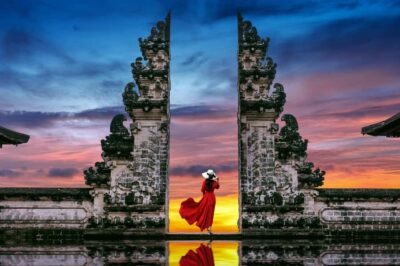
Lempuyang Quick Access, Waterfall, Water Palace & More
Read our review →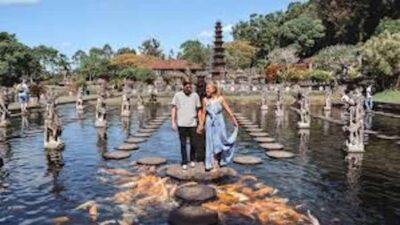
East Bali: Lempuyang Gates, Tenganan, & Water Palaces Tour
Read our review →
Ujung Water Palace, Candidasa and Sidemen Village Tour
Read our review →
Yogyakarta: Yogyakarta Palace & Water Castle Guided Tour
Read our review →
Yogyakarta: Palace, Water Castle & UNESCO Temple Guided Tour
Read our review →Browse the lists this tour appears in