
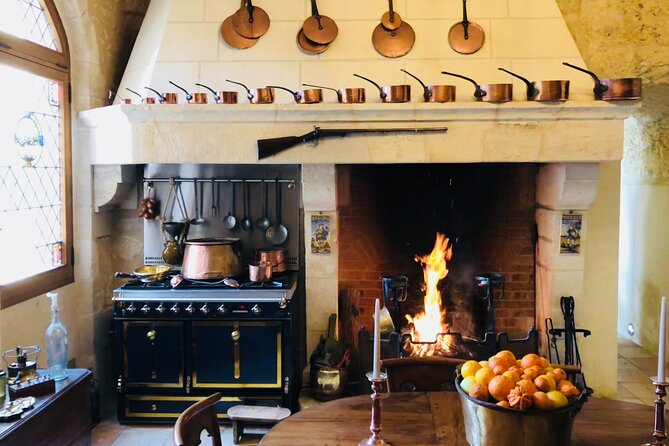
Review · CHATEAU AND WINE ESTATE TOURS
Chateau Gaillard Royal Domain Admission Ticket
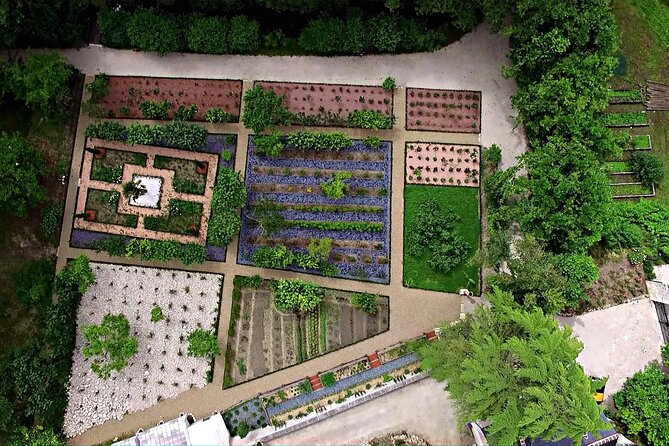
Château Gaillard is a small royal estate with an outsized story. Charles VIII brought the Italian gardener Dom Pacello da Mercoliano from Naples, and this quiet corner of Amboise became a testing ground for orange trees, new garden ideas, and Renaissance court life. I like the mix of restored interiors and living gardens, rather than a chateau visit limited to furniture and portraits.
I also like the calm pace. Mature trees, seven walking paths, hillside caves, and the old orangery give you room to wander, and the citrus bar adds a pleasant finish with fresh orange juice, homemade cake, and blood orange wine. The main consideration is that the free guided tour is in French, so English speakers will get more from exploring independently unless they understand French.
Key points
- A small royal estate in Amboise: Château Gaillard offers a more intimate visit than the Loire’s enormous palace museums.
- France’s early orange-growing story: Learn how Dom Pacello da Mercoliano acclimatized orange trees for the French court.
- Seven garden paths and hillside caves: The grounds reward slow walking and casual exploring.
- Restored Renaissance rooms: See period furnishings, Italian collections, unusual art pieces, and the room linked with Mary Stuart.
- A tasty final stop: The citrus bar serves fresh orange juice, homemade orange cake, orange blossom jelly, honey, and blood orange wine.
- Practical timing: Allow about 2 to 3 hours, and book ahead if you want to protect your entry date.
A Small Royal Estate With a Big Renaissance Story

Château Gaillard sits at 29 allée du Pont Moulin in Amboise, in the Loire Valley. Although the experience is often associated with Tours, the actual address is in Amboise, a useful detail when you plan your route.
The estate was commissioned by Charles VIII and became connected with several major figures of the French Renaissance, including Louis XII, Anne of Brittany, François I, Catherine de Medici, the Cardinal de Guise, and Mary Stuart. You are not simply walking through an old country house. You are following a place shaped by royal ambition, Italian design, horticultural experiments, and changing court fashions.
The scale is part of the appeal. This is a palazotto, a compact Italian-influenced residence, not one of the Loire’s giant fortress-palaces. I find that smaller size helpful because you can take in the rooms without feeling that you are racing through a long sequence of grand halls.
At the same time, the site is not polished into a perfectly uniform museum. Some areas feel restored and carefully presented, while others retain a more lived-in, eclectic character. If you want gleaming state rooms and vast formal apartments, choose one of the region’s larger royal chateaus. If you prefer a place with character and manageable proportions, Château Gaillard makes good sense.
More Chateau and Wine Estate Tours in France
- From Paris: Full-Day Loire Valley Chateaux Tour
★ 4.4 · 1,269 reviews - Versailles Château and Gardens Walking Tour
★ 4.5 · 727 reviews - Versailles Château and Gardens Walking Tour from Paris by Train
★ 4.5 · 714 reviews
Inside the Chateau: Art, Furnishings, and Mary Stuart’s Room
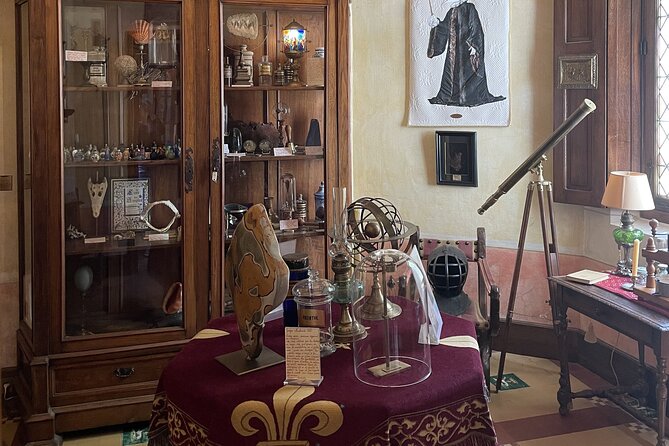
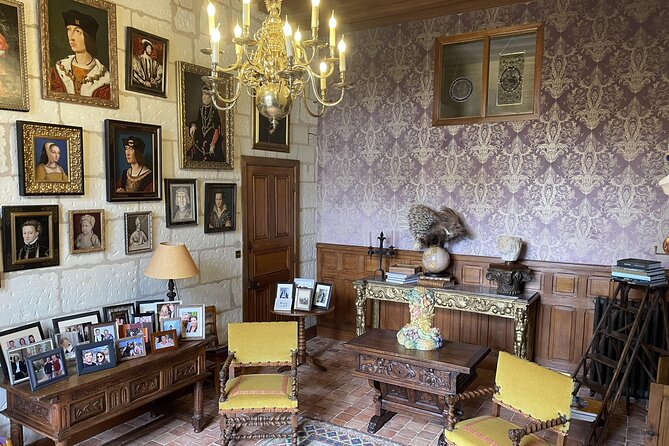
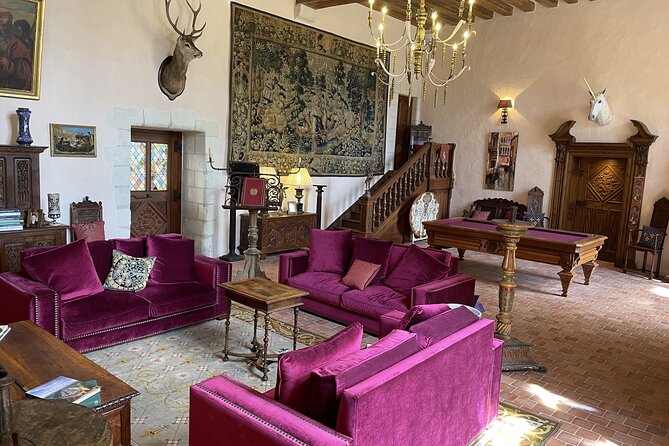
The interior brings together Renaissance collections, later furnishings, paintings, and Italian decorative pieces. You may see objects from different periods rather than a single perfectly matched design scheme. That variety gives the rooms a domestic feel and helps you imagine how the building changed over time.
The restoration was completed over five years by 300 artisans from the Loire Valley, including Master of Art craftsmen. That detail matters because much of the experience depends on the finish of the building itself: its glass, wood, decoration, and carefully repaired rooms.
Among the unusual details are 8,000 handmade glass windows, Commedia dell’Arte tapestry, Italian collections, and artworks associated with names such as Rembrandt and Titian. The supplied information does not provide a room-by-room inventory, so do not arrive expecting a full catalogue of every object. Think of the interior as a collection of visual discoveries, with the building and its furnishings sharing equal billing.
One room has a strong personal connection to Mary Stuart. She lived there for three weeks after her marriage to Francis II of Valois. The room gives the story a human scale. Instead of only hearing about royal marriages and political alliances, you can connect that larger history with a specific place where a young queen actually stayed.
A free guided tour with a professional art historian is offered in French. It can add useful context to the rooms and collections, but English speakers should plan around the language issue. You can still walk through the chateau on your own, and the advance ticket protects your admission, but do not expect the included tour to be in English.
Dom Pacello and the First Orange Trees of France
The most distinctive part of Château Gaillard is its garden story. In 1496, Charles VIII returned from Italy with Dom Pacello da Mercoliano, a Neapolitan monk and master gardener. The king wanted the expertise of one of Europe’s finest garden designers, and Pacello turned Château Gaillard into a place for horticultural experiments.
By 1500, the estate was known as Les Jardins du Roy. Pacello inherited it in exchange for providing the king with a bouquet of orange blossoms each year. That small annual gift says a lot about the value of citrus at the time. Orange trees were not ordinary garden plants in northern Europe. They were delicate, costly, and closely tied to royal display.
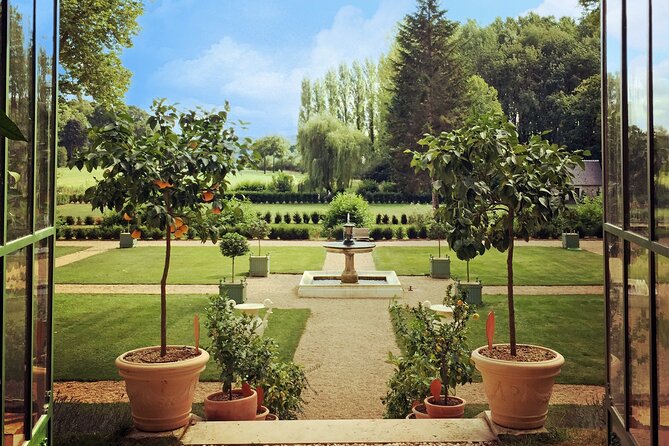
The orangery tells this story better than a plaque alone. You can see where the first orange trees in France were acclimatized and learn how the estate’s greenhouses helped protect them. The fragrant citrus plants also give the visit a sensory side. You are not only looking at a historic garden plan. You can smell the leaves and fruit, notice the warmth of the growing spaces, and understand why these plants fascinated the court.
Pacello also developed an early form of French-style garden design across the 15-hectare park. He worked with paths, planted areas, water, and views in ways that influenced later garden traditions. The estate also became linked with the development of the greengage plum, another reminder that this was a working place for plant experiments, not only a decorative royal retreat.
Seven Paths Through the Gardens
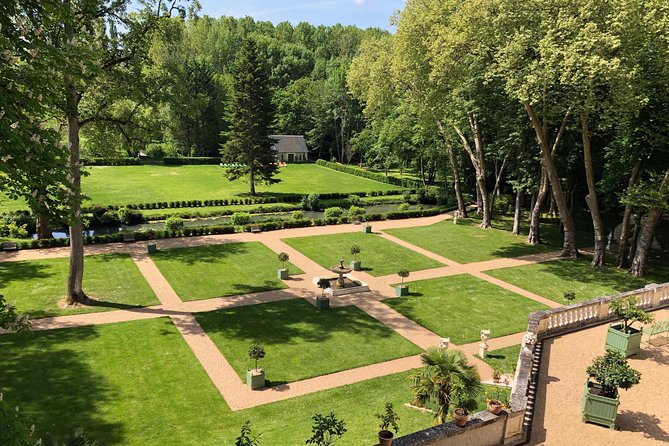
Give the grounds time. You can follow seven walking paths known as the Paths of Paradise, each offering a different way to see the estate. The provided information does not assign a detailed theme to every path, so I would treat them as a loose network for wandering rather than a strict sightseeing circuit.
The mature trees are a major part of the atmosphere. They provide shade and make the grounds feel settled and private, especially compared with the broad courtyards and formal axes found at larger Loire palaces. The gardens are described as pleasant rather than vast showpieces, and that is the right expectation.
You can also explore caves in the hillside. Their presence adds texture to the visit and breaks up the garden walk with something more enclosed and unexpected. Wear sensible footwear for ordinary walking, since access to the chateau and grounds is pedestrian only.
The greenhouses are essential to the experience. Stop to smell the citrus, look at the orange trees, and connect the plants with Pacello’s work. The garden is at its best when you slow down and notice these small details instead of trying to cover the site as quickly as possible.
More Palace Entry Tickets in France
- Loire Valley: Château Royal d’Amboise Entrance Ticket
★ 4.6 · 476 reviews - Paris: Palais Garnier Mystery Game with Entry Ticket
★ 4.3 · 400 reviews - Paris: Château de Vincennes Entry Ticket
★ 4.5 · 342 reviews - Versailles Palace, Garden Entry Ticket – Optional Private Guide
★ 3.5 · 147 reviews
The Citrus Bar Is Part of the Visit
Château Gaillard finishes its story with food and drink. At the citrus bar, you can try honey of Heaven, orange blossom jelly, homemade orange cake, and freshly pressed orange juice. These are not random refreshments. They continue the estate’s focus on oranges, blossoms, gardens, and local cultivation.
The homemade orange cake is an especially practical reason to save a few minutes at the end. A fresh juice gives you a bright, simple taste of what you have just seen growing in the orangery. You can also try the blood orange wine, which is a more unusual choice and, according to the supplied experience details, one of the popular purchases to take away.
The bar changes the rhythm of the visit. Instead of stepping straight from the final room to the exit, you can sit with the garden story for a moment. I like this kind of ending because it connects the historic subject to something you can taste.
Keep in mind that the ticket price does not state that these food and drink items are included. Admission is included, but plan to pay separately for anything you order at the citrus bar.
How Much Time and Money Should You Allow?
The admission price is $24.14 per person, and the usual visit takes about 2 to 3 hours. For a small chateau, that is not a bargain in the same way as a quick, one-hour monument ticket. The value comes from the combination of rooms, gardens, orangery, caves, and the unusual citrus story.
I think the price works best for visitors who will use the entire estate. If you only want to glance at the main building, it may feel high. If you explore the seven paths, spend time in the greenhouses, examine the restored rooms, and stop at the citrus bar, the visit becomes a substantial half-day activity.
Advance booking is sensible because the ticket helps guarantee admission, and the experience is often reserved about 15 days ahead. The maximum group size is 40 people, though your independent wandering may feel quieter than that limit suggests.
The ticket includes access and a free guided tour in French when available. It does not include transportation to or from the attraction, so you need to arrange your own way to 29 allée du Pont Moulin in Amboise. The site is near public transportation, but no specific route or timetable is provided.
Free cancellation is available up to 24 hours before the local start time. Cancellations made less than 24 hours before the visit, along with late changes, are not refunded.
Who Will Enjoy Château Gaillard Most?
This experience suits you if you like smaller historic sites, gardens, decorative arts, and odd but memorable details. It is especially good for people who have already seen a major Loire palace and want something quieter and more personal.
Garden lovers will find the orangery and citrus-growing story the strongest reason to come. Art and interiors fans will appreciate the mixed furnishings, Italian collections, handmade glass windows, tapestries, and historic rooms.
Families can also manage the visit because most people can participate, and the grounds offer more movement than a room-by-room museum. Still, the value depends on your interest in history and gardens. Someone looking only for children’s activities may find the chateau too quiet.
English speakers should be realistic about the included tour. The activity is offered in English as a booking language, but the free guided tour is in French. If you do not understand French, plan to read what is available and explore at your own pace rather than counting on an English lecture.
Service animals are allowed. Access to the site itself is pedestrian only, and the information provided does not promise full accessibility details for every garden path, cave, or historic room. If you need specific access arrangements, ask the provider before booking.
My Practical Take on the Visit
I would plan this as a relaxed 2 to 3 hour stop, not a rushed add-on between two major palaces. Start with the interior rooms while your attention is fresh, then move through the gardens and greenhouses. Leave time for the caves and the citrus bar.
Book ahead if your Loire itinerary is fixed. You can cancel for a full refund until 24 hours before the start time, but last-minute changes are not accepted under the stated policy.
Do not judge the estate by the size of the chateau alone. Its appeal comes from the layers: Charles VIII’s royal project, Pacello’s Italian garden work, the first orange trees, Mary Stuart’s short stay, the restoration, and the food and drink at the end. The building may feel quaint rather than grand, and some rooms have an eclectic mix of periods, but that is part of its character.
Should You Book Château Gaillard?
Book it if you want an intimate Loire Valley visit with gardens, citrus, and unusual royal connections. It is a good choice after the larger chateaus have left you wanting something calmer, more tactile, and less crowded.
Skip it if your priority is a huge palace, a full English-language guided tour, or a low-cost quick stop. For everyone else, the $24.14 ticket can be worthwhile if you give the grounds their proper time and treat the orange-growing story as the heart of the experience.
FAQ
Where is Château Gaillard located?
The address is 29 allée du Pont Moulin, 37400 Amboise, France.
How long does a visit to Château Gaillard take?
Allow approximately 2 to 3 hours for the chateau, gardens, greenhouses, paths, caves, and citrus bar.
What is the admission price?
The listed price is $24.14 per person.
Is a guided tour included?
A free guided tour with a professional art historian is included when offered, and it is conducted in French.
Is the experience offered in English?
The experience is offered in English as a booking option, but the free guided tour is in French.
Do I need to book in advance?
Advance booking is recommended to guarantee admission. The experience is booked about 15 days ahead on average.
Is transportation included?
No. Transportation to and from the attraction is not included.
Is Château Gaillard accessible by public transportation?
The site is near public transportation. Access to the attraction itself is pedestrian only.
Are service animals allowed?
Yes, service animals are allowed.
Can I cancel for a refund?
Yes. You can cancel at least 24 hours before the local start time for a full refund. Cancellations or changes made less than 24 hours before the start time are not refunded or accepted.
More Palace Entry Tickets in Tours
- Buckingham Palace Entrance Ticket & Changing of the Guard Tour
★ 4.0 · 1,720 reviews - London: Buckingham Palace Entry Ticket & Royal Walking Tour
★ 4.5 · 1,010 reviews - Beijing: Summer Palace Entry Ticket and Optional Guided Tour
★ 4.7 · 810 reviews - Madrid: Royal Palace Guided Tour with Entry Ticket
★ 4.3 · 640 reviews
More Chateau and Wine Estate Tours in Tours
- Quebec City: Guided Tour of Fairmont Le Château Frontenac
★ 4.7 · 3,027 reviews - Guided Tour of the Fairmont Le Chateau Frontenac in Quebec City
★ 4.5 · 1,217 reviews - Chateauneuf du Pape wine tour
★ 5.0 · 484 reviews - Fontainebleau & Vaux-le-Vicomte Châteaux Day Tour from Paris
★ 4.4 · 454 reviews
Newly added in Tours
- Yogyakarta: Yogyakarta Palace & Water Castle Guided Tour★ 4.7 · 70 reviews
- Free E-Sim War Remnants Museum & Independence Palace Tour★ 4.7 · 55 reviews
- Skip-the-Line Wilanow Palace and Gardens Private Tour Warsaw★ 5.0 · 16 reviews
- Vung Tau Full-Day Tour with Beach, Christ Statue & White Palace★ 5.0 · 51 reviews
- Yogyakarta: Palace, Water Castle & UNESCO Temple Guided Tour★ 4.4 · 37 reviews
- Udaipur: City Palace Museum Tour and Lake Pichola Boat Tour★ 5.0 · 20 reviews
- Stockholm Old Town Highlights, Royal Palace, Vasa Museum Tour★ 4.5 · 17 reviews
- Drottningholm Palace Private Guided Tour★ 4.5 · 15 reviews
Chateau and Wine Estate Tours, compared.

Medoc or Saint Emilion Wine Tasting and Chateau from Bordeaux
Read our review →

Guided Tour of the Fairmont Le Chateau Frontenac in Quebec City
Read our review →
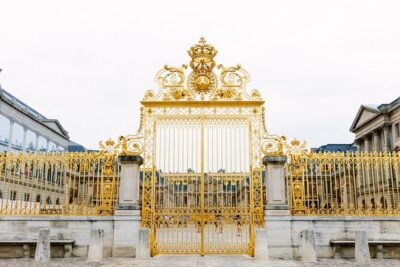
Versailles Château and Gardens Walking Tour from Paris by Train
Read our review →

Loire Valley: Château Royal d’Amboise Entrance Ticket
Read our review →
Fontainebleau & Vaux-le-Vicomte Châteaux Day Tour from Paris
Read our review →Browse the lists this tour appears in