
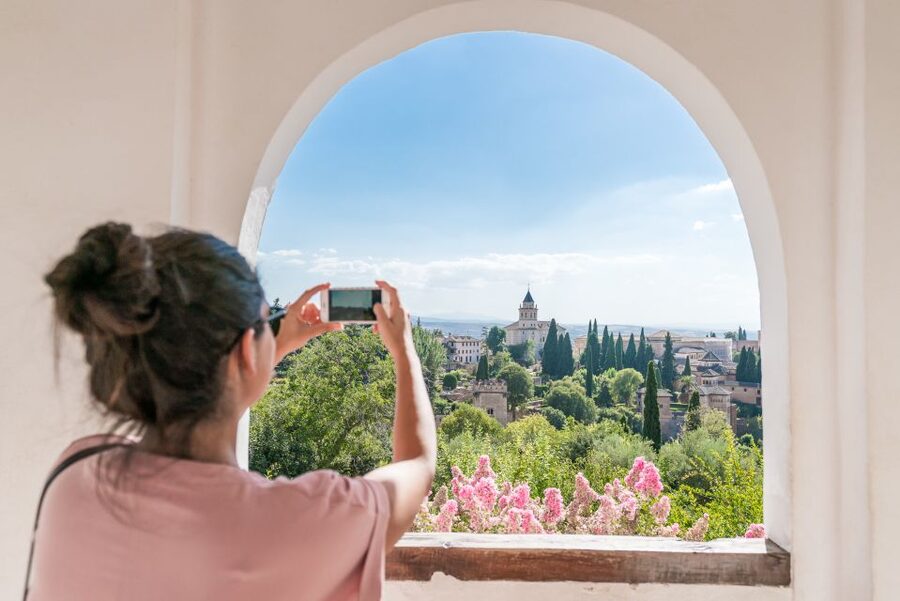
Review · ALHAMBRA PALACE TOURS
Granada: Alhambra Ticket and Guided Tour with Nasrid Palaces
The Alhambra makes far more sense with a guide. Its carved walls, water channels, courtyards, and changing rulers can blur together if you walk through alone, but a good guide gives each room a purpose. I especially like that this tour includes the Nasrid Palaces, the part of the complex that often sells out first, along with the Generalife and Alcazaba.
I also like the practical design: group access to the grounds and Generalife, an audio system so you can hear clearly, and time after the guided portion to explore ticketless areas on your own. The main drawback is the pace. Three hours is enough to cover the major sights, but a busy late-day slot can feel hurried, and the complex involves steep paths and plenty of walking.
Key points
- The Nasrid Palaces are included: See the famous Patio de los Leones, tiled halls, carved stucco, and water features with a timed entry.
- The tour covers the whole core complex: Visit the Generalife, Medina, Alcazaba Fortress, and Nasrid Palaces in one organized route.
- Guides make the architecture readable: Past guides including Sergio, Ana, Christian, Luis, Natalia, and Jorge have been praised for clear stories, humor, and strong historical context.
- Small groups are available: Groups of about 12 to 14 have been described as manageable, while private options suit families or visitors wanting more flexibility.
- The views are part of the experience: Climb the Alcazaba’s Watch Tower for views toward the Albaicín and Sacromonte.
- Plan for hills and weather: Bring water, wear comfortable shoes, and carry your passport or ID card.
Why the Alhambra Works Better With a Guide
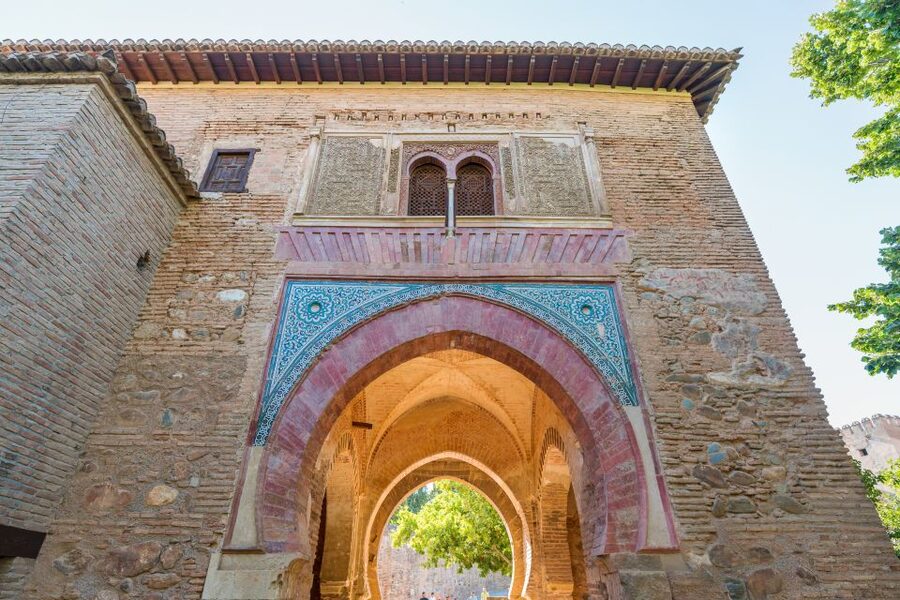
The Alhambra is not one palace. It is a hilltop complex of royal residences, gardens, military defenses, a former urban quarter, and later Christian buildings. That mixture is part of its charm, but it can also make a self-guided visit feel like a string of pretty rooms without a clear story.
A good guide connects the pieces. You learn how the Nasrid rulers used courtyards, water, light, inscriptions, and geometric decoration to shape palace life. You also hear how the site changed after the Christian conquest and why a Renaissance palace now sits within the older Moorish complex.
The best guides turn details into scenes. Sergio has been praised for explaining the effect of the throne room on visiting courtiers, while guides such as Ana and Carmen have linked architecture to faith and politics. That sort of context gives you something to look for beyond decoration.
The tour is offered in English or Spanish, with a personal audio system to help you follow the explanation in courtyards and larger open spaces. That matters when the group is moving through a busy monument and you cannot stand beside the guide at every moment.
More Alhambra Tours in Granada:
- Granada: Alhambra & Nasrid Palaces Tour with Tickets
★ 4.7 · 19,801 reviews - Granada: Alhambra & Gardens Tour w/Nasrid Palaces Option
★ 4.2 · 7,022 reviews - Fast-Track Alhambra & Nasrid Palaces Guided Tour
★ 4.6 · 5,014 reviews
Meeting at the Generalife Entrance

You meet at the Café Bar on Avenida del Generalife, beside the Alhambra ticket office. Look for the guide in the small courtyard between the souvenir shop and the café, next to the ticket office and entrance.
This is not a hotel pickup. You make your own way to the monument, so allow time to reach the hilltop meeting point and find the café area before the starting time. The instructions are clear, but the meeting area can still take a moment to identify if you arrive in a crowd.
Bring your passport or ID card. Full names, birth dates, and ID numbers are required when booking because the Alhambra issues named tickets. If that information is missing, entry may not be guaranteed.
Once the group is assembled, the guide leads you through a separate group entrance to the Alhambra grounds. This does not mean every part of the complex is empty, but it can save you from standing in the main ticket line, especially on a hot day.
Generalife Gardens: A Quiet Start
The route includes the Generalife Palace and Gardens, the former summer retreat of Granada’s rulers. It is a calmer opening than beginning inside the ornate Nasrid rooms, with planted courtyards, rose gardens, terraces, and water features setting the mood.
Water is central here. Channels and fountains are not just decoration. They create sound, movement, and coolness, while also showing the skill needed to control water on a hill above Granada. Your guide explains how the gardens fit into the life of the rulers who used the Generalife as a place of rest.
The Generalife is also a good place for photographs, though the group route and one-time entry rules mean you should not assume you can return later during the same ticket. You get one access to the Generalife with your guide, so take a few minutes to look around rather than rushing from one picture to the next.
The tour includes separate group access to the Generalife Palace. That is useful because the complex can become crowded, and several people have found the line-saving feature particularly helpful in hot weather or when visiting with children and older family members.
The Medina and the Working Alhambra
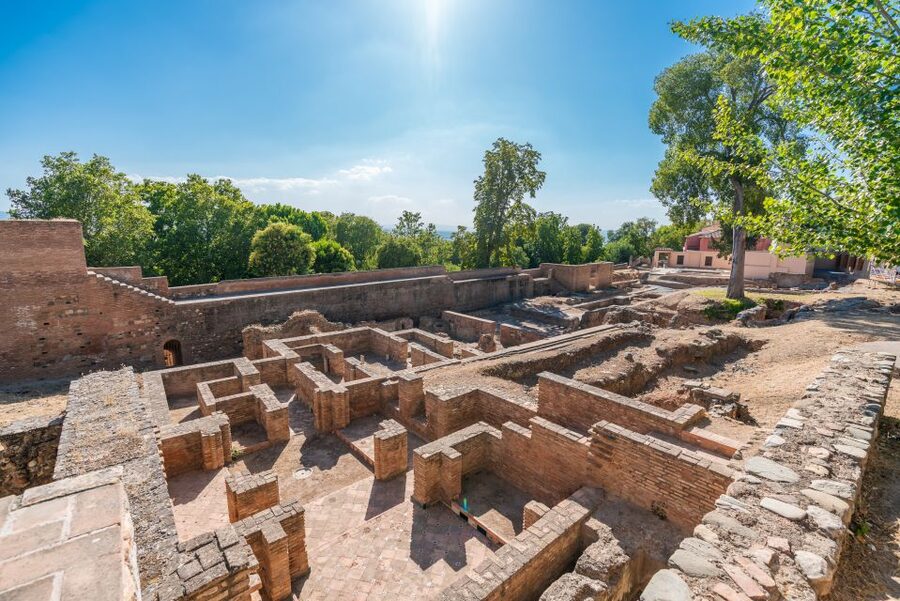
The Medina was the settlement inside the Alhambra complex, where people lived and worked rather than simply admired royal rooms. It helps you picture the site as a functioning hilltop city, not only a palace made for formal ceremonies.
The remains are less polished than the Nasrid Palaces, but that is exactly why they matter. You begin to see the infrastructure behind royal life: homes, service areas, and routes connecting the palace buildings and fortress.
Your guide can also place the Alhambra within Granada’s wider story. The explanations move between the Muslim rulers of the Nasrid dynasty, the Christian monarchy that took control, and the later changes made to the complex.
This section can feel less dramatic than the famous courtyards. I would pay attention here, though, because it gives the rest of the visit a useful frame. Without it, the Alhambra can seem like a collection of grand rooms detached from daily life.
More Palaces to Tour in Granada:
- Alhambra & Generalife Skip the line Small Group including Nasrid Palaces
★ 4.5 · 3,051 reviews - Granada: Alhambra Guided Tour with Nasrid Palaces & Gardens
★ 4.7 · 2,190 reviews - Alhambra &Charles Palace Guided Tour with Optional Nasrid Palaces
★ 4.5 · 2,149 reviews - Granada: Tour of Alhambra, Generalife, and Nasrid Palaces
★ 4.4 · 1,979 reviews
The Alcazaba and Its High City Views
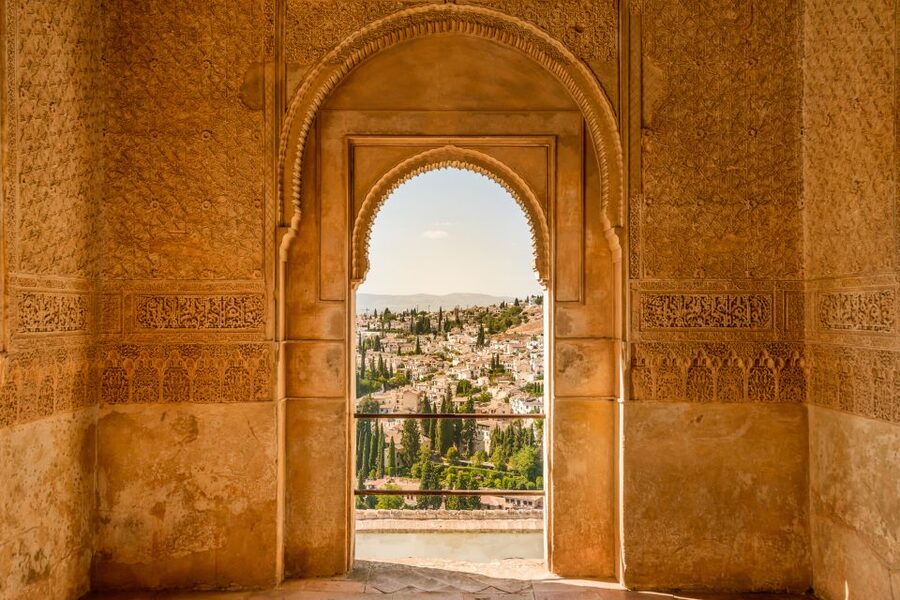
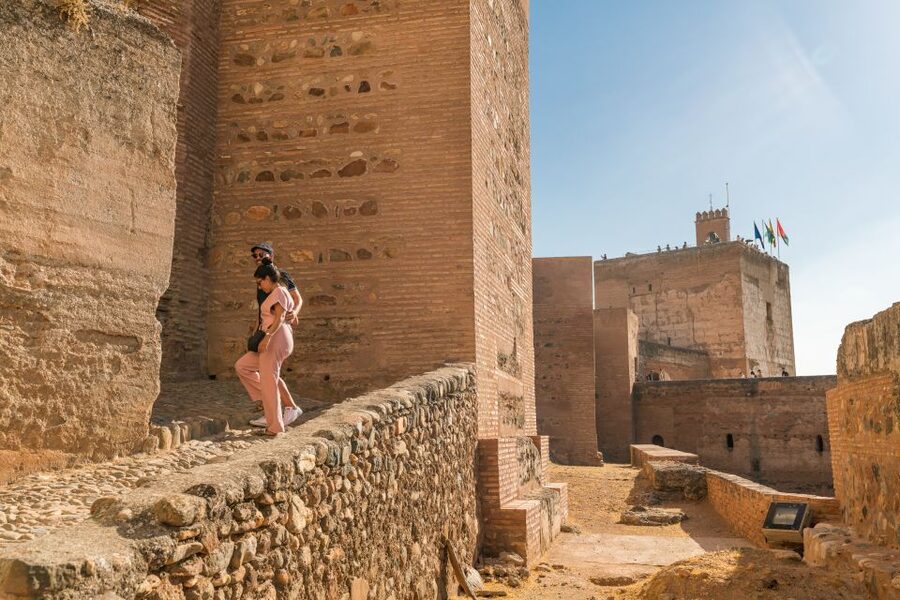
The Alcazaba is the oldest defensive part of the complex and feels more severe than the palaces. Thick walls, towers, and open spaces make its military purpose clear. This is where the Alhambra shifts from royal display to protection.
You visit the fortress with the guide and can climb the steps of the Watch Tower for broad views over Granada. From here, you can see toward the Albaicín and Sacromonte neighborhoods, with the city spread below the hill.
The climb is worthwhile, but it is not effortless. The route has steep sections, and the entire complex involves walking over uneven and inclined paths. Comfortable shoes are essential, particularly if you are visiting in summer or planning to remain after the guided portion.
The Alcazaba is also one of the places where the guide’s timing matters. You want enough space to look at the walls and views, but the Nasrid Palaces have a fixed entry schedule. A skilled guide keeps the group moving without turning the visit into a race. Several highly rated tours were praised for a steady pace and regular opportunities for photographs.
The Nasrid Palaces: The Main Event
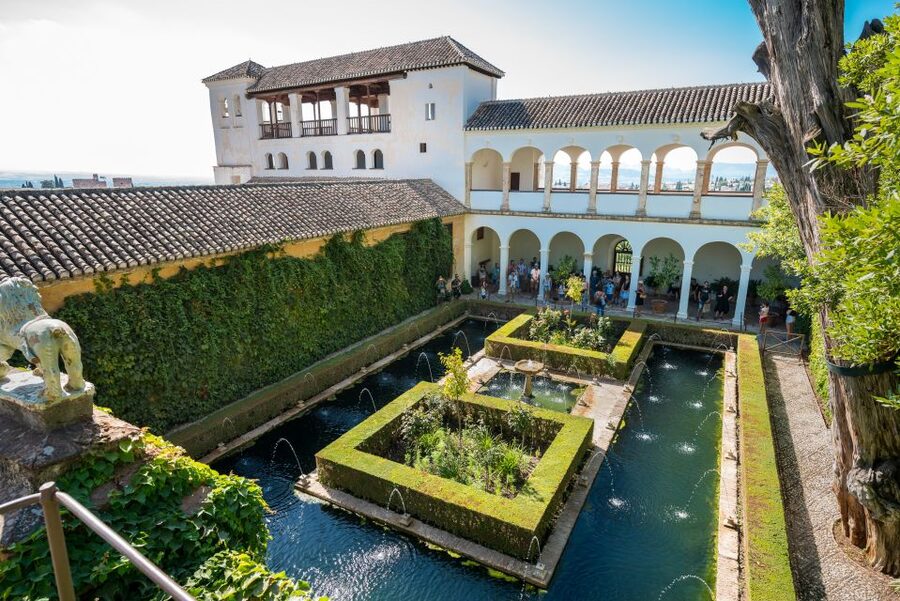
The Nasrid Palaces are the heart of the visit. This is where you see the fine Islamic decoration most people associate with the Alhambra: patterned tilework, carved plaster, wooden ceilings, inscriptions, slender columns, and courtyards arranged around water.
The spaces are beautiful, but the details are easy to miss without help. Your guide points out how geometric patterns cover surfaces without relying on human figures, how light changes across the rooms, and how water links one courtyard to another.
The Patio de los Leones is the best-known courtyard, with its famous lion fountain and surrounding galleries. It can be crowded, especially in the warmer months and later time slots, so do not expect a private palace experience. The guide helps you understand the design even when other groups are nearby.
You also pass through halls and courtyards connected to royal ceremony. This is where historical storytelling pays off. The rooms were designed to shape how visitors approached the ruler, where they paused, and what they saw first. The decoration was not random ornament. It communicated power, order, faith, and wealth.
The one-time entry rule is important. Your ticket allows one access to the Nasrid Palaces, Generalife Palace, and Alcazaba with the guide. You cannot simply leave the Nasrid Palaces and return later, so use the visit well. Take photographs when the guide allows time, but keep listening. The explanation is a major part of what you are paying for.
Late afternoon can be a mixed choice. A 5 pm tour may offer softer light, but one booking at that time felt crowded and rushed toward the end because the site was closing later that evening. Earlier times may give you more breathing room, although the Alhambra can be busy at any hour in high season.
Architecture You Can Actually Read
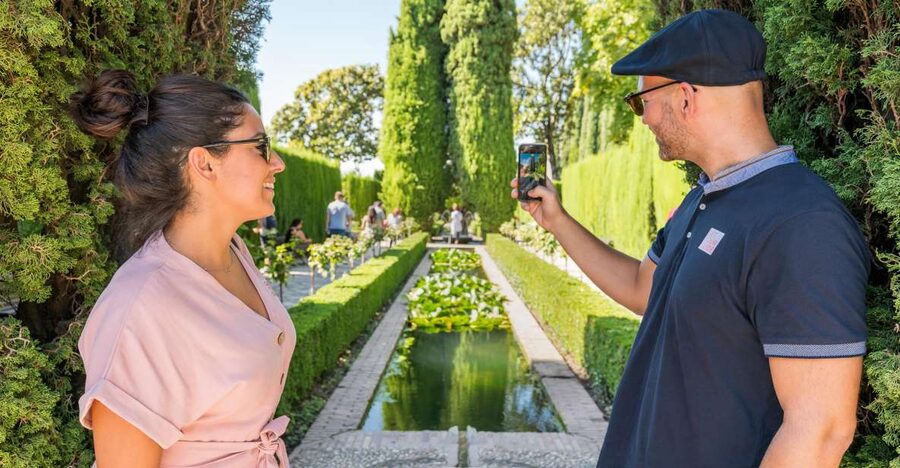
The Alhambra rewards slow looking, but three hours is not a slow, private architectural study. The guide’s job is to help you notice the important features before the group moves on.
Look for the contrast between the restrained exterior walls and the highly decorated interiors. From outside, the palaces can appear plain and defensive. Inside, surfaces are filled with repeating patterns, calligraphy, carved plaster, colored tiles, and carefully framed views.
You will also see Mudéjar and later Christian influences across the wider complex. The Alhambra is not frozen in one period. Its buildings show layers of Muslim and Christian rule, along with the Renaissance Palace of Carlos V, added in the 16th century.
The Palace of Carlos V is in the free areas of the complex and may be visited after the guided route. Its circular courtyard and formal Renaissance style create a sharp contrast with the older palaces. The tour may not spend much guided time here, so treat it as an extra stop after the main visit.
Group Size, Private Tours, and the Human Side
You can choose between a small-group and private experience. Group size may vary, but one well-liked English tour had about 12 to 14 people, while another had only six. A group of that size is usually small enough for questions without losing the social ease of a shared visit.
The audio system helps, though it does not remove every problem. In crowded courtyards, you still need to stay close enough to see where the guide is standing and keep up with the route.
A private tour is the better match if you want to ask many questions, need a slower pace, or are visiting with children. Guides have done well with families, including one who kept an 11-year-old involved and another who made the visit work for children aged six and ten.
The strongest guide reports share a pattern: clear English, energy, humor, historical detail, and patience. Names praised across past visits include Sergio, Ana, Christian, Luis, Fernando, Mar, Jorge, Natalia, Alba, and Nono. Of course, you cannot choose a particular guide from this information, but you can reasonably expect the quality of the visit to depend heavily on who leads your group.
Timing, Heat, Crowds, and Comfort
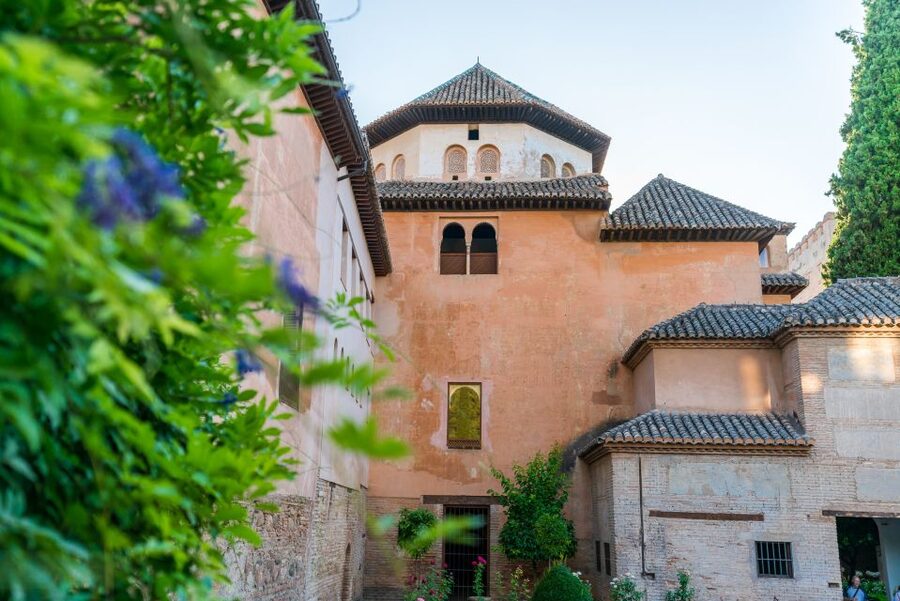
The tour lasts three hours, with a five to ten minute break. That is long enough to cover the main areas but short enough to fit into a busy Granada itinerary.
Summer heat is the biggest comfort issue. The Alhambra has exposed paths, open courtyards, and steep sections. Bring water, wear a hat if useful, and choose comfortable shoes. Some visitors have found the heat tiring even when the guide managed the pace well.
January is a particularly appealing time according to one past visit, with cooler temperatures and fewer people. Winter weather can be wet and cold, so pack layers and rain protection. A damp day will not spoil the architecture, but it can make open areas and stone paths less comfortable.
Crowds are hardest to predict. The Nasrid Palaces have controlled capacity, but that does not mean the rooms will feel empty. Busy periods can bring several groups through the same courtyards. Your guide and audio system make the experience easier to follow, but they cannot create extra space.
The tour is not suitable for wheelchair users. The steep entrance and exit, stairs, and uneven routes make this an important limitation. Anyone with reduced mobility should consider the physical demands before booking.
Is the $59 Price Fair?
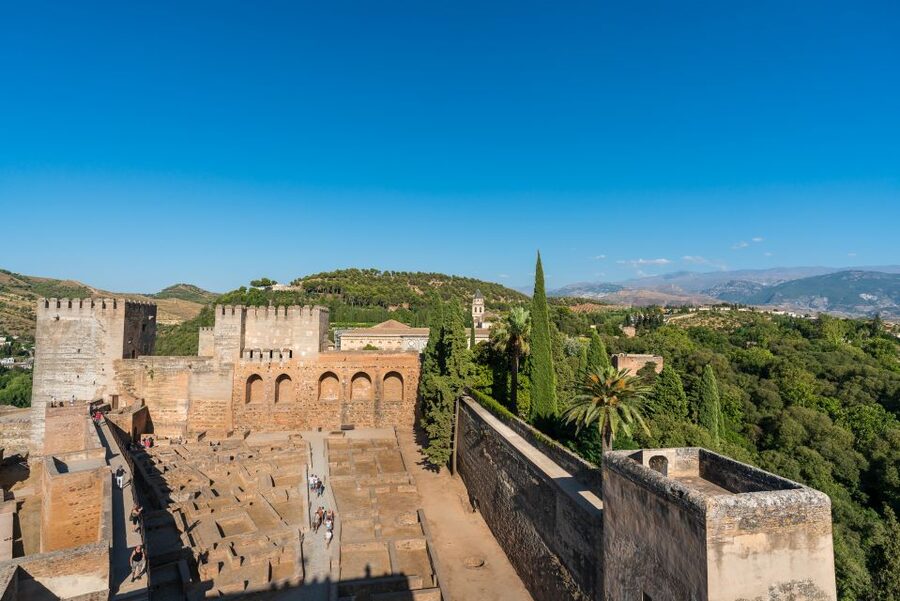
At $59 per person, the price covers the full Alhambra ticket, including the Nasrid Palaces, Generalife Palace and Gardens, Medina, and Alcazaba Fortress. It also includes the official guide, audio support, group access arrangements, and the ability to remain in ticketless areas after the guided route.
The value is strongest if you want historical context or are worried about securing the Nasrid Palaces. A basic entry ticket may look cheaper, but it does not give you the same help with the site’s complicated history, layout, and decorative details.
The price is less compelling if you prefer to move slowly, read everything independently, or spend a long time photographing one courtyard. The guide must keep to the palace entry schedule, and the group cannot pause at every attractive doorway.
I see the tour as a sensible middle ground. You pay more than simple admission, but you reduce the risk of missing the most important buildings and gain a clear route through a huge complex. The private option will cost more than the stated group price, so compare the final booking price if you want a guide exclusively for your party.
After the Guided Route
When the three-hour tour ends, you can continue in the free areas of the Alhambra complex. This is a useful feature because you may want another look at a garden, the Palace of Carlos V, or a viewpoint over the Albaicín.
Do not confuse free areas with re-entry to the ticketed monuments. The Nasrid Palaces, Generalife Palace, and Alcazaba allow one-time access with the guide. Plan to see those places during the scheduled route, then use the remaining time for areas that do not require another ticket check.
Your guide may also suggest good photo points and offer to take a picture. That small practical help can matter when you are traveling as a couple or family and want everyone in the frame.
Should You Book This Alhambra Tour?
I would book it if this is your first visit to Granada, if the Nasrid Palaces are a priority, or if you want the Alhambra’s history explained rather than simply photographed. The combination of reserved admission, a three-hour route, and a guide who can connect decoration with politics and daily life gives you a solid first look.
Choose the small group for value and a social atmosphere. Choose private if your party wants more questions, a custom rhythm, or extra help with children. Book early because the Nasrid Palaces have limited capacity, and provide every participant’s correct identification details at checkout.
Skip this tour only if you strongly prefer complete independence or need a fully accessible route. For most physically able first-time visitors, the $59 cost is justified by the included ticket and the amount of context packed into one visit.
FAQ
What does the Alhambra tour include?
The ticket includes the Nasrid Palaces, Generalife Palace and Gardens, Medina, and Alcazaba Fortress. You also receive a tour guide, a personal audio system, and access to ticketless areas after the guided tour.
How long does the guided visit last?
The guided tour lasts three hours and includes a five to ten minute break.
Which languages are available?
The tour is available in English and Spanish.
Where is the meeting point?
Meet at the Café Bar on Avenida del Generalife, beside the Alhambra ticket office. Guides wait in the small courtyard between the souvenir shop and the café.
Do I need identification?
Yes. Bring your passport or ID card. At booking, all participants must provide their full names, birth dates, and ID numbers so the Alhambra tickets can be reserved.
Can I return to the Nasrid Palaces later?
No. The ticket allows one-time access to the Nasrid Palaces, Generalife Palace, and Alcazaba with your guide.
Is the tour suitable for wheelchair users?
No. The tour is not suitable for wheelchair users because the route includes steep areas and stairs.
Newly added in Granada
- Alhambra: Nasrid Palaces Guided Night Tour without tickets★ 3.4 · 5 reviews
- Alhambra: tour without Nasrid Palaces with official tour guide and tickets★ 5.0 · 2 reviews
- Alhambra with Nazaries Palaces Private Tour★ 5.0 · 15 reviews
- Alhambra, Nasrid Palaces and Albaicin Tour★ 4.8 · 18 reviews
- Alhambra Private Tour: Nasrid Palaces, Alcazaba & Generalife★ 5.0 · 3 reviews
- Alhambra and Nasrid Palaces and Local Food Experience★ 4.9 · 4 reviews
- Alhambra & Nasrid Palace: Private Tour with Tickets★ 4.4 · 16 reviews
- Alhambra: complete tour with Nasrid Palaces, official tour guide, and tickets★ 4.9 · 32 reviews
Alhambra Palace Tours, compared.
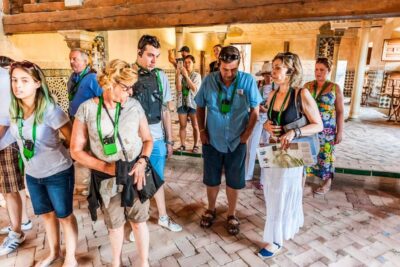


Alhambra & Gardens Tour w/Nasrid Palaces Option
Read our review →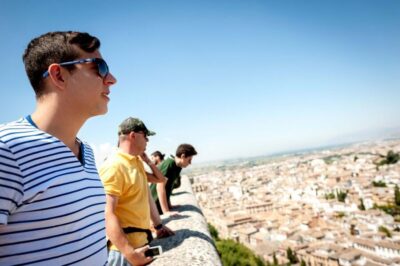
Fast-Track Alhambra & Nasrid Palaces Guided Tour
Read our review →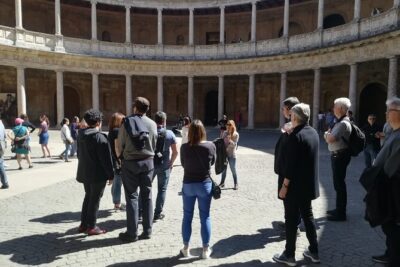
Alhambra & Generalife Skip the line Small Group including Nasrid Palaces
Read our review →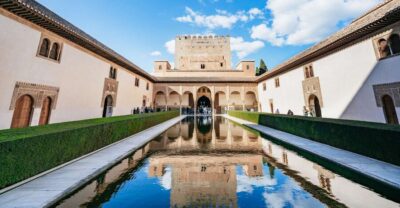
Alhambra Guided Tour with Nasrid Palaces & Gardens
Read our review →
Alhambra &Charles Palace Guided Tour with Optional Nasrid Palaces
Read our review →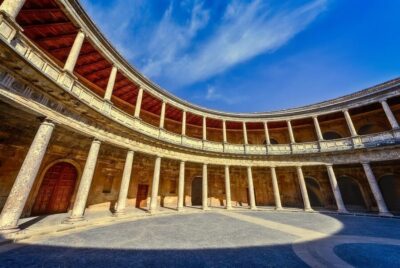
Tour of Alhambra, Generalife, and Nasrid Palaces
Read our review →Browse the lists this tour appears in