
Review · MUSEUMS
Granada: Palacio de los Olvidados and Torture Exhibition
Granada’s Palacio de los Olvidados packs three very different experiences into a restored 16th-century building: interactive flamenco, a sobering collection of more than 70 torture instruments, and rooftop-level views toward the Alhambra. The unusual mix is part of its appeal. You can move from music and dance to the darker side of European justice, then finish with a fine city view.
I like the low price, about $8 per person, and the compact format. You can fit this visit into a busy Granada day without giving up half your afternoon. I also like the bilingual Spanish and English descriptions on most exhibits. The main drawback is the size: this is a small museum, and the torture display may feel brief if you want a full historical lecture.
Key points to know before you go
- Three floors, three moods: Interactive flamenco comes first, torture instruments occupy the second floor, and the top floor offers views of the Alhambra and Albaicín.
- More than 70 objects: The second floor focuses on instruments used by Spanish and European inquisitorial courts.
- Plan on 45 to 60 minutes: The official visit lasts 45 minutes, but careful reading can stretch the visit to about an hour.
- English support is available: Most exhibit descriptions are presented in Spanish and English.
- The building has no elevator: You must use the stairs, so this visit is not suitable for people with mobility impairments.
- A good small add-on: The $8 price makes sense if you are already exploring the Albaicín or the area below the Alhambra.
A restored palace below the Alhambra
The Palacio de los Olvidados sits on Cuesta de Santa Inés, at the foot of the Alhambra. That setting matters. You are not visiting a purpose-built modern museum with broad galleries and easy lifts. You are entering a restored 16th-century palace in one of Granada’s oldest quarters.
The building gives the visit a sense of place before you reach the displays. Its historic setting fits the subject, especially once you reach the rooms devoted to the Inquisition and ancient instruments of torture. At the same time, the palace layout means stairs and smaller rooms are part of the experience.
I would treat the museum as a compact stop rather than a major half-day attraction. The stated duration is 45 minutes, and that feels realistic if you move at a steady pace. If you stop to read the notes on the objects, give yourself closer to an hour.
The location also makes this easy to combine with other sights. You can visit before or after time in the Albaicín, or add it to a route around the Alhambra area. Just remember that Granada’s slopes and stairways can make even short distances feel harder than they look on a map.
More Palace Museums in Spain:
- Royal Palace & Prado Museum Skip the Line Guided Tour
★ 4.5 · 1,347 reviews - Madrid: Prado Museum and the Royal Palace Guided Tour
★ 4.6 · 688 reviews - Madrid in a Day Tour:Royal Palace, Historic Center & Prado Museum
★ 5.0 · 628 reviews
First floor: an interactive introduction to flamenco
The first floor presents Interactive Flamenco, an exhibition built around the sensations, structure, and performance of flamenco. This is not simply a display of costumes or photographs. The material introduces the past and present of flamenco, its compasses, its cantes, voice types, and dance.
The word compás refers to flamenco rhythm and timing, and it is central to understanding the art form. Flamenco can seem mysterious if you only encounter it as a stage performance. This exhibition gives you a way to think about the patterns underneath the music and movement.
You also learn about the different forms of singing, or cantes, and how voices are framed within flamenco. The section on dance helps connect the music to the physical side of the performance. Since the exhibition is designed to recreate several sensations linked to flamenco, it aims to make the subject more active than a standard wall display.
I like the decision to place this material before the darker second-floor exhibition. It gives the museum a cultural opening rather than starting with shock value. If you have never studied flamenco, this floor can help you notice rhythm, voice, and movement more clearly when you later see a live performance in Granada.
Do not expect a full flamenco show here. The information describes an interactive exhibition, not a scheduled concert or dance performance. Its value is as an introduction and a way to understand the parts of flamenco, not as a replacement for seeing performers on stage.
Second floor: more than 70 instruments of torture
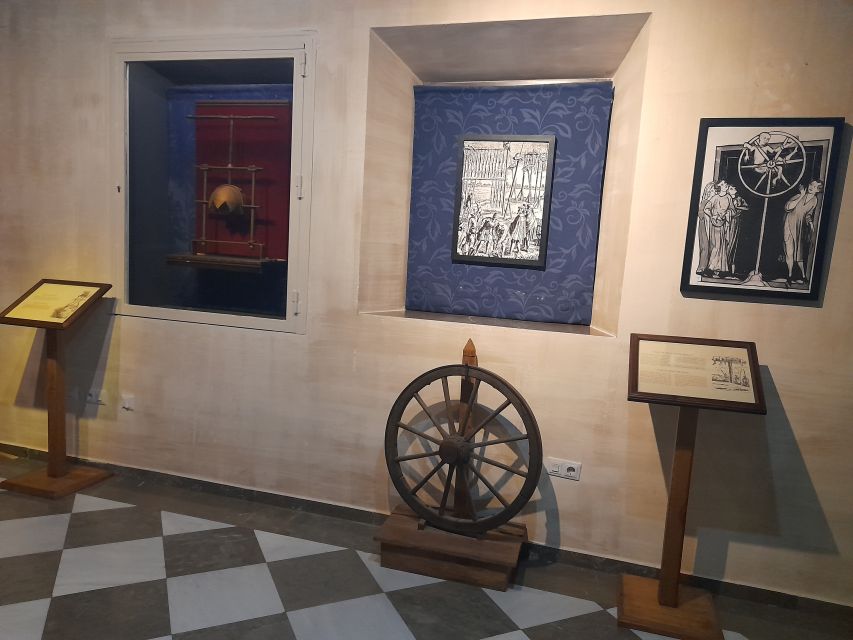
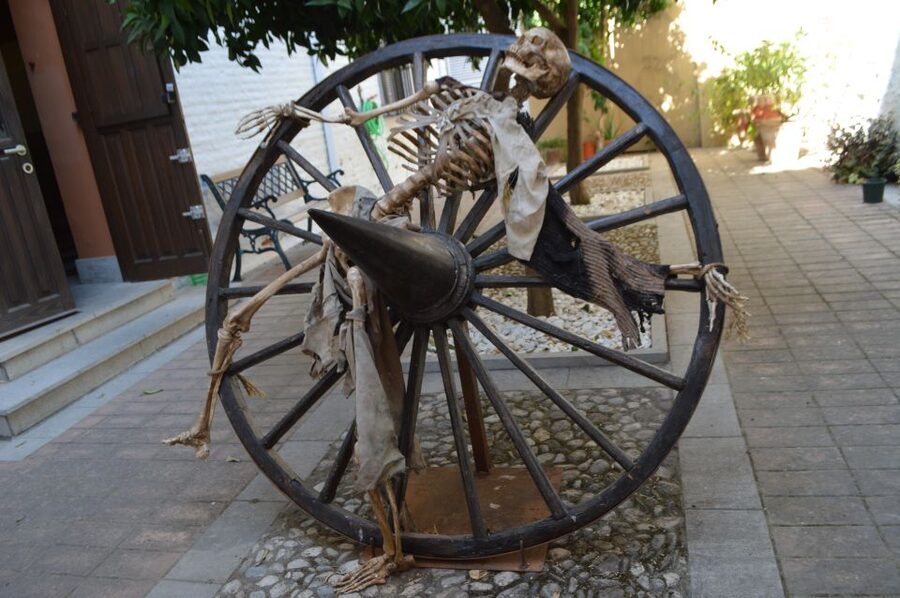
The second floor contains the museum’s main attraction for many people: more than 70 instruments of torture used by Spanish and European inquisitorial courts. The display deals with a grim part of European history, so the tone is serious and at times unsettling.
The objects are presented as historical instruments rather than theatrical props. That distinction matters. You are looking at tools connected with punishment, interrogation, and institutional power. The exhibition offers a direct reminder that legal systems once used physical suffering as part of their methods.
The collection is broad enough to give you a sense of how different devices were used, but the museum is not large. One reviewer who read the descriptions carefully estimated about an hour for the whole visit. That is useful advice. If you only glance at the objects, you may finish much sooner and feel there was not much to it.
Most descriptions are in both Spanish and English, which makes the display easier to follow if you do not read Spanish. The bilingual notes are especially helpful here because the objects need context. Without the text, a device can become a strange-looking object behind glass. With the text, you get a clearer idea of its role in the courts of the period.
The exhibition is best for adults and older children who can handle a difficult subject. The information provided does not set an age limit, but the topic itself should guide your decision. Families with young children may find the material too harsh, particularly if a child is sensitive to displays about physical punishment.
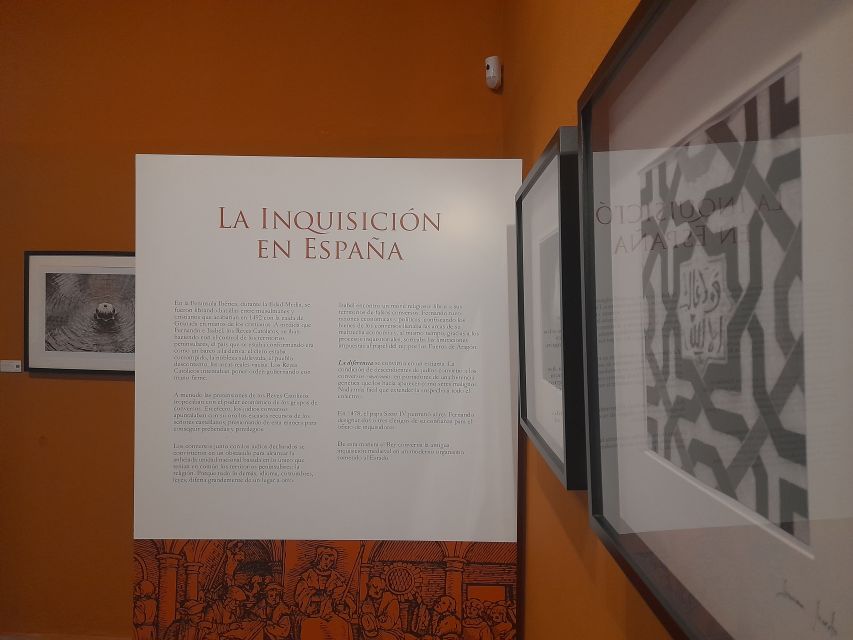
The museum also presents this material as part of Spain’s complex past. That is useful, but you should keep your expectations in check. This is a compact exhibition rather than a full academic treatment of the Spanish Inquisition. One local assessment found the instruments interesting but felt there was little explanation. If you want extensive historical background, you may find the written information too brief.
Third floor: Alhambra and Albaicín views
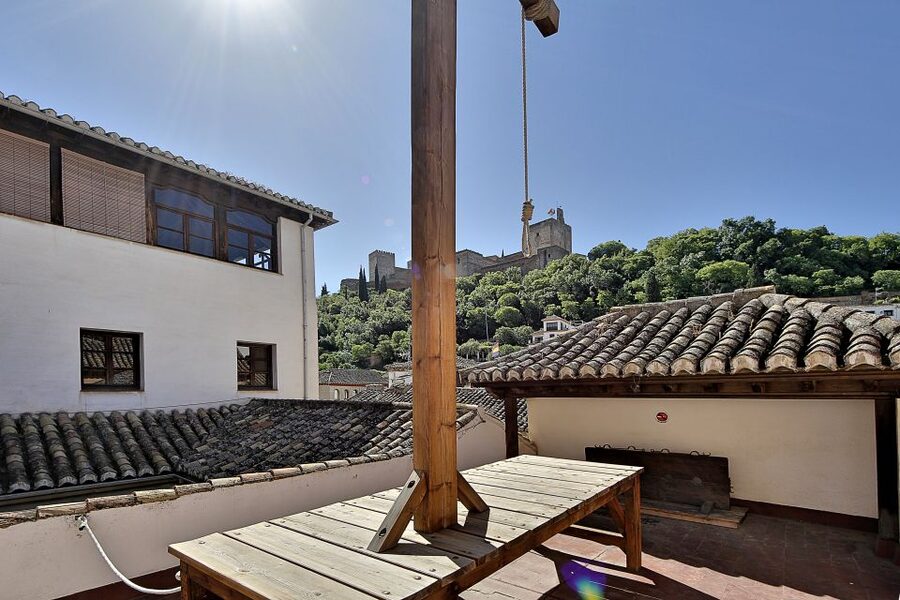
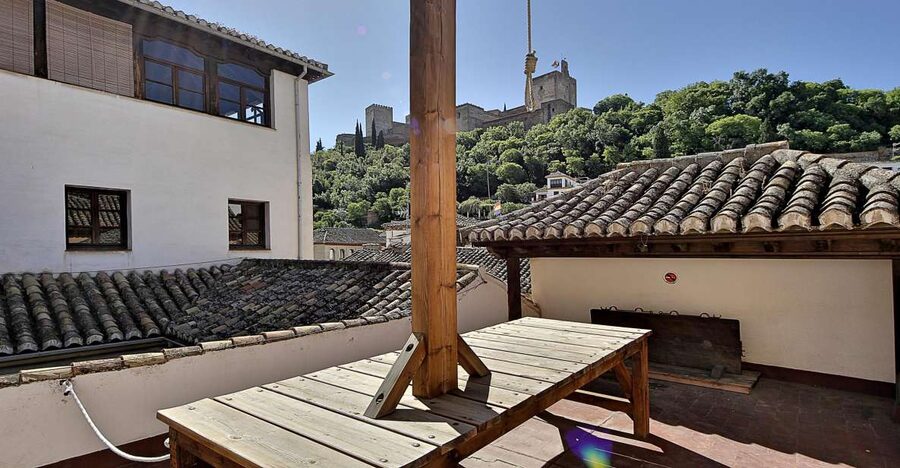
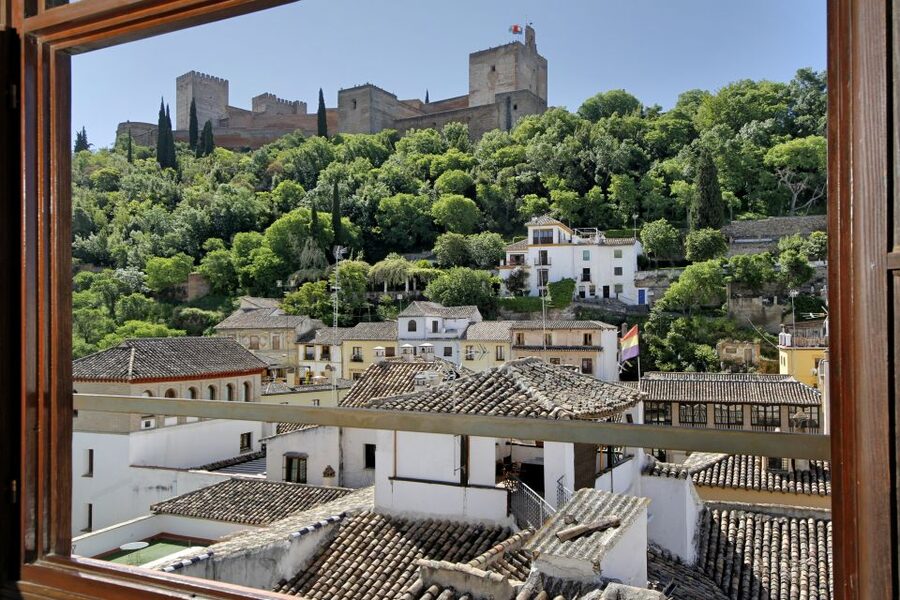
After the indoor displays, the third floor gives you a visual change of pace. From here, you can take in panoramic views of the Alhambra and the Albaicín.
This is one of the best reasons to visit even if torture museums are not your usual choice. Granada is a city built around viewpoints, and the upper level lets you connect the museum to the wider setting. You can look toward the Alhambra rather than simply reading about it or seeing it from street level.
The view also gives the visit a better ending. The second-floor display is heavy in subject and mood. Reaching the top floor lets you pause, look outward, and place the palace in Granada’s urban setting. I would save a few minutes for this rather than rushing out after the last exhibit.
The information does not promise a specific terrace layout or guaranteed conditions on the day of your visit, so do not book this as a dedicated rooftop viewpoint. Think of it as an added benefit attached to the museum. The main purpose is still the palace and exhibitions.
More Palaces to Tour in Spain:
- Granada: Alhambra & Nasrid Palaces Tour with Tickets
★ 4.7 · 19,801 reviews - Granada: Alhambra and Nasrid Palaces Entry Ticket
★ 4.6 · 15,130 reviews - Madrid: Royal Palace Fast-Access Admission Ticket
★ 4.6 · 13,856 reviews - Madrid: Royal Palace Expert Guided Tour with Skip-the-Line
★ 4.7 · 8,407 reviews
Is $8 a fair price?
At around $8 per person, this is one of the easier Granada attractions to justify on price. You receive access to the Palacio de los Olvidados and the exhibitions currently on display, including Interactive Flamenco and the collection of ancient torture instruments.
The value depends on how you visit. If you read every panel and take time with the objects, the price is fair for 45 to 60 minutes. If you move quickly, you could be finished in less than an hour, so the cost is better viewed as a modest add-on than as a major paid attraction.
I would not compare it with the Alhambra ticket. The Alhambra is a much larger monument requiring more planning and time. This museum works as a smaller stop that adds context and a different mood to a day in Granada.
The price is also attractive for people who enjoy unusual museums. The combination of flamenco, Inquisition-era instruments, and city views is not a standard sightseeing package. You are paying for variety as much as for the number of objects.
The activity allows cancellation up to 24 hours before the visit for a full refund, and you can reserve now and pay later. Those terms are useful if your Granada schedule depends on weather, Alhambra entry times, or a changing walking plan.
Timing your visit in Granada
The official duration is 45 minutes. I would block out one hour if you want to read the English and Spanish descriptions, spend time with the flamenco material, and pause for the views.
The museum’s location makes it practical during a day in the historic center, but the exact order of your sightseeing matters. If you are visiting the Alhambra itself, make sure you do not assume the palace and this museum are the same attraction. The Palacio de los Olvidados is a separate visit on Cuesta de Santa Inés.
You may find the visit works best as a mid-day or late-afternoon stop between larger activities. It is short enough not to dominate your plans. It also gives you an indoor option if you need a break from Granada’s hills and outdoor sightseeing.
There is no elevator. You will need to use the stairs between floors, and the activity is listed as unsuitable for people with mobility impairments. Even if you normally walk without trouble, the combination of Granada’s steep streets and the museum’s stair access is worth considering when planning your route.
If you are using the student discount for a guided tour, the minimum group size is five participants. The available details do not provide guide names or describe a standard guided commentary for every booking, so check the specific starting option if personal explanation is important to you.
Who will enjoy this unusual combination?
I would recommend the museum to you if you like compact cultural attractions with a slightly offbeat edge. The torture collection is the main draw, but the flamenco floor keeps the visit from being one-note.
It also suits anyone who wants to understand more about Spanish culture beyond famous monuments. The flamenco section gives you terms and structures to listen for, while the second floor addresses a difficult part of Spain’s past. The result is a quick lesson in both performance culture and institutional history.
The museum may also work well for repeat visitors to Granada. If you have already seen the Alhambra, walked the Albaicín, and visited the major churches, this offers something different without requiring a large time commitment.
I would be more cautious if you want a detailed guided history of the Inquisition. The display has more than 70 instruments, and the objects are interesting, but the written explanation may feel limited. One assessment described the collection as engaging yet lacking in explanation. That is the clearest warning for history-focused visitors.
The same applies if you dislike graphic or disturbing subjects. The museum’s title makes the theme clear, but the large number of instruments means the subject is not a minor part of the visit. You can enjoy the flamenco floor and views, but you still need to pass through the torture exhibition.
Practical tips for a smoother visit
- Allow an hour: Forty-five minutes is the stated duration, but careful reading takes longer.
- Wear sensible shoes: The museum is on a sloping street, and there are stairs inside.
- Check your route: The meeting point is Palacio de los Olvidados, Cuesta de Santa Inés, 6, 18010 Granada.
- Use the English descriptions: Most exhibit notes are bilingual, so you can follow the displays without Spanish.
- Save the top floor for a pause: The Alhambra and Albaicín views provide a calmer finish after the torture collection.
- Confirm guided details: If you need a guided visit or student pricing, check the minimum of five participants.
The biggest practical mistake would be expecting a large museum. This is a small restored palace with a focused collection. That is why the short duration works, but it is also why some people may want more explanation.
Should you book Palacio de los Olvidados?
Book it if you want an inexpensive, unusual stop near the Alhambra with three distinct parts: flamenco, Inquisition-era torture instruments, and city views. The price is modest, the visit is easy to fit into a Granada itinerary, and the bilingual descriptions help you get more from the exhibits.
Skip it if you need full accessibility, dislike grim historical displays, or want a long, deeply explained museum visit. For most other people, especially those curious about less familiar corners of Granada, the Palacio de los Olvidados is a worthwhile one-hour addition.
FAQ
Where is the Palacio de los Olvidados?
It is at Cuesta de Santa Inés, 6, 18010 Granada, Spain, at the foot of the Alhambra Palace.
How long does the visit last?
The stated duration is 45 minutes. If you read the exhibit descriptions carefully, you may spend closer to an hour.
How much does admission cost?
The listed price is $8 per person.
What exhibitions are included?
Admission includes the Palacio de los Olvidados and the exhibitions currently on display, including Interactive Flamenco and the exhibition of ancient instruments of torture.
How many torture instruments are displayed?
The second floor contains more than 70 instruments associated with Spanish and European inquisitorial courts.
Are the descriptions available in English?
Most exhibit descriptions are provided in both Spanish and English.
Is there an elevator?
No. The museum does not have an elevator, and you must use the stairs.
Is the visit suitable for people with mobility impairments?
No. The activity is listed as unsuitable for people with mobility impairments.
Can I cancel or pay later?
You can cancel up to 24 hours in advance for a full refund. The reserve-now, pay-later option lets you book without paying immediately.
Newly added in Spain
- Alhambra Guided Tour with Generalife Gardens★ 3.5 · 216 reviews
- Alhambra Ticket and Guided Tour with Nasrid Palaces★ 4.5 · 81 reviews
- Tickets : Alhambra and Nasrid Palaces Granada Last-Minute★ 3.5 · 149 reviews
- Walking tour in Alhambra, Nasrid Palaces and Generalife★ 3.0 · 135 reviews
- Grenada: Flamenco Palace, the best show in the center★ 5.0 · 96 reviews
- Alhambra Private Tour: Nasrid Palaces and Generalife★ 5.0 · 81 reviews
- Alhambra Tour and Nazaries Palaces with Hammam Massage Experience★ 4.0 · 106 reviews
- Exclusive Private Alhambra Tour with a Historian★ 5.0 · 53 reviews
Museums, compared.
Venice’s Best: Basilica, Doge’s Palace, Gondola & History Gallery
Read our review →
Royal Palace & Prado Museum Skip the Line Guided Tour
Read our review →
City Pass with Museums including Doge’s Palace
Read our review →
Crete: Knossos Palace and Museum E-Tickets with Audio Guides
Read our review →
Venice Museum Pass & Doge’s Palace Entrance Ticket
Read our review →
Palace, Museum, Madrasa & Medina Highlights Tour
Read our review →
Browse the lists this tour appears in