
Review · KNOSSOS PALACE TOURS
Knossos Palace Lasithi Plateau Villages & Olive Oil Mill
The best part of this day is its range. You move from an olive press and mountain villages to Zeus Cave, a Cretan lunch, and finally Knossos Palace, so Crete feels like a living place rather than a string of isolated sights. Guides such as Spyros and Niko bring local stories and personal connections to the day.
I like the small-group format, capped at 12 people, and the way the tour mixes major sights with ordinary Cretan life: Greek coffee, pottery, village squares, olive groves, and local food. I also like that hotel pickup, transport, coffee, and water are included.
The main consideration is time. Seven to eight hours is a lot of ground to cover, and entrance fees for Knossos and Zeus Cave, plus lunch, are extra. You will see many places, but none receives the leisurely pace of a stand-alone visit.
Key points at a glance
- Olive oil tasting at Omalia Olive Press: Learn how to smell and taste oil, and compare extra virgin, virgin, and refined varieties.
- Lasithi Plateau villages: See old windmills, a pottery workshop, the village of Krasi, and a traditional kafeneio.
- Zeus Cave: Allow two hours for the cave visit, with admission paid separately.
- Cretan food: Stop for an optional traditional lunch at Restaurant Tzanakis Michael.
- Knossos at day’s end: Spend about 90 minutes among the palace courts, stairways, apartments, and frescoes.
- Easy transport from Heraklion: Pickup and drop-off are included in a Mercedes-Benz vehicle, with English service and a maximum group of 12.
From olive oil to ancient stone
This tour works because it gives you several ways to understand Crete. Olive oil explains the island’s food and farming. The mountain villages show how people lived and worked. Knossos connects the island to the Minoan world, long before classical Greece.
The order also makes sense. You begin with everyday Cretan culture, climb toward the Lasithi Plateau, stop for food and village life, and finish at the island’s most famous archaeological site. By the time you reach Knossos, you have already seen the countryside that still gives Crete much of its character.
The day begins with pickup from your accommodation in the Heraklion area. The tour does not collect passengers from Rethymno, Chania, Souda port, Agios Nikolaos, Sitia, or Ierapetra, so check your base carefully before booking.
More Knossos Tours in Heraklion:
- Crete: Palace of Knossos E-Ticket and Audio Guide
★ 3.8 · 1,540 reviews - From Heraklion: Historical Center City Tour & Knossos Palace
★ 4.4 · 340 reviews - Crete: Knossos Palace, Heraklion City, Market Guided Tour
★ 4.2 · 164 reviews
Tasting olive oil at Omalia Olive Press
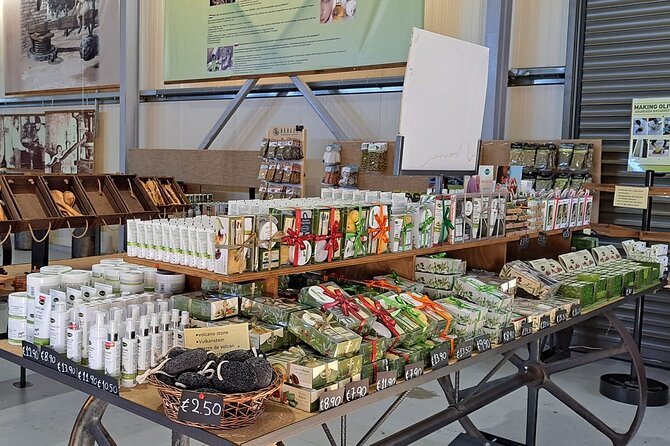
The first stop lasts about an hour and is free to enter. It is more useful than a quick shop visit because you learn how olive oil is made and how to judge it.
During the tasting, you warm the oil in your hand, smell it, and take a small sip. You look for fruitiness, bitterness, and pepperiness. That peppery finish, often missed when oil is poured straight onto bread, can tell you a great deal about the oil’s character.
You also learn the difference between extra virgin, virgin, and refined olive oil. This is practical knowledge you can use later in Crete, where bottles of oil appear in markets, restaurants, and family-run shops.
I like this stop because it gives a clear meaning to the olive groves you pass later in the day. The only limitation is that a tasting can be tempting for shoppers, so decide in advance how much space you have in your luggage.
Windmills and the high Lasithi Plateau
The Lasithi Plateau is known for its old windmills, once used to grind wheat and other grains. You spend about 30 minutes here, enough to see the structures and hear why they mattered to farming in the area.
This is a short stop, but it helps you read the setting. The plateau was not simply a pretty mountain basin. It supported agriculture, food production, and village life, and the windmills are reminders of that work.
Bring a camera, but do not expect a long guided walk. The tour has several stops still ahead, and the windmill visit is more of a historical pause than a full activity.
Zeus Cave and the myth of Dikteon Cave
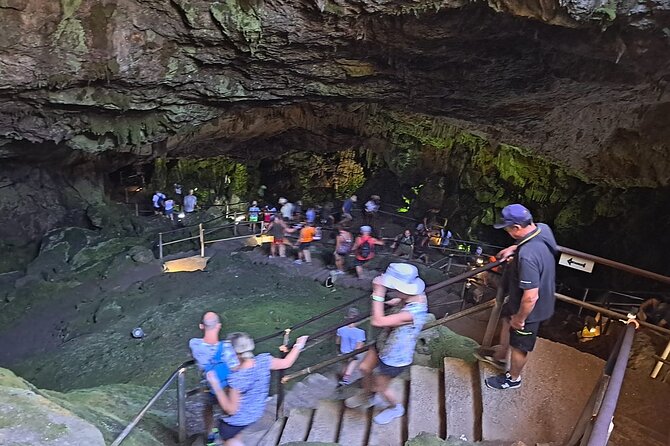
Zeus Cave, also called Dikteon Cave, receives the longest stop on the plateau, about two hours. It is linked to the story that Zeus was born here, giving the cave a strong place in Greek mythology.
The cave combines natural formations with legend. That makes it appealing to visitors who like both geology and ancient stories. You can think about the contrast between the dark interior and the wide plateau outside, where farming and village life continue in the open air.
Admission is not included, and the price is not specified in the tour details, so check the current fee before departure. Two hours is a generous time allowance compared with the shorter village stops, but the cave may require more walking than the rest of the day. Comfortable footwear is sensible.
This is one of the places where the tour’s pace matters. If you are fascinated by caves and mythology, you will appreciate the time. If you prefer open-air scenery, you may find the visit long compared with the 30-minute windmill or pottery stops.
More Palaces to Tour in Heraklion:
- Private Tour-Knossos Palace Zeus Cave Olive Oil Mill & Wine
★ 5.0 · 135 reviews - Crete: Knossos Palace and Museum E-Tickets with Audio Guides
★ 4.0 · 126 reviews - Guided Tour to Knossos Palace & Heraklion
★ 4.0 · 83 reviews - Knossos Palace & Historical Heraklion City Tour, with Old Market
★ 4.5 · 51 reviews
Pottery, coffee, and a slower side of Crete
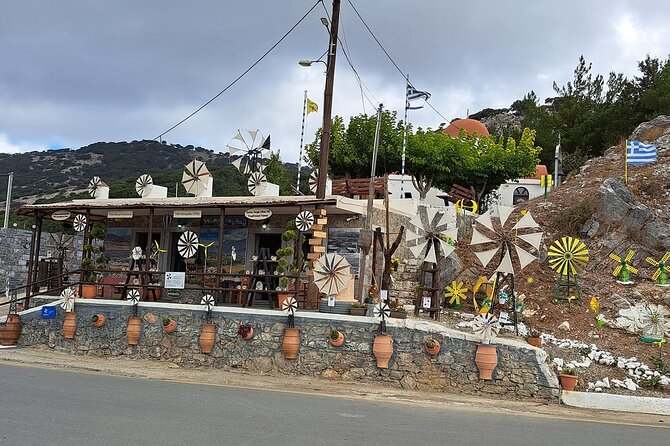
In Psychro, you visit a pottery workshop for about 30 minutes. You can watch a potter shape local clay on a wheel, using methods passed down through generations. The stop offers a close look at a practical craft, not just a display of finished objects.
You may also have the chance to buy a small piece to take home. The tour information does not promise a hands-on pottery session, so think of this as a demonstration and cultural stop rather than a scheduled class.
The next village stop, Lasithi Mesa, turns to Greek coffee. In a traditional kafeneio, coffee arrives in a small, handleless cup with cold water. The setting is simple, with locals talking, playing backgammon, or reading the newspaper.
I like this part because it asks you to slow down. Greek coffee is not meant to be swallowed in a hurry. The 30-minute stop is short, but it offers a glimpse of a social habit that a standard sightseeing bus can easily miss.
A proper Cretan lunch at Tzanakis Michael
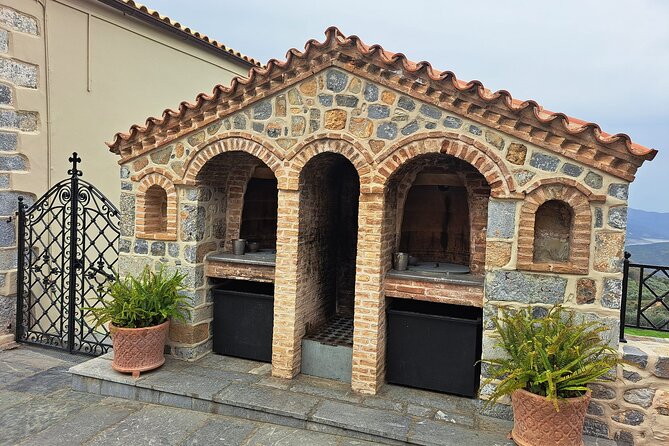
Lunch at Restaurant Tzanakis Michael is optional and costs extra. The stop lasts about an hour and focuses on traditional Cretan dishes prepared with local ingredients.
Possible choices include moussaka, layered with eggplant, minced meat, and béchamel, or stifado, a slow-cooked beef stew with onions and a hint of cinnamon. The exact meal is not fixed in the information provided, so ask about the menu and price before ordering.
I would include the lunch if you want the day to feel like a food and culture outing, not only a sightseeing transfer. It also gives you a proper break after the cave. If you prefer controlling your own budget, remember that the advertised price does not cover this meal.
The food stop is one reason this tour suits families and small groups. One family with a 10-month-old child found the guide patient and accommodating, and another family of five appreciated the relaxed feel. Still, the day is long, so younger children may need snacks and patience between stops.
Krasi and the ancient plane tree
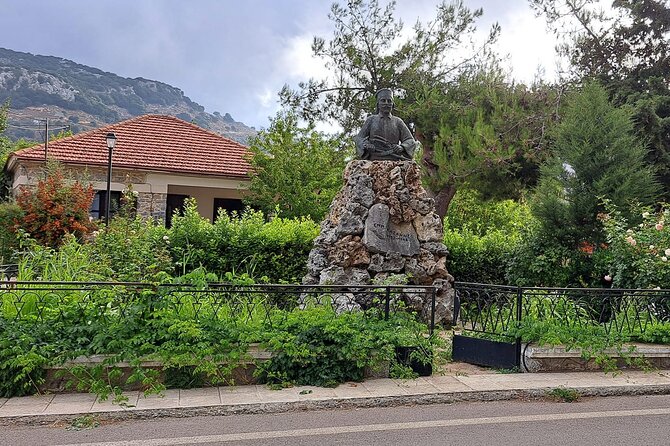
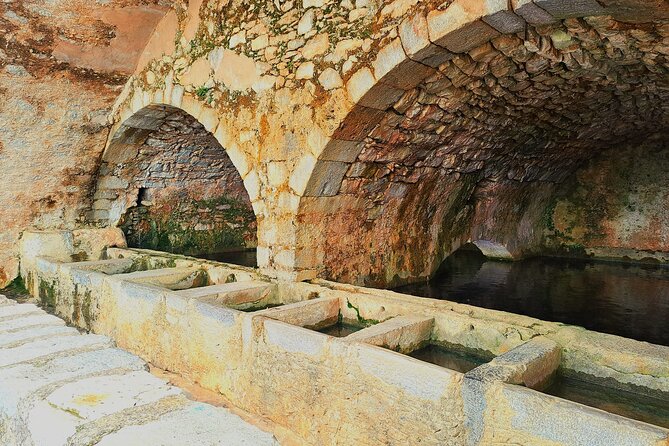
Krasi is a brief village stop of about 20 minutes. Its traditional buildings and quiet setting offer a pleasant contrast to Knossos and the busier parts of Crete.
The main sight is a plane tree estimated to be more than 2,400 years old. Its massive trunk and wide canopy have made it a gathering place for generations. You do not need much time to appreciate it, and the tree makes a memorable photo subject.
This is a good example of the tour’s character. You are not only checking off famous monuments. You are also stopping at places that help explain village life, shade, water, food, and community.
Olive groves and Aposelemis Dam
As you travel between stops, the vehicle passes olive groves. These stretches are not formal visits, but they connect the olive press with the wider countryside.
Aposelemis Dam is a quick 10-minute photo stop. You hear about its construction, role in the local water supply, and measures intended to protect the natural habitat. The reservoir reflects the surrounding hills and makes a calm final countryside pause before Knossos.
Do not expect a long walk here. This is a viewpoint stop, useful for photographs and a breath of fresh air, not a full attraction.
Knossos, the grand finale
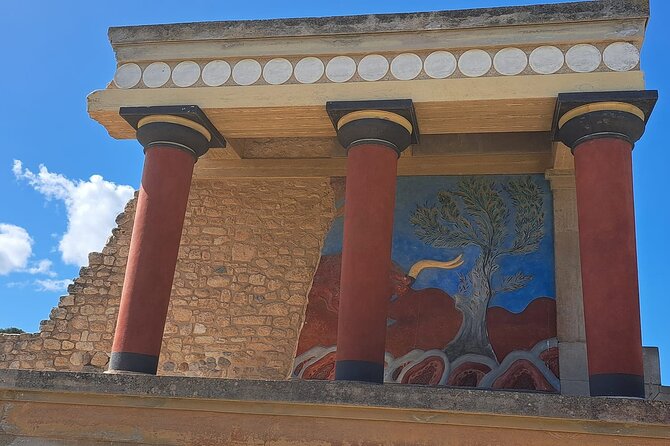
Knossos receives about 90 minutes and is the tour’s main archaeological stop. The site was the ceremonial and political center of the Minoan civilization and dates to around 1900 BC. It is often described as Europe’s oldest city and is the largest Bronze Age archaeological site in the world.
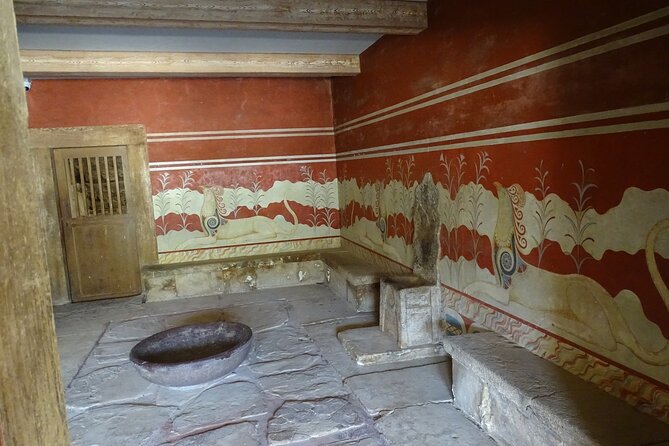
You explore the palace complex, including the Central Court, Throne Room, Grand Staircase, and Royal Apartments. The layout gives you a sense of a sophisticated Bronze Age center with different spaces for ceremony, administration, and daily life.
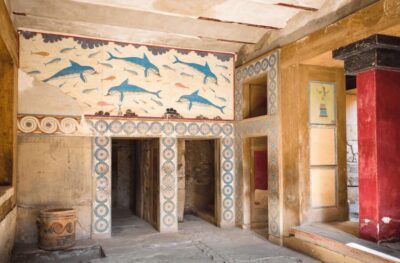
The frescoes are another highlight. Their bright colors and lively figures help the ruins feel less like broken walls and more like parts of a once-active palace.
Knossos admission costs 20 euros per person and is not included. That extra charge matters when you compare the tour price with a simple countryside excursion. Still, the transport, guide, water, coffee, and access to several separate places add real value if Knossos is already on your list.
Ninety minutes is enough for an introduction, but not for every corner of the site. If you are an archaeology specialist or want to study the ruins closely, book a separate visit. For most people, this stop gives a useful first look without requiring another full day.
Guides who shape the day
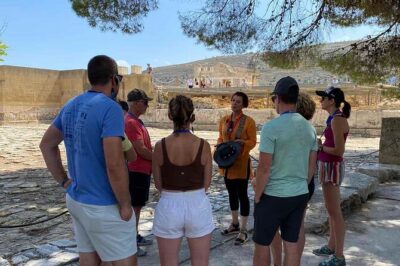
The guide can make or break a tour with this much driving and so many stops. Spyros is repeatedly associated with a warm, personal style and a strong affection for Crete. Niko is described as friendly, funny, and good at explaining the places along the route. Ed also led a memorable tour during the quieter season.
The company assigns the guide, so you cannot assume a particular person will lead your departure. What you can expect is an English-speaking local driver-guide rather than a separate driver and lecturer.
That matters because the guide handles the practical rhythm of the day. Past experiences included detours to local coffee shops, bakeries, and markets when time allowed, and some groups adjusted the day around their interests. These additions should not be treated as guaranteed stops, but they show the value of speaking up if you want more food, village life, or archaeology.
The vehicle is a Mercedes-Benz, and the group limit is 12. That is small enough for conversation and easier hotel pickup than a large coach. It also means the day may feel more social than private, especially if the vehicle fills.
Is the $138.47 price good value?
At $138.47 per person, this is not the cheapest way to see Knossos or the Lasithi Plateau. The price also excludes the 20 euro Knossos admission, Zeus Cave admission, and optional lunch.
The value comes from the amount of ground covered in one day. You receive hotel pickup and drop-off in the Heraklion area, transport, an English-speaking driver-guide, taxes, liability insurance, coffee, and water. You also visit places that would be awkward to combine without your own vehicle.
I consider it good value for a first full day in Crete, especially if you want one organized outing that mixes food, villages, mythology, and archaeology. It is less attractive if you already have a rental car, prefer very long visits at one site, or want to spend the entire day at Knossos.
The tour is usually booked well ahead, around 110 days in advance on average. That suggests planning early, especially if your dates are fixed. Free cancellation is available up to 24 hours before the start time. Poor weather or failure to reach the minimum group size can lead to a new date, another experience, or a full refund.
Who should book this Crete day tour?
I would choose this tour if you are staying in Heraklion and want to understand more than the city and its museum. It suits first-time visitors, families, food lovers, and anyone who enjoys local crafts and small villages as much as major ruins.
It also suits people who do not want to drive mountain roads or organize several entrance fees and meal stops. The guide-led format keeps the day simple.
I would hesitate if you dislike early starts, long drives, caves, or a schedule with many short stops. The tour covers a great deal, and the experience is strongest when you accept that it is an overview rather than a slow, specialist visit.
Final verdict: a strong first day in Crete
Book this tour if you want a broad, friendly introduction to central Crete. The best parts are the olive oil lesson, the ordinary village moments, the mountain scenery, and the chance to finish at Knossos with local context already in place.
Skip it if your priority is a quiet day, a private archaeological study, or keeping every extra cost inside the advertised price. For most visitors based in Heraklion, though, the combination of culture, food, myth, and countryside makes the $138.47 fare a sensible way to get your bearings.
FAQ
Where does the tour pick up passengers?
Pickup and drop-off are provided from accommodations in the Heraklion area.
Does the tour pick up from Rethymno, Chania, or other parts of Crete?
No. Pickup is not provided from Rethymno, Chania, Souda port, Agios Nikolaos, Sitia, or Ierapetra.
Is the Knossos entrance fee included?
No. Entrance to Knossos costs 20 euros per person and is paid separately.
Is lunch included in the tour price?
No. Lunch at the traditional tavern is optional and costs extra.
How large is the tour group?
The maximum group size is 12 people.
What happens if I need to cancel?
You can cancel at least 24 hours before the start time for a full refund. Cancellations or changes made less than 24 hours before departure are not accepted for a refund.
Newly added in Heraklion
- Private Guided Tour to Knossos Palace, the Museum and Heraklion★ 5.0 · 13 reviews
- Small Group Tour to Knossos Palace Lasithi Plateau & Olive Mill★ 5.0 · 3 reviews
- Palace of Knossos – Early Morning Ticket and avoid crowds★ 5.0 · 10 reviews
- Minoan Luxuries: Ancient Palaces, Messara Wine Routes & Matala★ 5.0 · 11 reviews
- Crete Shore Trip & Knossos Palace from Heraklion (Iraklion) Port★ 5.0 · 25 reviews
- Minoan Path: Knossos Palace, Winery Visit, Lunch at Archanes★ 4.5 · 12 reviews
- Knossos Palace and Heraklion Guided Tour with Transport★ 5.0 · 2 reviews
- Experience of Olive Oil Tasting Crete , Visit the Knossos Palace★ 5.0 · 2 reviews
Knossos Palace Tours, compared.
Crete: Knossos Palace Entry Ticket with Optional Audio Guide
Read our review →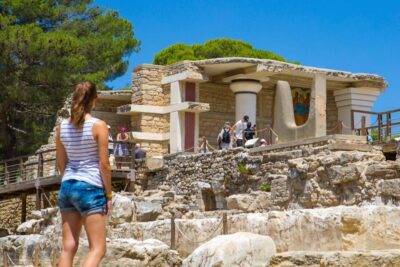
Crete: Palace of Knossos E-Ticket and Audio Guide
Read our review →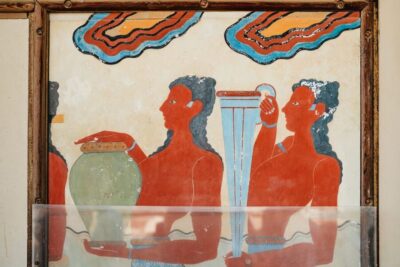
Knossos: Knossos Palace Skip-the-Line Guided Walking Tour
Read our review →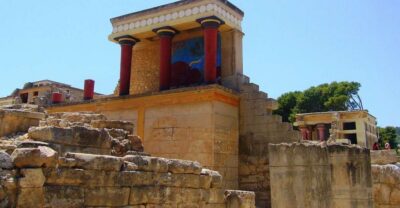
Crete: Knossos Palace & Heraklion Guided Tour
Read our review →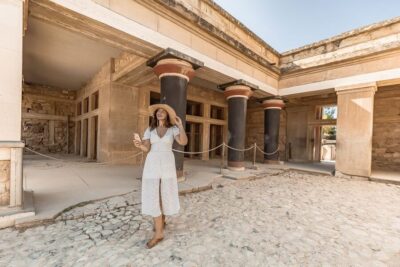
Crete: Knossos Palace and Museum E-Tickets with Audio Guides
Read our review →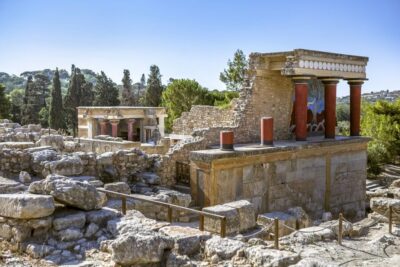
Knossos Palace Skip-the-Line Ticket & Private Guided Tour
Read our review →
Knossos Palace Skip-the-Line Ticket (Shared Tour Group)
Read our review →Browse the lists this tour appears in