
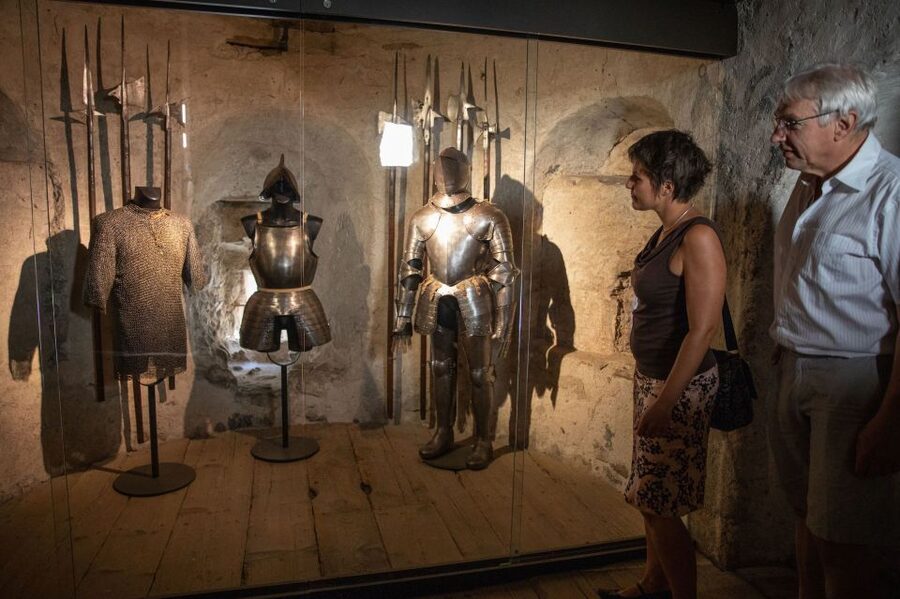
Review · CHATEAU AND WINE ESTATE TOURS
Montreux: Chateau Chillon Entrance Ticket
Château Chillon sits on a tiny island at the edge of Lake Geneva, and its setting is only the beginning. Inside, you can walk through Savoy banquet halls, underground Gothic vaults, private rooms, and a chapel with surviving 14th-century paintings. I like the mix of grand rooms and ordinary medieval spaces, and I like that the ticket gives you a full day rather than a rushed time slot. The main drawback is practical: the castle has many uneven surfaces, stairs, and tight passages, so it is not suitable for wheelchair users or baby carriages.
I also like how easy this visit is to shape around your interests. You can read the room signs at your own pace, rent an audio guide for 6 CHF, or spend extra time with the permanent and temporary exhibitions. Arrive at 9:00 a.m. if you want the calmest start, since the castle can feel nearly empty early in the day.
Key points to know before you go
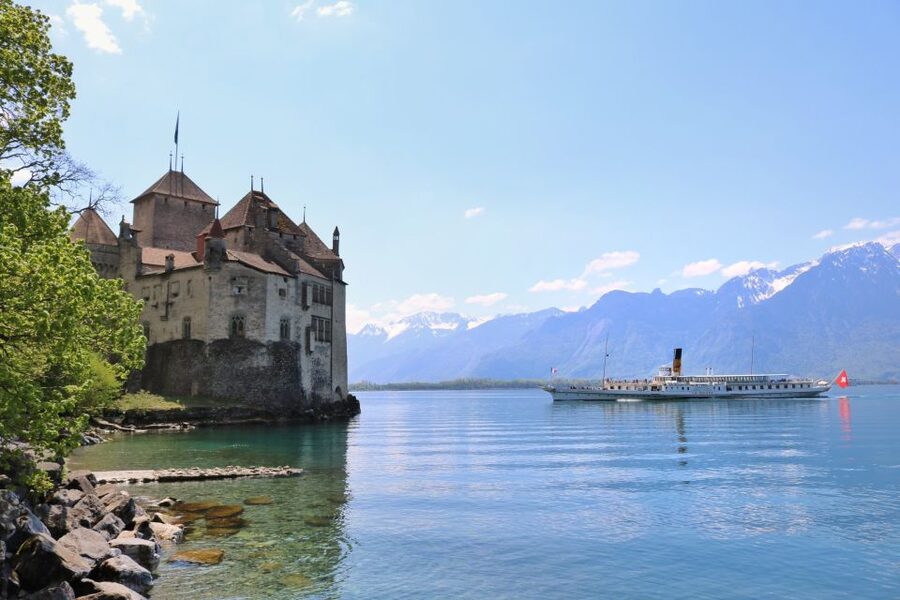
- A castle on Lake Geneva: The water views begin before you enter and continue from the castle grounds.
- Three historical periods: The building shows traces of the Savoy, Bernese, and Vaudois periods.
- Medieval rooms with real character: Explore courtyards, underground vaults, great halls, living quarters, and the chapel.
- A flexible one-day ticket: Your admission remains valid for one day, so you do not need to hurry through the rooms.
- Audio guide choice: An audio guide costs 6 CHF onsite, but room signs provide much of the basic information.
- Limited accessibility: Dogs, drones, smoking, selfie sticks, and baby carriages are not allowed.
Why Château Chillon feels different from an ordinary castle visit
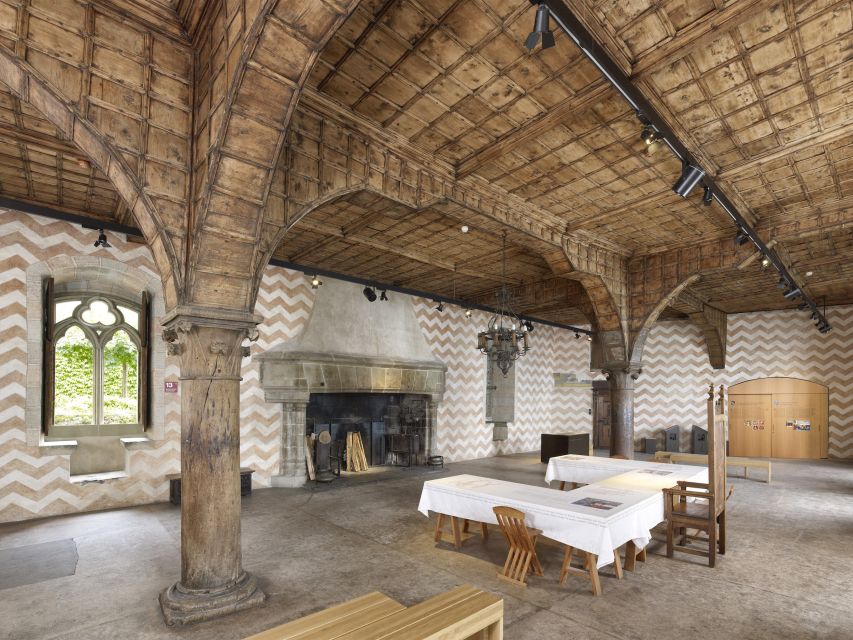
Many castles are set above a town or hidden behind a wall. Château Chillon is built right on Lake Geneva, on a very small island linked to the shore. That changes the mood at once. Water surrounds much of the building, and the castle views are part of the visit rather than a reward at the end.
The location also helps you understand why this place mattered. A castle on the lake could watch movement along the shoreline and control an important route. You do not need a long lecture to grasp the point. Look out from the grounds, then turn back toward the thick walls and narrow openings, and the building begins to make practical sense.
The ticket costs $18 per person. For Switzerland, that is a reasonable price for a major historic site, especially since admission is valid for one day. You are paying for more than a quick look at one courtyard. The visit includes a large group of rooms, underground areas, the chapel, and access to permanent and temporary exhibitions.
There is no guide included with the ticket. That gives you freedom, but it also means you should be ready to read signs or pay extra for the audio guide. If you like moving at your own pace, the basic ticket offers good value. If you want every room explained in detail, add the 6 CHF audio guide at the entrance.
More Chateau and Wine Estate Tours in the world:
- Versailles Château and Gardens Walking Tour
★ 4.5 · 727 reviews - Versailles Château and Gardens Walking Tour from Paris by Train
★ 4.5 · 714 reviews - Loire Valley: Château Royal d’Amboise Entrance Ticket
★ 4.6 · 476 reviews
Starting in the courtyards and underground vaults
Begin with the castle courtyards. These open areas help you get your bearings before the interior rooms become more complicated. You can look up at the walls, notice the different parts of the fortress, and see how closely the building meets the lake.
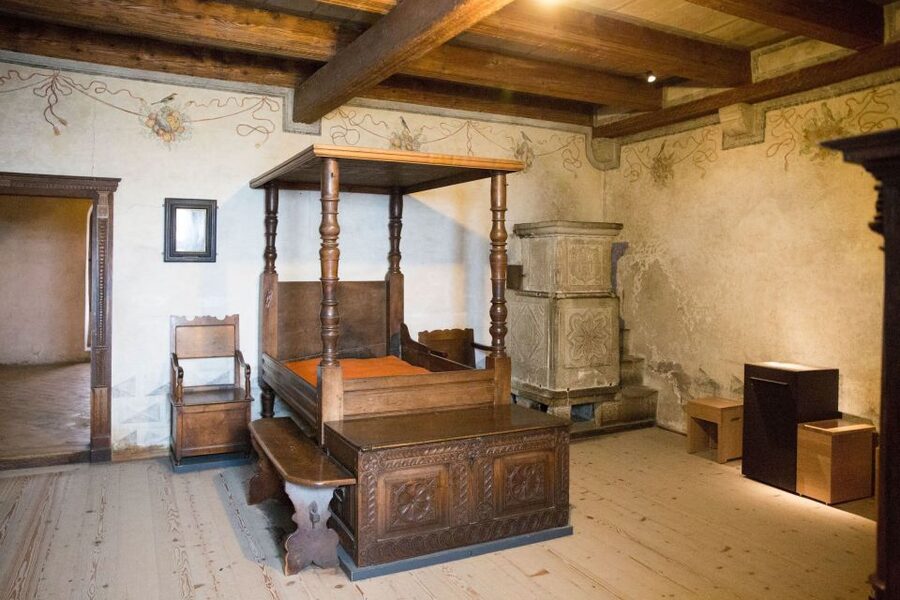
From there, make time for the underground area. The Gothic-style vaults are among the most atmospheric parts of Château Chillon. Their stonework, low light, and enclosed shape give you a clearer sense of the castle as a working fortress rather than just a grand residence.
The underground spaces also carry many legends. Some of the stories connected with the castle are part of its long public image, but the setting itself does much of the work. These are not bright, open museum rooms. The vaults feel old, solid, and slightly mysterious.
Wear sensible shoes. The information provided for the visit warns about the castle’s limited accessibility, and the layout includes stairs, uneven surfaces, and narrow areas. A baby carrier is recommended instead of a pram. That advice is worth taking seriously if you are visiting with a small child.
Entering the great halls of the Savoy period
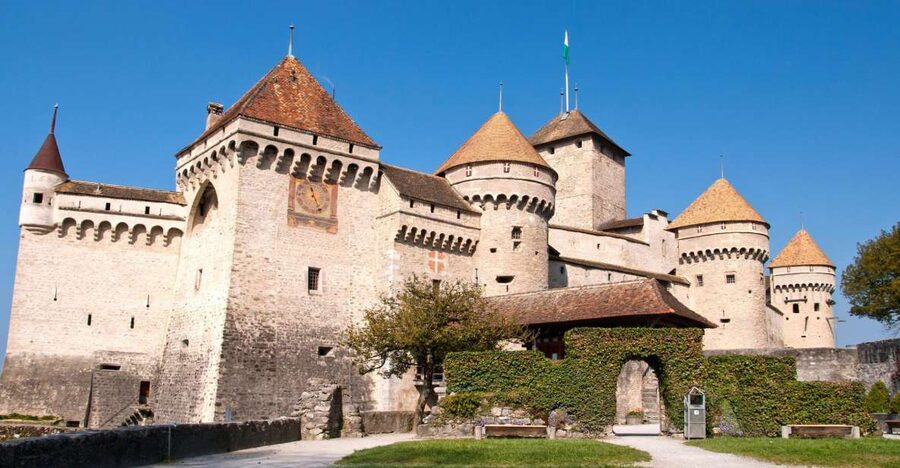
The great halls show the castle at its most ceremonial. This is where the Savoy family held large banquets, and the scale of these rooms gives you a sharp contrast with the cramped passages and underground spaces.
I like this part of the visit because it gives the castle a social side. Medieval fortresses can seem like collections of walls and weapons, but the great halls remind you that powerful families also ate, hosted, celebrated, and displayed their wealth here. Try to picture the room filled with people, food, formal clothing, and noise. Then notice how much of the surrounding stone remains plain and defensive.
The Savoy period is only one chapter in the building’s story. The castle also reflects the Bernese period and the Vaudois period. You will see these changes through the building’s uses, rooms, displays, and historical interpretation rather than through a single dramatic reconstruction.
Do not rush through the great halls just because they are large. Look at the relationship between the halls, courtyards, stairs, and private rooms. The castle makes more sense when you move from public spaces to family spaces and then back into the defensive parts of the building.
Seeing where the duke and his family lived
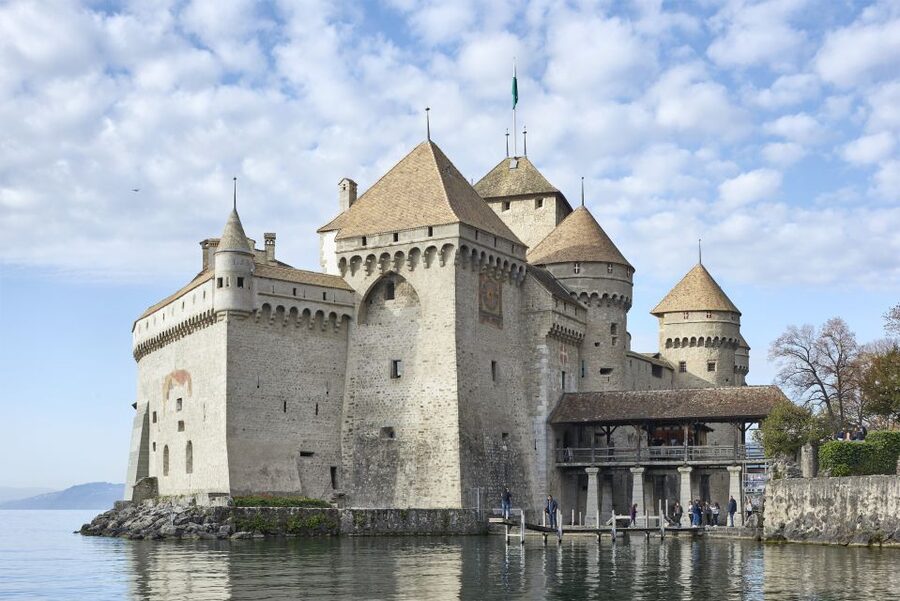
The rooms connected with the Duke of Savoy and his family bring the visit down to a more personal scale. Here, you can think about daily life inside a place that also had military and political duties.
These rooms are valuable because they show that Château Chillon was not simply a symbol of power. It was also a home. The family rooms help you imagine the routines behind the public ceremonies: sleeping, eating, meeting, and moving through the castle from one purpose to another.
The contrast between the grand halls and everyday rooms is one of the strongest parts of the visit. The halls tell you how the Savoy family wanted to be seen. The private quarters give you a better sense of how the building actually worked as a residence.
The material is presented through the castle itself and the information provided inside. If you enjoy detailed interpretation, the audio guide may add useful context. But you should not assume it is essential. It is not available in every room, and the signs explain the main points clearly enough for many people.
More Palace Entry Tickets in the world:
- Venice: Doge’s Palace Reserved Entry Ticket
★ 4.6 · 42,716 reviews - Sintra: Pena Palace and Park Entrance Ticket
★ 4.2 · 17,410 reviews - Granada: Alhambra and Nasrid Palaces Entry Ticket
★ 4.6 · 15,130 reviews - Madrid: Royal Palace Fast-Access Admission Ticket
★ 4.6 · 13,856 reviews
Saving time for the chapel and its medieval paintings
Make a point of visiting the castle chapel. It contains 14th-century paintings that survived the Reformation, making it one of the most important smaller spaces in the complex.
The chapel offers a change of pace after the stone corridors and large halls. The paintings add color and human detail to a building that can otherwise feel severe. Their survival also gives you a direct connection to the castle’s religious past and the changes that came with the Reformation.
This is an easy room to miss if you focus only on the best-known halls and lake views. I would put it on your personal must-see list. It may not take long to view, but it adds a layer that the defensive walls alone cannot provide.
Photography rules and display conditions can affect how closely you can examine the paintings, so take your time and rely on the room information. The chapel is not just a decorative stop. It helps show how faith shaped daily life inside the castle.
Exhibitions that connect the castle with the region
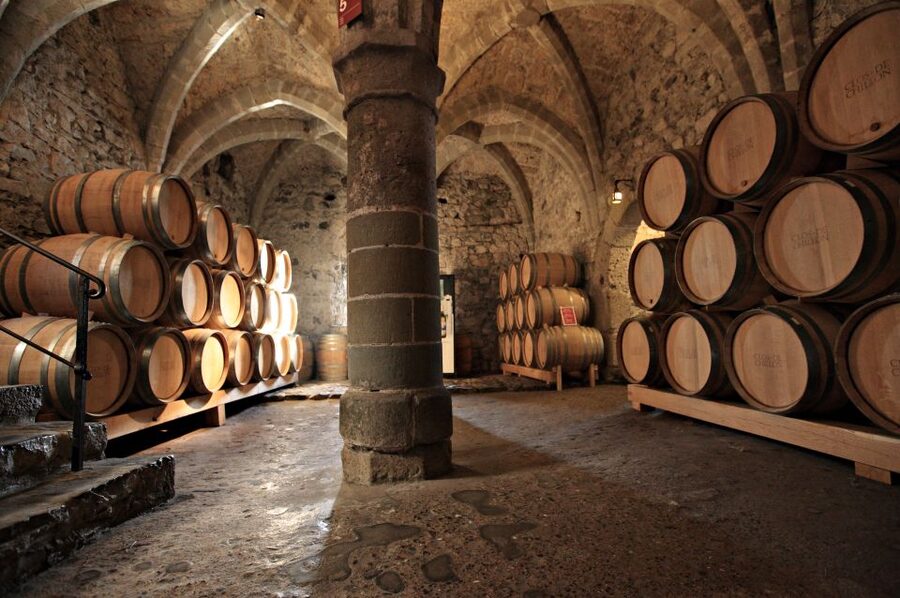
Château Chillon includes permanent and temporary exhibitions. Their subjects range from local history to contemporary art, with each exhibition connected to the castle or its surrounding area.
The changing displays are useful if you have already seen the main rooms or if you want more than a standard medieval-castle visit. They can also help connect the building to the wider Vaud region and to later artistic responses to the site.
Do not plan your entire visit around a temporary exhibition, since its exact subject can change. Instead, treat it as an extra layer after the main castle route. The permanent displays provide continuity, while temporary projects give repeat visitors a reason to return.
This is another reason the one-day validity matters. You can make a first circuit through the major rooms, pause for the exhibitions, and return to a favorite area without trying to see everything in one hurried pass.
Choosing between the basic ticket and the audio guide
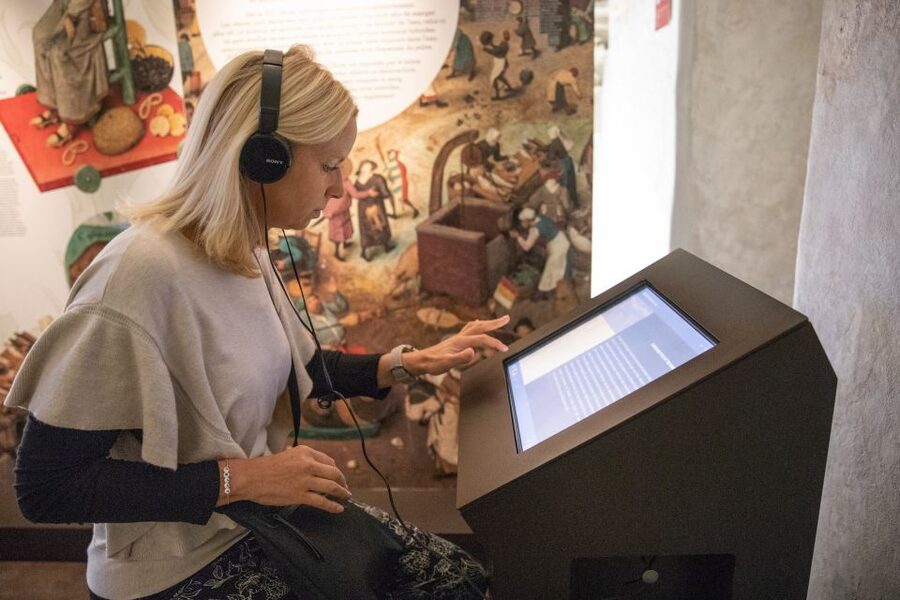
Your $18 admission includes entry, but not an audio guide. You can rent the guide onsite for 6 CHF.
I see this as a personal choice rather than a required upgrade. The audio guide can be worthwhile if you want more explanation as you move through the castle, especially in rooms where the architecture needs historical context. It can also help you connect the Savoy, Bernese, and Vaudois periods.
On the other hand, the guide is not available in every room. The signs cover the essential information, and some people will prefer the freedom of reading only what interests them. If you have limited time, the basic ticket may be enough.
You should also note a small communication issue. Information about the booking may arrive in English even when French was selected. If language matters to you, check your confirmation carefully and use the onsite signs or audio guide as needed.
Finding the best time and handling the practical details
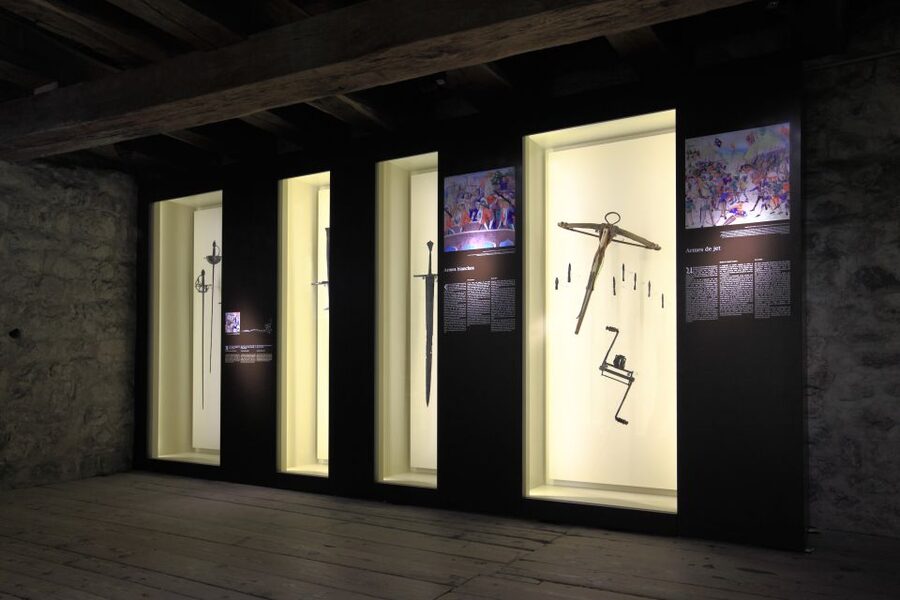
An early arrival is the best simple strategy. Starting at 9:00 a.m. can give you a quieter opening, which matters in narrow rooms and underground passages. You can study the architecture without constantly waiting for space in front of a display.
The ticket is valid for one day, and availability shows the possible starting times. You should check the selected date and time before setting out, even though the visit itself is not a fixed-length guided tour.
If you drive, parking is available in front of the castle for three hours. You must collect a free permit from the ticket office. That three-hour limit is worth noting because the castle can reward a slow visit, especially if you want to see the exhibitions and read the signs.
Small and medium lockers are available in the cafeteria for a 1 CHF deposit. That can make the stairs and narrow passages easier if you are carrying a day bag. Public bathrooms are located inside near the entrance.
Smoking, drones, selfie sticks, and pets are not allowed. Assistance dogs are permitted, but ordinary dogs cannot enter the castle grounds. Kennels are available at the Bazar, which gives dog owners a practical option instead of leaving the issue until arrival.
Accessibility and family considerations
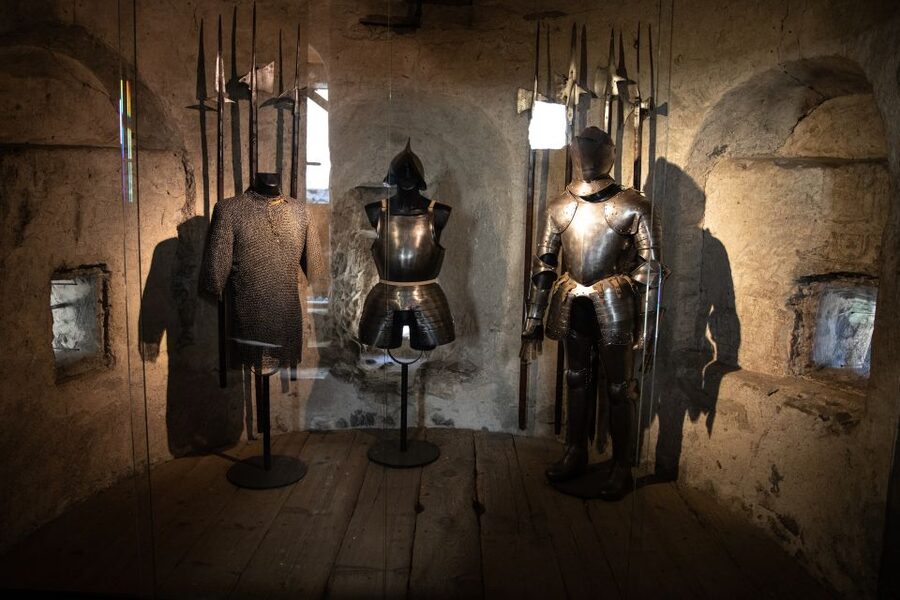
Château Chillon is not fully wheelchair accessible and is not suitable for prams. The site specifically recommends bringing a baby carrier, and that is the sensible choice for families with infants.
The limitations are not a minor footnote. A medieval castle has tight spaces, stairs, and uneven surfaces, and those features are part of what makes the building interesting. But they also mean that some parts may be difficult or impossible for anyone with reduced mobility.
If you need step-free access, ask before booking and plan around the fact that the castle is not suitable for wheelchair users. If you are visiting with children, older children may enjoy the legends, underground vaults, and lake setting. Younger children may need breaks, since the route includes a lot of stone flooring and enclosed passages.
Who will get the most from this $18 visit
I would recommend Château Chillon to anyone who likes historic buildings that still show several different uses. You get a residence, fortress, chapel, exhibition space, and lakeside viewpoint in one compact site.
It suits independent sightseers especially well. You are not tied to a guide’s pace, and the one-day ticket gives you time to pause. The self-guided format also works for people who want to focus on architecture, family history, religious art, or the views.
The castle is less suitable if you want a fully guided experience included in the price. There is no guide listed with the admission, and the audio guide costs extra. It is also a poor match for anyone who needs full wheelchair access or wants to bring a pram.
For most people, the strongest visit combines an early start, the basic ticket, the underground vaults, great halls, family rooms, chapel, exhibitions, and a slow look across Lake Geneva. Add the audio guide only if you know you prefer spoken explanation to room signs.
Should you book Château Chillon?
Yes, if you want a major Swiss castle with a memorable setting and enough rooms to justify the admission price. The $18 ticket is good value because you can stay for the day and explore far more than a single viewpoint or decorated hall.
Book it if you enjoy independent visits, medieval architecture, lake scenery, and places where several historical periods remain visible. Arrive early, wear good shoes, and bring a baby carrier instead of a pram if needed.
Skip it if you require full wheelchair access, need a guided tour included, or prefer a short, completely level attraction. For everyone else, Château Chillon offers a clear look at Savoy life, later changes under Bernese and Vaudois rule, and the practical strength of a castle built directly on Lake Geneva.
FAQ
How much does admission to Château Chillon cost?
The entrance ticket costs $18 per person.
How long is the ticket valid?
The ticket is valid for one day. You should check availability for the starting times offered on your chosen date.
Is an audio guide included?
No. An audio guide is available to rent onsite for 6 CHF.
Is Château Chillon wheelchair accessible?
The castle is not fully wheelchair accessible and is not considered suitable for wheelchair users.
Can I bring a baby carriage?
No. Baby carriages are not allowed, and the castle recommends bringing a baby carrier instead.
Can I bring my dog?
Dogs are not allowed on the castle grounds, although assistance dogs are allowed. Kennels are available at the Bazar.
Is parking available at the castle?
Yes. Parking is available in front of Château Chillon for three hours. You must collect a free parking permit from the ticket office.
Newly added in the world
- Óbidos historic village and Mafra Palace Private Tour★ 5.0 · 34 reviews
- Private Tour Sintra Palaces and Scenic Landscapes★ 5.0 · 3 reviews
- Lisbon: Pena Palace, Cabo da Roca, Cascais private tour★ 5.0 · 44 reviews
- Óbidos – Nazaré – Mafra (National Palace of Mafra)Private tour from Lisbon★ 5.0 · 2 reviews
- National Palace and Gardens of Queluz: E-ticket with Audio Guide★ 3.5 · 6 reviews
- Half day Sintra PRIVATE TOUR Pena Palace + Roca Cape (2-6people)★ 5.0 · 3 reviews
- From Lisbon Sintra Highlights Tour – Pena, Regaleira & Monserrate★ 5.0 · 79 reviews
- Mafra and Sintra: Choose 3 of 6 Palaces to visit on private tour★ 5.0 · 26 reviews
Chateau and Wine Estate Tours, compared.

Medoc or Saint Emilion Wine Tasting and Chateau from Bordeaux
Read our review →
Guided Tour of the Fairmont Le Chateau Frontenac in Quebec City
Read our review →
Versailles Château and Gardens Walking Tour from Paris by Train
Read our review →
Loire Valley: Château Royal d’Amboise Entrance Ticket
Read our review →
Fontainebleau & Vaux-le-Vicomte Châteaux Day Tour from Paris
Read our review →Browse the lists this tour appears in