
Review · SEOUL PALACE TOURS
Seoul: UNESCO Sites tour: Palace, Shrine & Bukchon Village
Seoul’s royal past comes into sharp focus on this tour, which links Bukchon’s old hanok lanes, Jongmyo Shrine, Changdeokgung Palace, and, on the full-day route, Suwon’s fortress and palace. You get far more context than you would by wandering in alone, especially at the quiet ancestral shrine and the carefully planned palace grounds.
I like the easy transport between widely scattered sights, and I like the human touch from guides such as Chloe, Leo, Stella, and Ms. Park, who explain history in clear English and may help with photos or practical tips. The main consideration is the packed schedule: lunch costs extra, hotel pickup is not provided, and Suwon makes the day long.
Key points to know before booking
- Three Seoul heritage stops first: Walk through Bukchon Hanok Village, Jongmyo Shrine, and Changdeokgung Palace.
- Suwon adds a second UNESCO site: The full-day route continues to Hwaseong Fortress and Hwaseong Haenggung Palace.
- Guides make the difference: Chloe, Leo, Stella, Orota, and Ms. Park have been praised for clear history talks, friendly service, and taking photos.
- Several weekday substitutions apply: Mondays replace Changdeokgung with Gyeongbokgung, and Tuesdays replace Jongmyo with Insa-dong.
- The $36 price covers the basics: Entrance fees, an English-speaking guide, a van, and driver are included, but lunch is not.
- Plan for a meeting point start: Meet outside Exit 10 of Myeong-dong Subway Station at 8:30 a.m., then return there at the end.
Why this tour works for first-time Seoul visits
Seoul can feel enormous at first. Royal palaces sit near modern shopping streets, old neighborhoods hide behind busy roads, and Suwon lies outside the central city. This tour solves one practical problem at once: it groups important cultural sites and handles the driving between them.
You begin in central Seoul and finish back near Myeongdong, a useful base for dinner, shopping, or a subway ride elsewhere. The van matters most later in the day, when reaching Suwon by public transport would take extra planning and energy.
The tour also gives you a historical thread. Bukchon shows traditional urban life and architecture. Jongmyo explains royal ancestor worship. Changdeokgung reveals how the Joseon court lived and worked. Suwon then shifts the focus to military planning and a royal retreat outside the capital.
That sequence is more useful than a simple palace checklist. You see Korea’s old city, sacred traditions, royal architecture, and defensive engineering in one day.
More Palaces to Tour in Seoul:
- Seoul: Gyeongbok Palace, Bukchon Village, and Gwangjang Tour
★ 4.9 · 2,321 reviews - Best Seoul City Tour (Gyeongbokgung Palace,Insadong,Namsan Tower)
★ 5.0 · 1,647 reviews - Small-Group Royal Palace and Seoul City Tour (hotel pick-up)
★ 5.0 · 1,474 reviews
Starting at Myeongdong and walking through Bukchon
The meeting point is outside Exit 10 of Myeong-dong Subway Station at 8:30 a.m. The exact meeting details and time are confirmed by email from the local operator, so check your spam folder if the message does not appear.
From there, the group heads to Bukchon Hanok Village, an area known for traditional Korean houses called hanok. The narrow streets and tiled roofs offer some of the most recognizable old-Seoul photographs, and your guide sets the historical scene before the day gets busy.
Bukchon is not an open-air museum in the simple sense. It is a living neighborhood, with homes, cafés, cultural centers, and businesses occupying restored traditional buildings. That mix makes the visit more interesting, but it also means you should treat the area as a residential district. Keep voices low and follow your guide’s instructions about where to stop for photos.
The walk is mainly about architecture and atmosphere. Look for the way the wooden details, courtyards, walls, and rooflines fit together. Your guide can help you notice details that are easy to miss when you are focused only on taking pictures.
This is also a useful first stop because it introduces Korean culture without requiring a long lecture in one room. You walk, look, ask questions, and get a basic sense of how traditional design differs from modern Seoul.
If Bukchon is closed, the visit changes to Namsangol Hanok Village. That substitution keeps the traditional-house theme, but it is not the same neighborhood experience. If Bukchon is your main reason for booking, check the operating details before you go.
Jongmyo Shrine and the meaning of royal rites
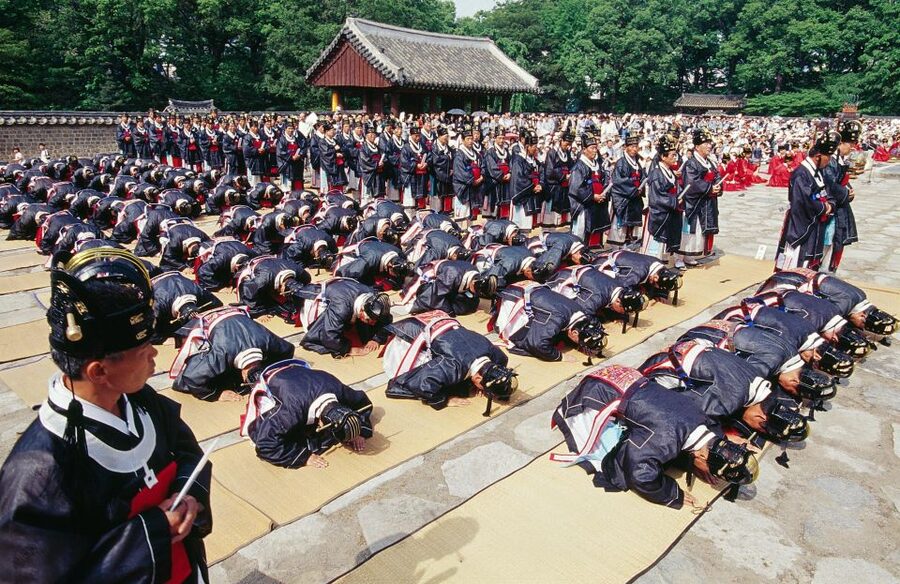
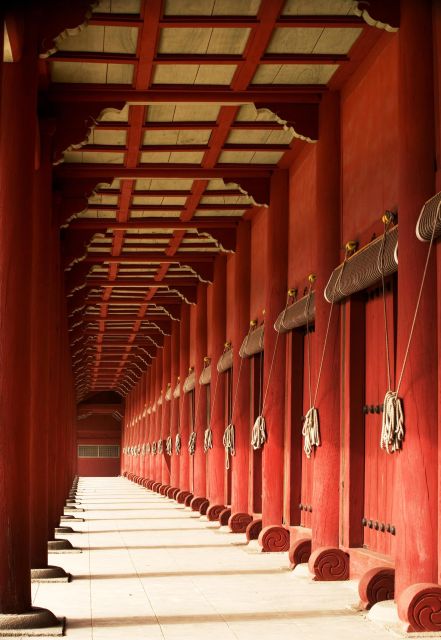
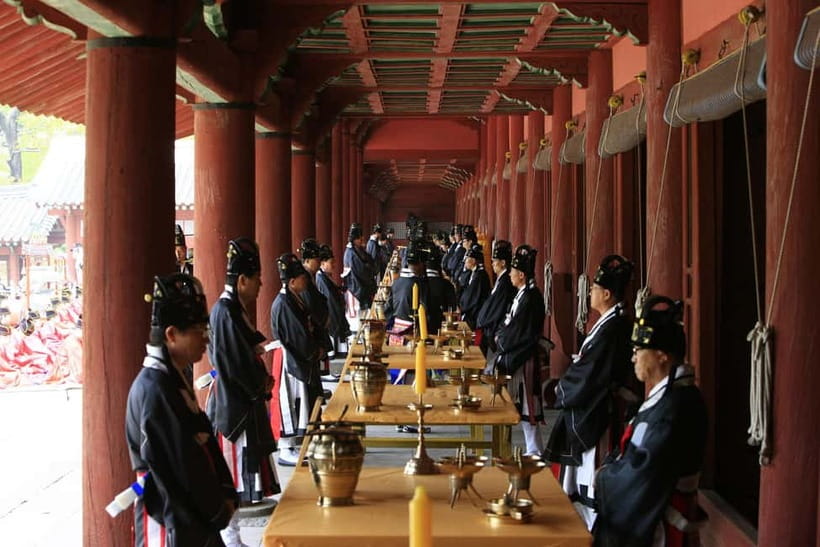
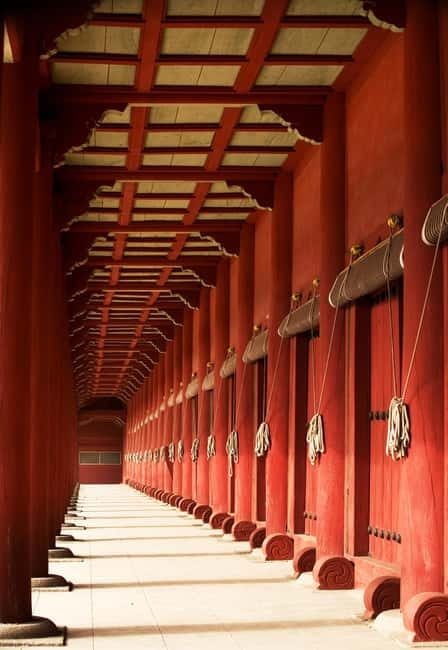
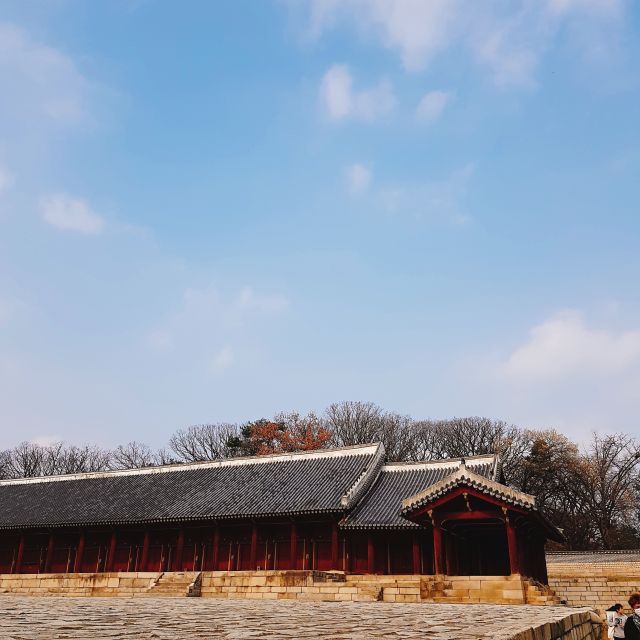
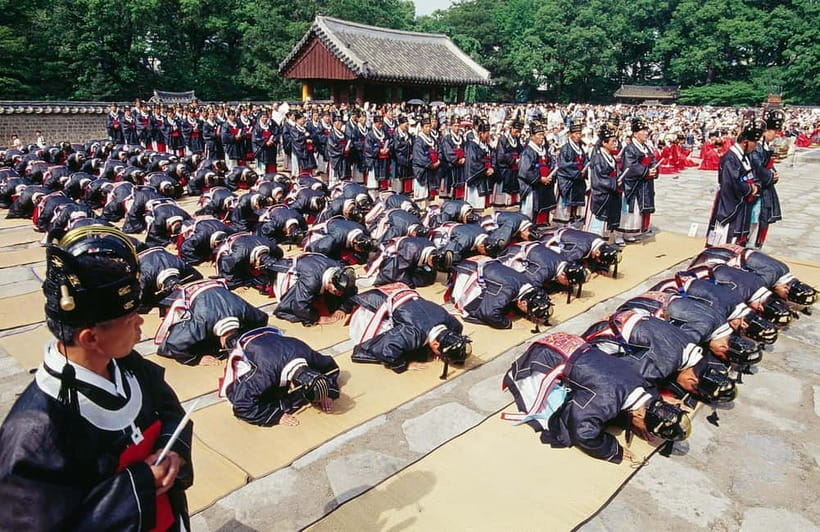
Jongmyo Royal Shrine is a quieter and more solemn stop. It was built nearly 600 years ago for royal ancestral rites, where Korean kings honored past monarchs. The site is recognized by UNESCO, but its importance is not only architectural. It shows how government, family, ritual, and spiritual belief were tied together at the royal court.
Your guide helps explain why the shrine feels different from a palace. You are not simply looking at where kings lived. You are considering how the royal family maintained a relationship with its ancestors through formal ceremonies, music, and remembrance.
Traditional memorial ceremonies and court music performances are held there at times. The tour does not promise a performance, so treat those as occasional cultural events rather than part of the standard visit.
Jongmyo is closed on Tuesdays. On that day, the tour replaces it with Insa-dong Culture Street, an old Seoul neighborhood known for antique shops, galleries, and traditional tea houses. Insa-dong offers a more commercial and street-based experience, while Jongmyo provides a more focused look at royal ritual. The Tuesday change is important if the shrine is high on your list.
This stop suits people who like context and symbolism, not just grand buildings. It can feel less immediately exciting than a palace, but the quiet mood is precisely what gives it weight.
Changdeokgung Palace and its garden setting
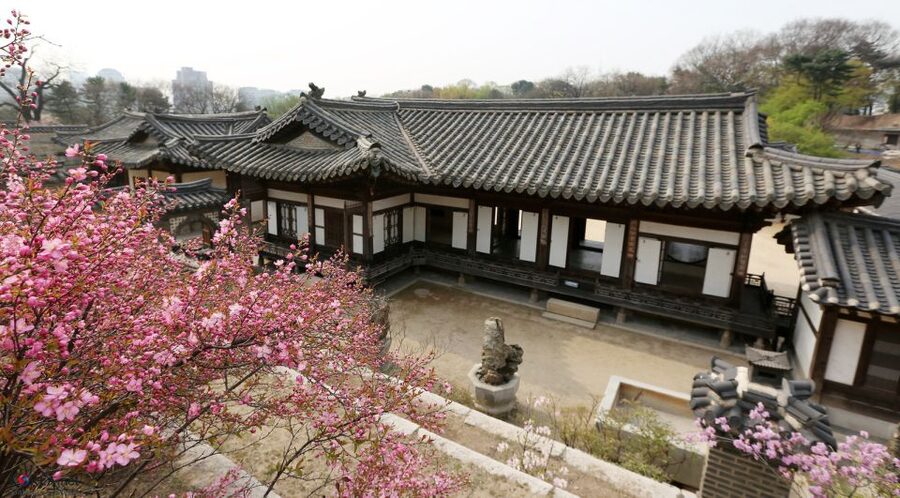
Changdeokgung Palace is one of Seoul’s most rewarding royal sites. It served as a royal residence and is admired for architecture that works with its natural setting rather than forcing a rigid, oversized design onto it.
The palace is UNESCO-listed and has about 600 years of history. Your guide explains the role of the buildings and how the court used the complex. Pay attention to the relationship between gates, courtyards, halls, and open spaces. Traditional Korean design often values balance and restraint, and Changdeokgung gives you a clear example.
The landscaped gardens are a major draw. They add shade, space, and a calmer rhythm after the tighter streets of Bukchon. The palace is not just a row of grand rooms. It is a carefully arranged place where architecture and gardens support one another.
The tour schedule gives you time to see the main areas, but this is still a group visit. You will not have unlimited time for every corner or photo. If you want a slow, detailed study of palace decoration, you may prefer a separate visit on another day.
On Mondays, Changdeokgung is replaced by Gyeongbokgung Palace. Gyeongbokgung is another major royal site, but it is a different experience from Changdeokgung. Book this tour with the weekday substitution in mind, especially if you have a strong preference for one palace.
Same city, another grand address:
- Seoul City Sightseeing Tour Including Gyeongbokgung Palace, N Seoul Tower, and Namsangol Hanok Village
★ 5.0 · 1,423 reviews - Seoul: Gyeongbok Palace, Bukchon Village, and Gwangjang Tour
★ 5.0 · 1,044 reviews - Seoul Half-Day City Highlight, Palace Tour with Hanbok
★ 4.9 · 764 reviews - Seoul: Palace, Temple and Market Guided Foodie Tour at Night
★ 4.9 · 750 reviews
The ginseng stop and what to expect
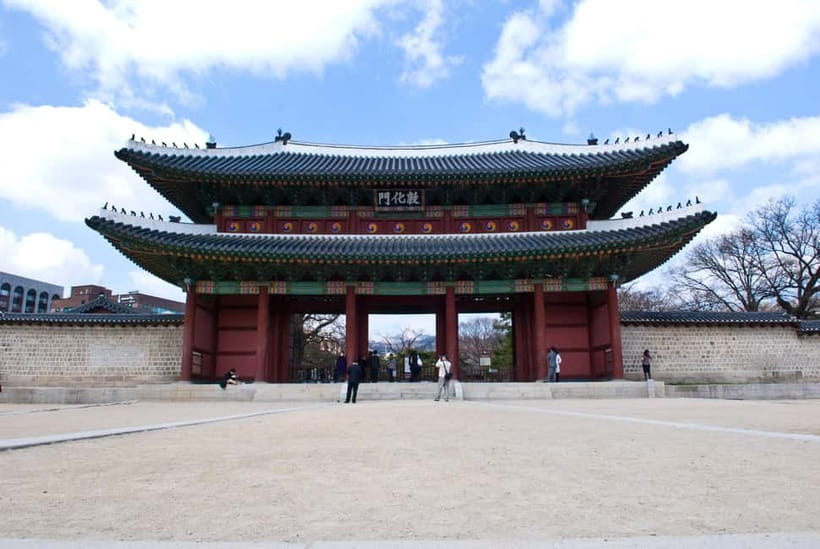
After the main heritage visits, the tour stops at Cheongha Korea Ginseng. You learn about Korean ginseng and its place in East Asian medicine.
Ginseng was documented in ancient Chinese medical writing, including the Ji Jiu Zhang from the Han Dynasty. Korean ginseng is valued for adaptogenic properties, meaning it is associated with helping the body handle stress and support general health.
This stop is useful if you want cultural and commercial context around a famous Korean product. It also changes the pace after several historic sites. Still, you should understand what it is: a ginseng-focused stop, not another UNESCO monument or museum visit.
You are not required to buy anything based on the information provided. If shopping is not your interest, give the explanation a fair listen and use the stop as a short break.
Suwon Hwaseong Fortress on the full-day route
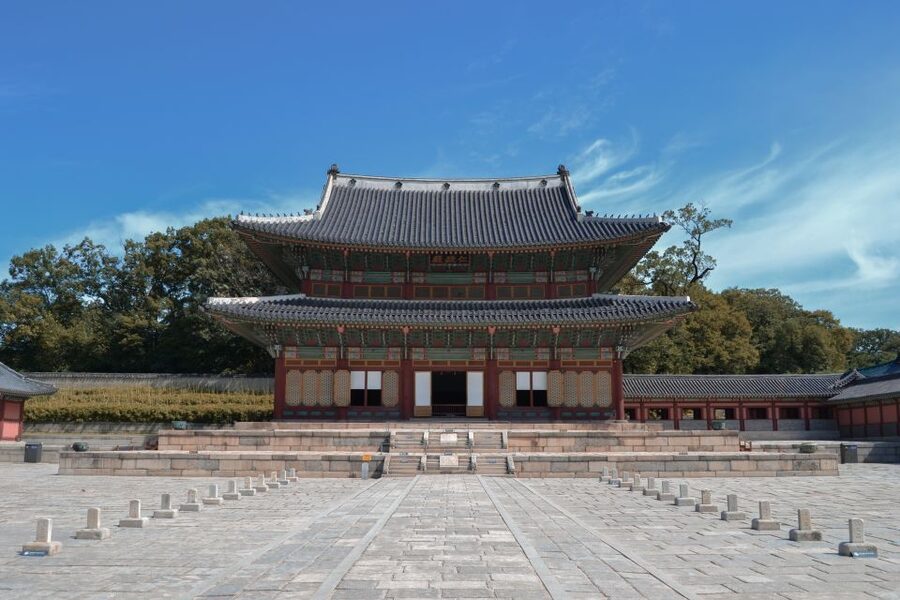
The full-day version continues in the afternoon to Suwon, in Gyeonggi-do Province. This adds a substantial second part to the day, but it also gives you one of Korea’s most impressive examples of late 18th-century military planning.
Suwon Hwaseong Fortress is a UNESCO World Heritage Site. Its walls and defensive structures show advanced engineering for the period, with the design shaped by both military needs and the city around it.
The appeal here is different from the Seoul palaces. At Changdeokgung, you focus on court life, ceremony, and design. At Hwaseong, you look at defense, construction, movement, and the practical needs of a fortified city.
Your guide provides the historical explanation as you explore. The exact amount of walking can vary with the route and schedule, but this is not a stop for sitting in a van and taking a quick photo. Wear comfortable shoes and expect a full day on your feet.
Suwon also makes the tour better for repeat visitors to Seoul. If you have already seen the central palaces, this excursion reaches beyond the capital’s best-known sights. The tradeoff is time. You will return to Seoul later, and the day can feel demanding if you prefer a slow pace.
Hwaseong Haenggung Palace and royal travel
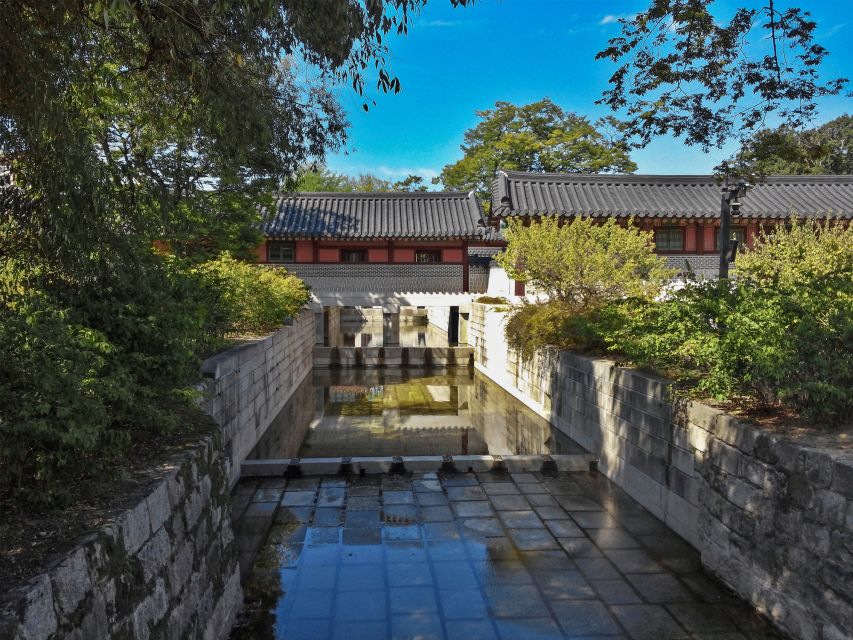
The tour also visits Hwaseong Haenggung Palace, a temporary residence for kings when they traveled outside the capital. It adds a useful human scale to the fortress visit.
A fortress can otherwise feel like a technical subject. The temporary palace shows how royal travel worked and where the king and court could stay during time in Suwon. Together, the two sites explain both the military and political purpose of the city.
This pairing is one of the strongest reasons to choose the full-day option. You are not seeing only walls or only palace halls. You get two connected parts of the same royal project.
The return is to Seoul, with drop-off in Myeongdong near the subway station. That location makes it easy to continue your evening without arranging another transfer.
Guides, group experience, and the human side
The guide can shape this tour more than any single monument. English-speaking guides named in the experience include Stella, Park, Leo, Chloe, Orota, and Heidi. Their roles go beyond reciting dates.
Chloe has helped with photos and even directed people to a hanbok shop. Leo has been praised for combining history, culture, and landmark explanations with a friendly manner. Stella has been noted for clear English and useful suggestions about Korean culture and restaurants.
Ms. Park has been described as attentive, organized, and willing to take photos at each location. Orota has also been praised for interesting historical explanations, friendliness, and taking pictures for the group.
These details matter because a palace tour can easily become a string of names and dates. A guide who answers questions, watches the group, and helps with photos makes the day feel more personal. The exact style will depend on your assigned guide, so you should not expect the same person every time.
The tour can sometimes feel almost private if the group is small, but no fixed group size is provided. Do not book it assuming a private tour. Instead, think of it as a guided shared experience with van transport.
What the $36 price really covers
At $36 per person, the tour offers solid value if you want several paid sights and transport handled in one day. Entrance fees, a professional guide, a van, and a driver are included.
The value is strongest for people who would otherwise need to plan routes between central Seoul and Suwon. You also get historical explanations at places where signs alone may not tell the full story.
Lunch is not included. A lunch break is provided, but you pay for your own meal. Set aside extra money and do not expect food to be part of the $36 package.
Hotel pickup and hotel drop-off are also not included. You must reach the Myeongdong meeting point yourself and return there at the end. That is simple if you are staying near central Seoul or a subway line, but less convenient if your accommodation is far away.
The tour runs in rain or shine. Bring suitable clothing and shoes for the forecast, since the day combines outdoor walking, palace grounds, village streets, and fortress areas.
Who should book this Seoul heritage tour
I would recommend it to you if you want a broad introduction to Korean royal culture in one organized day. It suits first-time visitors who want guidance, transport, and a clear route rather than a stack of separate bookings.
It is especially good for history enthusiasts, photographers, and people who want more than Seoul’s shopping districts. The guides’ photo help is a useful bonus for couples and small groups.
The tour is less suitable if you want to linger at one palace, shop extensively in Insa-dong, or explore Suwon at your own pace. The full-day route covers a lot, and the schedule will not feel leisurely.
It is not suitable for wheelchair users, according to the supplied accessibility information. You should also be comfortable with walking and with a long day that includes several stops.
Cancellation is available up to 24 hours before departure for a full refund, and you can reserve now and pay later. Those terms help if your Seoul plans are still changing, but confirm the exact meeting email before the morning of the tour.
Should you book it?
Book this tour if you want Seoul’s major royal sites explained in plain English, with transport to Suwon and entrance fees bundled into a low price. The strongest parts are the mix of Bukchon, Jongmyo, Changdeokgung, and the fortress, plus the personal help offered by guides such as Chloe, Leo, Stella, and Ms. Park.
Skip it if you prefer independent wandering or need a slow, flexible schedule. Also check your day carefully: Mondays change Changdeokgung to Gyeongbokgung, Tuesdays change Jongmyo to Insa-dong, and the full-day route takes you beyond Seoul to Suwon. For the right visitor, this is a practical first look at Korea’s royal past, with enough variety to keep a long day interesting.
FAQ
Where does the tour start?
Meet outside Exit 10 of Myeong-dong Subway Station at 8:30 a.m. Your exact meeting details and time will be confirmed by email from the local partner.
Where does the tour end?
The tour returns to the meeting point in Myeongdong, near the subway station.
What is included in the price?
The price includes entrance fees, a professional English-speaking guide, van transport, and a driver.
Is lunch included?
No. A lunch break is provided, but you pay for your own meal.
Is hotel pickup available?
No. Hotel pickup and hotel drop-off are not included. You must reach the Myeongdong meeting point and return there at the end.
What happens on Mondays?
On Mondays, Changdeokgung Palace is replaced by Gyeongbokgung Palace.
What happens on Tuesdays?
Jongmyo Royal Shrine is closed on Tuesdays, so the tour replaces it with Insa-dong Culture Street.
What happens if Bukchon Hanok Village is closed?
The tour replaces Bukchon with Namsangol Hanok Village.
Is the tour suitable for wheelchair users?
No. The experience is listed as not suitable for wheelchair users.
Can I cancel for a full refund?
Yes. You can cancel up to 24 hours in advance for a full refund.
Newly added in Seoul
- Seoul: UNESCO Palace and Street Foods Guided Tour★ 5.0 · 6 reviews
- Seoul: Gyeongbok Palace and Bukchon Hanok Walking Tour★ 4.8 · 157 reviews
- Seoul: Modern Hanbok Dress Photoshoot Gyeongbokgung Palace★ 5.0 · 2 reviews
- Seoul: Professional Hanbok Photography at Gyeongbok Palace★ 4.9 · 172 reviews
- Seoul: Royal Palace Morning Tour including Cheongwadae★ 4.5 · 12 reviews
- Seoul: Gyeongbokgung Palace Tour & Lunch at Authentic Market★ 4.5 · 2 reviews
- Seoul: Gyeongbokgung Palace Half Day Tour★ 4.9 · 111 reviews
- Seoul: Hanbok Photo Tour at Gyeongbokgung Palace★ 5.0 · 9 reviews
Seoul Palace Tours, compared.
Small-Group Royal Palace and Seoul City Tour (hotel pick-up)
Read our review →
Seoul City Sightseeing Tour Including Gyeongbokgung Palace, N Seoul Tower, and Namsangol Hanok Village
Read our review →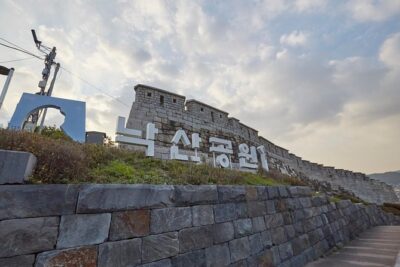
Gyeongbok Palace, Bukchon Village, and Gwangjang Tour
Read our review →
Seoul Half-Day City Highlight, Palace Tour with Hanbok
Read our review →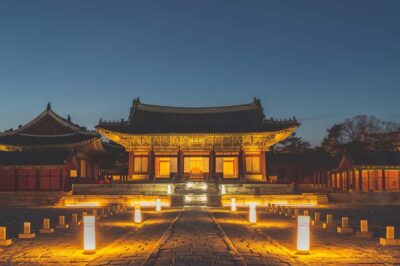
Palace, Temple and Market Guided Foodie Tour at Night
Read our review →
Seoul Highlights: Gyeongbok Palace, Insadong & N Seoul Tower
Read our review →
Seoul City Half Day Tour-Gyeongbok Palace Guard Changing Ceremony
Read our review →Browse the lists this tour appears in