
Review · CHATEAU AND WINE ESTATE TOURS
Small Group Tours to Baalbek, Anjar & Chateau Ksara with lunch and Tickets
Baalbek is the star here: its immense Roman temples, built at the foot of the Anti-Lebanon range, feel far grander than any photograph suggests. This tour adds two very different stops, the Umayyad ruins at Anjar and Château Ksara, so you get Roman monuments, Islamic archaeology, and Lebanese wine in one long day.
I like the small-group limit of 15 and the hotel pickup, which takes the strain out of reaching the Bekaa Valley. I also like the mix of guided visits and local food, especially since the lunch is part of the price and the winery includes a look at its production caves. The trade-off is the nine-hour schedule: you cover a lot of ground, and Baalbek receives about 90 minutes rather than a full day.
Key points to know
- Baalbek takes center stage: Spend about 90 minutes among the temples of Jupiter, Venus, and Bacchus.
- The Stone of the Pregnant Woman adds scale: This huge Roman block helps explain the engineering challenge behind Baalbek.
- Anjar offers a different era: See Umayyad palace walls, baths, a mosque, harems, and colonnades.
- Château Ksara brings the day into the present: Tour Lebanon’s oldest winery, see its cave, and sample several wines.
- Lunch is included: You eat at a local Lebanese restaurant, with the meal built into the tour rather than added later.
- The format is practical: Hotel transfers, an air-conditioned minivan, a local guide, and a maximum of 15 people are included.
Why This Beirut Day Trip Works
This is a useful choice if your time in Lebanon is short and you want more than a single archaeological site. Baalbek alone can fill a day for an archaeology fan, but adding Anjar and Ksara gives you a broader view of the Bekaa Valley.
The three stops are not repetitive. Baalbek is imperial Roman architecture on a massive scale. Anjar belongs to the early Islamic Umayyad period and was built as a commercial center. Ksara shifts the focus to agriculture, wine production, and a working Lebanese business with roots going back to 1857.
I also like the practical design. The tour starts at 8:00 am, includes pickup and drop-off at your hotel, and uses a climate-controlled private minivan. With a maximum group size of 15, you are not being moved around in a huge coach. That matters when you want to hear an explanation, ask a question, or stay close to the guide at a complicated ruin.
The price is $75 per person. That is a strong value if you use all the included parts: transport from Beirut, a guide, a tour leader, lunch, and admission to Baalbek and Anjar. Château Ksara’s admission is not included, so check how the winery visit and tasting are handled on the day. Even with that limitation, the combination is hard to match independently in one day without arranging a car and driver.
More Chateau and Wine Estate Tours in the world:
- Versailles Château and Gardens Walking Tour
★ 4.5 · 727 reviews - Versailles Château and Gardens Walking Tour from Paris by Train
★ 4.5 · 714 reviews - Loire Valley: Château Royal d’Amboise Entrance Ticket
★ 4.6 · 476 reviews
Reaching Baalbek From Beirut
The long transfer is part of the bargain. Baalbek and Anjar are in the Bekaa Valley, away from Beirut’s coast, so the day involves substantial road time. The tour lasts about nine hours, and the early start helps fit three major stops into the schedule.
You will be collected from your hotel at 8:00 am. Pickup is one of the most useful inclusions because you do not need to find a distant meeting point or work out separate transport into the valley. The air-conditioned minivan should also make the journey more comfortable than piecing together public transport.
The drive is not the main event, but it gives you a sense of how quickly Lebanon changes from the capital to the interior. At Baalbek, the site sits at about 1,150 meters near the southwestern slope of the Anti-Lebanon range. Bring sensible walking shoes and a light layer, since the elevation and open stone spaces can feel different from Beirut.
Baalbek’s Colossal Roman Temples
The Baalbek visit lasts about 90 minutes, with admission included. That is enough time to see the principal monuments and understand the layout, though it is not enough for an unhurried archaeological study of every stone.
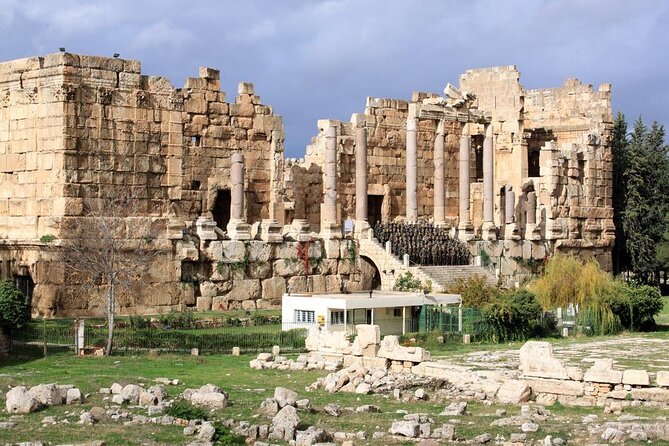
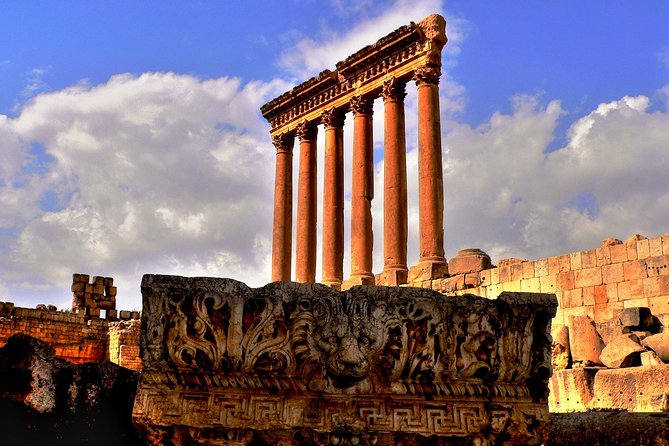
The sanctuary reached its peak during the Roman period. The complex was built over more than two centuries and honored the Romanized Heliopolitan Triad: Jupiter, Venus, and Bacchus. The names are Roman, but the religious tradition grew from an older Phoenician cult. That blend is one of the site’s most interesting features. You are not looking at an isolated Roman import, but at Roman architecture and local religious traditions meeting in one enormous sanctuary.
The scale is the first thing to grasp. The temples were designed to impress pilgrims and proclaim imperial power. Massive columns, broad platforms, and carefully cut blocks make Baalbek one of the most important surviving Roman temple complexes in the region.
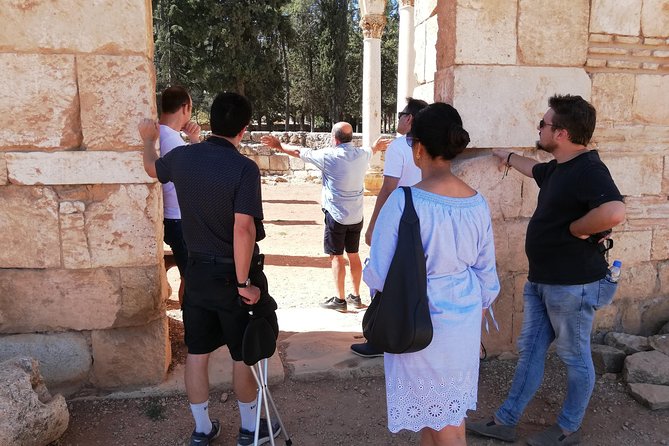
A guide adds real value here. Without explanation, you can admire the size but miss the reason the site mattered. An archaeologist such as Natasha, who has led some outings, can add useful context about construction, worship, and the long development of the sanctuary. The guide’s role is especially important when the group has limited time.
Do not expect a quiet, private examination of every detail. The schedule gives you a focused introduction rather than a specialist field study. If Baalbek is your main reason for visiting Lebanon, you may prefer a tour devoted only to the site. If you want a broad day with three distinct stops, the 90-minute visit is a fair compromise.
The Mosque of Sayeda Khawla
The route also includes the Mosque of Sayeda Khawla in Baalbek. It is associated with the burial place of Sayyida Khawla, believed to be the daughter of Imam al-Hussein, the grandson of the Prophet Muhammad.
The mosque adds a living religious dimension to a day otherwise dominated by ancient stone. The site is tied to the story of the Karbala caravan and to local belief about Khawla’s death and burial in Baalbek. This stop helps place the city in a wider religious setting rather than treating it only as a Roman ruin.
The supplied schedule does not give a separate visit length for the mosque, so expect it to fit into the Baalbek portion of the day. Follow the guide’s instructions about appropriate conduct and access. As with any active religious site, the focus should be respectful observation rather than a rushed photo stop.
More Visits with Lunch in the world:
- Dubai: Abu Dhabi Day-Trip Grand Mosque, Royal Palace & Lunch
★ 4.9 · 5,368 reviews - Versailles Palace and Giverny Monet House Visit with Lunch
★ 4.0 · 1,948 reviews - Mutianyu Great Wall and Summer Palace Small-Group Tour with Lunch
★ 5.0 · 316 reviews - Vienna: Schönbrunn Palace Entry Ticket with Lunch
★ 4.4 · 299 reviews
The Stone of the Pregnant Woman
The Stone of the Pregnant Woman receives about 15 minutes, and admission is free. The name is memorable, but the engineering is the real reason to stop.
This worked Roman monolith, along with another large block nearby, is among the biggest stones ever quarried. The blocks were likely intended for the nearby temple complex. Their size gives you a direct sense of the ambition behind Baalbek’s construction, even if you are not an architecture specialist.
Fifteen minutes is enough for an explanation, photographs, and a close look. It is not a separate museum visit, and there is no need to expect one. Think of it as a short, useful extension of the main Baalbek stop, one that makes the temple builders’ task easier to picture.
Anjar’s Umayyad Commercial City
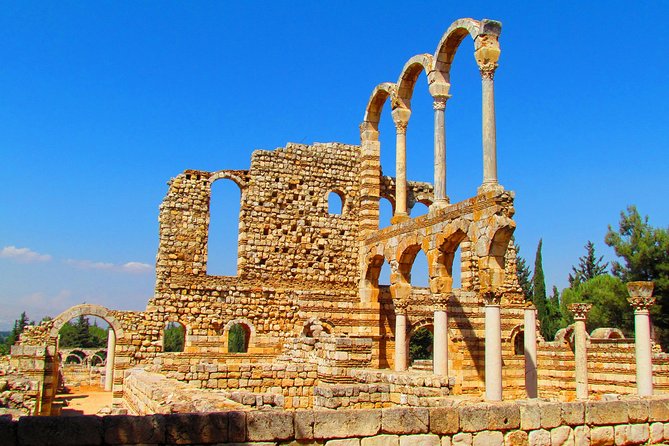
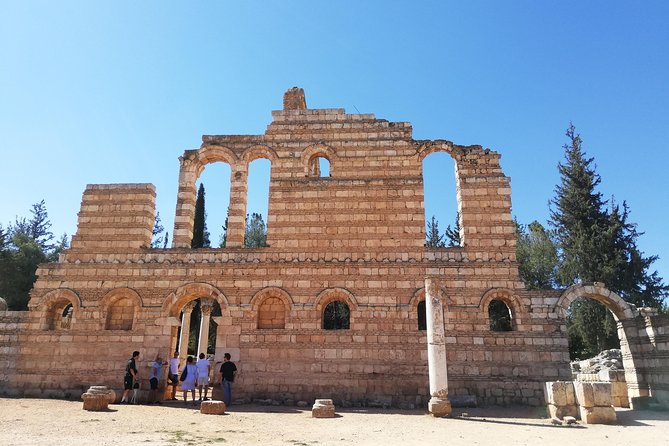
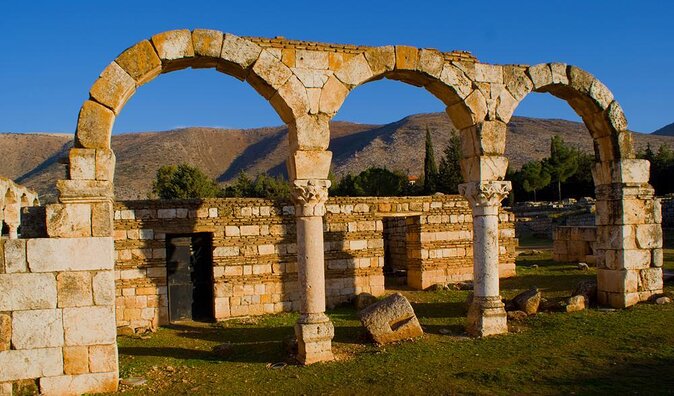
Anjar is about 45 minutes and admission is included. It provides a strong contrast with Baalbek because the site belongs to the Umayyad period and was built as an inland commercial center.
The city stood at the meeting point of major routes. One road connected Beirut with Damascus, while another crossed the Bekaa between Homs and Tiberiade. That location explains why the Umayyads built a planned center here. Anjar was not simply a palace in isolation. It served trade, administration, and court life.
The ruins include the Umayyad palace, harems, a mosque, the caliph’s great palace, thermal baths, walls, and many columns. Some Roman architectural elements appear in the design, which makes the site a helpful lesson in how later builders used and adapted earlier forms.
Archaeologists only identified the ancient city in the late 1940s. That relatively recent discovery adds an appealing sense of a site still being understood, though you should not expect a large, polished attraction with endless interpretation. The experience depends heavily on your guide’s explanation of the plan and surviving structures.
Forty-five minutes is a brisk visit. You can see the major remains and get the basic story, but the time may feel short if you enjoy architectural details. On the other hand, the shorter stop keeps the full day manageable and prevents the itinerary from becoming one long sequence of ruins.
Lunch at a Local Lebanese Restaurant
Lunch is included at a local Lebanese restaurant, which is one of the strongest practical features of the outing. You do not need to search for a restaurant in an unfamiliar area or pay separately for a meal during a tightly timed day.
The food has received especially strong praise, with the meal described as sumptuous and superb. That fits the tour’s larger appeal: you are not only moving between monuments, but also making room for a local dining experience.
The precise menu is not specified, so do not book expecting a particular dish. You can expect the meal to be Lebanese, but the available information does not promise a set menu, drinks, or special dietary arrangements. If you have dietary needs, ask the operator before booking.
The timing of lunch also matters. A full meal provides a proper pause between the ancient sites and the winery. A guide or driver such as Ziad may help keep service moving so the group stays on schedule, but the day still depends on traffic and the pace of the group.
Château Ksara and Lebanese Wine
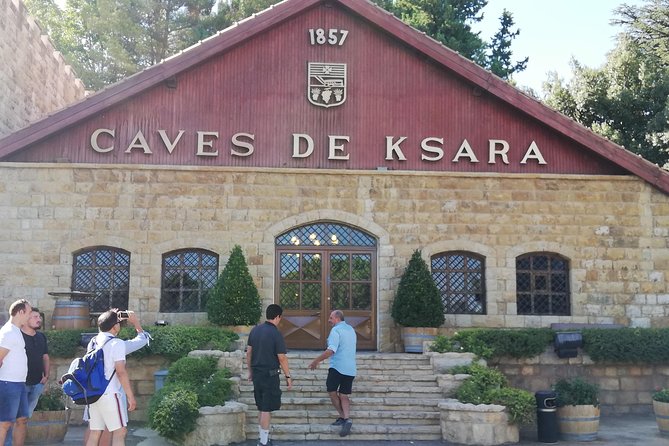
Château Ksara is the final major stop and lasts about an hour. Founded by Jesuit priests in 1857, it developed Lebanon’s first dry wine and now produces about three million bottles each year.
This is not just a tasting room added to fill time. The winery visit includes an explanation of how Lebanese wine is made and a look inside the on-site cave. You can taste multiple wines and see the connection between the Bekaa Valley’s agricultural setting and its wine industry.
The winery’s history gives the stop a clear identity. Ksara links Lebanon’s religious, agricultural, and commercial past with a working producer whose bottles are sold in many countries. After Baalbek and Anjar, it also gives you a change of pace and subject.
Admission is not included in the tour price, so confirm the exact tasting arrangement when booking. The supplied details promise wine samples and the cave visit, but they do not state how many samples are offered or what the winery charges separately.
If you do not drink wine, this stop may have less appeal, although the production story and cave can still make it worthwhile. If wine interests you, Ksara is a useful addition because you get context rather than only a quick pour.
Guides, Group Size, and Comfort
The tour includes a local guide and a tour leader, with a maximum of 15 people. Those roles can make the day feel more organized, particularly at Baalbek, where the site is too large for a quick overview without direction.
Names connected with the operating team include Natasha, an archaeologist, Khalil, who has guided on site, and Ziad, a driver who has been praised for taking care of the group and keeping lunch running smoothly. Staff assignments can change, so treat these as examples rather than a guarantee that one particular person will lead your outing.
The small group is a meaningful advantage. You have a better chance of hearing the commentary, asking questions, and staying together at the ruins. It also makes hotel transfers and lunch less cumbersome than they would be with a large bus.
The vehicle is air-conditioned, which matters during a long day with multiple road transfers. Still, this is an active sightseeing trip. You will move through archaeological grounds, stand outdoors, and spend much of the day away from Beirut. Most people can participate, but the information provided does not give detailed accessibility specifications.
Is the $75 Price Fair?
At $75 per person, this tour offers good value for anyone who wants transport and structure. Hotel pickup and drop-off alone simplify the day, while the included lunch, guide, air-conditioned minivan, and admissions to Baalbek and Anjar cover the major costs.
The main value comes from combining three destinations that would be awkward to arrange on your own. You also get a local restaurant meal and a winery visit without needing to coordinate separate reservations.
The price is less compelling if you want a slow, specialist visit to Baalbek. The schedule gives the ruins about 90 minutes, Anjar 45 minutes, and Ksara one hour. You are paying for range and convenience, not maximum time at each site.
Remember that Château Ksara admission is listed separately. Ask for the current details before you go so the final cost is clear.
Who Should Book This Tour?
Book it if you have limited time in Beirut and want to see Baalbek without arranging private transport. It suits people who enjoy archaeology but also want food, wine, and a wider look at Lebanon’s past.
It is especially useful for first-time visitors who prefer a guided day. The route covers Roman, Umayyad, religious, and modern wine history in one well-organized outing.
You may want another option if you dislike long road days, do not drink wine, or want several hours to study Baalbek alone. This tour moves at a firm pace, but that is exactly why it works for a one-day introduction to the Bekaa Valley.
The free cancellation policy allows you to cancel up to 24 hours before the start time for a full refund. The activity depends on good weather, and a cancellation for weather offers either another date or a full refund.
FAQ
What time does the tour start?
The tour starts at 8:00 am.
How long does the experience last?
The full tour lasts about nine hours.
Is hotel pickup included?
Yes. Hotel pickup and drop-off are included.
How many people can join the tour?
The group is limited to a maximum of 15 people.
Is transportation included?
Yes. Transportation is provided in an air-conditioned vehicle, described as a private minivan.
Is lunch included?
Yes. Lunch at a local Lebanese restaurant is included.
Are entrance tickets included?
Admission to Baalbek and Anjar is included. Château Ksara admission is not included.
How long is the Baalbek visit?
The main Baalbek temple visit lasts about one hour and 30 minutes.
What happens at Château Ksara?
You learn how Lebanese wine is made, look inside the on-site cave, and taste multiple wines.
Can I cancel for a full refund?
Yes. You can cancel at least 24 hours before the start time for a full refund. Cancellations made less than 24 hours before the start time are not refunded.
Newly added in the world
- Avignon: Around The Palace Tour★ 4.5 · 13 reviews
- Ayutthaya Full-Day Tour with Bang Pa In (Summer Palace)★ 5.0 · 2 reviews
- Bali: Gate Of Heaven and Water Palace Tirta Gangga Package★ 4.7 · 3 reviews
- Asia Continent & Topkapı Palace & Harem. Guided, Small group★ 4.9 · 3 reviews
- Aranjuez: Royal Palace Guided Tour★ 4.5 · 93 reviews
- Kornik Castle and Rogalin Palace Half-Day Private Tour★ 5.0 · 2 reviews
- Antananarivo: Guided Tour and sunset in queen’s palace★ 3.9 · 13 reviews
- Royal Palace of Aranjuez Small-Group Tour with Entry Ticket★ 5.0 · 2 reviews
Chateau and Wine Estate Tours, compared.

Medoc or Saint Emilion Wine Tasting and Chateau from Bordeaux
Read our review →

Guided Tour of the Fairmont Le Chateau Frontenac in Quebec City
Read our review →
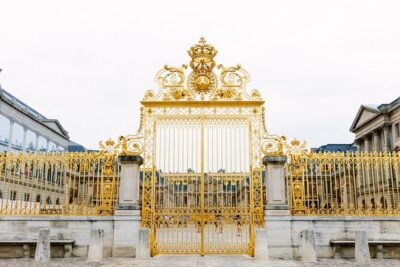
Versailles Château and Gardens Walking Tour from Paris by Train
Read our review →

Loire Valley: Château Royal d’Amboise Entrance Ticket
Read our review →
Fontainebleau & Vaux-le-Vicomte Châteaux Day Tour from Paris
Read our review →Browse the lists this tour appears in