
Review · YOGYAKARTA PALACE TOURS
Javanese Dance Workshop with Kraton Palace Dancer
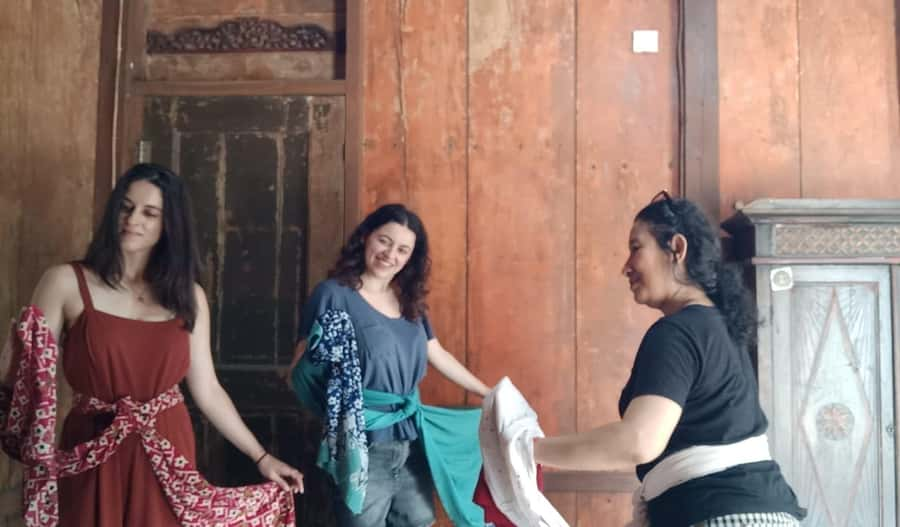
A Kraton Palace dancer teaches you Javanese classical dance inside a traditional home in Jogja. This is not a stage show where you sit quietly and watch. You learn the posture, hand movements, and basic sequences yourself, then receive direct corrections from the instructor.
I like the private format and the chance to ask questions as you go. I also like the cultural setting: the lesson includes an explanation of the dance’s origins and meaning, followed by black tea and conversation. The main drawback is simple: 90 minutes is enough for an introduction, not for mastery. Javanese dance looks calm, but its controlled movements are hard to perform well.
Key points to know before booking
- Learn inside a traditional Javanese home: The setting gives the lesson a personal feel rather than the atmosphere of a regular studio.
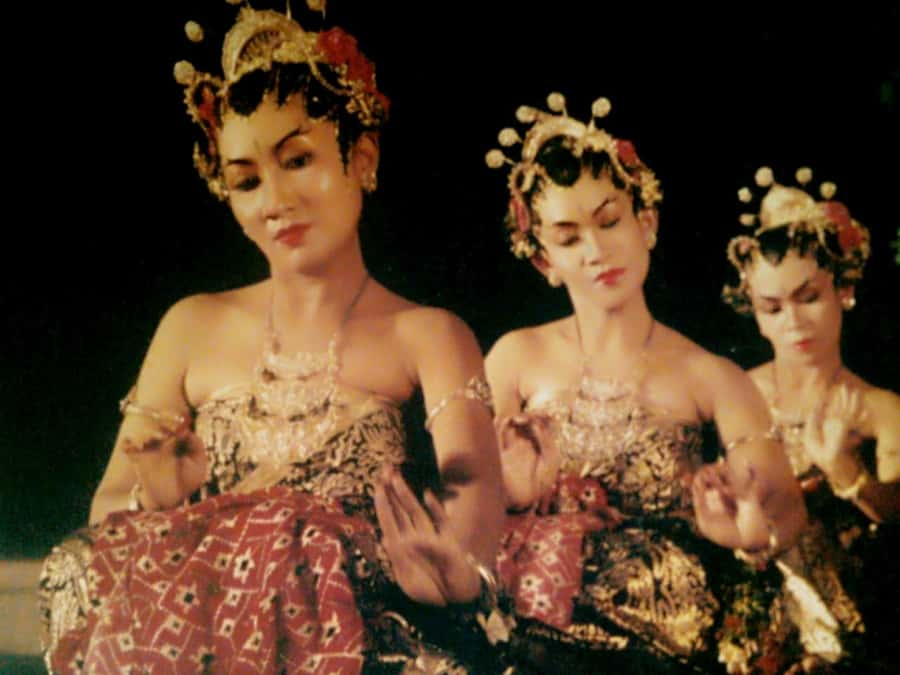
- Train with a Kraton Palace dancer: You receive instruction from someone connected to Yogyakarta’s court dance tradition.
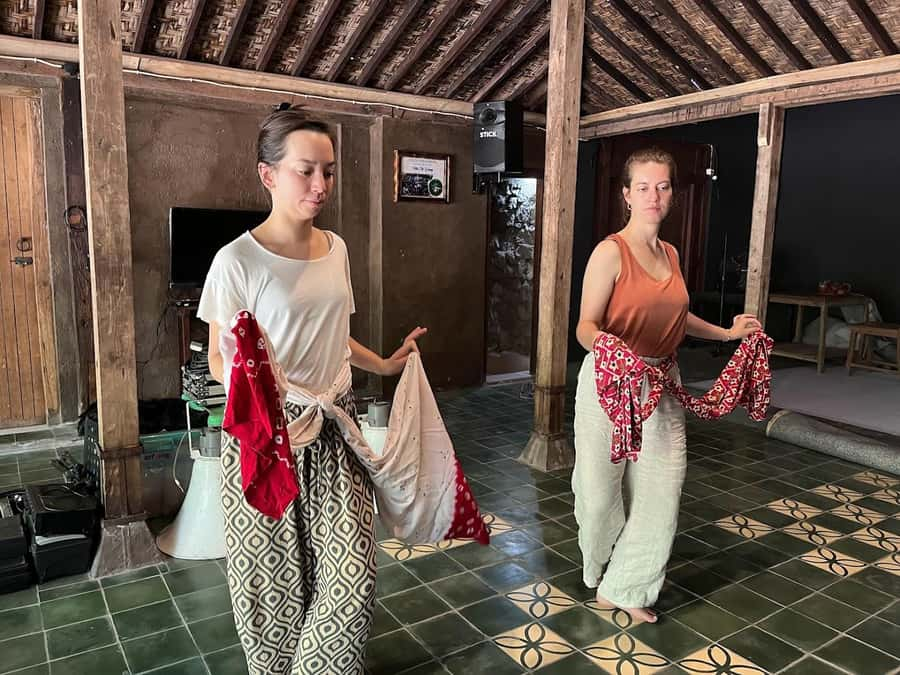
- Practice with a stash: This long fabric is provided for the lesson and helps you experience the dance as it is performed.
- Get personal corrections: The private group format allows the instructor to adjust your movements and explain what you are doing wrong.
- Pair practice with cultural context: You learn why the dance matters, not just how to copy a sequence.
- Finish with black tea and conversation: The refreshment creates time for a relaxed exchange after the physical lesson.
Meeting a Kraton Palace dancer in Jogja
The appeal of this workshop begins before the first movement. You enter a traditional Javanese home and meet a classical dancer connected with the Kraton Palace, the royal court of Yogyakarta. The home setting matters because it changes the tone of the lesson. You are not simply attending a short dance class in a rented room. You are being welcomed into a space linked to the instructor’s everyday cultural world.
The instructor speaks English, so you can follow explanations and ask questions without relying only on imitation. That is important with Javanese dance. A movement may look small, yet the angle of your wrist, the position of your head, or the way you place your feet can change the whole effect.
The group is private. That gives you room to work at your own pace and makes it easier to ask for a movement to be shown again. If you are shy about performing in front of strangers, this format is much more comfortable than a large class.
You should still expect a lesson rather than a polished palace performance. The point is to try the dance yourself and understand why the form takes years to master.
More Workshops and Classes in Indonesia:
- Fez Cooking Class at Palais bab sahra
★ 5.0 · 56 reviews - Château du Bois-Huaut: Cellar Tour and Wine Tasting Class
★ 4.8 · 53 reviews - Luang Prabang: Cooking Class at the Former Royal Palace
★ 4.9 · 51 reviews
The opening lesson: meaning before movement
The workshop introduces the history and cultural importance of Javanese dance before moving into practice. This is one of the strongest parts of the experience because it gives the physical work a reason and a setting.
You learn about the dance’s origins and its place in Javanese culture. The supplied information does not name a specific dance style or character, so you should not book this expecting one particular famous routine. Instead, think of it as an introduction to the language of classical Javanese movement.
I like this order. If you begin with a list of steps, the motions can feel like a puzzle of hand positions and slow turns. Once you understand that the movements carry cultural meaning, the careful pace makes more sense.
The explanation also helps you notice things that are easy to miss in a performance. Javanese dance is known for control and precision, but the lesson lets you feel the effort behind that calm appearance. You begin to see why a performer can make a small gesture look deliberate and expressive.
Plan to listen closely during this opening section. The workshop lasts only 90 minutes, so the instructor needs to balance background information with practice. If you want a long lecture on court culture, this is not the right format. If you want enough context to understand what you are learning, the balance should suit you.
Practicing basic movements with the stash
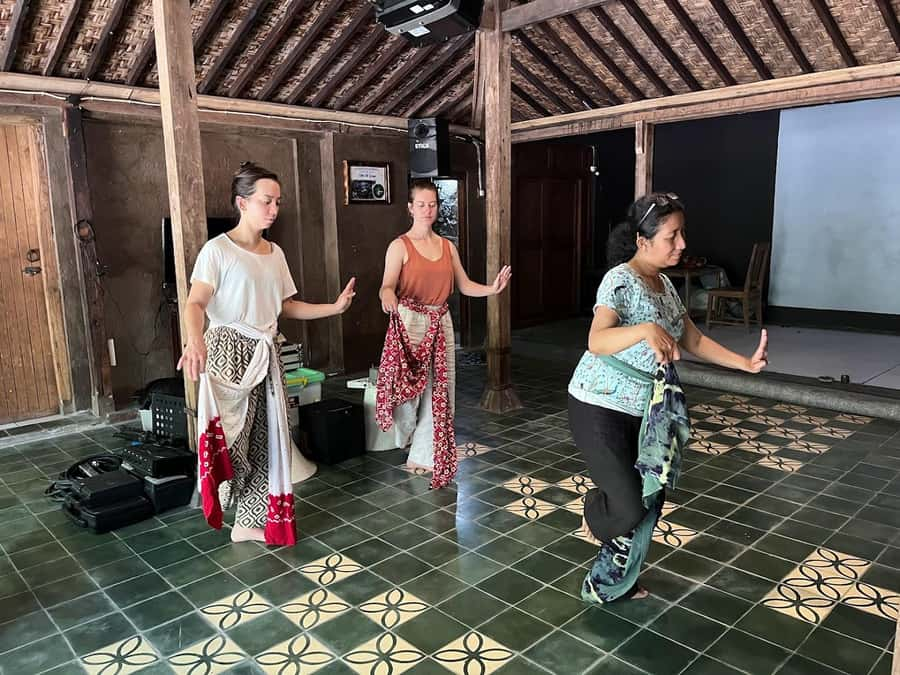
You receive a stash, a long fabric used for dancing. This is included in the price and forms part of the hands-on lesson rather than serving as a souvenir.
The fabric helps you connect the lesson to the visual form of Javanese dance. It also adds a practical challenge. You must pay attention to your body while handling the cloth, keeping your movements controlled rather than letting the fabric become a distraction.
The instructor guides you through basic movements and sequences. Expect to repeat positions and short combinations rather than perform a complete, polished dance. That may sound modest, but it is the useful part of the class. You get time to notice what your feet, hands, shoulders, and head are doing.
The most helpful approach is to copy slowly. Do not rush because a movement looks simple. One participant described realizing how difficult the art is only after trying it personally. That is a useful warning for you. The dance’s quiet style can fool you into thinking it will be easy. It is not strenuous in the way a fast dance class might be, but it demands balance, patience, and attention to detail.
Wear something that allows comfortable movement. The provided information does not set a dress code, so you should not assume that special clothing is required. You will use the supplied fabric during the lesson.
Personal corrections make the private format worthwhile
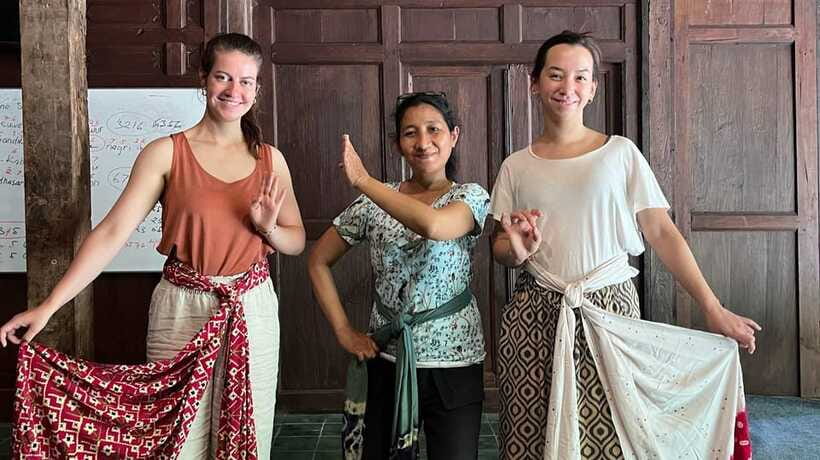
The instructor gives individual feedback as you practice. For me, this is where the $24 price earns its keep.
A group demonstration can show you the general idea, but it cannot tell you whether your own posture is right. In a private lesson, the instructor can focus on your specific problems and adjust the sequence to your pace. You may find that one correction changes the way the whole movement feels.
This is especially useful for people with no dance background. You do not need to arrive knowing classical dance terms or body positions. The lesson is designed to guide you through the basics.
It also suits people who already enjoy dance and want a closer look at a Javanese form. You will not become an expert in one session, but you can gain a clearer sense of the discipline behind the performance.
The feedback may also be humbling. You might think you are copying a graceful movement, only to discover that your shoulders are too tense or your hands are not positioned correctly. That is not a flaw in the workshop. It is the lesson. The form depends on small details, and direct correction lets you see them.
The two strongest reactions associated with this workshop point to the teacher’s skill and clarity. The instructor is described as kind, highly skilled, and effective at explaining the movements. Those qualities matter more here than a fancy venue or a long schedule.
More Palaces to Tour in Indonesia:
- Bali: Ubud Palace Legong Dance Show Ticket
★ 4.4 · 3,979 reviews - East Bali Tour: Gate of Heaven, Water Palace, Sleeping Gajah
★ 5.0 · 1,726 reviews - Bali: Lempuyang Quick Access, Waterfall, Water Palace & More
★ 4.7 · 1,072 reviews - East Bali: Lempuyang Gates, Tenganan, & Water Palaces Tour
★ 4.8 · 175 reviews
Black tea and cultural exchange after the practice
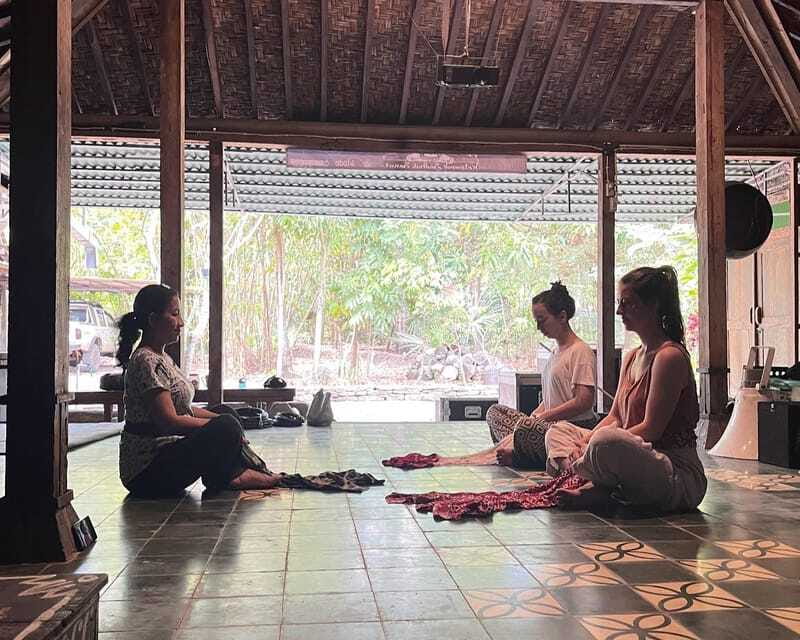
The workshop includes traditional Javanese black tea. This is more than a minor refreshment. It gives you a natural pause after the physical lesson and time to talk with the instructor.
Use this part to ask about the dance, the Kraton connection, or daily life in Java. The activity is designed as cultural exchange, so conversation is part of the experience rather than an afterthought.
The tea also helps mark the change from student to conversational partner. During practice, you concentrate on following instructions. Over tea, you can reflect on what felt difficult and ask questions that did not fit neatly into the movement lesson.
The details of the refreshments are not specified, so do not expect a full meal or a large tasting session. Think of it as a simple, welcoming drink included with the visit.
If you enjoy cultural activities that leave room for conversation, this is a strong feature. If you want nonstop action from start to finish, the tea break may feel less central. I would treat it as one of the reasons to choose this class over a standard dance demonstration.
What 90 minutes can realistically teach you
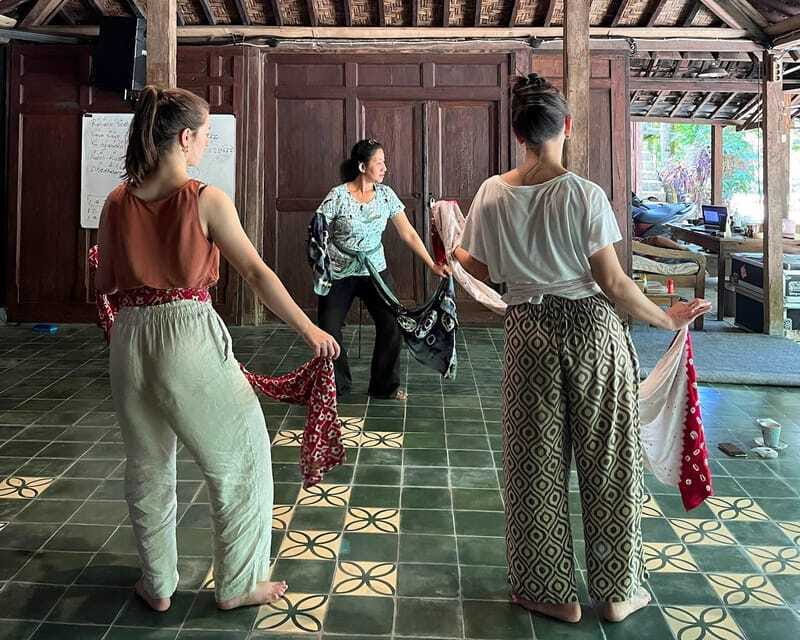
Ninety minutes is a sensible length for a first lesson. It is long enough to hear the cultural background, learn basic movements, try short sequences, receive corrections, and sit down for tea. It is short enough to fit into a busy day in Jogja.
You should set your expectations carefully. You will not master Javanese dance in one visit. Even a simple sequence can require repeated practice, and the calm appearance of the art hides its technical demands.
The value comes from changing the way you watch dance afterward. Once you have struggled to hold the correct posture or coordinate the fabric, you will notice the control of trained performers more clearly.
The class may also give you a physical memory of Java that a museum visit cannot. You are not only hearing about a tradition. You are trying a small part of it under guidance, then discussing it with someone who teaches the form.
Because the group is private, the 90 minutes may feel more substantial than the same amount of time in a crowded class. You spend less time waiting for your turn and more time receiving instruction.
Who will enjoy this workshop most
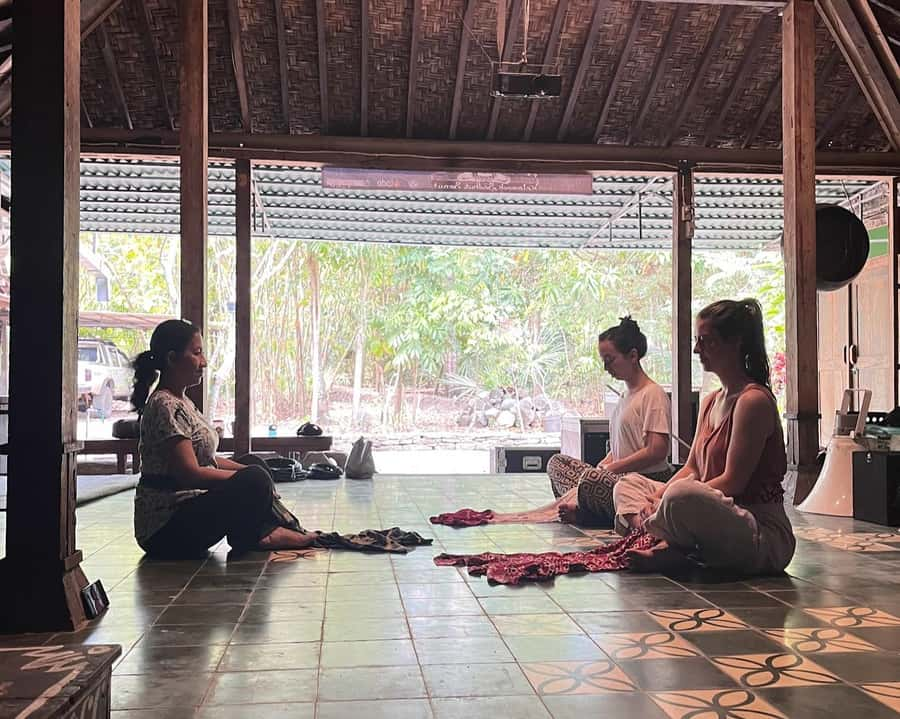
I would recommend this experience to you if you like learning by doing. It is a good fit for curious people who want more than photographs of the Kraton or a quick performance.
It suits:
- First-time dance students who want patient guidance
- People interested in Javanese culture and court traditions
- Couples, families, or friends who prefer a private activity
- Dancers who enjoy comparing movement styles
- Anyone looking for a personal cultural experience in Jogja
You should think twice if you need step-free access or visual assistance. The activity is not suitable for wheelchair users or people with visual impairments. It is also not suitable for babies under one year old.
The private format can work well for different ability levels, but the supplied information does not promise adaptations. If you have a specific mobility or sensory need, confirm suitability before paying.
Price, timing, and practical value
At $24 per person, the workshop offers good value if you care about personal instruction. The price includes the stash, refreshments, and a private lesson with feedback. You are paying for access to a teacher and a focused cultural exchange, not simply for admission to a place.
That distinction matters. A performance ticket might let you see more polished dancing, but it would not give you direct corrections or the chance to ask questions during the lesson. A cheaper group class might offer more repetitions, but not the same private attention.
The cost is less compelling if you only want to watch Javanese dance. In that case, you may prefer a performance. This workshop is for participation and understanding.
The duration is 90 minutes, with starting times available according to the booking calendar. Transportation is not included, and drop-off and drop-in services are not provided. You will need to arrange your own way to the meeting point, so allow enough time to arrive without cutting into the lesson.
The activity is offered in English. Cancellation is free up to 24 hours before the scheduled start, and you can reserve now and pay later. Those options help if your Jogja plans are still shifting.
Should you book the Javanese dance workshop?
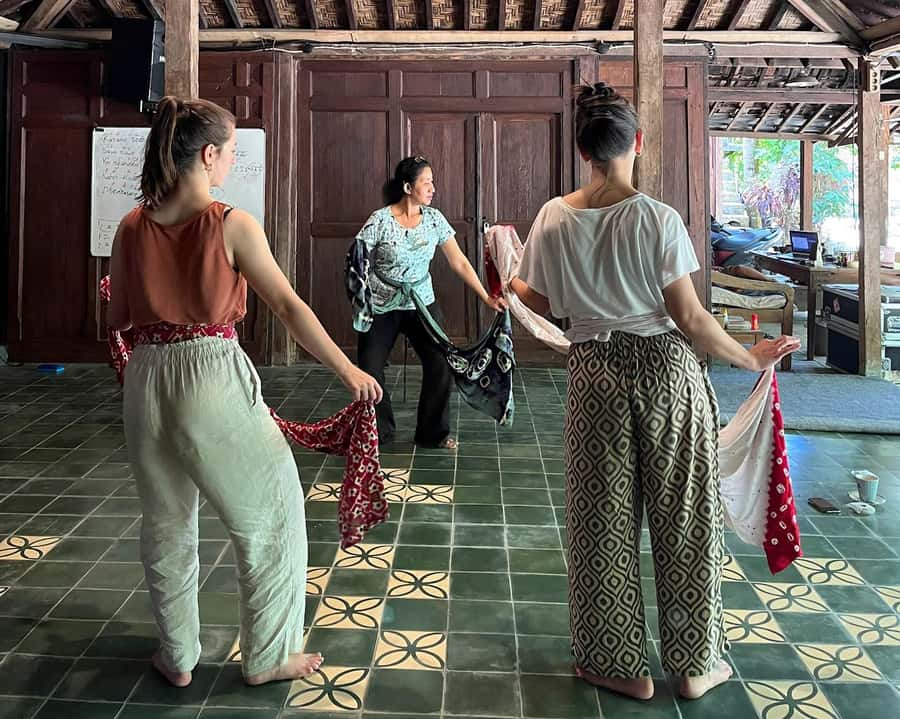
Book this workshop if you want to meet a Kraton Palace dancer, learn the meaning behind the movements, and receive personal guidance in a home setting. The best reason to go is not that you will leave as a skilled performer. You will leave with a better sense of the patience, control, and cultural meaning behind Javanese dance.
The strongest features are the private lesson, the instructor’s clear teaching, and the chance to talk over black tea. The main limits are the short duration, the lack of transport, and the accessibility restrictions.
At $24, I consider it a worthwhile choice for a hands-on cultural experience in Jogja. Go with patience, wear comfortable clothing, and expect to be corrected. That is exactly what makes the lesson useful.
FAQ
How long is the Javanese dance workshop?
The workshop lasts 90 minutes.
How much does the workshop cost?
The price is $24 per person.
Who teaches the dance lesson?
The lesson is taught by a classical Javanese dancer connected with the Kraton Palace in Jogja.
Is the workshop private?
Yes. The activity is offered for a private group.
What is included in the price?
The price includes a stash for dancing, refreshments, and a private lesson with personal feedback.
Is the workshop suitable for everyone?
It is not suitable for wheelchair users, people with visual impairments, or babies under one year old.
Newly added in Indonesia
- Private Tour: Campuhan Ridge Walk, Ubud Rice Terrace & Ubud Palace★ 5.0 · 15 reviews
- All Inclusives Bali Private Tour Temples Palaces and Nature★ 5.0 · 10 reviews
- Bali Sky Gate and Water Palace★ 5.0 · 3 reviews
- Sultan Palace, Prambanan Temple and Water Castle Guide Tour★ 5.0 · 2 reviews
- Sultan Palace, Water Castle & Prambanan Temple Guided Tour★ 4.6 · 4 reviews
- Yogyakarta: Prambanan Temple Morning Tour and Palace Tour★ 5.0 · 4 reviews
- Jakarta : Taman Safari, Panda Palace, and Waterfall★ 4.7 · 11 reviews
- Bali: Ujung Water Palace, Candidasa and Sidemen Village Tour★ 4.8 · 80 reviews
Yogyakarta Palace Tours, compared.
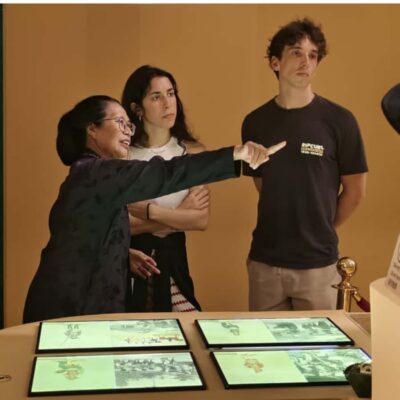
Yogyakarta: Yogyakarta Palace & Water Castle Guided Tour
Read our review →
Yogyakarta: Palace, Water Castle & UNESCO Temple Guided Tour
Read our review →
Borobudur Climb To The Top, Prambanan Temple, Yogyakarta Palace
Read our review →
Taman sari water castle, sultan palace & local food tasting
Read our review →
Yogyakarta: Prambanan Temple Morning Tour and Palace Tour
Read our review →
Sultan Palace, Water Castle & Prambanan Temple Guided Tour
Read our review →
Sultan Palace, Prambanan Temple and Water Castle Guide Tour
Read our review →Browse the lists this tour appears in