
Review · PALACE ENTRY TICKETS
Jerez de la Frontera: Palacio Domecq Entrance Ticket
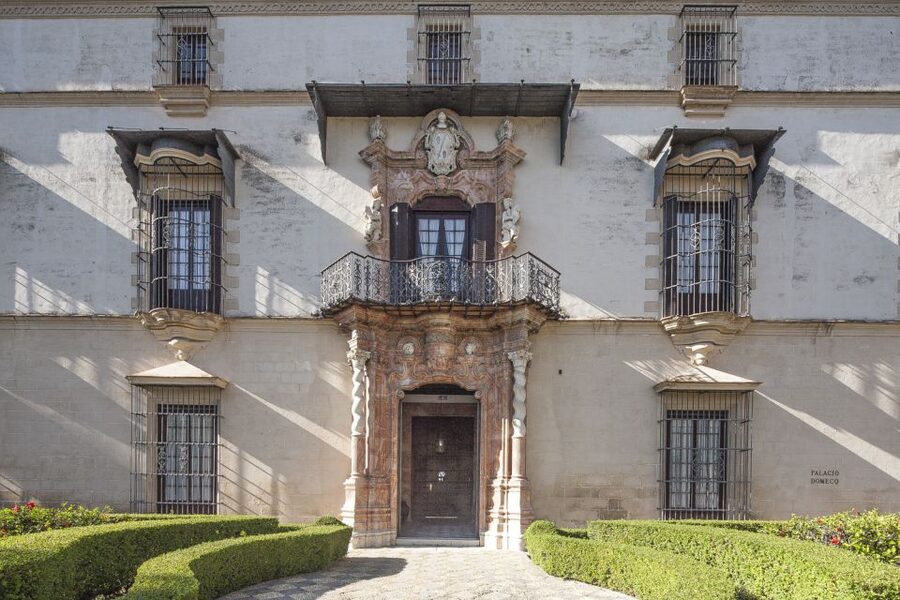
Palacio Domecq gives you a rare look at the 18th-century home of Jerez’s wine-making elite, not a reconstructed museum set. Its Italian marble courtyard, grand balconies, paintings, tapestries, and sculptures show how the city’s wealthy families lived and displayed their power. I especially like the compact 45-minute visit and the chance to see an authentic Andalusian Baroque interior without committing half a day.
I also like the audio guide in English, Spanish, or French, since it helps explain the palace and its connection with one of Spain’s oldest wine-making families. The main drawback is that the commentary can feel dry, and the no-photography rule may disappoint you. At $17 per person, the visit is fair value if architecture matters to you, but it can feel expensive if you expect a full guided tour or a wine tasting.
Key points
- An 18th-century wine family residence: See how Jerez’s aristocratic and bourgeois wine producers built their homes.
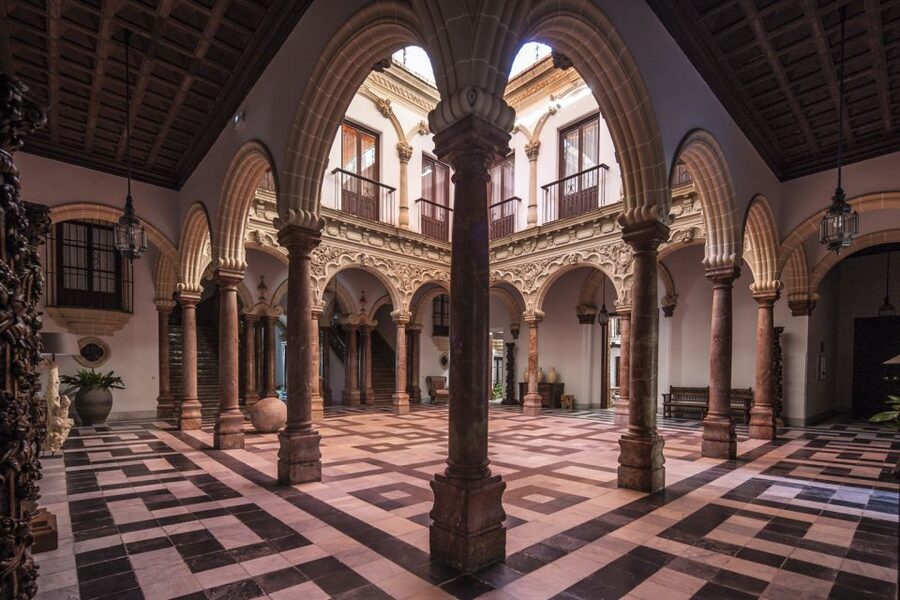
- A central Italian marble courtyard: The quadrangular palace is arranged around this elegant open center.
- Three floors of Baroque architecture: Look for ornate details, noble materials, artworks, and commanding balconies.
- A short, focused visit: The planned duration is 45 minutes, making it easy to fit into a day in Jerez.
- Audio commentary in three languages: Choose English, Spanish, or French, with English commentary praised for its clear delivery.
- Strict visiting rules: Photography, food, drinks, strollers, large bags, pets, and touching exhibits are not allowed.
A Wine Family’s Palace in the Heart of Jerez
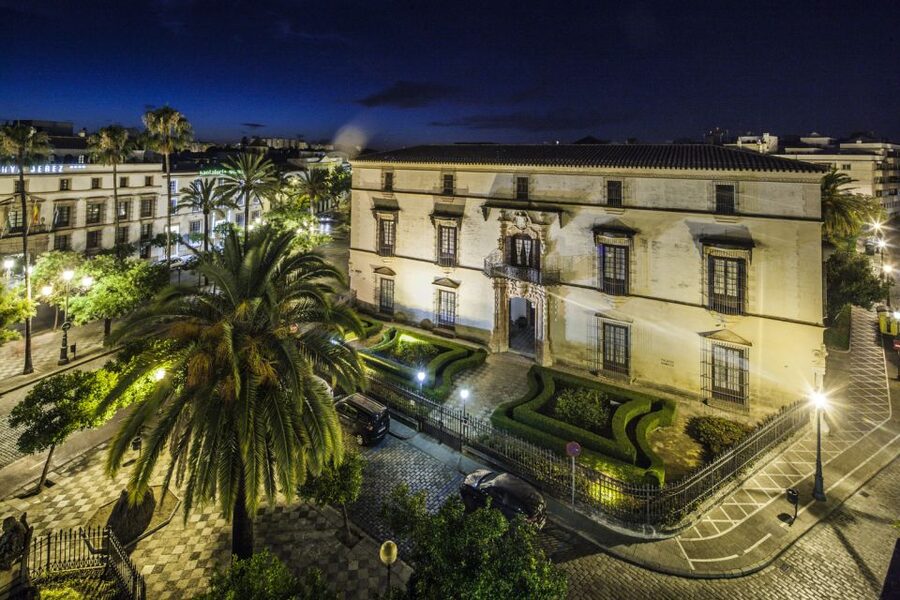
Palacio Domecq is more than a handsome old building. It represents the social and commercial power created by Jerez’s wine trade. During the second half of the 18th century, wealthy wine producers built homes that announced their status, taste, and success. This palace is one of those homes.
You can see that ambition in the building’s scale. It has a quadrangular plan, a three-story facade, and majestic balconies. Instead of feeling like a simple private house, it was designed to impress from the street and inside the courtyard.
The palace’s story is closely tied to the Domecq family, whose wine-making tradition reached across Spain and Europe. You will not be touring a winery here, and this ticket does not include a tasting. The value lies in seeing the setting where a powerful Jerez family established its place in the city.
I find that distinction useful. If you came to Jerez mainly for sherry, you may prefer to pair this visit with a separate bodega tour. If you want to understand the people and social world behind the wine industry, Palacio Domecq adds an important piece.
More Palace Entry Tickets in Spain
- Granada: Alhambra and Nasrid Palaces Entry Ticket
★ 4.6 · 15,130 reviews - Madrid: Royal Palace Fast-Access Admission Ticket
★ 4.6 · 13,856 reviews - Córdoba: Viana Palace Gardens and Patios Entry Ticket
★ 4.5 · 880 reviews
Entering Through the Main Door
Your visit begins at the main entrance of Palacio Domecq. Show your ticket there, then follow the route through the palace with the included audio guide. The entrance arrangement is straightforward, but make sure you know where the main door is and have your ticket ready. One visitor found the entry instructions less clear than expected, so do not leave this part until the last minute.
The visit lasts about 45 minutes. That is long enough to appreciate the architecture without turning the palace into a demanding museum stop. I like this timing for a day in Jerez, since you can place it between other sights, a meal, or a separate wine visit.
The experience is self-guided rather than led by a named in-person guide. The audio system supplies the explanation, and the available languages are Spanish, English, and French. English commentary has received praise for being clear through the earphones, but the format is not lively for everyone. One Spanish-speaking visitor found the audio presentation boring, and that is a fair warning if you prefer a human guide with conversation and questions.
The Italian Marble Courtyard
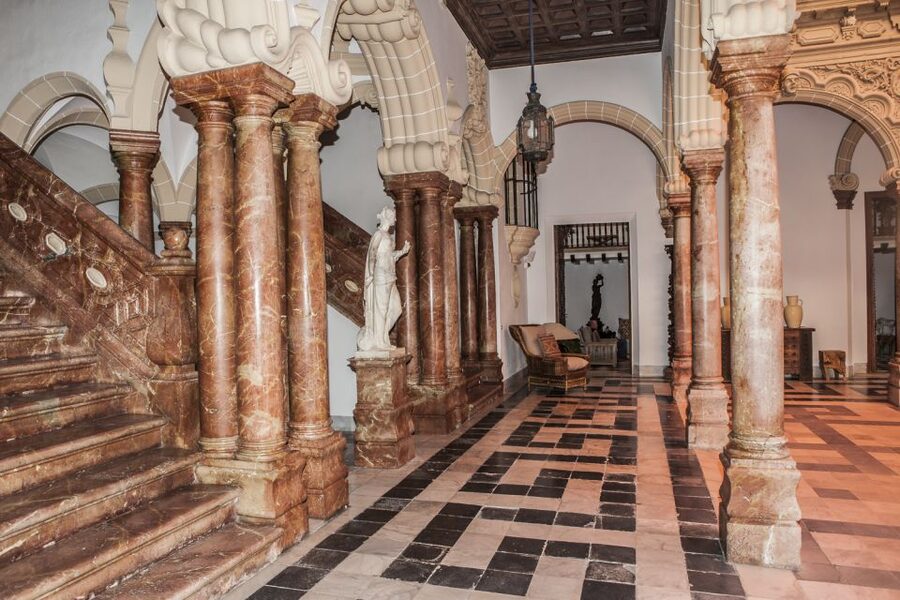
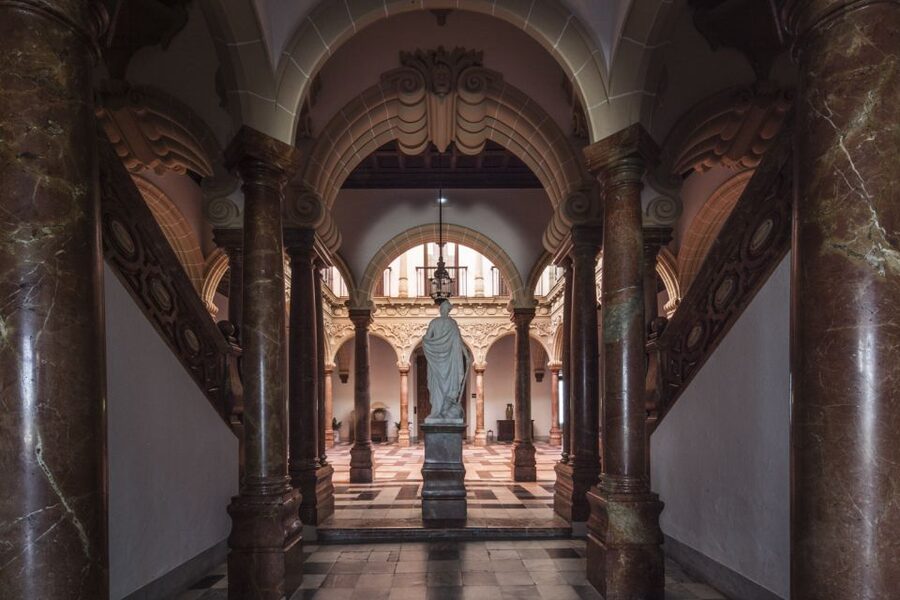
The central courtyard is the architectural heart of the palace. Its Italian marble gives the space a formal, polished appearance, while the surrounding structure shows how the house is organized around an open center.
This courtyard helps you understand the layout better than a decorated room alone would. From here, you can read the palace as a whole: a large urban residence with three levels, balconies, and a careful balance between private rooms and spaces meant to impress.
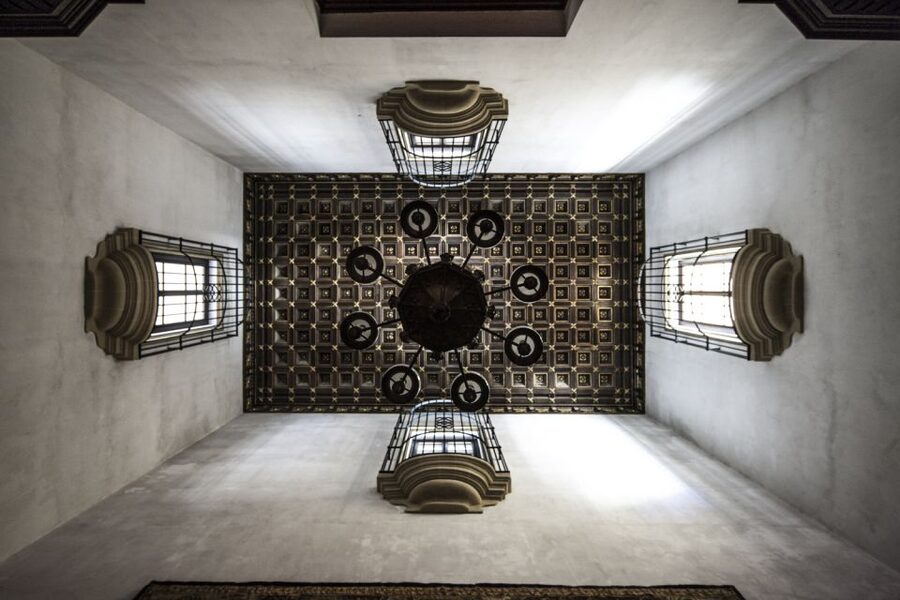
Look up as you move through the courtyard. The balconies are not just attractive details. They connect the rooms with the central space and help explain the palace’s social design. The arrangement allowed the family to live comfortably while also presenting a controlled, elegant image to visitors.
The courtyard is also where the building’s Andalusian character becomes easiest to grasp. The plan is formal, but it still centers on an open interior space. That combination of grand European taste and local architectural practice is what gives the palace its particular appeal.
Rooms Filled With Art and Noble Materials
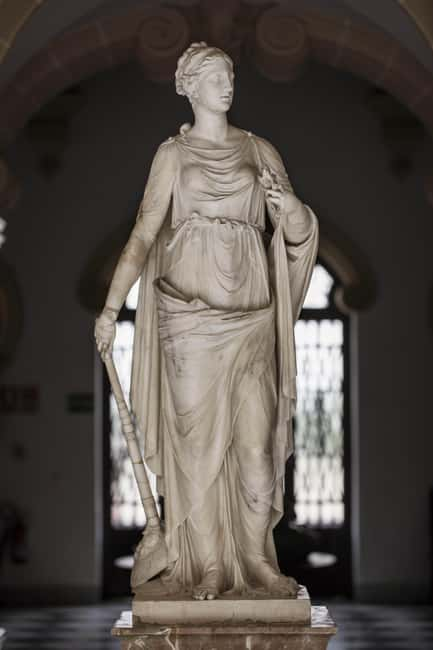
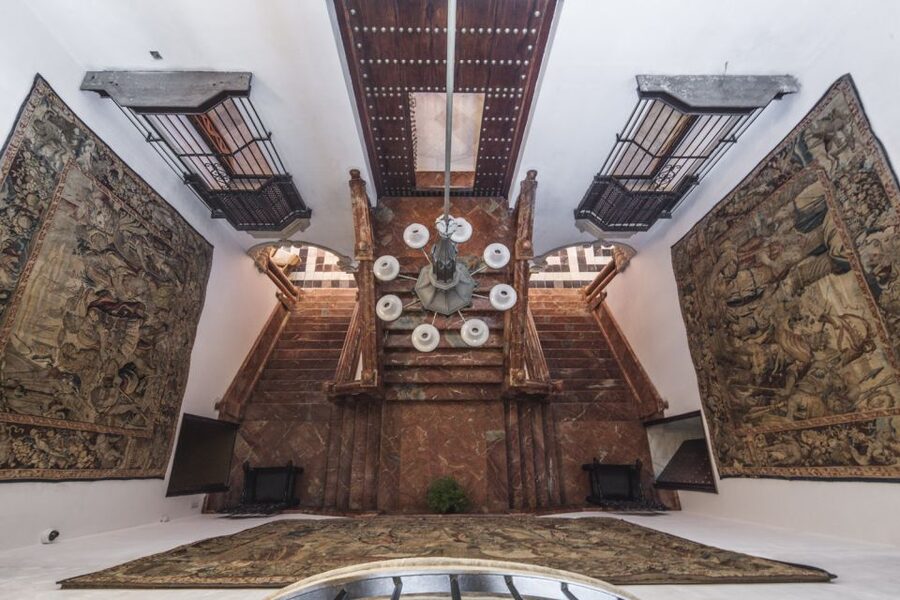
The palace interior includes paintings, tapestries, sculptures, and other fine materials. These details matter because they show how wealth was displayed inside the home, not just on the facade. You are seeing rooms designed to signal refinement and position.
Do not rush past the surfaces. The point is not only to count the individual artworks. Notice how the objects work with the architecture. Decorative materials, sculpture, and wall hangings help create the formal atmosphere expected in a residence built by the city’s upper class.
The supplied information does not identify every artist or object, so you should not expect a specialist art catalogue during the visit. Instead, think of the collection as part of the palace’s larger story. The furnishings and decoration support the building’s role as a home of a powerful family.
Photography is not allowed inside. This rule is one of the main frustrations for some visitors, particularly because the rooms and courtyard are visually striking. I suggest checking your phone and camera before entering so you can focus on the visit rather than repeatedly reaching for a picture you cannot take.
You must also avoid touching the exhibits. Food and drinks are forbidden, and noise is not permitted. These rules are strict, but they protect a historic interior and keep the atmosphere calm.
Same city, another grand address:
- Granada: Alhambra & Nasrid Palaces Tour with Tickets
★ 4.7 · 19,801 reviews - Madrid: Royal Palace Expert Guided Tour with Skip-the-Line
★ 4.7 · 8,407 reviews - Granada: Alhambra & Gardens Tour w/Nasrid Palaces Option
★ 4.2 · 7,022 reviews - Madrid Essential: Historic Center, Plaza Mayor & Royal Palace
★ 5.0 · 6,416 reviews
Balconies With a Wider View of Jerez
The palace’s balconies are among its most appealing features. They give the building a strong street presence and offer some of the best views associated with the visit. The information provided does not specify exactly which parts of the city are visible from every balcony, so keep your expectations sensible, but you should have opportunities to look beyond the palace itself.
These balconies also help you picture the social position of the original owners. A grand balcony is both an architectural feature and a public statement. It faces the city and places the household visibly within it.
I like this part of the visit because it connects the interior with Jerez outside. The palace is not an isolated historic shell. Its architecture reflects the city’s commercial success and the families who benefited from the wine trade.
If you have already spent the morning walking through Jerez’s streets, the balconies provide a useful pause. You can look outward and consider how an 18th-century household would have occupied this prominent urban setting.
How the Audio Guide Shapes the Visit
The audio guide is included in the ticket price, and you can use it in English, Spanish, or French. For an independent visit, that is helpful. You are not left to guess why the family mattered or how the building fits into Jerez’s past.
The best use of the guide is to listen for the links between architecture, family history, and the wine business. The palace is more meaningful when you understand it as a symbol of economic and social influence rather than simply an old mansion.
Still, an audio guide has limits. It cannot respond to your questions, adjust its pace, or point out something you happen to notice. Some visitors have found the commentary dull, so I would not book this experience if you strongly dislike recorded narration.
An English-language user found the commentary good through the earphones, which suggests that the translation and delivery can work well for many international visitors. Your experience will depend partly on how much you enjoy listening while looking. If you prefer to wander quietly and form your own impressions, the commentary may feel like extra work.
Is $17 a Fair Price?
The listed price is $17 per person. For a 45-minute palace visit, that is not a bargain in the usual sightseeing sense. You are paying for access to a distinctive historic interior, the audio guide, and the chance to see a building that has few direct equivalents in Jerez.
The value improves if you care about architecture, local social history, or the connection between Jerez’s wine trade and its wealthy families. The palace offers something different from a standard bodega visit. You see the world around the wine business rather than the production process itself.
The value is weaker if you expect a wine tasting, a long guided tour, or extensive museum displays. None of those are included. One comment described a price of €25 for an audio-guided visit, so check the current amount when booking if your price differs from the $17 figure given here.
I would compare the ticket with your full Jerez plans. If your day already includes several paid interiors, you may decide that 45 minutes is not enough for another admission fee. If this is your main architectural stop, the palace gives you a focused look at a rare type of Jerez residence.
Who Will Enjoy Palacio Domecq Most?
I would recommend this visit to you if you enjoy old houses, decorative arts, and the relationship between business wealth and urban architecture. It is especially useful if you want something connected to Jerez’s wine identity without spending another hour inside a cellar.
The palace also suits people with limited time. A 45-minute visit is easy to place in a busy itinerary, and the compact format means you do not need to plan a full morning around it.
You may want to skip it if you need an active, highly social tour. The palace does not include a live guide, tasting, or hands-on activity. The audio format asks you to set your own pace and pay attention to the building.
Photography enthusiasts should think carefully before booking. Interior photography is not allowed, and that rule may be a deal-breaker if recording your visit is important to you.
The palace is wheelchair accessible, but there is an important condition: tickets for wheelchair access must be purchased at least 24 hours in advance because of logistical arrangements. Do not assume that buying a ticket at the last minute will provide the same access.
The experience is not considered suitable for people with visual or hearing impairments. That may seem surprising with an audio guide and accessible facilities, but it is part of the stated visiting information and should be taken seriously when planning.
Practical Details Before You Go
Bring your passport or ID card. Even for a short sightseeing visit, you need an accepted identity document with you.
Leave baby strollers, large bags, and luggage behind. Pets are not allowed, though assistance dogs are permitted. Smoking, alcohol, drugs, food, and drinks are prohibited inside.
Unaccompanied minors are not allowed. Children must therefore visit with an accompanying adult, and the quiet rules may make the palace a better fit for children who can manage a calm, careful setting.
Wear something comfortable enough for a short walking visit, but the key preparation is mental rather than physical. You are entering a protected historic home, not a casual attraction. Keep your hands away from the exhibits, keep noise low, and plan to enjoy the rooms without taking pictures.
The easiest arrival plan is to go directly to the Palacio Domecq main entrance with your ticket ready. Since the entrance arrangements have caused some confusion, allow a little extra time to locate the door and check the opening slot you selected.
Should You Book the Palace?
Book Palacio Domecq if you want a concise look at Jerez’s 18th-century wine society, admire Baroque interiors, and appreciate a marble courtyard, decorative art, and grand balconies. The English audio guide can give the visit useful context, and the 45-minute format is convenient.
Skip it if you mainly want wine tasting, a live guide, or permission to photograph the interior. The audio presentation may feel slow to you, and the ticket price is a little high for a short visit unless the palace itself is a priority.
My call: book it as an architecture and local-history stop, especially if you are already exploring Jerez’s wine culture. Treat it as a focused palace visit, not a complete wine experience, and you will have a clearer idea of what your $17 is buying.
FAQ
How long does the Palacio Domecq visit last?
The visit lasts approximately 45 minutes.
What languages are available for the audio guide?
The audio guide is available in Spanish, English, and French.
Is the palace wheelchair accessible?
Yes, the palace is wheelchair accessible. For logistical reasons, wheelchair-accessible tickets must be purchased at least 24 hours in advance.
Can I take photographs inside Palacio Domecq?
No. Photography inside the palace is not allowed.
What should I bring to the palace?
Bring your passport or ID card. You should not bring food, drinks, luggage, large bags, baby strollers, or pets. Assistance dogs are allowed.
Is the ticket refundable?
No. This activity has a non-refundable cancellation policy.
Newly added in Spain
- Alhambra Guided Tour with Generalife Gardens★ 3.5 · 216 reviews
- Alhambra Ticket and Guided Tour with Nasrid Palaces★ 4.5 · 81 reviews
- Tickets : Alhambra and Nasrid Palaces Granada Last-Minute★ 3.5 · 149 reviews
- Walking tour in Alhambra, Nasrid Palaces and Generalife★ 3.0 · 135 reviews
- Grenada: Flamenco Palace, the best show in the center★ 5.0 · 96 reviews
- Alhambra Private Tour: Nasrid Palaces and Generalife★ 5.0 · 81 reviews
- Alhambra Tour and Nazaries Palaces with Hammam Massage Experience★ 4.0 · 106 reviews
- Private Walk of the Alhambra and Nasrid Palaces★ 5.0 · 4 reviews
Palace Entry Tickets, compared.

Buckingham Palace: The State Rooms Entrance Ticket
Read our review →
Prague Castle and Lobkowicz Palace Entry Tickets
Read our review →Browse the lists this tour appears in