
Review · PALACE ENTRY TICKETS
Buenos Aires: Palacio Barolo Entry Ticket and Guided Tour
Palacio Barolo is not just another old building in Buenos Aires. Its design follows the structure of Dante Alighieri’s Divine Comedy, and the tour carries you from its decorated interior up to a lighthouse with wide views over the city. I like the unusual literary idea behind the architecture and the chance to see both Art Nouveau and Art Deco details in one visit.
The bilingual guides make the experience easy for English and Spanish speakers, with guides such as Ana, Roxy, Martina, and Silvina praised for clear explanations and a friendly manner. The main catch is physical: an elevator reaches the 14th floor, but the final eight floors require narrow stairways, so this is not a good choice for anyone with mobility limits or serious discomfort in tight spaces.
Key points to know before you book
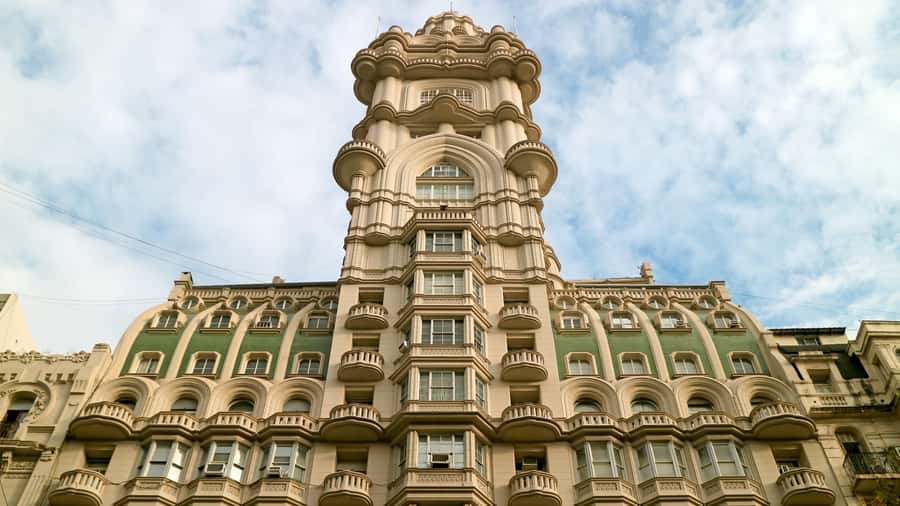
- Dante shapes the building: Palacio Barolo’s layout and decoration draw on The Divine Comedy, giving the tour more substance than a simple architectural walk.
- The lighthouse is the payoff: After reaching the upper levels, you get broad views across Buenos Aires from the summit and terrace.
- The final climb is demanding: The elevator stops at the 14th floor. The last eight floors are reached on foot through narrow spaces.
- Spanish and English are both used: Live guides explain the tour bilingually and leave room for questions.
- Sunset is a smart time to go: The late-day light can make the city views especially rewarding.
- Book several days ahead: Availability is limited, and next-day bookings may be cancelled if no places remain.
Why Palacio Barolo is worth 90 minutes
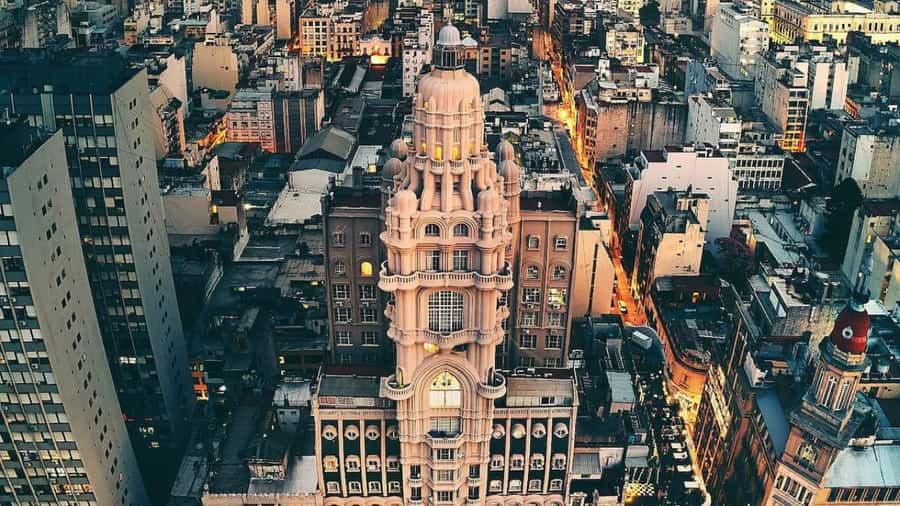
Buenos Aires has plenty of grand buildings, but Palacio Barolo offers a clear idea to follow. Italian architect Mario Palanti designed the building around images and themes from Dante’s Divine Comedy. The tour is therefore about more than façades, offices, and decorative ceilings. You are tracing a story through stone, light, height, and symbols.
That literary connection is useful even if you have never read Dante. Your guide helps explain how the building’s lower, middle, and upper sections relate to the poem. You can focus on the design itself, while the guide supplies the background that makes the details easier to notice.
I also like that this is a compact activity. In 90 minutes, you see the decorated interior, hear about the building’s construction and later development, and reach the upper levels. It fits neatly into a day of sightseeing around central Buenos Aires without taking over your schedule.
Still, the short format means you should not expect an exhaustive architectural course. One visitor found the ticket expensive for the number of floors open to the tour. That is a fair concern at $67 per person. The value depends on what you want: if you care about unusual architecture and city views, the price is easier to justify. If you mainly want access to a tall building, it may feel high.
More Palace Entry Tickets in the world:
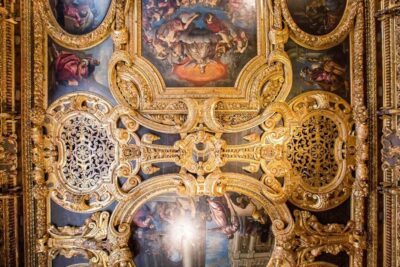
- Venice: Doge’s Palace Reserved Entry Ticket
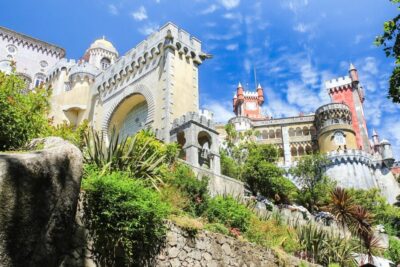
★ 4.6 · 42,716 reviews - Sintra: Pena Palace and Park Entrance Ticket
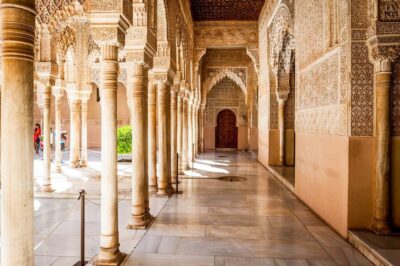
★ 4.2 · 17,410 reviews - Granada: Alhambra and Nasrid Palaces Entry Ticket
★ 4.6 · 15,130 reviews
Starting inside the Art Nouveau and Art Deco rooms
You meet at the entrance to Palacio Barolo and show your ticket there. Transportation is not included, so you make your own way to the building. The skip-the-line entry is helpful, especially if you are trying to keep a busy Buenos Aires sightseeing day on schedule.
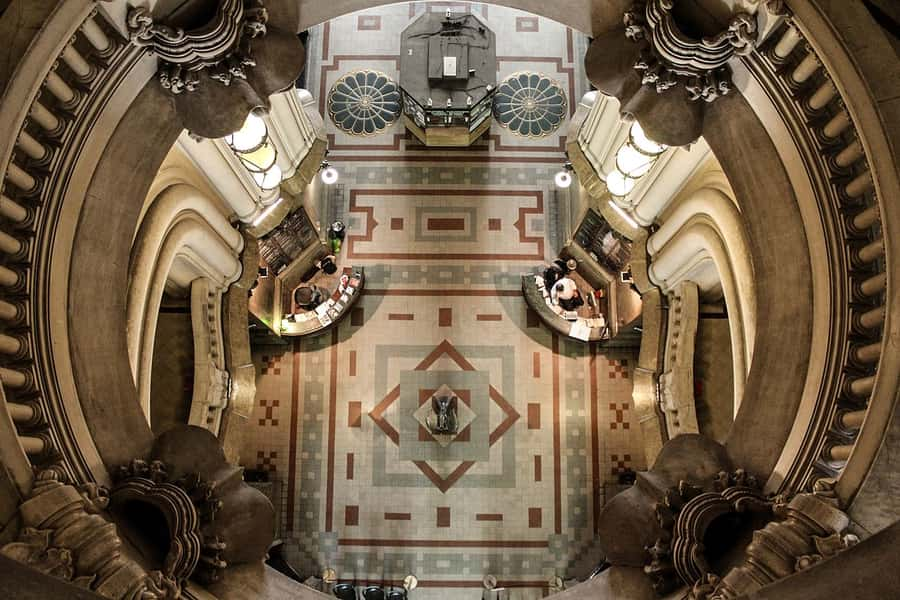
Once inside, the first part of the tour focuses on the building’s design and decoration. Look for the mix of Art Nouveau curves and ornamental touches alongside Art Deco geometry and order. The combination gives the rooms a layered look rather than a single, tidy style.
Your guide explains how the building was planned and constructed, and how it changed over time. Veronica, for example, has been praised for giving a clear sense of the design, construction, and later development. That context matters because the decoration can otherwise seem like a collection of attractive details without a larger purpose.
The interior is the best part for travelers who enjoy visual clues. Corridors, halls, and decorative features connect to the building’s larger concept. You might find that the guide’s explanations help you notice symbols and patterns that would be easy to miss on your own.
The tone is generally conversational rather than academic. Guides have been described as entertaining, patient, and open to questions. English is available alongside Spanish, and several guides have been singled out for switching between the two languages in a clear way. The exact guide depends on the departure, but names associated with this experience include Ana, Roxy, Cecilia, Martina, and Silvina.
Following the Divine Comedy connection
The Dante theme gives Palacio Barolo a useful structure. The building is often discussed through the three-part framework of The Divine Comedy, moving from darker lower ideas toward the upper reaches and light. Your guide connects the building’s height, decoration, and symbols to that plan.
This is where the tour becomes more than a photo stop. You are not simply looking at an attractive early 20th-century building. You are learning why it was designed in such a particular way and how literature shaped the architect’s choices.
Do not book this expecting a detailed reading of Dante’s poem. The focus remains on the building, its architect, its owners, and its place in Buenos Aires. One visitor noted that the tour gave more attention to architecture and business figures than to the book itself. I consider that a useful expectation to set. The literary connection is the organizing idea, but architecture gets most of the attention.
The guides also add human warmth. Silvina has been praised for including everyone in a bilingual group and helping late arrivals catch up. Another guide offered to take photographs for a visitor whose companion did not make the roof climb. Those small touches are valuable on a guided tour because they make it easier to follow along without feeling rushed or left out.
Reaching the 14th floor by elevator
The elevator takes you as high as the 14th floor. This makes much of the visit manageable for people who can use stairs but prefer not to climb the entire building. Once you reach this level, the tour continues on foot.
The upper section changes the feel of the experience. The lower rooms are about decoration and design. Above, the building becomes narrower and more focused on the climb and the views. You begin to understand how the structure’s height contributes to its meaning.
You should wear comfortable shoes. The final part involves stairs and narrow passages, and the spaces are not suitable for everyone. The activity is specifically not recommended for people with mobility impairments. It may also be uncomfortable if you are claustrophobic or afraid of heights.
There is some flexibility at the top. A visitor who did not want to continue could wait on a lower floor in a shop. The shop owner, Fernanda, was described as welcoming. This does not remove the need to check your own limits, but it means you may be able to enjoy most of the tour without completing the final climb.
Ask your guide before setting out if you are unsure. You do not want to reach the narrow section and discover that the final climb is beyond your comfort level.
More Palaces to Tour in the world:
- Paris: Versailles Palace and Gardens Full Access Ticket
★ 4.6 · 41,579 reviews - Granada: Alhambra & Nasrid Palaces Tour with Tickets
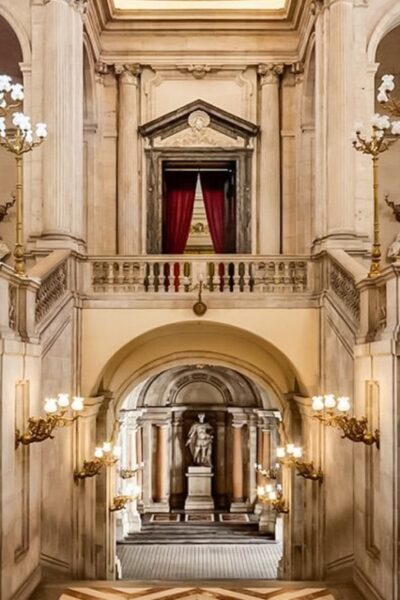
★ 4.7 · 19,801 reviews - Madrid: Royal Palace Fast-Access Admission Ticket
★ 4.6 · 13,856 reviews - Doge’s Palace & St. Mark’s Basilica with Terrace Access Tour
★ 4.7 · 10,697 reviews
The lighthouse and Buenos Aires from above
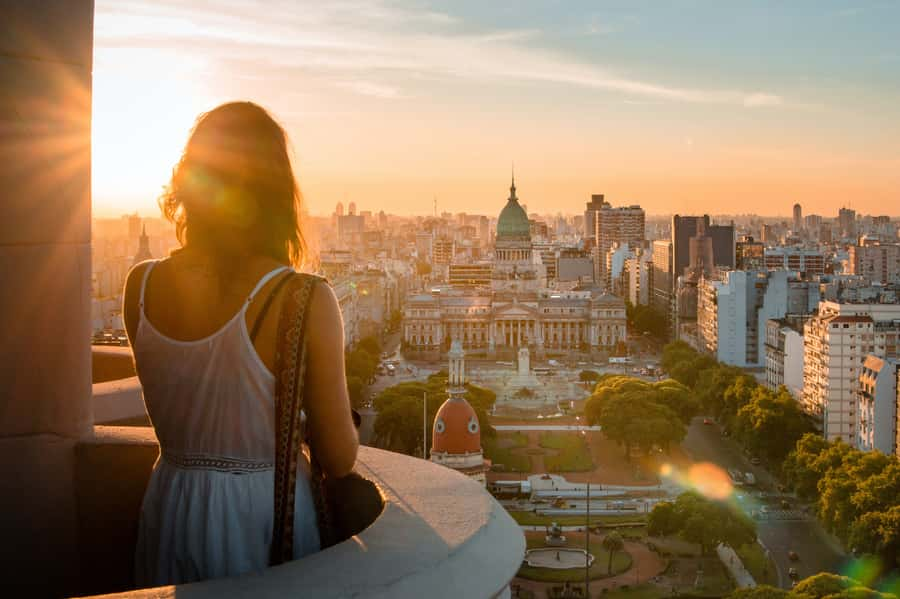
The lighthouse is the clear high point of the experience. At the summit, you get a 360-degree view across Buenos Aires, including streets, landmarks, and the broad spread of the city. The building’s unusual design makes the viewpoint feel more distinctive than a standard observation deck.
The terrace and lighthouse provide the strongest photo opportunities. Bring your camera or phone, but keep your attention on the view as well. You can look across the city from several angles, and the height gives you a better sense of how the central streets fit together.
Sunset is particularly appealing. A late-day visit can add warm light to the rooftops and make the climb feel worthwhile. The timing is not guaranteed, since starting times depend on availability, so check the schedule before booking if sunset matters to you.
The lighthouse was once the tallest structure in South America, which adds historical interest to the view. You are not only looking out from a high point. You are standing in a part of Buenos Aires that once represented the city’s ambition and modern outlook.
The climb does have a practical downside. The upper stairways are narrow, and the final eight floors require physical effort. If you mainly want the panorama, the 14th-floor terrace or waiting area may be enough, but the most striking views come from continuing to the lighthouse.
What the bilingual guiding is like
The tour is offered in Spanish and English, with a live guide rather than an audio recording. That makes a difference inside a building where details are easy to overlook. You can ask for clarification and follow the story at a natural pace.
The strongest guide reports point to a style that is friendly, clear, and well prepared. Roxy has been praised for speaking both languages, explaining the building with energy, and answering questions. Martina was noted for combining architectural information with engaging storytelling. Ana was described as kind and attentive during a bilingual tour.
Language ability can vary slightly from one guide to another, but English and Spanish are part of the advertised service. If you arrive late because of city traffic, speak with the guide as soon as you enter. One group was still brought into the discussion after arriving about 10 minutes late, though arriving on time is the safer plan.
A group may include both English and Spanish speakers. That can make the tour take a little longer in certain rooms, but it also lets you hear the building explained from two cultural and linguistic angles. The 90-minute length keeps the experience from becoming tiring, though you should expect a steady amount of standing and walking.
Is $67 good value?
At $67, this is not a bargain attraction. The ticket covers entry and the guided bilingual tour, but not transportation. You are paying for access to a distinctive building, a structured explanation of its design, and the climb to a view that you cannot get from the street.
I think the price makes the most sense for three types of visitor. First, architecture fans get a detailed look at styles and planning. Second, anyone who enjoys literary connections gets a physical interpretation of The Divine Comedy. Third, photographers and people looking for a city panorama get a memorable final stop.
The value is weaker if you dislike guided visits, have no interest in architecture, or cannot climb the upper stairs. You might see attractive rooms, but the experience is built around the explanation and the ascent. Since the lighthouse is a major part of the appeal, check the physical requirements before paying.
The strong overall rating of 4.3 from 193 reviews supports the idea that the tour usually delivers a well-organized visit. Still, the positive comments focus most heavily on the guides, the views, and the building itself. The one clear criticism concerns the cost compared with the number of floors accessible. Keep both points in mind.
Booking, timing, and what to bring
Book a few days ahead. Availability is limited, and bookings made only one day before the tour may not be confirmed. Confirmation can take up to 48 hours and depends on available places. A maximum of five tickets can be reserved in one booking.
You can reserve now and pay later, which helps if your Buenos Aires plans are still shifting. You can also cancel up to 24 hours before the activity for a full refund. Those terms reduce the risk of booking early, which is useful here because early booking is recommended.
Bring your passport or ID card and wear comfortable shoes. The identity document is listed as something to bring, so keep it accessible rather than buried in your luggage. Comfortable footwear matters most once the elevator ride ends and the stair climb begins.
There is no included transport. Plan your route to Palacio Barolo separately and allow enough time to arrive at the entrance before the start. You show your ticket there, so you do not need to find a separate tour office.
Who should book Palacio Barolo?
I would choose this tour if you enjoy buildings with a strong idea behind them. The Dante connection gives the visit focus, while the interior decoration and lighthouse keep it visual and active.
It also suits first-time visitors who want a quick lesson in Buenos Aires architecture without committing to a half-day museum visit. The 90-minute length is easy to fit between other plans, and the bilingual format works well for mixed-language groups.
Families with older children may enjoy the symbols, climb, and views, provided everyone can manage the stairs. It is less suitable for anyone with limited mobility, a strong fear of heights, or discomfort in narrow passages.
FAQ
How long does the Palacio Barolo tour last?
The guided visit lasts 90 minutes.
Is the tour offered in English?
Yes. The tour has a live bilingual guide in Spanish and English.
What does the ticket include?
The ticket includes entry to Palacio Barolo and the guided bilingual tour. Transportation is not included.
Can I reach the lighthouse by elevator?
The elevator reaches the 14th floor. The final eight floors must be climbed by stairs through narrow spaces.
What should I bring?
Bring your passport or ID card and wear comfortable shoes.
Can I cancel the booking?
Yes. You can cancel up to 24 hours in advance for a full refund. You can also reserve now and pay later, subject to availability.
Should you book this tour?
Book it if you want more than a street-level look at Palacio Barolo. The building’s Dante-inspired plan, mixed Art Nouveau and Art Deco decoration, bilingual guiding, and lighthouse views make this a distinctive 90-minute stop in Buenos Aires.
I would skip it if $67 feels high for a short visit, or if the eight-floor stair climb is not practical for you. For everyone else, book several days ahead and aim for a late-day departure if the schedule allows. The view from the lighthouse is the payoff, but the story told on the way up is what makes the visit worth remembering.
Newly added in the world
- Óbidos historic village and Mafra Palace Private Tour★ 5.0 · 34 reviews
- Private Tour Sintra Palaces and Scenic Landscapes★ 5.0 · 3 reviews
- Lisbon: Pena Palace, Cabo da Roca, Cascais private tour★ 5.0 · 44 reviews
- Óbidos – Nazaré – Mafra (National Palace of Mafra)Private tour from Lisbon★ 5.0 · 2 reviews
- National Palace and Gardens of Queluz: E-ticket with Audio Guide★ 3.5 · 6 reviews
- Half day Sintra PRIVATE TOUR Pena Palace + Roca Cape (2-6people)★ 5.0 · 3 reviews
- From Lisbon Sintra Highlights Tour – Pena, Regaleira & Monserrate★ 5.0 · 79 reviews
- Mafra and Sintra: Choose 3 of 6 Palaces to visit on private tour★ 5.0 · 26 reviews
Palace Entry Tickets, compared.
Buckingham Palace: The State Rooms Entrance Ticket
Read our review →
Prague Castle and Lobkowicz Palace Entry Tickets
Read our review →Browse the lists this tour appears in