
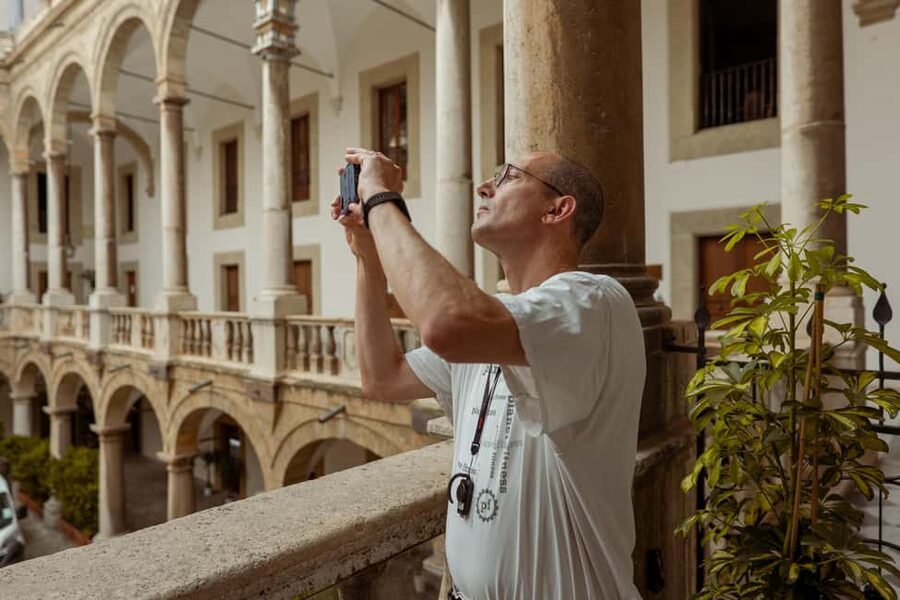
Review · PALACE WALKING TOURS
Palermo: City & Palazzo dei Normanni Guided Walking Tour
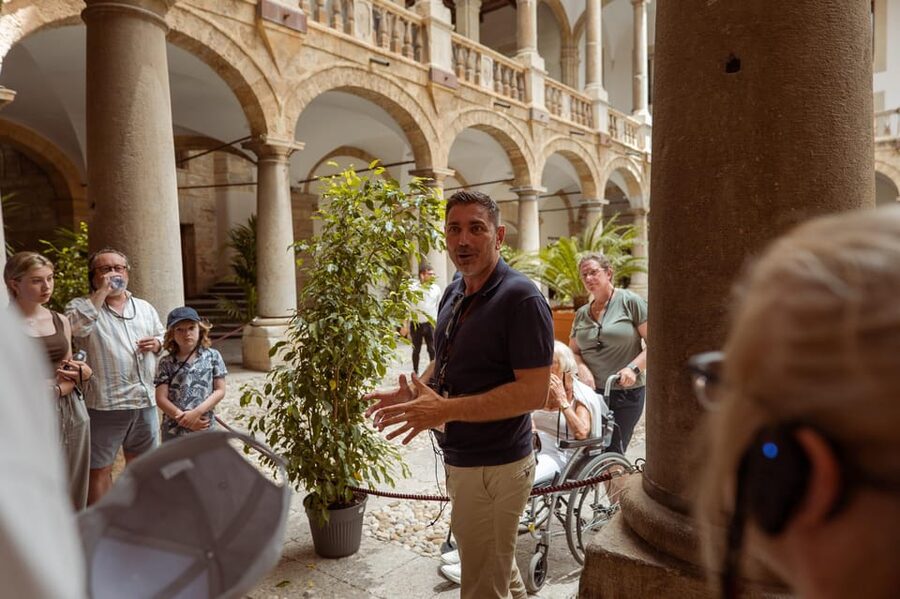
Palermo’s greatest showpiece is the Palatine Chapel, where gold mosaics, Byzantine art, Islamic design, and Norman power meet under one roof. This tour pairs that spectacular interior with a long walking route through the city center, so you see both Palermo’s grand monuments and its street-level character.
I like the small-group city walk and the included Sicilian treat, either cannolo or granita. Guides Renata, Stefania, and Debora have earned especially strong praise for clear English, humor, useful recommendations, and lively stories. The main consideration is the length: 5.5 hours on foot is a lot, and the tour is not suitable for wheelchair users or people with mobility impairments.
Key points to know before booking
- The Palatine Chapel is the main event: Expect glittering mosaics and a remarkable mix of Norman, Byzantine, and Islamic artistic traditions.
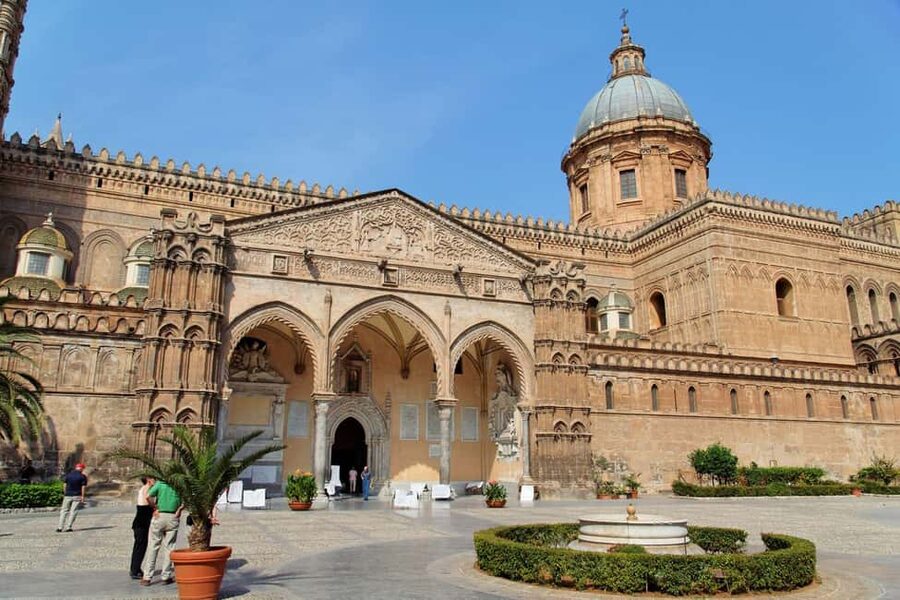
- The route covers Palermo’s essential center: You pass Teatro Massimo, Vucciria Market, Quattro Canti, Piazza Pretoria, the Martorana Church, and Palermo Cathedral.
- Your guide matters here: Renata, Stefania, and Debora are praised for clear English, strong historical knowledge, humor, and practical suggestions.
- A Sicilian snack is included: Take a break at a local café for a cannolo or granita.
- The tour is split between two meeting points: Start at Towns Cooking School, then meet again at Piazza del Parlamento for the Norman Palace visit.
- Plan for a full morning or afternoon: The tour lasts 5.5 hours, runs in rain or shine, and requires comfortable shoes and a hat.
Why the Palatine Chapel makes this tour worthwhile
Palermo can feel scattered at first. Its grand churches, markets, squares, and palaces sit within a compact center, but the stories behind them cross centuries and cultures. A good guide helps you connect the pieces instead of treating each monument as an isolated photo stop.
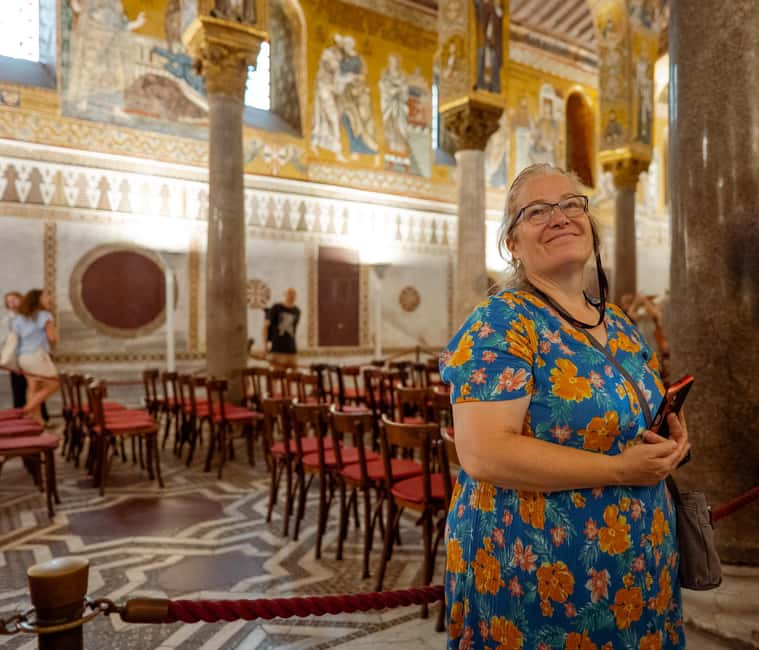
The Palatine Chapel gives the second half of the tour a strong payoff. It was built as part of the Norman Palace, the oldest royal residence in Europe, and reflects Sicily’s unusual medieval mix. Norman rulers commissioned a chapel filled with Byzantine-style mosaics while working within a city shaped by earlier Islamic culture.
You will see gold-covered surfaces, religious scenes, and architectural details that reward a slow look. The appeal is not only visual. The chapel shows how Sicily’s rulers used art and architecture to express authority, faith, and cultural connection.
The palace visit also includes the gardens. That gives you a quieter change of pace after several hours among Palermo’s streets and major monuments. On some days, the Royal Apartments may also be included, although that cannot be promised because the Norman Palace is a government venue and may close for official events or meetings.
More Palace Walking Tours in Italy
- Venice: Doge’s Palace and St Mark’s Basilica Walking Tour
★ 4.4 · 6,291 reviews - Venice: Walking tour, Doge Palace, & St. Mark’s Basilica
★ 4.5 · 884 reviews - Venice: Skip-the-Line Doge’s Palace & Basilica Walking Tour
★ 4.6 · 294 reviews
Starting at Towns Cooking School and Teatro Massimo
The first meeting point is Towns Cooking School at Via Volturno 44. Arrive 15 minutes early. You are responsible for reaching the meeting point, and late arrivals cannot be accommodated.
From there, the walk heads toward Teatro Massimo, Palermo’s famous opera house. The tour passes by rather than offering a theater performance or interior visit. Even from outside, it gives you a useful sense of the city’s grand public architecture and the scale of Palermo’s central district.
A guide can also help you get your bearings here. Teatro Massimo sits near several major streets and historic quarters, making it a natural starting point for understanding how modern Palermo overlaps with its older core.
From Saint Dominic to the Vucciria Market
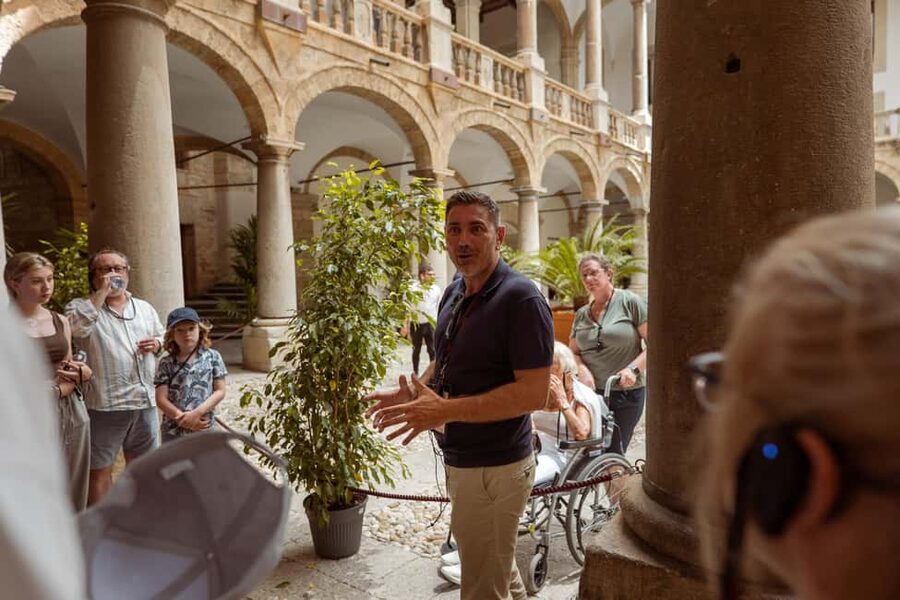
The next stops bring you closer to Palermo’s religious and everyday life. At the Church of Saint Dominic, you receive a guided explanation while passing by. The church is part of the city’s long religious story, but this tour does not present it as a full interior visit.
The route then continues to Vucciria Market. This is an important change of mood. Palermo is not only a collection of palaces and churches. Markets show how the city works at street level, and Vucciria gives the walking tour a more local, less polished feel.
The exact market atmosphere can vary by time and day, so keep expectations sensible. The itinerary identifies it as a guided stop and pass-by, not a dedicated food tour or market tasting session. Still, it helps break up the formal monuments and gives your guide a chance to explain how Palermo’s public spaces have changed over time.
Martorana Church and the city’s mixed traditions
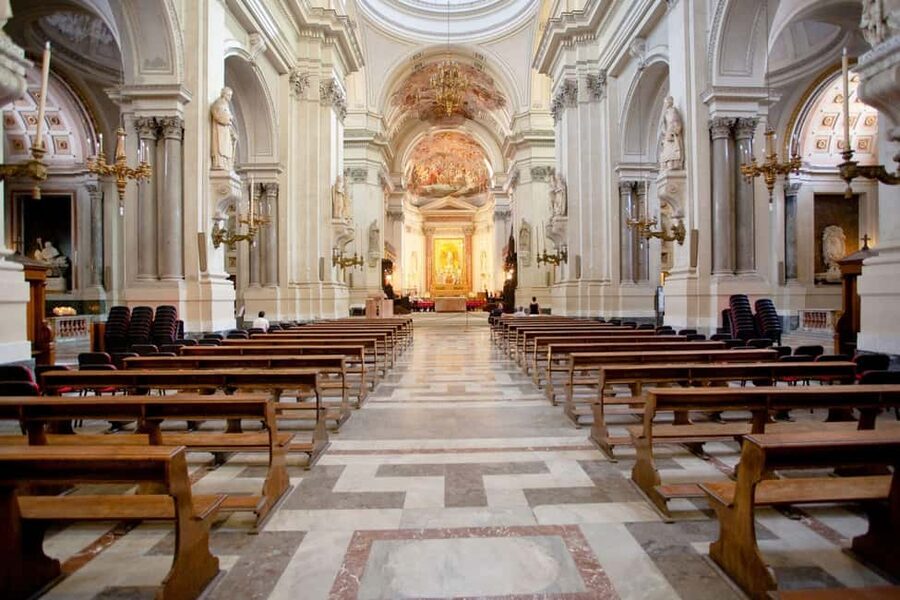
The Martorana Church is another guided exterior stop. Its presence on the route matters because Palermo’s religious architecture often reflects more than one period or artistic tradition.
The city’s monuments are best understood as layers rather than tidy chapters. Norman rule, Byzantine religious art, Islamic building methods, and later Baroque decoration all appear across Palermo. You may not enter every church on this walk, but your guide can point out how those influences show up in façades, domes, stonework, and urban plans.
This is one reason the tour works better with a guide than with a quick map-based walk. You are not simply counting buildings. You are learning what to look for.
Same city, another grand address:
- Venice: Doge’s Palace Reserved Entry Ticket
★ 4.6 · 42,716 reviews - Doge’s Palace & St. Mark’s Basilica with Terrace Access Tour
★ 4.7 · 10,697 reviews - Legendary Venice: Doge’s Palace, St Mark’s & VIP Terrace Access
★ 4.5 · 5,033 reviews - Florence: Palazzo Vecchio Entrance Ticket & Audioguide
★ 4.4 · 4,822 reviews
Piazza Pretoria and Quattro Canti
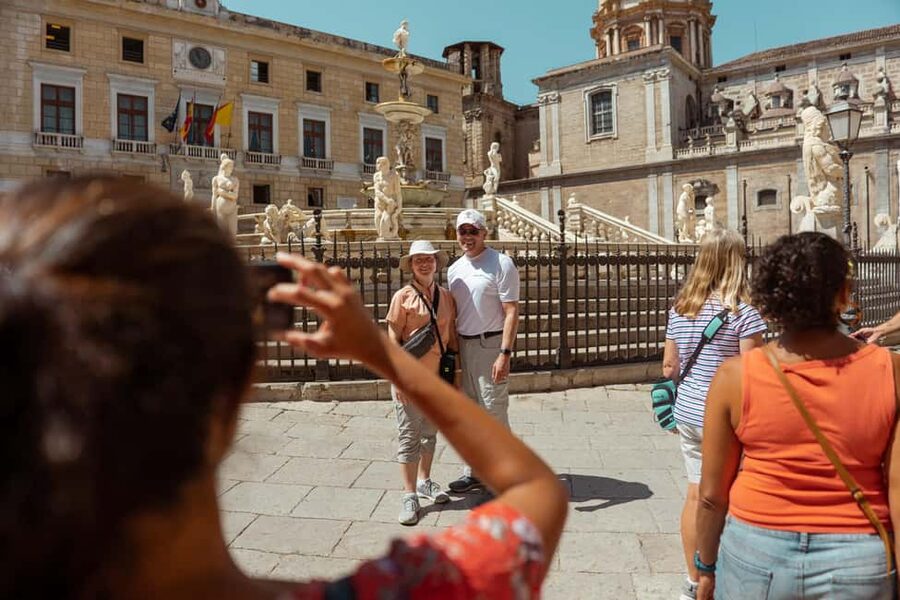
Piazza Pretoria is one of the tour’s most photogenic stops. Its center is occupied by an elaborate marble fountain, with the historic Praetorian Palace nearby. The setting gives you a concentrated look at Palermo’s civic architecture and the city’s taste for dramatic public spaces.
Your guide leads the visit and explains the square rather than leaving you to admire it without context. Take a moment to look at the fountain from different angles. The details are easy to miss when the square is busy with people taking pictures.
Quattro Canti provides another strong city-center viewpoint. This intersection is famous for its formal Baroque design and its role as a meeting point between major streets. It is a useful place to understand Palermo’s layout, especially if you plan to explore on your own later.
One useful benefit of this route is efficiency. In a few hours, you reach several of the city’s best-known central sights without spending your first day guessing which streets connect them.
Palermo Cathedral and the included city walk
The Cathedral of Palermo is one of the most important stops, and entrance to the Cathedral is included. The tour description also presents the cathedral as a guided stop and pass-by, so the amount of time spent inside may vary with the schedule and conditions on the day.
The building rewards attention because it shows centuries of architectural change. Its exterior is especially striking, with a form shaped by different periods rather than one single design plan. Your guide helps explain those changes and places the cathedral within Palermo’s wider religious story.
If you want a long, unhurried visit to every part of the cathedral complex, including areas not specifically listed in the tour, you may need to return independently. The strength of this experience is its broad coverage, not unlimited time at one monument.
After the cathedral, the first three-hour city portion reaches its food break. This is a small but welcome part of the day.
Cannolo or granita at a local café
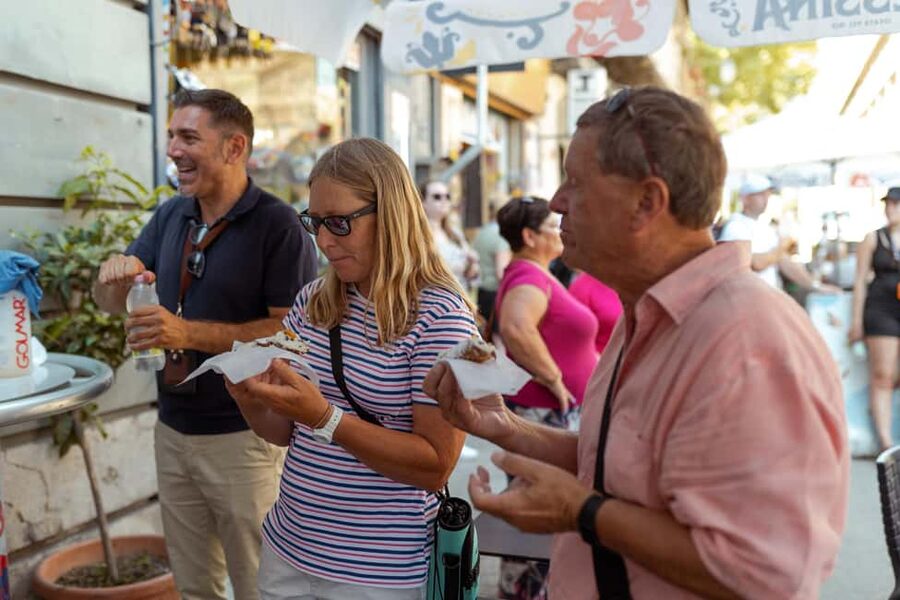
The included café stop gives you a taste of two classic Sicilian treats. You receive either a cannolo or granita, depending on the arrangements on the day.
Cannolo is a crisp pastry tube filled with sweet ricotta-style cream. Granita is a cold, spoonable dessert with a texture closer to a fine ice than a drink. The choice adds a simple food moment to a tour otherwise focused on buildings and history.
One useful detail from the feedback is that the cannolo made a particularly strong impression, with one visitor calling it the best they had eaten. You should not treat that as a guarantee of a particular flavor or café experience, but it does show why the break is more than filler.
The stop also gives your feet a rest before the palace section. After several hours of walking, that matters.
Meeting again at the Norman Palace
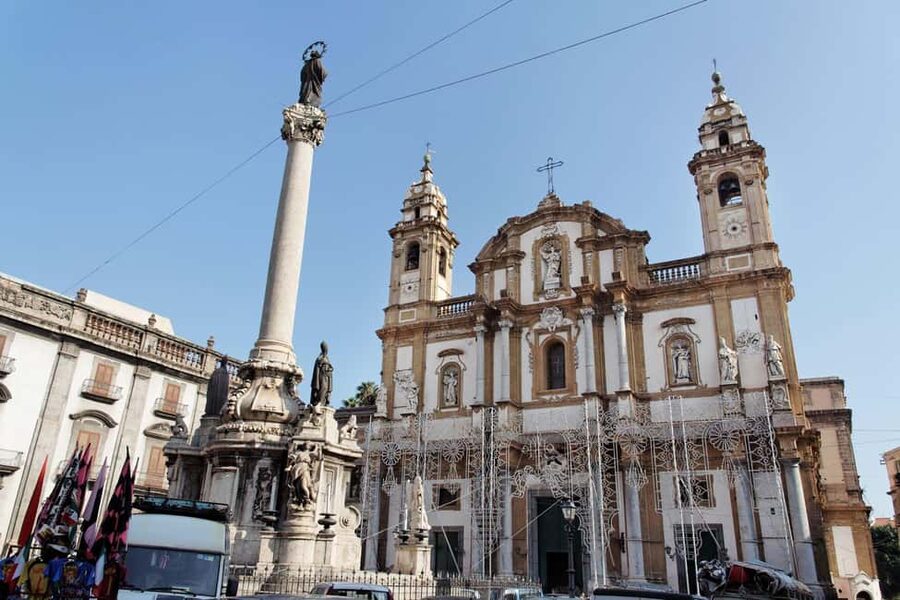
The second part begins at a different location: Piazza del Parlamento, at the main entrance of the Norman Palace. You must reach this meeting point independently and arrive 15 minutes early.
Pay close attention to this split. The morning city walk starts at Towns Cooking School, while the palace visit begins at the Norman Palace itself. The activity does not include transfers between the two meeting points, so you need to allow time to get from one part of central Palermo to the other.
The Norman Palace is still used as a government venue. Official events or meetings can cause the tour to close, so keep this possibility in mind when building a tightly packed schedule. The tour runs in rain or shine, but palace access can be affected by official business.
Inside the Norman Palace
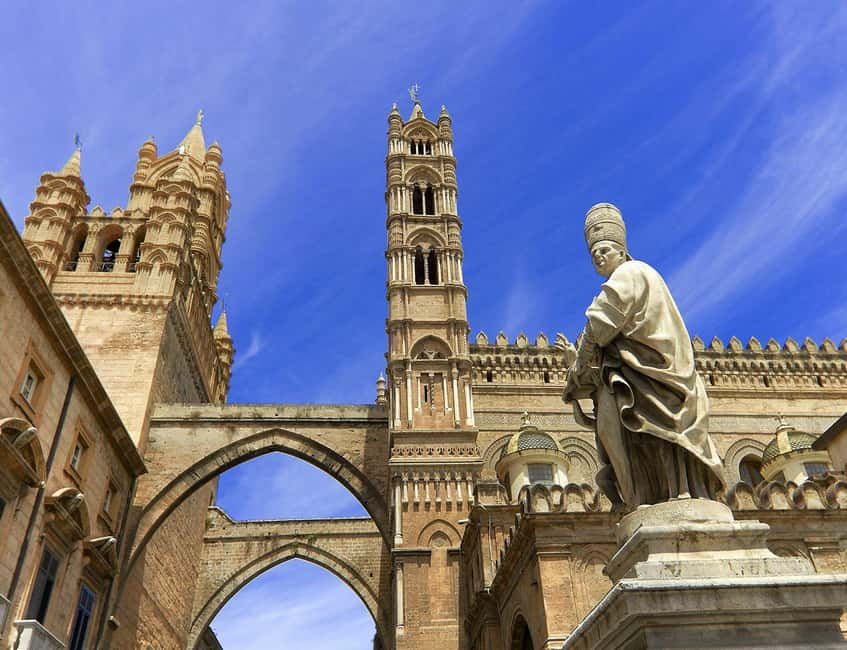
The Norman Palace is the oldest royal residence in Europe and was once the seat of Sicilian kings. That gives the visit real weight, but the building is not valuable only because of its age.
It represents the political importance of Palermo during the Norman period and the way different cultures shaped Sicily’s courtly world. Your guide explains the palace as a working center of power, not just an old stone building.
The guided format is particularly useful here. Large state buildings can blur together when you visit alone, especially if you do not know which rooms or details deserve attention. A live English-speaking guide gives you a narrative to follow and can point out the relationship between the palace and the chapel.
The itinerary includes the palace, gardens, and Palatine Chapel. On some days, the Royal Apartments are also part of the visit. Since government access can change, I would regard those apartments as a possible bonus rather than a guaranteed feature.
The Palatine Chapel’s gold mosaics and cultural mix
The Cappella Palatina is the highlight for most people who choose this combination tour. Its artistic language is unusual and powerful. Byzantine-style religious mosaics sit within a Norman royal chapel, while Islamic influence appears in design details and craftsmanship.
That mixture is what makes the chapel so important. Sicily was not cut off from the wider Mediterranean world. Its rulers and artists worked within a setting shaped by contact among Latin Christian, Byzantine, Islamic, and Norman traditions.
Look up and take your time. The mosaics are designed to command attention, but the smaller architectural details also matter. This is not a place to rush through in search of one famous image.
The chapel can be busy, and the tour’s pace may not allow you to linger as long as you would on an independent visit. Still, the guide’s explanation helps you understand what you are seeing, which can make a fairly short visit much more rewarding.
How the $100 price measures up
At $100 per person, this is not a cheap walking tour. The value depends on how much structure and explanation you want.
You are paying for 5.5 hours, a licensed English-speaking guide, the walking tour, Cathedral entrance, a Sicilian dessert, and tickets with a guided visit to the Norman Palace complex. The palace admission is the largest part of the package’s appeal, since the Norman Palace and Palatine Chapel are the places many first-time visitors most want to understand.
The price makes more sense if you would otherwise book separate city and palace tours. It also saves you the work of planning a route through several central sights and arranging a second visit to the palace.
It may be less attractive if you prefer to wander alone, spend a long time inside each church, or choose your own cafés and food stops. The schedule is fixed, and the first half includes several pass-by stops rather than extended interior visits.
The guide quality is another part of the value. The strongest feedback specifically names Renata, Stefania, and Debora, with praise for clear English, humor, useful anecdotes, and practical recommendations. Guide assignments can change, so you should not book solely on the expectation of one particular person. Still, the repeated emphasis on friendly, well-prepared guiding is encouraging.
Walking demands, weather, and practical planning
Wear comfortable shoes. You will be walking for several hours through the historic center, with a palace visit added afterward. Bring a hat, especially in warmer months, and remember that the tour operates in wet weather as well as sunshine.
The activity is not suitable for wheelchair users or people with mobility impairments. The split meeting points also make it important to plan your route between the two sections rather than assuming the group will provide transportation.
Pets are not allowed. Transfers to or from either meeting point are not included.
You can cancel up to 24 hours before the start for a full refund, and the reserve-now, pay-later option gives you some flexibility while your plans are still changing. Those terms are useful for a busy Sicily itinerary, but they do not remove the need to arrive on time.
Who should book this Palermo tour?
I would choose this tour if you have one full day or half-day available for Palermo’s central sights and want the city to make sense as a connected story. It suits first-time visitors who want major landmarks, a food taste, and the Norman Palace handled in one organized experience.
It is also a good match if you appreciate a guide who adds anecdotes and practical suggestions. The feedback points to especially strong English communication, which matters when discussing complex layers of art, religion, and politics.
I would think twice if you have limited stamina, need step-free access, or want a slow museum-style visit. The 5.5-hour schedule covers a lot, but coverage comes with a brisk pace. You may also prefer an independent visit if your main goal is to photograph one site at length.
Should you book it?
Book this tour if the Palatine Chapel is high on your Palermo list and you want its mosaics explained alongside the city’s main squares, churches, market, and cathedral. The combination gives you a useful first look at Palermo without requiring separate research.
Skip it if you dislike fixed schedules or long walks. For most visitors who want an organized introduction, the $100 price is reasonable because it combines guiding, admissions, a local dessert, and the Norman Palace in one outing. Just wear good shoes, arrive early at both meeting points, and leave some free time afterward for the places you want to revisit on your own.
FAQ
How long does the Palermo city and Norman Palace tour last?
The full experience lasts 5.5 hours. The Palermo historic-center walk takes about three hours before the palace portion.
Where does the walking tour begin?
The walking tour begins at Towns Cooking School, Via Volturno 44, 90138 Palermo.
Where does the Norman Palace portion begin?
Meet the guide at Piazza del Parlamento, at the main entrance of the Norman Palace.
Do I need to reach both meeting points myself?
Yes. Transfers to and from the meeting points are not included, and you are responsible for arriving independently.
Is entrance to Palermo Cathedral included?
Yes. Cathedral entrance is included, along with the guided city walk.
What food is included?
You receive a typical Sicilian cannolo or granita at a local café.
Does the tour include the Palatine Chapel?
Yes. The package includes tickets and a guided visit to the Palatine Chapel as part of the Norman Palace complex.
Can the Royal Apartments be included?
On some days, the Royal Apartments are also included. They are not guaranteed for every departure.
Is the tour suitable for wheelchair users?
No. The activity is not suitable for wheelchair users or people with mobility impairments.
Newly added in Italy
- Isola Bella’s palace and gardens with a private local guide★ 5.0 · 6 reviews
- Viterbo Private City Tour including Popes Tombs Conclave Palace and Duomo★ 4.5 · 3 reviews
- The Renaissance Gardens tour: Palazzo Farnese and more★ 5.0 · 5 reviews
- the Medici family in Florence: Palazzo Medici and Medici Chapels★ 4.5 · 10 reviews
- FLORENCE: Uffizi Gallery + Palazzo Vecchio monolingual Guided Tour – Small Group★ 5.0 · 9 reviews
- Palazzo Vecchio Tales – into Medici’s secrets and mythology simbols★ 5.0 · 18 reviews
- The Pitti Palace private tour: Splendours of the Royal Residence★ 5.0 · 4 reviews
- Uffizi and Palazzo Vecchio Combo Private Tour★ 5.0 · 3 reviews
Palace Walking Tours, compared.
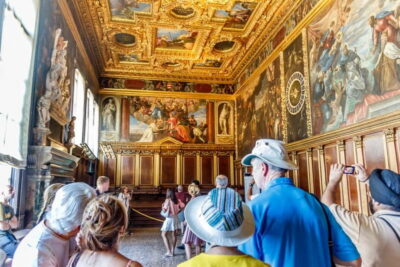
Doge’s Palace and St Mark’s Basilica Walking Tour
Read our review →
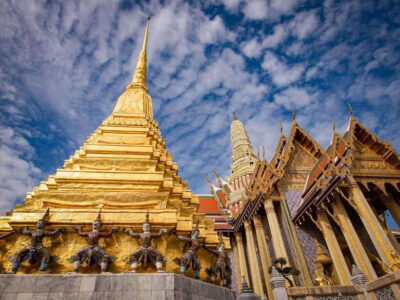
Grand Palace and Wat Phra Kaew Guided Walking Tour
Read our review →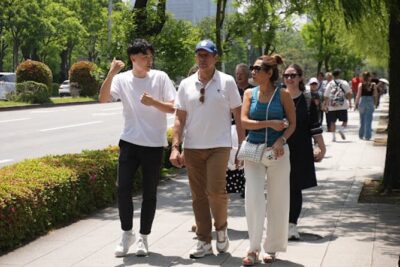
Imperial Palace and Shogun Historical Walking Tour
Read our review →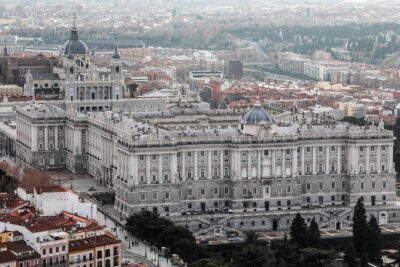
Madrid Old Town & Royal Palace Walking Tour Skip the Line Ticket
Read our review →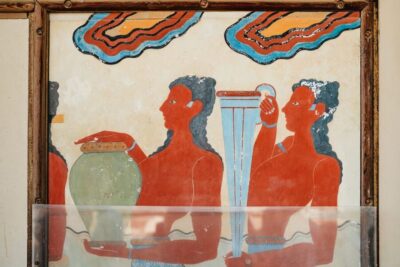
Knossos: Knossos Palace Skip-the-Line Guided Walking Tour
Read our review →
Tokyo Castle & Imperial PalaceーShogun Walking Tour
Read our review →Browse the lists this tour appears in