
Review · GYEONGBOKGUNG PALACE TOURS
Gyeongbokgung Palace, Jogyesa Temple and Bukchon village
Seoul’s old heart comes together neatly on this three-hour walking tour. You move from Buddhist calm at Jogyesa Temple to the grand Joseon-era court at Gyeongbokgung Palace, then into the lanes and tiled roofs of Bukchon village. It is a smart first look at the city’s cultural center, with guide Lee adding history, language, customs and a few playful surprises.
I like the well-chosen route, which links major sights without wasting time on transport. I also like the small human touches, especially the traditional herbal tea and the chance to try a Korean board game during the palace break. The main consideration is the pace: you will spend much of the tour on foot, and Bukchon can be hilly in places.
Key points to know before you book
- Jogyesa begins the cultural story: Start with Korean Buddhism, traditional tea houses and the calm of central Seoul.
- Gyeongbokgung is the centerpiece: Enter the main palace of the Joseon Dynasty with admission included.
- Lee brings the history to life: Expect an English-language guide who explains traditions and welcomes questions.
- Tea and a board game add local flavor: The break is more than a quick rest stop.
- Bukchon provides the best views: Walk among traditional houses and enjoy the village’s architecture.
- Plan for a full walking morning or afternoon: Wear comfortable shoes and bring water, since food is not included.
A smart introduction to old Seoul
At $82 per person, this is not Seoul’s cheapest sightseeing walk. It can still be good value if you want palace admission, a guide and a clear route through several major cultural sites in one outing.
You are paying mainly for context. Gyeongbokgung is easy to reach on your own, but a guide can explain why it matters, how it fits into the Joseon period and what you are seeing beyond the gates and courtyards. The same is true at Jogyesa and Bukchon, where a little background turns attractive places into meaningful ones.
The tour is in English and is built for first-time visitors. It covers the big names, but it also leaves room for smaller details about Korean language and culture. That mix makes it more useful than simply following a guidebook map from one photo stop to the next.
The meeting point is Anguk Station Exit 6. The route information also highlights Jogyesa Temple in Insadong as the first major stop, so check the final meeting instructions carefully when you book. The tour ends back at the meeting point, which makes planning your next stop easier.
More Gyeongbokgung Palace Tours in Seoul:
- Best Seoul City Tour (Gyeongbokgung Palace,Insadong,Namsan Tower)
★ 5.0 · 1,647 reviews - Seoul City Sightseeing Tour Including Gyeongbokgung Palace, N Seoul Tower, and Namsangol Hanok Village
★ 5.0 · 1,423 reviews - Seoul Half-Day City Highlight, Palace Tour with Hanbok
★ 4.9 · 764 reviews
Jogyesa Temple and the quiet side of Insadong
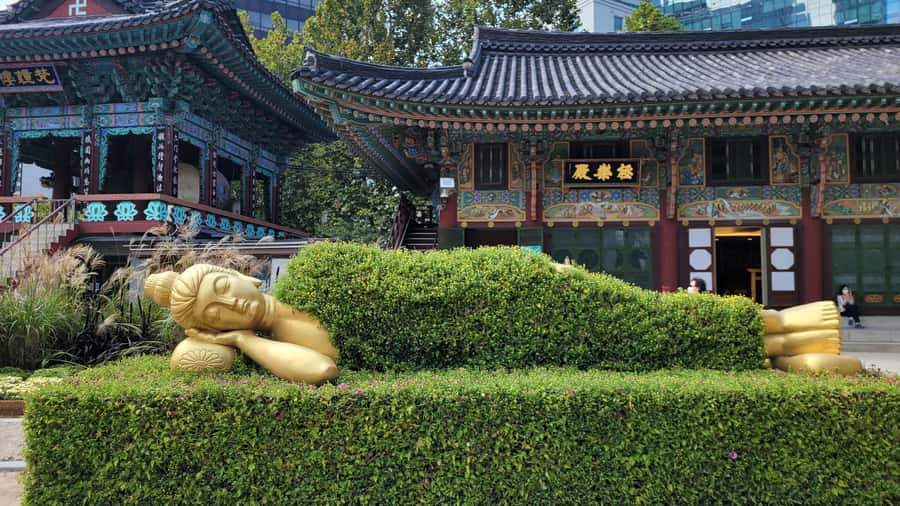
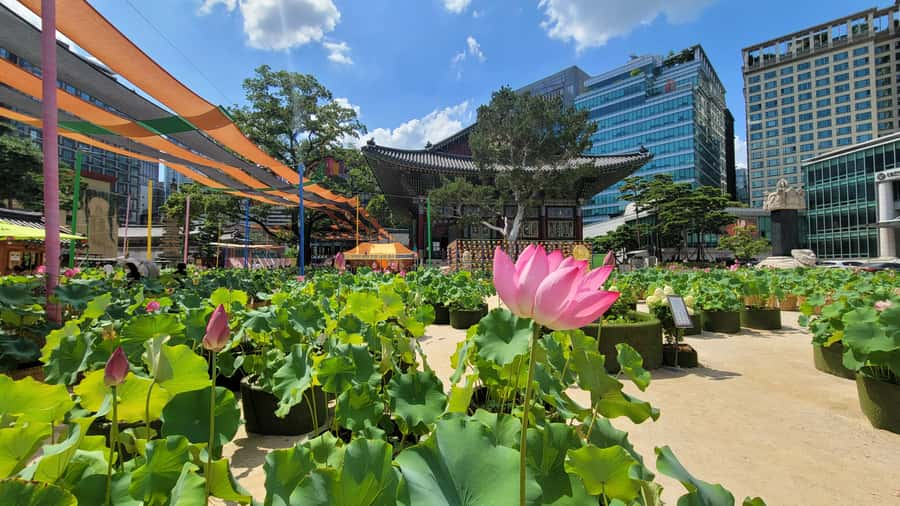
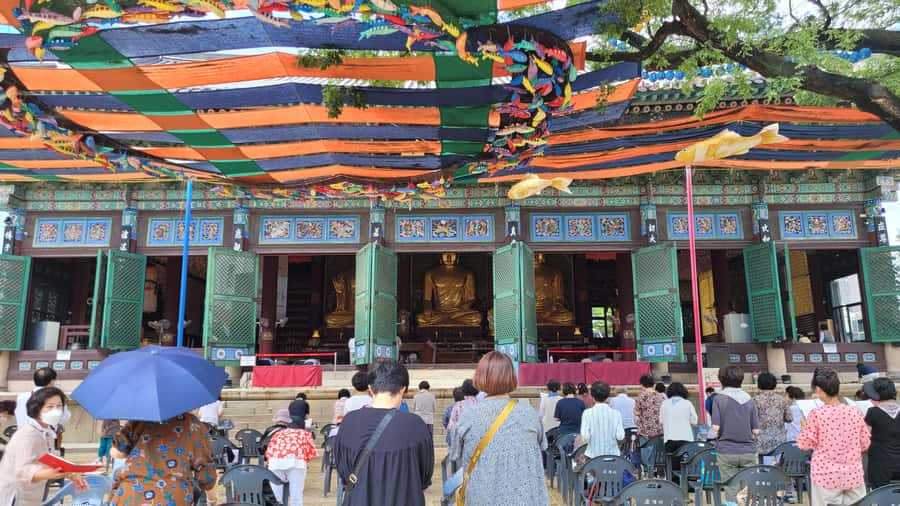
Jogyesa Temple is the head temple of the Jogye Order of Korean Buddhism. It gives the tour a peaceful opening before the larger palace grounds and busy central avenues.
This is also a good place to begin learning how Korean culture is not confined to museums. The temple is part of living Seoul, and the surrounding Insadong area adds traditional tea houses, restaurants and shops. You get an early sense of how old customs and modern city life sit close together.
I like this first stop because it slows the tour down. Rather than rushing straight to the most famous palace, you begin with a place suited to reflection. Your guide can connect the temple to Korean Buddhism and explain details you might otherwise pass without noticing.
Do not expect a long religious ceremony or an extended temple program. The information provided describes a walking visit, not a worship experience. The value comes from seeing the site, hearing its cultural setting and starting the day at a measured pace.
Gwanghwamun Square and King Sejong
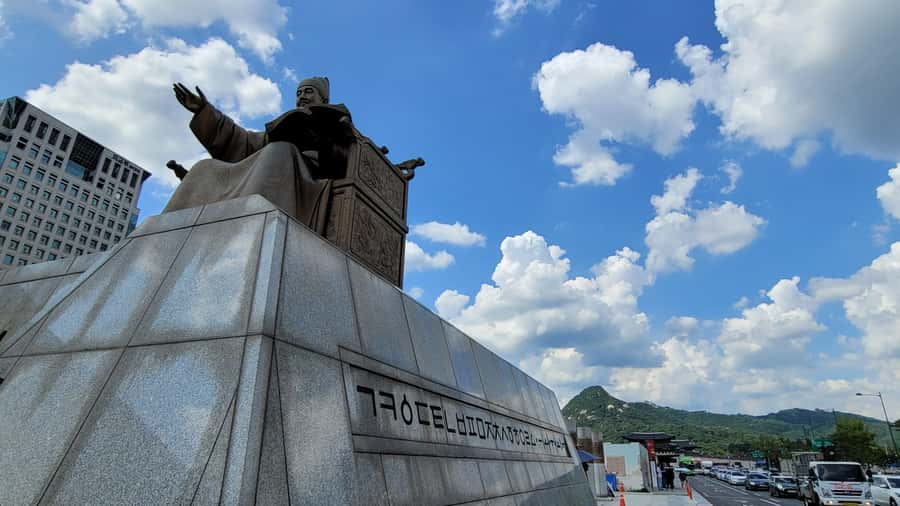
From the temple area, the route continues toward Gwanghwamun Square. The major landmark here is the statue of King Sejong, one of Korea’s best-known historical figures.
The stop adds an important language connection. The tour includes an introduction to Korean language and culture, and King Sejong is an obvious bridge between the two. Your guide can help place Korean writing and national identity within the wider story of Seoul.
This part of the route also gives you a change of scale. Jogyesa feels intimate and contemplative. Gwanghwamun Square is broad and public, with the city’s modern life moving around a major national symbol.
You will not spend the whole tour at the square, so think of it as a useful connecting stop rather than a separate attraction with a long visit. It helps frame the palace ahead and keeps the route moving.
Gyeongbokgung, the palace at the heart of the tour
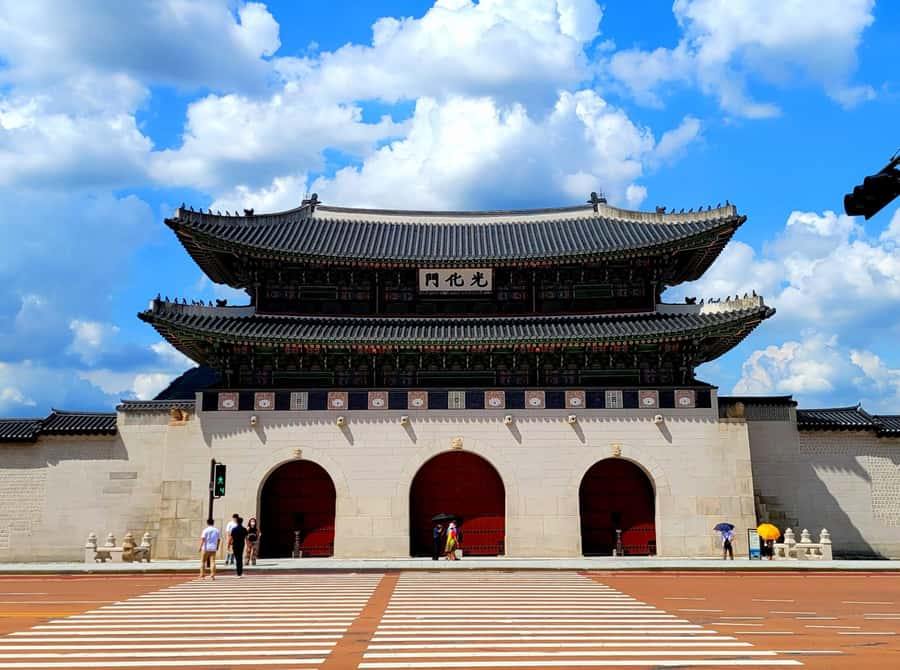
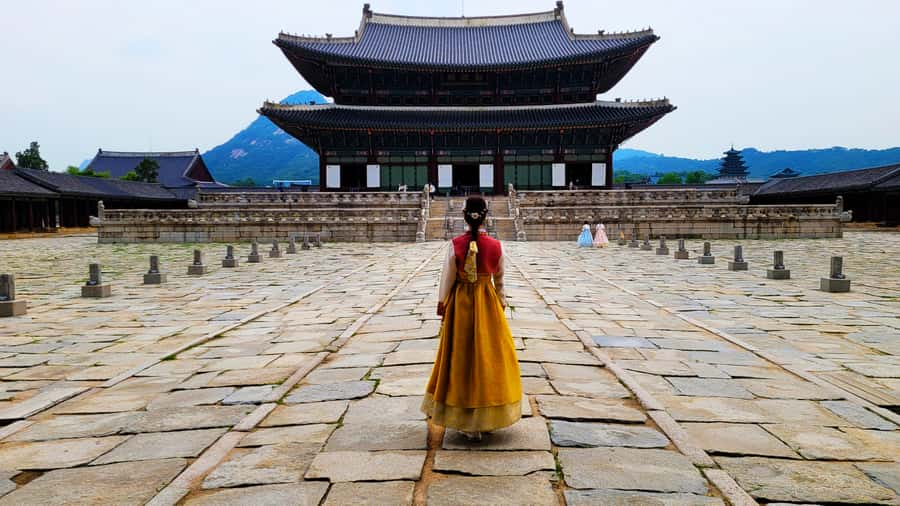
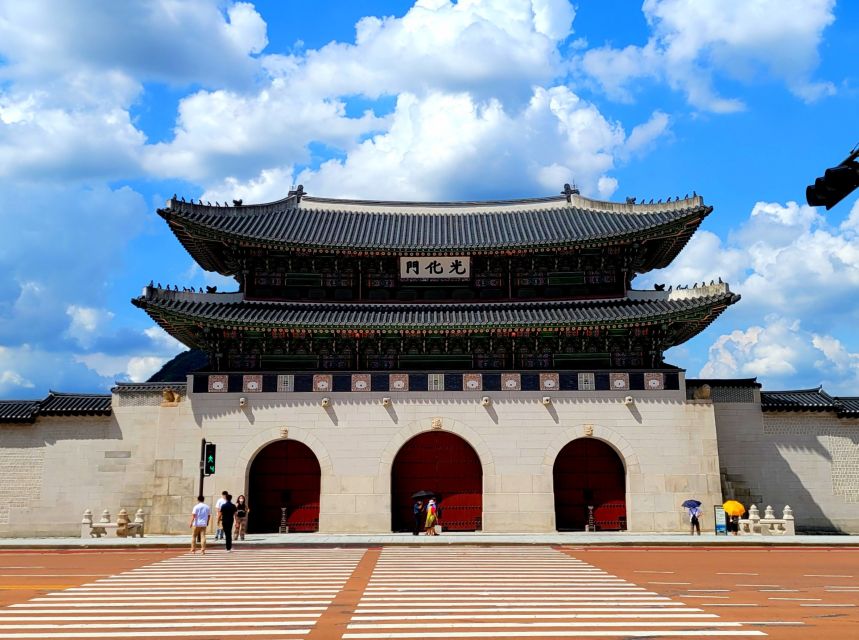
Gyeongbokgung Palace was established in 1395 as the main palace of the Joseon Dynasty. It is the largest and most important stop on this route, and palace admission is included in the tour price.
The grounds give you space to understand court life, royal power and the architectural order of the Joseon period. Your guide explains the history as you walk, which matters here because a palace can otherwise become a series of courtyards with unfamiliar names and no clear story.
I would give Gyeongbokgung your closest attention. Look at the arrangement of the buildings, the open courtyards and the contrast between formal royal spaces and the surrounding city. The experience is not just about taking a palace photograph. It is about seeing how Seoul’s present center grew around an older seat of government.
The visit is guided rather than free-form. That is helpful if you want a clear historical thread, but it also means you will not have unlimited time to wander wherever you like. If you are a serious architecture fan or a photographer who prefers to work slowly, ask the guide how much independent time is available.
A traditional herbal tea is included during the palace portion. One of the tour’s more unusual touches is a traditional Korean board game during the break. That gives you something hands-on and social, rather than another stretch of standing while listening.
The tea is not a meal, so plan ahead. Food is not included, and the route is long enough that you may want to eat before or after the tour.
More Palaces to Tour in Seoul:
- Seoul: Gyeongbok Palace, Bukchon Village, and Gwangjang Tour
★ 4.9 · 2,321 reviews - Small-Group Royal Palace and Seoul City Tour (hotel pick-up)
★ 5.0 · 1,474 reviews - Seoul: Gyeongbok Palace, Bukchon Village, and Gwangjang Tour
★ 5.0 · 1,044 reviews - Seoul: Palace, Temple and Market Guided Foodie Tour at Night
★ 4.9 · 750 reviews
Bukchon village and Seoul’s traditional rooflines
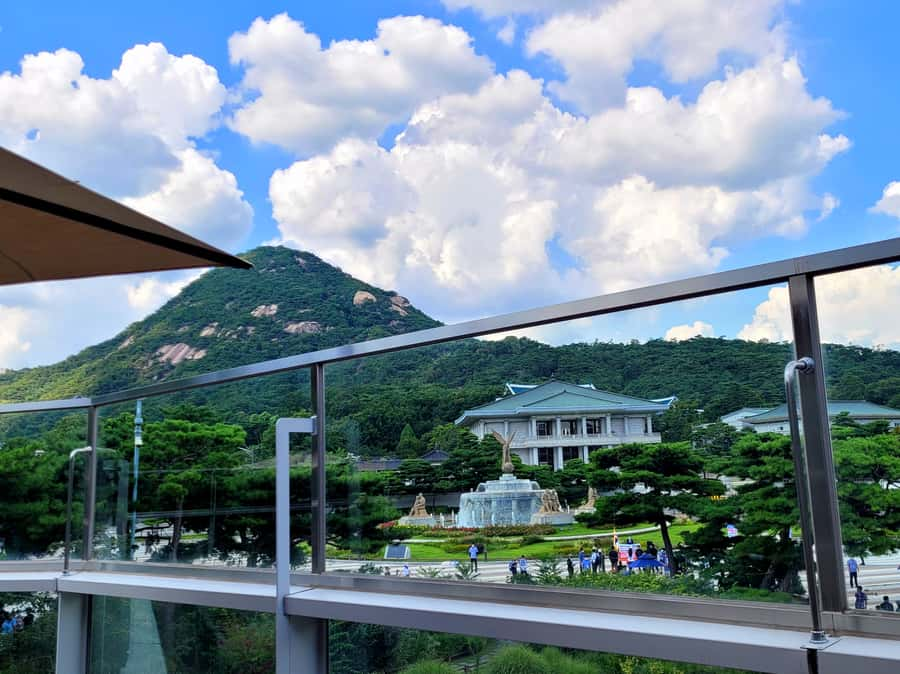
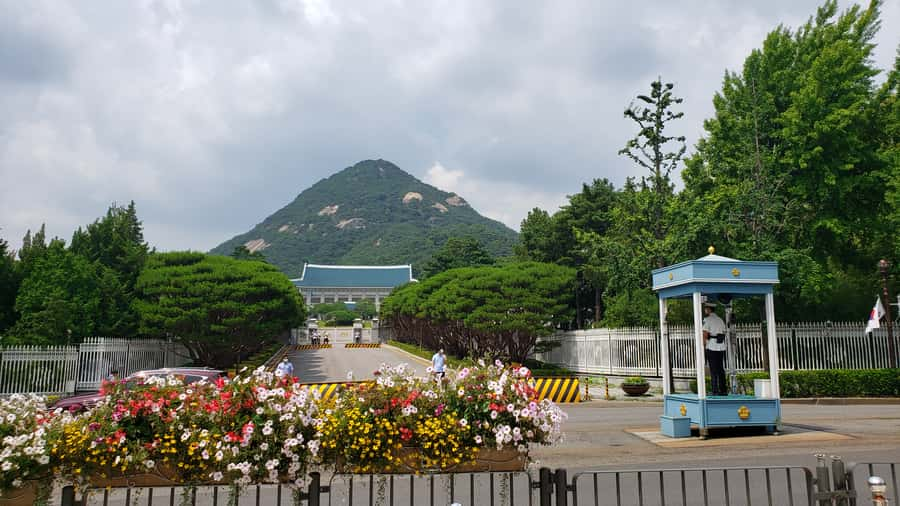
The final major area is Bukchon traditional village. Here, the appeal is the architecture and the walk itself. You move through lanes lined with traditional Korean houses and get some of the most attractive views on the route.
Bukchon feels different from Gyeongbokgung. The palace shows royal architecture in a formal setting. Bukchon shows traditional housing within a neighborhood. That contrast helps you understand that historic Korean design was not limited to courts and temples.
The walk is described as moderate, with beautiful views. You should still wear comfortable shoes, since you will be walking for much of the experience and some village streets may require uphill effort. The tour does not allow mobility scooters, and the route may not suit anyone who finds extended walking difficult.
I would like a little extra time here if architecture is your main interest. The route gives you a good introduction, but the village is the kind of place where you may want to pause, study details and take photographs. One useful improvement would be an additional stop with more historical explanation, so keep that limitation in mind.
Bukchon is also a residential area. The best experience comes from looking closely and respectfully, not treating every doorway as a photo set. Your guide can help you understand what you are seeing while keeping the visit considerate.
What guide Lee adds to the walk
Guide Lee receives especially strong praise for being patient, friendly, punctual and well prepared. Those qualities matter on a walking tour because the best guide is not simply someone who recites dates. You need someone who can adjust the pace, answer questions and explain unfamiliar customs without making the experience feel like a lecture.
Lee also brings a playful side to the tour. The Korean board game during the palace break is a small detail, but it shows the difference between a standard sightseeing route and a more personal cultural visit. You are not only looking at historical places. You are also getting a chance to connect with an everyday part of Korean culture.
The guide is also able to communicate by email for meeting details, which is useful if you do not have a Korean phone number. Do not rely on that alone, though. Save the meeting instructions before leaving your hotel and arrive at Anguk Station Exit 6 with enough time to find the correct exit.
The supplied experience information names English as the tour language. If you need another language, this is not the right choice.
Who will get the most from this tour
This walk suits a first visit to Seoul, especially if you want the main cultural sights explained in one coherent route. It is also a good fit for families, since the tea, board game and guide’s friendly approach add variety to the historical material.
You will likely enjoy it if you:
- Want an introduction to Korean history and culture without arranging several separate visits.
- Prefer walking and conversation to a bus-based sightseeing trip.
- Want palace entry and a guide included in one price.
- Enjoy a mix of major sights and neighborhood streets.
- Appreciate a guide who can answer questions and keep the mood relaxed.
It may be less suitable if you want a slow photographic tour, extensive free time at each site or a food-focused outing. The tour includes tea, but no food. It also does not include hotel pickup or drop-off, so you must make your own way to the meeting point.
Pets, alcohol and drugs are not allowed. The provider also advises that it is not responsible for loss, illness, injury, accidents or damage to people or property, so use normal care with valuables and personal safety.
Price, timing and practical value
The $82 price needs to be judged against what is included. You get an English-speaking guide, Gyeongbokgung entrance, traditional herbal tea and a route covering Jogyesa Temple, Gwanghwamun Square, the palace and Bukchon.
For a self-guided visitor, the same places can cost less in direct admission and transport. You would then need to research the history, plan the walking order and handle the connections yourself. If you value a guide’s explanations and want the day organized, the added cost can be reasonable.
The tour lasts about three hours. That is long enough to cover the central sights without taking over your entire day. It also leaves you free to continue exploring Insadong, return to a hotel or choose another Seoul activity afterward.
Bring comfortable shoes. A small bottle of water is sensible, though it is not listed as an included item. Dress for the weather, and keep your schedule flexible enough to enjoy the palace and village rather than racing to the next appointment.
You can reserve now and pay later, which helps if your Seoul plans are still shifting. Cancellation is allowed up to 24 hours in advance for a full refund, giving you some protection if your schedule changes.
Should you book Gyeongbokgung, Jogyesa and Bukchon?
Book this tour if you want a well-organized first look at Seoul’s major cultural sights, with enough explanation to make the places meaningful. Guide Lee’s patient manner, the traditional tea and the Korean board game give the experience more personality than a basic checklist walk.
Skip it if you prefer exploring independently, need a low-walking itinerary or want to spend most of your time taking photographs in Bukchon. For most first-time visitors who want history, architecture and culture in one manageable route, this is a sensible choice at $82, provided you are comfortable paying for guidance rather than only admission.
FAQ
Where does the tour begin?
Meet your guide at Anguk Station Exit 6.
Where does the tour end?
The activity ends back at the meeting point.
How long does the tour last?
The tour lasts about three hours.
What language is the tour offered in?
The tour is offered in English.
Is Gyeongbokgung Palace admission included?
Yes. The Gyeongbokgung Palace entrance ticket is included.
Is food included?
No. Food is not included in the tour price.
Is a drink included?
Yes. A traditional herbal tea is included.
Does the tour include hotel pickup and drop-off?
No. Hotel pickup and drop-off are not included.
What should I bring?
Bring comfortable shoes because the experience is a walking tour.
Can I cancel for a refund?
Yes. You can cancel up to 24 hours in advance for a full refund.
Newly added in Seoul
- Seoul: UNESCO Palace and Street Foods Guided Tour★ 5.0 · 6 reviews
- Seoul: UNESCO Sites tour: Palace, Shrine & Bukchon Village★ 4.8 · 26 reviews
- Seoul: Gyeongbok Palace and Bukchon Hanok Walking Tour★ 4.8 · 157 reviews
- Seoul: Modern Hanbok Dress Photoshoot Gyeongbokgung Palace★ 5.0 · 2 reviews
- Seoul: Professional Hanbok Photography at Gyeongbok Palace★ 4.9 · 172 reviews
- Seoul: Royal Palace Morning Tour including Cheongwadae★ 4.5 · 12 reviews
- Seoul: Gyeongbokgung Palace Tour & Lunch at Authentic Market★ 4.5 · 2 reviews
- Seoul: Gyeongbokgung Palace Half Day Tour★ 4.9 · 111 reviews
Gyeongbokgung Palace Tours, compared.
Seoul City Sightseeing Tour Including Gyeongbokgung Palace, N Seoul Tower, and Namsangol Hanok Village
Read our review →
Seoul Half-Day City Highlight, Palace Tour with Hanbok
Read our review →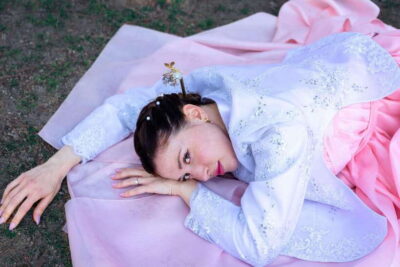
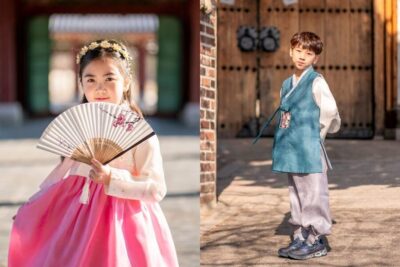
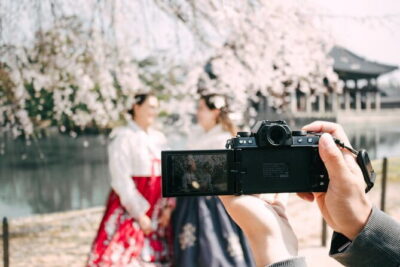
Hanbok Photoshoot and History Tour at Gyeongbokgung Palace
Read our review →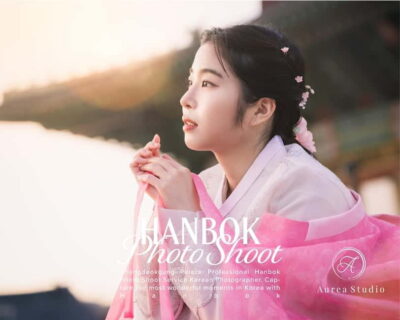
Professional Hanbok Photography at Gyeongbok Palace
Read our review →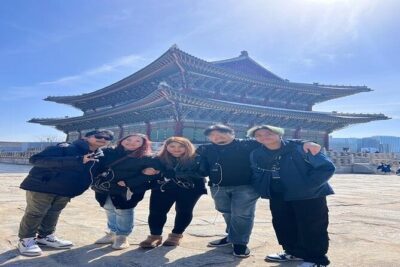
Browse the lists this tour appears in