
Review · PALACE ENTRY TICKETS
Guimarães: Palace of the Dukes of Bragança Entry Ticket
The Palace of the Dukes of Bragança gives you a close look at royal life in Guimarães without the cost or time commitment of a full-day tour. Built in the 15th century by D. Afonso, the first Duke of Bragança, it now presents noble rooms, household objects, art, weapons, and decorative pieces in a format that feels like walking through a grand home.
I like the low $5 price, which makes this an easy addition to a day in Guimarães. I also like the way the permanent exhibition uses rooms for their original purpose, so you can picture how the household worked rather than simply walk past objects in glass cases.
The main caution is ongoing renovation. Some areas may not be available, and the attraction is discounted for that reason. The ticket is non-refundable, and the palace is not considered suitable for wheelchair users.
Key points to know before you go
- Built for the first Duke of Bragança: The palace began in the 15th century under D. Afonso, founder of the House of Bragança.
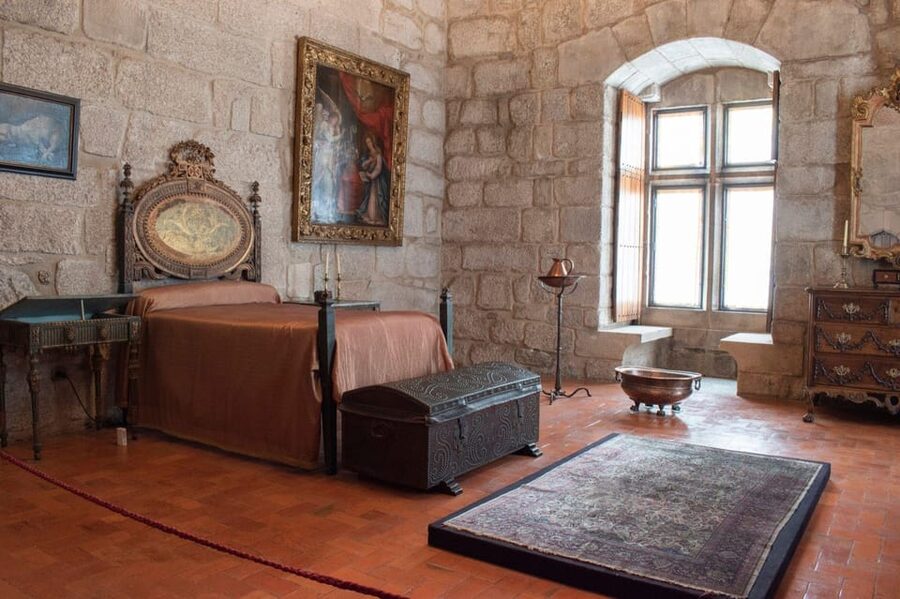
- A house-like museum layout: Rooms are furnished and arranged to suggest how a noble residence functioned.
- Collections from the 17th and 18th centuries: Look for porcelain, paintings, furniture, sculpture, arms, and large decorative wall hangings.
- A central Guimarães location: The palace works well as the first stop in a walking day around the historic city.
- Current renovation means a reduced price: Check what is open before committing, since the ticket cannot be refunded.
- Allow one day for validity, not one full day inside: Your ticket is valid for one day, while the opening window runs from 10:00 a.m. to 6:00 p.m.
Why the Palace of the Dukes matters in Guimarães
Guimarães is closely tied to the early story of Portugal, and this palace gives that story a physical setting. The building was founded by D. Afonso, the first Duke of the House of Bragança, a family that later became one of Portugal’s most important noble houses.
That connection makes the palace more than a collection of attractive rooms. You are seeing the place associated with the birth of a major Portuguese dynasty and with the social world of the nobility. The building has passed through very different periods, and the museum now presents selected spaces and objects to help you understand that long story.
I find the setting especially useful if you are already walking through central Guimarães. The palace is not an isolated attraction requiring a special journey. You can begin here, get a sense of the city’s royal and noble past, and then continue on foot to other historic sights.
The palace is also connected to Portugal’s present-day government. One wing serves as the official residence of the Presidency of the Republic. That gives the building an unusual link between the country’s medieval and modern public life, although the presidential area is not simply another museum room to wander through.
More Palace Entry Tickets in Portugal:
- Sintra: Pena Palace and Park Entrance Ticket
★ 4.2 · 17,410 reviews - Mafra: National Palace of Mafra Entry Ticket
★ 4.5 · 190 reviews - Sintra: Pena Palace and Park Entry Ticket with Tuk Tuk Ride
★ 3.5 · 43 reviews
Entering the palace and its restored rooms
Your visit begins with the building itself. The architecture is often described as a fine example of 17th-century seigneurial design, even though the palace was founded in the 15th century. That difference reflects the fact that historic buildings change over time, and the structure you see today carries more than one period in its appearance.
Inside, the emphasis is on scale and atmosphere. Grand halls and formal rooms help you understand how a noble household presented itself. High ceilings, substantial furnishings, decorative objects, and large wall hangings create a setting that feels designed for ceremony rather than ordinary domestic life.
I like that the exhibition is organized as a house rather than as a simple sequence of unrelated objects. You move through rooms with different purposes, and the arrangement gives each collection a setting. That makes it easier to connect a chair, chest, painting, weapon, or serving piece with the life of the people who used or displayed it.
Still, keep your expectations realistic. This is a historic palace museum, not a fully preserved home with every room in original condition. Restoration and museum presentation shape what you see. The goal is to suggest the former household and its status, not to recreate every detail of daily life.
What you will see in the permanent collection
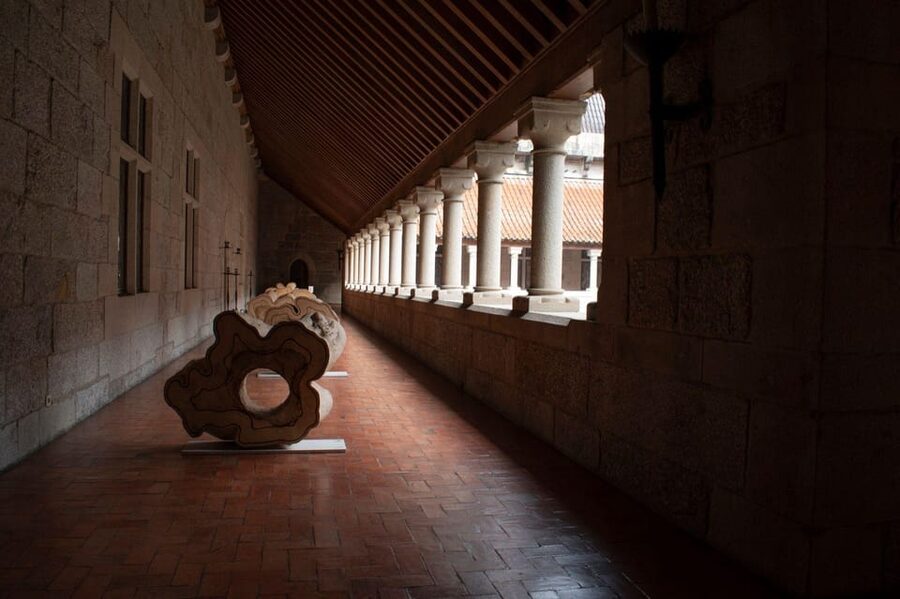
The permanent collection brings together objects from the 17th and 18th centuries. You can expect furniture, sculpture, paintings, porcelain, arms, and richly worked textile hangings. Each group shows a different side of noble life.
The porcelain points to the formal side of the household. Fine tableware was not only practical. It also showed taste, wealth, and access to costly goods. Look closely at how such pieces are displayed beside the rooms they helped serve, since their setting adds meaning.
The paintings provide another layer. They help fill the palace with people, symbols, and religious or decorative themes, even when the rooms themselves are quiet. You might find that the paintings are most useful when viewed as part of the room rather than treated as separate masterpieces.
The arms and military objects give the collection a harder edge. A noble residence was also tied to power, protection, and rank. Weapons placed among formal rooms remind you that this was not merely a place for parties and ceremony.
Furniture may be the most direct way to picture daily routines. Tables, chairs, cabinets, beds, and storage pieces show how rooms could be used and how much effort went into displaying status. The collection is not just about luxury. It also hints at the work required to run a large household.
The decorative textile hangings are important for the visual effect of the palace. They softened stone and wood surfaces, helped mark status, and added color and pattern to formal rooms. Photography is allowed, but flash is prohibited, so bring your attention as well as your camera.
A visit arranged like a grand home
The exhibition’s house-like design is one of its strongest features. Instead of treating the palace as a storage place for objects, the presentation asks you to imagine arriving at a noble residence and moving through its spaces.
That approach helps families and casual sightseers. You do not need specialist knowledge of Portuguese art to appreciate the rooms. Each space offers something concrete to notice, from the furniture and decoration to the way a room’s function differs from the next.
It also rewards a slower pace. At only $5, you might be tempted to rush through because the ticket is inexpensive. I would resist that. The value comes from taking time to look at how the objects work together, not from checking off the palace in a few minutes.
The arrangement may be less satisfying if you want a highly detailed historical explanation for every object. There is no guided tour included, and the information available during your visit may not answer every question. If you enjoy reading labels and forming your own impression, that is not a major problem. If you want a story told from start to finish, you may find the experience quiet and self-directed.
More Palaces to Tour in Portugal:
- Lisbon: Pena Palace, Sintra, Cabo da Roca, & Cascais Daytrip
★ 4.7 · 9,981 reviews - Small Group Tour to Sintra, Pena Palace, Cabo Roca and Cascais
★ 5.0 · 3,559 reviews - Lisbon: Sintra, Pena Palace, Cabo da Roca, & Cascais Tour
★ 4.9 · 3,509 reviews - Lisbon: Sintra Cascais & Pena Palace Small Group Tour
★ 4.8 · 3,218 reviews
The palace gardens and the end of your visit
After the interior rooms, make time for the gardens. They offer a change of pace after the formal halls and provide a calmer place to pause before continuing around Guimarães.
The gardens are not presented as a separate guided attraction, but they help complete the visit. A palace is easier to understand when you see not only its rooms but also the open space around it. You can take in the building’s scale, rest briefly, and think about the contrast between public ceremony indoors and quieter surroundings outside.
I would use the gardens as a natural stopping point rather than plan a long garden visit by itself. The main value of this ticket is the palace and its collection. The outdoor area works well as a short pause and as a transition to the rest of the city.
Renovation, access, and what may change
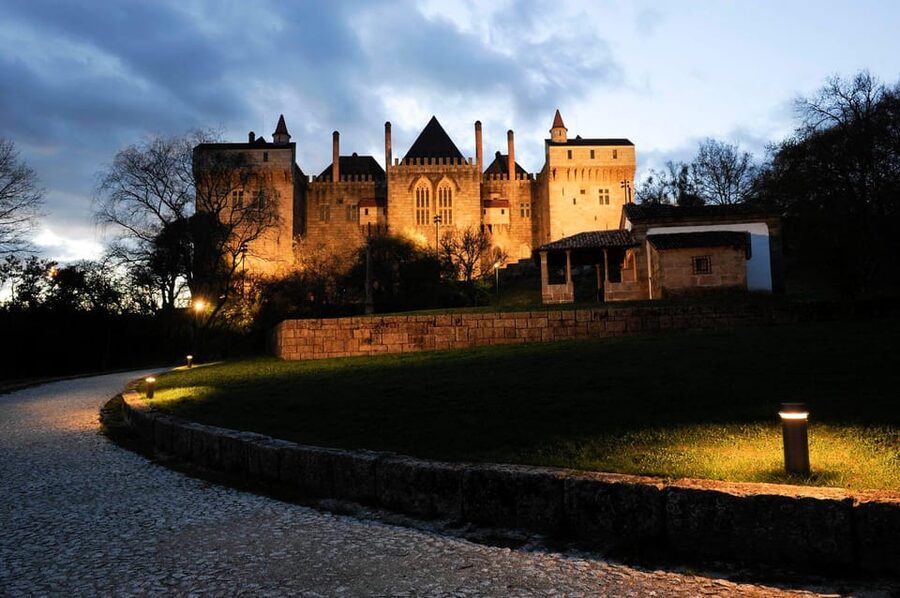
The palace is currently under renovation and is offered at a discounted price. This is the most important practical detail when deciding if the ticket suits you.
Renovation can mean that some rooms or displays are temporarily closed. The supplied information does not specify exactly which areas are affected, so you should check current conditions before booking or at the start of your day. The lower price makes the uncertainty easier to accept, but it also means you should not assume every part of the palace will be open.
The attraction is not suitable for wheelchair users. If step-free access is essential for you, contact the attraction before purchase rather than relying on the general museum description.
Photography is allowed without flash. Food and drinks are not included, and this is an entry ticket rather than a package with a guide or transport.
Timing your visit from 10:00 a.m. to 6:00 p.m.
The palace opens at 10:00 a.m. and closes at 6:00 p.m., with last admission at 5:30 p.m. That final entry time matters. Arriving at 5:30 gives you only a short window before closing, so I would not treat the palace as a quick late-afternoon stop unless you only want a brief look.
Your ticket is valid for one day, which gives you flexibility within the attraction’s opening hours. The information does not give a fixed visit duration, so your pace will depend on how closely you study the rooms and collection.
For most people, the palace fits comfortably into a day focused on central Guimarães. Go earlier if you want to read the displays carefully and leave time for the gardens. You can also use it as a first stop, then continue exploring the city after lunch.
Avoid the listed closure dates: January 1, Easter Sunday, May 1, June 24, which is the city holiday, and December 25. A date check is especially important because the ticket is non-refundable.
Is the $5 ticket good value?
At $5 per person, this is an easy value choice for anyone interested in Portuguese royal history, architecture, decorative arts, or historic homes. The price includes admission, access to the museum collections, and the booking fee.
The value becomes even stronger if you are already in Guimarães and do not need transportation or a guide. You can add a substantial cultural stop without paying for a full organized excursion.
The renovation changes the calculation slightly. If you need to see every room, or if a temporary closure would spoil the visit for you, the discounted price may not fully solve the problem. If you are happy to see an attractive historic building and a selection of collections at a low cost, the reduction is a fair trade.
The ticket does not include refreshments or a guided explanation. Plan your food separately, and remember that the experience depends on your own pace and interest. I see that as a benefit for independent visitors, but a drawback for anyone who wants a structured tour.
Who will enjoy this palace most?
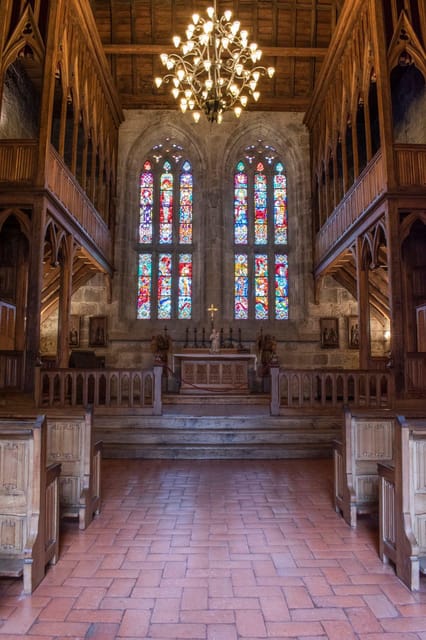
I would recommend the palace to you if you like historic buildings, royal families, furniture, art, or the small clues that reveal how wealthy households lived. It also suits families because the rooms and arms offer varied things to notice, even for children who are less interested in formal history.
It is a good match for a first visit to Guimarães because it puts the city’s past in context. You will leave with a clearer sense of the House of Bragança and of the social world behind the grand buildings in the historic center.
Independent visitors will get the most from the low price and flexible timing. You can read, pause, photograph without flash, and move on when you are ready. If you prefer a guide to explain each room, remember that none is included.
The palace may be less suitable for you if you require wheelchair access, dislike renovation-related uncertainty, or want a fully restored residence with every space open. The attraction is also not the best choice as a late arrival, since last admission is at 5:30 p.m.
Should you book the Palace of the Dukes of Bragança?
Book it if you want a reasonably priced, self-guided look at one of Guimarães’ key historic buildings. The $5 fee covers the palace and collections, and the house-like arrangement gives the visit more meaning than a quick walk through empty rooms.
Before paying, check the current renovation situation and confirm that the access arrangements work for you. If you can accept that some areas may be limited, this is a useful and affordable stop in central Guimarães. If full access is essential, wait until renovation work is complete or choose another attraction with more certain availability.
FAQ
How much does entry to the Palace of the Dukes of Bragança cost?
The listed price is $5 per person. The booking fee is included.
How long is the ticket valid?
The ticket is valid for one day.
What are the opening hours?
The palace is open from 10:00 a.m. to 6:00 p.m. Last admission is at 5:30 p.m.
Is a guided tour included?
No. The ticket provides entry and access to the museum collections, but it does not include a guided tour.
What can I see inside the palace?
You can see restored rooms and permanent collections containing furniture, sculpture, porcelain, paintings, arms, and decorative textile hangings.
Can I take photographs?
Yes. Photography is allowed, but flash photography is not allowed.
Is the palace open every day of the year?
No. It is closed on January 1, Easter Sunday, May 1, June 24, and December 25.
Is the palace currently being renovated?
Yes. Renovation work is under way, and the attraction is currently offered at a discounted price.
Is the palace suitable for wheelchair users?
The activity is listed as not suitable for wheelchair users.
Are food and drinks included?
No. Food and drinks are not included in the ticket.
Newly added in Portugal
- Óbidos historic village and Mafra Palace Private Tour★ 5.0 · 34 reviews
- Private Tour Sintra Palaces and Scenic Landscapes★ 5.0 · 3 reviews
- Lisbon: Pena Palace, Cabo da Roca, Cascais private tour★ 5.0 · 44 reviews
- Óbidos – Nazaré – Mafra (National Palace of Mafra)Private tour from Lisbon★ 5.0 · 2 reviews
- National Palace and Gardens of Queluz: E-ticket with Audio Guide★ 3.5 · 6 reviews
- Half day Sintra PRIVATE TOUR Pena Palace + Roca Cape (2-6people)★ 5.0 · 3 reviews
- From Lisbon Sintra Highlights Tour – Pena, Regaleira & Monserrate★ 5.0 · 79 reviews
- Mafra and Sintra: Choose 3 of 6 Palaces to visit on private tour★ 5.0 · 26 reviews
Palace Entry Tickets, compared.



Buckingham Palace: The State Rooms Entrance Ticket
Read our review →
Prague Castle and Lobkowicz Palace Entry Tickets
Read our review →Browse the lists this tour appears in