
Review · CHATEAU AND WINE ESTATE TOURS
Discovery Tour of Château Haut Breton Larigaudière
The heart of this one-hour visit is the four-wine tasting at the end, but the glass makes more sense after you have seen the vat room and barrel cellar. You learn how the De Schepper family, owners for three generations, works with Margaux soils and grape varieties to shape the wine.
I like the small group limit of 10, which gives the guide room to explain rather than rush through a script. I also like the useful mix of family story, vineyard basics, winemaking rooms, and tasting. The main limitation is time: one hour is enough for an introduction, not a long estate visit or a full look at every stage of production.
Key points to know before you book
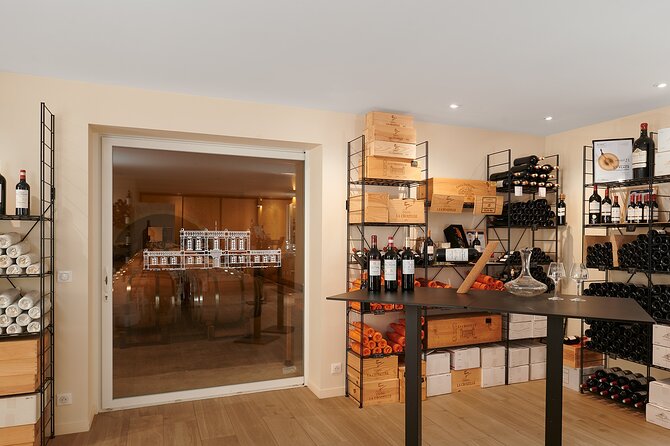
- Four wines are included: The guided tasting is part of the admission, with four tasting glasses and commentary from an expert guide.
- The visit stays focused: You see the estate, traditional vat room, and barrel cellar during an approximately one-hour tour.
- The family story matters: The De Schepper family has owned the château for three generations, giving the visit a personal thread.
- English support is available: Bruna has been praised for clear English explanations and is a Portuguese native.
- The group is capped at 10: This is a more personal format than a large coach-style wine visit.
- You return to the starting point: The tour begins and ends at 3 Rue des Anciens Combattants in Soussans.
Arriving at Château Haut Breton Larigaudière in Soussans
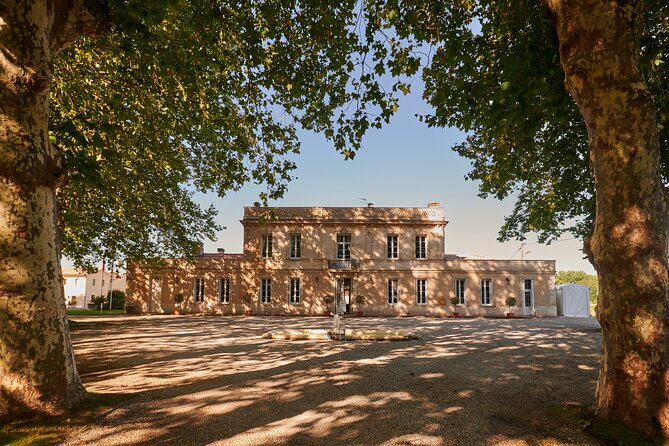
Your visit begins at 3 Rue des Anciens Combattants, 33460 Soussans, France. The activity ends back at this same meeting point, so you do not need to arrange a separate pickup after the tasting.
That simple out-and-back setup matters if you are building a day around Margaux-area wineries. You can plan the château as one stop without worrying about a second drop-off point. The experience information does not include transportation, so you should arrange your own way to Soussans.
Confirmation is sent within 48 hours of booking, subject to availability. I would avoid making a tightly packed schedule around the tour until your time is confirmed. Winery visits often depend on the estate’s working calendar, and this one has a set start time that matters for the tasting.
The visit is limited to a maximum of 10 people. That is one of the better details here. A small group usually makes it easier to hear explanations in the cellar and ask a question about soils, grape varieties, or aging without holding up a large crowd.
More Chateau and Wine Estate Tours in France
- Medoc or Saint Emilion Wine Tasting and Chateau from Bordeaux
★ 5.0 · 1,415 reviews - From Paris: Full-Day Loire Valley Chateaux Tour
★ 4.4 · 1,269 reviews - Versailles Château and Gardens Walking Tour
★ 4.5 · 727 reviews
The De Schepper family and three generations of ownership
The first part of the visit introduces the De Schepper family, who have owned Château Haut Breton Larigaudière for three generations. This gives you a useful frame for the rest of the tour.
A family-owned estate story can easily become a short list of names and dates. Here, the family background is tied to the actual work of the château: its soils, grape varieties, production rooms, and finished wines. That connection is valuable because it helps you see the estate as a working wine property rather than just a pretty stop with bottles for sale.
You will not get a long lecture on every chapter of Bordeaux wine. The tour lasts about an hour, so the family story is likely to be concise. That is a good fit if you want a clear introduction before tasting, but not if you are looking for a full historical study of the estate or the Margaux appellation.
I like this balance. You receive enough context to understand who makes the wine and why the property has its own identity, then move on to the physical places where that work happens.
Reading Margaux through soil and grape varieties
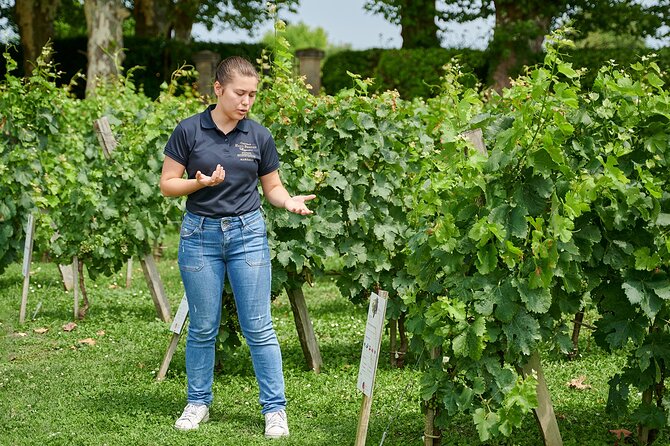
The guide explains the special characteristics of the soils and the grape varieties used at the estate. These are not side notes. They are the building blocks for understanding why wines from the Margaux area can differ from those produced elsewhere in Bordeaux.
If you are new to wine, the guide’s job here is to connect abstract terms to what you will taste later. Soil affects the vines. Grape varieties affect the wine’s structure and aroma. Winemaking decisions then shape the final result. You may not leave able to identify every grape in a blind tasting, but you should have a clearer idea of what you are tasting and why.
The supplied details do not name the exact grape varieties or describe the soil types in technical terms, so I would not expect a specialized lesson in geology or vineyard management. Instead, think of this section as a practical introduction to the estate’s character.
The quality of the explanation matters more than the amount of information. One guide was specifically praised for being clear and pedagogical, giving plenty of explanations without losing the group. That is exactly what you want in a short wine visit: plain language, useful connections, and enough detail to make the tasting more interesting.
Inside the traditional vat room
The tour continues into the traditional vat room. This is where the visit moves from family background and vineyard factors to the mechanics of making wine.
A vat room can feel technical, but seeing the production space gives you a better sense of the work between grape harvest and bottle. You can ask how the room fits into the winemaking process and how the estate turns harvested grapes into wine. The available information does not specify the equipment, materials, or exact production methods, so the guide is the best source for those details on the day.
I appreciate that the vat room is included rather than skipping straight to the tasting. Without it, you would be sampling four wines with only a vague idea of how they were made. The technical visit gives the tasting a setting and a process behind it.
There is also a practical limit. The tour is not described as a hands-on workshop, and you should not expect to operate equipment or take part in production. This is a guided look at the facilities, with the guide explaining what you see.
Same city, another grand address:
- Paris: Versailles Palace and Gardens Full Access Ticket
★ 4.6 · 41,579 reviews - Versailles: Skip-the-Line Tour of Palace and Gardens Access
★ 4.7 · 10,429 reviews - From Paris: Versailles Palace & Gardens with Transportation
★ 4.6 · 6,222 reviews - Versailles: Skip-the-Line Guided Palace Tour and Full Access
★ 4.6 · 5,214 reviews
The barrel cellar and the role of aging
The barrel cellar adds the next piece of the story. After seeing the production area, you move into the place associated with the wine’s development and aging.
For many people, the barrel cellar is the most atmospheric stop. It also gives the guide a chance to explain how time and oak can affect a wine. The information provided does not state how long the wines age, how many barrels are used, or whether every wine in the tasting spends time in oak. Those are useful questions to ask if the subject interests you.
The value of this stop is not only visual. It helps you connect the estate’s methods with the differences you may notice in the glasses later. If one wine seems softer, more structured, or more marked by oak than another, the cellar gives you a starting point for discussion.
This is also where a one-hour schedule becomes noticeable. You will see both the vat room and barrel cellar, but the visit cannot cover every technical choice in depth. I would treat it as a well-shaped introduction, not a professional winemaking course.
Four wines at the guided tasting
The visit finishes with a guided tasting of four wines. Four tasting glasses are included, as are the alcoholic beverages. The guide comments on the wines, so you are not simply handed glasses and left to guess what you are drinking.
This tasting is the main reason to book the tour instead of only visiting a château for a quick look around. You get a chance to compare several wines in one sitting and connect them to the soils, grape varieties, vat room, and barrel cellar you have just seen.
I would take notes if you are comparing several Bordeaux visits during your trip. Write down the name of each wine, what the guide says about it, and what you notice yourself. Even simple notes about aroma, texture, and finish can help you remember the differences later.
The tasting is guided, but the available information does not state the exact wine lineup, vintages, portion sizes, or whether the wines are red blends or single-variety wines. Those details may change with availability. If you are booking for a specific bottle or vintage, ask the château before you go.
Additional purchases are not included. That means any bottles or other items you choose to buy are separate from the tour price. This is worth remembering if you are comparing the cost with a visit that includes a bottle or shipping.
What the guide adds to the experience
The strongest part of the experience is likely to be the guide’s explanation. A good guide can turn a technical room into something understandable and can help you taste with more confidence.
Bruna is named in the host’s response to visitor feedback. She is a Portuguese native, and her English explanations were praised as clear and precise. Another comment described the guide as pedagogical, with plenty of explanations and an excellent final tasting.
That gives you a useful expectation: the tour is designed to teach, not just show. If English is your preferred language, the experience has a good track record of clear communication. If you speak Portuguese, Bruna’s background may be especially helpful when she is leading the visit.
Schedules can change. The visit time was changed for one booking, but notice was given far enough in advance for it not to cause a problem. I would keep an eye on your messages after booking and leave some flexibility around the appointment, especially if you are arranging several château visits in one day.
Is $17.35 a fair price?
At $17.35 per person, this is a reasonably priced introduction to a Margaux château. The fee covers the estate tour, access to the technical facilities, and four wines with guided commentary.
The value is strongest if you want both education and tasting. Four wines can cost a meaningful amount on their own in a wine-focused setting, and the visit gives you the background needed to compare them. You are also getting a small-group format rather than a large public presentation.
The price is less attractive if you want a long, leisurely estate visit. The duration is approximately one hour, and there is no indication that food, transportation, additional purchases, or an extended vineyard walk is included. If your priority is a full-day wine program, you will need more than this single stop.
For a first look at Château Haut Breton Larigaudière, I think the cost is sensible. You pay for a compact visit, not an all-day experience. That distinction helps set the right expectation.
Who will enjoy this one-hour visit?
I would recommend this tour to you if you want a short and focused introduction to Margaux wine. It suits people who enjoy knowing how a product is made, rather than simply tasting it at the end.
It also fits well into a wider Bordeaux wine day. Since the tour lasts about an hour and returns to the meeting point, you can place it between other plans. Allow extra time for getting to Soussans and for any changes to the confirmed start time.
The experience is a good match for:
- First-time wine visitors who want clear explanations
- Couples and small groups who prefer a personal visit
- People interested in family-owned wine estates
- English-speaking visitors who want a guided tasting
- Wine drinkers who want to compare four wines in one sitting
- Anyone looking for a modestly priced château visit
You may want to choose another format if you need extensive vineyard time, a meal, detailed technical instruction, or a long tasting with many vintages. None of those features is promised here.
Service animals are allowed. The provided details do not give broader accessibility information, so you should contact the château directly if you have specific mobility or access needs.
Booking, timing, and cancellation advice
You receive confirmation within 48 hours, subject to availability. I would book before the last minute because the experience is commonly reserved about 16 days ahead, and the group limit is only 10 people.
Free cancellation is available when you cancel at least 24 hours before the local start time. A cancellation made less than 24 hours before the start is not refunded, and changes inside that same window are not accepted.
The simplest plan is to book once your day in the Margaux area is firm. Then check the confirmation, watch for any schedule message, and arrive at the stated meeting point with enough time to settle in.
Should you book Château Haut Breton Larigaudière?
Book this experience if you want a compact, well-explained wine visit with four included tastings and a small group. The strongest reasons are the clear teaching style, the look at both the vat room and barrel cellar, and the family connection spanning three generations.
Skip it if you are seeking a full-day château program, a meal, extensive vineyard time, or detailed information about a particular vintage before booking. At one hour, this is a focused introduction.
For most visitors building a Bordeaux wine itinerary, I think it earns its place. The price is moderate, the tasting is substantial for the duration, and the tour gives you enough technical background to understand what is in your glass.
FAQ
How long does the Château Haut Breton Larigaudière tour last?
The tour lasts approximately one hour.
Where does the experience begin?
It begins at 3 Rue des Anciens Combattants, 33460 Soussans, France.
Where does the tour end?
The activity ends back at the meeting point.
How many wines are included in the tasting?
The guided tasting includes four wines and four tasting glasses.
How large is the group?
The tour has a maximum of 10 people.
Can I cancel for a full refund?
Yes. You can cancel for a full refund if you do so at least 24 hours before the experience start time. Cancellations made less than 24 hours before the start are not refunded.
Newly added in France
- The Blending Tour at Château de La Dauphine★ 5.0 · 5 reviews
- Luxury Tour of Château de La Dauphine★ 5.0 · 11 reviews
- Discovery visit of Château Rol Valentin with tasting★ 5.0 · 34 reviews
- Wine Gaming at Chateau Lamothe★ 5.0 · 3 reviews
- Wine Tour at Chateau Lanessan★ 4.5 · 13 reviews
- Picnic at the Château de la Selve!★ 5.0 · 26 reviews
- Private Tour in Fontainebleau Palace with Skip-The-Line Ticket★ 5.0 · 9 reviews
- Wine Tour – Château Labrie Saint Emilion Grand Cru★ 5.0 · 4 reviews
Chateau and Wine Estate Tours, compared.
Medoc or Saint Emilion Wine Tasting and Chateau from Bordeaux
Read our review →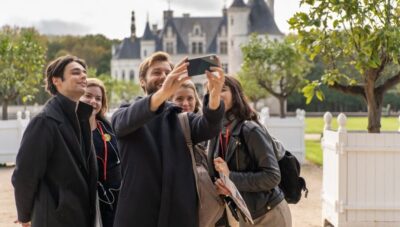
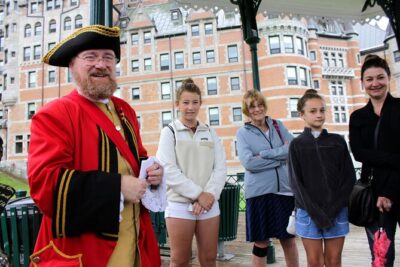
Guided Tour of the Fairmont Le Chateau Frontenac in Quebec City
Read our review →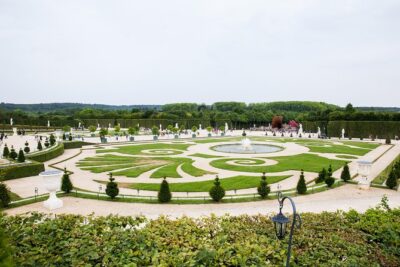
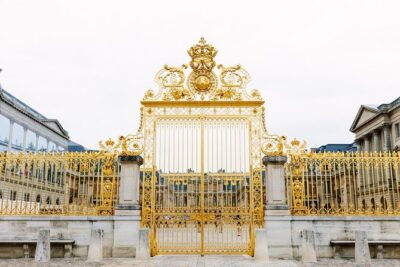
Versailles Château and Gardens Walking Tour from Paris by Train
Read our review →
Loire Valley: Château Royal d’Amboise Entrance Ticket
Read our review →
Fontainebleau & Vaux-le-Vicomte Châteaux Day Tour from Paris
Read our review →Browse the lists this tour appears in