
Review · CHATEAU AND WINE ESTATE TOURS
Luxury Tour of Château de La Dauphine
Château de La Dauphine gives you more than a quick Bordeaux tasting. In about an hour to an hour and a half, you move from an 18th-century château linked to the French royal family to a working 66-hectare organic and biodynamic vineyard, then into striking modern wine-production buildings. I especially like the clear connection between the estate’s past and its present, and I like that the visit explains soil, vineyard care, vats, barrels, and wine rather than rushing straight to the tasting. The main consideration is timing: the visit operates during set daytime hours, and the non-refundable booking policy calls for firm plans.
I also like the personal feel. Guides including Gaspard and Carissa have led visits in English, while tours have also been offered in French and Spanish. You taste three estate wines at the end, but the château, vineyards, and unusual circular cellar design give the tasting a useful sense of place.
Key points
- A royal connection: Marie-Josèphe de Saxe, the Dauphine of France and mother of Louis XVI, stayed at the château.
- A 66-hectare working vineyard: The estate uses organic and biodynamic methods, with decisions made plot by plot.
- Three wines included: The tasting features wines from the property, including Château de La Dauphine and Delphis de La Dauphine.
- Modern cellar design: The technical buildings combine traditional winemaking with vats arranged in a distinctive circular layout.
- Guides who explain the details: Gaspard and Carissa are specifically noted for friendly, clear presentations in English.
- Good value at $17: The price covers the château, grounds, vineyard, production areas, and tasting, not just a glass of wine.
Why Fronsac gives this visit a different feel
Fronsac is one of Bordeaux’s old wine regions, set near the Dordogne. Its place in French wine history reaches back to the era of Cardinal Richelieu and his grand-nephew, when Fronsac wine held a highly prized place at court.
You do not need to be a wine expert to enjoy that background. It gives the visit a useful frame: this is not simply a pretty country estate that happens to make wine. The property connects royal associations, old vineyard traditions, and current production methods in one compact visit.
The name La Dauphine refers to Marie-Josèphe de Saxe, who stayed at the estate. She was the mother of France’s last kings, including Louis XVI. That detail makes the château portion more than a walk through an attractive old building. You are seeing a place tied to the French court, then stepping outside to see how the property functions today.
The setting also helps. The vineyard sits in an arc of the Dordogne, and the estate covers enough ground to feel like a working wine property rather than a small tasting room. You may not spend a long time walking the vines, but the visit puts the vineyard directly into the story of the wine.
More Chateau and Wine Estate Tours in France
- Medoc or Saint Emilion Wine Tasting and Chateau from Bordeaux
★ 5.0 · 1,415 reviews - From Paris: Full-Day Loire Valley Chateaux Tour
★ 4.4 · 1,269 reviews - Versailles Château and Gardens Walking Tour
★ 4.5 · 727 reviews
Walking through the 18th-century château
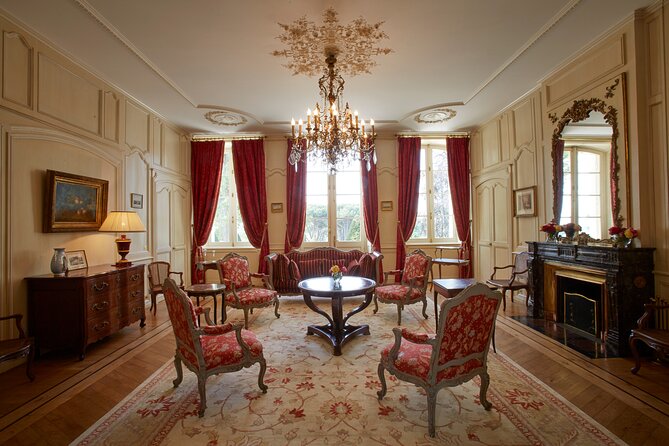
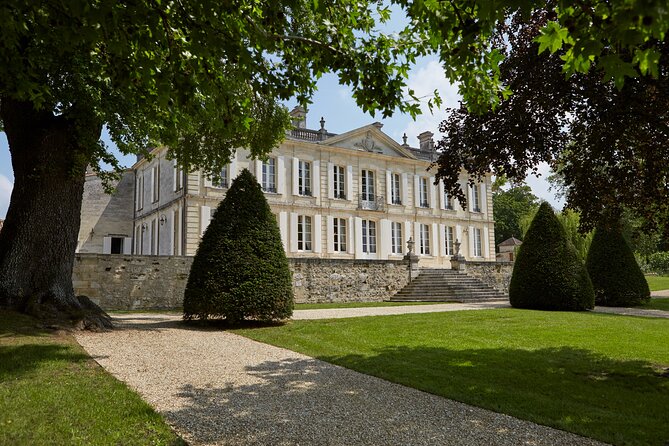
The visit begins with the park and the interior of the 18th-century château. The building is the emotional center of the tour, especially if you enjoy French architecture and old estates but do not want a full-day museum visit.
I would pay attention to the contrast between the polished interior and the practical work happening outside. The château recalls aristocratic life and royal connections, while the vineyard and cellars show a business that still has to manage soil, grapes, fermentation, storage, and sales.
The building is described as beautiful, and the grounds are used as part of the experience rather than treated as a quick backdrop. If you are planning a special moment, the property has also been used for a marriage proposal. That does not turn the tour into a romantic package, but it tells you the setting has genuine visual appeal.
The visit is not presented as a formal palace tour with a long list of rooms. It is a short estate visit, so expect a focused look at the château rather than an exhaustive architectural survey. That is a good match for a wine-focused day in Bordeaux, when you may want several stops instead of spending half a day in one building.
Seeing the vines through organic and biodynamic methods
The vineyard is central to what makes this tour useful. Château de La Dauphine works across 66 hectares using organic and biodynamic practices. The estate describes its decisions as plot by plot, which matters because vineyards are not uniform gardens. Soil, exposure, drainage, and vine conditions can vary across the same property.
Your guide explains the environmental approach as part of the vineyard visit. I like this because the subject is connected to the actual wine rather than offered as a vague promise. You get a chance to understand how the estate thinks about cultivation before tasting the finished product.
The scale is also worth noting. A 66-hectare vineyard is substantial, and the estate is described as one of the most important properties in the Fronsac appellation. You are looking at a full wine operation, not a hobby vineyard attached to a château.
The tour may suit you particularly well if you want to understand how a modern estate responds to environmental concerns. It does not simply present old methods as automatically better. Instead, it shows an estate combining organic and biodynamic work in the vineyard with modern buildings and equipment in the production area.
The technical buildings and circular vats
After the château and vineyard, you walk through the technical buildings. This is one of the tour’s most interesting parts for anyone curious about what happens after harvest.
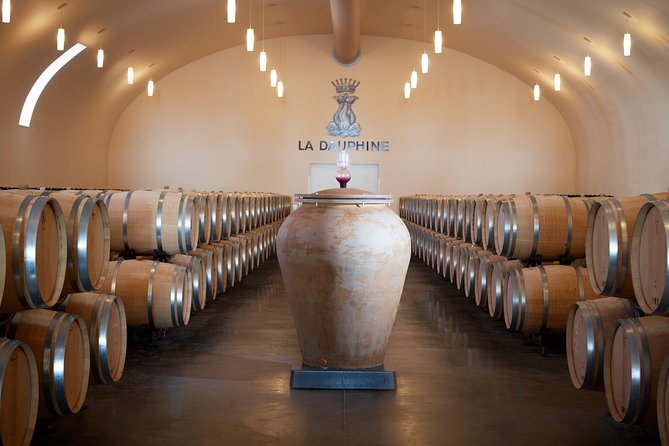
The cellars combine traditional winemaking with modern design. A distinctive feature is the arrangement of the vats in a circular or domed layout. That shape gives the technical area a memorable visual identity, and it helps separate this visit from a standard walk past rows of anonymous tanks.
Your guide also explains the different barrels. This is the point where the visit moves from broad estate storytelling to practical wine production. You can ask about how wine is held, how different containers are used, and how the estate’s methods affect the final bottle.
I would not expect a full technical seminar. The tour lasts roughly 60 to 90 minutes, so the explanation has to stay manageable. Still, the structure gives you a sensible progression: soil and vines first, then the building where grapes become wine, then tasting.
The modern facilities are particularly valuable if you have already visited older Bordeaux cellars. Instead of presenting tradition and technology as rivals, La Dauphine puts them side by side. The château carries the old identity; the technical buildings show current production.
Same city, another grand address:
- Paris: Versailles Palace and Gardens Full Access Ticket
★ 4.6 · 41,579 reviews - Versailles: Skip-the-Line Tour of Palace and Gardens Access
★ 4.7 · 10,429 reviews - From Paris: Versailles Palace & Gardens with Transportation
★ 4.6 · 6,222 reviews - Versailles: Skip-the-Line Guided Palace Tour and Full Access
★ 4.6 · 5,214 reviews
Tasting three wines at the end
The visit ends with a tasting of three wines from the estate. The property produces Château de La Dauphine and Delphis de La Dauphine, and the tasting gives you a chance to compare the estate’s work in the glass.
Because the tasting follows the vineyard and cellar visit, you have more context than you would at a shop counter. You have heard about the soil, seen the vines, and walked through the vats and barrels. That makes it easier to think about the wine as the result of a process rather than an isolated product.
The tasting takes place in the château shop area. The atmosphere may be less formal than a grand restaurant tasting, which can be a plus. You can focus on the wine and ask questions without feeling that you need specialist vocabulary.
The available material does not give the exact vintages or tasting notes, so I would not promise a particular flavor profile. Wine changes with the year, and the three pours will depend on what the estate is presenting when you visit. The useful point is the range: you sample three wines from the property rather than receiving just one token taste.
If you enjoy the bottles, the estate can be a good place to buy directly. One visitor planned to look for the wines through a distributor back home, and another left with several bottles. Availability for taking wine home or arranging later purchases is not specified, so ask the staff if that matters to you.
Guides, languages, and the feel of the visit
The guide can make a big difference on a short wine tour. Gaspard is described as friendly and especially good at explaining vineyard soil. Carissa has led visits in English and is praised for clear explanations of the château, vineyard, and modern winery.
Tours have also been conducted in Spanish, French, English, and German-language visitors have taken an English tour. The information provided does not promise a particular language at every departure, so confirm your preferred language when booking.
The tone appears personal rather than stiff. The guide is expected to explain the estate, answer questions, and connect the parts of the visit. That matters because the tour covers several subjects quickly: royal history, vineyard work, biodynamics, cellar design, barrels, and tasting.
Families can also consider this visit. The estate has welcomed groups with children, and the tour is not limited to serious wine professionals. Children may not care much about the tasting, but the château, park, and unusual vats provide more variety than a tasting-only appointment.
Is $17 a good value?
At the listed price of $17, I consider this strong value for a Bordeaux wine experience. You receive admission to the estate, a guided visit of the château and vineyard, an explanation of the environmental approach, access to the technical buildings, and three wine samples.
Many wine visits charge mainly for the tasting. Here, the wine is only the last part of a wider property tour. That makes the price especially reasonable if you are interested in architecture or winemaking as well as drinking wine.
The short duration also helps the value. At 60 to 90 minutes, La Dauphine can fit into a day exploring Fronsac or the wider Bordeaux wine area. You are not committing a full morning or afternoon, yet the visit covers enough ground to feel substantial.
The price does not include a meal according to the tour details. A past visit included an indoor lunch and a bottle of rosé when poor weather made outdoor dining unsuitable, but you should not assume lunch is part of this experience. Treat that as an example of flexible hospitality, not as a standard inclusion.
One older comment refers to a lower price of 7 euros, but the current supplied price is $17. Use the current booking price when judging the value.
Timing, booking, and practical points
The listed operating dates run from November 1, 2024, through October 31, 2025, with opening hours from 9:30 a.m. to 3:30 p.m., Monday through Sunday. Those hours make the tour suitable for a daytime wine itinerary, but they leave less flexibility than an attraction open into the evening.
Confirmation is sent within 48 hours of booking, subject to availability. I would avoid making this your last-minute stop if your schedule is tight. The experience is also non-refundable and cannot be changed after booking, so check your date and party details carefully before paying.
A mobile ticket is provided, which keeps the arrival process simple. The meeting information supplied here identifies the château as the stop, but it does not provide detailed transport directions. Plan your route to the estate separately and allow enough time to arrive before the scheduled visit.
Most people can participate. No special fitness requirements are listed, although the experience includes walking through the park, vineyard area, château, and technical buildings. Wear practical shoes, especially if the ground is damp.
Who should book Château de La Dauphine?
I would choose this tour if you want a compact Bordeaux wine visit with more substance than a tasting alone. It is a good fit for couples, small groups, families with older children, and anyone interested in the meeting point between historic estates and modern wine production.
It also works well for wine drinkers who want a clear introduction to biodynamic and organic vineyard practices. You do not need advanced wine knowledge, and the guide-led format gives you a structure for understanding what you see.
I would think twice if you want a long, slow château experience, a full meal, or detailed information about a specific vintage. The visit is short, the tasting is limited to three wines, and the exact food arrangements are not part of the stated package.
For most visitors, I would book it. The combination of royal associations, a large working vineyard, unusual cellar design, and three estate wines gives you a fuller experience than the $17 price suggests. Just confirm the language, check the daytime schedule, and book only when your plans are firm.
FAQ
Where is Château de La Dauphine?
Château de La Dauphine is in Fronsac, France, in the Bordeaux wine region near an arc of the Dordogne.
How long does the tour last?
The visit lasts approximately one hour to one hour and 30 minutes.
What does the tour include?
It includes the park, the interior of the 18th-century château, the vineyard, an explanation of the estate’s environmental philosophy, the technical buildings, and a tasting of three estate wines.
How many wines do I taste?
You taste three wines from Château de La Dauphine. The estate produces Château de La Dauphine and Delphis de La Dauphine.
Is the tasting included in the price?
Yes. The tasting of three estate wines is included with the admission.
What languages are available?
Visits have been conducted in English, French, and Spanish. Confirm your preferred language when booking because the supplied information does not guarantee a specific language for every visit.
When is the château open for this experience?
The listed opening period is November 1, 2024, through October 31, 2025. Hours are 9:30 a.m. to 3:30 p.m., Monday through Sunday.
Is the tour suitable for most people?
Yes. Most people can participate, and the experience has welcomed groups with children. The visit involves walking through the park, château, vineyard area, and technical buildings.
Can I cancel or change my booking?
No. This experience is non-refundable and cannot be changed for any reason. Confirmation is provided within 48 hours of booking, subject to availability.
Newly added in France
- The Blending Tour at Château de La Dauphine★ 5.0 · 5 reviews
- Discovery Tour of Château Haut Breton Larigaudière★ 5.0 · 2 reviews
- Discovery visit of Château Rol Valentin with tasting★ 5.0 · 34 reviews
- Wine Gaming at Chateau Lamothe★ 5.0 · 3 reviews
- Wine Tour at Chateau Lanessan★ 4.5 · 13 reviews
- Picnic at the Château de la Selve!★ 5.0 · 26 reviews
- Private Tour in Fontainebleau Palace with Skip-The-Line Ticket★ 5.0 · 9 reviews
- Tasting of 6 wines at Château Haut Breton Larigaudière★ 4.5 · 17 reviews
Chateau and Wine Estate Tours, compared.
Medoc or Saint Emilion Wine Tasting and Chateau from Bordeaux
Read our review →
Guided Tour of the Fairmont Le Chateau Frontenac in Quebec City
Read our review →
Versailles Château and Gardens Walking Tour from Paris by Train
Read our review →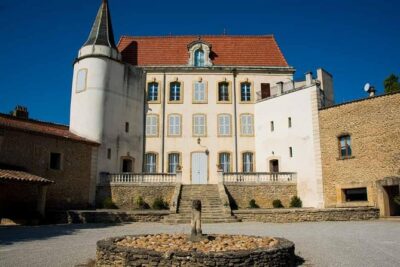
Loire Valley: Château Royal d’Amboise Entrance Ticket
Read our review →
Fontainebleau & Vaux-le-Vicomte Châteaux Day Tour from Paris
Read our review →Browse the lists this tour appears in