
Review · ITALY PALACE TOURS
Guided Tour of Rolli Palaces UNESCO Site, Genoa
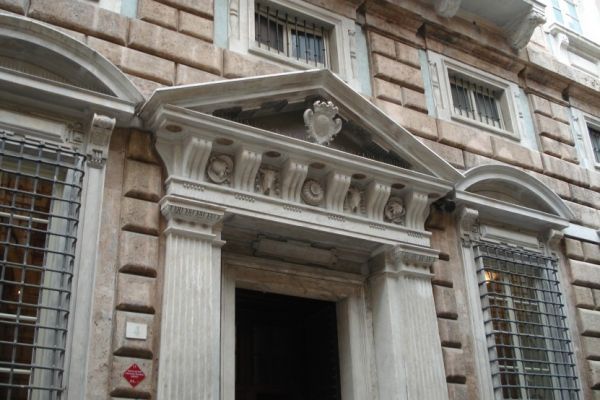
Genoa’s Rolli Palaces are not just pretty old buildings. They were a state-run hospitality system, where the republic assigned noble homes to host visiting cardinals, princes, viceroys, and ambassadors. This tour gives you a practical way to see four of these UNESCO-listed residences in one walk, including Palazzo Rosso and its celebrated art collection.
I like the $16 price, which covers the guide and entry to all four palaces. I also like the variety: a museum full of paintings, a richly decorated Golden Room, a surprise fresco, and the grand staircase at Palazzo Imperiale. The main catch is that the tour runs in English and Italian, so explanations take longer and may feel less focused than a tour in one language.
Key points at a glance
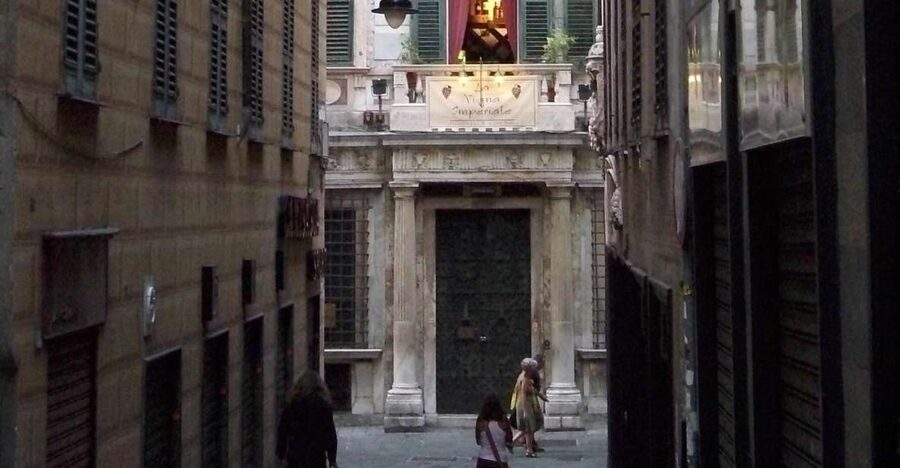
- Four very different palaces: Visit Palazzo Rosso, Palazzo Lomellino, Palazzo Tobia Pallavicino, and Palazzo Imperiale.
- A working piece of European history: Learn how Genoa’s aristocratic homes became official lodging for state visitors.
- The Golden Room: See the ornate room inside Palazzo Tobia Pallavicino.
- A hidden fresco and garden: Palazzo Lomellino adds a surprise behind its formal rooms.
- Bilingual guiding: The guide speaks English and Italian, often switching between both throughout the tour.
- Good value for art lovers: The $16 fee includes the guided walk and palace admissions.
Why Genoa’s Rolli Palaces matter
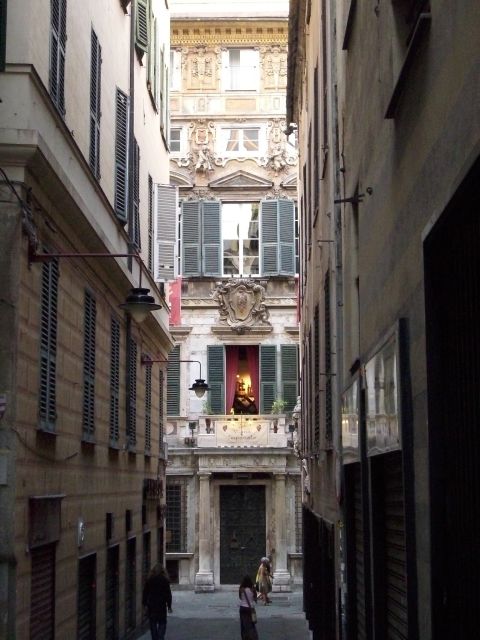
In the 16th and 17th centuries, Genoa was at the height of its power. Its merchant families controlled money, trade, ships, and political influence, and they built homes to match their status.
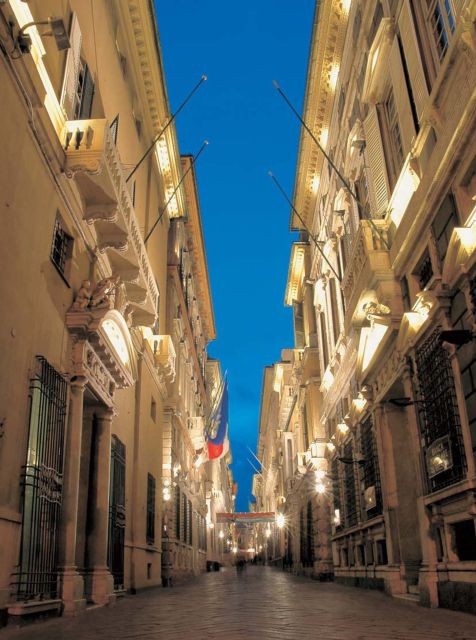
The palaces were placed along Genoa’s grand streets, especially what is now Via Garibaldi. Their fronts can look orderly and restrained, but the interiors were made to impress. You may pass through open staircases, courtyards, loggias, frescoed rooms, and gardens squeezed into the steep urban setting.
The unusual part was the official Rolli system. In 1576, Genoa’s Senate created lists of noble residences that could host visiting dignitaries. The palaces were divided into three bussoli, or balloting lists, based on their size and quality. A draw decided which family had the honor, and the expense, of hosting a particular guest.
That makes the Rolli Palaces more than private mansions. Together, they formed one of Europe’s earliest organized systems for accommodating official visitors. UNESCO added the site to its World Heritage list in 2006.
I find this context useful because it explains why Genoa built so many lavish homes close together. You are not simply touring separate houses. You are following the old civic machinery of a powerful republic.
The Flemish painter Peter Paul Rubens understood the appeal. In the early 17th century, he published drawings of Genoese palaces as models for wealthy families in Antwerp. As you walk through the buildings, you can see why these interiors served as a pattern for aristocratic living far beyond Liguria.
More Palaces to Tour in Italy:
- Venice: Doge’s Palace Reserved Entry Ticket
★ 4.6 · 42,716 reviews - Doge’s Palace & St. Mark’s Basilica with Terrace Access Tour
★ 4.7 · 10,697 reviews - Venice: Doge’s Palace and St Mark’s Basilica Walking Tour
★ 4.4 · 6,291 reviews
Starting on Via Garibaldi
The tour begins at the Tourist Information Centre at Via Garibaldi 12red. The street is one of the best places in Genoa to begin an old-city visit because several major palaces are gathered along or near it.
This is a walking tour, not a bus excursion. That matters in Genoa, where the historic center unfolds through narrow streets, steep passages, courtyards, and stairways. Wear shoes that handle steps well, and expect to move between buildings rather than remain in one museum for the full two and a half hours.
The guide meets the group and leads the walk in English and Italian. The tour is available as a small group, although group size can vary. Guides have included Marina, Ana, Manuela, Barbara, Christina, and Fausta on different departures. The quality of the experience depends partly on who leads your visit, but the guides are expected to handle both languages.
The meeting point is easy to use as a base for planning. If you are visiting Genoa by cruise ship or train, allow enough time to reach Via Garibaldi and find the red-numbered address. The tour itself does not include transportation, so you need to get to the starting point on your own.
Palazzo Rosso and the Strada Nuova museums
Palazzo Rosso is one of the tour’s main anchors. It forms part of the Strada Nuova Museums, a group of historic palaces turned into an art museum complex.
The palace was built for the Brignole-Sale family and contains grand rooms designed for both family life and official display. On this tour, you can expect to see decorated interiors and works of art while the guide explains how the building functioned as a noble residence.
This stop is valuable because it gives you more than an exterior view. Genoa’s palaces can look imposing from the street, but their real force is inside, where painted ceilings, furnishings, and room layouts reveal how the ruling families presented themselves.
The tour also includes access to Palazzo Rosso itself, rather than simply walking past it. One earlier version of the experience included a 360-degree view from the top, but that detail is not guaranteed for every departure, so I would treat it as a possible extra rather than a promised feature.
Allow yourself time to look up. The ceilings and upper walls often carry as much visual information as the paintings at eye level. A guide can help you connect the artwork to the family’s social ambitions, which is hard to grasp from a quick self-guided visit.
Palazzo Tobia Pallavicino and the Golden Room
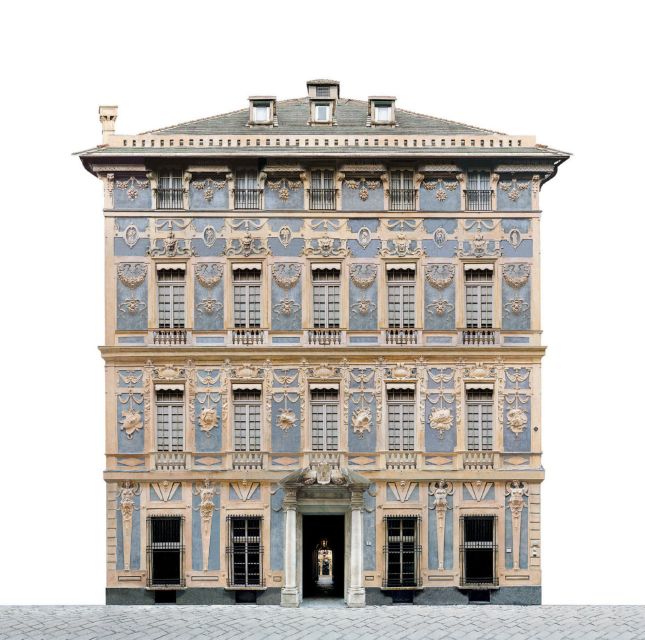
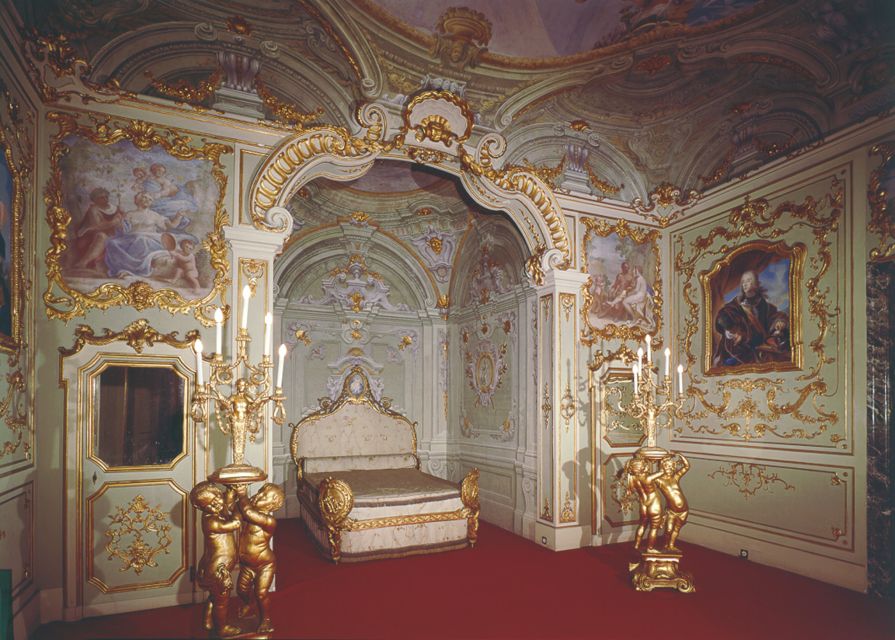
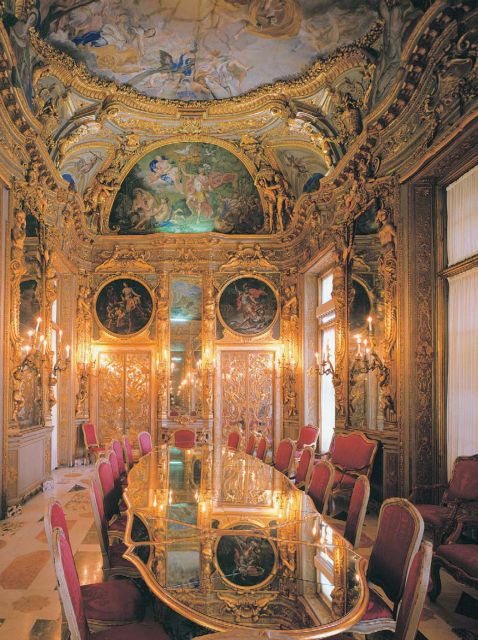
Palazzo Tobia Pallavicino provides one of the tour’s clearest moments of decorative excess. Its main attraction here is the Golden Room, an ornate interior that shows how Genoese elites used decoration to signal wealth and refinement.
The room is not simply a pretty backdrop. Its appearance reflects the role these palaces played in receiving important people. Every grand surface had a job: to create an impression of power, taste, and financial strength before a visitor even reached the formal meeting rooms.
This is the kind of stop where a guide adds real value. Without explanation, you may notice gilding, painted details, and fine finishes but miss how the room fits into the social system of the republic.
The visit can also help you compare the palaces. Palazzo Rosso works partly as a museum, while Palazzo Tobia Pallavicino offers a more direct sense of aristocratic display. Seeing both in the same morning lets you notice how each family shaped its own version of luxury.
Same city, another grand address:
- Legendary Venice: Doge’s Palace, St Mark’s & VIP Terrace Access
★ 4.5 · 5,033 reviews - Florence: Palazzo Vecchio Entrance Ticket & Audioguide
★ 4.4 · 4,822 reviews - Florence: Entrance Ticket to Pitti Palace
★ 4.5 · 4,528 reviews - Venice: Doge’s Palace and St. Mark’s Basilica Tour
★ 4.5 · 3,734 reviews
Palazzo Lomellino and the surprise beyond the rooms
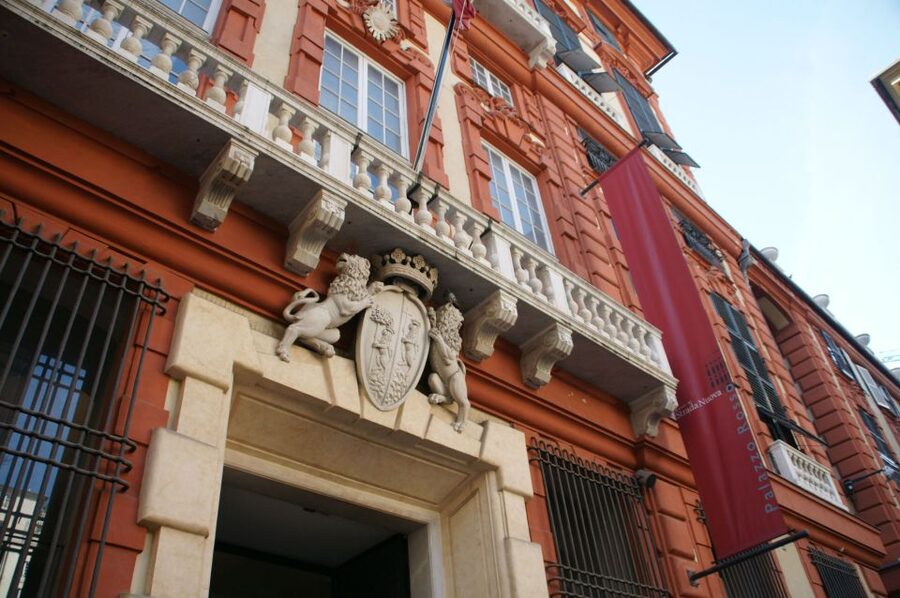
Palazzo Lomellino brings a different mood. The palace is known for its decorative rooms, but the tour also includes a hidden fresco and a garden area that may come as a surprise during the visit.
That change matters. The Rolli Palaces are often associated with grand interiors, yet the gardens and less obvious spaces show how these residences were organized behind the formal front. Genoa’s tight urban setting makes any garden feel especially precious.
You should listen closely when the guide moves the group toward the less visible parts of the palace. The fresco may not be the first thing you notice, and the garden can be easy to miss if you only focus on the main rooms.
Access can depend on what is open on the day. One past visit continued even while preparations for a wedding were underway, so the palace may occasionally have activity unrelated to the tour. That can add a glimpse of how these historic buildings still function, though it may also affect the route.
Palazzo Imperiale and the climb through Genoese grandeur
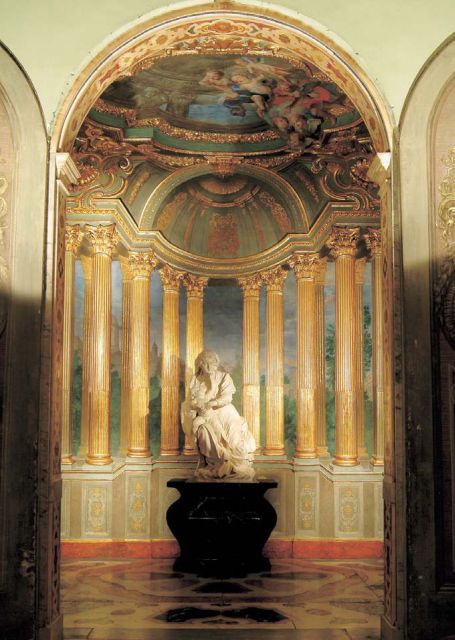
The final major stop is Palazzo Imperiale, where the tour includes entry and a look at its magnificent stairs.
The staircase is a fitting part of the experience because the Rolli Palaces were designed as stage sets for arrival. A visitor did not simply walk into a plain home. The approach through gates, courtyards, stairs, and reception rooms helped announce the host family’s rank.
You should be ready for steps throughout the tour, not only at Palazzo Imperiale. The route is described as walk-friendly, but it is not step-free. If you prefer a slow pace, tell the guide early so you can manage the route comfortably.
The stairs also show how the palaces adapted to Genoa’s sloping streets. Buildings were positioned at different levels, and architects used stairs and open passages to connect the formal spaces. The result is often more interesting than a flat sequence of rooms.
How the bilingual format affects the pace
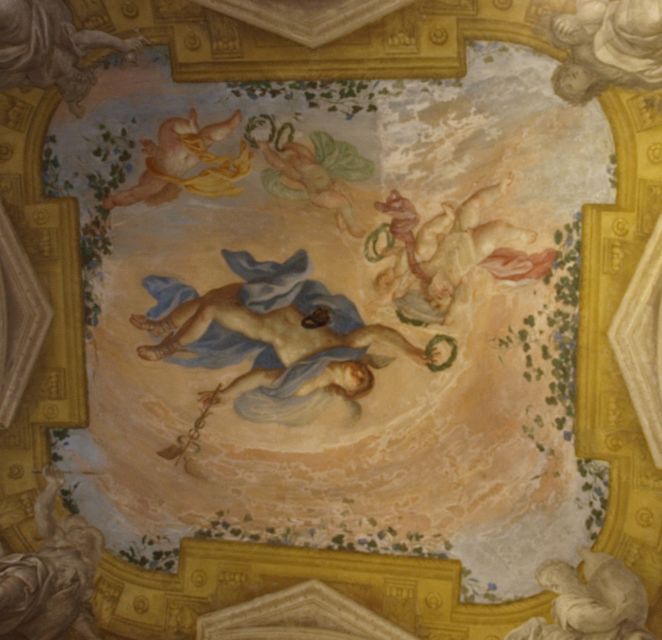
The tour is conducted in English and Italian by a bilingual guide. This makes it possible for mixed-language groups to visit together, but it also has a clear tradeoff: explanations are generally given twice.
That can add time between rooms and make the tour feel slower than a one-language walk. If you booked expecting English only, be prepared for Italian sections as well. The bilingual structure has caused some guests to find the pacing less efficient, especially when both language groups are large.
A strong guide can reduce the problem. Fausta was praised for presenting both languages without tiring the group, while guides such as Ana and Manuela were noted for clear, lively explanations. Marina and other guides have also been described as friendly and thorough.
I would book this format if you care more about seeing the palaces with a guide than about moving at top speed. You get the benefit of a shared English and Italian tour, but you should not expect every minute to be in English.
Questions are worth asking, especially at the smaller palaces. Guides have explained artwork, family stories, city customs, and even nearby historic businesses. The best visits feel like a conversation, not a lecture, so speak up when you want to know more.
What the $16 price really buys you
At $16 per person, this is an unusually inexpensive way to see several significant interiors in Genoa. The cost includes the guided tour, admission to Palazzo Imperiale, entry to Palazzo Rosso, and visits to Palazzo Lomellino and Palazzo Tobia Pallavicino.
The value is strongest if you would otherwise pay separate admission fees or skip the lesser-known palaces. A self-guided visit to Palazzo Rosso might give you more time with the art, but it would not automatically connect the four buildings into one story.
You are also paying for access to places that may not be obvious from the street. The hidden fresco, private-feeling garden, grand stairs, and Golden Room give the tour more range than a basic walk along Via Garibaldi.
There are limits. The tour lasts two and a half hours, so each palace receives only part of your attention. One past participant felt that the route covered only one floor of a palace rather than the whole building. If you want an exhaustive museum visit, book separate time for Palazzo Rosso.
The flexible booking terms make the price easier to manage. You can reserve and pay later, and cancellation is free up to 24 hours before the tour for a full refund. Check the available start times before booking because the schedule can affect how well the tour fits with other Genoa plans.
Who should book this tour
I would recommend it to first-time Genoa visitors who want a clear introduction to the city’s aristocratic center. It works particularly well if you enjoy architecture, painting, social history, and stories about how cities were governed.
It also suits you if you have only one morning or afternoon in Genoa. In 2.5 hours, you see several interiors that would take more planning to arrange independently.
Art lovers should appreciate Palazzo Rosso, while architecture fans may prefer the staircases, courtyards, loggias, and changing levels. The tour also works for people who want more than a standard street walk but do not want to spend an entire day inside museums.
I would hesitate if you strongly dislike bilingual tours or need a completely step-free route. The repeated explanations can lengthen the pace, and the palaces include stairs. I would also avoid booking it if your main goal is to study every painting in detail, since the group must keep moving between four sites.
Practical tips for a better visit
- Wear supportive shoes: Expect a walk through historic streets and plenty of stairs inside the palaces.
- Arrive at Via Garibaldi 12red with time to spare: The meeting point is the Tourist Information Centre.
- Plan for both languages: English and Italian are used throughout the tour.
- Ask about the gardens and frescoes: These less obvious details can be easy to overlook.
- Keep extra time for Palazzo Rosso: The guided visit gives you an introduction, not necessarily enough time for every gallery.
- Check the start time: Availability changes, and the 2.5-hour duration needs to fit around other plans.
- Expect a small-group option, not a guaranteed group size: Small groups are available, but the exact size depends on the departure.
Final verdict: a smart way to meet Genoa’s palaces
I would book this tour for its price, range, and access to interiors that are easy to miss on a first visit. The Golden Room, Palazzo Rosso’s art, Palazzo Lomellino’s hidden details, and Palazzo Imperiale’s stairs give you four distinct reasons to keep walking.
The main compromise is the bilingual format. You will spend some time waiting through the second language, and the tour cannot cover every room in every palace. Still, for $16, the mix of admissions and guiding is hard to beat.
Choose it if you want Genoa explained through its old noble homes rather than seen only from the street. Skip it only if you need a one-language tour, a step-free route, or long, quiet hours with museum collections.
FAQ
How long does the Rolli Palaces tour last?
The tour lasts 2.5 hours.
How much does the tour cost?
The listed price is $16 per person.
Where does the tour begin?
It begins at the Tourist Information Centre, Via Garibaldi, 12red, 16124 Genova GE, Italy.
Which languages are used?
The tour is conducted in English and Italian by a bilingual guide.
Which palaces are included?
The tour includes Palazzo Rosso, Palazzo Lomellino, Palazzo Tobia Pallavicino, and Palazzo Imperiale.
Is admission included?
Yes. The guided tour includes entry to Palazzo Imperiale and Palazzo Rosso, plus visits to Palazzo Lomellino and Palazzo Tobia Pallavicino.
Is this a walking tour?
Yes. You walk between the palaces and through historic interiors. The route includes stairs.
Can I cancel for a refund?
Yes. You can cancel up to 24 hours in advance for a full refund.
Can I reserve now and pay later?
Yes. The reserve now and pay later option lets you book without paying at the time of reservation.
Newly added in Italy
- Anagni: Entrance ticket to the Boniface VIII Palace★ 3.4 · 3 reviews
- Venice: Doge Palace, San Marco Basilica & Rialto Bridge★ 4.7 · 75 reviews
- Turin: Palazzo Madama Museum of Ancient Art Entrance Ticket★ 4.6 · 149 reviews
- Venice Doge’s Palace & St. Mark’s Semi-Private Tour, Max 6 People★ 5.0 · 192 reviews
- Colosseum, Roman Forum and Emperors’ Palace Private Guided Tour★ 5.0 · 14 reviews
- Doria Pamphilj Palace Gallery and Museum Private Tour with Local Guide★ 4.5 · 10 reviews
- Private Tour – National Museum of Palazzo Massimo★ 5.0 · 51 reviews
- Private Tour – Palazzo Barberini★ 5.0 · 23 reviews
Italy Palace Tours, compared.
Doge’s Palace & St. Mark’s Basilica with Terrace Access Tour
Read our review →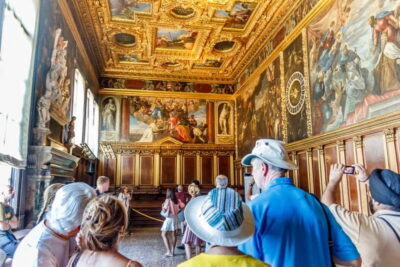
Doge’s Palace and St Mark’s Basilica Walking Tour
Read our review →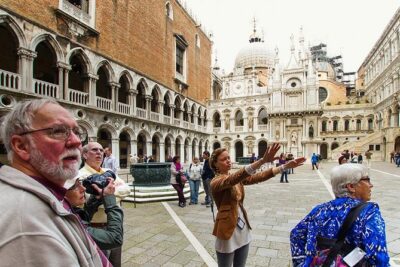
Legendary Venice: Doge’s Palace, St Mark’s & VIP Terrace Access
Read our review →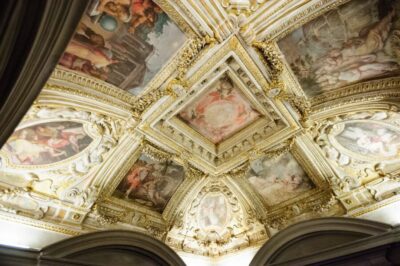
Venice In a Day: St Mark’s, Doges Palace Gondola Ride & City Tour
Read our review →Browse the lists this tour appears in