
Review · BAHIA PALACE TOURS
Marrakech: Bahia Palace Guided Tour – Skip-the-Line Access
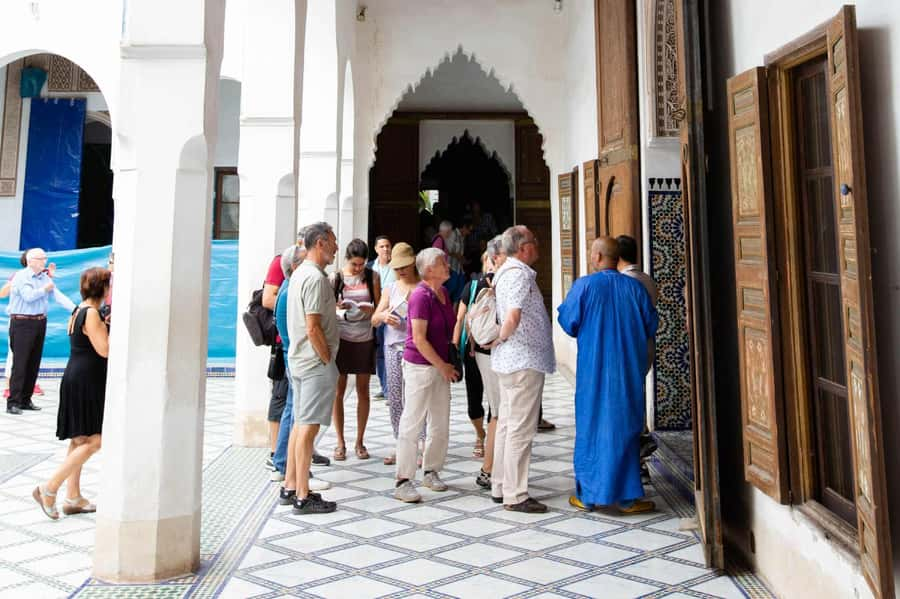
Bahia Palace is one of Marrakech’s best introductions to Moroccan design. Inside, you’ll move from cool tiled courtyards to carved cedar ceilings, painted rooms, and gardens that once served an influential 19th-century household. I like that the guide goes inside each monument with you, and I like the short walk through the Mellah and Medina afterward. The main catch is the extra 100 MAD entry fee, which is not included in the $12 tour price.
The meeting point at Cafe de France is easy to find, but Djemaa El Fna can be loud and confusing at first. Bring water, wear good shoes, and keep some cash handy. This is a walking tour, and it is not suited to people with mobility impairments.
Key points at a glance
- Palace access: Skip-the-line entry helps you spend less time waiting outside Bahia Palace.
- Guides inside the monument: Your guide explains the rooms and design as you go, then leaves time for your own photos.
- Moroccan craftsmanship: Look for zellige tiles, carved cedarwood, painted ceilings, courtyards, and gardens.
- Mellah history: A brief stop introduces Marrakech’s former Jewish quarter and its surviving synagogues and markets.
- Strong local help: Guides such as Yassine, Ahmad, Hassan, Achraf, Ousif, and Mohamed, also called Momo, have been praised for clear explanations, good humor, and practical advice.
- Useful first-day choice: The route ends at Djemaa El Fna, giving you a helpful first look at the Medina.
Why Bahia Palace makes a smart first stop
Marrakech can feel like a lot during your first few hours. Motorbikes slip through narrow lanes, shopkeepers call from doorways, and the Medina does not offer a simple sense of direction. Bahia Palace gives you a calmer place to begin, with a guide who can explain what you are seeing before you tackle more of the old city.
The palace was commissioned by a grand vizier in the 19th century. That detail matters because Bahia is not simply a royal residence preserved for display. Its rooms, courtyards, gardens, and decoration reflect the power and ambitions of an important household in Moroccan society.
You will hear about the people who ordered the work and the artisans who created it. The stories of court life and royal intrigue add meaning to details that might otherwise look like attractive decoration. A guide can point out how the building was arranged and why different spaces feel open, private, formal, or secluded.
The palace is also useful as a lesson in Moroccan architecture. Its design combines Moroccan traditions with Andalusian influence. The result is not one grand hall alone, but a sequence of spaces that reward slow looking.
More Bahia Palace Tours in Marrakesh:
- Marrakech: Bahia Palace, Saadian Tombs, Souk and Medina Tour
★ 4.7 · 4,974 reviews - Marrakech: Bahia Palace, Saadian Tombs, & Koutoubia Mosque
★ 4.5 · 2,529 reviews - Marrakech: Bahia Palace, Madrasa Ben Youssef and Medina Tour
★ 4.7 · 1,347 reviews
Reading the tiles, ceilings, and courtyards
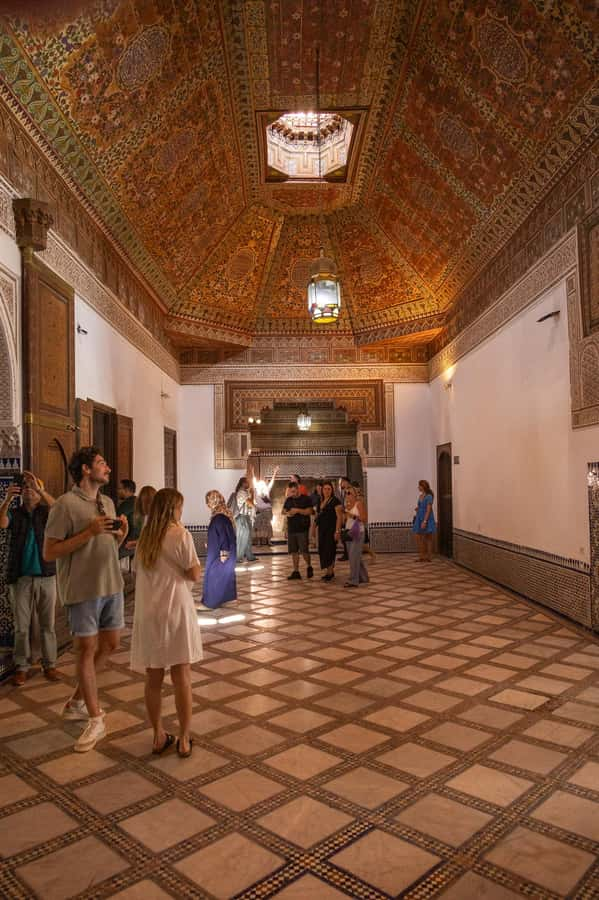
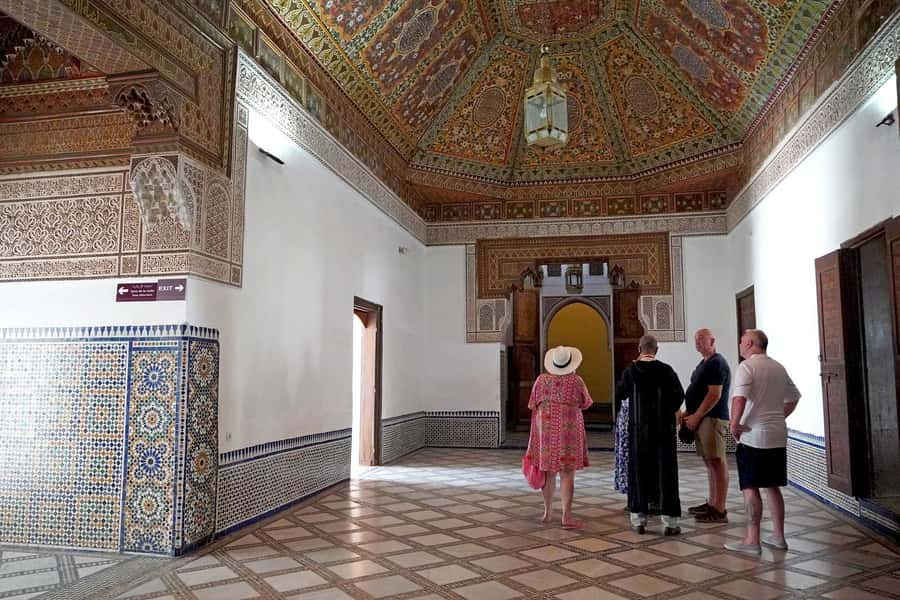
The first pleasure of Bahia Palace is visual. Zellige tilework covers sections of the floors and walls in precise geometric patterns. The small hand-cut tiles create a surface that can look almost delicate from a distance, then surprisingly complex when you stand close.
Your guide can help you read these patterns rather than simply photograph them. Notice how the tilework frames doorways, marks changes between rooms, and adds order to the courtyards. The effect is decorative, but it also shows the patience and skill required from the craftsmen.
Look up as often as you look down. Carved cedarwood ceilings are among the palace’s most memorable features, with detailed work that contrasts with the hard geometry of the tiles. Painted wood and plaster add another layer, giving the rooms a softer and more intimate feel.
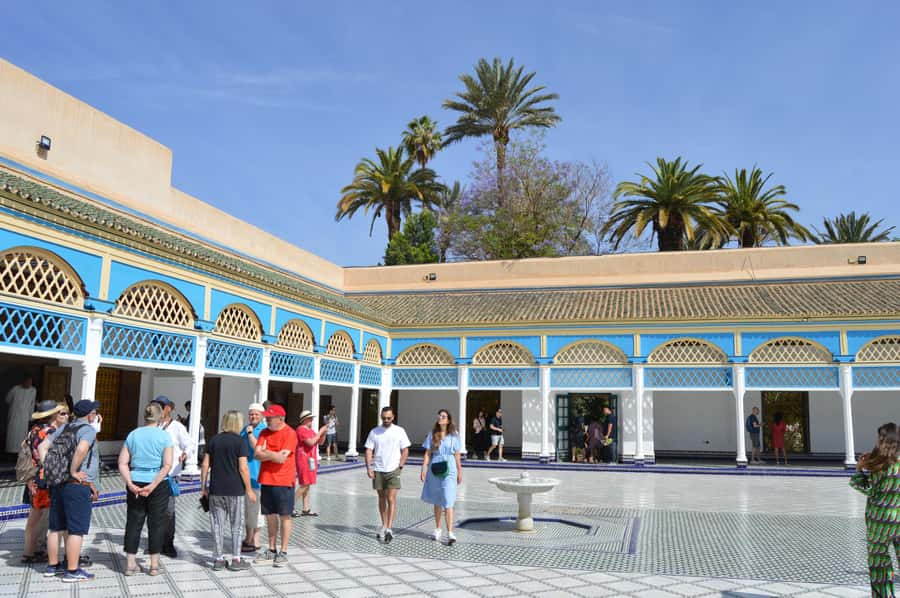
The courtyards offer a welcome pause. Their open space and shade provide relief after the tighter rooms, while the gardens bring greenery and a quieter mood. I would not rush through these areas. The palace works best when you notice the change from decorated interior to open courtyard, then back to more private rooms.
The building is not presented as a modern museum with every space fully furnished. Much of its appeal comes from structure, surfaces, light, and proportion. If you want a palace packed with objects and furniture, you may find the visit more architectural than historical. If you enjoy buildings and craft, it is a satisfying stop.
A guide who explains rather than points
A guided visit makes a real difference here. Without context, you can see beautiful tiles and ceilings but miss how the palace functioned. The guide stays with you inside the monument, explains the rooms, and then gives you free time to look around and take pictures.
Several guides have been singled out for a friendly, relaxed approach. Yassine has been praised for palace explanations, local suggestions, and helping with photographs. Ahmad has been described as warm and clear, while Hassan, Achraf, Ousif, and Mohamed, known as Momo, have also received strong praise for their approachable manner.
That does not mean you can request one of these guides with certainty. The guide assigned to your visit may be different. It does show what to look for: a good guide should explain the palace in plain language, answer questions, allow quiet time for photos, and help you understand the streets beyond the monument.
The personal service is especially useful in Marrakech because practical advice has value. One guide may suggest ways to handle the Medina, recommend places to see later, or help you get your bearings on the first day. The route is not only about facts from the past. It also gives you a local point of contact at the start of your stay.
The tour is offered in English or French. It can be private or small-group, depending on the option you choose. A private version gives you more control over questions and pace, while a small group may be the better value if you want a guided visit without paying for a fully private outing.
Why skip-the-line access matters here
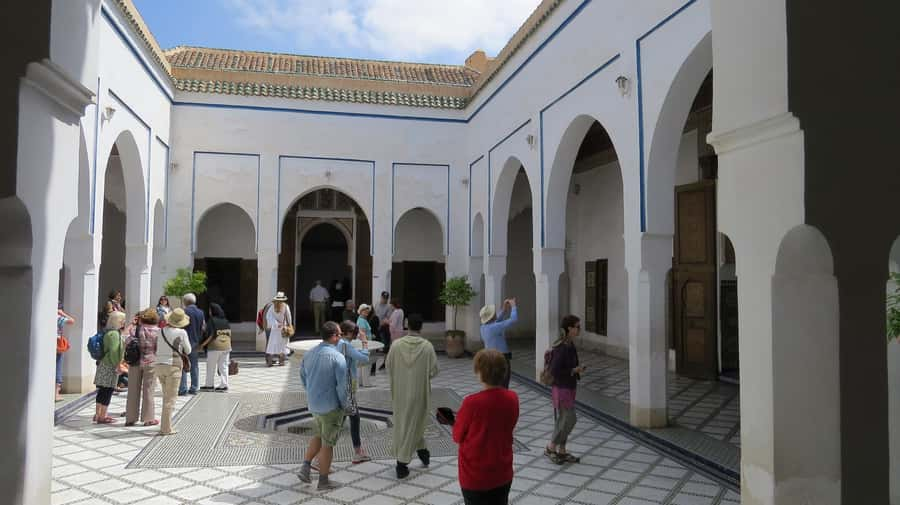
The $12 price looks low, but you need to read the fine print. The tour fee does not include the Bahia Palace admission ticket, which is 100 MAD per adult. You pay that separately, along with arranging your own transport if needed.
The included skip-the-line access is the main reason to consider booking rather than simply arriving alone. Waiting outside a popular monument can eat into your day, especially when the sun is strong. The value is not that the whole experience is free. The value is the combination of priority access, a licensed local guide, and a route that continues beyond the palace.
At this price, the tour is strongest for someone who wants orientation and explanation without signing up for a full-day excursion. You are paying for access to a guide and a focused walking route. You are not paying for transportation, meals, or entry to several major monuments.
Keep cash with you for the palace ticket. The tour instructions also recommend water and comfortable shoes. Those are simple details, but they matter when you are walking through the Medina and standing on hard streets.
More Skip-the-Line Palace Tickets in Marrakesh:
- Marrakech: Bahia Palace Guided Tour with Skip-the-Line Entry
★ 4.7 · 811 reviews - Versailles: Skip-the-Line Tour of Palace and Gardens Access
★ 4.7 · 10,429 reviews - Madrid: Royal Palace Expert Guided Tour with Skip-the-Line
★ 4.7 · 8,407 reviews - Vienna: Schönbrunn Palace & Gardens Skip-the-Line Tour
★ 4.7 · 7,739 reviews
From Cafe de France into the Medina
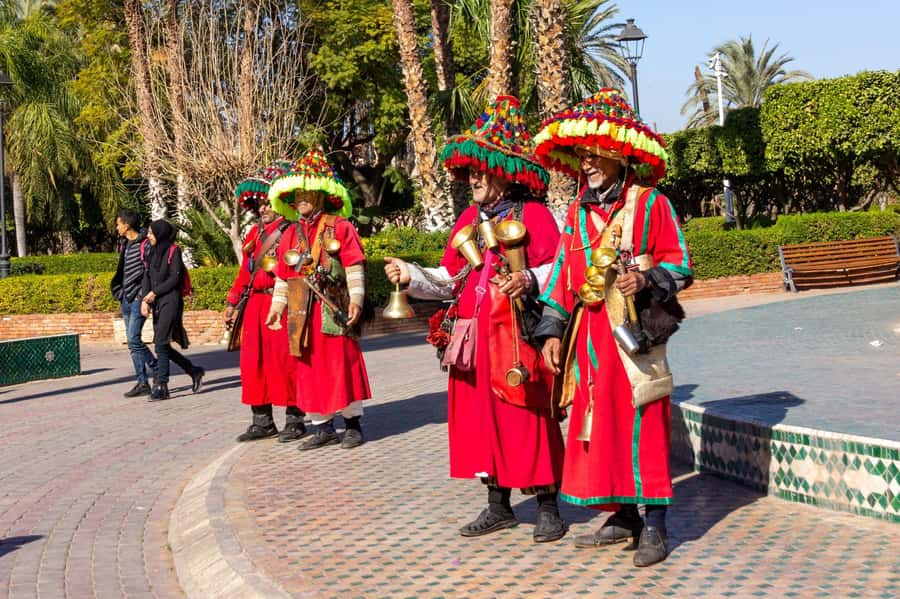
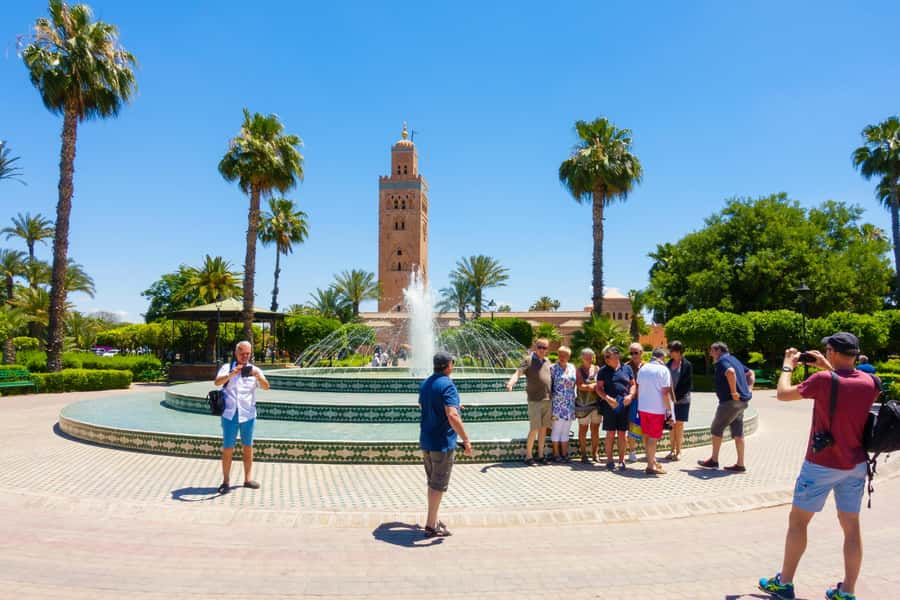
The tour begins in front of Cafe de France at Djemaa El Fna. The provider contacts you a day or two before the visit to confirm the meeting arrangements and your guide’s details. You should still allow extra time to find the cafe, since the square can be busy and its edges may look different depending on where you enter.
Djemaa El Fna is a practical starting point because it is one of Marrakech’s main reference points. It is also a lively introduction to the old city, with food stalls, sellers, pedestrians, and the constant movement that defines the square.
From there, the route takes you toward Bahia Palace. The transition is part of the experience. You are not being dropped at a quiet museum entrance and then collected by a bus. You begin in the center of daily Medina life, then move into a historic palace where the pace is slower and the architecture takes control.
The tour ends back at the original meeting point. That makes the route easy to plan around, especially if you want to continue exploring Djemaa El Fna afterward.
The Mellah and Marrakech’s Jewish past
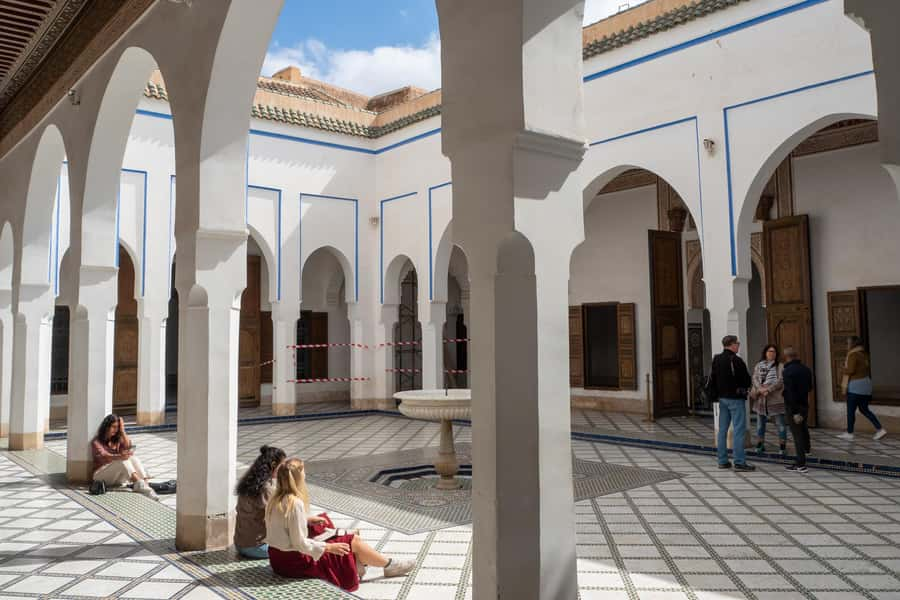
After the palace, you make a brief stop in the Mellah, the former Jewish quarter of Marrakech. This adds an important layer to the visit because the city’s story is not limited to palaces, sultans, and Islamic architecture.
Your guide introduces the Jewish community that once lived and worked in this part of the city. You may see traces of that past in synagogues, traditional markets, and the narrow street plan. The stop is not described as a long specialist history walk, so expect an introduction rather than an exhaustive study of the neighborhood.
That short visit is still worthwhile. It reminds you that Marrakech developed through different communities and traditions, each leaving marks on the city. The Mellah also helps connect the palace to ordinary urban life. You move from an elite residence to streets shaped by trade, religion, family, and local work.
This part of the route may appeal most to people who want more than a quick palace photograph. It gives the day some balance and helps you see Marrakech as a lived-in city rather than a collection of monuments.
Finishing at Djemaa El Fna
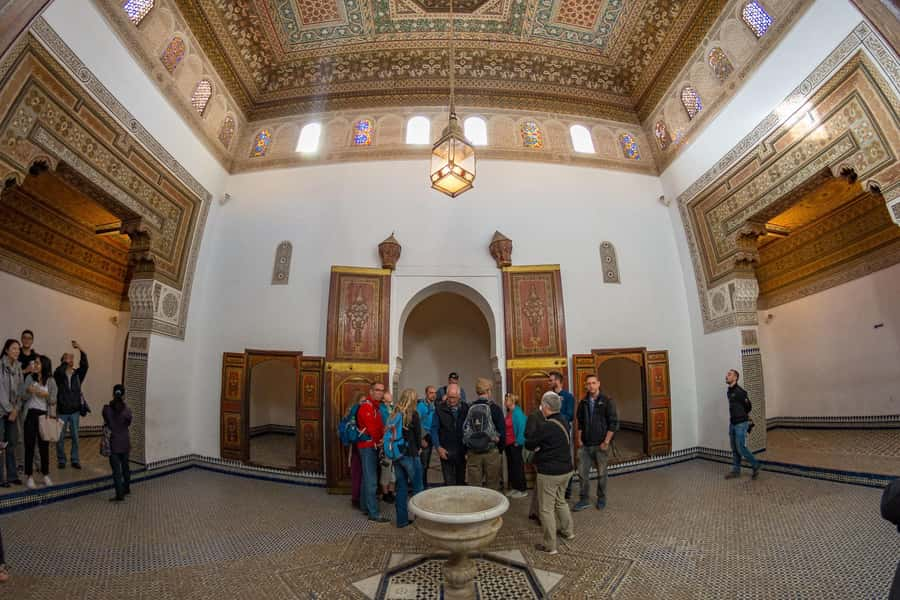
The final section leads back toward the Medina and ends at Djemaa El Fna. Here, your attention shifts from carved surfaces and palace gardens to smells, sounds, shop fronts, and narrow lanes.
You will have a better sense of the Medina after walking it with a guide. That does not mean the streets suddenly become simple. It means you have begun to understand the relationship between the main square, the souks, and the historic quarters around it.
The ending is also practical. You can stay in the square, continue into the markets, or return to your accommodation in the Medina. If this is your first day in Marrakech, the route gives you a useful overview without asking you to handle the whole old city alone.
Do not expect a quiet finale. Djemaa El Fna is active and crowded, and that is part of its character. If you prefer a slow, private ending, you may want to leave the square soon after the tour finishes. If you enjoy street life, it is a natural place to keep exploring.
What the price really includes
At $12 per person, this is a modestly priced guided walk. The separate 100 MAD palace ticket changes the total, but the package still offers good value if you want a guide inside Bahia Palace rather than a quick self-guided visit.
Here is what you are paying for:
- A licensed local guide
- A private or small-group format, depending on your selection
- Skip-the-line access to Bahia Palace
- Guiding inside the monument
- Free time for photos and personal exploration
- A walk through the Mellah and Medina
- A WhatsApp reminder with the guide’s name, meeting point, and practical tips
Private-option guests can also receive pickup within the Medina. Transportation is not included, so you should plan to reach the starting point yourself unless that private pickup arrangement applies to you.
The payment option lets you reserve now and pay later, which can help if your Marrakech plans are still shifting. Cancellation is allowed up to 24 hours before the tour for a full refund.
Who will enjoy this tour most
I would choose this experience if you are visiting Marrakech for the first time, want a clear introduction to Bahia Palace, and prefer a short walking route over a long day in a vehicle. It suits couples, families with older children, and solo visitors who want local context without committing to a large sightseeing program.
It is also a good fit if architecture matters to you. The tiles, cedarwork, painted surfaces, gardens, and courtyard layout are the heart of the visit, and a guide helps you notice more of them.
You may want another option if you have limited mobility. The tour involves walking through the palace, Mellah, and Medina, and it is specifically not suitable for people with mobility impairments. It may also disappoint you if you expect the entry ticket to be included or want a full-day tour with transportation.
For photographers, the free time inside the palace is useful. Guides have also helped with pictures, including Yassine, but you should still allow time to frame your own shots rather than rushing from room to room.
Should you book the Bahia Palace tour?
Book it if you want an affordable guide, skip-the-line access, and a first-day introduction to Marrakech’s old city. The best features are the guide inside Bahia Palace, the attention to Moroccan craft, and the added context of the Mellah.
Before booking, budget for the separate 100 MAD entry ticket and be ready for a walking route through busy streets. If you can manage that, this tour offers a sensible blend of architecture, local history, and Medina orientation without taking over your whole day.
FAQ
How much does the tour cost?
The tour price is $12 per person. Entry to Bahia Palace is separate and costs 100 MAD per adult.
Is the Bahia Palace entrance ticket included?
No. The palace ticket is not included in the tour price. Skip-the-line access is included.
Where does the tour start?
You meet your guide in front of Cafe de France in Djemaa El Fna square.
Where does the tour end?
The activity ends back at the meeting point in Djemaa El Fna.
Is hotel pickup available?
Hotel pickup within the Medina is available if you choose the private option. Transportation is not otherwise included.
What languages are offered?
The tour is offered in English and French.
Is free time included at Bahia Palace?
Yes. Your guide accompanies you inside the monument, explains the rooms, and provides free time for personal exploration and photos.
Can I cancel the booking?
Yes. You can cancel up to 24 hours in advance for a full refund.
Newly added in Marrakesh
- Marrakech Private Medina Tour: Bahia Palace & Ben Youssef★ 4.8 · 48 reviews
- Marrakech: Bahia Palace, Madrassa & Souks Guided Tour★ 4.8 · 47 reviews
- Marrakesh: Bahia Palace, Ben Youssef Medersa & Secret Garden★ 4.8 · 55 reviews
- Marrakech Palaces and Monuments Half-Day Tour★ 4.1 · 13 reviews
- Marrakech: Bahia Palace, Saadian Tombs & Medina Walking Tour★ 4.6 · 63 reviews
- Marrakech: Bahia Palace, Saadian Tombs & Top Highlights Tour★ 4.6 · 104 reviews
- Marrakech: Medina Tour, Bahia Palace and Medrasa Ben Youssef★ 5.0 · 2 reviews
- Marrakech Palaces and Monuments Half-Day Tour★ 5.0 · 11 reviews
Bahia Palace Tours, compared.
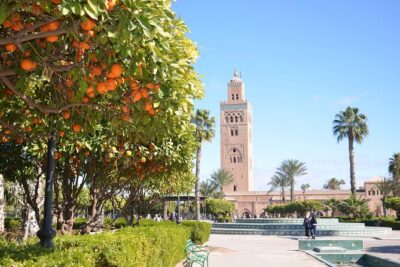
Bahia Palace, Saadian Tombs, Souk and Medina Tour
Read our review →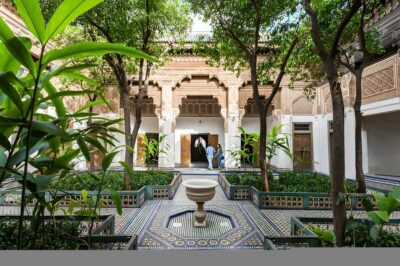
Bahia Palace, Saadian Tombs, & Koutoubia Mosque
Read our review →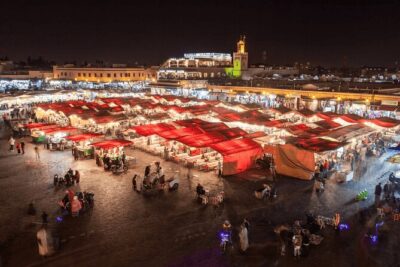
Bahia Palace, Madrasa Ben Youssef and Medina Tour
Read our review →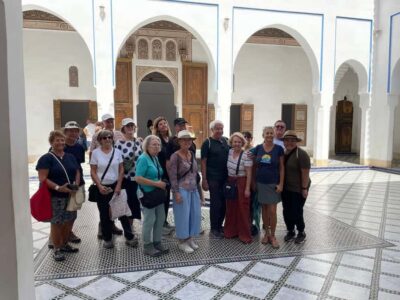
Bahia Palace Guided Tour with Skip-the-Line Entry
Read our review →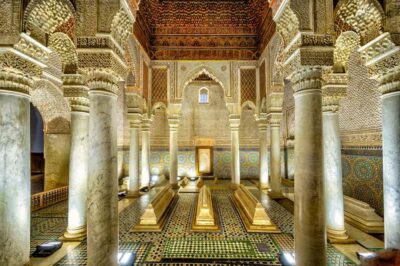
Saadian Tombs, Bahia Palace, Medina and Souk Tour
Read our review →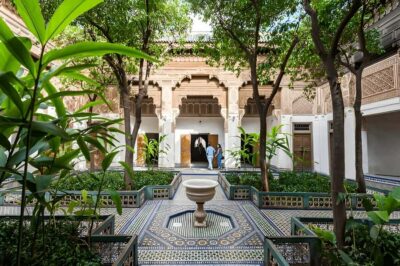
Bahia Palace, Ben Youssef Medersa, & Souks Tour
Read our review →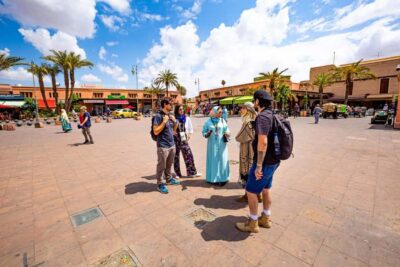
Bahia Palace, Madrasa Ben Youssef & Secret Garden
Read our review →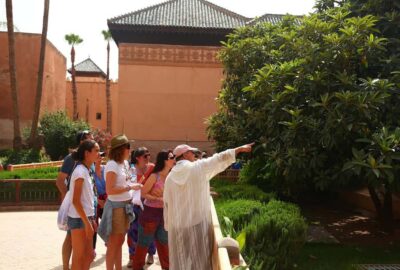
Bahia Palace, Saadian Tombs & Medina Guided Tour
Read our review →Browse the lists this tour appears in