
Review · HERAKLION PALACE TOURS
Minoan Luxuries: Ancient Palaces, Messara Wineries & Matala
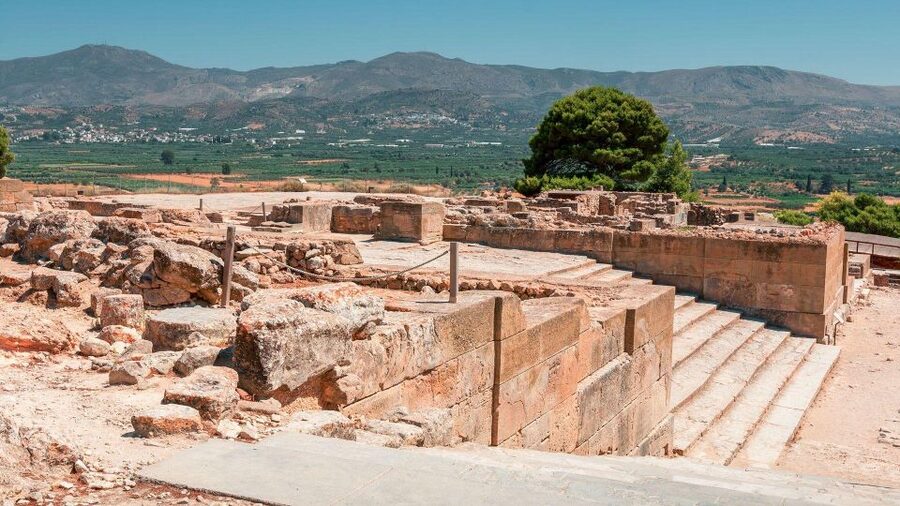
The real prize here is the way ancient Crete and modern Cretan life fit into one long, well-paced day. You move from Saint Myronas and its sacred cave to the Gortyn Code, the palace of Phaistos, family-run wine country, and finally the Libyan Sea at Matala.
I like the private format, especially with personal pickup, a premium vehicle, and a guide focused on your interests. I also like the mix of archaeology, food, wine, village life, and swimming. It is far more varied than a palace-only excursion.
The main drawback is the price: $436 per person before meals, admission fees, and wine tasting. That can be good value for a small private party, but it is not the economical choice for a solo visitor or a couple watching every euro.
Key points at a glance

- Saint Myronas and the sacred cave: Begin with a quieter religious and village stop before the major archaeological sites.
- Gortyn’s Doric law code: See the place linked to one of the ancient world’s most important surviving legal inscriptions.
- Phaistos Palace: Visit the Minoan center where the famous Phaistos Disc was found.
- Messara Valley wineries: Pair broad valley views and old olive groves with a family winery visit and optional tasting.
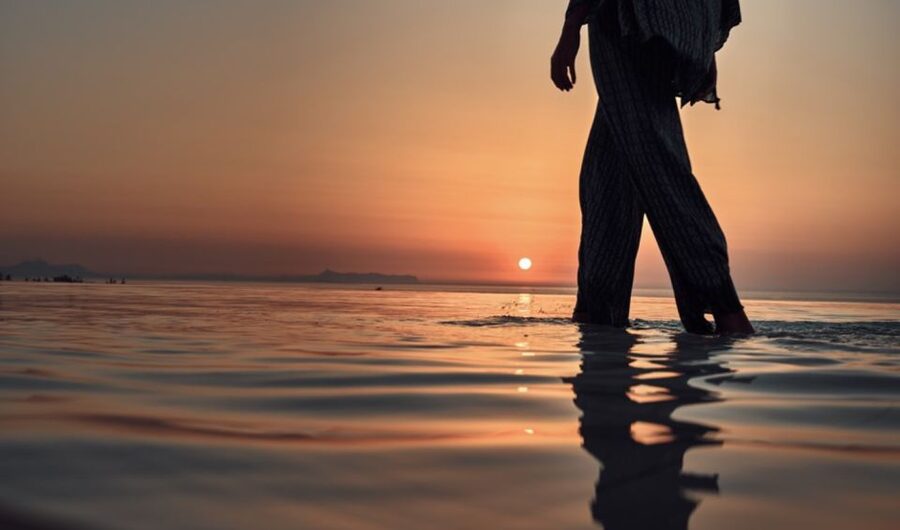
- Matala’s Libyan Sea setting: End with time for swimming, grilled seafood, and the village’s Bohemian past.
- Private, flexible service: Pickup and drop-off can be arranged from a hotel, villa, cruise stop, or another point on Crete.
A full day through Crete’s southern heartland
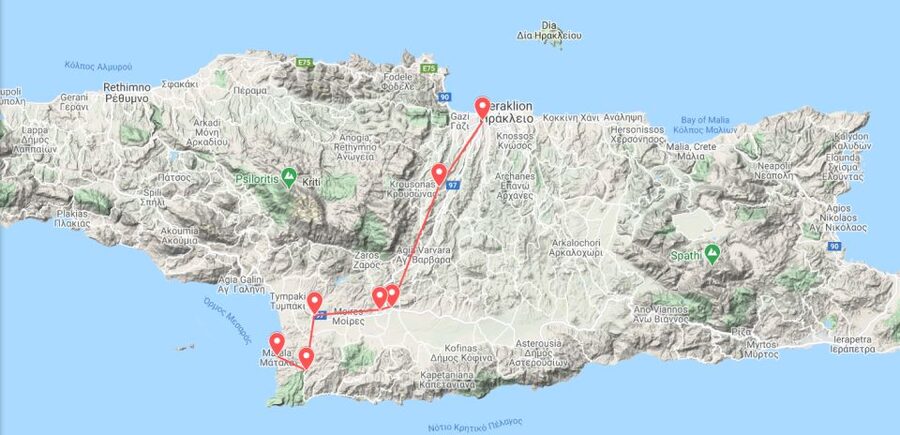
This is an eight-hour private tour from the Heraklion region that heads south into the Messara Valley. The day is built around contrast: sacred places, ancient law, a Bronze Age palace, working vineyards, and a beach town with a relaxed edge.
You ride in a chauffeured premium vehicle with mineral water, Cretan fruit, snacks, Wi-Fi, USB sockets, and hygiene supplies. Those touches matter on a full day. South-central Crete involves plenty of road time, and a comfortable vehicle lets you focus on the scenery instead of the route.
Your pickup time is flexible and can be arranged after confirmation. Pickup and return are available from a hotel, villa, cruise stop, or another location on Crete, which makes this useful if you are not based in Heraklion itself.
The tour is private, so the pace can respond to your group. You can spend more time on archaeology, ask for extra wine guidance, or keep the final beach stop leisurely. The tradeoff is simple: a private tour costs more, but you are not tied to a large group’s schedule.
More Palaces to Tour in Heraklion:
- Crete: Palace of Knossos E-Ticket and Audio Guide
★ 3.8 · 1,540 reviews - From Heraklion: Historical Center City Tour & Knossos Palace
★ 4.4 · 340 reviews - Crete: Knossos Palace, Heraklion City, Market Guided Tour
★ 4.2 · 164 reviews
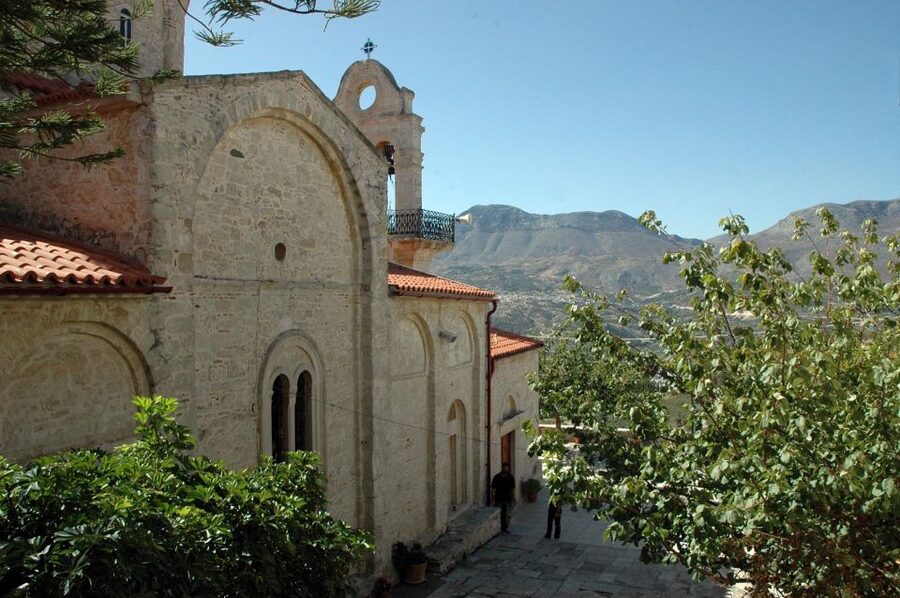
Saint Myronas and the sacred cave
Saint Myronas gives the day a gentle opening. The village is connected with Saint Myronas, and the visit includes his sacred cave. It is a different kind of Cretan sight from the Minoan ruins later in the day, with a religious and local focus rather than a palace setting.
I like this early stop because it gives you a sense of the island beyond its famous archaeological names. You are not simply collecting ruins. You are seeing how sacred places remain part of the identity of a Cretan village.
The cave itself is a meaningful detail for visitors interested in Orthodox traditions, local saints, and the spiritual side of Crete. Your guide can provide context in English, French, German, Russian, or Greek, depending on the language arranged for your booking.
Do not expect a major museum complex here. This is a brief, focused visit, and its value comes from atmosphere and local connection. If your priority is strictly Bronze Age archaeology, you may wish the tour moved faster. For most people, though, it adds useful variety before Gortyn and Phaistos.
Gortyn and the famous Doric law code

At Gortyn, the subject changes from faith to law. The archaeological site is famous for the Gortyn Code, a major inscription written in the Doric form of ancient Greek. The text is associated with laws covering subjects such as family, property, and social obligations.
You do not need to be an ancient law expert to appreciate the site. The code shows that Greek communities were recording and displaying rules in a public way long before modern legal systems. It also gives the ruins a human edge: these were not only ceremonial buildings, but places where people dealt with marriage, inheritance, and disputes.
Gortyn is an important stop for visitors who want more than a palace story. Phaistos shows royal and administrative life in the Bronze Age. Gortyn helps you think about later Greek society and the written rules that organized it.
The amount of detail you get depends on your guide and your questions. Stavroula, the guide associated with this itinerary, is described as presenting information in an engaging way rather than simply reciting dates. That matters at a site where scattered stones and partial walls can otherwise be hard to read.
Phaistos Palace and the Phaistos Disc
Phaistos is the day’s major Minoan stop. The palace sits above the Messara Valley, so the setting helps you understand why this was such an important center. You can look across the fertile plain while learning about the palace complex and the wider Minoan world.
The Phaistos Disc was excavated here, which gives the site instant appeal. The disc carries symbols that have not been fully understood, and its mystery has helped make Phaistos one of Crete’s most famous archaeological places.
Keep expectations sensible. The original disc is not described as part of this visit, and the tour does not promise a museum session devoted to it. The attraction is the palace site itself, the connection to the disc, and the chance to picture how a Minoan center functioned.
A private archaeology guide is useful here. Phaistos can feel like a series of foundations unless someone explains how the spaces fit together. With context, courtyards, terraces, rooms, and views across the plain become easier to imagine.
The tour includes skip-the-line assistance, but admission fees are not included. You should budget separately for entry to the archaeological sites. The guide can help with buying tickets, which saves time and removes some of the usual ticket-window fuss.
Same city, another grand address:
- Private Tour-Knossos Palace Zeus Cave Olive Oil Mill & Wine
★ 5.0 · 135 reviews - Crete: Knossos Palace and Museum E-Tickets with Audio Guides
★ 4.0 · 126 reviews - Guided Tour to Knossos Palace & Heraklion
★ 4.0 · 83 reviews - Knossos Palace & Historical Heraklion City Tour, with Old Market
★ 4.5 · 51 reviews
The Messara Valley, vineyards, and old olive groves
Between the ruins, you travel through the Messara Valley, one of the main agricultural areas of south-central Crete. The route is part of the experience. Wine-red soil, vineyards, and old olive groves give you a clear picture of why this region has supported farming for so long.
This is where the tour becomes less about monuments and more about present-day Crete. You see a working countryside rather than only preserved sites. The connection between ancient agriculture and current wine and olive production is one of the day’s strongest themes.
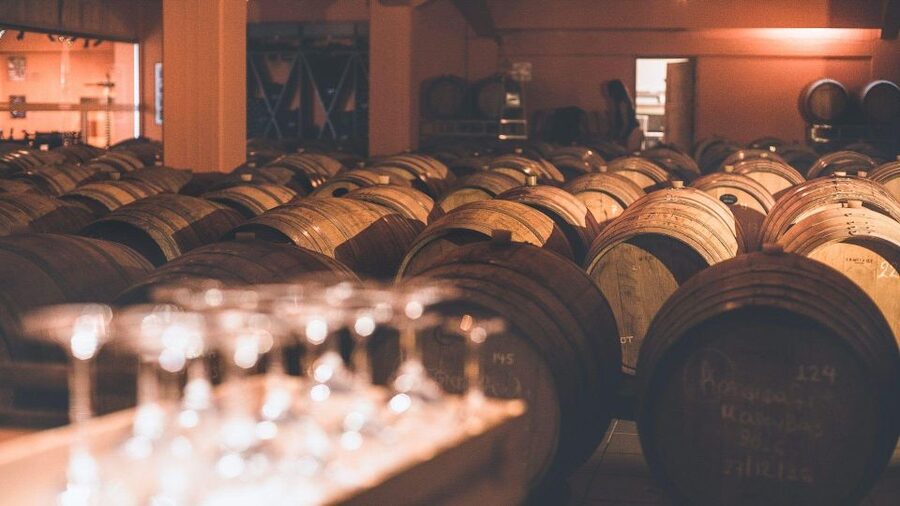
The winery visit is to a family-owned, award-winning producer set in a scenic position. You meet passionate winemakers and learn about their work. Wine tasting is available if requested, but it costs extra, as do drinks and meals generally.
That extra charge is worth considering before you book. If your group cares about Cretan wine, the winery can make the day feel personal and distinctive. If you do not drink wine, you still get the valley scenery and the chance to see a family business, but part of the stop may hold less interest.
Ask in advance how much time you want to spend at the winery. The flexible private format should make it easier to shape the visit around your group, but the published price does not include tasting expenses.
Lunch and a swim at Matala
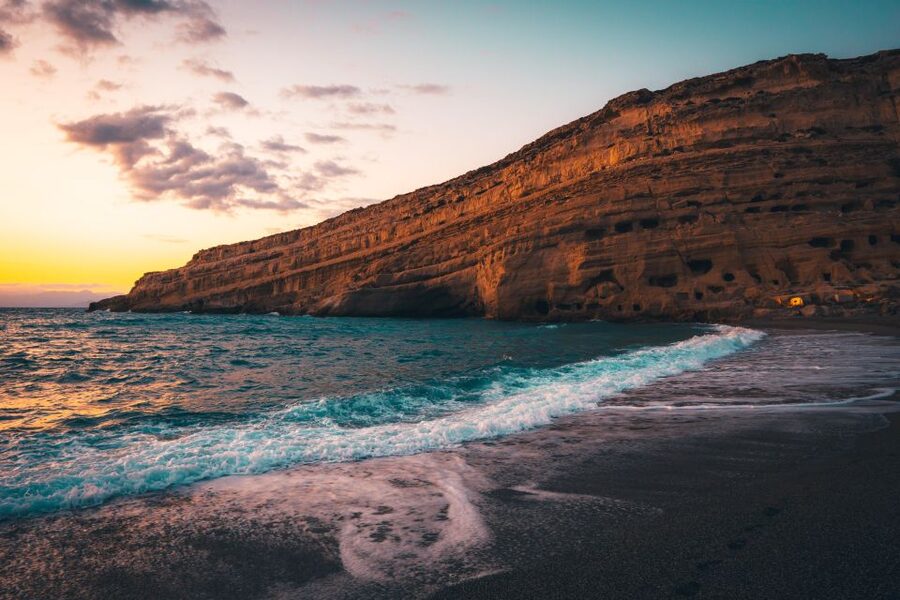
The final major stop is Matala, a seaside village on the Libyan Sea. Its appeal is easy to understand: turquoise water, a relaxed Bohemian feel, and waterfront restaurants serving freshly caught grilled fish and ouzo.
Matala is linked with the counterculture era and is associated with figures such as Bob Dylan and Janis Joplin. That connection gives the village a distinctive character, but the practical draw is simpler. You can cool off in the sea, walk by the waterfront, and settle into a seafood lunch after a morning of ruins.
Swimming time depends on the day’s pace, your pickup time, and how long you spend at the archaeological sites and winery. The tour promises the chance to bathe in the Libyan waters, but it does not specify a fixed number of beach hours. If swimming is your priority, tell the guide early.
Meals are not included. The company offers help with restaurant recommendations and reservations, which is useful in a popular seaside village. Still, bring room in your budget for lunch, drinks, and any beachside extras.
Matala is a good ending because it changes the mood. After several hours of history and interpretation, you can simply sit near the water. The only concern is that a beach stop at the end of a packed cultural day may feel short if you want a long, unhurried swim.
What the private service adds
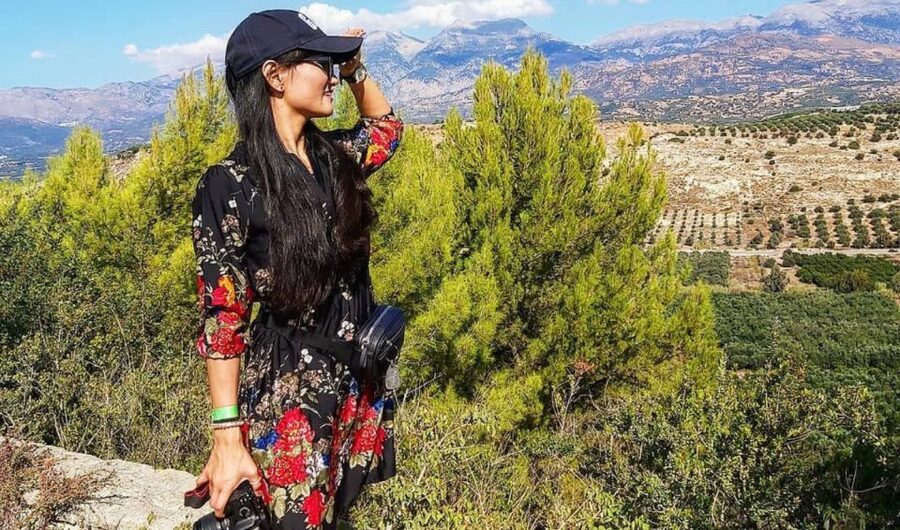
The strongest feature here is not one single monument. It is the level of attention built into the day. You have a private guide, a private vehicle, personal pickup, and concierge support before and during the tour.
The vehicle includes water, fruit, snacks, Wi-Fi, and USB sockets. None of these makes the archaeology better, but they make an eight-hour outing more comfortable. You also avoid the fatigue of driving unfamiliar Cretan roads after wine tasting or a long day in the sun.
The guide team is another reason to consider the tour. Stavroula is identified as the guide who gives detailed information in an interesting way. Stefanie is the driver described as especially gracious and attentive. That division of roles is helpful: one person can focus on interpretation while the other concentrates on the road and your comfort.
The company can also arrange insider access and tailor details around personal interests, though the exact opportunities are not specified. Ask for clear details before departure if access to a particular site, monastery, winery, or special viewpoint matters to you.
Is $436 per person a fair price?
At $436 each, this is a premium private outing. The fee covers transportation, a private guide, driver service, pickup and return, vehicle amenities, ticket-line assistance, and planning support. It does not cover admission, food, drinks, or wine tasting.
For two people, the total cost is substantial. For a family or small group, the private format may make more financial sense because the price is charged per person but the vehicle and guide serve the whole party.
I would compare this with the cost of renting a car, paying for fuel, finding each site, arranging a winery visit, hiring a guide, and handling parking and tickets. You are paying for convenience and interpretation, not only transport.
This tour is best value when you care about history and want a guide who can connect the sites. It is weaker value if you mainly want a cheap beach day or if you are happy driving independently with a guidebook.
Who should book this Crete day tour?
I would recommend it to couples, families, and small private groups who want a polished day without giving up local character. It suits people who enjoy archaeology but also want food, wine, scenery, and time by the sea.
It is especially useful if you are staying in the Heraklion region or arriving by cruise and want one carefully arranged day. The flexible pickup service removes the need to reach a central meeting point.
The tour also works well for mixed-interest groups. One person can enjoy Minoan sites, another can focus on wine, and someone else can look forward to Matala. The itinerary gives each interest a turn.
I would be cautious if you dislike full days with several stops. The route includes Saint Myronas, Gortyn, Phaistos, the winery, and Matala, so the day has plenty of content. You should also be ready for additional costs at archaeological sites, restaurants, and the winery.
Should you book it?
Book this tour if you want private guiding, comfortable transportation, and a broad view of south-central Crete in one day. The combination of Gortyn, Phaistos, the Messara wineries, and Matala is the real reason to choose it.
Skip it if your main goal is the lowest possible price or a slow beach day. At $436 per person before extras, this is a service-focused experience. For the right group, the flexible schedule, strong guide support, and mix of ancient sites and present-day Crete can justify the cost.
The strongest reason to book is the chance to see the region as a connected story: sacred village, ancient law, Minoan palace, agricultural valley, family wine, and the Libyan coast.
FAQ
How long does the tour last?
The tour lasts eight hours.
What areas can be included in pickup and drop-off?
Pickup and drop-off are available from a hotel, villa, cruise stop, or another point on Crete. The pickup time is flexible and arranged after final confirmation.
Is this a private tour?
Yes. The experience is offered for a private group.
What languages are available?
Live guiding is available in English, French, German, Russian, and Greek.
Which archaeological sites are visited?
The itinerary includes the archaeological site of Gortyn and the Palace of Phaistos.
What is special about Gortyn?
Gortyn is famous for the Gortyn Code, which was written in the Doric form of ancient Greek.
Why is Phaistos important?
Phaistos is a Minoan palace site and the place where the Phaistos Disc was excavated.
Is wine tasting included in the price?
No. Wine tasting expenses are not included and apply if tasting is requested.
Are meals and drinks included?
No. Meals and drinks are not included. The company can help with restaurant recommendations and reservations.
Are admission fees included?
No. Admission fees are separate, though the tour includes skip-the-line access and assistance with purchasing tickets.
Can I swim at Matala?
The afternoon includes the opportunity to bathe in the Libyan Sea at Matala. The exact amount of swimming time depends on the day’s schedule.
What is included in the vehicle?
The vehicle includes mineral water, Cretan fruits, snacks, Wi-Fi, USB sockets, and hygiene amenities.
Can I cancel for a refund?
You can cancel up to 24 hours in advance for a full refund.
Can I reserve now and pay later?
Yes. The tour offers a reserve-now, pay-later option.
Newly added in Heraklion
- Private Guided Tour to Knossos Palace, the Museum and Heraklion★ 5.0 · 13 reviews
- Knossos Palace Lasithi Plateau Villages & Olive Oil Mill★ 5.0 · 9 reviews
- Small Group Tour to Knossos Palace Lasithi Plateau & Olive Mill★ 5.0 · 3 reviews
- Palace of Knossos – Early Morning Ticket and avoid crowds★ 5.0 · 10 reviews
- Minoan Luxuries: Ancient Palaces, Messara Wine Routes & Matala★ 5.0 · 11 reviews
- Crete Shore Trip & Knossos Palace from Heraklion (Iraklion) Port★ 5.0 · 25 reviews
- Minoan Path: Knossos Palace, Winery Visit, Lunch at Archanes★ 4.5 · 12 reviews
- Knossos Palace and Heraklion Guided Tour with Transport★ 5.0 · 2 reviews
Heraklion Palace Tours, compared.
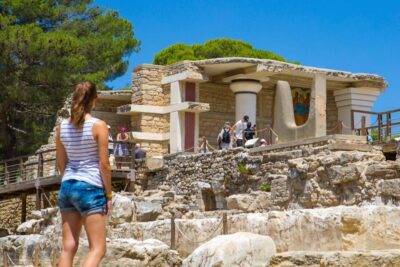
Crete: Palace of Knossos E-Ticket and Audio Guide
Read our review →
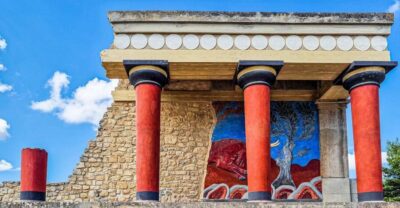
Crete: Knossos Palace, Heraklion City, Market Guided Tour
Read our review →
Private Tour-Knossos Palace Zeus Cave Olive Oil Mill & Wine
Read our review →
Crete: Knossos Palace and Museum E-Tickets with Audio Guides
Read our review →
Knossos Palace guided tour – Heraklion City tour + market
Read our review →
Mythical Escape: Zeus Cave & Knossos Palace with Lassithi Plateau from Heraklion
Read our review →Browse the lists this tour appears in