
Review · ROYAL PALACE TOURS
Narayanhiti Palace Museum Tour (Former Royal Palace of Nepal)
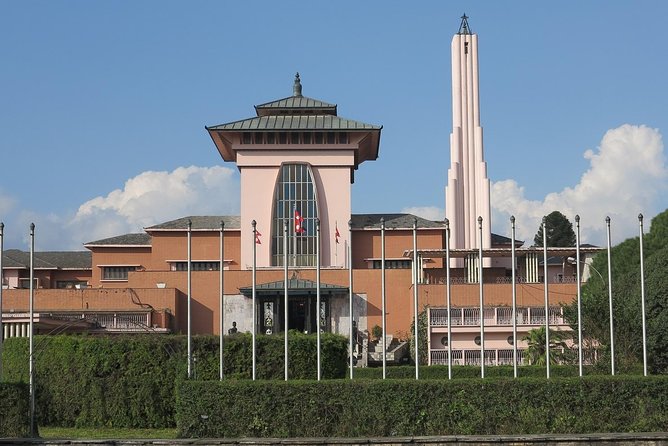
The most powerful part of the Narayanhiti Palace Museum is the sharp contrast between royal ceremony and national tragedy. You move through polished reception halls, throne rooms, and private spaces once used by Nepal’s kings, then confront the site connected with the 2001 massacre that killed members of the royal family.
I like the way a guide gives the palace a clear political story instead of leaving you to guess what each room meant. I also like the hotel pickup and small-group format, which make a sprawling building easier to handle. The main drawback is the timing: the tour begins at 10:15 a.m., while the museum’s stated opening time is 11 a.m., so confirm the schedule before you go.
Key points to know before you book
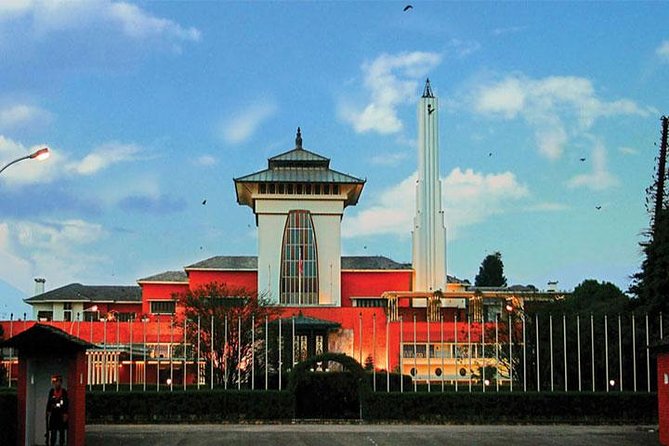
- Three palace wings: Explore the guest wing, state wing, and private wing, with 52 rooms named after Nepal’s 75 districts.
- Ceremonial rooms with a purpose: See Kaski Sadan, where monarchs received politicians and oversaw formal oath ceremonies.
- The Gorkha Baithak throne room: This is the palace’s central ceremonial room and one of the key stops on the visit.
- A difficult modern story: The tour explains the royal family’s rise, the 2001 massacre, and the monarchy’s end in 2008.
- A practical three-hour visit: Hotel pickup, museum admission, and return transport are included.
- Check the group size: The tour is described as a small group of up to 15, while another booking detail says a maximum of two travelers. Ask Liberty Holidays to confirm.
Why Narayanhiti Palace matters in modern Nepal
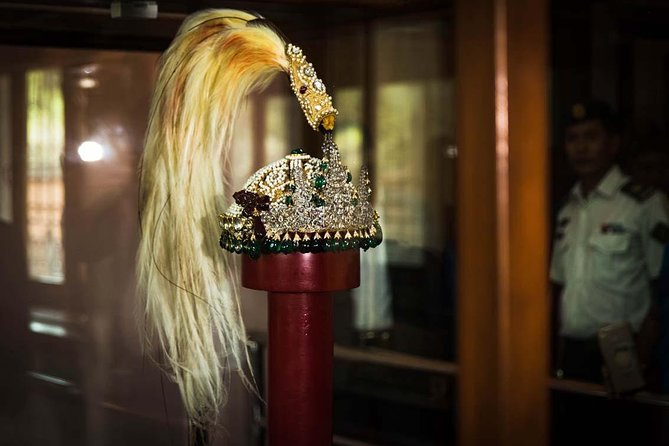
Narayanhiti was not simply a grand old residence. It was the working home and ceremonial stage of Nepal’s royal family until the monarchy ended in 2008. The building links several very different chapters of the country’s past, from the Shah monarchy and royal government to the constitutional changes that removed the king.
That political background gives the visit its weight. You are not just looking at furniture and decorated rooms. You are seeing the place where monarchs received officials, hosted formal events, and carried out duties tied to the running of the kingdom.
The story also turns dark. The palace is associated with the massacre of 2001, when members of the royal family were brutally killed. The visit includes the tragedy site, which can be emotionally difficult. I would not treat this as a light sightseeing stop between shopping and lunch. It is a museum visit with a serious subject at its center.
A guide is especially useful here because the building itself does not explain every political shift. You need the sequence: royal authority, public ceremony, the 2001 disaster, and the final removal of the monarchy in 2008. Without that thread, the palace can feel like a long series of rooms. With it, each hall has a clearer role.
More Royal Palace Tours in the world:
- Madrid: Royal Palace Fast-Access Admission Ticket
★ 4.6 · 13,856 reviews - Madrid: Royal Palace Expert Guided Tour with Skip-the-Line
★ 4.7 · 8,407 reviews - Amsterdam: Royal Palace Entry Ticket + Audio guide
★ 4.6 · 7,889 reviews
Walking through the three palace wings
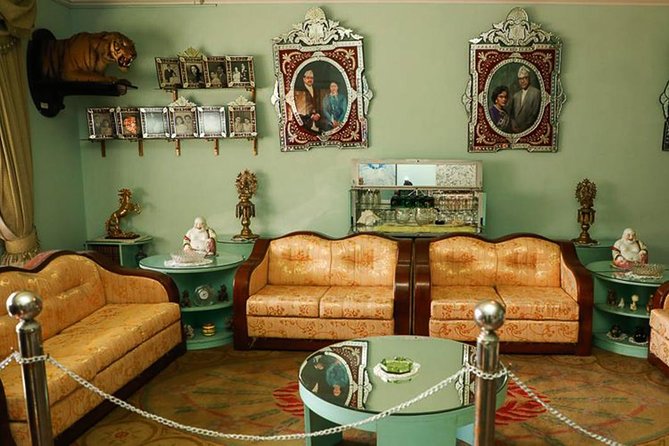
The museum is divided into three sections: the guest wing, the state wing, and the private wing. Together, they show how the royal household balanced public duties with family life and private routines.
The palace contains 52 rooms, known as sadan. Each room is named after one of Nepal’s 75 districts. That naming system gives the building a national frame. The palace was a royal private estate, but its rooms were symbolically tied to the whole country.
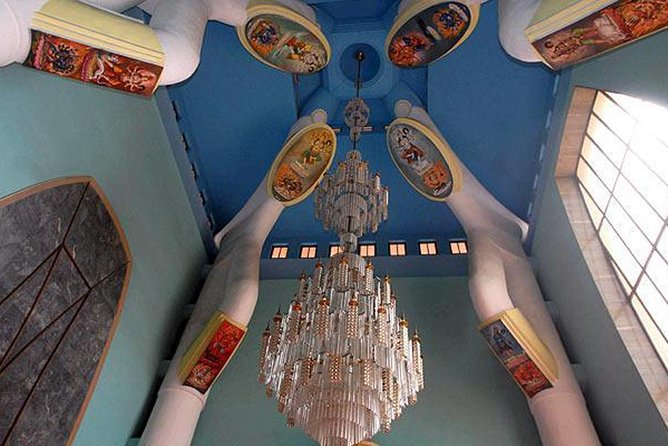
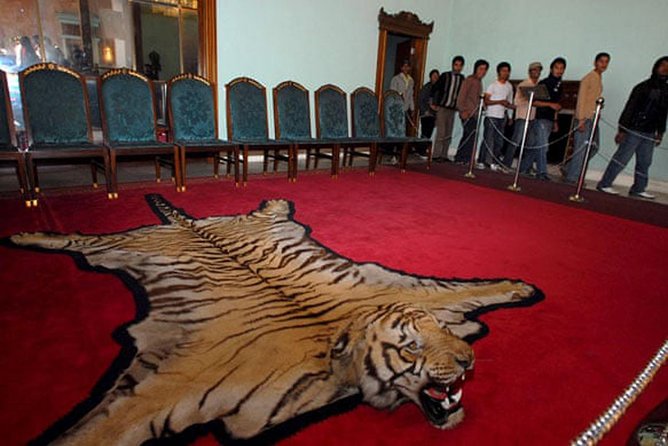
You can expect to see interiors influenced by late Victorian design. The rooms are decorated rather than bare, and the displays include historical objects and furnishings. One strong point is the signage, which helps explain the function of each room as you walk through the palace.
The three sections also help you read the building in practical terms. The guest wing was meant for formal hospitality. The state wing handled public and official business. The private wing gives a closer look at the spaces reserved for the royal household. The exact pace depends on the guide and group, but the full visit lasts about three hours.
This is not a palace where every room feels equally important. Some rooms will mainly help you understand the scale of the residence. Others carry real ceremonial or political meaning. I would listen closely when the guide explains how the spaces were used, rather than focusing only on decoration.
Kaski Sadan and the business of monarchy
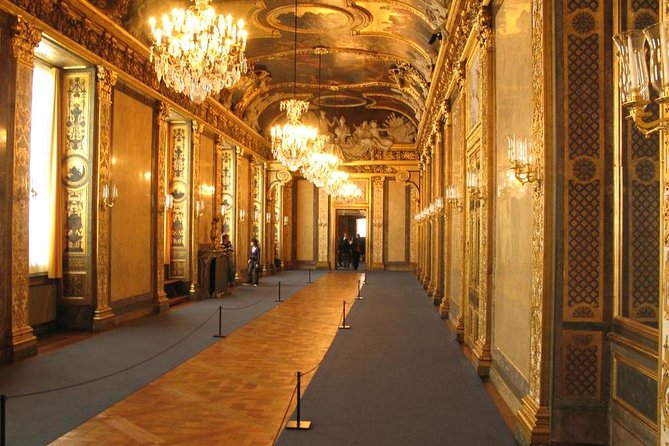
Kaski Sadan is the reception hall where the Shah monarchs received politicians. It was also used for oath ceremonies involving the prime minister and heads of constitutional bodies during the kingdom.
That detail matters because it shows the palace as a workplace, not just a residence. A grand hall can look decorative at first glance, but its purpose was tied to power. This is where official relationships were displayed and formal authority was enacted.
I find this kind of room more useful than a simple list of royal possessions. It helps you picture the mechanics of government: who stood where, who received an oath, and how ceremony supported the monarchy.
The late Victorian style adds visual interest, but the political function is the real reason to pay attention. If you are interested in architecture alone, the palace offers plenty to see. If you want to understand Nepal’s recent political past, Kaski Sadan is one of the rooms that turns decoration into evidence.
Gorkha Baithak, the throne room
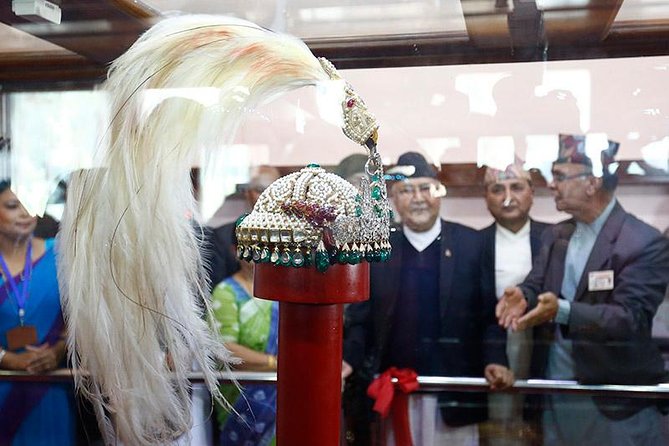
The throne room, Gorkha Baithak, is described as the center of the palace. This is the room to watch for if you want the clearest expression of royal ceremony.
A throne room is designed to make authority visible. Its arrangement, scale, and decoration were meant to place the monarch at the center of official life. Your guide can explain how this space fit into the wider role of the Shah kings and the rituals of the court.
The room also gives the tour a natural structure. The visit moves from the palace as a residence and official venue toward the institution of monarchy itself. When you reach Gorkha Baithak, the larger story becomes easier to grasp.
The supplied information does not give exact details about the throne, seating arrangement, or display objects, so I would avoid expecting a fully staged royal ceremony. Instead, treat the room as a key historical space and let the guide explain its use.
More Palace Museums in the world:
- Venice’s Best: Basilica, Doge’s Palace, Gondola & History Gallery
★ 4.5 · 2,478 reviews - Royal Palace & Prado Museum Skip the Line Guided Tour
★ 4.5 · 1,347 reviews - Venice: City Pass with Museums including Doge’s Palace
★ 4.1 · 1,020 reviews - The Hague: Escher in The Palace Museum Ticket
★ 4.6 · 896 reviews
The 2001 massacre and the hardest stop
The most sensitive part of the visit is the site linked to the massacre of the royal family in 2001. The tragedy is not an aside. It is a major reason the palace carries such emotional force.
The contrast can be unsettling. You may pass through rooms that look carefully decorated and formal, then encounter the place connected with a violent event that changed Nepal’s future. The experience can feel sad even when the museum displays are attractive.
I recommend giving yourself time here. You do not need to rush past the difficult material, but you also do not need to linger if it feels too heavy. The tour is educational, yet it is also personal in tone because the event involved a family and a national institution at once.
This part may not suit very young children, even though the minimum age is five. Children can participate according to the stated rules, but parents should decide how much discussion of the massacre is appropriate for them. The museum’s subject matter is more serious than a typical palace tour.
The tragedy also explains why a guide matters. A building connected to a contested event can raise hard questions. A professional guide can place the massacre within the broader story of the monarchy and its eventual end, rather than leaving you with only a shocking image.
The palace display, signs, and royal vehicles
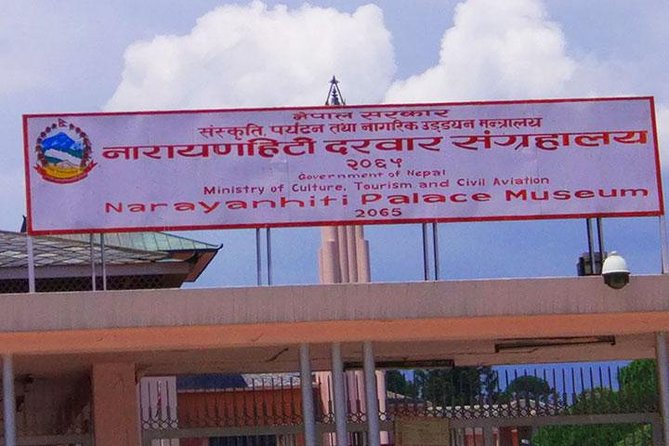
The rooms are nicely decorated, and the museum uses signs to help explain the palace. That is important because you are moving through a large complex with many rooms and several functions.
You may also find a back lot containing royal cars. This is a useful extra stop if it is open as part of your visit. Vehicles can make the royal household feel more tangible than formal halls do. They show the practical side of official life and give you a change of pace after the interior rooms.
Do not expect every detail of the car collection to be included in the fixed tour description. The back lot is noted as part of the palace area, but the exact display and time available may depend on the day and the guide.
The museum’s signage means you can still pick up information at your own pace. A guide adds context, but you are not relying on spoken explanation alone. That combination works well in a place where the building itself can otherwise feel confusing.
How the three-hour format works
The advertised duration is about three hours, including the transfer from your hotel and the palace visit. A professional guide meets you at your hotel, takes you to the museum, leads the walk through the palace, and returns you to the meeting point afterward.
The start time is listed as 10:15 a.m. The museum’s stated hours are 11 a.m. to 4 p.m. from February through October, and 11 a.m. to 3 p.m. from November through January. Since the pickup time comes before the posted opening time, I would confirm the exact schedule with Liberty Holidays before paying or the day before the tour.
The ticket redemption point is the Narayanhiti Palace Museum North Gate Road in Kathmandu. The tour information also gives Kathmandu 44600 as the start and end area. Pickup is offered, which removes the need to arrange a separate taxi to the north gate.
The group size needs clarification. The tour is presented as a small-group experience with a maximum of 15 people, but another booking detail says the activity will have a maximum of two travelers. Those are very different experiences. Ask the provider which limit applies to your selected date.
A smaller group usually makes it easier to hear the guide and ask questions in narrow or formal rooms. A group of 15 is still manageable, but it will feel less private than a two-person visit. The price and your expectations should reflect that difference.
Is $80 a fair price?
The cost is $80 per person. That is not a bargain admission ticket, but this is more than simple entry to a museum. The price includes a professional guide, hotel pickup and drop-off, museum admission, and a roughly three-hour experience.
I see the value mainly in the transport and interpretation. If you are already staying near the palace and comfortable arranging your own way there, the included transfers matter less. If you are unfamiliar with Kathmandu or want the palace’s political story explained as you go, the guide adds more value.
The experience is also most worthwhile for someone who cares about Nepal’s monarchy, modern politics, architecture, or difficult national history. If you only want a quick look at an old building, $80 may feel high for a three-hour outing.
Lunch is not included, and alcohol is not included, though alcoholic drinks are available to purchase. Plan your meal separately. The tour itself is focused on the palace rather than combining the museum with another major Kathmandu sight.
Free cancellation is available if you cancel at least 24 hours before the start time. Changes or cancellations made within 24 hours are not accepted for a refund, and the cut-off follows local time.
Who should book this palace visit?
I would recommend it to first-time visitors who want a clear introduction to Nepal’s royal past. It is also a good match for anyone interested in the transition from monarchy to the political system that followed in 2008.
Families can book it because the minimum age is five, but parents should prepare children for the discussion of the 2001 massacre. The subject matter is serious, and the museum may be more rewarding for older children who can follow the political story.
History-focused visitors will get the most from the guide. Architecture fans will enjoy the late Victorian interiors and the decorated rooms, while anyone interested in the human side of power may find the private wing and tragedy site especially affecting.
I would be less likely to choose this tour for a very tight sightseeing schedule. Three hours is a meaningful block of time, and the museum deserves attention rather than a rushed visit. I would also confirm the opening-time issue and group-size limit before booking.
My recommendation
Book the Narayanhiti Palace Museum tour if you want context, not just entry. The best parts are the guide’s explanation of the royal family’s rise and fall, the formal spaces such as Kaski Sadan and Gorkha Baithak, and the chance to confront the palace’s connection to the 2001 massacre.
The $80 price makes the most sense when you use the hotel transfers and value guided interpretation. Confirm the 10:15 a.m. pickup against the museum’s 11 a.m. opening time, and ask Liberty Holidays to clarify whether your group will have two or up to 15 people. If those details suit your plans, this is a thoughtful and unusually sobering way to understand modern Nepal.
FAQ
How long does the Narayanhiti Palace Museum tour last?
The tour lasts approximately three hours, including the palace visit and the arranged transfers.
What time does the tour start?
The listed start time is 10:15 a.m. Because the museum is stated to open at 11 a.m., confirm the exact pickup and entry schedule before the tour.
What are the museum’s opening hours?
From February through October, the museum is open from 11 a.m. to 4 p.m. From November through January, it is open from 11 a.m. to 3 p.m.
Is hotel pickup included?
Yes. A professional guide meets you at your hotel, and hotel pickup and drop-off are included.
What does the tour price include?
The $80 price includes the small-group tour, museum admission, hotel pickup and drop-off, and a professional guide.
Is lunch included?
No. Lunch is not included. Alcoholic drinks are also not included, though they are available to purchase.
What is the minimum age for this activity?
The minimum age is five years old. The museum visit includes discussion of the 2001 massacre, so parents should consider whether that subject is suitable for their children.
How many people are in the group?
The tour is described as having a maximum of 15 people, while another booking detail gives a maximum of two travelers. Contact Liberty Holidays to confirm the group size for your date.
Newly added in the world
- Óbidos historic village and Mafra Palace Private Tour★ 5.0 · 34 reviews
- Private Tour Sintra Palaces and Scenic Landscapes★ 5.0 · 3 reviews
- Lisbon: Pena Palace, Cabo da Roca, Cascais private tour★ 5.0 · 44 reviews
- Óbidos – Nazaré – Mafra (National Palace of Mafra)Private tour from Lisbon★ 5.0 · 2 reviews
- National Palace and Gardens of Queluz: E-ticket with Audio Guide★ 3.5 · 6 reviews
- Half day Sintra PRIVATE TOUR Pena Palace + Roca Cape (2-6people)★ 5.0 · 3 reviews
- From Lisbon Sintra Highlights Tour – Pena, Regaleira & Monserrate★ 5.0 · 79 reviews
- Mafra and Sintra: Choose 3 of 6 Palaces to visit on private tour★ 5.0 · 26 reviews
Royal Palace Tours, compared.

Royal Palace Expert Guided Tour with Skip-the-Line
Read our review →
Dubai To Abu Dhabi: Grand Mosque, Royal Palace & Etihad Towers
Read our review →
Abu Dhabi Day-Trip Grand Mosque, Royal Palace & Lunch
Read our review →
Louvre Entry & Etihad Tower/Royal Palace Options
Read our review →Browse the lists this tour appears in