
Review · ITALY PALACE TOURS
Tour Cappella Palatina e palazzo Reale: patrimonio Unesco
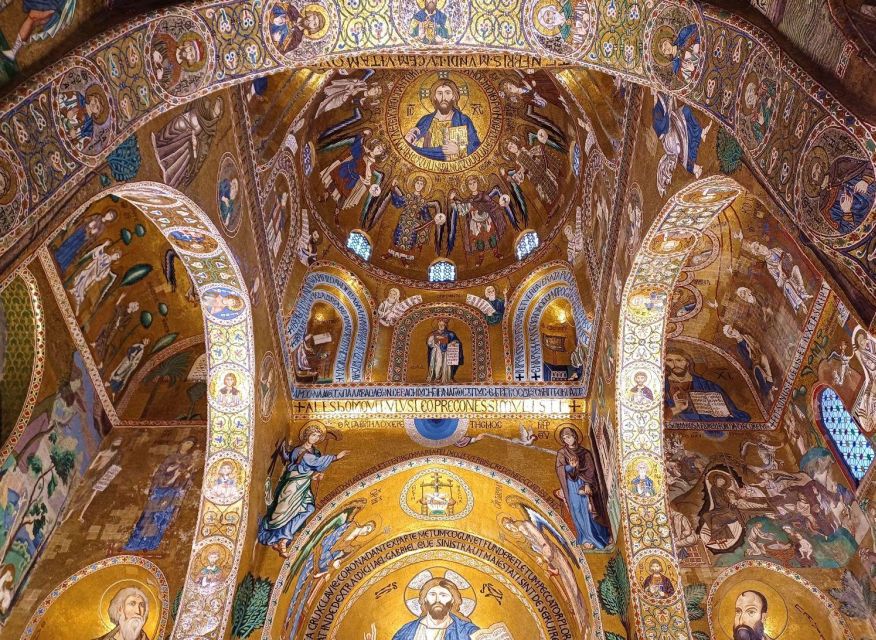
Palermo’s Palatine Chapel packs Norman power, Byzantine gold, Islamic design, and Romanesque marble into one remarkable room. Above it, the Royal Palace, or Palazzo dei Normanni, traces more than 2,700 years of Palermo’s story, from ancient stronghold to royal seat and Sicilian Parliament.
I like two things here: the guide gives the mosaics a readable story instead of leaving you to stare at gold, and the palace adds royal rooms to the chapel visit. Fabrizio and Claudio have both led this tour, with Fabrizio especially noted for explaining the chapel’s scenes and palace history in detail.
The main catch is simple but important: the $14 price does not include admission. The tour is also in Italian only, and you may spend much of the visit standing. The accessibility information is inconsistent, so wheelchair users should confirm conditions before booking.
Key points to know before booking
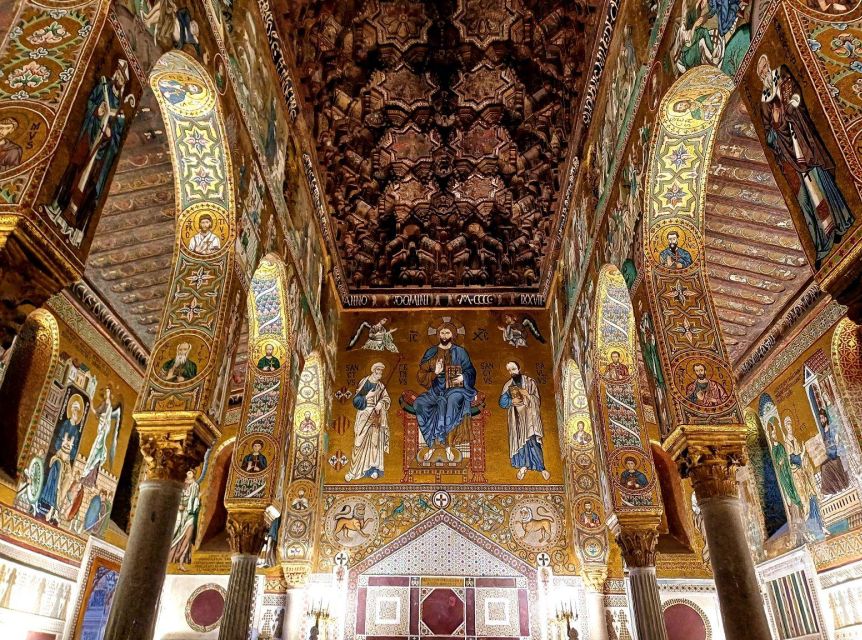
- The Palatine Chapel is the star: Byzantine mosaics, an Islamic muqarnas ceiling, and an inlaid marble floor fill the chapel with unusual visual contrast.
- The Royal Palace adds essential context: You see the former seat of Sicily’s kings, not just a beautiful church.
- Guiding is in Italian only: Fabrizio and Claudio are among the guides who may lead the visit.
- Admission costs extra: Your $14 payment covers the professional guide, while the palace and chapel ticket must be bought separately.
- Dress modestly: Shorts, short skirts, and sleeveless shirts are not allowed.
- Plan for standing: There are few places to sit, and the information about wheelchair access needs clarification.
Why the Palatine Chapel deserves your time
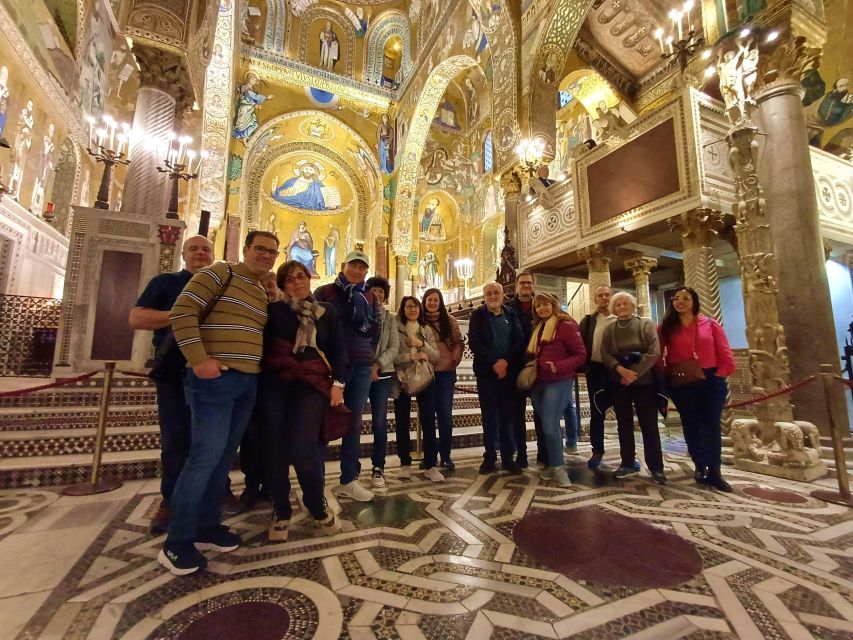
The Palatine Chapel is the reason most people come, and it earns the attention. Built in 1140 by Roger of Hauteville, Sicily’s first king, the chapel was designed as a public statement of royal authority. It was not meant to be plain or modest. Every surface carries a message about power, faith, and the cultures that met in medieval Sicily.
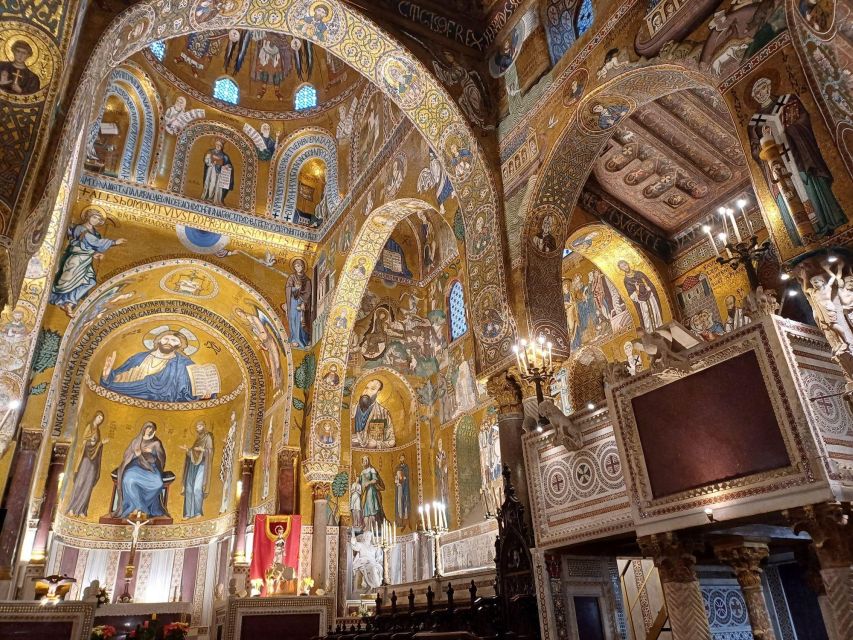
The famous gold mosaics cover the walls with scenes from the Bible and Christian tradition. A guide makes a major difference here because the pictures are not simply decoration. They form a narrative cycle, and the tour explains how the scenes fit together.
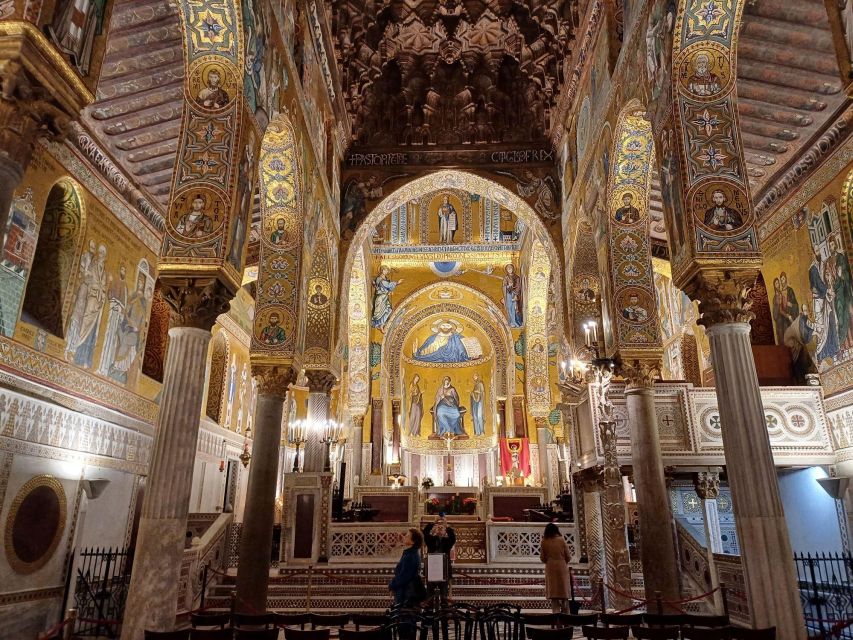
The effect can be overwhelming at first. Gold catches your eye everywhere, but the chapel is not visually one-note. Look for the contrast between the Byzantine-style mosaics, the carved Islamic ceiling, and the marble floor with Romanesque inlays. These traditions sit side by side without feeling like separate exhibits.
The ceiling is especially unusual. Its muqarnas design consists of small geometric compartments that create a honeycomb-like pattern. This is an Islamic architectural feature, placed inside a Christian royal chapel. Sicily’s medieval rulers borrowed freely from the island’s different cultures, and the chapel lets you see that mixture in one glance.
That combination is more valuable than a quick photo stop. You are looking at a building shaped by Norman rulers, Byzantine artists, Islamic craftsmen, and the Romanesque taste of western Europe. A good Italian-speaking guide can help you notice those layers before the golden surfaces blur together.
More Palaces to Tour in Italy:
- Venice: Doge’s Palace Reserved Entry Ticket
★ 4.6 · 42,716 reviews - Doge’s Palace & St. Mark’s Basilica with Terrace Access Tour
★ 4.7 · 10,697 reviews - Venice: Doge’s Palace and St Mark’s Basilica Walking Tour
★ 4.4 · 6,291 reviews
From ancient stronghold to Norman royal residence
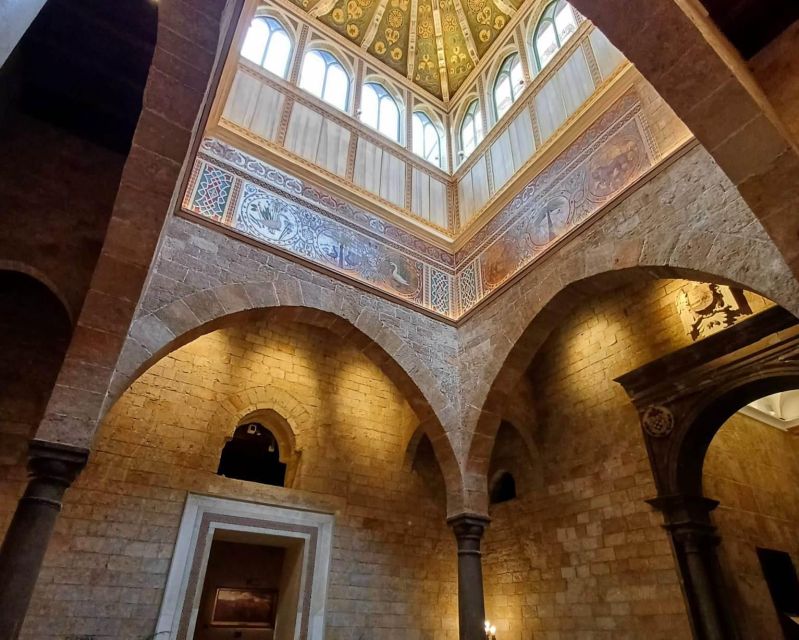
The Royal Palace is not a single-period building. Its story reaches back more than 2,700 years, and its role changed repeatedly as Palermo changed hands and political systems.
By the time the Norman kings renovated and expanded it, the site already had a long military past. The Normans turned it into their main royal residence and made it a working center of government. The palace held the royal court, treasury, and important workshops. It was not merely a residence for a king who happened to be in town.
That practical role helps explain why the palace belongs beside the chapel in the same visit. The chapel shows royal ceremony and belief. The palace rooms show administration, politics, and daily court life. You get a more complete picture of how Sicily’s rulers presented themselves and ran the island.
The palace also connects to Frederick II, the king and emperor who made Palermo a major center of intellectual and political life. Under his rule, the building hosted the Sicilian Poetic School. That detail gives the palace an extra dimension. It was not only a place for soldiers, officials, and religious ceremonies. It also became a setting for literature and court culture.
Later, the building served as the Court of the Inquisition, the seat of the viceroy, and the home of the Sicilian Parliament. Each change left the palace with another layer of meaning. You should not expect every room to look untouched since the Norman period. Instead, expect a building where different chapters of Sicilian history occupy the same address.
What the guided route helps you see
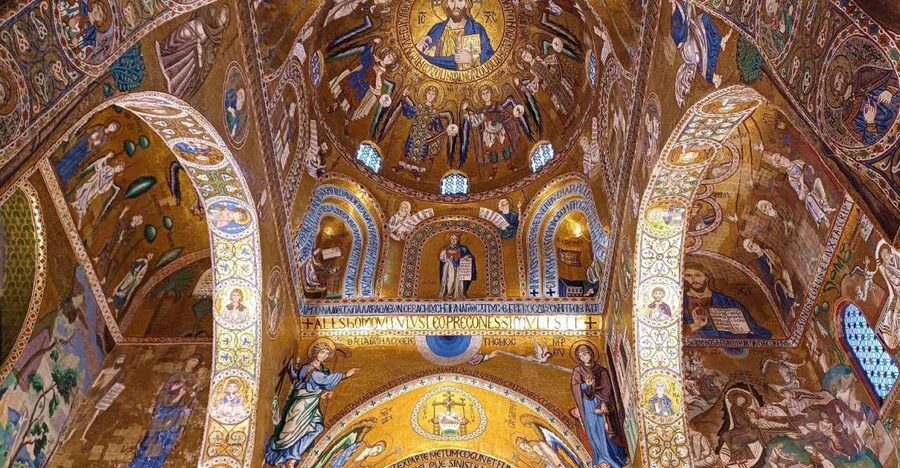
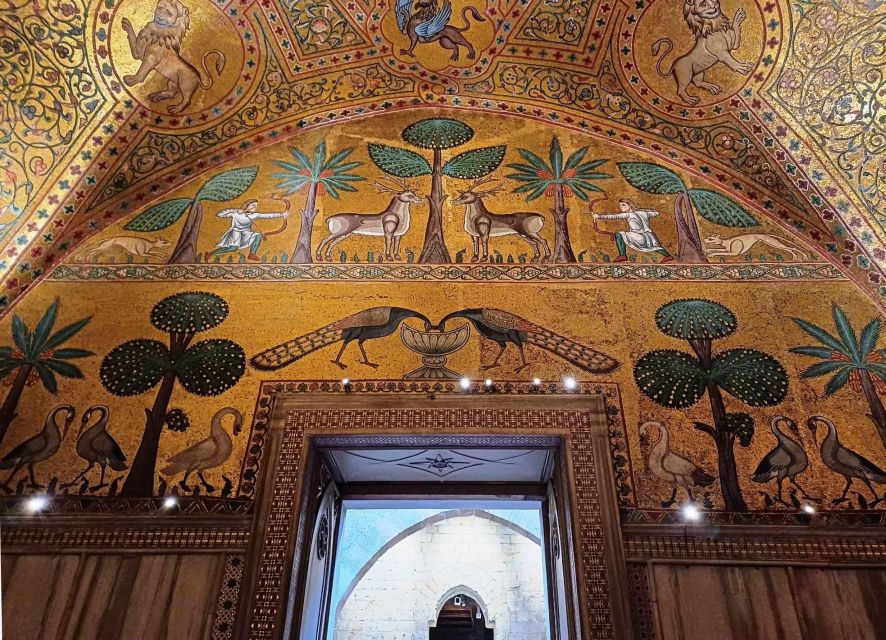
The exact order of the visit can vary, but the focus is clear: the guide takes you through the Royal Palace and Palatine Chapel, explaining the building’s history, decoration, and royal rooms.
At the chapel, expect the most detailed discussion of the mosaic cycle. The guide can point out the biblical scenes and explain the narrative rather than leaving you to guess where one episode ends and another begins. Fabrizio has been praised for describing both the stories represented in the mosaics and the way the chapel’s elements fit together.
You will also examine the architectural contrast overhead and underfoot. The muqarnas ceiling can be easy to miss if you concentrate only on the walls. The marble floor also deserves time, especially its patterned inlays and Romanesque character.
The palace portion shifts the mood. Here, the emphasis moves from sacred images to royal rooms and political history. You may see rooms associated with the monarchy, including the unusual queen’s chamber decorated in a Chinese style. That room is a useful reminder that royal taste did not stop at local traditions. Court interiors could reflect distant influences and changing fashion.
Do not expect a museum-style route with a chair at every stop. The visit is built around moving through historic rooms and listening to the guide. The palace and chapel reward close attention, but you may need to manage your energy, especially during a long day in Palermo.
The Italian-language guide is central to the value
This is a guided service in Italian, not a multilingual tour. If you understand Italian well, the format can give you a much fuller visit than an unstructured walk through the palace. The guide can connect dates, rulers, artistic styles, and religious images while you are looking at them.
Fabrizio is one guide associated with the tour, and his approach centers on clear explanations of the Royal Palace, the chapel’s mosaic stories, and the royal rooms. Claudio has also led the visit and is described as energetic and engaging. Since guide assignments can change, you should not book expecting a specific person unless the operator confirms it.
The language limit matters. If you do not understand Italian, the $14 guiding fee will not provide much value, even if the buildings themselves remain worth seeing. This is best for Italian speakers or for someone traveling with a friend who can translate.
The guide also helps with scale. The Royal Palace can feel like a collection of rooms unless someone explains how each part fits into the larger history of Sicily. The chapel, meanwhile, can feel like a wall of gold unless someone identifies the scenes and explains why Norman Sicily adopted so many different artistic traditions.
Same city, another grand address:
- Legendary Venice: Doge’s Palace, St Mark’s & VIP Terrace Access
★ 4.5 · 5,033 reviews - Florence: Palazzo Vecchio Entrance Ticket & Audioguide
★ 4.4 · 4,822 reviews - Florence: Entrance Ticket to Pitti Palace
★ 4.5 · 4,528 reviews - Venice: Doge’s Palace and St. Mark’s Basilica Tour
★ 4.5 · 3,734 reviews
What the $14 price really covers
At $14 per person, the tour is inexpensive for a professional guided visit to two of Palermo’s major sights. But you must add the entrance ticket, purchased at the Royal Palace ticket office or through the official website.
That makes the true cost higher than the headline price. Still, the guide fee can be good value if you want context and you understand Italian. The chapel’s decoration is so dense that an explanation can change the visit from a quick look into a more meaningful study of the building.
If you already plan to buy admission, compare the total cost with what you would pay for entry alone. The deciding question is not simply whether $14 is cheap. Ask yourself if you want a live explanation of the mosaic cycle, royal rooms, and palace history.
The arrangement also gives you some flexibility. You can reserve the guide service and pay later, and cancellation is allowed up to 24 hours in advance for a full refund. The visit is valid for one day, with starting times based on availability. These policies help if your Palermo schedule is still shifting, but they do not remove the need to arrange the palace ticket separately.
Meeting point and practical preparation
The meeting point is in front of the ticket office, at a kiosk about 100 meters from the palace entrance. Do not walk straight to the palace door and assume the guide will be waiting there. Allow time to find the kiosk and get oriented.
Buy your entrance ticket before the visit if that is more convenient, using the official website, or purchase it at the palace ticket office. Since the guided service and admission are separate, keep both parts of the plan in mind.
Dress for a religious site. Shorts, short skirts, and sleeveless shirts are not allowed. You will have a smoother entry if your clothing covers your shoulders and reaches an appropriate length.
Comfortable shoes are sensible, but the bigger issue is standing. One person specifically pointed out that there are very few places to sit. If you have trouble standing for long periods, ask about the route and possible seating before you book. The activity is marked as wheelchair accessible in one section but also says it is not suitable for wheelchair users in another. That conflict needs a direct answer from the operator.
Who will enjoy this visit most
I would choose this tour if you want Palermo’s major historic sight explained in Italian rather than visited silently. It suits anyone curious about how Norman, Byzantine, Islamic, and Romanesque traditions meet in one building.
It is also a good fit for visitors who want more than the Palatine Chapel alone. The royal rooms, Frederick II’s connection to the palace, and the later political uses give the visit a wider frame.
You may prefer to visit independently if you do not speak Italian, want to move quickly, or dislike standing while listening. The extra ticket cost also means this is not a $14 total visit.
Families with older children may find the royal setting and gold mosaics easy to appreciate, but the amount of historical explanation depends on the child’s interest and Italian comprehension. For anyone with limited mobility, confirm the accessibility arrangements before making plans.
A few details that make the visit memorable
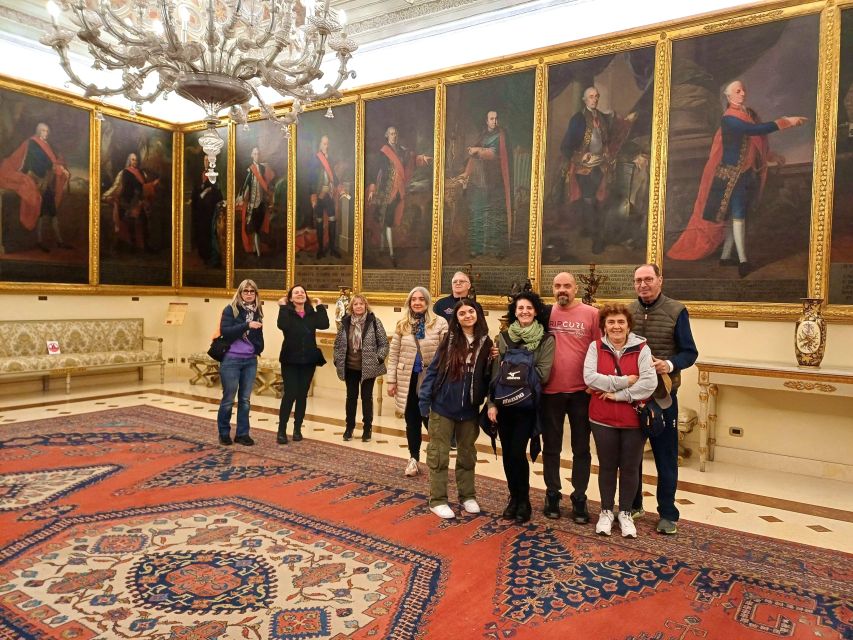
The strongest part of this outing is the contrast inside the chapel. The gold mosaics suggest Byzantine ceremony, the ceiling reflects Islamic design, and the floor carries a western medieval pattern. You do not need an art degree to appreciate the effect, but you do benefit from someone pointing out what you are seeing.
The Royal Palace adds a human and political side. Kings held court here, treasuries were managed here, and intellectual life developed here under Frederick II. Later rulers used the same place for very different purposes. That long sequence makes the palace feel less like a frozen monument and more like a working center that kept adapting.
The Chinese-style queen’s chamber is another useful pause. It breaks the expectation that every royal interior will look Norman or medieval. It also shows why you should allow time for the palace rooms instead of treating them as a short passage to the chapel.
I would keep the visit focused. The chapel can absorb your attention for a long time, but the guide’s explanations of the palace rooms are just as important if you want to understand the site as a whole. Give yourself room to look up, look down, and listen.
Should you book the Royal Palace and Palatine Chapel tour?
Book it if you speak Italian, want expert interpretation, and are happy to pay the palace admission separately. The combination of the Palatine Chapel’s mosaics and the Royal Palace’s political history gives you one of Palermo’s best concentrated lessons in Sicilian culture.
Skip it, or choose an independent visit, if you need English, want a highly flexible pace, or cannot stand for long periods. Also clarify the wheelchair question before booking.
For the right visitor, $14 for the guide is a sensible add-on to your admission ticket. Fabrizio or Claudio may lead the visit, and the best part of their work is making the chapel’s complex images and the palace’s long story easier to follow. Just arrive at the correct meeting point, dress modestly, buy your entry ticket, and treat the Italian-language format as a firm requirement.
FAQ
Is the entrance ticket included?
No. The $14 price covers the professional Italian-speaking guide, but you must buy admission to the Royal Palace and Palatine Chapel separately at the ticket office or through the official website.
What language is the tour in?
The tour takes place only in Italian. The available guide language is Italian.
Where is the meeting point?
Meet in front of the ticket office, at a kiosk about 100 meters from the entrance to the Royal Palace.
How long is the activity valid?
The booking is valid for one day. Available starting times depend on the schedule shown when you check availability.
What clothing is not allowed?
Shorts, short skirts, and sleeveless shirts are not allowed. Dress modestly for entry to the palace and chapel.
Can I cancel the booking?
Yes. You can cancel up to 24 hours in advance for a full refund.
Can I reserve now and pay later?
Yes. The reserve-now, pay-later option lets you hold a place without paying at the time of booking.
Is the activity suitable for wheelchair users?
The information gives conflicting guidance. One section marks the activity as wheelchair accessible, while another says it is not suitable for wheelchair users. Contact the operator before booking to confirm the actual conditions.
Newly added in Italy
- Anagni: Entrance ticket to the Boniface VIII Palace★ 3.4 · 3 reviews
- Venice: Doge Palace, San Marco Basilica & Rialto Bridge★ 4.7 · 75 reviews
- Turin: Palazzo Madama Museum of Ancient Art Entrance Ticket★ 4.6 · 149 reviews
- Venice Doge’s Palace & St. Mark’s Semi-Private Tour, Max 6 People★ 5.0 · 192 reviews
- Colosseum, Roman Forum and Emperors’ Palace Private Guided Tour★ 5.0 · 14 reviews
- Doria Pamphilj Palace Gallery and Museum Private Tour with Local Guide★ 4.5 · 10 reviews
- Private Tour – National Museum of Palazzo Massimo★ 5.0 · 51 reviews
- Private Tour – Palazzo Barberini★ 5.0 · 23 reviews
Italy Palace Tours, compared.
Doge’s Palace & St. Mark’s Basilica with Terrace Access Tour
Read our review →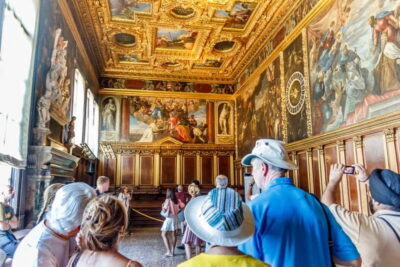
Doge’s Palace and St Mark’s Basilica Walking Tour
Read our review →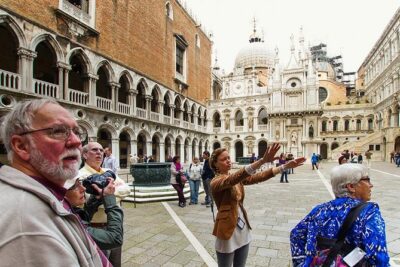
Legendary Venice: Doge’s Palace, St Mark’s & VIP Terrace Access
Read our review →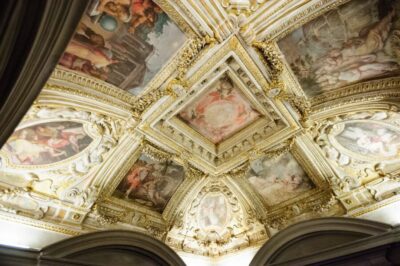
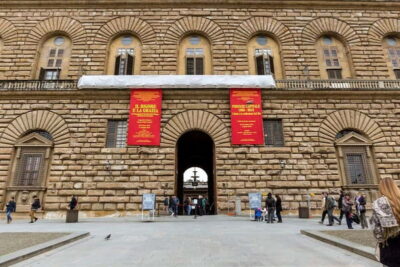
Venice In a Day: St Mark’s, Doges Palace Gondola Ride & City Tour
Read our review →Browse the lists this tour appears in