
Review · SCHONBRUNN AND HOFBURG PALACE TOURS
Vienna: Imperial Carriage Museum in Schönbrunn Palace Ticket
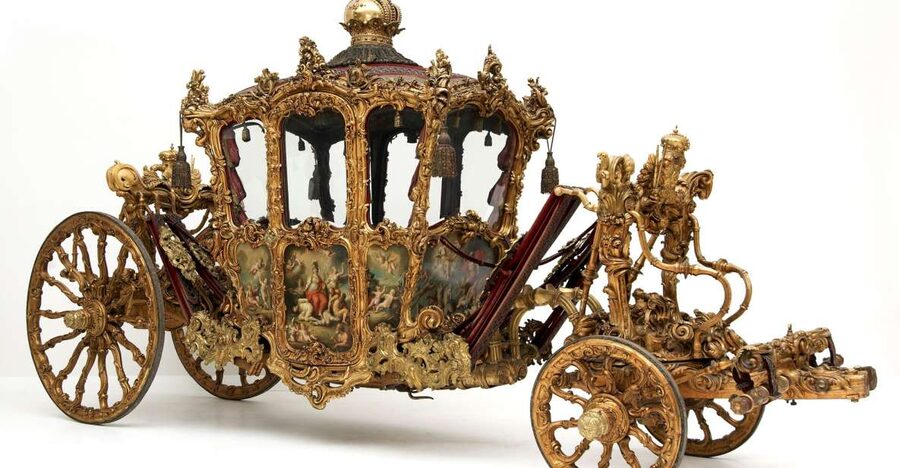
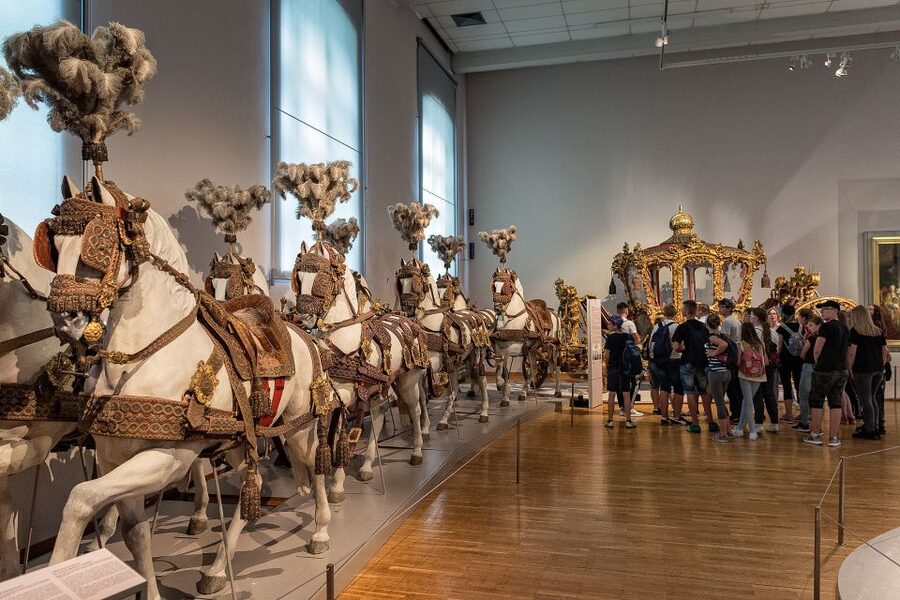
The most striking object here is the Baroque imperial coach, a grand, decorated vehicle built to make a ruler’s arrival impossible to miss. Around it, you follow the public and private lives of Maria Theresia, Napoleon, Franz Joseph, and Empress Elisabeth through their carriages, clothes, and riding gear.
I like the clear focus on objects you can actually see, especially Sisi’s only surviving saddle and her so-called riding chapel. I also like the mix of state coaches, travel vehicles, and small children’s carriages, which makes imperial life feel more human. The catch is practical but serious: your voucher must be printed and exchanged at the museum, so arrange that before you set out.
Key points to know before you go
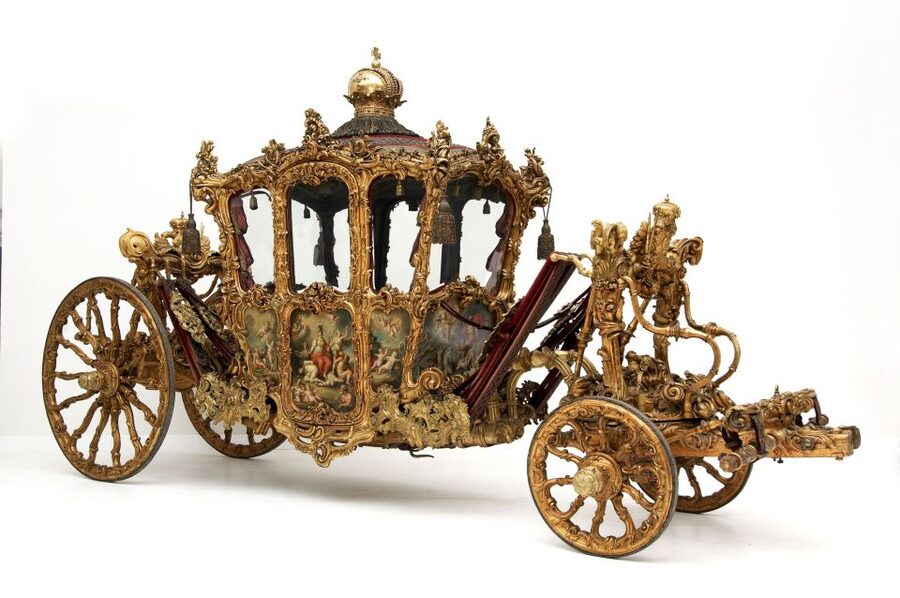
- The Baroque imperial coach is the main event: Its size and decoration show how much ceremony surrounded the Habsburg court.
- The Sisi Trail adds personal detail: You see Empress Elisabeth’s carriages alongside her saddle, riding chapel, and original dresses.
- The collection covers several rulers: Maria Theresia, Napoleon, Franz Joseph, and other Habsburg figures appear through their vehicles and belongings.
- The display has variety: State coaches, practical traveling coaches, and children’s carriages keep the visit from becoming one long row of similar vehicles.
- The ticket costs $14 per person: For a one-day museum visit, that is a fair price if you enjoy royal history, design, or Schönbrunn’s imperial setting.
- Prepare the voucher carefully: A printed voucher is required, and it must be exchanged at the museum for an admission ticket.
Why the carriages tell a better story than portraits
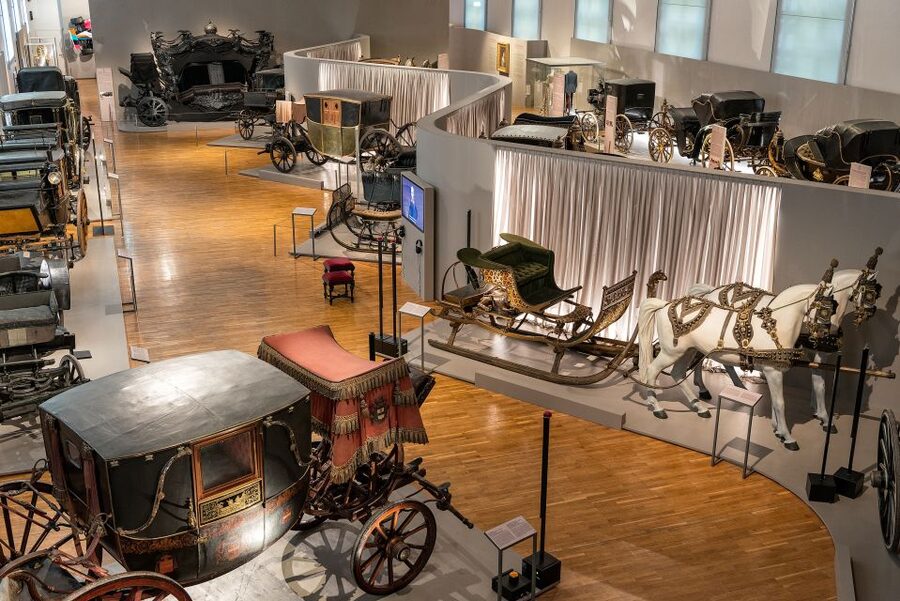
The Imperial Carriage Museum is not simply a room full of old vehicles. A carriage tells you how a ruler traveled, appeared in public, and wanted to be remembered.
A state coach was a moving stage. It carried a monarch through a city surrounded by ceremony, uniforms, crowds, and symbolism. A traveling coach served a more practical purpose. Children’s carriages reveal another side of court life, one less formal and more domestic.
I find this approach useful because court history can otherwise become a parade of names and dates. Here, the objects give those names a physical setting. You can picture Maria Theresia traveling in a vehicle made for authority, Napoleon using imperial transport for political theater, and Franz Joseph moving through the long final period of Habsburg rule.
The collection also helps you compare public power with private routine. The largest coaches were made to impress. The smaller vehicles were made to carry people comfortably, including young princes and princesses. That contrast gives the museum more range than its title might suggest.
More Schonbrunn and Hofburg Tours in Vienna:
- Vienna: Schönbrunn Palace & Gardens Skip-the-Line Tour
★ 4.7 · 7,739 reviews - Vienna: Skip-the-Line Schönbrunn Palace & Gardens Tour
★ 4.8 · 5,411 reviews - Vienna: Imperial Treasury in the Hofburg Palace
★ 4.4 · 1,791 reviews
The Baroque imperial coach deserves your first look
Begin with the Baroque imperial coach, the collection’s headline object. Its scale, ornament, and formal design show the old court at its most theatrical.
This is not the sort of carriage designed to disappear into traffic. Its purpose was to announce status before the ruler even stepped out. Look closely at the decoration and proportions, then consider the work required to maintain such a vehicle. It was transport, but it was also a public statement.
I would give this coach time before moving quickly through the rest of the display. It provides the key to understanding why these vehicles matter. Once you see the coach as a tool of ceremony and power, the more modest traveling coaches become easier to appreciate.
The drawback is that grand objects can dominate your attention. If you only photograph the largest carriage and leave, you will miss the quieter parts of the collection. The museum is most rewarding when you compare the formal coaches with the practical and personal objects nearby.
Maria Theresia, Napoleon, and Franz Joseph in one collection
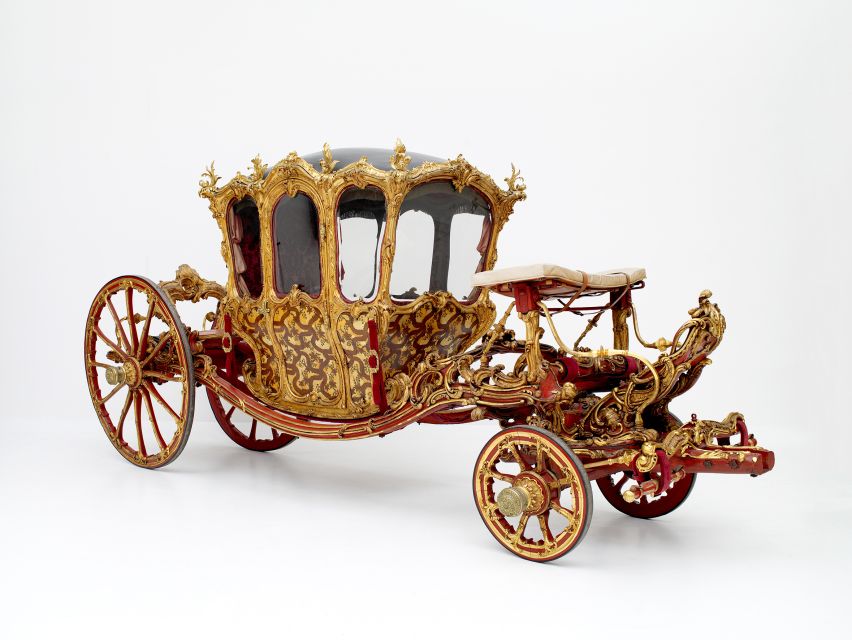
The museum follows the lives of several famous rulers through their vehicles. Maria Theresia, Napoleon, and Franz Joseph each bring a different political and personal chapter to the display.
Maria Theresia’s carriages connect to the long Habsburg court tradition. They belong to a world where royal movement was carefully planned and ceremony mattered at every step.
Napoleon’s carriage brings a different flavor. His presence links the collection to the wider European power struggles that shaped the continent. Even without a long guided explanation, a vehicle associated with Napoleon gives the display a strong sense of political drama.
Franz Joseph represents the later imperial period. His carriages help carry the story toward the end of the Habsburg monarchy and the changing role of royal ceremony.
I like this arrangement because the carriages become historical markers. You are not just asking how they were built. You are asking who used them, why they were needed, and what kind of power they represented.
The information available here may feel concise if you want a full political history of each ruler. The museum works best as a focused object collection rather than a substitute for a large palace or city history museum.
The Sisi Trail gives the visit its personal touch
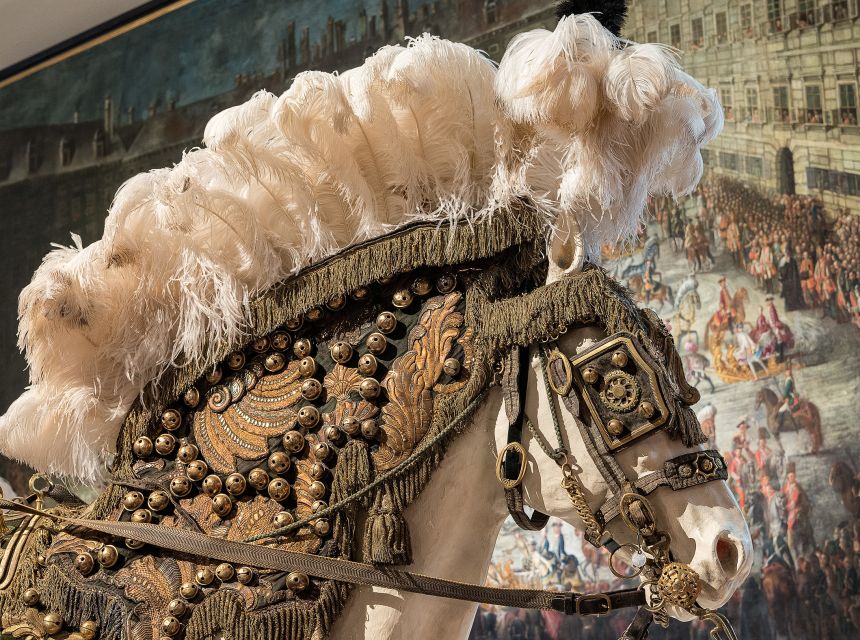
The Sisi Trail is the most intimate part of the museum. It follows Empress Elisabeth, often called Sisi, through her carriages and personal possessions.
Her carriages are important, but the smaller objects may hold your attention longer. Her only surviving saddle connects directly to her well-known interest in riding. The riding chapel adds another unusual detail, showing how her personal habits and public image were preserved through court objects.
You can also see sumptuous original dresses. Clothing changes the way you read the carriages. The coach is no longer an empty shell. You can imagine the formal clothing, careful arrangements, and physical effort involved in entering and leaving such a vehicle.
This section is particularly useful if you already know Sisi from films, books, or popular history. It gives the romantic image of the empress something solid to stand on. Instead of seeing only a famous face, you see the possessions connected to her daily life and public identity.
I would not rush through this area. The Sisi Trail is where the museum moves beyond imperial machinery and gives you a more personal story. It is also the part most likely to appeal to visitors who are less interested in carriage design but curious about Elisabeth herself.
More Palace Museums in Vienna:
- Venice’s Best: Basilica, Doge’s Palace, Gondola & History Gallery
★ 4.5 · 2,478 reviews - Royal Palace & Prado Museum Skip the Line Guided Tour
★ 4.5 · 1,347 reviews - Venice: City Pass with Museums including Doge’s Palace
★ 4.1 · 1,020 reviews - The Hague: Escher in The Palace Museum Ticket
★ 4.6 · 896 reviews
State coaches, travel vehicles, and children’s carriages
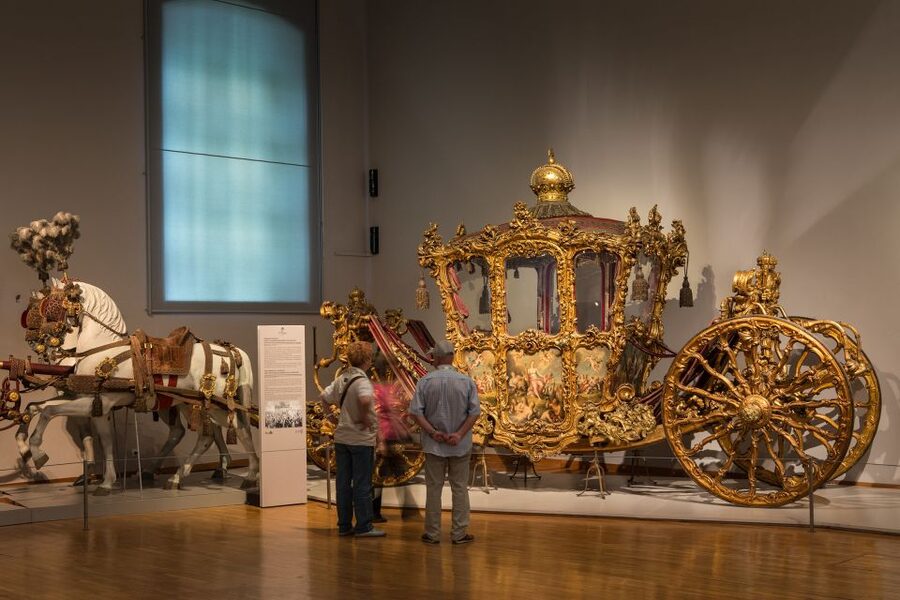
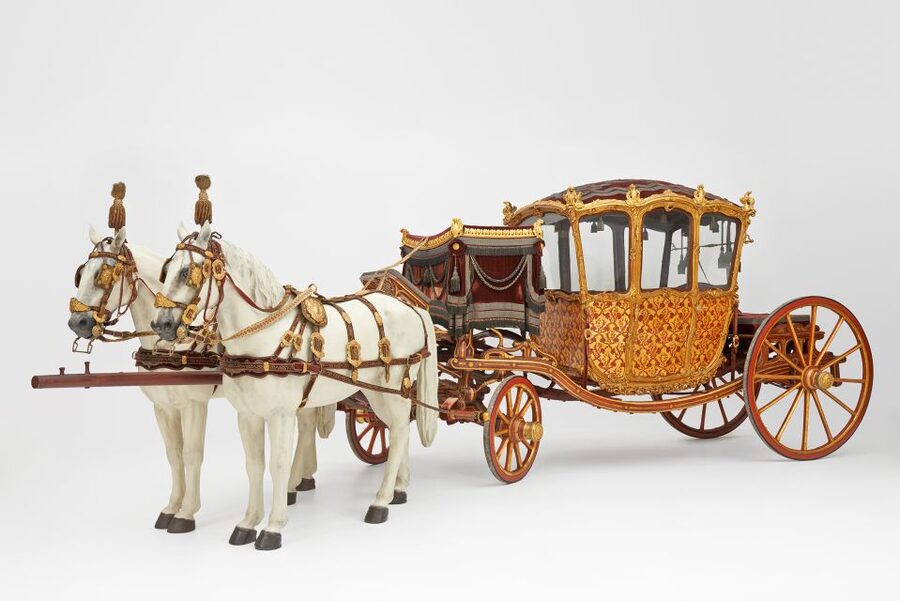
The museum has more than lavish state coaches. You also see comfortable traveling coaches and charming carriages made for Habsburg children.
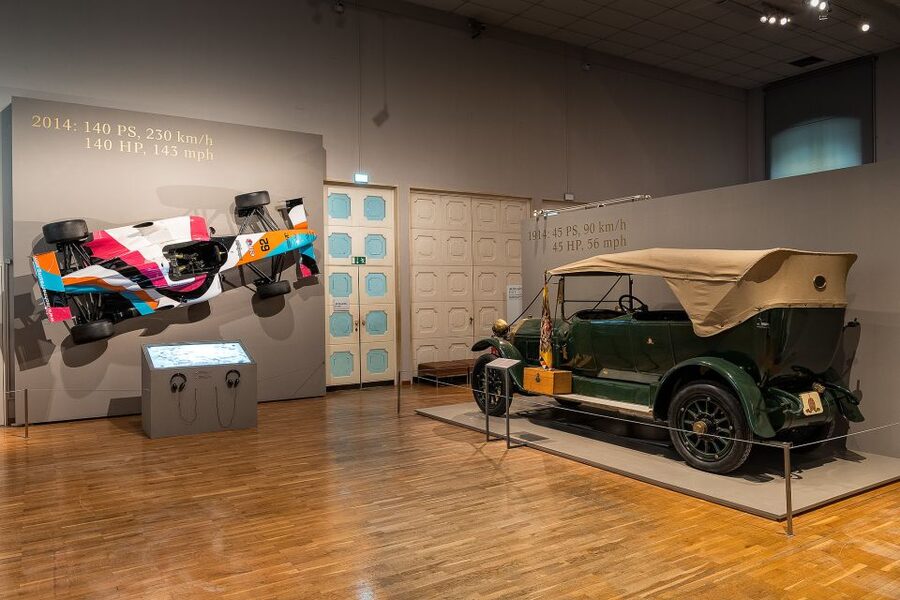
The traveling coaches are valuable because they show the practical side of royal movement. Even an imperial household needed vehicles for comfort and longer journeys, not just grand entrances. Their presence keeps the collection from presenting court life as one continuous ceremony.
The children’s carriages add a welcome change in scale and mood. They remind you that the Habsburg family was made up of children as well as emperors and empresses. These objects can make the collection easier to connect with, especially if you are visiting with younger family members.
I appreciate the variety because it gives you several ways into the museum. You might come for Napoleon, stay for Sisi, and end up studying the small vehicles used by royal children. The display rewards curiosity more than a strict order.
Still, this is a specialized museum. If carriages, clothing, and court objects hold little interest for you, the $14 admission may feel less worthwhile than a ticket focused on Schönbrunn Palace itself. If you enjoy design, royal ceremony, or transport history, the price makes better sense.
What the audio guide adds
An audio guide is included only when you book the audio guide option. That detail matters, so check your selected ticket before paying.
The guide can help you connect each vehicle to its owner and period. Without extra explanation, a carriage may look beautiful but leave you wondering who used it and what made it important. A spoken introduction can turn a decorative object into part of a larger story.
An Italian audio guide was available for at least one booking, and it was described as concise and functional. That suggests a useful option for Italian-speaking visitors who want help without joining a guided group.
Do not assume that a guided tour is part of the ticket. It is not. You may bring your own guide, but the standard experience is museum entry, with an audio guide only if that option is booked.
Planning the visit at Schönbrunn
The meeting point is the Imperial Carriage Museum in Schönbrunn Palace. The ticket is valid for one day, with starting times based on availability.
Because the museum is in the Schönbrunn complex, it fits naturally into a day focused on the palace area. The carriage museum itself has a clear subject, so you can visit it as a shorter cultural stop rather than planning an entire day around it.
I would check your timing before leaving your hotel. The ticket information says to check availability for starting times, and the museum requires a printed voucher. The printing rule is the most important practical warning. A digital voucher on your phone is not enough if the stated requirement is a printed voucher.
After printing, you must exchange the voucher at the museum for an admission ticket. That extra step can be easy if handled in advance, but it can waste a large part of your morning if discovered only after arriving in Vienna. Do not leave printing until you are standing outside Schönbrunn.
The museum does not include a guided tour. If you are traveling with a state-certified guide, that guide receives free admission. For a group of at least 10 people, one guide per booked group may receive a free ticket when accompanying the group. Groups under 10 do not receive that free-ticket arrangement, and an additional guide or companion counts as a paying member.
Is $14 a fair price?
At $14 per person, this is a reasonably priced specialist museum. The value depends on what you want from your Vienna sightseeing.
You receive admission for one day and access to a collection that cannot be replaced by simply walking through Schönbrunn Palace. The carriages give you a close look at royal ceremony, travel, clothing, and family life. The Sisi Trail adds personal objects that make the visit more than a vehicle display.
I would call the ticket good value for anyone interested in the Habsburgs, Empress Elisabeth, historic transport, costume, or decorative arts. It is also a sensible add-on if you are already spending time at Schönbrunn.
The value drops if you want a broad museum covering all of Austrian history. This is focused and relatively specific. You are paying for a well-defined collection, not an all-purpose Vienna attraction.
The high overall rating of 4.7 from 339 ratings fits the experience’s strengths: the collection is visually impressive, the subject is unusual, and the Sisi material gives it emotional interest. But the admission process can be frustrating if you overlook the printed-voucher requirement. The museum deserves the positive attention; the booking steps deserve careful handling.
Who should book this museum ticket?
I would recommend it to you if you enjoy:
- Imperial history and the Habsburg family
- Empress Elisabeth and Sisi-related sites
- Historic vehicles and decorative detail
- Original clothing and personal possessions
- Smaller, focused museums
- A cultural stop near Schönbrunn Palace
Families may appreciate the children’s carriages, while history fans will likely spend more time with the ruler-specific displays. The Sisi Trail also makes this a good choice for anyone who wants more than formal palace rooms.
I would be less likely to recommend it if you have very limited time in Vienna and no interest in royal history or carriages. In that case, the printing and ticket-exchange steps may not be worth the effort.
Book the audio guide option if you want more context and do not have your own guide. If you are visiting with a large group, read the guide admission rules closely before booking.
Should you book the Imperial Carriage Museum?
Yes, if you want a focused look at the Habsburg court through its vehicles and personal objects. The Baroque imperial coach gives you the grand spectacle, while the Sisi Trail, original dresses, saddle, and riding chapel provide the human details.
I especially like that the museum does not stop at the biggest ceremonial coaches. The traveling vehicles and children’s carriages broaden the story and make imperial life feel less distant.
Book with one warning firmly in mind: print the voucher before visiting and exchange it at the museum. If you handle that step, the $14 ticket offers a worthwhile, distinctive stop at Schönbrunn. If you arrive without the printed document, the museum’s practical value can quickly disappear into a long search for a printer.
FAQ
Where is the Imperial Carriage Museum?
The museum is located at Schönbrunn Palace in Vienna, Austria.
How much does admission cost?
The listed price is $14 per person.
How long is the ticket valid?
The ticket is valid for one day.
Is an audio guide included?
An audio guide is included only when you book the audio guide option.
Is a guided tour included?
No. A guided tour is not included, though you may bring your own guide.
What must I bring to enter?
You must bring a printed voucher. At the museum, you exchange it for an admission ticket.
Can I cancel the booking?
You can cancel up to 24 hours in advance for a full refund.
Can I reserve now and pay later?
Yes. The booking option allows you to reserve your place and pay nothing immediately.
Do tour guides receive free admission?
One guide per group may receive free admission under the stated rules. A group must have at least 10 people, and a state-certified guide has free entrance. For groups under 10, the free-ticket rule does not apply.
Newly added in Vienna
- Private Schönbrunn Palace and Gardens Tour★ 5.0 · 46 reviews
- Vienna: Skip-the-Line Schonbrunn Palace Private Tour★ 4.8 · 85 reviews
- Skip-the-line Schonbrunn Palace Rooms & Gardens Private Tour★ 4.5 · 81 reviews
- Vienna Private City Tour: Palaces, Churches & Sacher Cake Option★ 4.5 · 41 reviews
- Vienna: After-Hours Schönbrunn Palace Entry & Concert Ticket★ 4.4 · 236 reviews
- Evening at Schönbrunn Palace Vienna: 3-course Dinner and Concert★ 4.0 · 278 reviews
- Vienna: Schönbrunn Palace Entry Ticket with Lunch★ 4.4 · 299 reviews
- Schönbrunn Palace: Exclusive Ticket after the opening hours★ 4.1 · 374 reviews
Schonbrunn and Hofburg Palace Tours, compared.
Schönbrunn Palace & Gardens Skip-the-Line Tour
Read our review →
Skip-the-Line Schönbrunn Palace & Gardens Tour
Read our review →
Bus & Schönbrunn Palace Skip-the-Line Guided Tour
Read our review →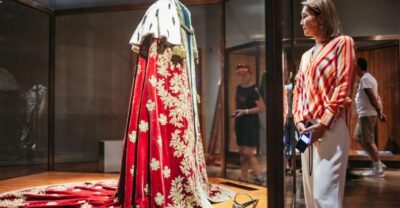
Skip the Line Schönbrunn Palace and Gardens Guided Tour
Read our review →
Schönbrunn Palace & Garden Skip-the-Line Guided Tour
Read our review →
Panorama Train Tickets to explore Schönbrunn Palace
Read our review →
Skip-the-Line Schönbrunn Palace and Gardens Tour
Read our review →Browse the lists this tour appears in