
Review · CHATEAU AND WINE ESTATE TOURS
Guided Full-Day Private Trip to Cedars, Baalbek and Chateau Ksara
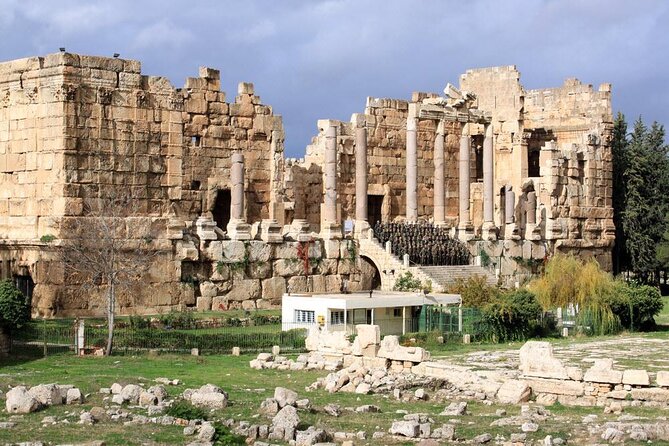
Baalbek is the star here: immense Roman temples rise from Lebanon’s Bekaa Valley, with stones so large they still make modern engineering look modest. You then shift from ancient ruins to Chateau Ksara wine and finish among the country’s famous cedar trees.
I like the private pickup and the mix of culture, food, wine, and nature. I also like the local Baalbek guide, since the ruins need explanation to make sense. The main drawback is the long day, about nine hours, with lunch and several admission costs extra.
Key points to know before booking
- Baalbek gets the most time: Plan on roughly four hours around the Roman sanctuary and its enormous stone blocks.
- The route covers three sides of Lebanon: You visit the Bekaa Valley, Chateau Ksara, and the Chouf Cedar Reserve in one day.
- Private transport keeps the day flexible: Pickup and drop-off at your Beirut hotel are included, and only your group takes part.
- Wine tasting is not all-inclusive: Chateau Ksara admission and tasting costs are not included in the tour price.
- The cedar walk is a real outdoor stop: You have about two hours at Maasser el Chouf, so wear practical shoes.
- Budget beyond the $100 price: Lunch and some entrance fees come separately.
Why this Beirut day trip works
This is a big day, but it gives you a useful look at several sides of Lebanon without asking you to arrange separate transport. You leave Beirut for the Bekaa Valley, visit one of the finest Roman temple sites in the region, stop at a long-established Lebanese winery, and walk in a cedar reserve associated with the country’s national tree.
I especially like the variety. Baalbek gives you stone, columns, carved details, and ancient religious history. Chateau Ksara offers a more relaxed hour with local wine. The Chouf stop brings fresh air and a change of pace after the archaeological site.
The private setup matters. You are not joining a large bus group, and the vehicle is air-conditioned. Hotel pickup and drop-off remove the need to find a meeting point in Beirut, with the day scheduled to begin at 8:30 am.
Still, you should not mistake this for a slow countryside escape. The route covers substantial ground, and Baalbek, Ksara, and the cedar reserve each deserve attention. You will get a broad, memorable day rather than a leisurely visit to one region.
More Chateau and Wine Estate Tours in the world:
- Versailles Château and Gardens Walking Tour
★ 4.5 · 727 reviews - Versailles Château and Gardens Walking Tour from Paris by Train
★ 4.5 · 714 reviews - Loire Valley: Château Royal d’Amboise Entrance Ticket
★ 4.6 · 476 reviews
Baalbek: Lebanon’s great Roman showpiece
Baalbek was known as Heliopolis during the Hellenistic and Roman periods. The sanctuary honored a Romanized version of a Phoenician religious triad: Jupiter, Venus, and Bacchus. That blend of local worship and Roman building explains why the site feels both familiar and distinct from the better-known ruins of Italy or Greece.
The first major stop lasts about two hours, followed by another listed temple visit of about two hours. In practical terms, expect Baalbek to take up the heart of the day. That is a good thing. Rushing this site would leave you staring at stones without grasping their scale.
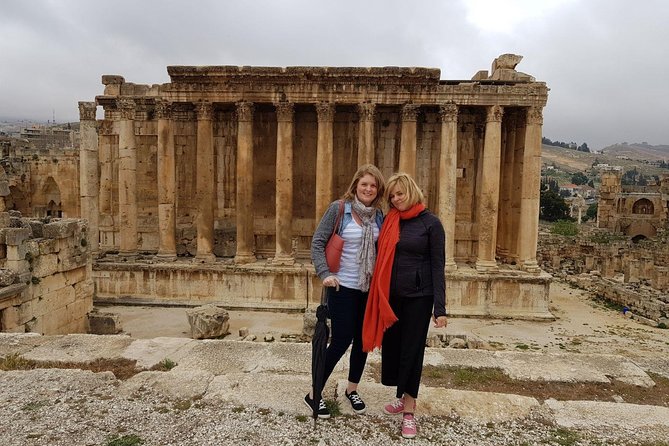
The Temple of Jupiter is the visual giant. Its surviving columns and massive architectural pieces show the ambition of the Roman sanctuary. The Temple of Bacchus is smaller, but it is remarkably well preserved and often easier to appreciate at eye level. The carvings and proportions reward a slow look.
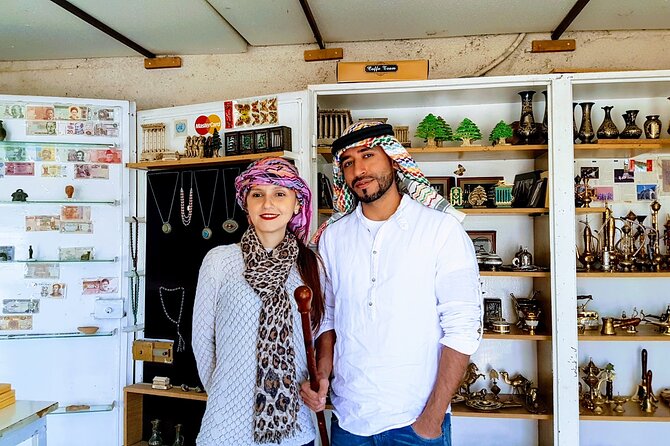
A local guide is included at Baalbek. The supplied information does not give the guide’s name, so you should not expect to request a particular person. What matters is that the guiding adds context to a site where the size can otherwise overwhelm you. One account of the experience gives special credit to the guide’s command of the ruins, which is useful because Baalbek’s story is not obvious from a quick walk around.
The sanctuary sits at about 1,150 meters near the southwestern slopes of the Anti-Lebanon range. That elevation helps explain why the setting feels different from Beirut. Bring water and protect yourself from the sun, particularly during the open-air portions of the visit.
There is one practical point to clarify before you go. The tour details list admission as free for one Baalbek stop but say admission is not included for the temple complex. Since those descriptions conflict, ask the operator exactly which entrance fees are covered. Do not assume the $100 price includes every ticket.
The Sayyida Khawla Mosque and a local religious stop
The route also includes the Mosque of Sayyida Khawla in Baalbek. It is associated with the burial place of Sayyida Khawla, believed to be the daughter of Imam al-Hussein, the grandson of the Prophet Muhammad.
This stop adds a religious layer to the day. Baalbek is not only an archaeological site from the Roman world. It remains a place shaped by living faith and local tradition. The tour description does not give a separate duration or detailed visiting rules for the mosque, so treat it as a brief stop within the Baalbek portion.
Dress and conduct should be respectful at any religious site. Since exact access arrangements are not stated, your guide will be the best source for what you can enter and how long you can stay.
The Stone of the Pregnant Woman
The Stone of the Pregnant Woman is a short stop, listed at about 30 minutes. It is a worked Roman monolith, one of the largest quarried stone blocks in the area. Another ancient block nearby forms part of the same story of Roman-scale construction.
This is a fine place to understand the practical puzzle behind Baalbek. The temples are impressive, but these immense blocks make you ask how ancient builders quarried, moved, and positioned such material. The nickname gives the stone a memorable hook, while its size supplies the real point.
Admission is listed as free. You will not need a full museum visit here, but half an hour gives you time to see the stone and hear why it matters. I would keep your expectations focused: this is a single monument stop, not another full temple complex.
More Private Palace Tours in the world:
- Alhambra Private/Small Group Tour & Nasrid Palaces Skip the Line
★ 4.5 · 921 reviews - Bangkok: Grand Palace, Wat Pho, and Wat Arun Private Tour
★ 4.8 · 855 reviews - Mutianyu Great Wall&Summer Palace Excursion:Group/Private Options
★ 5.0 · 816 reviews - Private Tour of Sintra, Cabo da Roca and Cascais with 2 Palaces
★ 5.0 · 770 reviews
Chateau Ksara and Lebanese wine
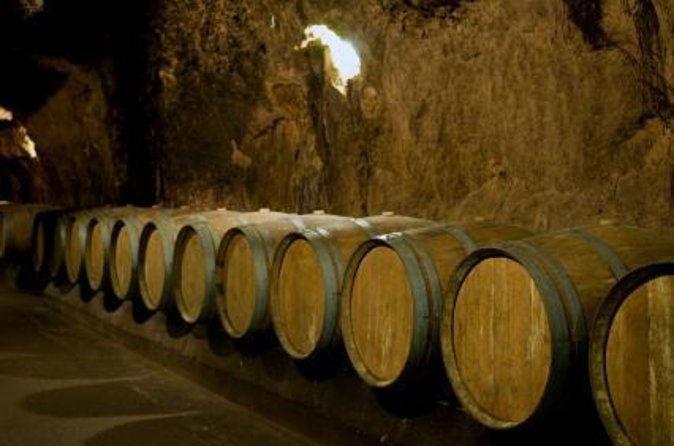
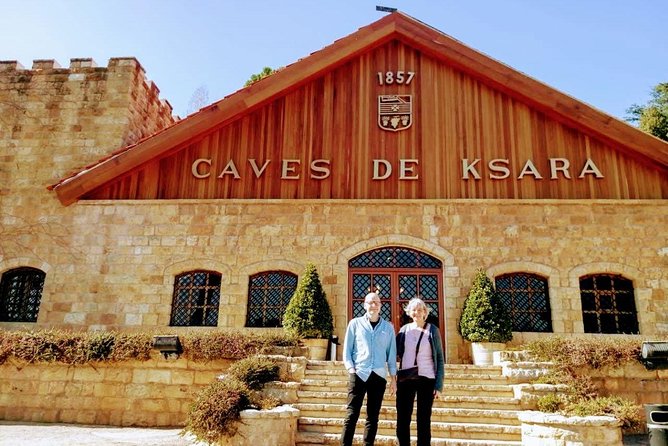
After the ancient stones, Chateau Ksara changes the mood. The winery was founded by Jesuit priests in 1857 and is credited with producing Lebanon’s first dry wine. Today, its wines are exported to more than 40 countries, with about three million bottles produced each year.
The visit lasts about one hour. You can expect the emphasis to be on local wine and the winery itself rather than a long meal or an afternoon tasting session. It is a compact introduction to Lebanon’s wine industry, placed neatly between the ruins and the cedar forest.
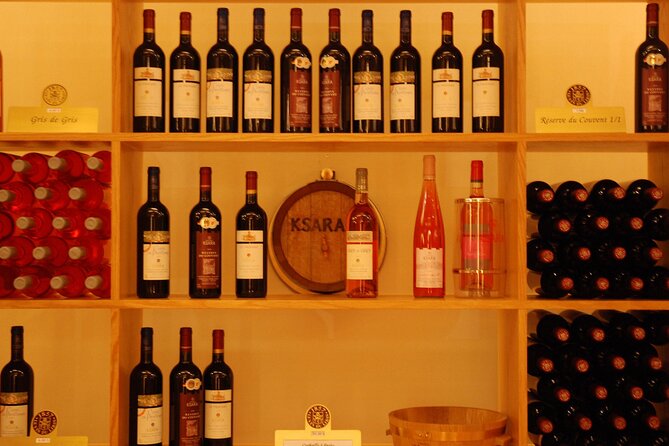
Wine tasting is one of the clear highlights of this trip, but it is not included in the listed tour price. Chateau Ksara admission is also marked as not included. Ask about the current tasting and entrance charges before setting out, since the tour cost alone does not cover every part of the stop.
Lunch is not included either. You should plan for that extra expense and ask the driver-guide when and where the lunch break will take place. The schedule includes a pause for lunch, but it does not name a restaurant or specify a set menu, so you should not assume a meal has been arranged in advance.
The winery stop suits you if you enjoy regional food and drink as part of a cultural day. It may suit you less if you want a serious, long-form wine tour. With only about an hour allocated, the value is in sampling Lebanese wine and seeing how it fits into the country’s countryside, not in covering every detail of winemaking.
A walk in the Maasser el Chouf cedar reserve
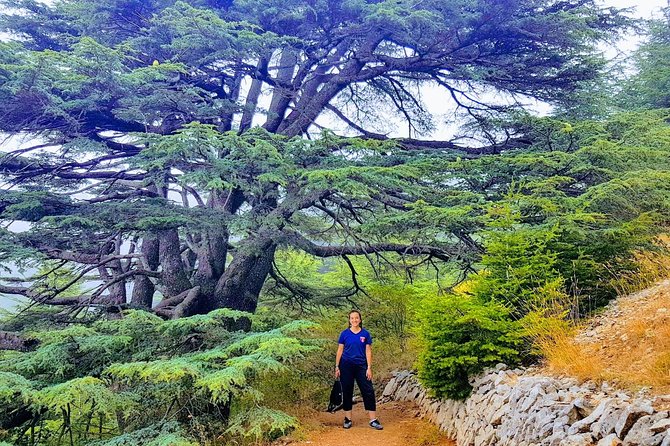
The final major stop is Maasser el Chouf, part of the Al-Shouf Cedar Nature Reserve on the slopes of Barouk Mountain. The reserve covers about 550 square kilometers, around 5.3 percent of Lebanon’s territory and a large share of its green area. It was recognized by UNESCO as a biosphere reserve in 2005.
You have about two hours here, which gives the nature stop enough weight to feel like more than a roadside photo break. The tour calls for a hike among the cedars, so wear shoes you can walk in comfortably. The supplied details do not state the trail length or difficulty, so ask your guide what walk fits the day’s conditions.
The cedars matter culturally as well as botanically. They are Lebanon’s national trees and a powerful national symbol. After Baalbek’s man-made monuments, the forest gives you a different way to understand the country, through protected woodland, mountain air, and old trees rather than carved stone.
I like the contrast between this stop and Ksara. Wine tasting is social and seated. The cedar walk is quiet and active. It also breaks up the long drive and lets you finish the day outdoors.
Do keep the timing in mind. Two hours in the reserve is worthwhile, but this is not a multi-day hiking trip. You will see part of the reserve rather than cover its full area. The tour is best for someone who wants a scenic walk alongside major cultural stops, not for a dedicated hiker seeking a long trail.
What the private vehicle adds
The tour includes comfortable private transportation in an air-conditioned vehicle, with a driver-guide and hotel pickup and drop-off. Only your group participates. For a full day with several far-flung stops, that convenience has real value.
You do not need to navigate between Beirut, Baalbek, Ksara, and the Chouf. You also avoid the fixed pace and passenger count of a large group vehicle. If you need a little more time at the ruins or a shorter cedar walk, a private format gives you a better chance to discuss the plan with the driver-guide.
That flexibility has limits. The tour still has a stated duration of about nine hours and several scheduled stops. You cannot treat every location as open-ended, especially if you want time for lunch, wine tasting, and the forest walk.
Pickup begins at 8:30 am. An early start is sensible because the day includes long travel between sites, but it means you should be ready at your Beirut hotel on time. Confirmation arrives when you book, and a mobile ticket is available.
Most people can take part, according to the tour information. No detailed accessibility notes are provided, and the cedar portion includes a hike, so anyone with mobility concerns should ask for more information before paying.
Is $100 a fair price?
At $100 per person, the value depends on how much you would otherwise spend arranging transport and guides. You receive a private air-conditioned vehicle, hotel pickup and return, a tour leader, and a local guide at Baalbek. For a nine-hour day covering several regions, that is a useful package.
The price is not the final cost of the day. Lunch is extra. Chateau Ksara admission and tasting are extra, and at least one Baalbek temple entry is listed as not included. Ask for a clear breakdown before departure so you can carry enough cash or payment options for the additional expenses.
The private format also affects the value. For one person, $100 buys convenience but may feel high once extras are added. For two or more people, the price becomes easier to justify because the vehicle and guide services serve your whole party. Group discounts are offered, though the exact discount is not specified.
I would compare this with the cost of booking a private driver, finding a Baalbek guide, arranging winery access, and organizing the cedar visit separately. The tour saves planning time and reduces transport worries. Its strongest value is not simply the number of stops, but the fact that one day connects them.
Who should book this experience?
I would recommend it to you if you have limited time in Beirut and want a strong first look at Lebanon beyond the capital. It suits history fans, wine lovers, couples, families, and small groups who prefer a private vehicle to a large coach.
It is also a good match if you want variety. The day gives you Roman architecture, Islamic religious heritage, Lebanese wine, and a cedar forest. Few single-day outings offer such different subjects in one route.
I would hesitate if you dislike long days, want an in-depth winery visit, or need a highly detailed hiking plan. The schedule is full, some costs are extra, and the natural stop is a moderate part of a broader sightseeing day rather than the main purpose.
The strongest praise attached to this experience focuses on the astounding temples, the guide’s knowledge, the wine tasting, and the cedar walk. That matches the tour’s real appeal: Baalbek supplies the major wow factor, while Ksara and the Chouf forest keep the day from becoming a single-site history lesson.
Should you book it?
Book this tour if you want an efficient, private introduction to Lebanon’s Bekaa Valley and Chouf region, with Baalbek as the centerpiece. The mix of ancient temples, a Lebanese winery, and cedar trees is unusually varied, and hotel pickup makes the logistics simple.
Before booking, confirm the Baalbek admission details, the current Chateau Ksara tasting cost, and the lunch plan. If you are comfortable with a nine-hour schedule and extra expenses, this is a well-rounded day with strong cultural and scenic value.
FAQ
What time does the tour start?
Pickup starts at 8:30 am.
How long does the experience last?
The full trip lasts approximately nine hours.
Is hotel pickup and drop-off included?
Yes. Pickup and drop-off at your Beirut hotel are included.
Is this a private tour?
Yes. Only your group takes part in the activity.
Is lunch included?
No. Lunch is not included in the tour price.
Are wine tasting and entrance fees included?
Chateau Ksara admission and wine tasting are not included. The tour information also states that admission to the Baalbek temple complex is not included, although another Baalbek entry is listed as free. Confirm the exact fees before departure.
More Full-Day Visits in the world
- Versailles Full Day Bike Tour with Palace, Gardens, & Picnic
★ 5.0 · 2,217 reviews - Beijing Classic Full-Day Tour including the Forbidden City, Tiananmen Square, Summer Palace and Temple of Heaven
★ 4.0 · 610 reviews - Versailles: Full Day Tour & Shuttle from Paris
★ 3.5 · 356 reviews - Full-Day; Castle, Palace, Cathedral & Viking ships Tour
★ 5.0 · 326 reviews
Newly added in the world
- Bali: Gate Of Heaven and Water Palace Tirta Gangga Package★ 4.7 · 3 reviews
- Avignon: Around The Palace Tour★ 4.5 · 13 reviews
- Ayutthaya Full-Day Tour with Bang Pa In (Summer Palace)★ 5.0 · 2 reviews
- Aranjuez: Royal Palace Guided Tour★ 4.5 · 93 reviews
- Asia Continent & Topkapı Palace & Harem. Guided, Small group★ 4.9 · 3 reviews
- Kornik Castle and Rogalin Palace Half-Day Private Tour★ 5.0 · 2 reviews
- Antananarivo: Guided Tour and sunset in queen’s palace★ 3.9 · 13 reviews
- Royal Palace of Aranjuez Small-Group Tour with Entry Ticket★ 5.0 · 2 reviews
Chateau and Wine Estate Tours, compared.
Medoc or Saint Emilion Wine Tasting and Chateau from Bordeaux
Read our review →
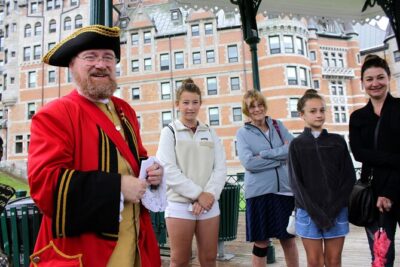
Guided Tour of the Fairmont Le Chateau Frontenac in Quebec City
Read our review →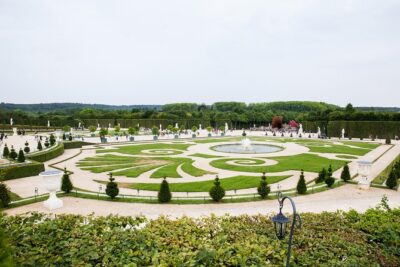
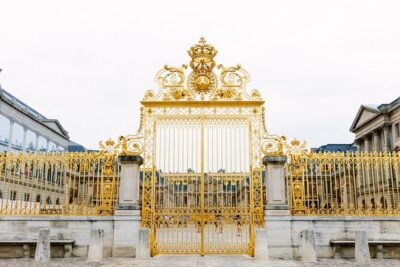
Versailles Château and Gardens Walking Tour from Paris by Train
Read our review →
Loire Valley: Château Royal d’Amboise Entrance Ticket
Read our review →
Fontainebleau & Vaux-le-Vicomte Châteaux Day Tour from Paris
Read our review →Browse the lists this tour appears in