
Review · CHATEAU AND WINE ESTATE TOURS
Wine Tour at Chateau Lanessan
Château Lanessan gives you more than a quick sip of Bordeaux. In about an hour, you move from a horse museum and French garden to the vineyards, cellars, and barrel room, then taste wine still developing in cask before sampling two finished bottles. I especially like the link between the estate’s old equestrian life and its present wine work.
I also like the tasting format. You get a useful lesson rather than a simple pour, and the passionate guiding of Valerie and Romain can make the family story and winemaking process easy to follow. The main caution is that parts of the property may feel worn or quiet, and the château itself may not always be open for viewing.
Key points at a glance
- Taste wine straight from the barrel: Try the current vintage in the cellar before tasting two wines ready to drink.
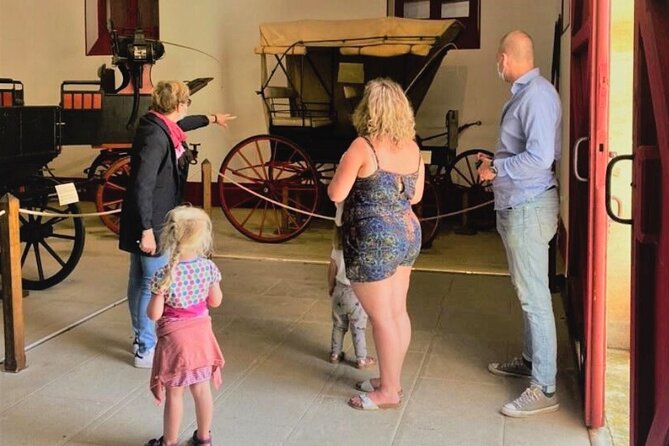
- See more than vineyards: The visit includes a horse museum with stables, saddleries, and carriages.
- A guide-led history lesson: Valerie and Romain have been praised for clear, warm explanations of the estate and its wines.
- Good value at $18.04: The ticket includes the tour, vineyard access, and alcoholic tastings.
- A compact Médoc stop: The visit lasts about one hour, making it easy to fit into a day of château visits.
- Some rough edges remain: The grounds and buildings may not have the polish of better-funded estates.
Why Château Lanessan feels different from a standard Bordeaux tasting
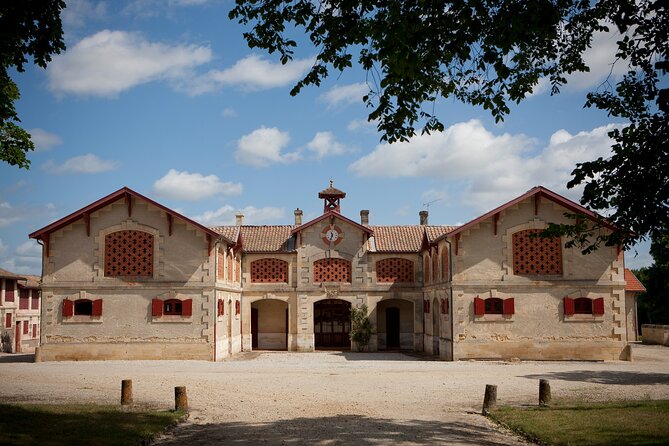
Many Bordeaux château visits follow a familiar path: vineyard, fermentation room, barrel cellar, tasting table. Château Lanessan adds another layer with its horse museum and old carriage collection. That gives you a glimpse of the estate’s former working life, when horses were central to farming, transport, and ceremony.
You can expect to see facilities connected with horses, including stables, saddleries, and carriages. This is not just a decorative display beside the tasting room. It helps explain the character of the property and gives the visit a stronger sense of place than a wine tasting alone.
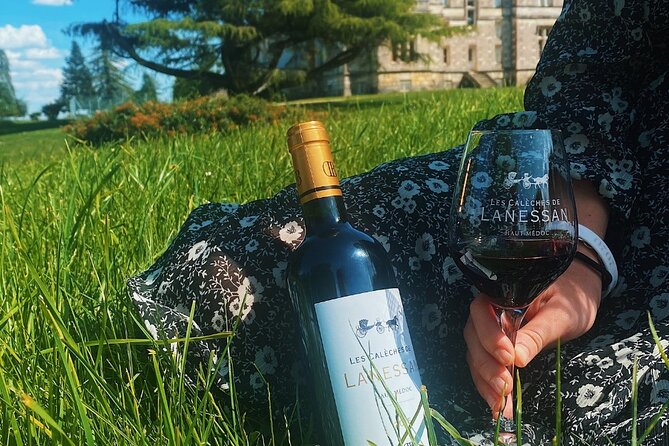
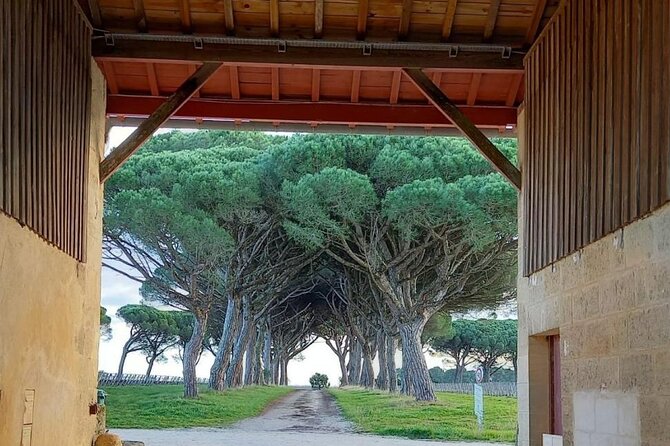
The setting also includes a romantic French garden. It is part of the ticket, so allow yourself a few minutes to look around rather than treating the garden as a pass-through. The estate has an old-fashioned feel, though that charm comes with a tradeoff: some parts may seem underkept or subdued compared with the grander, better-funded Bordeaux properties.
More Chateau and Wine Estate Tours in France
- Medoc or Saint Emilion Wine Tasting and Chateau from Bordeaux
★ 5.0 · 1,415 reviews - From Paris: Full-Day Loire Valley Chateaux Tour
★ 4.4 · 1,269 reviews - Versailles Château and Gardens Walking Tour
★ 4.5 · 727 reviews
Starting with the garden and horse museum
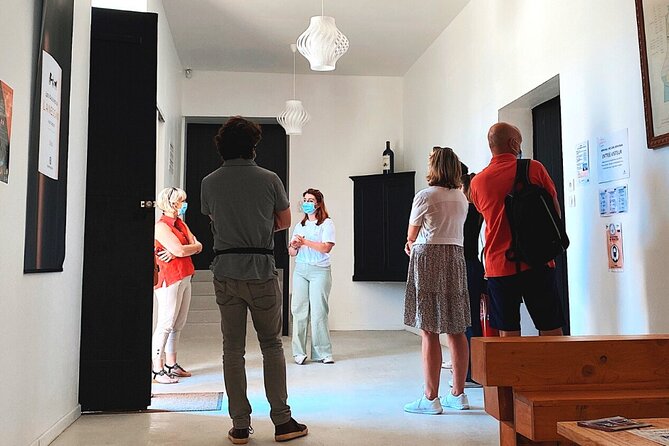
Your visit begins at Château Lanessan, with a scheduled start time of 11:00 a.m. The precise flow can vary, but the experience is designed as a guided walk through the property rather than a tasting held in isolation.
The French garden makes a pleasant opening. It gives you a sense of the château grounds before the visit turns practical and agricultural. You are not simply being shown a bottle and told a few facts. The setting helps connect the wine to the estate itself.
The horse museum is the most unusual part of the visit. You can explore the stables, saddlery areas, and carriages, all linked to the property’s equestrian past. For anyone interested in rural life, old transport, or historic estates, this may be just as memorable as the wine.
The museum also gives nonexperts an easy way into the visit. You do not need to know Bordeaux classifications or grape varieties to appreciate a carriage, a stable, or the work once required to manage an estate. Families may find this especially useful, since children can have something to look at before and after the tasting. Fruit juice is available for children.
One point to keep in mind: the château itself may not always be available to visit. You may instead spend your time around the grounds, museum, vineyard, and production areas. That is not necessarily a problem, but you should book this for the full property experience, not for guaranteed access to every room in the residence.
Walking through the vineyards and wine cellars
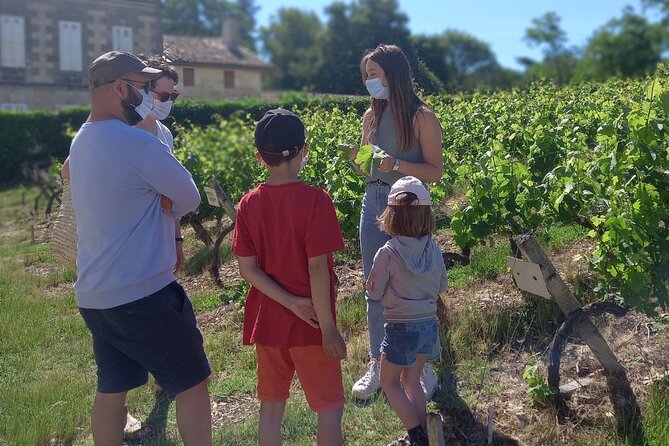
The tour then shifts from estate history to winemaking. You are guided through the vineyards and wine cellars, with an explanation of how grapes become the wine in your glass. The vineyard portion matters because it gives context to the cellar work. Wine is not just made indoors, and the visit lets you see the link between the planted rows and the finished product.
The cellar tour is also where the hour becomes useful for a first-time Bordeaux visitor. You can ask how the estate handles its wine, how the cellar master monitors the developing vintage, and why wines at different stages taste different. The guide’s role matters here. Valerie has been praised for explaining both the family story and the wine in a friendly, detailed way, while Romain has also been singled out for professional and informative guiding.
The tone appears personal rather than heavily scripted. That is a plus if you enjoy asking questions. A passionate guide can turn technical points into plain language, especially when discussing aroma, structure, and how a wine changes with time.
The setting may not have the polished finish found at famous, heavily funded châteaux. One account described the property as needing more investment, with some areas not kept to a high standard. You should see this as a working estate with character, not as a grand showpiece prepared for luxury tourism.
The barrel tasting is the tour’s best teaching moment
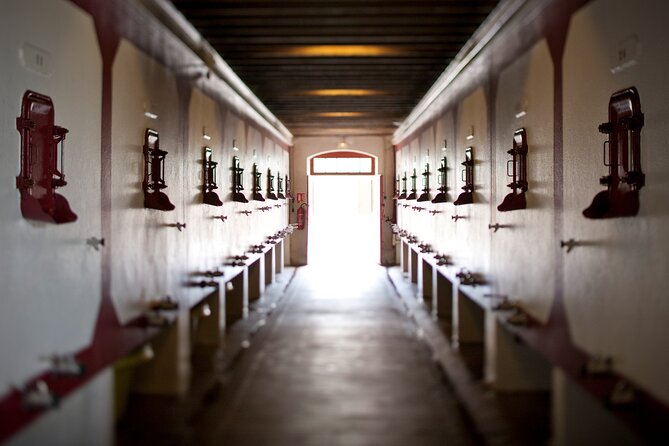
The most distinctive tasting comes before the finished wines. You have the chance to taste the wine of the year directly from the barrel, in the place associated with the cellar master.
This matters because barrel wine is still developing. It may taste less settled than a bottle ready for drinking, and the comparison with finished wine gives you a clearer idea of what aging does. You do not need a trained palate to appreciate the contrast. The guide can help you notice changes in texture, aroma, and balance.
I like this part because it turns an abstract winemaking lesson into something you can taste immediately. You move from the physical barrel to the glass and see that wine is a process, not a fixed product. It is also more memorable than hearing a short explanation about oak and maturation without trying the wine yourself.
The barrel tasting may not suit someone who wants only a polished final product. If you prefer an easy, predictable tasting, the young wine may seem unfinished. That is exactly why it is useful, but it is worth knowing before you arrive.
Same city, another grand address:
- Paris: Versailles Palace and Gardens Full Access Ticket
★ 4.6 · 41,579 reviews - Versailles: Skip-the-Line Tour of Palace and Gardens Access
★ 4.7 · 10,429 reviews - From Paris: Versailles Palace & Gardens with Transportation
★ 4.6 · 6,222 reviews - Versailles: Skip-the-Line Guided Palace Tour and Full Access
★ 4.6 · 5,214 reviews
Two finished wines and a practical tasting lesson
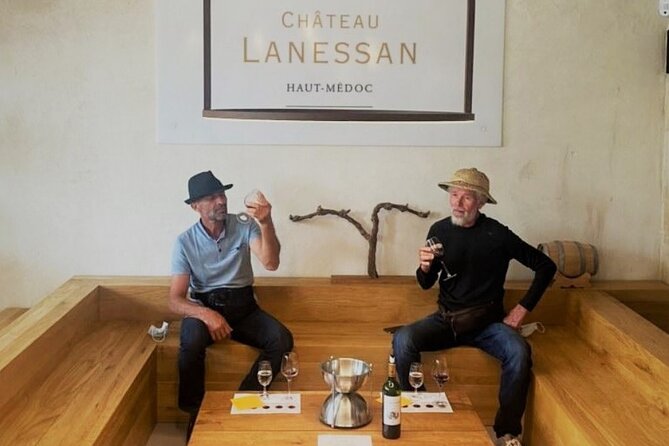
After the barrel sample, you taste two wines that are ready to drink. The tasting is included in the ticket price, and the guide explains what you are drinking rather than leaving you to guess.
The instruction focuses on the basics of wine tasting. You can expect help with the way you look at, smell, and taste the wine, along with an explanation of the flavors you may notice. This makes the visit a good choice if you are new to wine or want a clearer method for tasting Bordeaux.
The two finished wines also provide a sensible comparison with the barrel sample. One glass shows a wine still in progress. The other pours show how a more mature, drinkable wine presents itself. You may not leave with the vocabulary of a sommelier, but you should leave better able to describe what you like.
The guides are a major part of the experience. Valerie has been praised for warmth, enthusiasm, and explanations delivered in clear Spanish as well as French-language visits. Romain has also been recognized for a professional approach. The advertised tour is offered in English, but if language is important to you, confirm the guide and language when booking, since the available guide can affect the feel of the visit.
Is $18.04 a good price?
At $18.04 per person, this is a modest price for a château visit in the Bordeaux area. The ticket includes alcoholic beverages, a vineyard tour, access to the horse museum and grounds, the cellar visit, and the tasting of two finished wines. You also receive the barrel sample, which is the feature that gives the tour extra value.
The price is especially fair if you want a short, focused visit rather than a half-day appointment at a major estate. You get several subjects in one hour: local history, horses, gardens, vineyards, cellar work, and tasting. That mix can help you avoid spending your entire day on similar wine tours.
The value drops if you expect immaculate buildings, a grand interior tour, or the highly polished presentation of a famous château. Some parts of the property may look tired, and the former horse-related activities are no longer as active as they once were. An account of the estate also noted that it had recently been bought in part by Australian wine specialists, so the property may change over time.
There was also an $8 winery-only visit and tasting option mentioned for a shorter visit. The experience described here is the broader ticket, so check the exact option you select if you are comparing prices or have limited time.
Timing, transport, and who should book
The scheduled start time is 11:00 a.m., and the visit lasts about one hour. That makes it easy to pair with another Médoc stop, but you should plan your own route carefully because private transportation is not included.
A mobile ticket is provided, which is convenient for a day spent moving between estates. Confirmation is sent within 48 hours of booking, subject to availability. Free cancellation is allowed until 24 hours before the start time. Changes or cancellations made inside that window are not accepted for a refund.
I would recommend Château Lanessan to:
- First-time Bordeaux visitors who want an understandable introduction to wine
- People interested in old estates, carriages, and rural history
- Families who need a property with more than a tasting table
- Visitors building a Médoc wine route with several short stops
- Wine lovers who enjoy comparing barrel samples with finished bottles
- Anyone looking for a lower-cost alternative to grander château tours
I would be more cautious if you want luxury presentation, perfectly restored rooms, or a long, highly technical tasting. This is a personal, compact visit with character, but it may show signs of limited investment.
What I would expect from the guide
The quality of this visit depends heavily on the person leading it. The strongest descriptions of the experience focus on guides who make the family story accessible and explain the wine with real enthusiasm.
Valerie is the name to know. She has been praised for her warmth, detail, and ability to explain the estate in Spanish. Romain has also been associated with a professional and informative visit. The guide can make the difference between a routine walk through a cellar and a genuine lesson in how an estate works.
You should feel free to ask questions during the tasting. Ask what you are noticing in the barrel wine, how it differs from the ready-to-drink wines, and what part of the estate’s history is tied to the horse museum. Those questions fit the structure of the visit and help you get more from the short time available.
Final verdict: book it for character and value
I would book Château Lanessan if you want a one-hour Médoc visit that combines wine with an unusual horse museum, garden access, and a direct barrel tasting. The $18.04 price is strong value when you count the guided tour and included pours.
I would skip it only if your main goal is a flawless château interior or luxury-level upkeep. For everyone else, the property’s rough edges are part of the choice. You get a more varied and personal visit, guided by people who care about the place, at a price that leaves room in your budget for another glass or another château later in the day.
FAQ
How long does the Château Lanessan wine tour last?
The visit lasts approximately one hour.
What time does the tour start?
The stated start time is 11:00 a.m.
Is wine tasting included in the ticket?
Yes. The ticket includes alcoholic beverages, a taste of the current wine directly from the barrel, and two wines that are ready to drink.
What can I see at Château Lanessan?
You can visit the French garden and horse museum, see stables, saddleries, and carriages, and tour the vineyards, wine cellars, and barrel cellars.
Is the tour offered in English?
Yes. English is listed as an available tour language.
Can I cancel for a full refund?
Yes, if you cancel at least 24 hours before the experience start time. Cancellations or changes made less than 24 hours before the start time are not refunded.
Newly added in France
- The Blending Tour at Château de La Dauphine★ 5.0 · 5 reviews
- Discovery Tour of Château Haut Breton Larigaudière★ 5.0 · 2 reviews
- Luxury Tour of Château de La Dauphine★ 5.0 · 11 reviews
- Discovery visit of Château Rol Valentin with tasting★ 5.0 · 34 reviews
- Wine Gaming at Chateau Lamothe★ 5.0 · 3 reviews
- Picnic at the Château de la Selve!★ 5.0 · 26 reviews
- Private Tour in Fontainebleau Palace with Skip-The-Line Ticket★ 5.0 · 9 reviews
- Wine Tour – Château Labrie Saint Emilion Grand Cru★ 5.0 · 4 reviews
Chateau and Wine Estate Tours, compared.
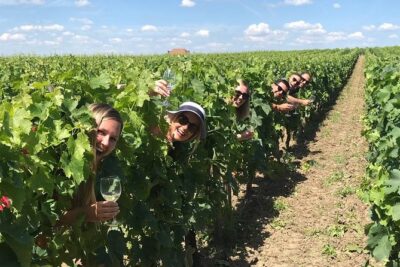
Medoc or Saint Emilion Wine Tasting and Chateau from Bordeaux
Read our review →
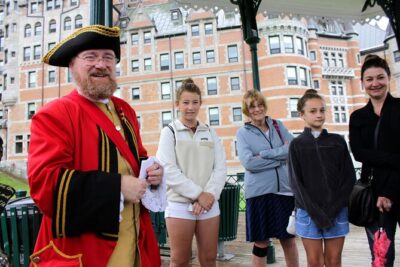
Guided Tour of the Fairmont Le Chateau Frontenac in Quebec City
Read our review →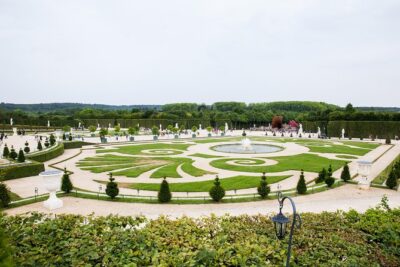
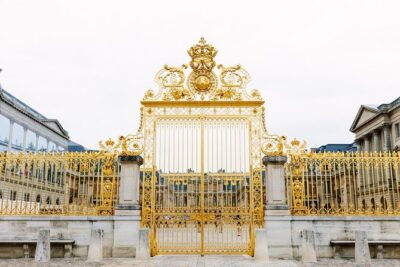
Versailles Château and Gardens Walking Tour from Paris by Train
Read our review →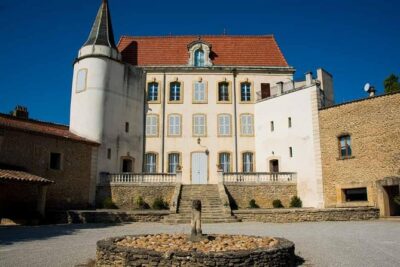

Loire Valley: Château Royal d’Amboise Entrance Ticket
Read our review →
Fontainebleau & Vaux-le-Vicomte Châteaux Day Tour from Paris
Read our review →Browse the lists this tour appears in