
Review · CHATEAU AND WINE ESTATE TOURS
The Blending Tour at Château de La Dauphine
The best part of the Château de La Dauphine Blending Tour is that you do more than taste finished wine. After seeing the estate, you test your nose, learn how aromas connect with wine, and try to create a blend that suits your own palate. It turns a standard vineyard visit into a hands-on lesson.
I like the private format, since only your group takes part, and I like the setting: a château visit followed by time in the park, vineyards, and technical buildings. The main consideration is that the tour lasts about two hours, includes alcoholic beverages but no private transport, and the fixed meeting point in Fronsac means you must arrange your own way there.
Key Points at a Glance
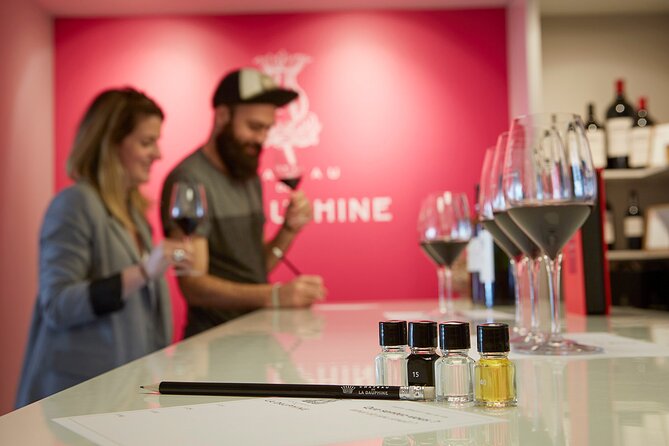
- Blend wine after touring the estate: You move from seeing how wine is made to trying your hand at combining wines.
- A sensory workshop leads the tasting: You train your nose and memory before judging the wines in your glass.
- Guides bring a personal touch: Carissa is noted for her friendly style and can speak Spanish, while Valentine has led the château tour and tasting game.
- The private setting suits small groups: Your party takes part on its own rather than joining a large public group.
- The château visit covers more than the facade: The route includes the park, vineyards, and technical buildings.
- The price is modest for a two-hour private activity: At $23, it offers more than a quick pour, though transport is not included.
What the Two-Hour Visit Is Really About
This is a wine education experience built around the senses. You begin by discovering Château de La Dauphine, then shift from looking at the property to smelling and tasting wine with a purpose.
That change matters. Many vineyard visits give you a tour, a few glasses, and a polite goodbye. Here, the blending workshop asks you to pay attention. You are not simply told what to smell. You are encouraged to train your nose and olfactory memory, then use those impressions while tasting.
The experience lasts about two hours. That is long enough to cover the estate and the workshop without turning the visit into an all-day commitment. It also gives you time to ask questions, take photographs, and work through the tasting at a measured pace.
The activity is listed as a private tour, so only your group participates. I see that as a real advantage if you are traveling with a partner, family members, or friends who want to set their own pace. It also makes the sensory game feel more relaxed. You can admit that you smell something odd, or that you prefer one blend, without speaking up in front of a busload of strangers.
More Chateau and Wine Estate Tours in France
- Medoc or Saint Emilion Wine Tasting and Chateau from Bordeaux
★ 5.0 · 1,415 reviews - From Paris: Full-Day Loire Valley Chateaux Tour
★ 4.4 · 1,269 reviews - Versailles Château and Gardens Walking Tour
★ 4.5 · 727 reviews
Arriving at Château de La Dauphine in Fronsac
The meeting point is Château de La Dauphine, 5 Rue Poitevine, 33126 Fronsac, France. The tour both starts and ends there, so you do not need to keep track of a second drop-off point.
You do need to plan your own transport. Private transportation is not included, and the experience does not collect you from another location. If you are building a day around Libourne or the Fronsac wine area, check your route carefully before booking. The château is described as being a short distance from Libourne, which makes it a practical addition to a nearby wine-country outing, but the supplied information does not include a shuttle or transfer service.
The published operating dates run from November 1, 2024, through October 31, 2025, with visits listed Monday through Sunday between 10:00 a.m. and 3:30 p.m. Confirmation is sent within 48 hours of booking, subject to availability. Since this is a private activity, you should wait for confirmation before treating the time as fully settled.
Touring the Château, Park, and Vineyards
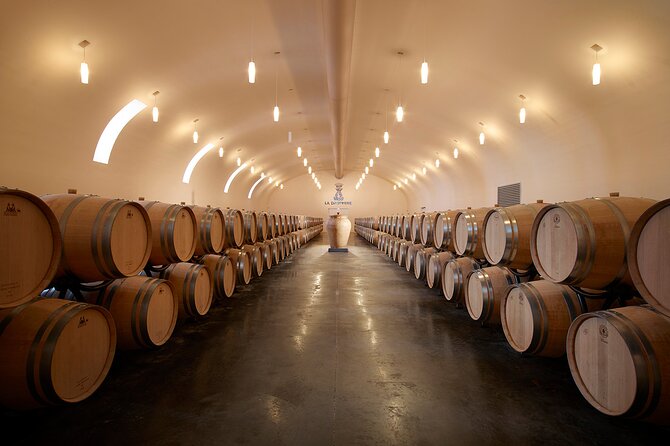
The first part takes you through the château and grounds. The route includes the park, the vineyards, and the technical buildings, giving you several views of the estate rather than limiting the visit to a tasting room.
The château provides the visual sense of place. You can take photographs and see the property before moving into the working side of wine production. The park adds a quieter outdoor section, while the vineyards connect the estate itself to the wine in your glass.
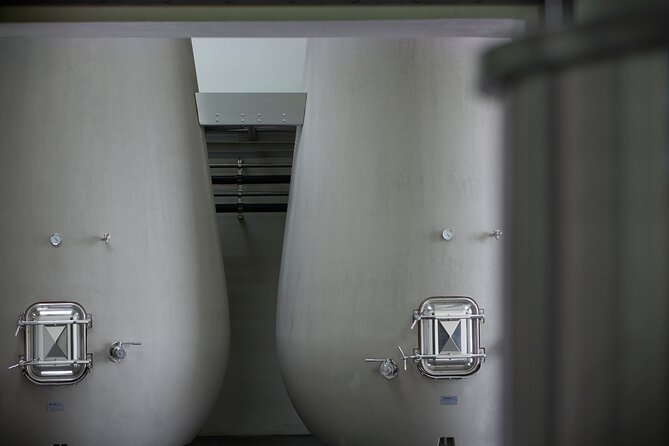
The technical buildings are especially useful for anyone who wants more than a pretty setting. They put the production process in view and help connect the finished bottle to the work that happens behind the scenes. The available details do not specify the exact equipment or production method shown, so you should not expect a detailed list of machinery in advance. Still, the inclusion of these buildings gives the visit a practical edge.
A guide leads you through the estate, and the tone appears to be warm rather than formal. Carissa received particular praise for being fun and personable, with a gift for explaining how smells relate to different wines. Valentine has also led the experience, including the château story, the sensory game, and a tasting of three wines.
That variation is worth noting. You may meet Carissa, Valentine, or another member of the Château de La Dauphine team. The guide’s personality is part of the experience, especially because the workshop depends on conversation and encouragement.
Training Your Nose Before You Blend
The sensory section is the heart of the visit. You receive a brief introduction to wine tasting, then work on recognizing smells and connecting them with what you taste.
This is a useful approach for beginners. Wine tasting can feel full of rules, with people reaching for grand descriptions that leave you wondering if you are doing it correctly. A sensory exercise gives you something concrete to focus on. You begin with your nose, build an olfactory memory, and then use that memory as you assess the wines.
I like this format because it makes tasting less passive. You are not just waiting for a guide to announce the aromas or tell you which wine is best. You have a chance to form your own impression first.
The activity is also suited to people who already know a little about wine but want to sharpen their senses. The supplied details describe the workshop as a way to learn about different smells and how they relate to wines. That makes the session more focused than a simple introduction, while still keeping it accessible.
Do not expect a professional sommelier examination. The introduction is brief, and the total visit includes the château, grounds, technical buildings, and tasting. The value is in learning a practical method you can keep using at other tastings: smell carefully, remember what you notice, and compare the result in the glass.
Same city, another grand address:
- Paris: Versailles Palace and Gardens Full Access Ticket
★ 4.6 · 41,579 reviews - Versailles: Skip-the-Line Tour of Palace and Gardens Access
★ 4.7 · 10,429 reviews - From Paris: Versailles Palace & Gardens with Transportation
★ 4.6 · 6,222 reviews - Versailles: Skip-the-Line Guided Palace Tour and Full Access
★ 4.6 · 5,214 reviews
Creating a Wine to Suit Your Palate
The blending workshop lets you try to create your own wine. That is the point where the visit becomes personal. Instead of hearing only about the winemaker’s choices, you consider what you like and how different components might work together.
The experience does not provide technical details about the number of blends or the exact bottles used for the exercise. You should therefore think of it as a guided introduction rather than a full winemaking class. The aim is to understand the logic of blending and discover your own preferences.
This can be a fun contrast between taste and theory. You may find that a wine you enjoy on its own changes when combined with another. You may also learn that a strong aroma does not always translate into your favorite glass. The workshop gives you room to make those connections for yourself.
The private setting helps here. With only your group taking part, you can discuss the choices more freely. If one person prefers a bold blend and another favors something lighter, the difference becomes part of the activity rather than a problem.
The tasting includes alcoholic beverages, and one account of the experience describes three wines served during the final tasting. That gives you enough material for comparison without making the session feel like a long drinking stop. As always with a wine activity, plan your day sensibly and avoid booking it as one of several heavy tastings back to back.
Why the Guide Matters So Much
A sensory workshop succeeds or fails on explanation. The guide must make aromas understandable without making you feel tested, and the comments about Carissa suggest she handles that balance well.
Carissa is described as friendly, personable, and able to explain how various smells relate to the wines. She also speaks Spanish, which can be helpful if you prefer to discuss tasting in that language. The experience has also been led by Valentine, who guided a two-hour private visit covering the château’s story, the sensory game, and three wines.
You may not have control over which guide leads your booking. That is normal for a château activity, and the names give you a useful sense of the team rather than a guarantee. The consistent point is that the guide plays an active role, not just someone who pours wine and points toward the vines.
A friendly guide is particularly valuable for first-time tasters. You can ask what an aroma is supposed to suggest, compare your impression with the group, and learn without worrying about getting the answer wrong.
Is $23 Good Value?
At $23, the experience offers solid value if you want more than a short tasting. You receive a roughly two-hour visit, a château and estate tour, time among the park and vineyards, access to the technical buildings, alcoholic beverages, and a hands-on blending workshop.
The private format improves the value. You are not paying only for a glass of wine. You are paying for a guided activity reserved for your group, with a clear educational element.
The price is less compelling if your only goal is to see the château quickly or drink a single glass. The tour is designed for people who want to spend time learning and taking part. Transport is also extra, so include your road, taxi, or other travel costs when setting your budget.
Compared with a standard tasting, the blending game gives you more to do. Compared with a full winery day, the two-hour length keeps the commitment modest. I would call it a good middle option for a couple or small group with limited time near Fronsac.
Who Will Enjoy This Most
I would recommend this tour to curious beginners, couples, and small groups who like a guided activity with a practical twist. You do not need to arrive with a trained palate. The sensory introduction is designed to help you notice more.
It also suits wine drinkers who are tired of tastings where the guide does all the talking. Here, you get to make choices and create a blend that reflects your own taste.
The château and park make it appealing to photographers and anyone who wants an attractive estate visit, while the vineyards and technical buildings give the outing more substance than a photo stop.
Families should note that alcoholic beverages are included and that the central activity is wine tasting. The available information does not state a minimum age, child price, or special family arrangement, so confirm those details before booking if children are part of your group.
You should also skip it if you need included transport, want a very short visit, or prefer a large group with a fixed presentation. The private format is a strength for some people, but it may feel less social if you hoped to meet other wine enthusiasts.
Practical Details Before You Book
The tour is listed from 10:00 a.m. to 3:30 p.m., Monday through Sunday, during the operating period from November 1, 2024, to October 31, 2025. Those hours refer to the available schedule, not necessarily a single five-and-a-half-hour tour. The activity itself lasts about two hours.
Book ahead and wait for the confirmation, which is sent within 48 hours when the requested time is available. Calling before you arrive is sensible, especially because one Spanish-language account specifically advises arranging the visit in advance. A walk-in may be welcomed, but you should not rely on it for a private appointment.
The experience ends back at the château, which simplifies the plan. You can leave with your transport arrangement unchanged, rather than searching for a separate end point.
The ticket is mobile, so you can present it from your phone. The cancellation terms are strict: the experience is non-refundable and cannot be changed for any reason. Only book once your date, timing, and transport are firm.
Should You Book the Blending Tour?
Book it if you want a friendly, focused introduction to wine that combines a château visit with real participation. The $23 price is attractive for a private two-hour experience, especially with the estate tour, sensory training, and blending activity included.
I would choose it over a basic tasting if you enjoy learning by doing. Carissa’s warm teaching style, Valentine’s guided sessions, the Spanish option, and the chance to compare three wines add useful human detail to the visit.
Skip it if transport is a problem, you need a flexible cancellation policy, or you are looking for a long technical study of winemaking. For a short stop near Libourne, though, this is a well-shaped outing: see the estate, train your senses, taste carefully, and leave with a better idea of what you actually like.
FAQ
Where does the Blending Tour at Château de La Dauphine begin?
It begins at Château de La Dauphine, 5 Rue Poitevine, 33126 Fronsac, France.
Where does the activity end?
The activity ends back at the meeting point at Château de La Dauphine.
How long does the experience last?
The tour lasts approximately two hours.
What does the tour include?
It includes a tour of the château, park, vineyards, and technical buildings, a brief introduction to wine tasting, a wine-blending workshop, and alcoholic beverages.
Is transportation included?
No. Private transportation is not included, so you must arrange your own way to and from the château.
Is this a private activity?
Yes. Only your group participates in the tour.
Can I cancel or change my booking?
No. The experience is non-refundable and cannot be changed for any reason.
Newly added in France
- Discovery Tour of Château Haut Breton Larigaudière★ 5.0 · 2 reviews
- Luxury Tour of Château de La Dauphine★ 5.0 · 11 reviews
- Discovery visit of Château Rol Valentin with tasting★ 5.0 · 34 reviews
- Wine Gaming at Chateau Lamothe★ 5.0 · 3 reviews
- Wine Tour at Chateau Lanessan★ 4.5 · 13 reviews
- Picnic at the Château de la Selve!★ 5.0 · 26 reviews
- Private Tour in Fontainebleau Palace with Skip-The-Line Ticket★ 5.0 · 9 reviews
- Wine Tour – Château Labrie Saint Emilion Grand Cru★ 5.0 · 4 reviews
Chateau and Wine Estate Tours, compared.
Medoc or Saint Emilion Wine Tasting and Chateau from Bordeaux
Read our review →
Guided Tour of the Fairmont Le Chateau Frontenac in Quebec City
Read our review →
Versailles Château and Gardens Walking Tour from Paris by Train
Read our review →
Loire Valley: Château Royal d’Amboise Entrance Ticket
Read our review →
Fontainebleau & Vaux-le-Vicomte Châteaux Day Tour from Paris
Read our review →Browse the lists this tour appears in