
Review · CHATEAU AND WINE ESTATE TOURS
Château Balestard La Tonnelle : The “Origins” tour
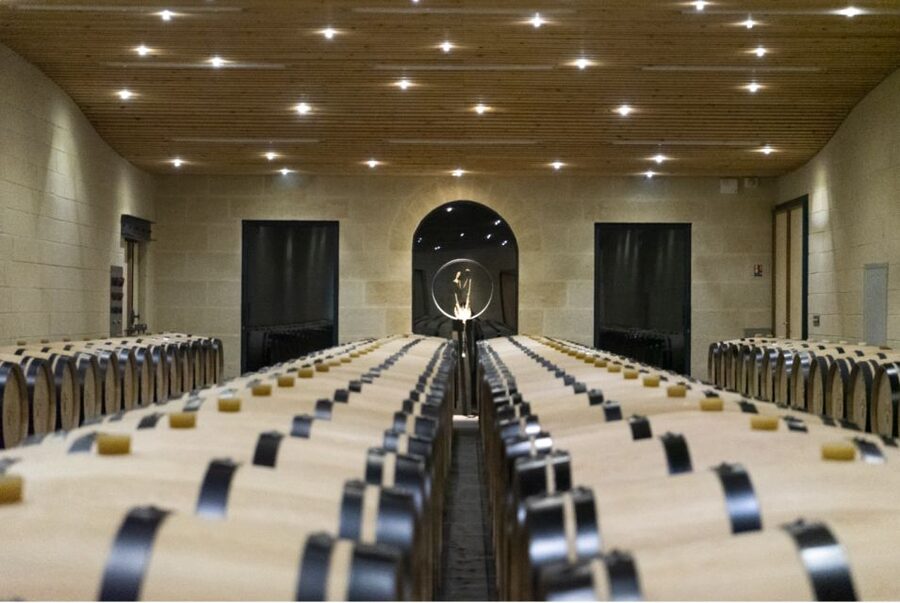
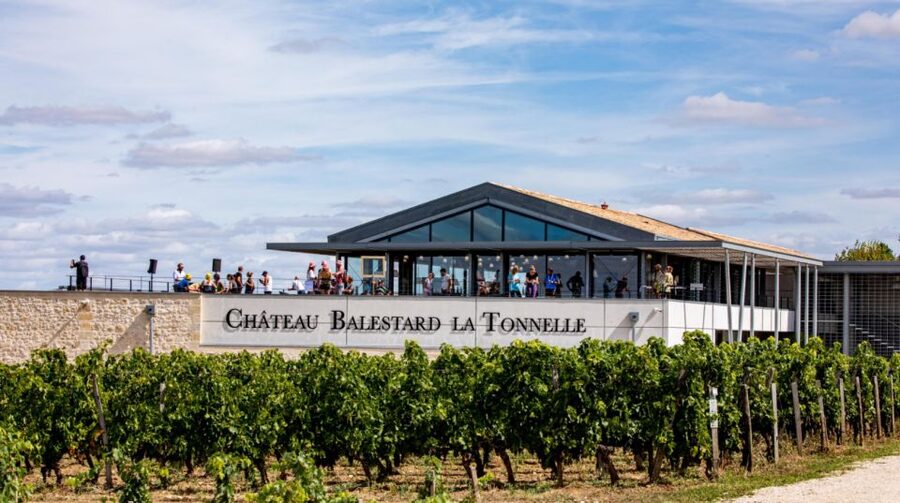
Château Balestard La Tonnelle gives you an unusual Saint-Émilion pairing: a 15th-century watchtower beside a sleek, architect-designed cellar from 2019. In one short visit, you see old stone, modern winemaking, and the limestone plateau that helps define the area.
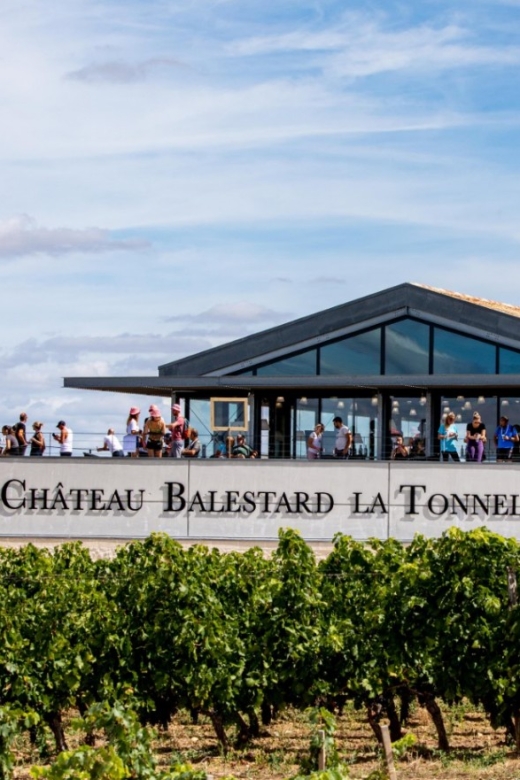
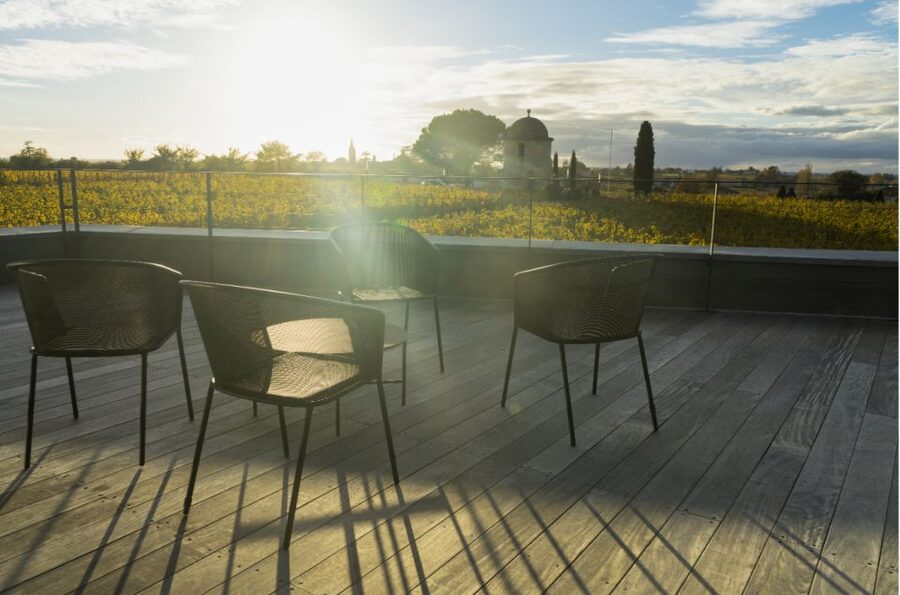
I like the 400-square-meter panoramic terrace, where the three-wine tasting looks out toward Saint-Émilion and nearby appellations. I also like the small group limit of eight, which gives the guide room to explain the cellar and answer questions. The main drawback is time: one hour moves quickly, especially if you want to linger over the view or shop afterward.
Key points at a glance
- A family estate dating to 1647: Château Balestard La Tonnelle connects its present-day wines to a long Saint-Émilion winemaking tradition.
- Old and new in one stop: A 15th-century watchtower sits beside a 2019 bioclimatic cellar designed by an architect.
- A tasting with a view: Sample three red wines, including a Grand Cru Classé, on a 400-square-meter terrace.
- Small groups: The tour is limited to eight people and is offered in French or English.
- Good value at $23: The fee includes a guided visit, three wines, terrace tasting, parking, and access to the property shop.
- Easy planning: Free cancellation is available up to 24 hours before the tour, and you can reserve without paying immediately.
Why this château visit feels different
Many wine stops in Saint-Émilion focus mainly on tasting. This one gives you a clearer sense of place first. You see the vines on the limestone plateau, the historic watchtower, the production rooms, and the barrel cellar before wine reaches your glass.
That order matters. It helps you connect the finished bottle with the soil, buildings, and work behind it. You are not simply handed three wines and sent on your way. The tour follows the basic path from vineyard to vat room to barrel cellar to tasting terrace.
The estate has been linked to the same family winemaking tradition since 1647. That does not mean every building or bottle is centuries old, of course, but it gives the visit a strong local anchor. You are seeing a working property with a long relationship to Saint-Émilion rather than a tasting room designed only for short-term tourism.
The setting also has a nice bit of contrast. The watchtower supplies the old-world character. The 2019 cellar brings in practical modern design and environmental thinking through its bioclimatic approach. For you, the result is a more interesting visit than a row of old barrels alone.
More Chateau and Wine Estate Tours in France
- Medoc or Saint Emilion Wine Tasting and Chateau from Bordeaux
★ 5.0 · 1,415 reviews - From Paris: Full-Day Loire Valley Chateaux Tour
★ 4.4 · 1,269 reviews - Versailles Château and Gardens Walking Tour
★ 4.5 · 727 reviews
Finding the entrance by the watchtower
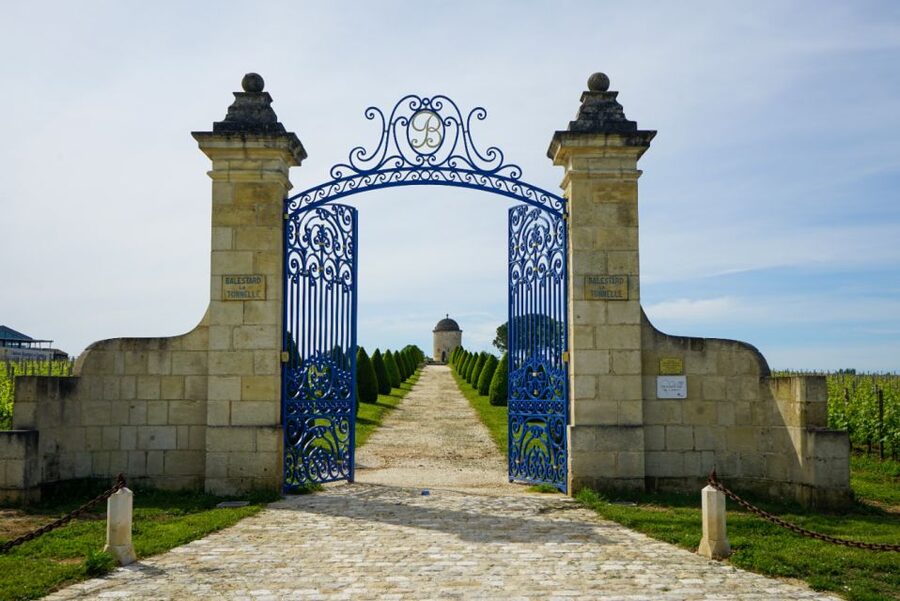
You begin at Château Balestard La Tonnelle, where free parking is available. The meeting point requires a small bit of attention: after parking by the watchtower, follow the path to the shop, or boutique. The tour begins there.
Arrive five minutes early. That is not fussy advice. The visit is only an hour, and a delay of more than 20 minutes can lead to cancellation. The property is easy to reach once you are parked, but do not assume the car park itself is the meeting point.
The tour is wheelchair accessible, which is useful information for anyone planning around mobility needs. The group limit is eight people, so the atmosphere should feel more personal than a large coach outing. It also means the available spaces can matter during a busy Saint-Émilion day.
French and English tours are offered. A review specifically praised the guide’s English, while another booking noted that Audre was kind and courteous and spoke Spanish during the visit. Spanish is not listed among the regular tour languages, so you should book with French or English in mind, but Audre’s language ability may be helpful when available.
Reading the limestone plateau through the vines
The vineyard section introduces you to the limestone plateau of Saint-Émilion. The supplied information does not give a long technical lesson on grape varieties or soil layers, so you should not expect a full viticulture class. Still, this stop gives useful context for the wines you taste later.
The point is simple: wine is shaped by where it is grown, then by what happens in the cellar. Seeing the estate’s vines before tasting makes the later explanations easier to follow. You can ask the guide how the property works with the plateau, how the wines differ, and what role the cellar plays in shaping the final style.
I like this part because it keeps the visit tied to the actual property. You are not hearing only broad facts about Bordeaux. You are looking at the estate connected to the bottle in your glass.
The vineyard stop may be brief, since the entire experience lasts one hour. If you want an extended walk among the vines, detailed pruning instruction, or a long discussion of Saint-Émilion’s wine classification, this is probably not the right format. The tour aims for a compact overview rather than a specialist course.
From the watchtower to the 2019 bioclimatic cellar
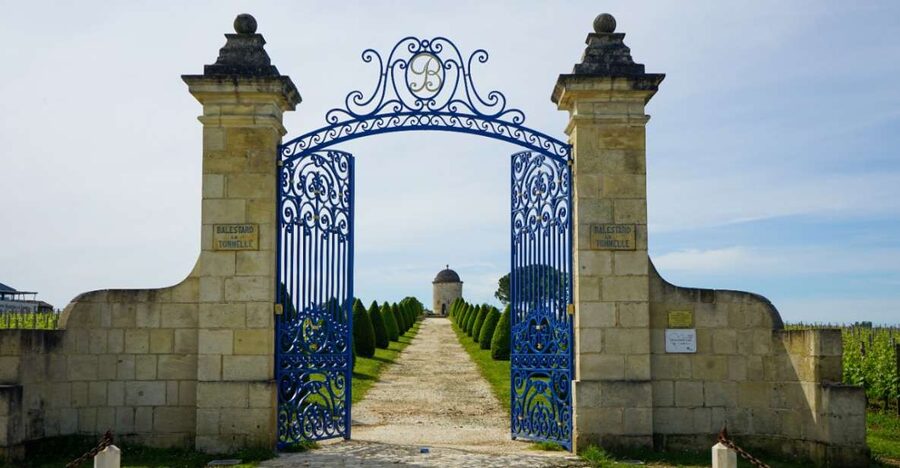
The watchtower is the most distinctive historic feature. Dating to the 15th century, it gives the property a physical link to earlier centuries and helps explain why the château feels more than a modern production site.
You do not need to be a medieval-history fan to enjoy it. The tower gives the visit a strong visual starting point, especially beside the newer cellar. It is the kind of detail that makes a wine stop memorable after you have visited several estates in the region.
The newer building shifts the focus to the present. The architect-designed bioclimatic cellar dates to 2019, showing that the estate has invested in a contemporary working space rather than relying only on its old structures. The word bioclimatic points to a design that works with natural conditions to support the building’s climate needs, though the tour information does not specify the exact systems used.
For you, this part adds substance. You can see how a family estate with roots in 1647 is handling modern production. The contrast between ancient stone and recent architecture is likely to interest people who enjoy design, sustainability, and practical winemaking as much as they enjoy the drink.
Same city, another grand address:
- Paris: Versailles Palace and Gardens Full Access Ticket
★ 4.6 · 41,579 reviews - Versailles: Skip-the-Line Tour of Palace and Gardens Access
★ 4.7 · 10,429 reviews - From Paris: Versailles Palace & Gardens with Transportation
★ 4.6 · 6,222 reviews - Versailles: Skip-the-Line Guided Palace Tour and Full Access
★ 4.6 · 5,214 reviews
What the vat room and barrel cellar add
The vat room explains the stage between grapes and finished wine. This is where the visit becomes more than a scenic château stop. You get a basic account of how the wine is made and how the production areas fit together.
The barrel cellar then takes you closer to the wine’s aging process. The tour promises an explanation of the route from roots to tasting glass, so the guide should connect these rooms rather than treat them as isolated photo stops.
Do not expect a long technical seminar in the vat room or barrel cellar. With only 60 minutes, the explanations need to stay focused. That is a benefit if you are new to wine or want an efficient introduction, but a limitation if you already know Bordeaux and want detailed production figures.
The clean, orderly feel of the property was specifically praised in one of the supplied comments. That matters because cellars are working spaces, not just stage sets. A tidy visit makes it easier to pay attention to how the estate is organized.
Three red wines on the panoramic terrace
The final tasting is the payoff, and the setting does much of the work. You taste three red wines, including a Grand Cru Classé, on a 400-square-meter terrace with a 360-degree view toward Saint-Émilion and the surrounding appellations.
This is a smart place to finish. By the time you reach the terrace, you have seen the vines, production rooms, barrels, historic tower, and modern cellar. The view gives the tasting a wider sense of the area instead of leaving you indoors with no idea where the wine comes from.
The terrace is large enough to make the view the main event, but the experience is still a small-group visit. Take a moment to compare the wines rather than treating the tasting as a quick sample. You can ask the guide to point out differences among the three bottles and explain which wine carries the Grand Cru Classé designation.
The information does not specify the vintage, grape blend, serving order, or tasting notes. Those details can change, so I would not book this expecting a fixed professional tasting lineup. Instead, think of it as a guided introduction with three red wines and an exceptional setting.
One supplied comment described the tasting atmosphere as relaxed and easygoing. That fits the format: after the structured cellar visit, the terrace gives you time to enjoy the wines without a formal restaurant meal or elaborate pairing menu.
Food is not included, and no drinks beyond the wine tasting are promised. Plan this as a wine visit, not lunch. If you need something to eat, arrange it separately before or after the tour.
Is $23 a good value?
At $23 per person, this is a strong value if you want more than a single pour. The price includes a one-hour guided visit, three wines, the terrace tasting, access to the property shop, and free parking. It also includes a Grand Cru Classé among the wines, which gives the tasting extra appeal for anyone comparing Saint-Émilion experiences.
The value is not only in the amount of wine. You are also paying for the setting and the explanation: a family estate connected to winemaking since 1647, a 15th-century tower, a modern 2019 cellar, and a broad terrace view.
The tradeoff is duration. An hour is efficient, but it does not leave much room for a slow visit. If you arrive early, you can settle in and avoid losing part of the tour. Afterward, the shop gives you a chance to browse and buy from the property, but shopping time is not described as a separate extended activity.
Compared with a longer half-day wine program, this costs far less and requires less commitment. Compared with a simple tasting, it gives you much more context. For a visitor fitting several Saint-Émilion stops into one day, that balance is useful.
Who will enjoy this experience most
I would recommend it to first-time Bordeaux visitors who want a clear introduction without a full-day commitment. The route covers the essential stages of winemaking and adds enough architecture and history to keep the visit from feeling repetitive.
It also suits couples and small groups who care about views, design, and a calm tasting. The eight-person limit is helpful if you prefer the guide to have time for questions. Wine beginners should find the structure easy to follow because the tour moves in a logical order from vineyard to glass.
The visit can work well for English-speaking visitors. The language options are French and English, and the supplied feedback specifically praised the quality of the English explanation. If you need another language, check before booking rather than counting on it.
People seeking a long technical tasting should adjust their expectations. The tour is short, the wine list is set at three reds, and the available information does not promise food pairings, extensive cellar access, or a detailed classification lesson.
Practical advice before you book
Set aside one hour for the guided portion, with a little extra time if you want to use the shop or enjoy the setting. The official tour begins at the boutique, not simply at the parking area, so follow the path from the watchtower.
Wear something comfortable for moving between the vineyard, cellar areas, and tasting space. The visit is wheelchair accessible, but the supplied details do not describe every surface or route, so anyone with specific mobility needs should confirm the practical layout in advance.
The free parking makes this a convenient stop for people driving through the Saint-Émilion area. Reserve ahead if your schedule is tight, since the group is limited to eight. You can reserve now and pay later, and cancellation is free up to 24 hours before the start.
I would place this visit earlier in your day if you want the broadest choice of plans afterward. That gives you time to eat elsewhere, browse the shop, or continue to another château without rushing.
Should you book Château Balestard La Tonnelle?
Book it if you want good value, a small group, and a memorable view in a compact format. The mix of a 15th-century watchtower, a 2019 bioclimatic cellar, family winemaking since 1647, and three red wines makes this more substantial than a quick tasting.
Skip it if you want a long, highly technical wine lesson or a meal with your tasting. For most visitors with one free hour in Saint-Émilion, though, $23 buys a well-balanced introduction to the estate and the region. Just arrive five minutes early, find the boutique, and leave enough time to enjoy the terrace rather than rushing straight back to the car.
FAQ
How long does the Château Balestard La Tonnelle tour last?
The guided experience lasts one hour, including the visit and tasting of three wines.
How much does the Origins tour cost?
The listed price is $23 per person.
How many wines are included?
You taste three red wines, including a Grand Cru Classé.
Where does the tasting take place?
The tasting takes place on a 400-square-meter panoramic terrace with a 360-degree view toward Saint-Émilion and nearby appellations.
What languages are available?
The tour is offered in French and English.
Is the tour wheelchair accessible?
Yes, the activity is listed as wheelchair accessible.
Where should I meet the guide?
Park by the watchtower, then follow the path to the shop or boutique. Arrive five minutes before the scheduled start.
Newly added in France
- The Blending Tour at Château de La Dauphine★ 5.0 · 5 reviews
- Discovery Tour of Château Haut Breton Larigaudière★ 5.0 · 2 reviews
- Luxury Tour of Château de La Dauphine★ 5.0 · 11 reviews
- Discovery visit of Château Rol Valentin with tasting★ 5.0 · 34 reviews
- Wine Gaming at Chateau Lamothe★ 5.0 · 3 reviews
- Wine Tour at Chateau Lanessan★ 4.5 · 13 reviews
- Picnic at the Château de la Selve!★ 5.0 · 26 reviews
- Private Tour in Fontainebleau Palace with Skip-The-Line Ticket★ 5.0 · 9 reviews
Chateau and Wine Estate Tours, compared.
Medoc or Saint Emilion Wine Tasting and Chateau from Bordeaux
Read our review →
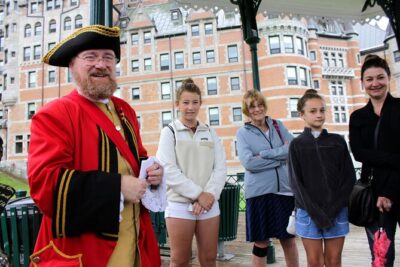
Guided Tour of the Fairmont Le Chateau Frontenac in Quebec City
Read our review →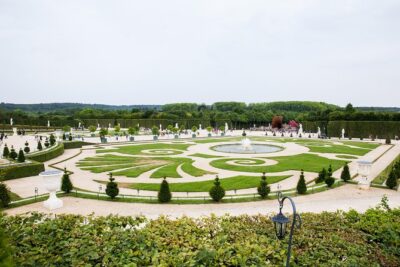
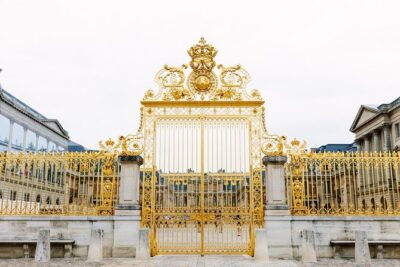
Versailles Château and Gardens Walking Tour from Paris by Train
Read our review →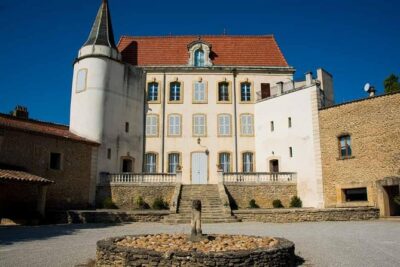
Loire Valley: Château Royal d’Amboise Entrance Ticket
Read our review →
Fontainebleau & Vaux-le-Vicomte Châteaux Day Tour from Paris
Read our review →Browse the lists this tour appears in