

Review · PALACE ENTRY TICKETS
Anagni: Entrance ticket to the Boniface VIII Palace
The most striking part of this visit is the Hall of the Slap, where Pope Boniface VIII was confronted by Giacomo Sciarra Colonna during a clash involving French forces. The episode helped set the stage for the papacy’s later move to Avignon, so this is more than a quick look at an old palace. It is a small site tied to a major shift in medieval Europe.
I like the palace’s central location and its link to the Caetani family, whose buildings shaped this part of Anagni. I also like the included audio guide, which gives useful background on the rooms, art, and objects without requiring a live guide. The main caution is pacing: the audio commentary can take longer than the rooms themselves, so you may spend a fair amount of time seated and listening.
Key points to know before entering
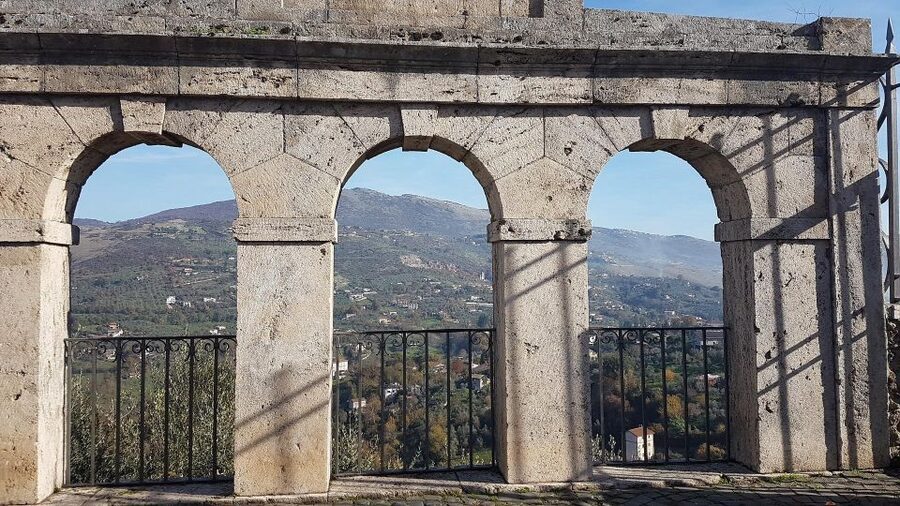
- The Hall of the Slap connects the palace to a major papal dispute: This is the visit’s central historical moment.
- The building began as a 13th-century medieval structure: Later additions brought larger frescoed rooms, paintings, art, and valuable furniture.
- The palace sits in Anagni’s city center: You can reach the entrance without arranging hotel transportation through this ticket.
- The audio guide is available in three languages: Choose Italian, English, or French.
- The visit is planned for about two hours: The commentary may use much of that time.
- The $10 price is strongest for history-minded visitors: It is less compelling if you expect a large palace with many rooms open to explore.
A palace tied to a turning point in papal history
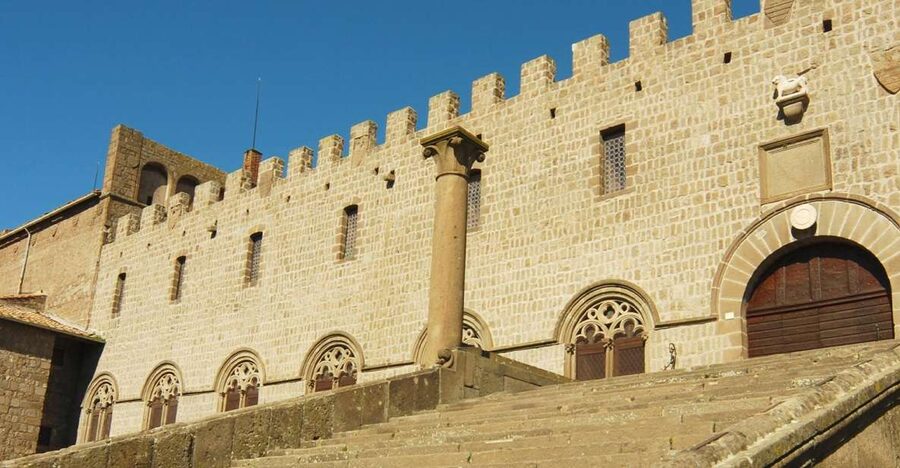
Boniface VIII Palace gives you a direct connection to the political struggles of medieval Europe. The building is associated with Pope Boniface VIII, a prominent member of the Caetani family, and it formed part of a larger Caetani complex in Anagni.
That family connection matters. You are not simply walking through a preserved medieval building with attractive decoration. You are seeing a residence tied to papal power, family influence, and the tense relationship between the papacy, Italian nobles, and France.
The palace began around the 13th century as a medieval structure. It was later enlarged with larger rooms, frescoes, paintings, works of art, and valuable furniture. That mixture gives the visit two different faces. Some parts speak to the original medieval building, while others reflect later efforts to make the rooms more formal and impressive.
I would set your expectations correctly before arrival. This is not presented as a vast royal residence with a long procession of rooms. Its appeal comes from the combination of a compact historic setting and a very specific story.
More Palace Entry Tickets in Italy
- Venice: Doge’s Palace Reserved Entry Ticket
★ 4.6 · 42,716 reviews - Florence: Palazzo Vecchio Entrance Ticket & Audioguide
★ 4.4 · 4,822 reviews - Florence: Entrance Ticket to Pitti Palace
★ 4.5 · 4,528 reviews
Why the Hall of the Slap matters
The palace’s best-known space is the Sala dello Schiaffo, or Hall of the Slap. According to the history attached to the site, Giacomo Sciarra Colonna, leader of French soldiers commanded by Nogaret, struck the Pontiff there.
The event became a major symbol of the conflict surrounding Boniface VIII. It also marked an important break in medieval European affairs and helped create the conditions for the Avignon period of the papacy.
That context gives the room more weight than its physical size might suggest. A bare chamber can be easy to overlook when you move through a historic building. Here, the audio guide helps explain why this particular room matters and why the confrontation still appears in accounts of medieval papal politics.
I would listen to this section carefully, even if you move quickly through other commentary. The Hall of the Slap is the clearest reason to choose this palace over a less focused historic building.
What you see beyond the famous room
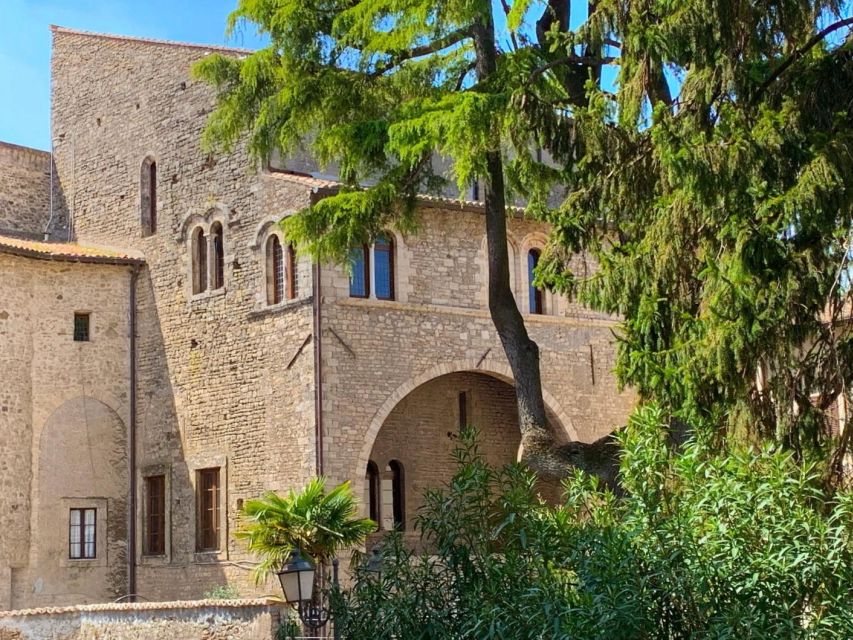
The palace includes large frescoed rooms, paintings, works of art, and valuable furniture. These details help you picture how the residence changed over time and how it functioned as part of a prominent family complex.
The artwork and furnishings are important, but the information provided does not suggest a fixed, room-by-room itinerary with a long list of named masterpieces. Instead, you should think of the visit as a historical palace tour supported by objects and decoration.
The frescoes give the rooms a stronger sense of place than plain walls would. Paintings and furniture help explain the building’s later use and decoration. Together, these elements make the palace more than an empty medieval shell.
Still, the visual portion may not fill the full two hours for everyone. The audio guide provides detailed explanation, and one verified visitor found the spoken material longer than the amount of palace there was to see. I would treat the two-hour duration as an upper guide rather than a promise that you will be continuously walking and looking.
How the audio guide shapes the visit
The audio guide is included in the ticket and is available in Italian, English, and French. That is useful because the palace’s importance depends heavily on context. Without explanation, you could see frescoed rooms and old furnishings without understanding the Caetani connection or the political crisis linked to Boniface VIII.
The commentary covers the palace, its art, and the objects displayed inside. It is also detailed enough that you may want to pause in a room and listen before moving on.
That is both a strength and a weakness. I like having the story available in your own language, especially at a site where political background is central. On the other hand, the audio narration may be longer than your visual inspection. One visitor found herself spending more time sitting on a bench listening than walking through the palace.
My practical advice is simple: do not assume you need to play every track from beginning to end. Listen first to the sections about the Hall of the Slap, Boniface VIII, the Caetani family, and the palace’s major rooms. Then decide how much detail you want. You can make the visit fit your interests instead of letting the audio set the pace.
Same city, another grand address:
- Doge’s Palace & St. Mark’s Basilica with Terrace Access Tour
★ 4.7 · 10,697 reviews - Venice: Doge’s Palace and St Mark’s Basilica Walking Tour
★ 4.4 · 6,291 reviews - Legendary Venice: Doge’s Palace, St Mark’s & VIP Terrace Access
★ 4.5 · 5,033 reviews - Venice: Doge’s Palace and St. Mark’s Basilica Tour
★ 4.5 · 3,734 reviews
The visit begins at the city-center entrance
The palace is in Anagni’s city center, and you show your ticket at the main entrance desk. The ticket includes skip-the-line entry through a separate entrance, which can save time when there is a queue.
No hotel pickup or drop-off is included. Food and drinks are also not part of the admission, so plan those separately around your visit. The site includes a bookshop service, which gives you a chance to browse further reading or souvenirs after seeing the rooms.
The central location makes this a sensible stop for anyone already exploring Anagni. The available information does not provide a transport plan, parking details, or a precise distance from other sights, so you should not treat the ticket as a full city tour. It covers entry to the palace and its visitor services.
Is two hours the right amount of time?
The advertised duration is two hours. That gives you enough time to hear the audio guide, examine the rooms, and pause over the building’s story without having to rush.
For a history enthusiast, two hours can work well. You can listen to the main commentary, look closely at the frescoed rooms and furnishings, and give proper attention to the Hall of the Slap.
For a casual sightseer, the visit may feel shorter in physical terms. The palace does not appear to offer a long route through dozens of rooms, and the audio content can be more extended than the visual tour. If you prefer moving steadily from room to room, you may finish before the full two hours.
That difference is worth considering when you plan your day. The duration refers to the time available for the visit, not necessarily two hours of constant activity.
What the $10 ticket buys you
At $10 per person, the admission is reasonably priced for a site with a clear historical connection and included audio commentary. You are paying for entry to a medieval palace, access to its frescoed rooms and collections, skip-the-line service, tourist information, and use of the bookshop service.
The value is strongest if you already care about medieval history, papal politics, or the story of Boniface VIII. The audio guide adds real value because the palace’s key importance is historical rather than purely visual.
The price is less convincing if you want a grand palace tour packed with rooms, elaborate interiors, or a long list of major artworks. The available description points to a compact site whose main reward is its story and atmosphere.
I would compare the $10 cost with the rest of your Anagni plans. If the palace is one stop among several city sights, it is an easy addition. If it is your only reason for visiting Anagni, make sure the Hall of the Slap and the Caetani connection appeal to you before booking.
Who will enjoy this palace most?
I would recommend the visit to:
- People interested in Pope Boniface VIII and medieval church politics
- Visitors who enjoy historic buildings with a strong, specific story
- Art lovers who appreciate frescoed rooms, paintings, furnishings, and displayed objects
- Independent sightseers who prefer an audio guide to a scheduled live tour
- Visitors seeking a short cultural stop in central Anagni
Families and casual sightseers can also enjoy it, but the audio commentary may require patience. Younger children may find the political story and extended narration less engaging, especially if they are expecting an interactive attraction.
The palace also suits visitors who like to set their own pace. You can focus on the most important room and historical material rather than follow a guide through a fixed program.
A few practical ways to get more from the visit
Start with the historical outline before entering if you have time. Knowing that the building belonged to the Caetani complex and that Boniface VIII was a leading family member will make the rooms easier to understand.
When you reach the Hall of the Slap, slow down. This is the palace’s main historical anchor, and the story explains why the building matters beyond its architecture.
Use the audio guide selectively. The commentary is praised for explaining the palace, artworks, and objects, but it may feel too long beside the amount of material on display. If you are short on time, prioritize the sections tied to Boniface VIII, the Caetani family, and the confrontation involving Sciarra Colonna and Nogaret.
Allow a little flexibility after the visit for the bookshop service. It is included as a visitor facility, but no specific stock or titles are listed, so think of it as an optional stop rather than part of the tour itself.
Booking, cancellation, and language choices
You can reserve now and pay later, which helps if your plans around Anagni are not final. Free cancellation is available up to 24 hours in advance for a full refund.
The audio guide languages are Italian, English, and French. Tourist information is included, but a named live guide is not listed. This is a self-guided visit supported by recorded commentary.
Since the ticket provides a separate skip-the-line entrance, keep the ticket ready for the main entrance desk. There is no included meal, drink service, or hotel transfer, so those parts remain your responsibility.
Should you book Boniface VIII Palace?
Book it if you want a focused look at a medieval palace connected to a pope, a powerful Italian family, and a dramatic confrontation that changed the direction of papal history. The $10 cost is fair, the central location is convenient, and the audio guide gives the rooms useful context in three languages.
Skip it if you want a large residence with a long route, constant visual spectacle, or a live guide filling every moment. The audio commentary can be longer than the physical visit, and the palace’s strongest appeal is its historical story rather than sheer size.
For the right visitor, the Hall of the Slap makes this a worthwhile Anagni stop. Go in knowing that you are paying for a compact, story-led palace visit, not an all-day museum.
FAQ
Where is Boniface VIII Palace located?
The palace is located in the city center of Anagni, in Lazio, Italy.
How much does entrance cost?
The listed price is $10 per person.
How long does the visit take?
The stated duration is two hours. You may spend less time inside if you listen only to selected audio sections.
Is skip-the-line entry included?
Yes. The ticket includes skip-the-line entry through a separate entrance.
Is an audio guide included?
Yes. The audio guide is included and is available in Italian, English, and French.
What is the Hall of the Slap?
The Hall of the Slap is the room associated with the confrontation in which Giacomo Sciarra Colonna struck Pope Boniface VIII. The incident helped set the stage for the later Avignon period of the papacy.
What happens if I need to cancel?
You can cancel up to 24 hours in advance for a full refund. You can also reserve now and pay later.
Newly added in Italy
- Venice: Doge Palace, San Marco Basilica & Rialto Bridge★ 4.7 · 75 reviews
- Turin: Palazzo Madama Museum of Ancient Art Entrance Ticket★ 4.6 · 149 reviews
- Venice Doge’s Palace & St. Mark’s Semi-Private Tour, Max 6 People★ 5.0 · 192 reviews
- Colosseum, Roman Forum and Emperors’ Palace Private Guided Tour★ 5.0 · 14 reviews
- Doria Pamphilj Palace Gallery and Museum Private Tour with Local Guide★ 4.5 · 10 reviews
- Private Tour – National Museum of Palazzo Massimo★ 5.0 · 51 reviews
- Private Tour – Palazzo Barberini★ 5.0 · 23 reviews
- Pitti Palace and Boboli Gardens Private Tour★ 4.7 · 38 reviews
Palace Entry Tickets, compared.


Buckingham Palace: The State Rooms Entrance Ticket
Read our review →

Prague Castle and Lobkowicz Palace Entry Tickets
Read our review →Browse the lists this tour appears in