
Review · CHATEAU AND WINE ESTATE TOURS
Dijon: La Cave du Palais Burgundy Wine Tasting Experience
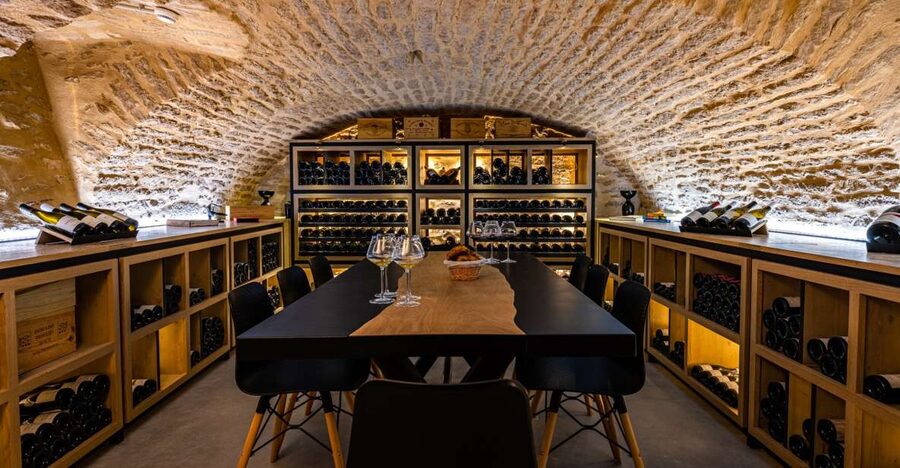
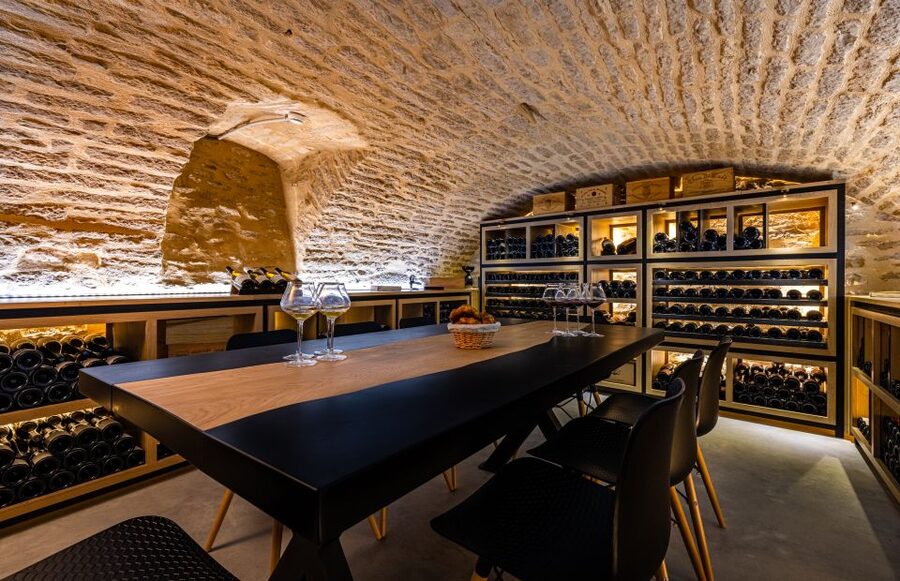
Burgundy wine can seem like a private language, but this tasting gives you the key in a 15th-century cellar beneath Dijon’s Hotel du Palais. Over 90 minutes, you taste six wines from across the region while your guide explains why a bottle’s village, vineyard, soil, and vintage matter so much. The small room keeps the session personal, and guides such as Antoine, Leo, Robin, and Prune are comfortable answering questions in English.
I like the six-wine progression, which gives you a useful spread of Burgundy rather than one narrow style. I also like the setting: this is an atmospheric city-center experience, so you can learn about the vineyards without hiring a car or spending half a day outside Dijon. The main consideration is that it is a tasting, not a vineyard visit. You will not walk among vines or tour a production cellar.
Key points at a glance
- Six Burgundy wines: Taste a broad selection, including both white and red wines and appellations ranging from regional labels to Grand Cru.
- A historic cellar: La Cave du Palais occupies an original underground space at the Hotel du Palais, close to central Dijon.
- Clear regional context: Learn how Burgundy’s climates, soil, village names, appellations, and aging affect what you taste.
- Small groups: The experience is limited to eight people, leaving room for questions and conversation.
- Strong bilingual hosting: French and English are offered, with guides including Antoine, Leo, Robin, Prune, and others.
- Good city break timing: The 90-minute session fits neatly into a Dijon afternoon or evening before dinner.
Why this Dijon tasting works so well
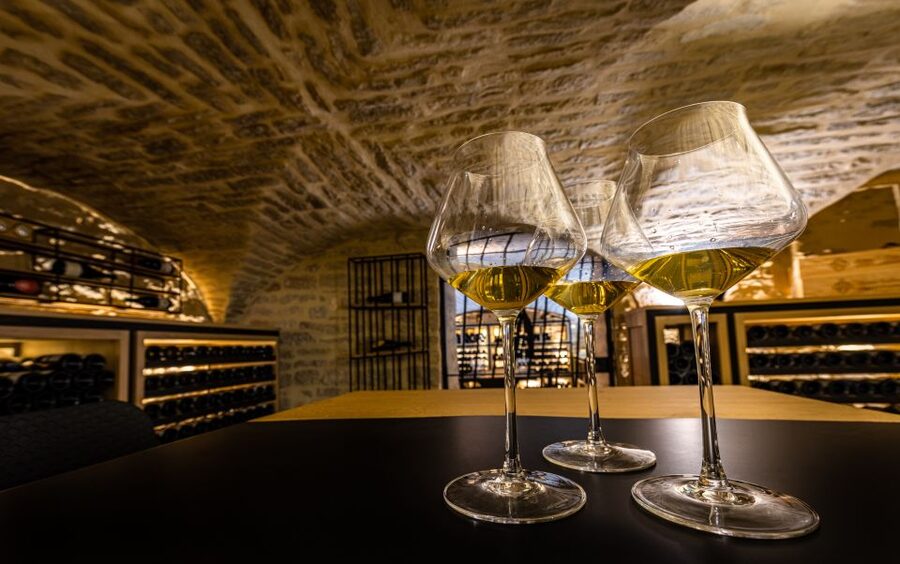
Burgundy is one of France’s most prized wine regions, yet its labeling system can be confusing. A bottle may be identified by its region, village, vineyard, or a high-ranking site, and the name on the label often tells you more about place than grape variety.
That is where this experience earns its keep. Rather than simply handing you six glasses and naming the wines, the guide connects each bottle to its origin. You learn why two wines made from the same grape can taste different when they come from separate parts of Burgundy.
The format is especially useful if you have limited time. A full day in the vineyards around Beaune or the Côte de Nuits takes planning and transport. Here, you stay in Dijon’s center and still get a guided introduction to the region’s main ideas.
I would not treat this as a substitute for visiting a winery. You do not see the vines, barrels, or bottling work. But if your goal is to understand Burgundy before buying a bottle, choosing a vineyard excursion, or ordering wine with dinner, 90 minutes is well spent.
More Chateau and Wine Estate Tours in France
- Medoc or Saint Emilion Wine Tasting and Chateau from Bordeaux
★ 5.0 · 1,415 reviews - From Paris: Full-Day Loire Valley Chateaux Tour
★ 4.4 · 1,269 reviews - Versailles Château and Gardens Walking Tour
★ 4.5 · 727 reviews
Finding La Cave du Palais in central Dijon
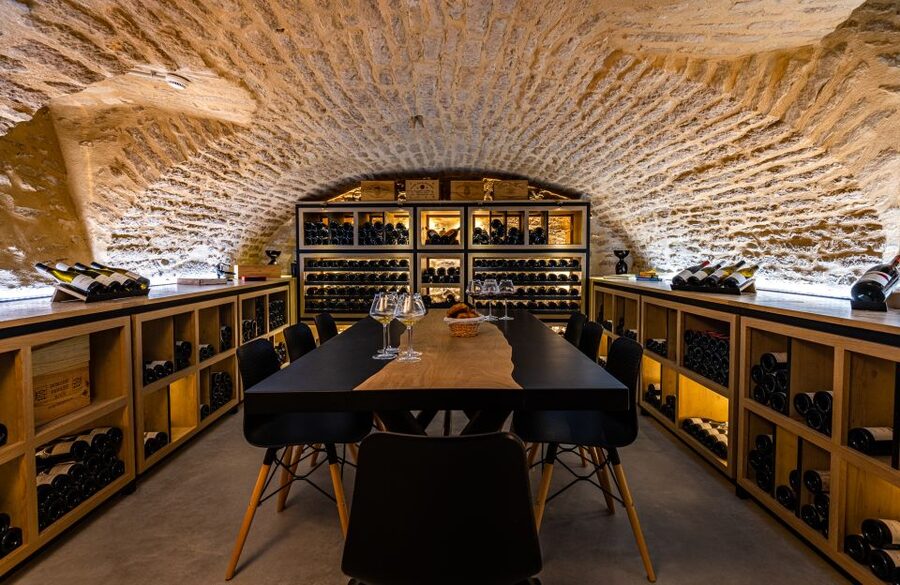
La Cave du Palais is inside the Hotel du Palais, about a five-minute walk from Place de la République. That central location makes the tasting easy to add to a walking day in Dijon. You do not need a car, a taxi, or a separate trip into the countryside.
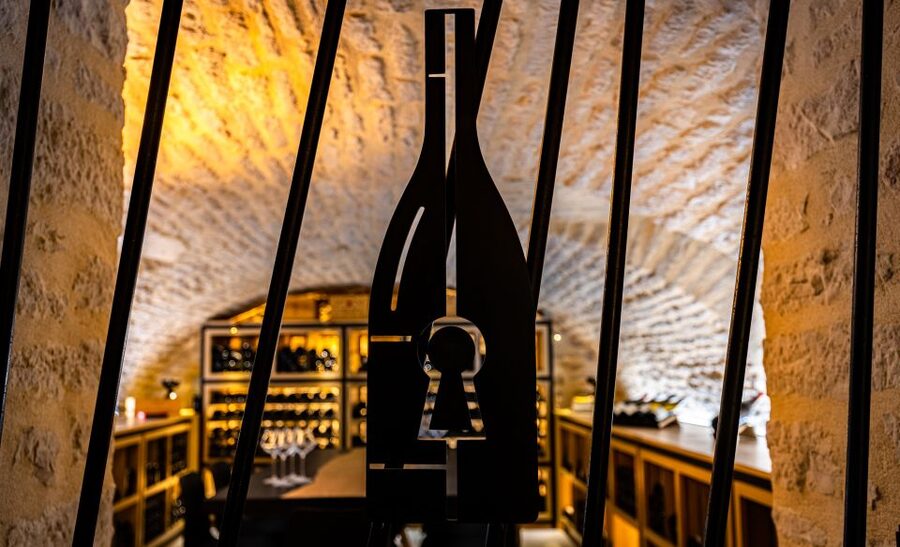
The entrance leads to an old vaulted cellar with an intimate, cozy feel. The room is part of the appeal. You are not sitting in a bright modern classroom, and the setting gives the tasting a stronger sense of place.
One practical point: the cellar is not suitable for wheelchair users. The experience is also limited to adults over 18, and children and pets cannot take part. Pregnant participants should skip this activity because wine tasting is the central feature.
Arrive ready to start at the stated meeting point, the Hotel du Palais. The activity lasts 90 minutes, so it is easy to plan around lunch, dinner, or other sightseeing in Dijon.
How the six-wine tasting unfolds
The exact bottle selection can change, but the purpose is consistent: give you a useful tour of Burgundy through the glass. You can expect six tastings, with examples ranging from regional appellations to Grand Cru.
A typical spread includes red and white wines. One session included three of each, giving the group a chance to compare Burgundy’s best-known styles without letting the tasting become too narrow.
The guide usually builds the tasting as a lesson in place and quality. You might begin with a broader regional wine, then move toward more specific appellations. This makes the differences easier to notice. Instead of treating Grand Cru as a magic phrase, the guide explains what its classification means and why it commands attention.
The pours are described as generous, and you have time to smell, taste, compare, and ask questions. This is not a rushed lineup of tiny samples. The pace leaves room for conversation, although you should still expect a structured session rather than an open-ended evening at a wine bar.
Some participants have tasted seven wines in a session, even though the standard description promises six. I would book with the official six-wine format in mind and treat any extra pour as a bonus, not a guarantee.
Climates, soil, and the logic of Burgundy labels
The most valuable part of the experience is the explanation of Burgundy’s climates. In Burgundian wine language, a climate is a defined vineyard site, shaped by its position, soil, exposure, and local conditions. It is not simply a weather report.
Your guide uses the wines to show how these small geographic differences affect aroma, texture, weight, freshness, and finish. You do not need to memorize every village name. The useful lesson is simpler: in Burgundy, place often matters more than the grape name printed on the front label.
The session also explains appellation levels. A regional wine covers a wider area. A village wine points to a more specific origin. Premier Cru and Grand Cru identify vineyards with higher status within the classification system.
This is where the tasting becomes practical. Once you understand the hierarchy, a Burgundy label becomes less intimidating. You can begin to see why two bottles with the same grape variety and producer style may carry very different prices.
The guides also discuss aging and vintage. Older does not automatically mean better, and every wine does not improve forever. Still, age can change a wine’s aroma, softness, balance, and overall character. Tasting several bottles while hearing how the production year affects them gives you a clearer idea of why vintage information matters.
Same city, another grand address:
- Paris: Versailles Palace and Gardens Full Access Ticket
★ 4.6 · 41,579 reviews - Versailles: Skip-the-Line Tour of Palace and Gardens Access
★ 4.7 · 10,429 reviews - From Paris: Versailles Palace & Gardens with Transportation
★ 4.6 · 6,222 reviews - Versailles: Skip-the-Line Guided Palace Tour and Full Access
★ 4.6 · 5,214 reviews
The guides make the technical parts approachable
The listed languages are French and English, and the guides have handled mixed-language groups well. Several named hosts have been praised for switching comfortably between French and English, while one session also included Spanish.
Antoine is described as lively and well versed in Burgundy, with a relaxed style that encourages questions. Leo has led sessions for both casual wine drinkers and people working in the wine trade. Robin has a reputation for bringing energy and local passion to the regional explanations. Prune is an English-speaking host who has also helped participants with Dijon dining suggestions.
The names of the guides may change according to the date and schedule, so you should not book expecting one particular host unless the provider confirms it. The important point is the format: live commentary, informal discussion, and enough time to ask about the wines in front of you.
That tone matters. Wine tastings can become overly technical, especially when classification and geography take center stage. Here, the best sessions keep the information connected to the glass. You learn a term, taste a difference, then return to the explanation.
I would recommend asking questions even if you are new to wine. The small group makes that easier, and the guides are used to explaining Burgundy to people with very different levels of experience.
Why the small group improves the experience
The group is limited to eight people. That is a useful size for a tasting because the guide can hear questions without turning the session into a private lesson.
A group may be smaller. Some sessions have had only two or five participants, which allows the host to adjust the pace and give extra attention to individual interests. A fuller group can bring more conversation and comparison, while a very small group feels more personal.
You also meet people from different countries, which can add to the social side of the tasting. The atmosphere is described as friendly and informal rather than stiff or ceremonial.
This is not a loud wine bar experience. The cellar setting and guided structure keep the focus on discussion. If you want a private tasting for just your own party, this may not be the right format. If you enjoy learning alongside a small international group, it is a good fit.
What you get for $64
At $64 per person, the price is fair for a central Dijon activity that includes six tastings and live instruction. The value depends largely on how you use the information.
If you already know Burgundy well, six wines may not justify the cost on their own. You might prefer buying a bottle and enjoying it at dinner. But for a first introduction, the price includes more than liquid in a glass. You are paying for access to a specialist, a historic setting, a guided comparison, and a clear explanation of a complicated wine system.
The Grand Cru component also matters. The selection is not limited to inexpensive regional wines. The tasting can include bottles across Burgundy’s classification, giving you a chance to understand how quality and price change as the appellation becomes more specific.
There is no requirement to buy wine afterward. You may find yourself wanting a bottle, especially after hearing the explanation behind a wine you liked, but purchasing is optional. Some participants have bought bottles to take home or enjoy later in Dijon.
I would compare this cost with the price of a vineyard excursion. A countryside tour may offer transport and scenery, but it also takes much longer and may focus on fewer wines. La Cave du Palais is a good value when your priority is learning and tasting in a short window.
Best timing and who should book
This is a strong choice for your first afternoon or evening in Dijon. It gives you enough basic knowledge to order Burgundy with more confidence during the rest of your trip.
It also works well at the end of a sightseeing day. One session was used as a final Dijon activity before departure, followed by a traditional local meal. The guide even helped with dinner suggestions, which is a useful extra when you want to continue the regional theme.
Book it if you:
- Want a guided introduction to Burgundy rather than a casual drink
- Have only a short stay in Dijon
- Prefer a small group to a large bus tour
- Are curious about appellations, climates, and aging
- Want to taste both red and white Burgundy
- Are considering a vineyard trip and want some background first
- Enjoy asking questions during a tasting
You may want something else if you need a full winery visit, vineyard walks, production details, or extensive time outdoors. This is a cellar-based cultural lesson with wine, not a day in the countryside.
A few practical points before you go
The experience is limited to people over 18. Pregnant participants should not attend, and children are not allowed. Pets are also prohibited.
The activity is offered in French and English. If your group includes both languages, the guide can usually handle the conversation in both, though the exact language balance may depend on the group.
The cellar is in the city center, about five minutes from Place de la République. Plan to walk there rather than arrange transportation. Because the venue is an underground historic cellar, wheelchair users should choose another activity.
You can cancel up to 24 hours before the start time for a full refund. The reserve-now, pay-later option also helps if your Dijon plans are still shifting.
Dress for a cellar rather than a sunny terrace. The supplied information does not give a temperature, so I would simply bring a light layer if you tend to feel cool indoors.
Should you book La Cave du Palais?
I would book this experience if you want to understand Burgundy quickly and taste across its classification system without leaving Dijon. The historic cellar, six-wine lineup, and small group make it more useful than an unstructured tasting at a shop.
Its limits are clear. You will not visit vineyards, meet a grower, or see wine being made. But the session gives you a practical foundation, and the guides bring enough regional knowledge to make difficult ideas feel manageable.
For $64, it is a solid choice for curious wine drinkers, first-time Burgundy visitors, and anyone with only one or two days in Dijon. Ask questions, compare the wines carefully, and keep your evening free for a local meal afterward.
FAQ
How long does the Dijon wine tasting last?
The experience lasts 90 minutes.
How many wines are included?
The standard experience includes six wine tastings. The selection can range from regional appellations to Grand Cru.
Where does the tasting take place?
It takes place at La Cave du Palais in the Hotel du Palais, about a five-minute walk from Place de la République in central Dijon.
Is the tasting available in English?
Yes. The host or greeter can conduct the experience in French or English.
How many people are in the group?
The group is limited to eight participants. Some sessions may be smaller.
Can anyone attend the tasting?
No. Participants must be over 18. The activity is not suitable for children, pregnant women, or wheelchair users, and pets are not allowed.
More Food and Drink Stops in France
- Beaune: Wine Tasting at Château de Pommard
★ 4.6 · 353 reviews - Châteauneuf du Pape Wine Day Tasting Tour including Lunch from Avignon
★ 5.0 · 287 reviews - Essential Wine Tour with Tasting & Chateau Visits from Bordeaux
★ 5.0 · 133 reviews - The Only Locally Owned Non-Touristy Food Tour by Spade & Palacio
★ 5.0 · 701 reviews
Newly added in France
- Avignon: Around The Palace Tour★ 4.5 · 13 reviews
- Avignon: Full-Day Châteauneuf du Pape Wines & Luberon Tour★ 4.8 · 42 reviews
- Angers: Château d’Angers Entrance Ticket★ 4.6 · 191 reviews
- Tours: Chateaux Azay-le-Rideau and Villandry Morning Tour★ 4.9 · 71 reviews
- Versailles Palace Private Half Day Guided Tour including Hotel Pickup from Paris★ 5.0 · 70 reviews
- Versailles Palace & Marie-Antoinette’s Estate Full Day Private Tour from Paris★ 5.0 · 62 reviews
- Sainte-Chapelle, Conciergerie & Palais de Justice Private Tour★ 5.0 · 72 reviews
- Versailles Palace, Garden Entry Ticket – Optional Private Guide★ 3.5 · 147 reviews
Chateau and Wine Estate Tours, compared.
Medoc or Saint Emilion Wine Tasting and Chateau from Bordeaux
Read our review →
Guided Tour of the Fairmont Le Chateau Frontenac in Quebec City
Read our review →
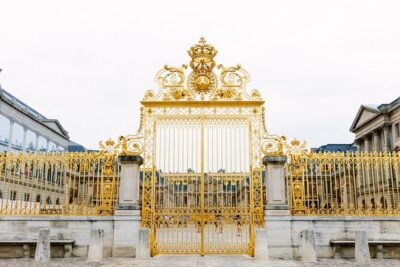
Versailles Château and Gardens Walking Tour from Paris by Train
Read our review →
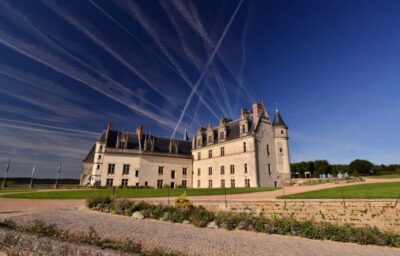
Loire Valley: Château Royal d’Amboise Entrance Ticket
Read our review →
Fontainebleau & Vaux-le-Vicomte Châteaux Day Tour from Paris
Read our review →Browse the lists this tour appears in