
Review · ROYAL PALACE TOURS
Godollo: The Royal Palace of Gödöllő Ticket
Gödöllő Palace gives you a rare look at Sisi’s private world, not just another grand Habsburg façade. Inside Hungary’s largest baroque palace, you move from the Grassalkovich family’s 18th-century rooms to the apartments used by Empress Elisabeth and Emperor Franz Joseph. The palace park adds breathing room after the ornate interiors.
I especially like the way the visit connects three generations of Grassalkovich history with the later royal period. I also like that the ticket includes more than the royal apartments: you get the palace park, the Queen Elisabeth Memorial Exhibition, and a less expected look at the building’s 1950 to 1991 past. The main point to consider is that an audio guide is not included, so you need to read the displays carefully or bring your own background knowledge.
Key points at a glance
- Sisi’s apartments: See the rooms and personal belongings linked with Empress Elisabeth and Emperor Franz Joseph.
- Three Grassalkovich generations: Follow the family story through the palace’s 18th-century origins.
- A full palace ticket: Admission includes the permanent exhibitions, royal apartments, palace park, and The Secret Life of the Palace.
- A second life after royalty: Learn how the building’s story continued from 1950 to 1991.
- Easy independent visit: The ticket is valid for one day, and you can cancel up to 24 hours ahead for a full refund.
- Practical restrictions: Large bags, backpacks, food, drinks, pets, and baby strollers are not allowed inside.
Gödöllő Palace and the world of Sisi
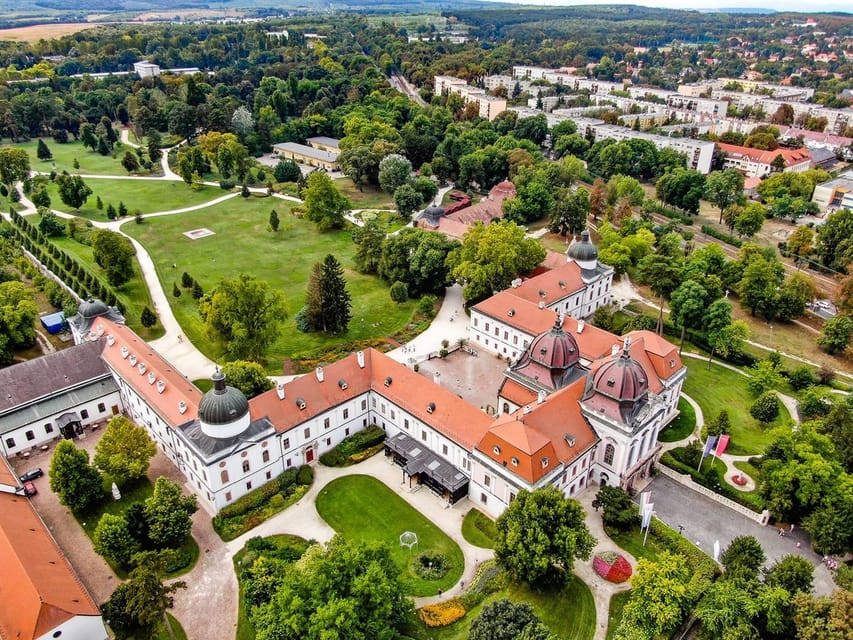
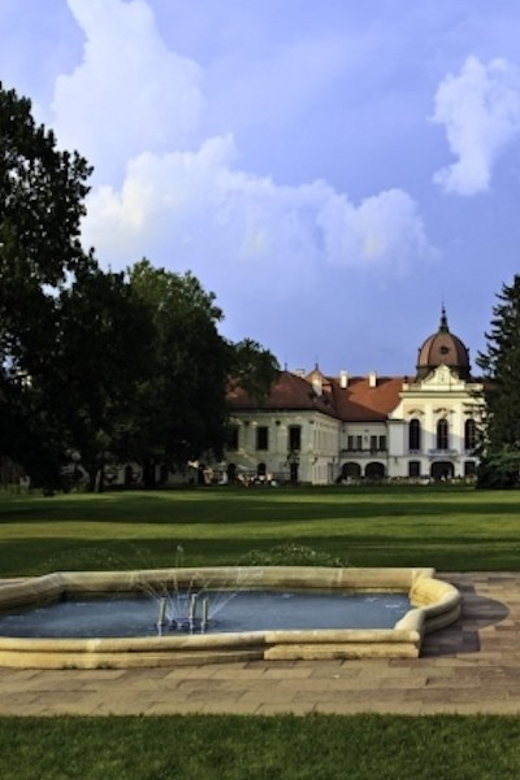
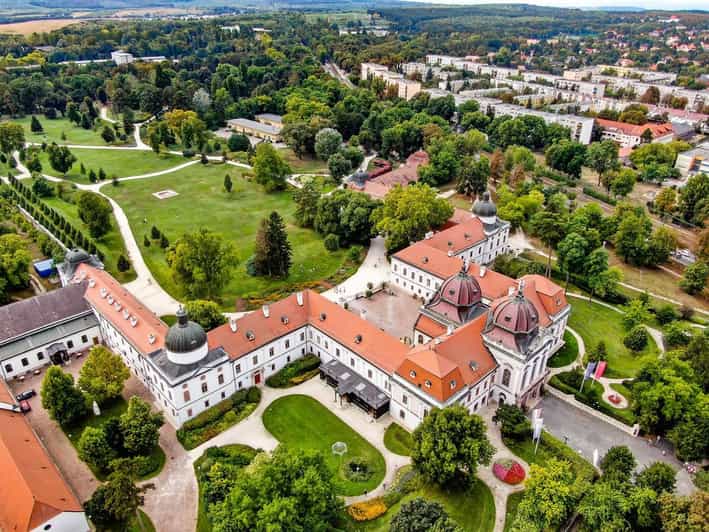
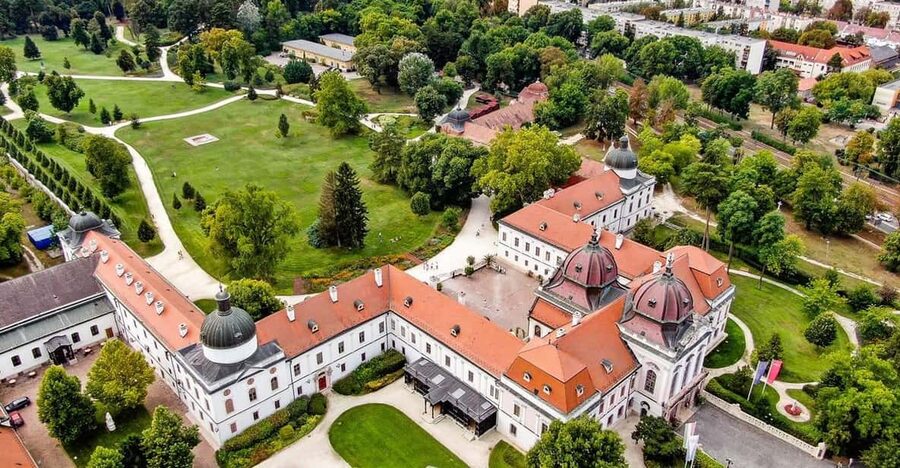
The Royal Palace of Gödöllő is not a small country house dressed up as a royal attraction. It is the largest baroque palace in Hungary, built in the 18th century for the Grassalkovich family. Its scale gives the visit a useful sense of place: this was a serious aristocratic residence long before the Habsburgs used it as a summer retreat.
You begin with the Grassalkovich family, whose story covers three generations. That opening matters because it keeps the palace from becoming only a Sisi shrine. You see how the building developed before Empress Elisabeth and Emperor Franz Joseph arrived, and you get a clearer sense of the palace as a family home, political property, and later royal residence.
The Habsburg section then shifts the mood. The rooms show the palace as it was during the monarchy, with elaborate baroque furnishings, paintings, private chambers, and personal objects connected with the royal couple. I find this kind of display more useful than a simple parade of grand rooms because private spaces tell you more about how people lived than a ceremonial hall alone.
Sisi is the central figure for many visitors. Her connection with Gödöllő gives the palace a more personal tone than the formal imperial rooms in central Budapest. You can walk through her apartments and see the setting associated with her time at the palace, while the displays place her life within the larger Habsburg family story.
More Royal Palace Tours in the world:
- Madrid: Royal Palace Fast-Access Admission Ticket
★ 4.6 · 13,856 reviews - Madrid: Royal Palace Expert Guided Tour with Skip-the-Line
★ 4.7 · 8,407 reviews - Amsterdam: Royal Palace Entry Ticket + Audio guide
★ 4.6 · 7,889 reviews
The Grassalkovich rooms set the scene
The first major section focuses on the era of the Grassalkoviches. This is where you should slow down rather than rushing toward the royal apartments. The palace’s baroque design and furnishings make more sense once you know who commissioned and occupied the building.
The exhibition covers the family across three generations. That family thread gives the visit structure and helps you understand why Gödöllő was built with such scale and ceremony. You might find the room-by-room history less immediately dramatic than the Sisi displays, but it supplies the context that makes the later royal period meaningful.
Paintings and furnishings help bring the period together. Do not expect every object to tell a long story on its own. Instead, look at how the rooms work as a group: formal decoration, private living quarters, and displays that point to the status of the family that owned the palace.
If you have only a passing interest in aristocratic family history, you may spend less time here. If you enjoy architecture, interiors, or the way royal properties change hands, this section is one of the most useful parts of the visit.
Sisi and Franz Joseph in their private apartments
The royal apartments are the emotional center of the palace. Here you see the rooms used by Empress Elisabeth and Emperor Franz Joseph, along with personal belongings linked to both figures. The displays offer a closer view of the couple than a grand public reception room can provide.
Sisi is often remembered as a glamorous, restless empress, but the palace setting helps keep her connected to ordinary physical surroundings: bedrooms, sitting rooms, personal objects, and the quiet spaces of a residence. You are not just looking at a famous name on a label. You are seeing where the royal couple spent time away from the main imperial court.
Franz Joseph’s rooms add balance. It is easy for a visit focused on Sisi to leave the emperor in the background, but the palace presents both sides of the royal household. The contrast between their apartments can help you notice how a shared residence can still contain separate personal worlds.
The furnishings are elaborate, as you would expect from a Habsburg summer residence. Yet the private chambers are more engaging than the most decorated formal spaces because they suggest daily routines and personal taste. I recommend paying attention to the belongings and room arrangements, not only the gilded details.
There is no audio guide included with this ticket. That keeps the visit flexible and may suit you if you like to move at your own pace, but it also means the written material has to do the teaching. If you prefer a narrated visit, plan for that need before you arrive rather than assuming it comes with admission.
The Queen Elisabeth Memorial Exhibition
The Queen Elisabeth Memorial Exhibition adds another layer to the Sisi story. Instead of only showing the rooms she used, it focuses attention on her memory and public image. This helps explain why Empress Elisabeth remains such a strong presence at Gödöllő.
The memorial displays are worth treating as their own section rather than an afterthought. They can help you separate the historical woman from the later legend. You might find that the exhibition feels more commemorative than the apartments, but that difference is part of its value.
I like the combination of personal objects, rooms, and memorial material because it gives you three ways to think about Sisi: as a resident, as a member of the Habsburg family, and as a figure remembered long after her life. You will get more from it if you already know a little about her, but the palace still gives you enough structure to follow the basic story.
More Palaces to Tour in the world:
- Venice: Doge’s Palace Reserved Entry Ticket
★ 4.6 · 42,716 reviews - Paris: Versailles Palace and Gardens Full Access Ticket
★ 4.6 · 41,579 reviews - Granada: Alhambra & Nasrid Palaces Tour with Tickets
★ 4.7 · 19,801 reviews - Sintra: Pena Palace and Park Entrance Ticket
★ 4.2 · 17,410 reviews
The palace park offers a change of pace
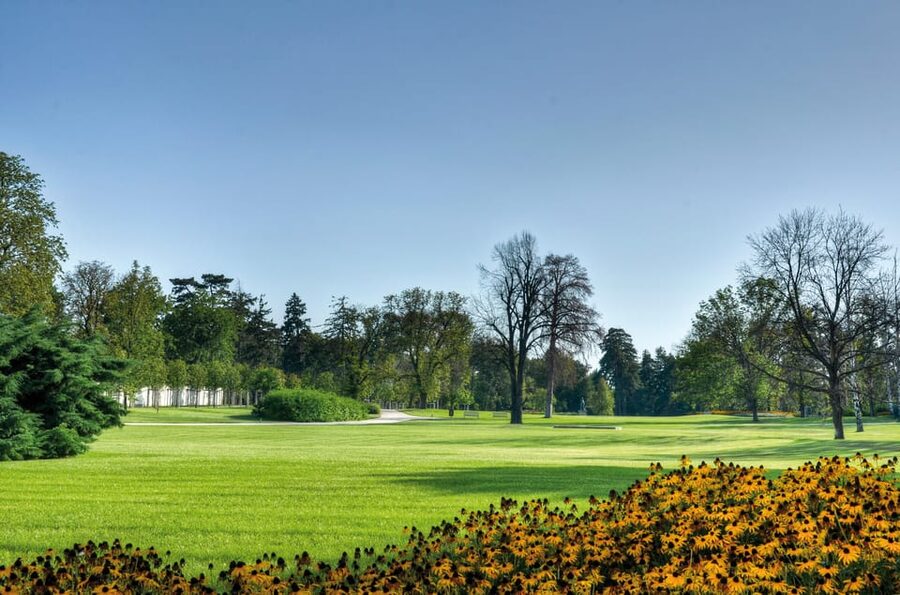
The ticket includes the Palace Park, which is important because the interior visit is heavy on rooms, objects, and historical explanation. After the apartments and exhibitions, the outdoor space gives you a chance to reset and see the palace in relation to its grounds.
The park also helps you understand why Gödöllő worked as a summer residence. A royal home needed more than decorated rooms. It needed space, privacy, and a setting away from the tight formality of the main court. The grounds let you experience that quieter side of the property.
You should not treat the park as a quick photo stop. The architecture looks different when viewed from outside, and the open setting makes the scale of the palace easier to grasp. The supplied information does not give a set walking route or a detailed list of garden features, so I would keep your plans flexible rather than expecting a formal garden tour.
If your time is limited, see the principal interior exhibitions first and use the park afterward. If you have more freedom, the park is a good place to slow down and let the palace’s different periods settle into place.
The secret life of the palace, 1950 to 1991
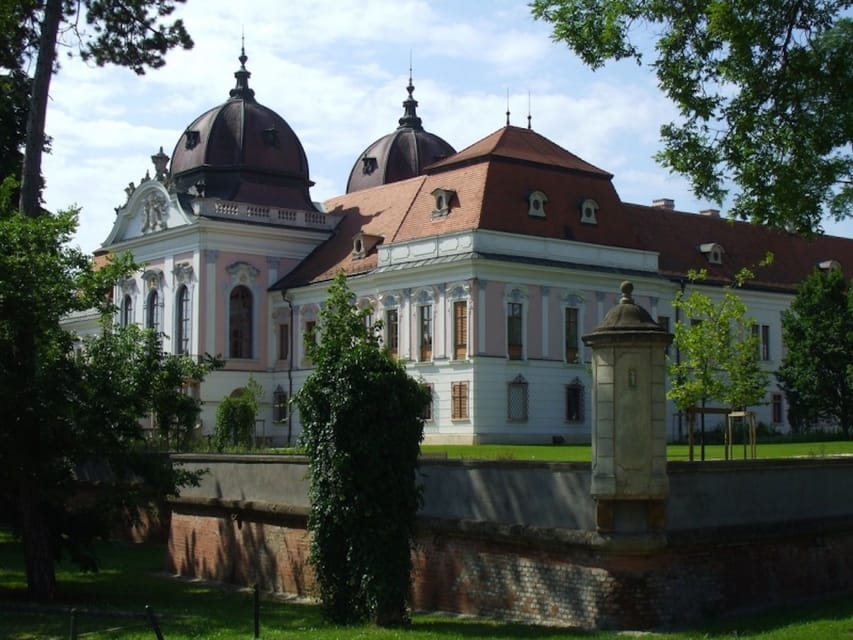
The most unusual part of the ticket is The Secret Life of the Palace, covering 1950 to 1991. This section moves beyond the royal era and shows that the building had a later history after the monarchy.
That change of subject is one of the reasons I consider this ticket better value than a palace visit focused only on Sisi. The royal rooms are the obvious draw, but the later period makes the building feel less frozen in time. A palace can become a decorative shell if you only see its grandest years. This exhibition points to the less polished chapters.
The title suggests a concealed or overlooked side of Gödöllő, and the description invites you to discover the palace’s mysteries for yourself. Do not expect the whole visit to follow a single royal story. The final section asks you to think about how a historic building survives, changes purpose, and gathers new layers.
For me, this is best saved until the end, as the presentation suggests. It works as a closing chapter after the Grassalkovich and Habsburg sections. You first learn what the palace was built to be, then see its royal use, and finally examine what happened during the decades from 1950 to 1991.
What the $15 ticket includes
At about $15 per person, this is a solid-value admission for a full day at a major palace complex. The price covers the permanent exhibition on the Grassalkoviches, the royal apartments of Franz Joseph I and Queen Elisabeth, the Queen Elisabeth Memorial Exhibition, the Palace Park, and The Secret Life of the Palace.
That matters because the ticket is not limited to one set of rooms. You get a broad look at the property, from its 18th-century family origins to its Habsburg years and later 20th-century history. I would consider the price especially fair if you enjoy historical interiors and plan to take your time.
Food and drinks are not included, and there is no audio guide. Those exclusions are simple but worth noting. Bring cash for your own needs, and do not count on carrying snacks into the palace, since food and drinks are not allowed inside.
The ticket is valid for one day. The information does not promise a guided tour, a named guide, or a fixed group size, so you should view this as an admission-based self-guided visit rather than a hosted excursion. That can be a benefit if you dislike being hurried, but it puts more responsibility on you to read, look, and set your own pace.
Practical details before you go
The meeting point is the Royal Palace of Gödöllő at Grassalkovich-kastély, Szabadság tér 1, 2100 Hungary. The activity is in Gödöllő, in central Hungary. Starting times depend on availability, so check the current time options before you book.
Bring a passport or ID card and some cash. The instructions also say not to bring luggage or large bags, backpacks, baby strollers, food, or drinks. Pets are not allowed, though assistance dogs are permitted. Smoking indoors is prohibited.
Wheelchair access is available. At the same time, the ban on baby strollers means families with small children need to plan carefully. The available information does not explain storage arrangements, so I would avoid arriving with a large bag or stroller and hoping it can be left somewhere.
The booking terms are useful if your schedule is uncertain. You can cancel up to 24 hours in advance for a full refund, and the reserve-now, pay-later option lets you hold your plans without paying at once. Those terms do not change the experience itself, but they reduce the risk of booking a palace visit before your day in Hungary is settled.
Who will enjoy Gödöllő Palace most
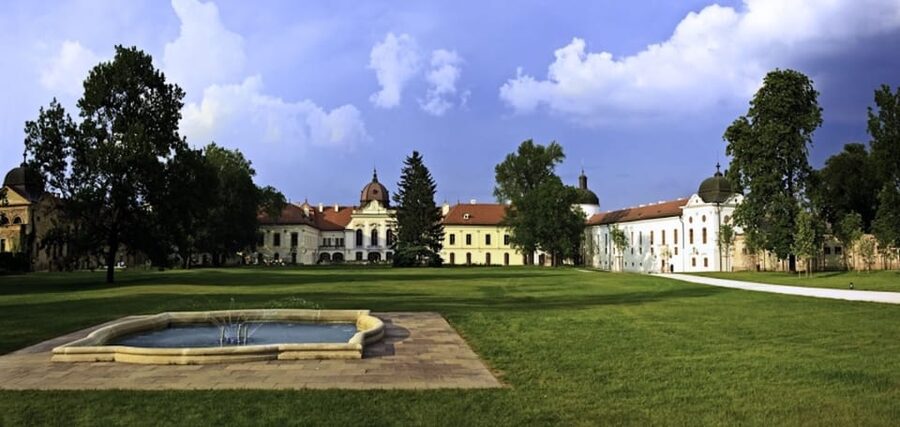
I would recommend this experience to you if you like royal history, baroque interiors, historic houses, or the story of Sisi. It also suits anyone who wants a break from Budapest’s central sights without giving up a strong historical focus.
Families may appreciate the visual appeal of the rooms and park, but the stroller restriction is a real practical issue. People with limited mobility can use the wheelchair-accessible facilities, though the available details do not explain every route or room.
You will get the most from the palace if you enjoy independent visits. There is no included audio guide, and no guide’s name or guided format is provided. That means you can linger over a room that interests you, but you also need to bring patience and curiosity.
If you want a fast, entertainment-led attraction with a packed schedule, this may feel too quiet and self-directed. If you prefer to connect a building with several periods of history, the mix of family, royal, and postwar stories gives you plenty to consider.
Should you book the Royal Palace of Gödöllő?
I would book it if you want to see the setting tied to Sisi and Franz Joseph without limiting yourself to royal glamour. The apartments and personal belongings are the main draw, but the Grassalkovich rooms, palace park, and 1950 to 1991 exhibition make the visit broader and more worthwhile.
Choose it with realistic expectations. You are buying admission, not a guided tour, and the audio guide is extra or unavailable through this ticket. Bring identification, cash, and a willingness to read the displays. If that sounds like your kind of sightseeing, the $15 price gives you a full day to explore one of Hungary’s grandest palaces at your own pace.
FAQ
Where is the Royal Palace of Gödöllő?
The palace is at Grassalkovich-kastély, Szabadság tér 1, 2100 Gödöllő, Hungary.
How long is the ticket valid?
The ticket is valid for one day. Starting times depend on availability.
What does admission include?
Admission includes the permanent exhibitions covering the Grassalkovich era, the royal apartments of Franz Joseph I and Queen Elisabeth, the Queen Elisabeth Memorial Exhibition, the Palace Park, and The Secret Life of the Palace from 1950 to 1991.
Is an audio guide included?
No. The audio guide is not included with the admission ticket.
Is the palace wheelchair accessible?
Yes, the activity is wheelchair accessible.
What should I bring and what cannot I bring inside?
Bring a passport or ID card and cash. Baby strollers, food, drinks, luggage, large bags, backpacks, pets, and indoor smoking are not allowed. Assistance dogs are permitted.
Newly added in the world
- Avignon: Around The Palace Tour★ 4.5 · 13 reviews
- Ayutthaya Full-Day Tour with Bang Pa In (Summer Palace)★ 5.0 · 2 reviews
- Bali: Gate Of Heaven and Water Palace Tirta Gangga Package★ 4.7 · 3 reviews
- Aranjuez: Royal Palace Guided Tour★ 4.5 · 93 reviews
- Asia Continent & Topkapı Palace & Harem. Guided, Small group★ 4.9 · 3 reviews
- Kornik Castle and Rogalin Palace Half-Day Private Tour★ 5.0 · 2 reviews
- Royal Palace of Aranjuez Small-Group Tour with Entry Ticket★ 5.0 · 2 reviews
- Antananarivo: Guided Tour and sunset in queen’s palace★ 3.9 · 13 reviews
Royal Palace Tours, compared.
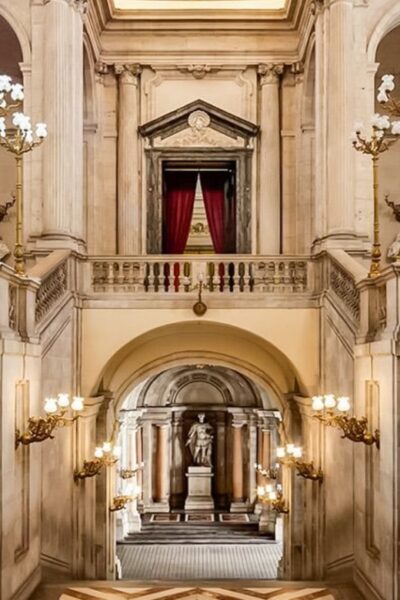

Royal Palace Expert Guided Tour with Skip-the-Line
Read our review →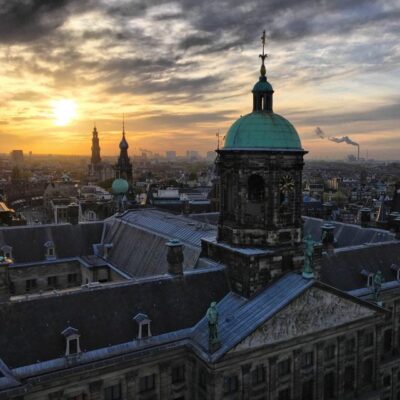
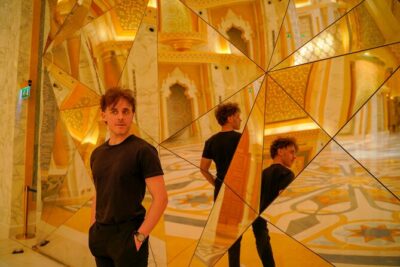
Dubai To Abu Dhabi: Grand Mosque, Royal Palace & Etihad Towers
Read our review →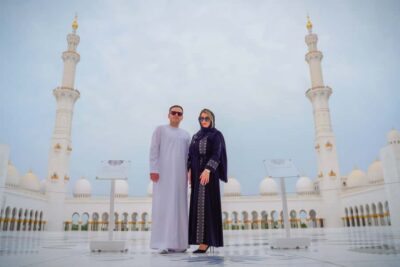
Abu Dhabi Day-Trip Grand Mosque, Royal Palace & Lunch
Read our review →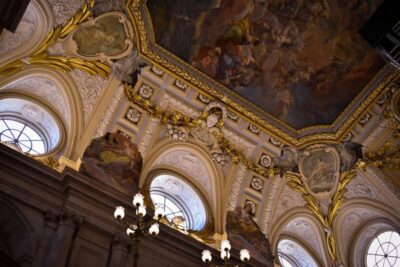
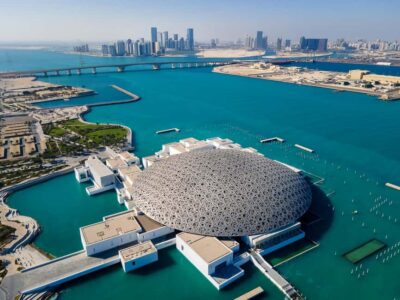
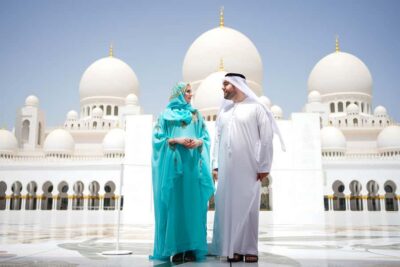
Louvre Entry & Etihad Tower/Royal Palace Options
Read our review →Browse the lists this tour appears in