
Review · SCHONBRUNN AND HOFBURG PALACE TOURS
Vienna: New Hofburg Palace Audio-Guided Tour & Entry Ticket
The New Hofburg is less about a single grand royal apartment and more about seeing how the Habsburgs displayed power. Imperial armor, courtly rooms, and old musical instruments turn a short museum visit into a compact lesson in dynastic politics, warfare, and music. The audio guide links the objects to the family story, from medieval rulers to Empress Sisi.
I like the wide choice of audio languages, especially Czech, Hungarian, Japanese, Chinese, Korean, and Italian, and I like the Mozart connection provided by the historic fortepiano. The main drawback is focus: if armor and antique instruments do not interest you, the collections may feel uneven, and the one-hour estimate can be too short for the entire New Hofburg complex.
Key points to know before you go
- Meet at Weltmuseum Wien: The entrance is at Heldenplatz, inside the New Hofburg complex.
- Hear the Habsburg story: The audio guide connects the displays to the dynasty’s rulers, traditions, and changing power.
- See the Imperial Armoury: Suits of armor and weapons show how rulers presented military strength and status.
- Look for Mozart’s fortepiano: The musical collection links Vienna’s court culture with its famous composers.
- Choose from nine languages: Audio commentary is available in German, English, French, Hungarian, Italian, Japanese, Chinese, Korean, and Czech.
- Plan extra time if needed: One hour works for a focused visit, but the full museum complex can take much longer.
Entering the New Hofburg at Heldenplatz
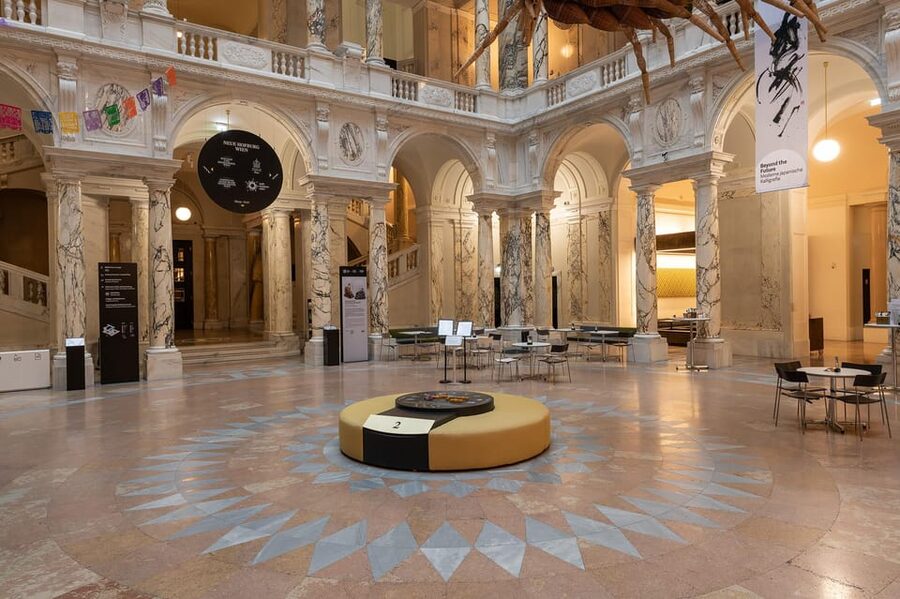
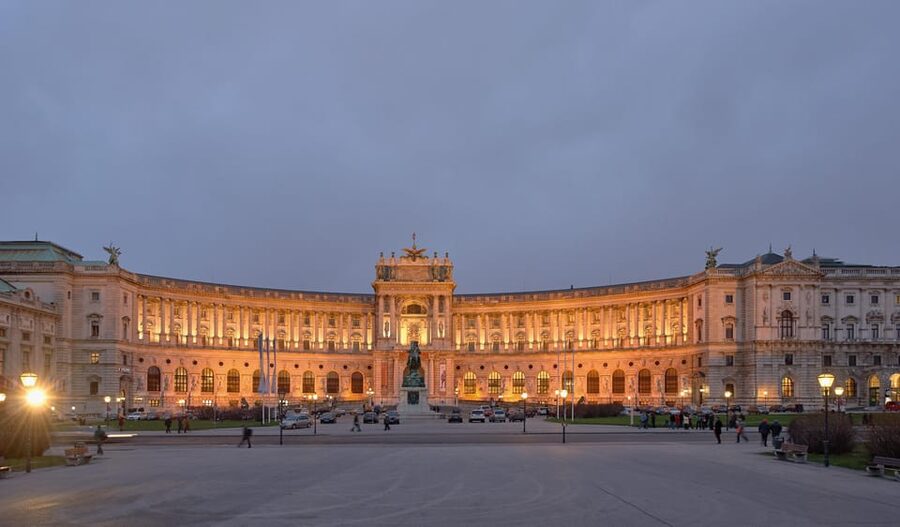
Your visit begins at the entrance to Weltmuseum Wien on Heldenplatz. The setting matters. You are not walking into a detached collection in an ordinary museum building. You are entering the newest wing of the Hofburg, a place built into Vienna’s former imperial center.
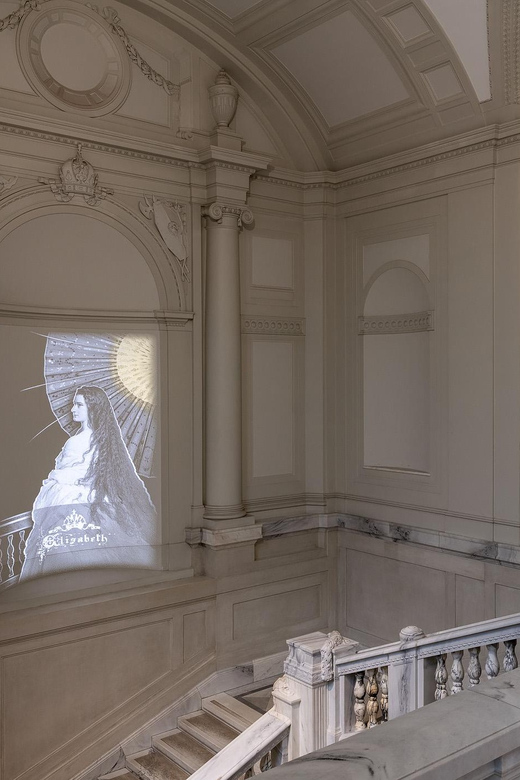
The New Hofburg gives you an immediate sense of scale. Its staircases, corridors, and decorated rooms were designed for royalty and public ceremony, not for a quick modern museum visit. I would take a moment to look up and around before rushing toward the displays. The building itself is one of the main attractions.
The ticket includes entry to the Weltmuseum Wien, the Collection of Historic Musical Instruments, and the Imperial Armoury. That combination makes the experience broader than its title might suggest. You are not seeing only palace rooms or only weapons. You are moving through several collections tied together by the Habsburg court.
The entrance is easy to identify once you reach Heldenplatz, and the ticket counter is described as easy to find. Still, allow a little time to get oriented. The New Hofburg is large, and the displays do not all follow one simple theme.
More Schonbrunn and Hofburg Tours in Vienna:
- Vienna: Schönbrunn Palace & Gardens Skip-the-Line Tour
★ 4.7 · 7,739 reviews - Vienna: Skip-the-Line Schönbrunn Palace & Gardens Tour
★ 4.8 · 5,411 reviews - Vienna: Imperial Treasury in the Hofburg Palace
★ 4.4 · 1,791 reviews
How the audio guide shapes the visit
This is a self-guided experience, not a live tour. That gives you control over the pace, but it also means the quality of your visit depends partly on how carefully you follow the audio stops.
The guide provides the main thread: the rise of the House of Habsburg, its founding rulers, its customs, its political reach, and its later figures, including Empress Sisi. Instead of treating each suit of armor or instrument as an isolated object, the narration explains how these things fit into court life.
I like that approach. Armor can become a long row of metal suits when there is no context. Musical instruments can look beautiful but disconnected from the people who used them. The narration gives both collections a purpose by connecting them to royal display, military power, education, ceremony, and Vienna’s musical past.
The audio is available in nine languages:
- German
- English
- French
- Hungarian
- Italian
- Japanese
- Chinese
- Korean
- Czech
The Czech option is especially useful for families or groups who would find English difficult. You can listen in your preferred language while taking in the objects at your own pace.
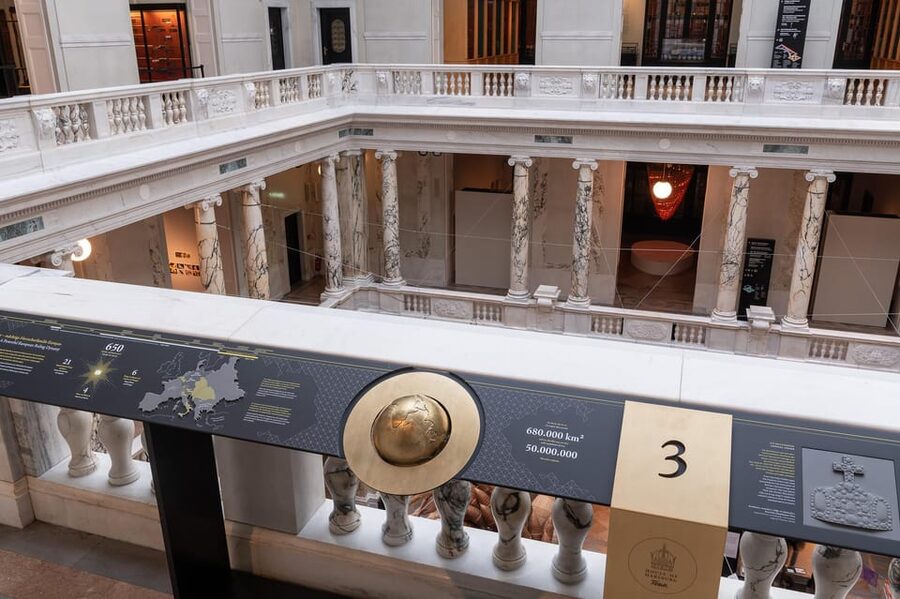
There is one practical weakness. The numbers that identify audio stops may not always be clear, so you may need to look carefully before starting a track. Some music passages also run longer than expected. I would not feel obliged to play every note or listen to every track in full if you are trying to finish within an hour.
The Imperial Armoury and the language of power
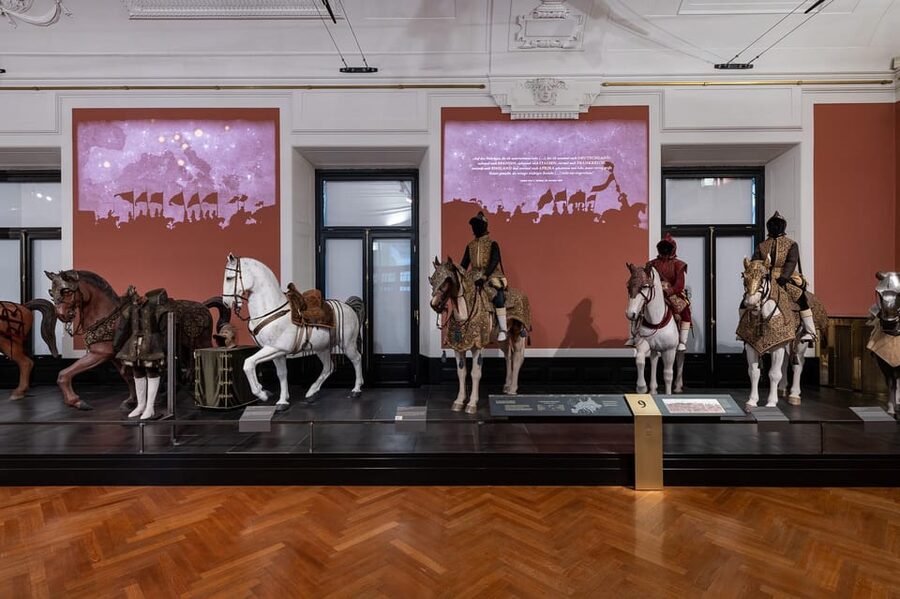
The Imperial Armoury is one of the clearest parts of the visit. Here you see expensive suits of armor and weapons once connected with rulers and nobles. The display helps explain how the Habsburgs presented authority in an age when military equipment was both practical gear and a public symbol.
The armor is not simply about battle. A finely made suit could communicate wealth, rank, craftsmanship, and access to the best materials. The size and decoration of the objects also show how rulers wanted to be seen. With the audio guide explaining the family and the court, the collection becomes a study of image-making as much as warfare.
The armor is displayed on an upper floor, which gives you another reason to pay attention to the building as you move through it. The staircases are among the most memorable architectural details, and they make the transition between collections feel more like a palace visit than a standard museum circuit.
If armor is your main interest, you may want to spend more than the suggested one hour here. The collection has enough detail to reward a slow look, especially if you pause to compare helmets, body armor, and weapons. If you have little interest in military objects, you can keep this section focused and use your extra time for the instruments or the museum galleries.
The display also serves as a useful visual counterpoint to the elegant rooms. The palace interiors show refinement and ceremony. The armor shows the harder edge of monarchy, where authority depended on force, rank, and control.
Historic instruments and Mozart’s fortepiano
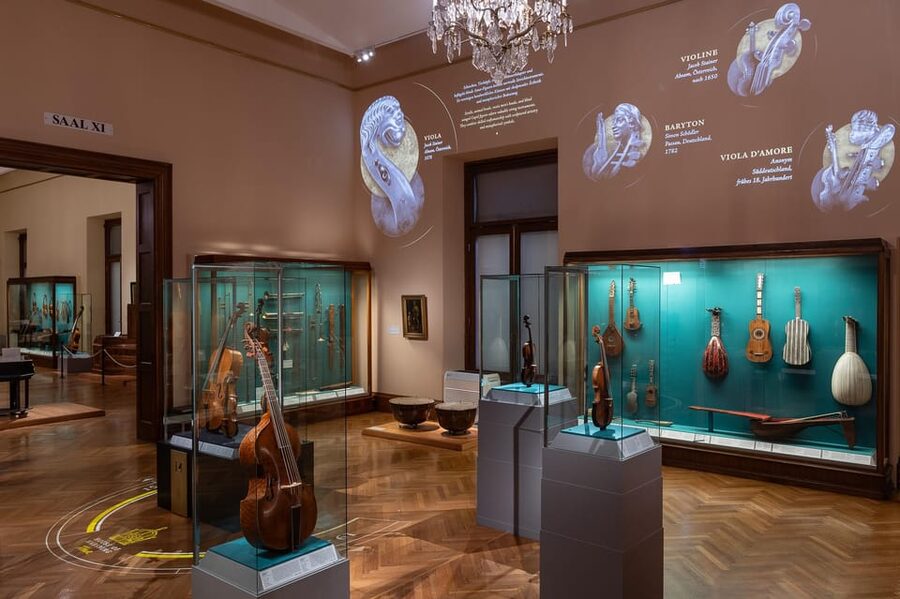
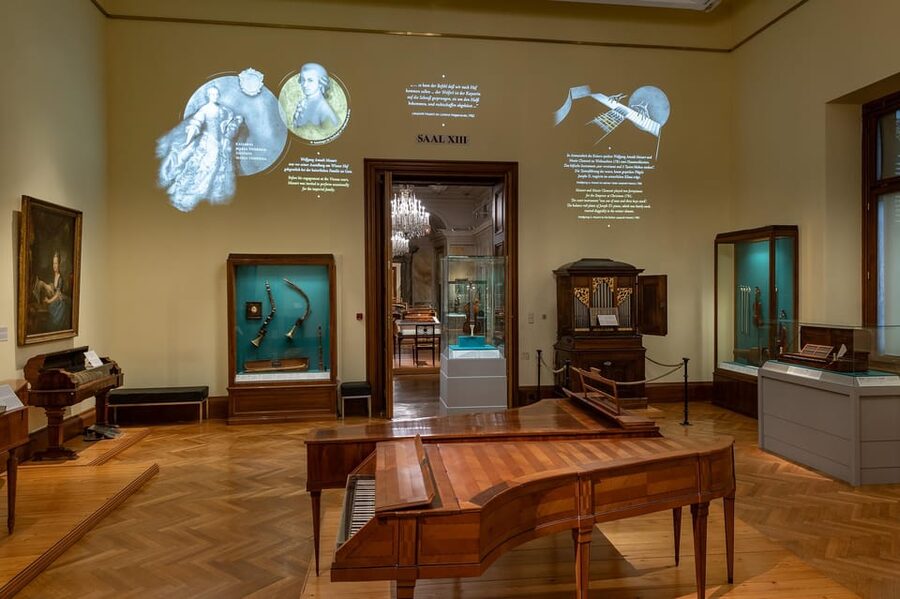
The Collection of Historic Musical Instruments brings another side of Vienna’s court culture into view. You see old instruments connected with the city’s long musical tradition, including a fortepiano once played by Mozart.
That instrument is the kind of object I would make a priority. It gives a famous name a physical presence, rather than leaving Mozart as an abstract figure in Vienna’s musical story. The collection also includes the only wax bust showing Joseph Haydn as he appeared in life, another small but memorable link between an object and a person.
The musical displays are not only about famous composers. They show the role of music in court life and the importance of instruments as crafted objects. The Habsburg world was built around ceremony, and music helped give that ceremony its sound.
Some audio tracks include musical excerpts. I like the idea, since hearing a piece while looking at historic instruments adds another layer to the display. The tradeoff is time. If you listen to every musical segment in full, your visit can stretch beyond the one-hour estimate.
This section will suit you best if you enjoy music, instrument design, or Vienna’s cultural story. If you came mainly for grand rooms and royal portraits, it may feel more specialized. I would still give it time, especially for the Mozart fortepiano and Haydn bust.
More Palace Entry Tickets in Vienna:
- Vienna: Schönbrunn Palace Entry Ticket with Lunch
★ 4.4 · 299 reviews - Venice: Doge’s Palace Reserved Entry Ticket
★ 4.6 · 42,716 reviews - Sintra: Pena Palace and Park Entrance Ticket
★ 4.2 · 17,410 reviews - Granada: Alhambra and Nasrid Palaces Entry Ticket
★ 4.6 · 15,130 reviews
The Habsburg story, from medieval rulers to Sisi
The audio guide’s strongest feature is its family narrative. It traces the Habsburg dynasty from the late Middle Ages into the modern era, explaining how the family developed from early rulers into one of Europe’s most powerful royal houses.
That long time span gives the visit a useful structure. You hear about the founding figures before reaching the better-known names. Later, the story reaches the imperial world associated with Austria, the court, and Empress Sisi.
The guide also helps with the complicated relationship between the Spanish and Austrian branches of the dynasty. For many people, Habsburg history can feel like a maze of rulers, marriages, territories, and titles. A spoken narrative is helpful here because you can stand in front of an object while hearing why it matters.
I would read a little about the Hofburg before arriving, even if you only spend ten minutes doing so. The palace has enough names and political connections that basic preparation will help you follow the audio story. You do not need a textbook. Just knowing that the visit covers centuries of Habsburg rule will make the displays easier to connect.
The audio guide is especially valuable for this reason. The objects alone may not explain the relationship between the Spanish and Austrian thrones or the traditions of the court. The narration supplies that bridge.
Palace rooms, staircases, and the building itself
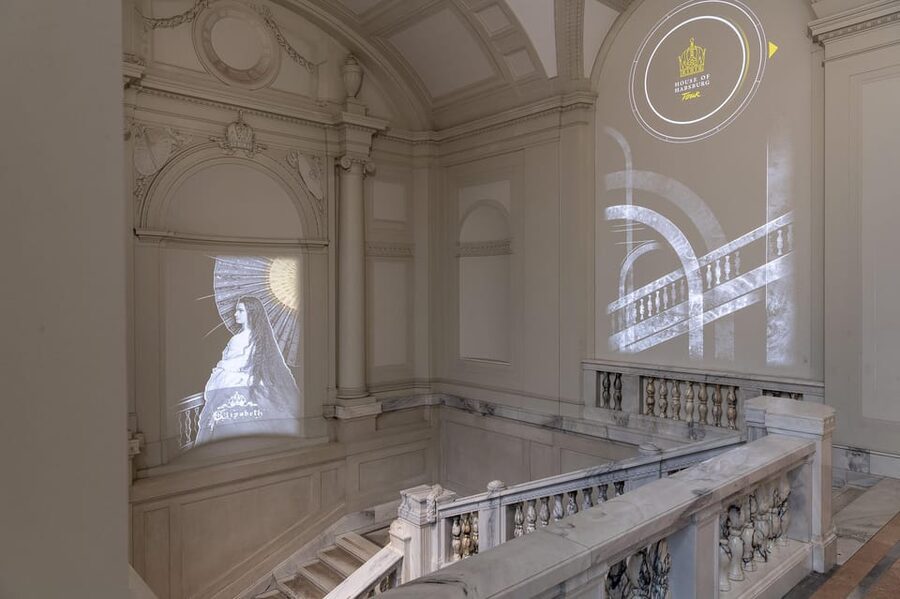
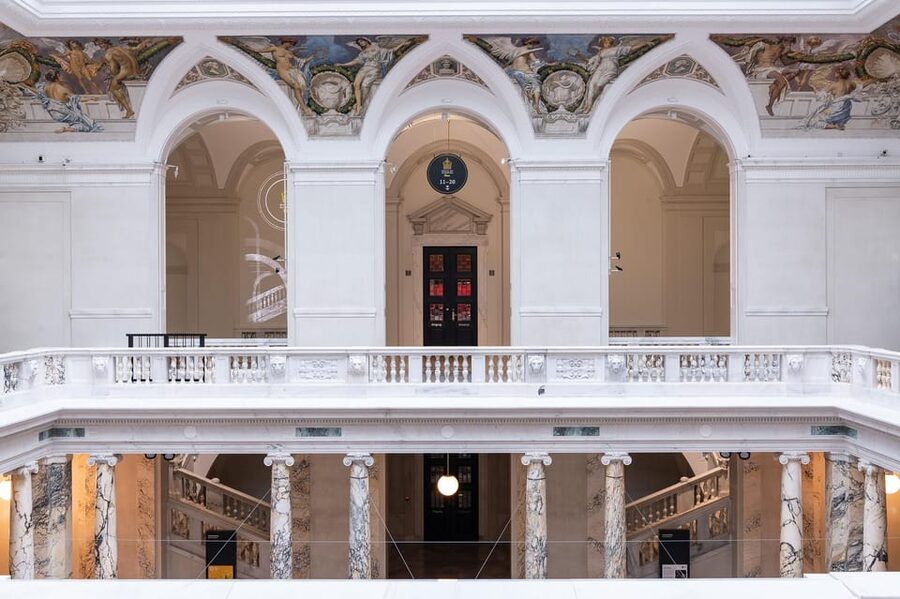
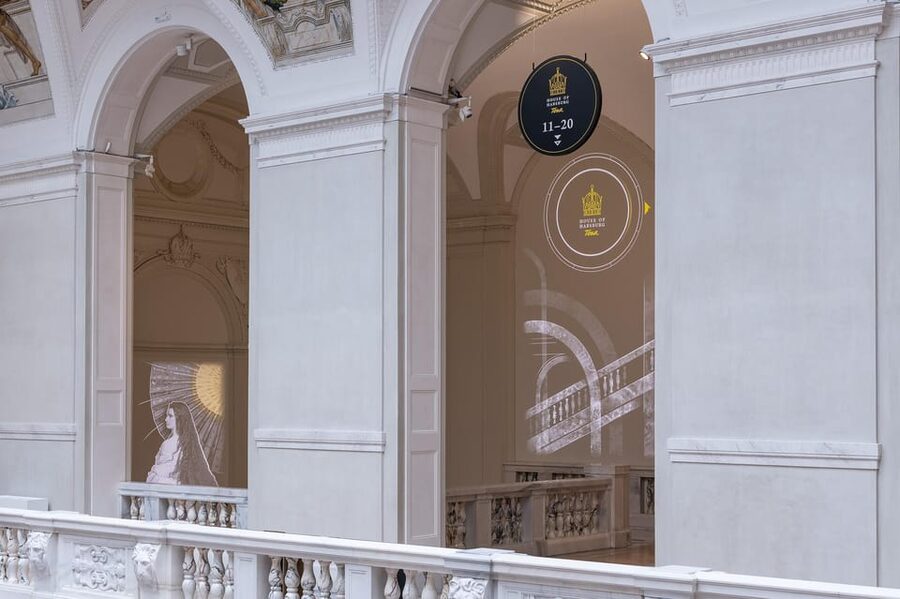
The New Hofburg’s rooms are ornate, formal, and designed to impress. You will see the kind of architecture associated with monarchy: broad staircases, decorated interiors, and spaces arranged for ceremony rather than casual living.
The rooms are not the only reason to come, but they prevent the visit from feeling like a collection of objects in display cases. You move between architecture and exhibits, and the contrast helps you understand the setting in which the collections were gathered and used.
I would slow down in the staircases and larger interior spaces. They offer some of the best visual moments, particularly if armor and instruments are not your personal interests. The exterior of the New Hofburg is also impressive, but going inside gives you a better sense of how the building functions as part of the imperial complex.
At the same time, do not expect every room to be arranged as a complete royal apartment. The experience centers on collections housed in the former residence, with the Imperial Armoury, musical instruments, and Weltmuseum forming much of the visit. If you want only palace bedrooms, private apartments, or a tightly focused Sisi exhibition, this may not match your ideal.
How long you should allow
The advertised duration is one hour. That works if you want a brisk, focused visit and listen selectively to the audio guide.
I would allow more time if you plan to see the Weltmuseum galleries as well as the armoury and musical instruments. The New Hofburg is larger than many people expect, and the included museum areas can easily turn a short stop into a half-day visit.
Your timing depends on your priorities:
- Allow about one hour for a focused introduction to the main collections.
- Add time if you want to listen to every audio track and musical excerpt.
- Plan longer if you want to explore the Weltmuseum galleries.
- Spend extra time in the armoury if military objects are your main interest.
- Slow down in the musical collection if Mozart, Haydn, or historic instruments appeal to you.
The one-hour label should be treated as a useful minimum, not a strict limit. One person may photograph the main displays and move on. Another may want to hear the family story in full and examine every instrument.
Is $27 a fair price?
At $27 per person, the ticket is reasonable if you plan to use the audio guide and visit more than one collection. You are paying for entry to the New Hofburg complex, the Weltmuseum Wien, the historic musical instruments collection, and the Imperial Armoury.
The value is strongest for people who want context. If you only want to admire the exterior, the ticket is not worth it. You can see the building from Heldenplatz without paying for entry.
The price also makes more sense if you treat this as a history and culture visit rather than a single-room palace tour. The audio guide gives you a clearer story than a quick walk through the rooms, and the included collections cover military objects, music, architecture, and court life.
I would compare it with your available time. If you have only thirty minutes in Vienna, this is not the best use of $27. If you have an hour or more and want a self-paced indoor activity, the combination is much more convincing.
The free cancellation option up to 24 hours before the visit and the reserve-now, pay-later choice add flexibility. Those terms are useful if your Vienna schedule may change, but they do not alter the basic question: you need enough time to see more than the facade.
Who will enjoy this New Hofburg visit?
I would recommend it most strongly to:
- First-time Vienna visitors who want an introduction to the Habsburgs
- People interested in imperial power, court traditions, and dynastic politics
- Music lovers curious about Mozart’s fortepiano and Joseph Haydn
- Families or mixed groups who appreciate several collections in one building
- Visitors who prefer audio commentary to a fixed group tour
- Anyone looking for an indoor Vienna activity with wheelchair access
It is also a practical choice for groups with different interests. One person can focus on armor, another on music, and everyone can follow the same broad story through the audio guide.
I would be more cautious if your main goal is a single, intensely detailed palace interior tour. The collection mix is wide, and some sections may feel less special if you are not interested in armor or old instruments. You may also find the audio-stop labels less clear than they should be.
Should you book the New Hofburg audio tour?
Book it if you want a self-guided introduction to Vienna’s Habsburg world, especially if you like the idea of pairing royal rooms with armor, historic instruments, and a palace building full of visual detail. The multilingual audio guide is a real advantage, and the Mozart fortepiano gives the musical collection a memorable focus.
Skip it if you only want to photograph the exterior or if you have no interest in military collections, instruments, or dynastic history. For everyone else, $27 buys more than a quick palace glimpse. Give yourself at least an hour, prepare for a larger complex than expected, and allow extra time if you want to see the Weltmuseum properly.
FAQ
Where is the meeting point?
The entrance is at Weltmuseum Wien on Heldenplatz in Vienna.
How long does the visit last?
The stated duration is one hour. You may need longer if you want to see all the included collections and listen to more of the audio content.
Is a live guide included?
No. The experience includes an audio guide rather than a live tour guide.
Which languages are available for the audio guide?
The audio guide is available in German, English, French, Hungarian, Italian, Japanese, Chinese, Korean, and Czech.
What does the ticket include?
Entry includes the New Hofburg Palace, Weltmuseum Wien, the Collection of Historic Musical Instruments, and the Imperial Armoury, along with the audio guide.
Is the experience wheelchair accessible?
Yes, the activity is wheelchair accessible.
Can I cancel my booking?
You can cancel up to 24 hours in advance for a full refund. A reserve-now, pay-later option is also available.
More Palace Audio Guide Tours in Vienna
- Amsterdam: Royal Palace Entry Ticket + Audio guide
★ 4.6 · 7,889 reviews - Topkapi Palace and Harem Skip-the-Line-Tickets & Audio Guide
★ 4.3 · 4,745 reviews - Istanbul: Topkapi Palace and Harem Ticket with Audio Guide
★ 4.4 · 2,401 reviews - Crete: Knossos Palace Entry Ticket with Optional Audio Guide
★ 3.9 · 2,251 reviews
Newly added in Vienna
- Skip-the-line Schonbrunn Palace Rooms & Gardens Private Tour★ 4.5 · 81 reviews
- Vienna: Skip-the-Line Schonbrunn Palace Private Tour★ 4.8 · 85 reviews
- Vienna Private City Tour: Palaces, Churches & Sacher Cake Option★ 4.5 · 41 reviews
- Private Schönbrunn Palace and Gardens Tour★ 5.0 · 46 reviews
- Vienna: After-Hours Schönbrunn Palace Entry & Concert Ticket★ 4.4 · 236 reviews
- Evening at Schönbrunn Palace Vienna: 3-course Dinner and Concert★ 4.0 · 278 reviews
- Vienna: Schönbrunn Palace Entry Ticket with Lunch★ 4.4 · 299 reviews
- Vienna: Imperial Carriage Museum in Schönbrunn Palace Ticket★ 4.7 · 339 reviews
Schonbrunn and Hofburg Palace Tours, compared.
Schönbrunn Palace & Gardens Skip-the-Line Tour
Read our review →
Skip-the-Line Schönbrunn Palace & Gardens Tour
Read our review →
Bus & Schönbrunn Palace Skip-the-Line Guided Tour
Read our review →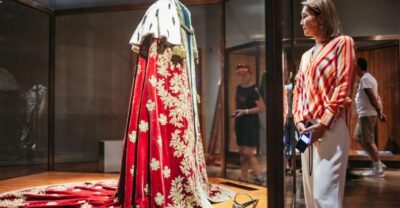
Skip the Line Schönbrunn Palace and Gardens Guided Tour
Read our review →
Schönbrunn Palace & Garden Skip-the-Line Guided Tour
Read our review →
Panorama Train Tickets to explore Schönbrunn Palace
Read our review →
Skip-the-Line Schönbrunn Palace and Gardens Tour
Read our review →Browse the lists this tour appears in