
Review · CHATEAU AND WINE ESTATE TOURS
Beaune: Wine Tasting at Château de Pommard
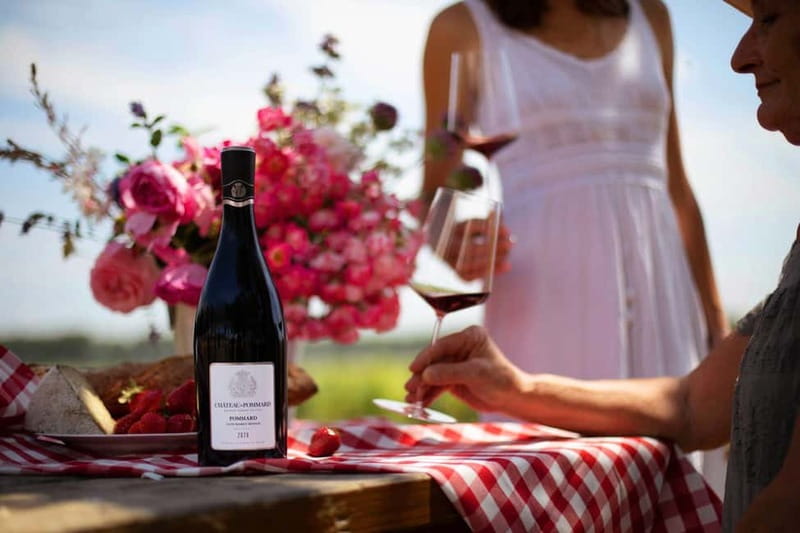
Château de Pommard offers a compact introduction to Burgundy through four wines, a look at the Clos Marey-Monge vineyard, and a lesson in the soil and classifications that make this corner of France famous. The setting does much of the work: you get a château, vineyard views, and free access to the French Gardens alongside the tasting.
I like the small groups of no more than eight, which gives you a fair chance to ask questions. I also like the clear one-hour format and the chance to taste wines from both Château de Pommard and Famille Carabello-Baum. The main limitation is important: the cellars and winery cannot be visited while the restoration project is under way.
Key points at a glance
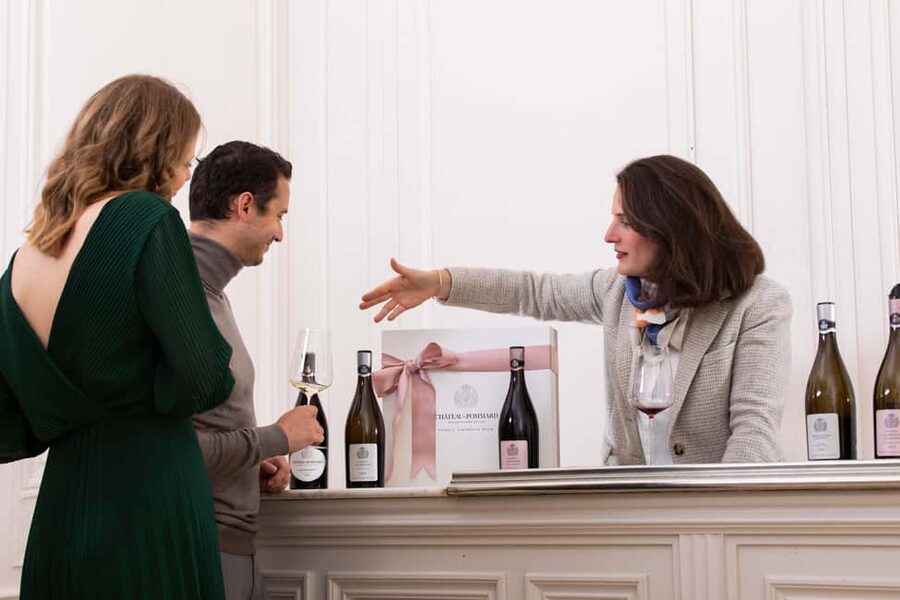
- Four Burgundy wines: Taste a selection from Château de Pommard and Famille Carabello-Baum.
- Clos Marey-Monge focus: Learn how soil, exposure, and other natural factors affect flavor, style, and aging.
- Useful Burgundy primer: The tasting covers the region’s history, five subregions, and classification system.
- Small English or French groups: Sessions are limited to eight people, with guides including Alex, Manon, and Pierre.
- Gardens included: You can visit the French Gardens without paying an extra admission fee.
- Cellar access suspended: Renovation means this is a tasting and vineyard experience, not a full winery tour.
A short tasting with a proper Burgundy lesson

This experience works best as an introduction rather than a full-day wine course. In one hour, your guide explains how Burgundy is divided, how its wines are classified, and why two vineyards only a short distance apart can produce wines with different character.
That structure gives your tasting some useful context. Instead of simply moving from one glass to the next, you learn what to look for and why the wines may differ. The focus is the Clos Marey-Monge vineyard, the estate’s own site, and the natural factors that shape its wines.
The session is offered in English or French. Guides named in recent bookings include Alex, Manon, and Pierre. The quality of the experience depends partly on the guide’s approach, but the strongest sessions have been warm, clear, and open to questions. Alex received particular praise for explaining the estate and wines in detail, while Manon was singled out for a friendly introduction to the château’s bottles. Pierre has also hosted quieter sessions with plenty of time for questions.
At $35 per person, the price is reasonable if you want a focused tasting in a grand Burgundy setting. It is less compelling if you are paying mainly for access to historic cellars, since those areas are closed during renovation.
More Chateau and Wine Estate Tours in France
- Medoc or Saint Emilion Wine Tasting and Chateau from Bordeaux
★ 5.0 · 1,415 reviews - From Paris: Full-Day Loire Valley Chateaux Tour
★ 4.4 · 1,269 reviews - Versailles Château and Gardens Walking Tour
★ 4.5 · 727 reviews
Arriving at Château de Pommard
The meeting point can vary according to the option you book, so check your confirmation carefully before setting out. Once there, allow a little time to get your bearings around the château grounds and vineyard.
The estate has a polished, well-kept feel, with the vineyard and French Gardens providing more than just a backdrop for the wine. The gardens are included in the experience, so you can make a few extra minutes for them before or after the tasting. One useful detail from the grounds is easy parking, which makes the château practical if you are driving through Burgundy.
Wear sensible shoes. High heels are discouraged because the visit involves outdoor areas and vineyard surroundings. You do not need hiking gear, but comfortable shoes will make the visit more pleasant.
The setting also gives the tasting a stronger sense of place. You are not sampling Burgundy in a generic shop or hotel room. You are close to the vines that provide the subject of the talk, even though the current format does not include a full vineyard walk.
What the Burgundy introduction covers
Your guide begins with the basics of Burgundy. The region can seem confusing at first because its wines are organized around place, classification, and vineyard identity rather than simple grape labels.
The discussion includes Burgundy’s five subregions. That overview helps you understand that Burgundy is not one uniform wine area. Each part has its own conditions, traditions, and recognizable styles.
You also learn about Burgundy’s classification system. This matters because the labels on Burgundy bottles can be more difficult to read than those from regions that foreground grape varieties. The guide’s explanation gives you a framework for understanding why one bottle commands a higher price than another and what a vineyard name tells you.
The session then turns to terroir. Here, terroir means the combination of natural conditions that influence a wine, including the soil and the site where the vines grow. The experience specifically connects those factors with taste, style, and the ability of a wine to develop with age.
That is the most useful part for a first-time Burgundy drinker. You are not expected to become a wine expert in sixty minutes, but you should leave with a better idea of why the region places so much importance on individual vineyard sites.
Four wines from two estate names
The tasting includes four wines from Château de Pommard and Famille Carabello-Baum. The exact selection can vary, so you should not book expecting particular vintages or named bottles unless your chosen option states them.
Four wines is a sensible number for a one-hour session. Two or three glasses can feel too brief, while a much longer flight may turn a lesson into a race. Four gives you enough comparison to notice differences without asking you to rush.
Pay attention to the guide’s explanation before each pour. The point is not only to decide which wine you like best. Try to connect the glass with the site, classification, and production ideas being discussed.
If you are new to Burgundy, ask simple questions. Which wine is intended for earlier drinking? Which has more aging potential? How does the soil affect the taste? The small group size should make those questions easier to ask, especially when the session is not full.
The atmosphere can vary with the season. A September booking, for example, may be quieter than a busy summer appointment. A smaller crowd can make the tasting feel almost private, while a full group may give you less time for individual questions even with the eight-person limit.
Same city, another grand address:
- Paris: Versailles Palace and Gardens Full Access Ticket
★ 4.6 · 41,579 reviews - Versailles: Skip-the-Line Tour of Palace and Gardens Access
★ 4.7 · 10,429 reviews - From Paris: Versailles Palace & Gardens with Transportation
★ 4.6 · 6,222 reviews - Versailles: Skip-the-Line Guided Palace Tour and Full Access
★ 4.6 · 5,214 reviews
Clos Marey-Monge and the role of terroir
Clos Marey-Monge is the central place name to remember. The experience uses this vineyard to explain how natural conditions influence the wine in your glass.
The discussion includes soil types and the relationship between the ground and the vine. This subject has real value in Burgundy, where vineyard location is central to how wines are understood and classified. It also helps you listen more closely during the tasting instead of treating terroir as an abstract idea.
One caution: the amount of soil detail may depend on your guide and the flow of the session. A shorter tasting cannot cover every plot, soil layer, or farming decision in depth. If soil is your main interest, ask directly for more detail and ask whether you can see the relevant vineyard areas from the grounds.
The experience does not promise a long outdoor explanation among the vines. Some sessions may keep much of the teaching in one room, which is one reason the activity feels more like a guided tasting than a vineyard tour.
Still, the view toward the vines gives the lesson useful context. You can see the place being discussed, then taste wines connected to it. That link between location and glass is the strongest reason to choose this activity over a basic wine bar tasting.
French Gardens, horses, and the château setting
Free access to the French Gardens adds value, particularly if you have a little time before your appointment. The gardens offer a calm place to walk and make the visit feel broader than a single indoor tasting.
The château grounds are well maintained, and the setting is a natural match for a Burgundy wine stop. You can look over the vineyard, spend time in the gardens, and take in the estate without paying a separate garden admission fee.
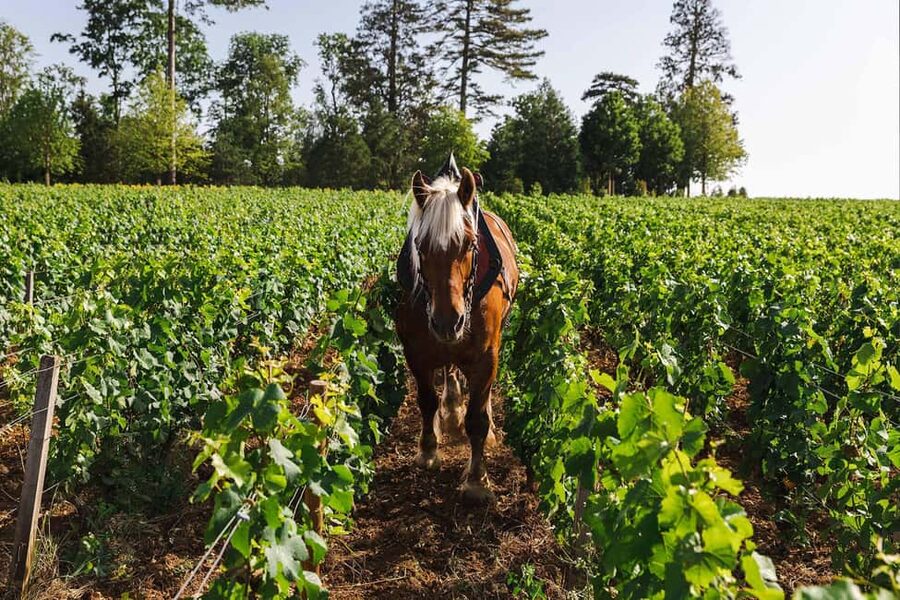
A useful extra detail is the horses. Visitors have specifically enjoyed seeing them, so check the grounds for them during your visit. Their presence adds a pleasant rural note, though they are not presented as a formal part of the activity.
Do not confuse the gardens with a full château tour. The experience does not promise access to every room or historic part of the building. One concern raised about the format is that you may spend most of the visit in one tasting room, with the château itself serving more as a setting than a toured interior.
The cellar closure changes the experience
The cellar and winery are currently closed to visitors because the estate is carrying out a restoration and expansion project. This is the key practical fact to understand before booking.
The château is nearly three centuries old and is being prepared for its next period of use. That work means you cannot see the cellars, winemaking area, or the working side of production during this experience.
For some people, that will be a dealbreaker. If your main goal is to walk through old underground rooms, see barrels, or watch winemaking equipment in action, wait until cellar visits resume or choose a different activity.
For others, the closure may matter less. You still receive a guided Burgundy lesson, taste four wines, see the vineyard setting, and visit the French Gardens. The price is easier to justify if you see this as an educational tasting in an estate setting rather than a traditional cellar tour.
The staff have adjusted the format to keep the visit worthwhile during the renovation. That does not replace cellar access, but it does mean the experience has a clear focus instead of pretending to offer something that is not available.
Guide quality and group size
The guide can make or break a short wine tasting. With only one hour, clear explanations and good pacing matter more than a long list of facts.
The group limit of eight is a strong feature. You should be able to hear the guide easily, see the wine being presented, and ask questions without waiting behind a large tour group. It also gives the session a more personal feel when the booking period is quiet.
Alex has been praised for being friendly, informative, and willing to explain the estate in detail. Manon has led an enjoyable introduction to the wines, and Pierre has hosted a relaxed tasting with time for questions. These names are useful to know, but guide assignments can change.
The experience is available in English and French. If you want the session in a particular language, confirm the option when booking rather than assuming it will be offered on arrival.
The tone is generally educational without requiring prior wine knowledge. You can arrive knowing little about Burgundy and still follow the basic explanation of subregions, classifications, and terroir.
Who gets the best value for $35?
At $35, I see good value for three types of visitor. First, it suits anyone visiting Burgundy for the first time who wants a clear introduction without committing to a half-day wine program.
Second, it works well for people already touring the Beaune area who want a polished château setting and four wines in a compact appointment. The one-hour length leaves room for another cellar, museum, market, or meal in the same day.
Third, it fits wine drinkers who care about how site and soil shape a bottle. The Clos Marey-Monge explanation gives the tasting a subject beyond simple product sampling.
The value is weaker for anyone expecting a complete estate visit. You are not receiving a cellar or winery tour at present, and the château interior may not be explored in detail. The activity’s price pays for the guided tasting, teaching, grounds, and gardens, not for a full look behind the scenes.
The overall rating of 4.6 from 353 bookings suggests a consistently strong experience, but I would still judge it against your priorities. The high marks focus on attractive grounds, good wine, and friendly guides. The lower scores point to the missing cellar visit and occasional limits in the soil explanation.
Practical details before you reserve
Plan on one hour, and check the available starting times for your date. The short length is convenient, but arrive ready to focus because the guide has a lot to cover.
Wear comfortable shoes instead of high heels. You may spend time around the gardens and vineyard setting, and practical footwear will serve you better than dress shoes.
The activity is not suitable for wheelchair users. Keep that in mind when comparing it with other Beaune wine experiences.
Dogs have been present during at least one visit, and a guide was patient and kind with them. If you plan to bring a dog, confirm the current policy before booking because the supplied activity details do not set out a general pet rule.
Free cancellation is available up to 24 hours before the start time, and you can reserve now and pay later. Those terms are useful if your Burgundy route is still changing.
Should you book Château de Pommard?
Book this tasting if you want four Burgundy wines, a helpful introduction to classifications and terroir, and time in attractive château grounds. The small group, English and French options, French Gardens, and capable guides make it a sound one-hour stop for a first visit to Burgundy.
Skip it for now if cellar access is essential. The renovation means you will not see the underground cellars or winery, and the experience may feel limited if you want a complete estate tour.
For most visitors, the best way to view it is as a focused tasting with vineyard context. Ask questions about the soil, take time for the gardens and horses, and remember that the real value lies in learning how Burgundy’s sense of place reaches your glass.
FAQ
How long does the wine tasting last?
The activity lasts one hour.
How many wines will I taste?
You will taste four wines from Château de Pommard and Famille Carabello-Baum.
What will the guide explain?
The session covers Burgundy’s history, its five subregions, Burgundy’s classifications, and the natural factors that influence the taste, style, and aging potential of wines from Clos Marey-Monge.
Is the cellar open for visits?
No. The Château de Pommard cellars cannot currently be visited because of renovation work.
Can I visit the French Gardens?
Yes. Free access to the French Gardens is included.
What languages are available?
The experience is offered in English and French.
How large is the group?
The group is limited to eight participants.
Is the activity suitable for wheelchair users?
No. The activity is not suitable for wheelchair users.
Can I cancel for a refund?
Yes. You can cancel up to 24 hours in advance for a full refund. You can also reserve now and pay later.
More Food and Drink Stops in France
- Dijon: La Cave du Palais Burgundy Wine Tasting Experience
★ 4.8 · 400 reviews - Châteauneuf du Pape Wine Day Tasting Tour including Lunch from Avignon
★ 5.0 · 287 reviews - Essential Wine Tour with Tasting & Chateau Visits from Bordeaux
★ 5.0 · 133 reviews - The Only Locally Owned Non-Touristy Food Tour by Spade & Palacio
★ 5.0 · 701 reviews
Newly added in France
- Avignon: Around The Palace Tour★ 4.5 · 13 reviews
- Avignon: Full-Day Châteauneuf du Pape Wines & Luberon Tour★ 4.8 · 42 reviews
- Angers: Château d’Angers Entrance Ticket★ 4.6 · 191 reviews
- Tours: Chateaux Azay-le-Rideau and Villandry Morning Tour★ 4.9 · 71 reviews
- Versailles Palace Private Half Day Guided Tour including Hotel Pickup from Paris★ 5.0 · 70 reviews
- Versailles Palace & Marie-Antoinette’s Estate Full Day Private Tour from Paris★ 5.0 · 62 reviews
- Sainte-Chapelle, Conciergerie & Palais de Justice Private Tour★ 5.0 · 72 reviews
- Versailles Palace, Garden Entry Ticket – Optional Private Guide★ 3.5 · 147 reviews
Chateau and Wine Estate Tours, compared.
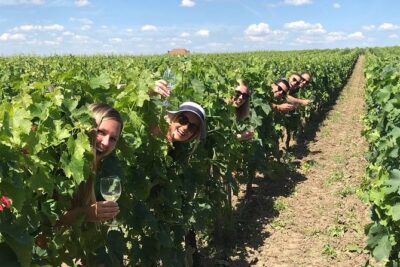
Medoc or Saint Emilion Wine Tasting and Chateau from Bordeaux
Read our review →
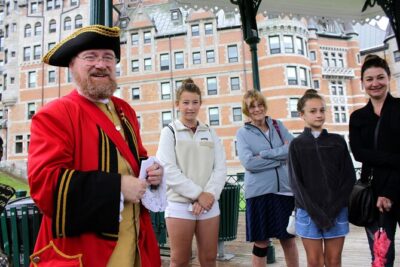
Guided Tour of the Fairmont Le Chateau Frontenac in Quebec City
Read our review →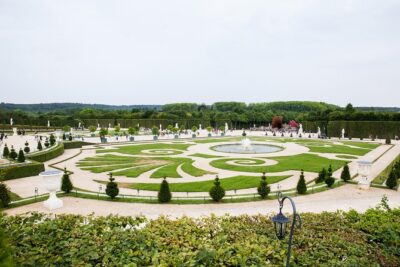
Versailles Château and Gardens Walking Tour from Paris by Train
Read our review →

Loire Valley: Château Royal d’Amboise Entrance Ticket
Read our review →
Fontainebleau & Vaux-le-Vicomte Châteaux Day Tour from Paris
Read our review →Browse the lists this tour appears in