
Review · CHATEAU AND WINE ESTATE TOURS
Chateau of Rambouillet Entrance Ticket
Château de Rambouillet gives you a rare look at a residence used by royalty, emperors, and French presidents. More than half of France’s presidents have stayed here, and the rooms gradually reveal how a quiet country retreat became a place for family life, state dinners, and private diplomacy.
I like two things right away: the castle’s long story crosses the Old Regime, the Empire, and the Republic, and the setting combines a town visit with peaceful gardens and woodland. The main caution is simple: the interior tour can be short. When the second floor is closed, you may finish the castle in about 30 minutes.
Key points before you go
- A presidential retreat with real diplomatic history: Felix Faure made Rambouillet a summer residence in 1895, and Giscard d’Estaing hosted the first G6 meeting here in 1975.
- A self-guided visit: Your ticket includes admission and a self-guided tour, but no live guide.
- A compact interior tour: Open rooms may take around 30 minutes, especially when parts of the building are closed.
- A stronger outdoor setting: The gardens, park, and wooded surroundings may be the best reason to allow extra time.
- A modest admission price: At $12 per person, the ticket is reasonable if you value the presidential story and plan to enjoy the grounds.
- Useful free-admission rules: Visitors under 18 and EU citizens under 26 can enter free after showing photo identification at the ticket desk.
Why Rambouillet feels different from the grand Loire castles
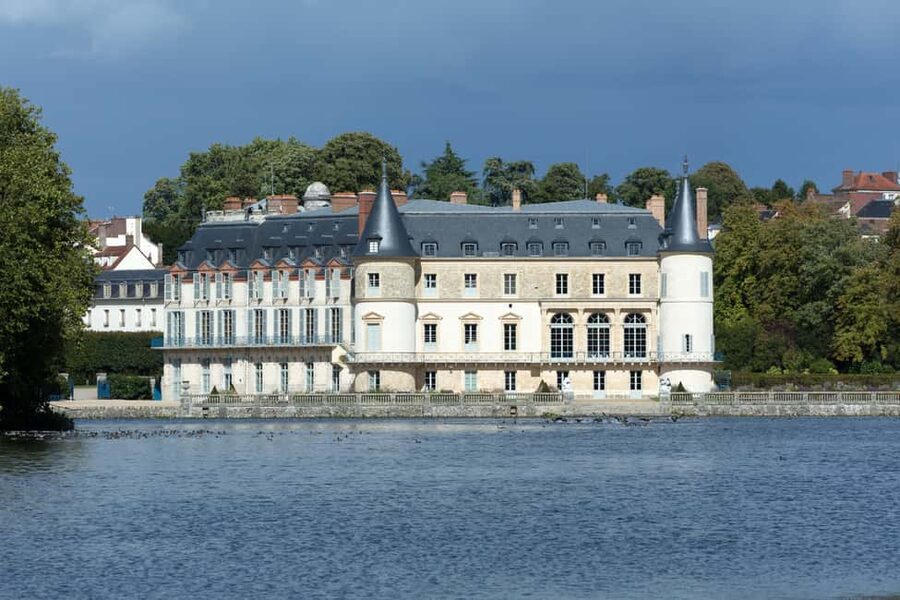
You do not come to Rambouillet for the scale of Versailles or the theatrical grandeur of a giant Loire château. The appeal here is more personal. This was a place where rulers came to rest, presidents brought their families, and important meetings took place away from the capital.
That gives the visit a quieter tone. Instead of only seeing rooms designed to impress a court, you get a sense of a working residence used across several political eras. The same property served princes and kings, passed through the Empire, and later became part of the French Republic’s presidential world.
I find that change of ownership especially interesting. Rambouillet is not frozen in one period. Its story moves from the Old Regime to Napoleon’s time and then into modern government. You can read the building as a record of changing French power.
The setting also matters. The château sits between the town and the forest, in a place that has attracted people since the Middle Ages. You can pair the indoor visit with time outside, which makes the ticket feel less like an appointment at a single museum and more like a short cultural outing.
More Chateau and Wine Estate Tours in France
- Medoc or Saint Emilion Wine Tasting and Chateau from Bordeaux
★ 5.0 · 1,415 reviews - From Paris: Full-Day Loire Valley Chateaux Tour
★ 4.4 · 1,269 reviews - Versailles Château and Gardens Walking Tour
★ 4.5 · 727 reviews
Inside a residence used by presidents
The presidential chapter begins in 1895, when Felix Faure, president of the Third Republic, selected Rambouillet as a summer residence. That decision tells you a lot about the property. It offered distance from Paris without giving up the formality needed for official meetings.
Rambouillet could support two very different kinds of life. A president could spend time with family in a relaxed setting, then receive a foreign leader or host an important diplomatic discussion. That mix of domestic and political use is the heart of the visit.
Some private areas have only gradually become available to the public. Their value is not just architectural. These spaces show how presidents actually used the residence, rather than presenting only a polished ceremonial façade.
You may notice that the story depends as much on people as on decoration. David D. Eisenhower and John F. Kennedy visited. Soviet leaders Nikita Khrushchev and Mikhail Gorbachev came as well. The Emperor of Japan and Queen Elizabeth II were also received here.
Those names make the rooms easier to imagine. Rambouillet was not merely a summer address. It was a discreet place for high-level conversations, private hospitality, and meetings between governments.
The first G6 meeting gives the château an especially strong modern connection. In 1975, President Valéry Giscard d’Estaing gathered the leaders of the six most industrialized countries at Rambouillet. If you have any interest in European politics or international affairs, this detail adds weight to what might otherwise look like a small country castle.
What your self-guided visit is like
This is a straightforward admission ticket. You enter the monument and explore without a live guide. That arrangement gives you freedom to move at your own pace, but it also means you should not expect a continuous spoken explanation or a guide who can answer questions in each room.
I like self-guided visits when a site has several layers of history. You can pause over the rooms that interest you and move faster through areas that feel less important to you. At Rambouillet, that flexibility lets you focus on the presidential story, the royal connections, or the building’s changing role.
The tradeoff is that the experience depends on what is open on the day you visit. One recent visit took about 30 minutes because the second floor was closed. The accessible rooms were described as elegant and atmospheric, but the shortened route made the visit feel incomplete.
That is worth keeping in mind before you book. The ticket is valid for one day, but this does not mean you will spend a full day inside the château. The one-day validity gives you time to plan your visit around the opening hours and to enjoy the grounds rather than requiring a long indoor tour.
Last entry is 30 minutes before closing. I would not arrive near the final admission time, especially if you want to walk through the park or take your time with the rooms. The exact starting times should be checked when you book, since availability can vary.
The rooms: elegant, but not an all-day interior
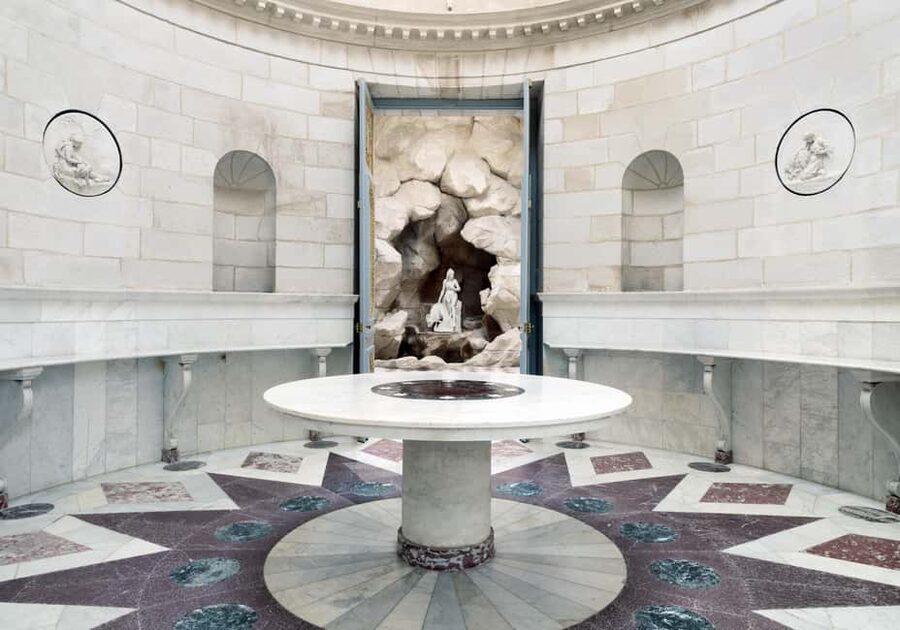
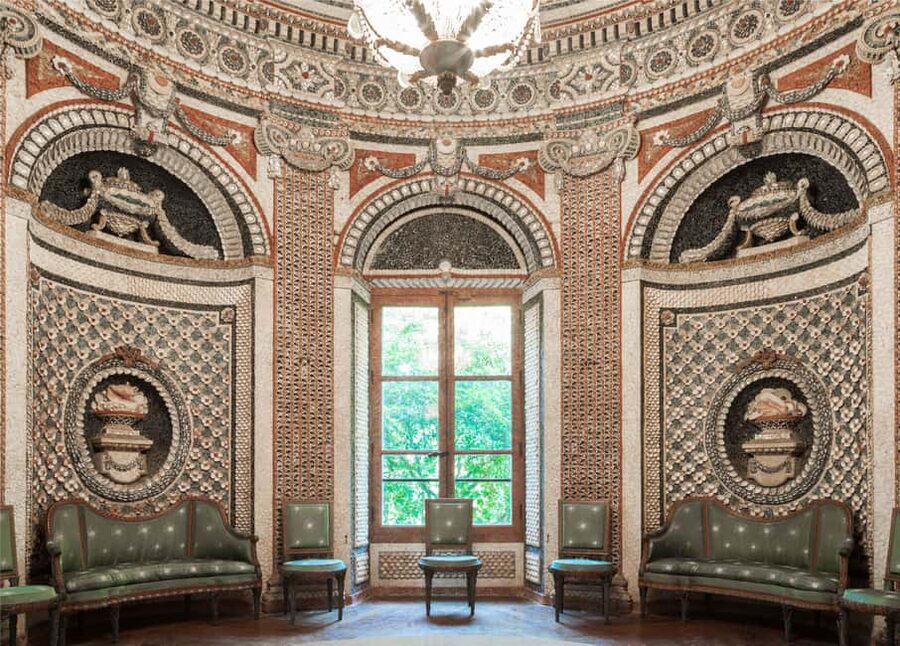
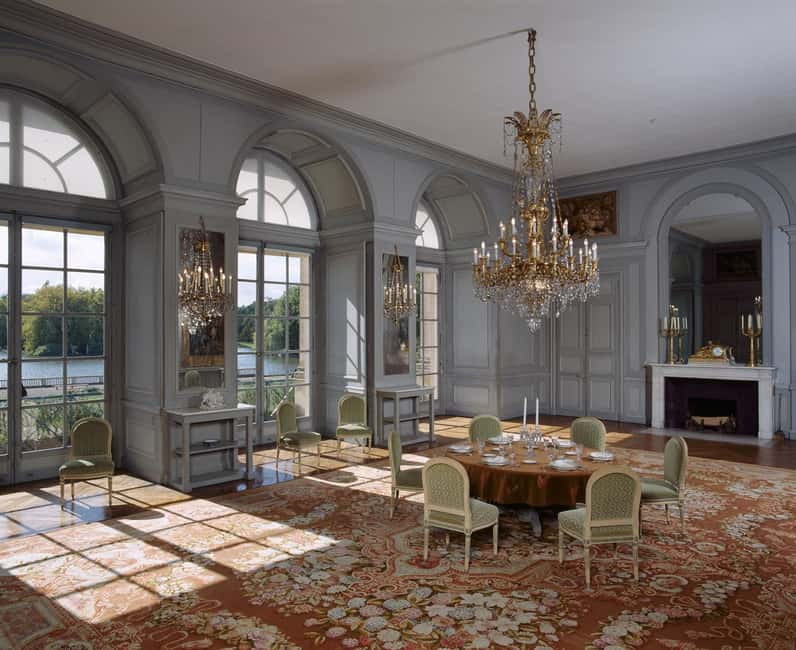
The open rooms preserve the feel of a historic residence rather than presenting a huge sequence of halls. They carry the atmosphere of several eras, and the royal, imperial, and presidential connections give them more meaning than their size alone might suggest.
You may find the interior smaller and less dramatic than other famous French castles. That is not a flaw if you prefer a more focused visit, but it can be disappointing if you expect grand scale. The castle’s value comes from its associations and setting, not from a vast number of rooms.
The recent presidential use helps make the rooms feel closer to modern life. Visitors often connect more easily with a place used by people from the last century than with a residence known only through distant monarchs. Here, the gap between past and present is unusually short.
I would pay attention to the contrast between public and private use. Official visits by foreign leaders required ceremony, but Rambouillet was also chosen as a calm retreat. That tension gives the site its character: formal enough for diplomacy, comfortable enough for family time.
The lack of a live guide means you should allow yourself time to read the available explanations. One French visitor specifically praised the explanations, which suggests that the interpretive material can add a lot to the visit. Since no guide is included, the written information becomes your main route through the story.
More Palace Entry Tickets in France
- Loire Valley: Château Royal d’Amboise Entrance Ticket
★ 4.6 · 476 reviews - Paris: Palais Garnier Mystery Game with Entry Ticket
★ 4.3 · 400 reviews - Paris: Château de Vincennes Entry Ticket
★ 4.5 · 342 reviews - Chateau Gaillard Royal Domain Admission Ticket
★ 4.5 · 250 reviews
The park and gardens may be the best part
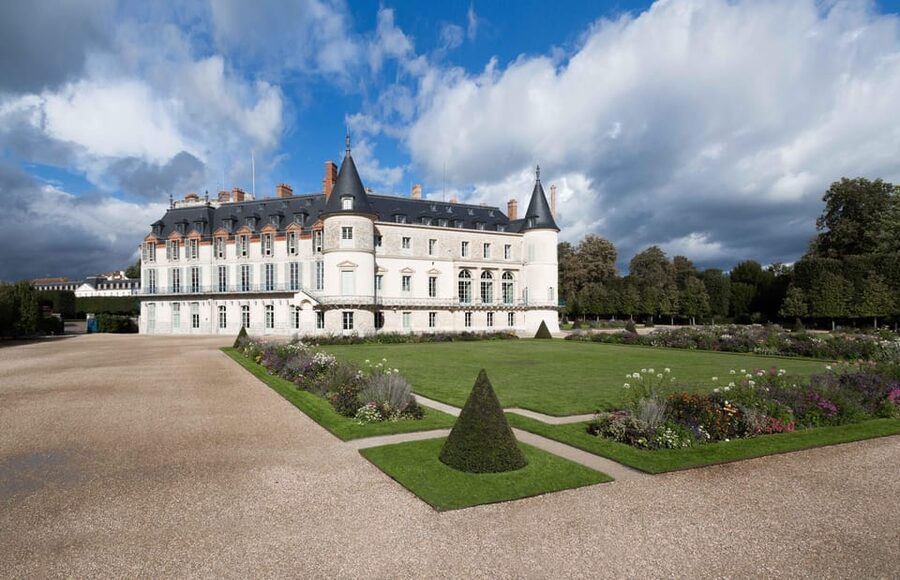
Plan to spend time outdoors. The park and gardens provide the space that the compact interior cannot. The calm surroundings are a major reason to visit Rambouillet, especially if you want a break from crowded city sights or a slower outing in the Île-de-France.
The outdoor setting also helps explain why the property appealed to presidents. A summer residence needs more than attractive rooms. It needs room to breathe, and Rambouillet offers that sense of separation while remaining connected to the town.
I would treat the grounds as part of the ticket, not as an afterthought. The castle may take around half an hour when every main area is not open, but the surrounding park can turn that short visit into a more satisfying half-day stop.
The available information does not provide a detailed walking route through the gardens, so I would avoid promising a particular garden feature or a fixed outdoor itinerary. Instead, plan with flexibility. Walk, pause, and use the setting to balance the historical information inside.
This is also where Rambouillet compares well with larger castles. A more famous palace may offer bigger rooms and grander decoration, but Rambouillet can feel calmer and less overwhelming. If you value atmosphere over spectacle, that difference may work in its favor.
Is $12 a fair price?
At $12 per person, the ticket is fairly priced for a historic residence with royal, imperial, and presidential connections. The value becomes stronger if you care about French political history or intend to spend time in the grounds.
The calculation changes if you only want a long indoor castle tour. With the second floor closed, one visitor completed the interior in about 30 minutes. At that length, the château alone may feel modest compared with larger French monuments.
The sensible approach is to judge the ticket as admission to both a historic residence and its setting. You are paying for access to the building, the self-guided interpretation, and the chance to place major events in a real location. You are not paying for a guided tour, a full-day program, or a large multi-building estate experience.
The free-entry rules can improve the value considerably. Visitors under 18 enter free. EU citizens under 26 can also enter free, but you must show photo identification with a picture at the ticket desk before going to the monument entrance.
Free admission is also available on the first Sunday of January, February, March, November, and December, as well as during European Heritage Days on the third weekend of September each year. These dates may make Rambouillet a smart choice for a budget-conscious visit, though you should expect that free days can affect demand.
Timing, closures, and practical planning
The château is closed every Tuesday, January 1, May 1, and December 25. Check the date before you arrange your day, especially if Rambouillet is part of a wider Île-de-France plan.
Large bags and luggage are not allowed. Travel light, and do not arrive expecting to leave a suitcase at the entrance. The provided information does not describe a luggage storage service, so it is best to make other arrangements.
There is no live guide included. That matters if you prefer a structured explanation or want to ask questions as you go. It is less of a problem if you enjoy reading at your own speed and building the story from the rooms and written material.
Because the ticket is non-refundable, choose your date carefully. You also need to check the available starting times when booking. The ticket is valid for one day, but the visit still depends on the monument’s admission hours and the areas open that day.
I would allow more time than the indoor route strictly requires. A short castle visit followed by the park makes sense. Rushing in, seeing the rooms, and leaving immediately would miss much of what makes Rambouillet appealing.
Who will enjoy Rambouillet most?
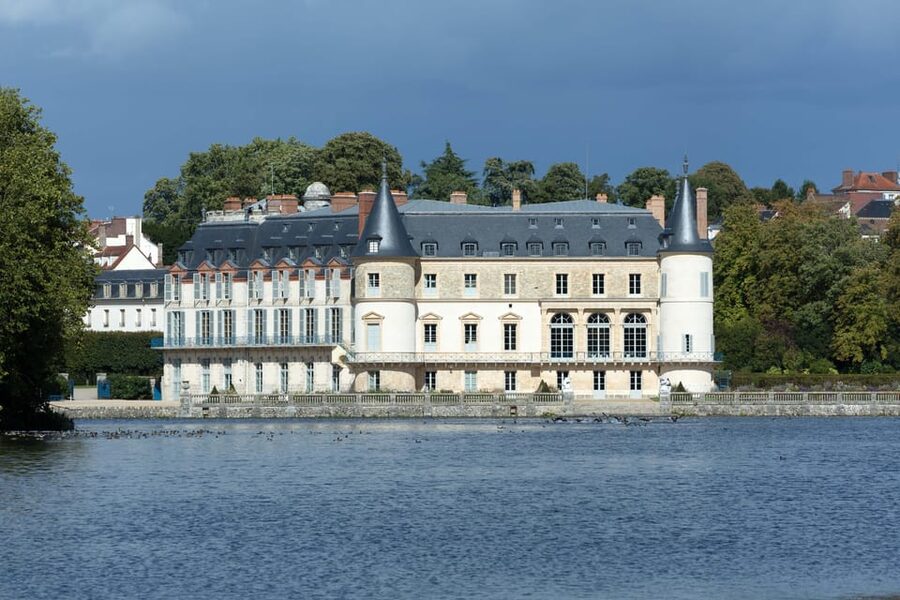
I recommend this visit to you if you like places with political history, presidential connections, and a quieter setting. It is a good fit for anyone who wants a manageable château visit rather than a huge palace that takes hours to cover.
Families may appreciate the compact indoor route, especially if younger children are unlikely to enjoy a long sequence of formal rooms. The park can also give you space to slow down after the indoor portion.
It suits repeat visitors to France who have already seen the biggest royal monuments and want a different angle on French history. Rambouillet is less about visual excess and more about how one residence adapted to changing governments and generations of leaders.
It may not satisfy you if your priority is grand architecture alone. The castle can feel small beside other regional monuments, and a closed upper floor can reduce the sense of a complete tour. If you have only one free afternoon and want the most spectacular château possible, compare it carefully with your other options.
For history-minded visitors, however, the modern political connections give Rambouillet a clear reason to exist on your itinerary. The visits by Kennedy, Eisenhower, Khrushchev, Gorbachev, the Japanese emperor, and Queen Elizabeth II are not side notes. They explain why this peaceful residence mattered on an international scale.
Should you book this ticket?
Book it if you want a calm, affordable visit built around French presidential history, royal connections, and outdoor space. The $12 price is sensible when you treat the park and the château as one outing, and the self-guided format lets you set your own pace.
Think twice if you expect a vast palace or a long indoor tour. The open rooms may take only about 30 minutes, and temporary closures can make the route shorter. Check the opening date, arrive before the final 30-minute entry window, and plan time outside.
Rambouillet is best approached as a compact historical residence with an unusually modern political past. That combination, rather than sheer size, is what makes the visit worthwhile.
FAQ
How much does admission to Château de Rambouillet cost?
The listed price is $12 per person.
Is a guide included with the ticket?
No. The ticket includes admission and a self-guided tour, but it does not include a live guide.
How long is the ticket valid?
The ticket is valid for one day. Check availability for the starting times offered on your chosen date.
Who can enter free?
Visitors under 18 can enter free. EU citizens under 26 can also enter free, but they must show photo identification with a picture at the ticket desk before going to the monument entrance.
When is Château de Rambouillet closed?
The château is closed every Tuesday, January 1, May 1, and December 25.
Can I bring luggage or a large bag?
No. Luggage and large bags are not allowed. Last access to the monument is 30 minutes before closing time.
Newly added in France
- The Blending Tour at Château de La Dauphine★ 5.0 · 5 reviews
- Discovery Tour of Château Haut Breton Larigaudière★ 5.0 · 2 reviews
- Luxury Tour of Château de La Dauphine★ 5.0 · 11 reviews
- Discovery visit of Château Rol Valentin with tasting★ 5.0 · 34 reviews
- Wine Gaming at Chateau Lamothe★ 5.0 · 3 reviews
- Wine Tour at Chateau Lanessan★ 4.5 · 13 reviews
- Picnic at the Château de la Selve!★ 5.0 · 26 reviews
- Private Tour in Fontainebleau Palace with Skip-The-Line Ticket★ 5.0 · 9 reviews
Chateau and Wine Estate Tours, compared.

Medoc or Saint Emilion Wine Tasting and Chateau from Bordeaux
Read our review →
Guided Tour of the Fairmont Le Chateau Frontenac in Quebec City
Read our review →
Versailles Château and Gardens Walking Tour from Paris by Train
Read our review →

Loire Valley: Château Royal d’Amboise Entrance Ticket
Read our review →
Fontainebleau & Vaux-le-Vicomte Châteaux Day Tour from Paris
Read our review →Browse the lists this tour appears in