
Review · PRIVATE PALACE TOURS
Palazzo Barberini: 2-Hour Private Tour
Palazzo Barberini is a fine place to watch Italian art change before your eyes. In two hours, you move from medieval religious works toward the drama of the Baroque, with Raphael’s La Fornarina, Caravaggio’s dark intensity, and Pietro da Cortona’s huge ceiling as major stops. The art is important, but the real value comes from seeing how politics, faith, and powerful families shaped it.
I like the private format, which gives you room to ask questions and follow the works that catch your eye. I also like the clear artistic arc, from the Middle Ages to Baroque Rome. The main drawback is time: two hours goes quickly in a collection with this many major names, and the tour is not suitable for wheelchair users or people with mobility impairments.
Key points to know
- Raphael’s La Fornarina gives the tour an intimate human focus amid grand religious and political art.
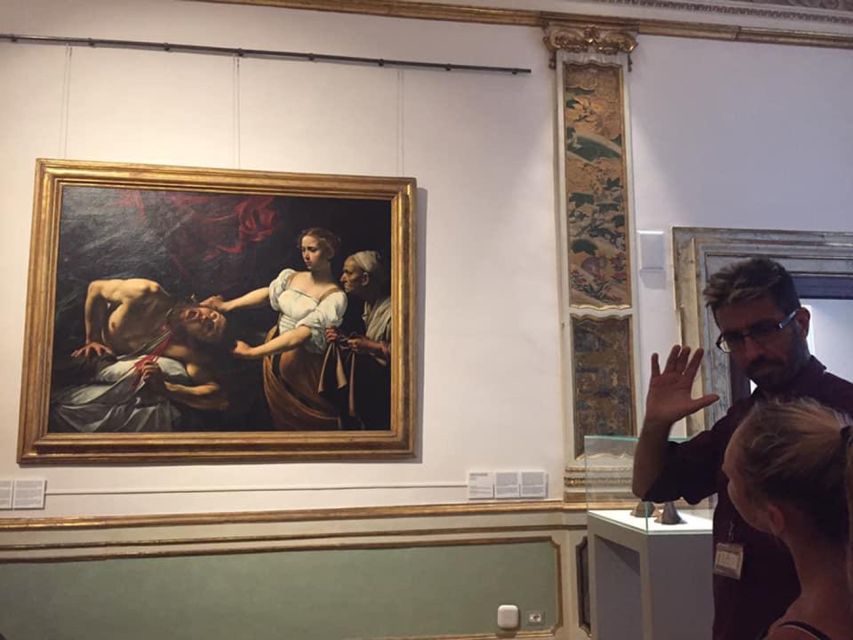
- Caravaggio’s story adds drama, including the painter’s reputation as the Cursed Painter.
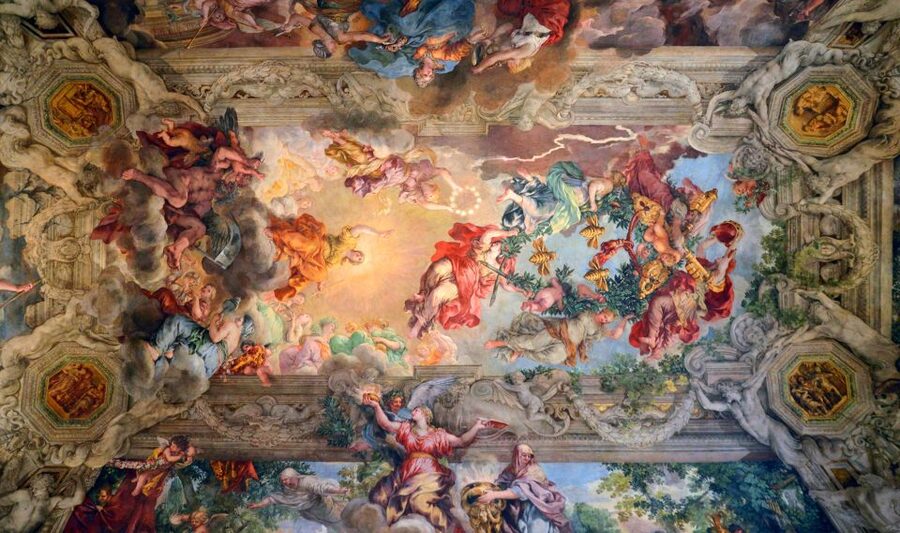
- Pietro da Cortona’s ceiling shows Baroque art at its most theatrical and expansive.
- A private guide lets you ask questions and set the pace within the two-hour visit.
- English and Italian tours are available, with entry tickets included.
- Piazza Navona may be part of the route, but the practical end point is listed as the original museum meeting point, so confirm the final walking arrangement with your guide.
Palazzo Barberini gives you a fast course in Italian art
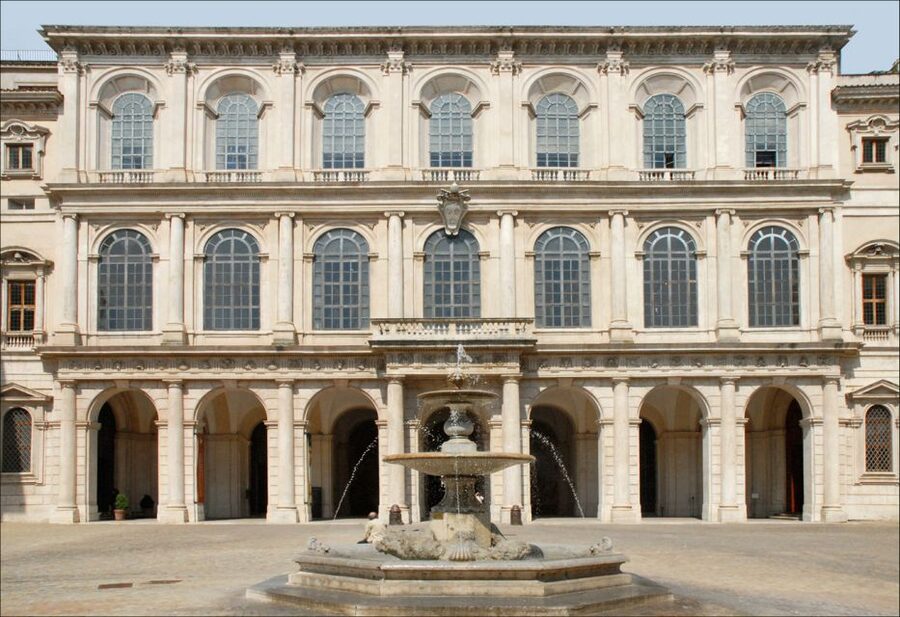
You begin at Palazzo Barberini in Rome’s Lazio region, meeting your guide in the museum courtyard, in front of the entrance. Arrive 15 minutes early. Your tickets are handed out at the start, so this is not the moment to hurry in from another sight across town.
The tour is built around a useful idea: art does not change in isolation. Religious shifts, political power, and changing tastes all helped move Italian painting from medieval forms toward the emotional force of the Baroque. A good private visit should make those links easier to see, rather than leaving you with a parade of famous names.
You receive an English- or Italian-speaking guide, and the group is private. That matters most when you want to pause over one picture, ask why a painter made a certain choice, or get a little more context about an artist whose name you recognize but whose work you do not know well.
The collection can reward careful looking, but two hours requires choices. You will not study every room at length. Instead, expect the guide to use major works by Raphael, Titian, Caravaggio, El Greco, Guido Reni, and others to explain the larger story.
More Private Palace Tours in Italy
- Private Tour – National Museum of Palazzo Massimo
★ 5.0 · 51 reviews - Private Tour – Palazzo Barberini
★ 5.0 · 23 reviews - Colosseum, Roman Forum and Emperors’ Palace Private Guided Tour
★ 5.0 · 14 reviews
Medieval beginnings and the move toward a new style
The opening part of the visit follows Italian art from the Middle Ages. Medieval religious pictures often place spiritual meaning ahead of natural movement or ordinary human detail. Figures can appear formal, arranged for devotion rather than for a realistic scene.
This early section gives you a useful measuring stick. As you move forward, notice how bodies become more natural, faces more individual, and scenes more active. The shift is not just technical. It reflects a growing interest in the visible world, human emotion, and the ability of art to persuade an audience.
Your guide connects these changes to religious and political developments. That context is one of the strongest reasons to choose a private tour instead of simply walking through the museum with a printed guide. You are not only learning who painted a work. You are learning why a certain visual language became useful at a particular time.
For you, the benefit is practical. If you have already seen churches and palaces around Rome, the paintings begin to make more sense as part of the same culture of power and belief. If this is your first serious art museum in Italy, the chronological structure helps you avoid feeling lost.
Raphael’s La Fornarina brings the art down to a human scale
Raphael’s La Fornarina is one of the tour’s key moments. Raphael is often associated with balance, grace, and ideal beauty, but this painting also invites a more personal response. It presents a woman with a direct, memorable presence rather than as a distant symbol.
Your guide can use the work to explain Raphael’s place in the development of Italian painting and to show how a celebrated artist handled portraiture and the human figure. The picture offers a welcome change of mood after more formal religious works.
I like this stop because it gives you something specific to look at. Pay attention to the sitter’s expression, pose, and the way the painting asks you to consider her as an individual. You do not need a long lecture to appreciate it, but the surrounding story can make the painting more vivid.
The work also helps balance the tour. Palazzo Barberini is not only about grand ceilings and dramatic religious scenes. La Fornarina gives you a quieter encounter with a person, and that contrast makes the larger artistic journey easier to follow.
Titian, El Greco, and Guido Reni widen the picture
The tour also includes works by Titian, El Greco, and Guido Reni. These artists show that Italian art history is not a straight line from one style to the next. Painters had different goals, different emotional effects, and different ways of handling color, bodies, space, and religious subjects.
Titian brings another major name from the Italian tradition into the visit. His work helps you think about color and presence, especially when compared with Raphael’s more controlled harmony. The guide can point out how individual artists answered similar subjects in different ways.
El Greco adds another visual voice. His work is useful in a tour like this because it shows how unusual proportions and heightened emotion can create a spiritual mood. You might find his pictures more immediately dramatic than the calmer works nearby.
Guido Reni helps fill out the story of the early Baroque and the taste for polished, persuasive religious painting. You will not have time for a full survey of each painter, but the collection gives you enough examples to see that Baroque art was not one single formula.
This section is where a private guide can help you avoid rushing past lesser-known works simply because you came for Raphael and Caravaggio. The famous names draw you in, but the comparisons make the visit worthwhile.
More Private Palace Tours in Rome
- Doria Pamphilj Palace Gallery and Museum Private Tour with Local Guide
★ 4.5 · 10 reviews - National Museum of Palazzo Massimo: 2-Hour Private Tour
★ 5.0 · 3 reviews
Caravaggio adds darkness, drama, and a difficult life
Caravaggio is presented as the Cursed Painter, a label that captures the drama surrounding his life and reputation. His paintings are equally forceful. Light cuts into darkness, figures feel close enough to touch, and religious scenes carry the weight of ordinary human bodies and faces.
Your guide brings attention to both the paintings and the man behind them. That is useful, but keep your focus on the work itself. Caravaggio’s personal story can easily take over, yet his importance comes from how powerfully he changed the way sacred scenes could be shown.
Look for the way light directs your eye. In Caravaggio, lighting is rarely just decoration. It controls the scene, picks out a face or hand, and creates a sharp emotional moment. The effect can feel almost theatrical, which connects naturally to the later Baroque style.
This is one of the stops most likely to stay with you after the tour. Caravaggio’s paintings do not require a long art education to make an impression. Still, the guide’s explanation helps you see that the drama has a purpose. It makes religious stories immediate, physical, and understandable to a broad audience.
Pietro da Cortona’s ceiling turns the building into theater
The ceiling by Pietro da Cortona is another major highlight. It is a grand example of the Baroque style, designed to pull your eyes upward and make the architecture feel larger than ordinary life.
Give yourself time to look up. A ceiling can be easy to miss when you are concentrating on paintings at eye level, but this work changes the character of the entire room. Baroque art often aims for movement, illusion, and emotional force, and the ceiling brings all three together.
Your guide explains how this kind of decoration served more than a simple wish to make a room attractive. A powerful ceiling could express wealth, political authority, religious conviction, and the ambition of the family connected to the palace.
The scale creates one practical issue: you may need to step back or keep repositioning yourself to take it in. Two hours is enough for a meaningful look, but not for standing beneath every section and discussing each figure. If grand architecture is your main interest, you may wish the visit were longer.
Even so, the ceiling gives the tour a strong visual peak. After studying individual paintings, you see how Baroque art could surround the viewer and turn a room into an event.
The possible walk toward Piazza Navona
The experience highlights an ending in Piazza Navona, one of Rome’s clearest symbols of the Baroque style. A stop there would give you an outdoor continuation of the ideas introduced inside the museum: grand gestures, theatrical space, and art shaped by powerful patrons.
Piazza Navona is also a useful place to finish an art-focused visit because you can connect paintings and architecture in the open air. The mood changes from close inspection of artworks to a broad Roman setting.
There is one detail you should clarify before booking. The meeting information says the activity ends back at the original museum meeting point, while the tour highlights describe ending in Piazza Navona. These details may reflect a walking portion or a planned route variation, but you should confirm with the provider so you know where the two hours finish.
Do not assume hotel pickup or drop-off. Neither is included. Plan your own way to the museum and allow extra time to arrive at the courtyard entrance.
Is $135.94 per person good value?
The listed price is $135.94 per person. That is a serious cost for two hours, but it includes entry tickets, a guide, and a private group rather than a large shared tour.
The value depends on how you use the visit. If you want a fast introduction to major Italian artists and prefer to ask questions as you go, private guiding can justify the higher price. You are paying for attention, structure, and help making connections between works.
If you are already comfortable reading art on your own, the price may feel harder to defend. The museum visit is short, and you will still need to manage your own transport. You may prefer to spend longer in the collection at your own pace, especially if Raphael or Caravaggio is a personal priority.
For a couple, family, or small private party with limited time in Rome, the arrangement is more appealing. You can focus on the works that matter most to you instead of following a fixed script designed for a large crowd.
The 4.9 rating from nine reviews points to a very strong overall response, though the number of ratings is small. I would treat that as encouraging rather than as a guarantee that every guide or every visit will feel identical.
Who should book this private museum tour?
I would recommend it to you if you want art history explained in plain language and prefer a personal guide. It suits first-time visitors who want a framework for Italian painting, as well as returning visitors who want to focus on the transition toward the Baroque.
It is also a good match for anyone drawn to Raphael, Caravaggio, or grand Roman interiors. The combination of La Fornarina, Caravaggio’s dramatic work, and Pietro da Cortona’s ceiling gives the two hours a clear shape.
You should think twice if you want a slow museum day. Two hours is a brisk introduction, not a complete study of Palazzo Barberini. You should also avoid booking if anyone in your party has a mobility impairment or uses a wheelchair, since the activity is not suitable for those needs.
Bring identification for children if required, and leave luggage or large bags behind. The tour runs rain or shine, though it is mainly built around the museum and its meeting arrangements.
Should you book Palazzo Barberini?
Book this tour if you want a focused, private introduction to Italian art with strong stops at Raphael, Caravaggio, and Pietro da Cortona. The guide’s role is especially valuable here because the visit connects style with the religious and political changes behind it.
Skip it if you want several hours of independent viewing or if the price is too high for a two-hour museum visit. Before booking, confirm whether your group will walk to Piazza Navona or return to Palazzo Barberini, then arrive 15 minutes early for the ticket handoff.
FAQ
How long is the Palazzo Barberini private tour?
The tour lasts two hours. Starting times vary, so you need to check availability when booking.
What does the price include?
The price includes entry tickets, a guide, and a private tour.
Is hotel pickup included?
No. Hotel pickup and drop-off are not included.
What languages are available?
The live guide is available in English or Italian.
Where do I meet the guide?
Meet the guide in front of the museum entrance, in the courtyard. The guide will hold a sign with the tour name, and you should arrive 15 minutes before the start.
Where does the tour end?
The activity information says it ends back at the meeting point. The highlights also describe ending in Piazza Navona, so confirm the final route and end point with the provider before the tour.
Can I cancel for a full refund?
Yes. You can cancel up to 24 hours in advance for a full refund.
Is the tour suitable for wheelchair users?
No. The tour is not suitable for wheelchair users or people with mobility impairments.
Can I bring a large bag or luggage?
No. Luggage and large bags are not allowed.
More Two-Hour Visits in Rome
- Bangkok: 2 Hours Grand Palace & Wat Pho Private Tour
★ 4.9 · 15 reviews
Newly added in Rome
- Rome: Opera Concert in Palazzo Doria Pamphilj★ 4.1 · 28 reviews
- Rome: Palazzo Venezia Reserved Entrance with Museum★ 4.2 · 52 reviews
- Rome: Palazzo Altemps Reserved Entrance Ticket★ 4.5 · 49 reviews
- Rome: Colonna Palace Guided Tour★ 4.9 · 70 reviews
- Rome: Barberini Palace Guided Tour★ 4.8 · 4 reviews
- Palazzo Barberini (Bernini Exhibition Is Not Included)★ 4.0 · 34 reviews
- Rome: Dinner and Opera Performance at Palazzo Pamphili★ 4.9 · 14 reviews
- Rome: New Year’s Concert at Palazzo Doria Pamphilj with Tour★ 4.0 · 3 reviews
Private Palace Tours, compared.
Alhambra Private/Small Group Tour & Nasrid Palaces Skip the Line
Read our review →
Mutianyu Great Wall&Summer Palace Excursion:Group/Private Options
Read our review →
Private Tour of Sintra, Cabo da Roca and Cascais with 2 Palaces
Read our review →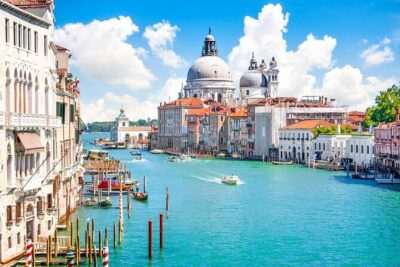
Private 4hrs Venice Tour: Doge’s Palace, Grand Canal & St Mark’s
Read our review →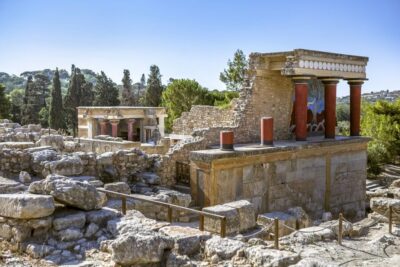
Knossos Palace Skip-the-Line Ticket & Private Guided Tour
Read our review →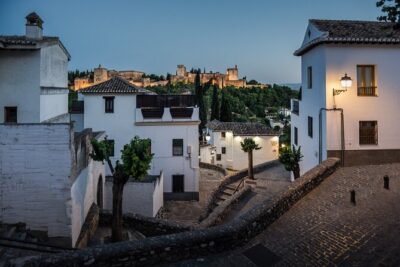

Private Tour Sintra from Lisbon Palaces of Pena and Regaleira
Read our review →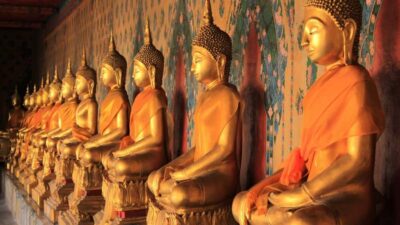
Browse the lists this tour appears in