
Review · ROME PALACE TOURS
Rome: Barberini Palace Guided Tour
Rome’s Barberini Palace is one of those places where the building matters almost as much as the paintings. The palace was shaped by the Barberini family, whose money, politics, and papal connections helped define 17th-century Rome. Inside, you get Raphael, Caravaggio, Bernini, Borromini, and Pietro da Cortona in a single visit.
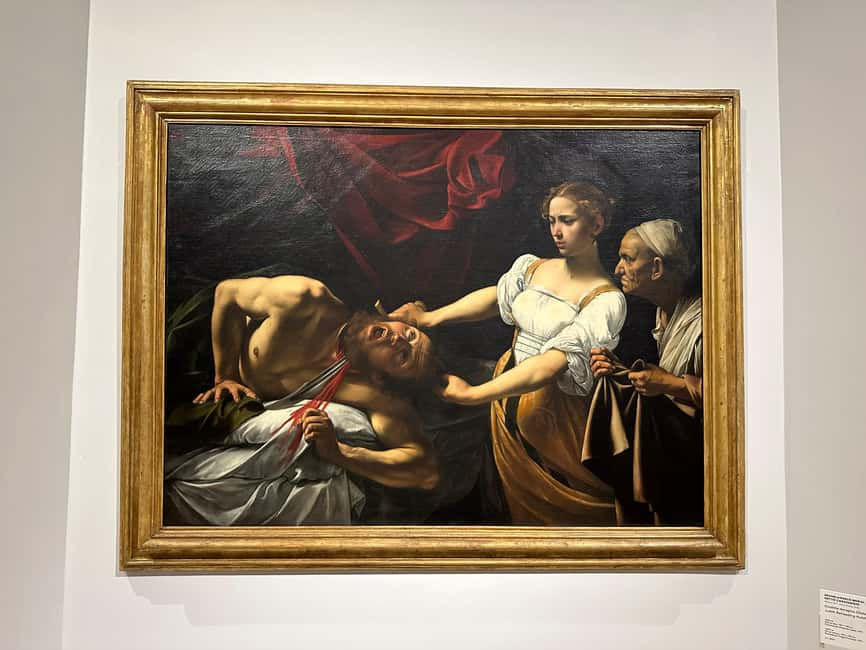
I like the way this tour connects art with power and religion, rather than treating each painting as an isolated pretty object. I also like the two-hour length and the skip-the-ticket-line entry, which leave you enough energy for another Roman sight afterward. The main drawback is that parts of the palace have changing access, and Caravaggio’s Judith Slaying Holofernes is scheduled to be away from September 4, 2025, through January 31, 2026.
Key points at a glance
- Raphael’s La Fornarina: See one of the Barberini collection’s best-known Renaissance paintings.
- Pietro da Cortona’s ceiling: Look up for the vast Divina Provvidenza fresco, a dazzling statement of Baroque power.
- Caravaggio’s dramatic Judith: This famous painting is not on display during its loan period from September 4, 2025, to January 31, 2026.
- Bernini and Borromini together: Compare two great Roman artists through the palace’s architecture and decoration.
- Small-group format: The maximum group size is 20, with tours offered in English, Italian, and Spanish.
- Meeting point matters: Find the staff by the fountain in the palace garden, marked by a blue Doooing Experience flag.
Why Barberini Palace deserves your time
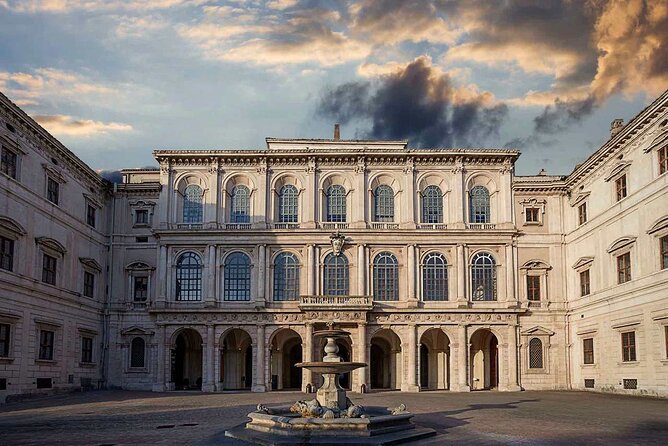
Rome has no shortage of famous museums. The Vatican Museums, Borghese Gallery, and Capitoline Museums often take the spotlight, but Barberini Palace offers a different kind of visit. It feels tied to the story of Rome itself, especially the period when art, papal authority, family ambition, and public image were closely linked.
The Barberini family rose to great influence in the 17th century. Maffeo Barberini became Pope Urban VIII, and his family used its new position to support major artistic projects. That support shaped the palace and helped attract artists whose work still defines the Roman Baroque.
I find that context useful because it changes how you see the rooms. These are not simply galleries filled with unrelated works. They were part of a family display of status, taste, faith, and political reach. A guide can point out how the building and its art worked together to make the Barberini name memorable.
The visit lasts about two hours. That is long enough to see the main highlights without turning the palace into an endurance test. You will need to pay attention, though. The collection includes major names, and a quick glance at every painting will not tell you much.
More Palaces to Tour in Rome:
- Rome: Opera Concert at Palazzo Poli – Fontana di Trevi
★ 4.7 · 1,026 reviews - Rome: Colonna Palace Entry Ticket
★ 4.8 · 609 reviews - The Great Opera Arias Concert at Palazzo Poli – Trevi Fountain
★ 5.0 · 533 reviews
Meeting the guide at the garden fountain
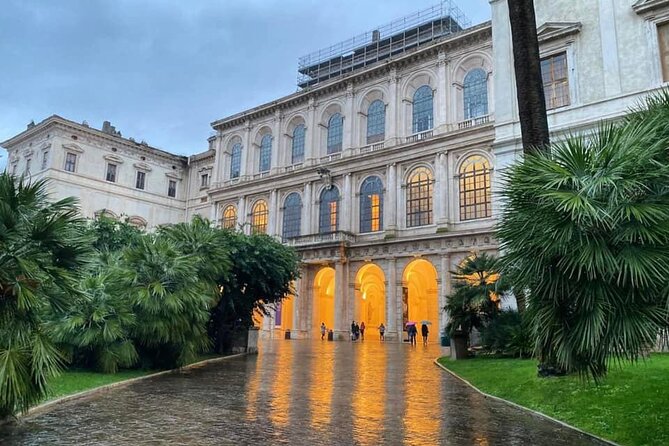
The meeting point is inside the garden of Palazzo Barberini, near the fountain at Via delle Quattro Fontane 13. Look for staff holding a blue flag marked Doooing Experience.
This detail is worth taking seriously. The palace address is clear, but large Roman buildings can still create a little confusion at the start of a timed tour. Give yourself enough time to reach the garden, locate the fountain, and find the staff before the group moves inside.
The skip-the-ticket-line feature is useful here. It does not make the palace private or empty, but it can remove one layer of waiting and uncertainty. For a two-hour visit, saving time at the entrance helps preserve the actual gallery time.
The group can contain up to 20 people. That is not a private tour, but it is small enough for a guide to keep a clear rhythm and answer some questions. Your experience will depend partly on the group’s pace and how much time the guide gives to each major work.
The Barberini family and a palace built for display
The opening part of the tour sets the family story in place. The Barberini were not just art collectors who happened to own a grand home. Their political and religious position helped create the setting you are visiting.
This is where a good guide earns the fee. The art becomes easier to read when you understand who commissioned it and why. The palace reflects a time when powerful families used architecture, painting, sculpture, and ceremony to make their authority visible.
The tour also considers the political and religious changes behind the art. That does not mean you need a background in Italian history. Instead, you get a practical explanation of why certain subjects, gestures, and grand effects mattered so much in Rome.
Guides including Zenda and Federica have been praised for connecting the art and architecture to their historical period. That is the right approach for this palace. The building can feel overwhelming if you only receive names and dates. It becomes far more readable when the guide explains the ideas behind the decoration.
Raphael’s La Fornarina
One of the great stops is Raphael’s La Fornarina. This portrait is an important Renaissance work, and its appeal comes from more than the sitter’s direct gaze.
Raphael’s paintings are often praised for their balance and polished beauty, but you should also look for the personal quality in this portrait. The subject feels close and self-possessed. Details such as the pose, expression, and handling of the figure help show why Raphael became such a powerful model for later artists.
A guide can give you a way into the painting without reducing it to a list of symbols. You may hear about Raphael’s place in Renaissance art and the traditions that shaped the portrait. That background helps you see the work as both a refined image and a product of its time.
La Fornarina is also a good reminder that the palace is not only a Baroque museum. The collection reaches across several periods, so the visit gives you a chance to compare Renaissance control with the drama that comes later.
Same city, another grand address:
- Colosseum Underground, Roman Forum & Cesar Palace Special Access
★ 4.5 · 421 reviews - Rome: Palazzo Barberini Galleria Corsini Ticket & Audioguide
★ 3.9 · 322 reviews - Rome: Vittoriano with Rooftop & Palazzo Venezia Hosted Entry
★ 4.2 · 306 reviews - Colosseum Special Access on Arena Floor, Roman Forum and Palaces
★ 4.5 · 260 reviews
Caravaggio’s Judith and the limits of a changing display
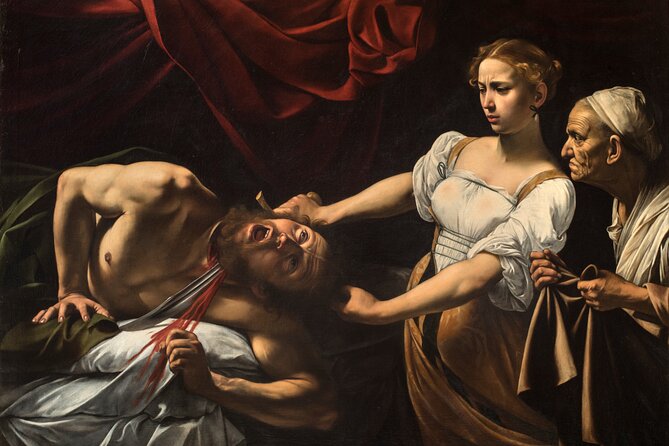
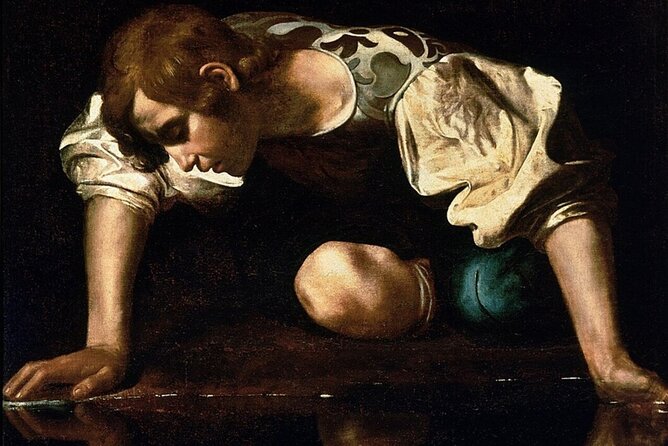
Caravaggio’s Judith Slaying Holofernes is one of the palace’s most dramatic attractions when it is on display. The scene captures Judith at the moment she kills Holofernes, using sharp light, strong contrast, and intense expressions to make the action feel immediate.
Caravaggio does not turn the story into a distant biblical lesson. He brings it close. You can expect the painting to reward a slow look at the faces, the hands, and the forceful movement across the canvas.
There is an important scheduling warning. The painting is on loan to the KAM Art Museum in Fort Worth, Texas, from September 4, 2025, until January 31, 2026. If you are visiting during that period, do not book this tour specifically to see Judith. The rest of the collection remains worthwhile, but this particular highlight will be absent.
The description also notes that the 18th-century rooms will be temporarily closed from August 26, 2025, and are scheduled to reopen on October 21. Since museum access can change, check the current display information close to your visit.
Pietro da Cortona’s ceiling takes the room overhead
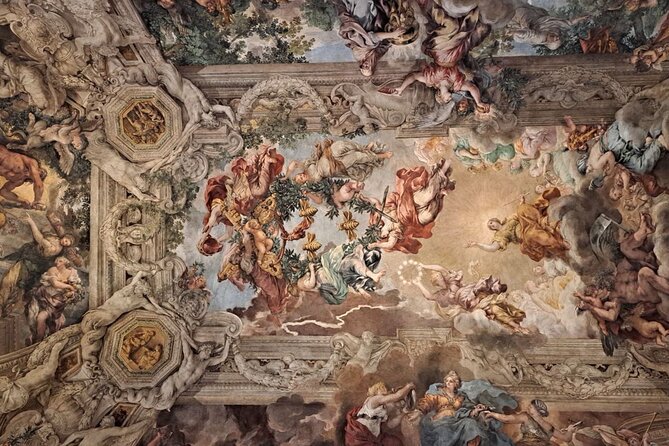
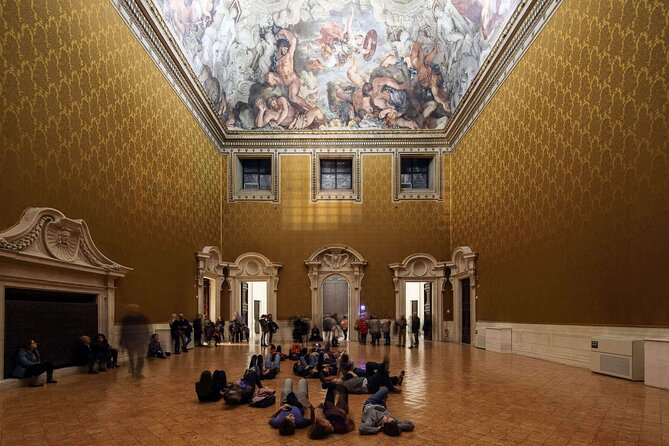
The palace’s most theatrical moment may come when you look up. Pietro da Cortona’s Divina Provvidenza ceiling fresco fills the space with movement, figures, illusion, and Baroque confidence.
This is not a painting you inspect from a few inches away. Its scale and placement are part of its meaning. The ceiling was designed to be seen from below, where painted architecture and figures seem to open the room toward the heavens.
The fresco expresses the Barberini family’s public image and the religious tone of the period. The bees associated with the Barberini appear as part of the family’s visual identity, and the entire composition presents power as something blessed, orderly, and grand.
I recommend giving this stop more time than you may expect. Look first at the whole design, then let the guide point out smaller details. Without help, it is easy to see only a swirl of color. With context, the ceiling becomes a carefully planned statement about faith, family, and authority.
Bernini and Borromini in the same setting
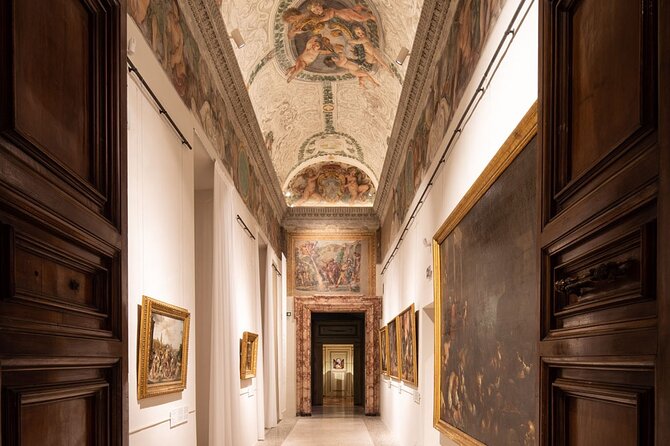
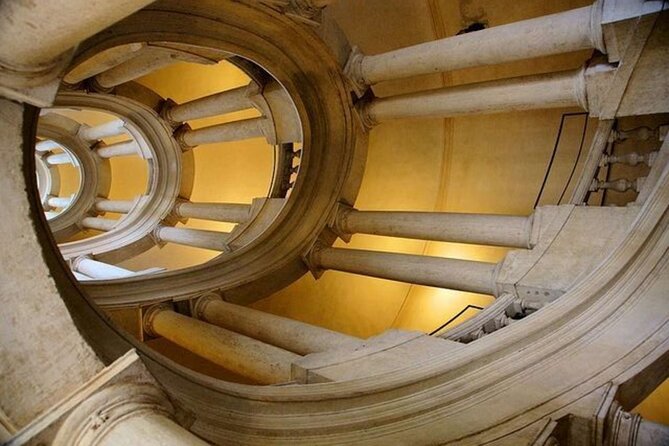
Barberini Palace is especially valuable for anyone interested in Roman architecture. Bernini and Borromini both shaped the building, and their contrasting approaches make the palace more than a container for paintings.
Bernini’s work often feels open, theatrical, and confident. Borromini is associated with a more restless and inventive use of space. Seeing their contributions in the same palace gives you a useful introduction to the creative rivalry and different styles that shaped 17th-century Rome.
You do not need to become an architecture specialist to appreciate the contrast. Pay attention to the movement of the rooms, the treatment of stairways and windows, and the way decoration directs your attention. The guide can show how structure and ornament work together.
This is one of the tour’s strongest features because many art visits keep architecture in the background. Here, the palace itself is part of the subject. You are not simply walking from painting to painting.
Holbein, Tintoretto, and the wider collection
The collection includes works by Holbein, Tintoretto, and other important artists. These works broaden the visit beyond the central Barberini story and give you a chance to see different schools and periods in one place.
Holbein brings a Northern European precision and attention to character. Tintoretto represents the energy and movement associated with Venetian painting. These comparisons help you understand that the collection is not limited to artists working in Rome.
Your guide will likely select the works that best fit the group and the time available. That is useful in a museum with more art than you can properly study in two hours. You will not see every detail, but you should come away with a clear sense of the collection’s range.
An exceptional exhibition of Conversion on the Way to Damascus, also called Conversione di Saulo, is scheduled in the palace until September 30, 2025. It belongs to a private collection, so its presence is a special temporary opportunity for visitors during that period.
What the two-hour format means for you
Two hours is a practical length for Barberini Palace. You get enough time for the major works, the family background, and the building without using up an entire morning or afternoon.
The value of a guided tour here comes from selection and explanation. If you visit alone, you can look at the paintings at your own pace, but you may miss the connection between the Barberini family, the palace design, and the grand Baroque program.
The guide also helps with visual overload. Raphael, Caravaggio, Bernini, Borromini, and Pietro da Cortona are not names you can absorb in a few minutes. A strong guide gives each artist a clear place in the story.
The languages are English, Italian, and Spanish. Choose the language in which you can comfortably follow art and history for two hours. The tour is not suitable for wheelchair users or people with mobility impairments, so this is an important limitation to consider before booking.
Large bags and luggage are not allowed. Pack light and avoid arriving with a suitcase. This is a museum visit, not a convenient stop between train connections.
How much value does the tour offer?
No price is provided here, so I cannot judge the exact cost against the ticket alone. The value depends on how much you want from the visit.
If your goal is simply to enter the palace and see the collection, a ticket with an audio guide may be enough. If you want the Barberini family story, the political setting, and a clear explanation of Bernini, Borromini, Caravaggio, and Cortona, a live guide makes more sense.
The skip-the-line entry adds practical value, especially if you are working around a tight Rome schedule. The maximum group size of 20 keeps the tour from becoming a very large crowd, though it is not the same as a private visit.
Free cancellation is available up to two days in advance for a full refund. That gives you some flexibility when planning around Rome’s changeable schedule, but you should still check the exact booking terms and display status before committing.
Who should book this Barberini Palace tour?
I would choose this experience if you enjoy art but want help understanding what you are seeing. It suits first-time visitors who want a clear introduction to Roman Baroque art, as well as returning visitors looking for a palace that is less predictable than the city’s biggest museums.
It is also a good choice for anyone interested in the link between art and authority. The Barberini family story gives the paintings and architecture a common thread.
You may prefer a self-guided ticket if you want to linger for a long time in front of one painting, move at your own speed, or avoid a group. The two-hour guided format has a set pace, and the museum contains more work than any short visit can cover.
Check the dates carefully if Caravaggio’s Judith is a priority. Also check the room closures if you are visiting between late August and October 21, 2025. These changes do not cancel the value of the palace, but they can affect what you expect to see.
Should you book it?
Book this tour if you want the palace to make sense as a whole: family ambition, Renaissance portraiture, Baroque spectacle, and architectural competition in one visit. The strongest reasons are the guide’s historical framing, the ceiling by Pietro da Cortona, and the chance to compare Bernini and Borromini inside their own setting.
Skip it if you mainly want an unhurried, self-directed gallery visit or if mobility restrictions make the palace unsuitable. Before booking, confirm which rooms and paintings will be open on your date, especially during the 2025 closures and Caravaggio’s loan period.
FAQ
How long does the Barberini Palace guided tour last?
The tour lasts two hours.
Where is the meeting point?
Meet inside the garden of Palazzo Barberini near the fountain at Via delle Quattro Fontane 13, Rome. Staff will hold a blue flag marked Doooing Experience.
What languages are available?
The tour is offered in English, Italian, and Spanish.
What is the maximum group size?
The maximum group size is 20 people.
Is skip-the-line entry included?
Yes, the activity includes skip-the-ticket-line entry.
Is Caravaggio’s Judith Slaying Holofernes always on display?
No. It is scheduled to be away on loan from September 4, 2025, through January 31, 2026.
Are the 18th-century rooms open throughout the year?
No. The 18th-century rooms are scheduled to close from August 26, 2025, and reopen on October 21, 2025.
Can I bring luggage or a large bag?
No. Luggage and large bags are not allowed.
Is the tour suitable for wheelchair users?
No. The activity is not suitable for wheelchair users or people with mobility impairments.
What is the cancellation policy?
You can cancel up to two days in advance for a full refund.
Newly added in Rome
- Rome: Opera Concert in Palazzo Doria Pamphilj★ 4.1 · 28 reviews
- Rome: Palazzo Venezia Reserved Entrance with Museum★ 4.2 · 52 reviews
- Rome: Palazzo Altemps Reserved Entrance Ticket★ 4.5 · 49 reviews
- Rome: Colonna Palace Guided Tour★ 4.9 · 70 reviews
- Palazzo Barberini: 2-Hour Private Tour★ 4.9 · 9 reviews
- Palazzo Barberini (Bernini Exhibition Is Not Included)★ 4.0 · 34 reviews
- Rome: Dinner and Opera Performance at Palazzo Pamphili★ 4.9 · 14 reviews
- Rome: New Year’s Concert at Palazzo Doria Pamphilj with Tour★ 4.0 · 3 reviews
Rome Palace Tours, compared.
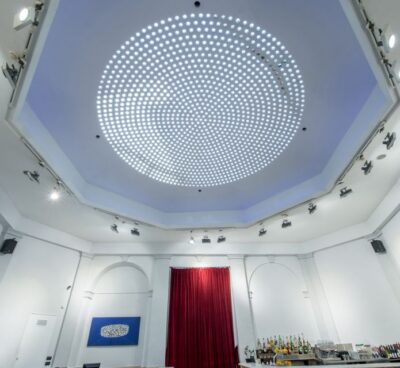
Opera Concert at Palazzo Poli – Fontana di Trevi
Read our review →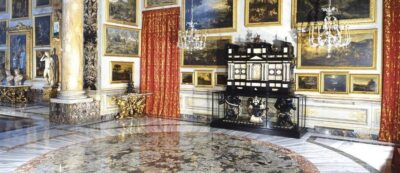

The Great Opera Arias Concert at Palazzo Poli – Trevi Fountain
Read our review →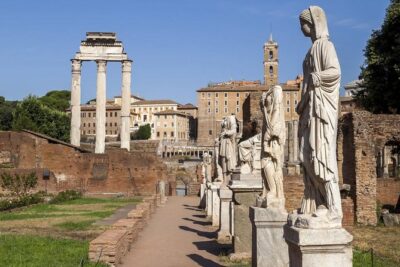
Colosseum Underground, Roman Forum & Cesar Palace Special Access
Read our review →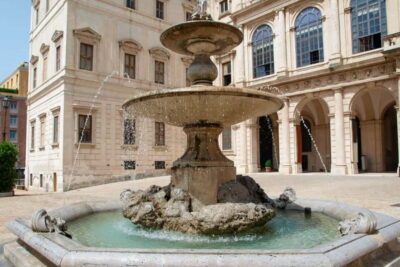
Palazzo Barberini Galleria Corsini Ticket & Audioguide
Read our review →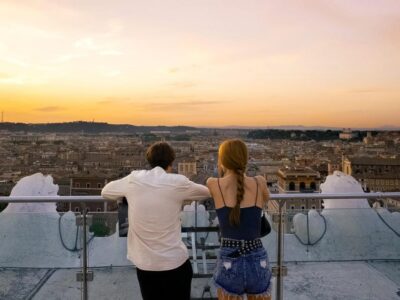
Vittoriano with Rooftop & Palazzo Venezia Hosted Entry
Read our review →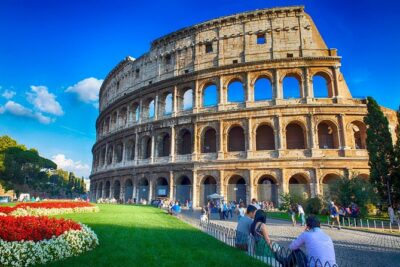
Colosseum Special Access on Arena Floor, Roman Forum and Palaces
Read our review →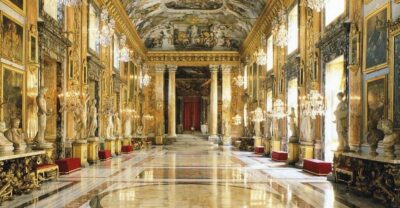
Browse the lists this tour appears in