
Review · PALACE ENTRY TICKETS
Rome: Colonna Palace Entry Ticket
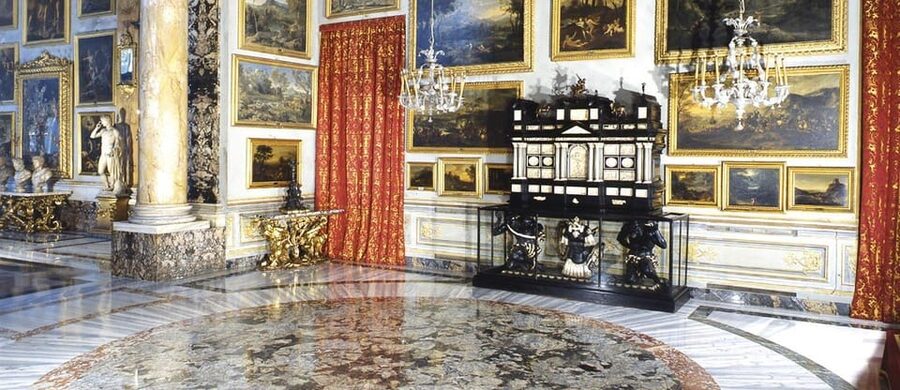
Palazzo Colonna gives you a rare look at a Roman residence that still feels like a family palace rather than a standard museum. Inside, you’ll find the dazzling Galleria Colonna, painted ceilings, mirrors, tapestries, sculpture, and rooms filled with works by Bronzino, Tintoretto, Guido Reni, and other major artists. Outside, the gardens offer a welcome pause and views toward St. Peter’s dome and the Vittorio Emanuele II Monument.
I especially like the contrast between the formal gallery and the open gardens, and I like that the ticket lets you explore without being tied to a tour group. The main drawback is that the Princess Isabelle apartment costs extra, and the basic ticket does not include a guide, so you’ll need to bring your own curiosity and patience for reading the available information.
Key points to know before you go
- A 14th-century private palace: Colonna Palace is one of Rome’s oldest and largest privately owned residences.
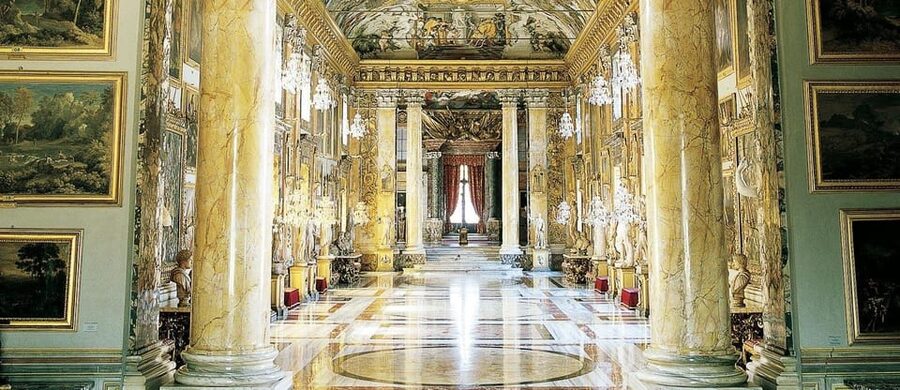
- A superb Baroque gallery: Galleria Colonna is the visit’s main event, with grand decoration, sculpture, mirrors, paintings, and furnishings.
- Major artists on the walls: Look for works connected with Bronzino, Guercino, Salvator Rosa, Jacopo Tintoretto, Francesco Salviati, Guido Reni, and Giovanni Lanfranco.
- Gardens with city views: The grounds below Quirinal Hill give you a quieter setting and long views across central Rome.
- An optional apartment visit: Upgrade to include the rooms once used by Princess Isabelle, including a memorable secret passage.
- Plan your arrival carefully: Some ticket holders found entry easy, while one reported confusion around the meeting point. Check the instructions before setting out.
Why Colonna Palace feels different from Rome’s big museums
Rome has no shortage of famous museums, but many are public institutions with queues, security lines, and a clear museum rhythm. Colonna Palace feels more personal. You move through rooms built for a powerful Roman family, with art arranged as part of the residence rather than displayed in neutral white galleries.
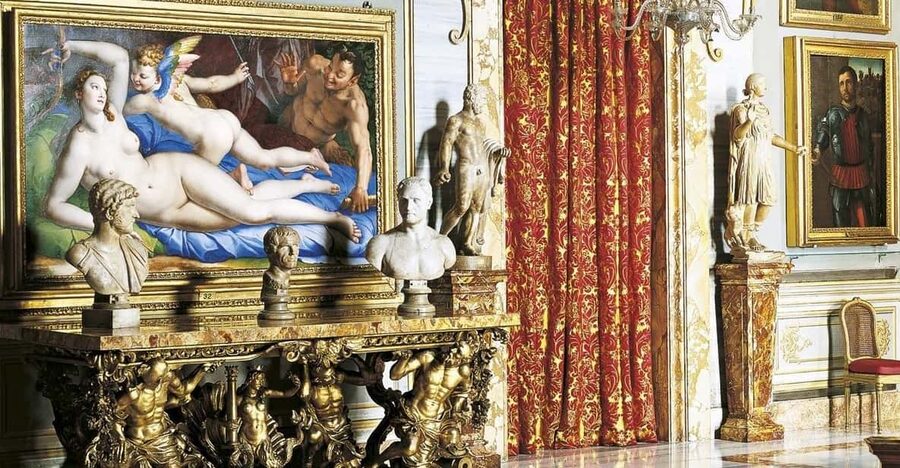
That distinction matters. The paintings are important, but so are the ceilings, mirrors, marble, furniture, and wall hangings around them. You are not simply looking at individual objects. You are seeing how a noble family presented wealth, taste, and status inside its own home.
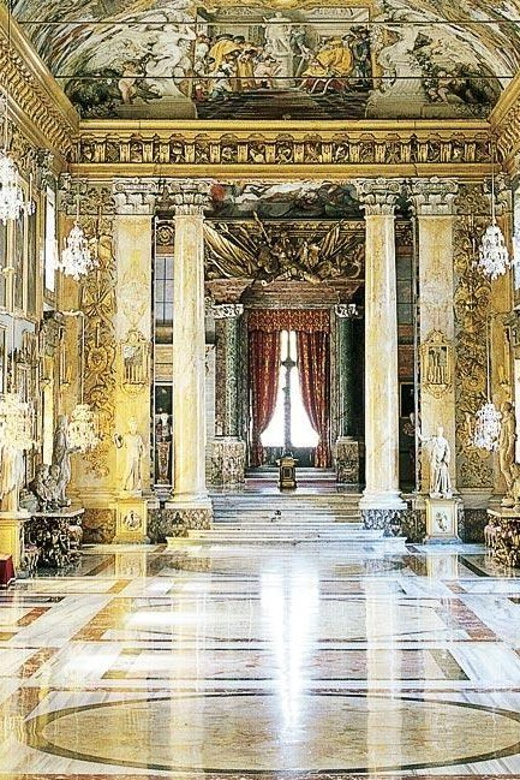
The palace dates back to the 14th century and was expanded over time. The gallery you visit was commissioned in the mid-1600s by Cardinal Girolamo I Colonna and his nephew Lorenzo Onofrio Colonna. Its Roman Baroque style is grand without being timid. The long spaces, ornate surfaces, and carefully arranged artworks are designed to impress from the moment you enter.
I would not treat this as a quick stop between the Trevi Fountain and the Pantheon. Give it time. The pleasure comes from looking up, stepping back, and noticing how the rooms work as a whole.
More Palace Entry Tickets in Italy
- Venice: Doge’s Palace Reserved Entry Ticket
★ 4.6 · 42,716 reviews - Florence: Palazzo Vecchio Entrance Ticket & Audioguide
★ 4.4 · 4,822 reviews - Florence: Entrance Ticket to Pitti Palace
★ 4.5 · 4,528 reviews
Entering Galleria Colonna and looking up
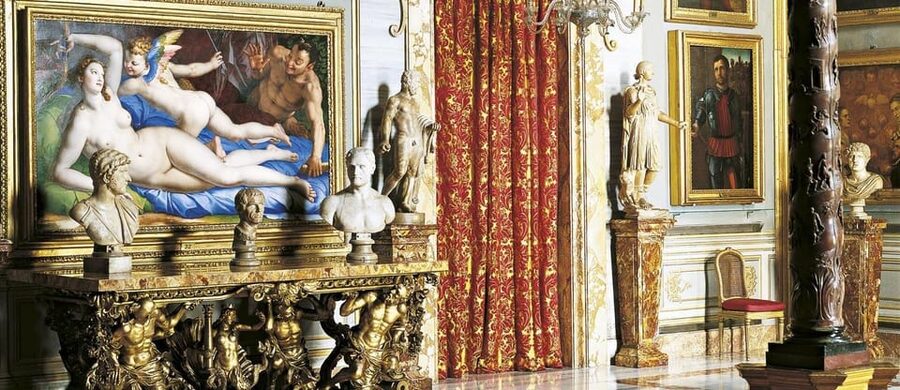
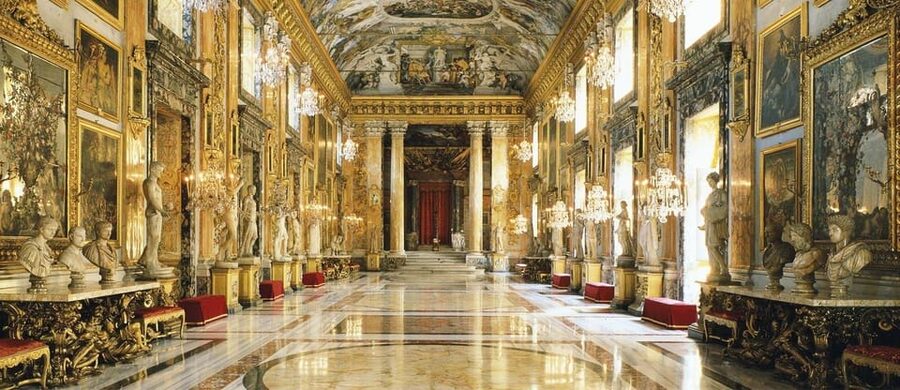
The Galleria Colonna is the central reason to buy this ticket. It is an authentic Baroque showpiece, with an abundance of painted surfaces, polished materials, mirrors, and sculpture. You’ll want to look in every direction, not just straight at the paintings.
The ceiling decoration is one of the first details to catch your eye. It sets the tone for the rooms below, where art and architecture are treated as one composition. The mirrors add sparkle and extend the sense of space, while tapestries and furnishings make the rooms feel lived in, even when they are arranged for public access.
The collection includes works associated with Bronzino, Guercino, Salvator Rosa, Jacopo Tintoretto, Francesco Salviati, Guido Reni, and Giovanni Lanfranco. You do not need to be an art specialist to enjoy the visit. If you know a little about Italian painting, you’ll have plenty to study. If not, focus on the variety of styles, the expressions, the movement, and the way each work fits its setting.
I recommend resisting the urge to rush through the gallery. Choose a few paintings and spend extra time with them. Then look at the room again. A portrait that might seem formal on its own can feel very different when surrounded by mirrors, gilded decoration, marble, and furniture made to impress a visiting court or political ally.
Because this is not a guided tour, your experience depends partly on your own preparation. The ticket gives you access, not a personal explanation of the collection. That is a drawback for anyone who wants a clear story at every stop, but it is a benefit if you prefer to move slowly and linger where your interest leads.
The art collection: famous names in a family setting
The appeal here is not based on one single masterpiece. It is the combination of celebrated artists and a residence that explains how art was used in Roman society.
Bronzino and Francesco Salviati bring the polished style associated with the 16th century. Guido Reni and Guercino represent the dramatic and expressive side of Italian Baroque painting. Tintoretto adds the energy of Venetian painting, while Salvator Rosa is known for a more forceful, atmospheric approach. Giovanni Lanfranco is another important name connected with the grand theatrical style of the period.
You will also see sculpture, frescoes, tapestries, and precious furnishings. This broad mix makes Colonna Palace useful for visitors who want more than a standard painting gallery. One room may draw your attention to a canvas, while the next leads you to a marble figure, a decorated ceiling, or a piece of furniture.
The palace also helps explain why private collections matter in Rome. Powerful families did not simply buy art and store it. They built rooms around it, used it to shape their public image, and passed it through generations. At Colonna, you can see that process in physical form.
If your Rome itinerary already includes the Vatican Museums, the Borghese Gallery, and the Capitoline Museums, Colonna Palace adds a different kind of experience. It is less about a single museum route and more about entering an aristocratic home where art, architecture, and family identity remain closely connected.
The gardens below Quirinal Hill
After the indoor rooms, the gardens provide a change of pace. They are set at the base of Quirinal Hill and feel far removed from Rome’s traffic and crowds, even though the palace is in the center of the city.
The grounds include elegant sculptures and open views across parts of Rome. From the higher points, you may see the Vittorio Emanuele II Monument and the dome of St. Peter’s Basilica. These views are a strong reason to allow time for the outdoor portion instead of treating the gardens as a short exit route.
I like the gardens because they let the palace breathe. Inside, the decoration is dense and deliberately grand. Outside, you can step back, take in the city, and let your eyes rest. The contrast makes both parts of the visit better.
The gardens are also a useful break on a packed sightseeing day. Rome can be tiring, especially when you are moving from one crowded ancient site to another. Here, you can slow down and enjoy the setting without giving up the sense that you are still seeing something historically important.
Do not expect a landscaped public park with cafés or a long list of activities. The gardens are part of the palace visit, and their value comes from the sculptures, the quiet, and the views. Bring your camera, but also spend a few minutes simply looking across the rooftops.
Same city, another grand address:
- Doge’s Palace & St. Mark’s Basilica with Terrace Access Tour
★ 4.7 · 10,697 reviews - Venice: Doge’s Palace and St Mark’s Basilica Walking Tour
★ 4.4 · 6,291 reviews - Legendary Venice: Doge’s Palace, St Mark’s & VIP Terrace Access
★ 4.5 · 5,033 reviews - Venice: Doge’s Palace and St. Mark’s Basilica Tour
★ 4.5 · 3,734 reviews
Should you add Princess Isabelle’s apartment?
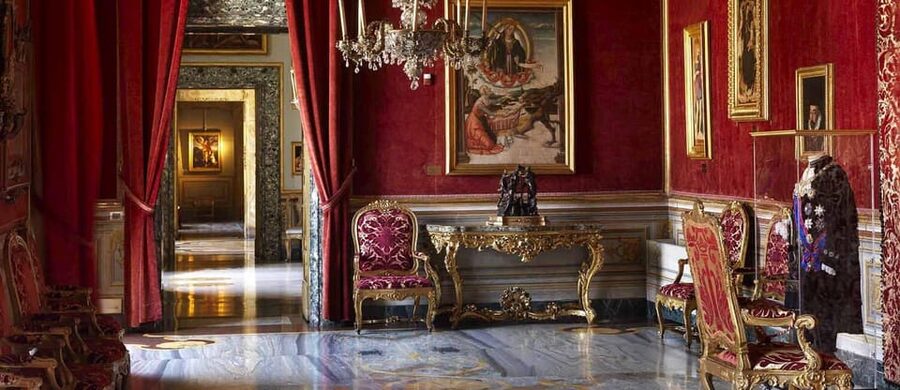
The apartment once used by Princess Isabelle is an optional extra, and I think it is worth serious consideration. Several visitors who chose the basic visit later regretted not adding it, while those who saw the rooms described them as a major part of the experience.
The apartment offers a more intimate side of the palace. The gallery is formal and public-facing. These rooms help you picture how a member of the family lived within the larger residence. You’ll see bedrooms and domestic spaces rather than only grand halls intended to impress.
A particularly unusual feature is a secret passage. You may need to ask about it, since it is easy to miss if you simply follow the main route. It is a small detail, but it adds personality to the visit and gives you a glimpse of how large historic residences were organized behind the scenes.
The apartment visit also takes you into a different emotional register. The gallery presents power and ceremony. The private rooms suggest routine, family life, and the practical side of living in a vast palace.
The extra cost is the main question. If you are watching every euro, the gallery and gardens provide a satisfying visit on their own. If you enjoy historic interiors, royal or aristocratic residences, and unusual architectural details, I would choose the upgraded ticket. It gives you a fuller sense of the building and reduces the chance of leaving with the feeling that you missed the best part.
Price, timing, and how to make the ticket worthwhile
The listed price is about $23 per person for a one-day ticket. That is not a bargain-basement Rome attraction, but it compares reasonably with other major art and palace visits, especially when you consider that the ticket includes both the gallery and gardens.
The value is strongest for people who enjoy interiors and can take their time. You are paying for an entire setting, not just a collection of paintings. The architecture, furnishings, sculptures, garden, and city views all contribute to the visit.
The apartment upgrade changes the calculation. If you want only a short art stop, select the gallery and gardens. If Colonna Palace is one of the few historic residences you plan to visit in Rome, pay for the added rooms. The upgrade can turn a good visit into a much more complete one.
Your ticket is valid for one day, with starting times shown during availability checks. The visit is not presented as a guided tour, and no guide is included. That means you should arrive ready to explore independently. If you prefer a structured explanation of the family, collection, and architecture, this format may feel limited.
Arrive on time or a little early. One ticket holder found the entrance easy to locate, while another reported that the stated meeting point seemed to direct them toward the exit at Piazza Apostoli rather than the actual entrance. Read your confirmation carefully and use the palace entrance information rather than relying only on a general map pin.
The palace can become much busier after opening, even though it is often calmer than Rome’s biggest attractions. A morning time can help you see the rooms with less interruption. One visitor was able to secure an early time two days ahead, but availability can change, so check before building your day around it.
Who will enjoy this visit most?
I recommend Colonna Palace to you if you enjoy art, historic homes, decorative interiors, or quieter cultural stops. It suits couples, solo visitors, and families with older children who can appreciate a slower indoor visit.
It is especially good for a repeat visit to Rome. Once you have seen the Colosseum, Roman Forum, Pantheon, and Vatican, a private palace can give you a fresh view of the city. You are still surrounded by major art and architecture, but the setting feels less predictable.
The visit also suits photographers, though the palace’s beauty is better appreciated in person than through quick snapshots. The ceiling decoration, reflections in the mirrors, garden sculptures, and city views offer plenty to notice.
I would be cautious if you want a guided lesson or if you have only a few minutes between major bookings. The palace rewards attention, and the lack of a guide means you must create your own structure. Also, the full route may require physical effort, as one account specifically warned. If movement is difficult for you, contact the venue before booking rather than assuming the entire route will be comfortable.
My verdict on Colonna Palace
You should book Colonna Palace if you want to see a grand Roman residence in a calmer, more personal setting than the city’s largest museums. The gallery is the main attraction, but the gardens and the optional Princess Isabelle apartment give the visit its range.
Choose the basic ticket if you mainly want the Baroque gallery, paintings, and outdoor views. Choose the upgraded ticket if bedrooms, private rooms, and the secret passage sound appealing. I would lean toward the upgrade for a first visit, especially if you have already paid for several large Rome attractions and want one experience that feels more distinctive.
This is not the right choice for someone seeking a guided tour with a detailed spoken explanation. It is a strong choice for someone who likes to look closely, move at a relaxed pace, and discover a side of Rome that many busy itineraries skip.
FAQ
Where is Colonna Palace located?
Colonna Palace is in Rome, in the Lazio region of Italy, with its gardens at the base of Quirinal Hill.
What does the basic ticket include?
The basic ticket includes entry to the Colonna Gallery and Gardens.
Can I visit Princess Isabelle’s apartment?
Yes. Access to the apartment is available by choosing the ticket option that includes the Gallery, Gardens, and Apartments.
Is a guided tour included?
No. A guided tour is not included with this activity.
How long is the ticket valid?
The ticket is valid for one day.
What artists can I see at Colonna Palace?
The collection includes works by artists such as Bronzino, Guercino, Salvator Rosa, Jacopo Tintoretto, Francesco Salviati, Guido Reni, and Giovanni Lanfranco.
What else is displayed inside the palace?
Along with paintings, you can see sculptures, frescoes, mirrors, tapestries, and fine furnishings.
Are there views from the gardens?
Yes. The gardens provide views over parts of Rome, including the Vittorio Emanuele II Monument and the dome of St. Peter’s Basilica.
Is the activity refundable?
No. The activity has a non-refundable cancellation policy.
How much does the experience cost?
The listed price is $23 per person. The apartment visit requires selecting the upgraded ticket option.
Newly added in Italy
- Anagni: Entrance ticket to the Boniface VIII Palace★ 3.4 · 3 reviews
- Venice: Doge Palace, San Marco Basilica & Rialto Bridge★ 4.7 · 75 reviews
- Turin: Palazzo Madama Museum of Ancient Art Entrance Ticket★ 4.6 · 149 reviews
- Venice Doge’s Palace & St. Mark’s Semi-Private Tour, Max 6 People★ 5.0 · 192 reviews
- Colosseum, Roman Forum and Emperors’ Palace Private Guided Tour★ 5.0 · 14 reviews
- Doria Pamphilj Palace Gallery and Museum Private Tour with Local Guide★ 4.5 · 10 reviews
- Private Tour – National Museum of Palazzo Massimo★ 5.0 · 51 reviews
- Private Tour – Palazzo Barberini★ 5.0 · 23 reviews
Palace Entry Tickets, compared.



Buckingham Palace: The State Rooms Entrance Ticket
Read our review →
Prague Castle and Lobkowicz Palace Entry Tickets
Read our review →Browse the lists this tour appears in