
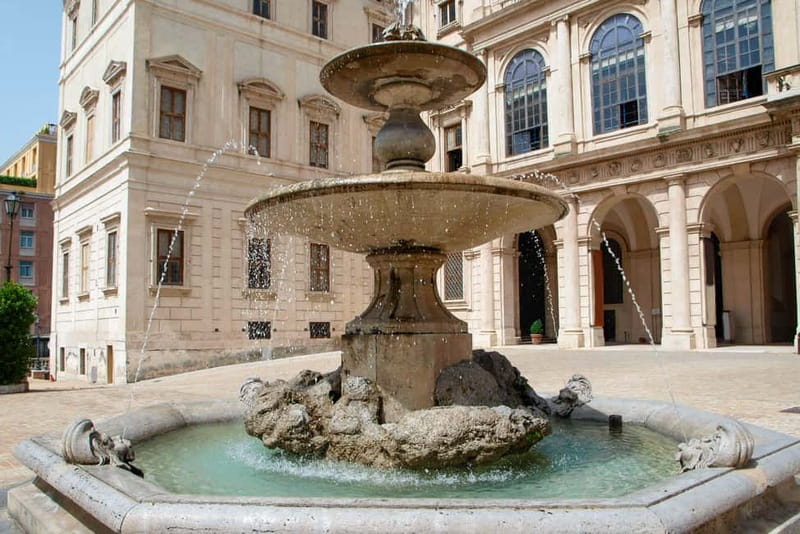
Review · ROME PALACE TOURS
Rome: Palazzo Barberini Galleria Corsini Ticket & Audioguide
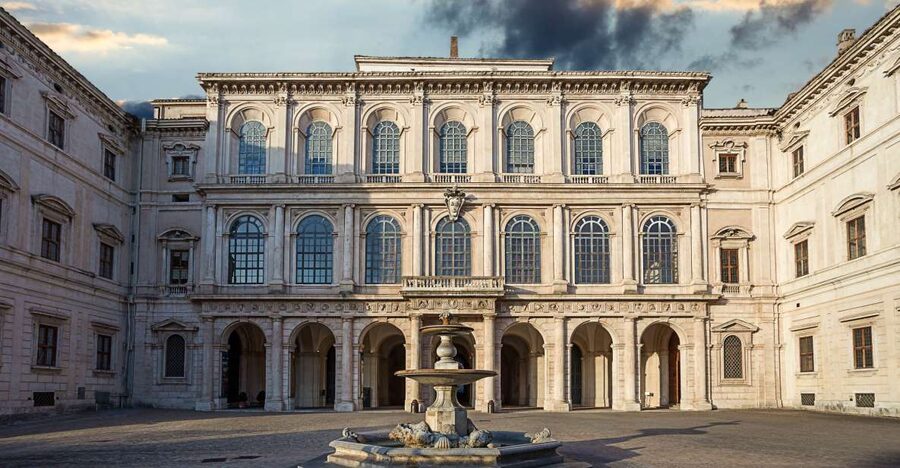
Rome’s best art experience here is not a single masterpiece, but the pairing of Palazzo Barberini and Galleria Corsini. One gives you a grand palace built for Pope Urban VIII’s Barberini family, the other a late-Baroque residence created for the Corsini family. Together, they offer famous paintings, lavish interiors, and a useful look at how Rome’s powerful families lived with art.
I like the chance to see Caravaggio and Bernini without booking a guided group, and I like the freedom to move at your own pace with the app audioguide. The main drawback is that this is a self-guided visit, so you will need to use your phone and make your own way through the displays. One gallery may also have rooms closed for a conference or other event.
Key points to know
- Two historic palaces in one ticket: Visit Palazzo Barberini and the late-Baroque Palazzo Corsini.
- Strong old-master collection: Look for works by Caravaggio, Bernini, Raphael, Titian, Rubens, van Dyck, and El Greco.
- A good $19 value: You get entry to both galleries plus a digital app audioguide.
- Flexible museum time: The ticket is valid for one visit within 20 days after purchase, with the selected visit date and availability still important.
- Independent touring: There is no live guide, so you can set your own pace and spend longer with the paintings that catch your eye.
- Practical caution: Exchange your smartphone voucher at the Palazzo Barberini ticket office for the official entry ticket.
Why these two Roman palaces belong together
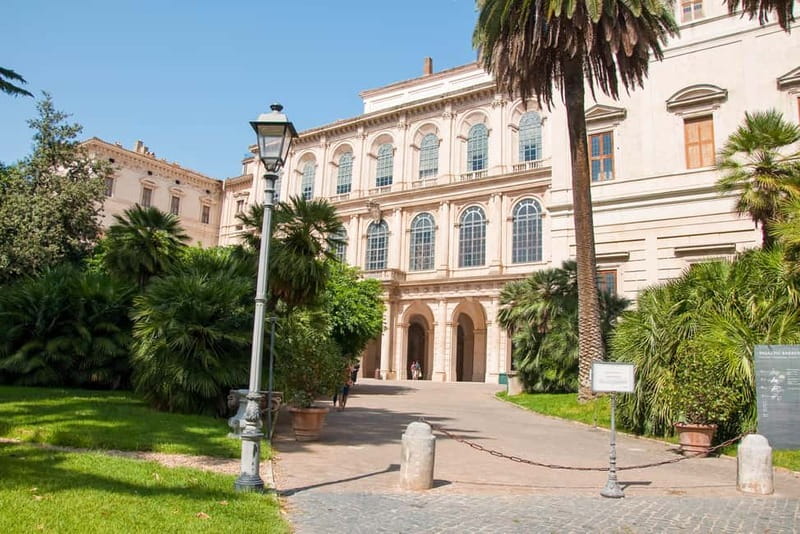
Many Rome museum visits focus on one famous painting or one giant ancient monument. This ticket takes a different approach. You visit two former aristocratic residences and see how painting, architecture, and family power worked together.
Palazzo Barberini was designed for Pope Urban VIII, a member of the Barberini family. Carlo Maderno began the project on the former site of Villa Sforza in the 16th century. The building itself matters as much as the canvases. You are not entering a plain modern gallery. You are walking through a palace shaped by papal ambition.
Galleria Corsini offers a different mood. The Corsini family’s palace was erected between 1730 and 1740, following designs by Ferdinando Fuga. Its late-Baroque architecture provides a fitting home for the collection, and the contrast with Barberini helps make the pairing worthwhile.
I like this combination because you are not simply checking off two art museums. You are seeing art in buildings that were made to display wealth, taste, and influence. That setting gives the paintings more context, even if you know little about Italian art.
More Palaces to Tour in Italy:
- Venice: Doge’s Palace Reserved Entry Ticket
★ 4.6 · 42,716 reviews - Doge’s Palace & St. Mark’s Basilica with Terrace Access Tour
★ 4.7 · 10,697 reviews - Venice: Doge’s Palace and St Mark’s Basilica Walking Tour
★ 4.4 · 6,291 reviews
Inside Palazzo Barberini, Rome’s grander stop
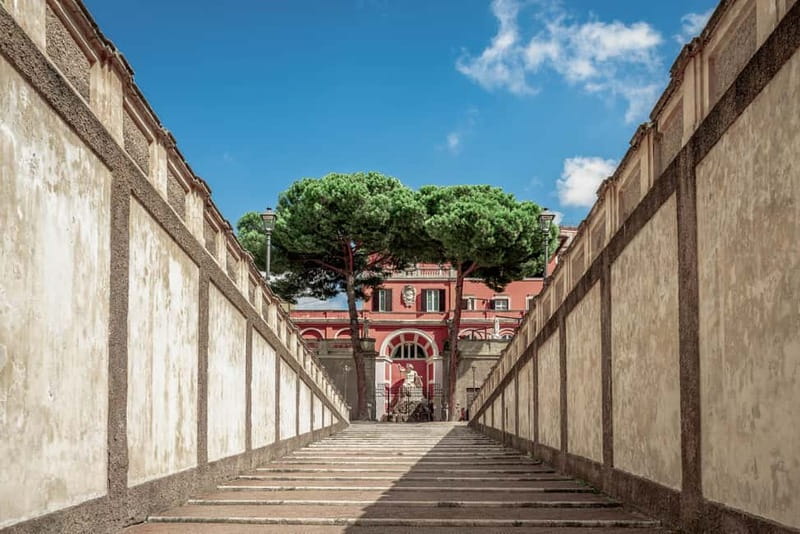
Start at the Palazzo Barberini ticket office, where you exchange your smartphone voucher for the official entry ticket. The included ticket lets you skip the ticket line, but you should still allow time for the voucher exchange and entry process.
Inside, the building is the first major attraction. The palace was built for the Barberini family during the 16th century, and its design reflects the family’s close connection to Pope Urban VIII. You can expect grand architectural spaces rather than a simple sequence of small rooms.
The collection covers a wide sweep of European painting. You might see works associated with Beato Angelico, Lippi, Lotto, Preti, Poussin, El Greco, Raphael, Tiepolo, Tintoretto, Rubens, Murillo, Ribera, and Titian. That range makes Barberini a good choice if you want more than the usual Caravaggio and Bernini highlights.
Caravaggio is a major reason to come. His paintings reward close attention to lighting, faces, and the forceful way ordinary human figures can occupy a sacred scene. The collection also gives you a chance to compare his approach with artists from different periods and countries.
Bernini is another important name. He is often best known for sculpture and dramatic Roman architecture, but his work here forms part of a wider collection that lets you see the artistic world connected to papal Rome. The museum’s appeal is not limited to one artist. It is the chance to place Bernini and Caravaggio among Raphael, Rubens, Titian, and many others.
The digital audioguide can help you make sense of that range. You download the app audioguide and use it as you move through the galleries. Since there is no live guide, you can listen only when you need background and keep moving when a room does not hold your interest.
That freedom is useful in Rome, where museum days can become tiring. You can spend more time with the paintings you already know, then use the audio content to understand artists or works that are new to you. The tradeoff is that your experience depends on using your own phone and following the app rather than having a person explain the collection in real time.
What makes the painting collection worth your time
The strongest part of this visit is its breadth. You are not limited to one school or one century. The collection includes Italian masters alongside northern European and Spanish painters, giving you a chance to see different styles within the same palace.
I would pay special attention to the contrast between Caravaggio’s strong realism and the more polished or formal work by artists such as Raphael and Titian. Then look at Rubens, van Dyck, El Greco, and Murillo to see how varied the collection becomes.
This range also affects how long you need. The ticket is valid for one day, and it is best treated as a flexible museum visit rather than a rushed race through every room. The ticket information also allows one visit within 20 days after purchase, but you still need to check the available starting times when booking.
The reported overall rating is 3.9 from 322 reviews, which suggests a solid experience with some unevenness. The collection and palace receive the most praise, while practical issues such as unavailable areas can affect the day. One particularly useful point is that some sections may be closed because of a conference. If the museum is a major priority for you, it is sensible to confirm what is open before setting aside your whole afternoon.
Galleria Corsini and its late-Baroque setting
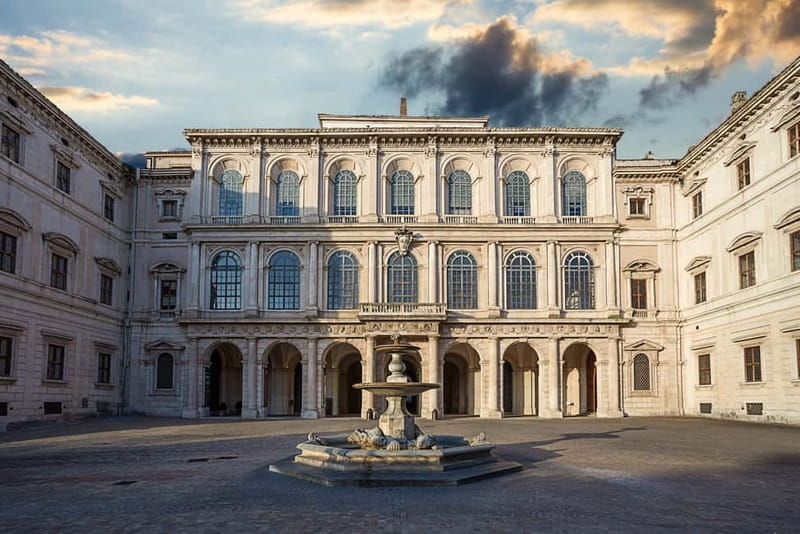
The second stop is Galleria Corsini, part of Palazzo Corsini. This palace was built for the Corsini family between 1730 and 1740, based on designs by Ferdinando Fuga.
Corsini is valuable because the building gives the paintings a different setting from Barberini. Its late-Baroque design reflects a later phase of Roman palace culture. You can look at the rooms and architectural details as part of the visit, not merely as a path between paintings.
The Corsini ticket is included, but the two galleries are still separate attractions. Plan your route so you are not counting on simply walking from one room to the next. The supplied information identifies Palazzo Barberini as the starting point, where you exchange the phone voucher. From there, you use the ticket for both gallery entries.
The collection at Corsini adds depth to the day. Even if Barberini contains the names you recognize most quickly, Corsini helps complete the picture of Rome’s private collections and aristocratic interiors. I like it as a quieter second chapter after the more prominent Barberini palace.
The audioguide is also useful here. A palace collection can feel less obvious than a museum built around a single famous theme. Audio explanations can help you understand why a painting, room, or artist matters instead of simply moving past it.
Same city, another grand address:
- Legendary Venice: Doge’s Palace, St Mark’s & VIP Terrace Access
★ 4.5 · 5,033 reviews - Florence: Palazzo Vecchio Entrance Ticket & Audioguide
★ 4.4 · 4,822 reviews - Florence: Entrance Ticket to Pitti Palace
★ 4.5 · 4,528 reviews - Venice: Doge’s Palace and St. Mark’s Basilica Tour
★ 4.5 · 3,734 reviews
How the audioguide changes the visit
This is not a guided tour. The included feature is a digital app audioguide, and that distinction matters.
You download the app and access additional content during your visit. I see this as a good fit if you prefer independence. You can pause, skip, or return to information without waiting for a group. You can also take your time with Caravaggio or Raphael while spending less time on names that do not interest you.
The weakness is the lack of a live person to answer questions. If you want a guide to connect the paintings, point out small details, or adjust the explanation to your interests, this ticket will feel limited. One review praised a guided visit as enjoyable and educational, but this particular booking includes no guided tour, so do not assume a guide will be present.
Bring a charged phone and be ready to use it as part of the experience. The app is an added tool, not a replacement for looking carefully at the palace and paintings. I would listen to the main explanation for the artists you care about, then put the phone away for a few minutes and look at the work without interruption.
Is the $19 price good value?
At $19 per person, the ticket is reasonably priced for two galleries, especially if you have a full day available and plan to visit both. You are paying not only for two admissions but also for the digital audioguide.
The value depends on your interest in painting. If you only want one famous Caravaggio, the ticket may feel like more museum than you need. If you enjoy old-master collections, palace interiors, and comparing artists across periods, the combination makes better financial sense.
I also like the flexibility provided by the one-visit validity period after purchase. The ticket can be used for one visit within 20 days after purchase, subject to availability and the selected arrangements. That gives you some planning room, but it does not mean you can enter repeatedly or treat the ticket as an open pass.
Because the experience is non-refundable, check your Rome schedule before buying. Make sure you have enough time for both galleries and that the available starting time works with your other plans. If one museum has rooms closed for a conference, the value can change, so confirm current access when possible.
Who will enjoy this experience most
I would choose this ticket if you want a self-guided art day with major Italian names and attractive historic interiors. It suits independent museum visitors who do not want to follow a group or commit to a fixed live tour.
It is also a good match for anyone who has already seen Rome’s most famous ancient sites and wants a change of pace. The focus here is painting, palace design, and the private collections of powerful Roman families.
Families and mixed-interest groups may appreciate the flexible pace. One person can spend longer with Caravaggio while another moves ahead, then you can regroup. The audio app lets you choose how much explanation you want.
I would be more cautious if you need a live guide, dislike using phone apps, or have only a short window in Rome. The ticket covers two locations, and you will get more from it if you can give both proper attention.
The experience is wheelchair accessible, which makes it a practical option for visitors who need step-free access. Since the supplied information does not describe every route or facility inside the palaces, confirm any specific access needs before arrival.
Simple tips for making the most of the day
Exchange your smartphone voucher at the Palazzo Barberini ticket office for the official entry ticket. Do not assume the phone voucher itself is the final museum ticket.
Check availability and starting times before you buy. Although the ticket has a validity period after purchase, entry still depends on the arrangements shown when you book.
Allow enough time to appreciate both buildings. Barberini has the broader list of celebrated artists, while Corsini gives you a separate late-Baroque palace experience.
Use the audioguide selectively. The best visit is not necessarily the one in which you listen to every available section. Focus on the artists and works that interest you, then give your eyes time to do the work.
Keep your expectations realistic about access. A conference or other event may make some areas unavailable, and the ticket does not guarantee that every room will be open on every date.
Should you book Palazzo Barberini and Galleria Corsini?
I would book it if you want two art collections, two historic palaces, and a flexible self-guided format for $19. The combination of Caravaggio, Bernini, Raphael, Titian, Rubens, and other major painters gives the visit real substance, while the architecture keeps it from feeling like a standard white-walled museum stop.
I would skip it only if you want a live guide, have very little time, or are buying without checking the opening arrangements. For independent art lovers, this is a sensible Roman museum ticket with strong collections, useful audio content, and enough variety to justify the extra stop.
FAQ
What does the ticket include?
It includes entrance to Galleria Barberini, entrance to Galleria Corsini, and a digital app audioguide.
How much does the experience cost?
The listed price is $19 per person.
Is a live guide included?
No. The activity includes a digital app audioguide, but not a guided tour with a live guide.
Where do I start the visit?
You start by exchanging your smartphone voucher at the Palazzo Barberini ticket office for an official entry ticket.
How long is the ticket valid?
The activity is described as valid for one day, with starting times based on availability. It also states that the ticket is valid for one visit within 20 days after purchase.
Which artists can I see?
The collections include works by Bernini, Caravaggio, van Dyck, Holbein, Beato Angelico, Lippi, Lotto, Preti, Poussin, El Greco, Raphael, Tiepolo, Tintoretto, Rubens, Murillo, Ribera, and Titian.
Is the experience wheelchair accessible?
Yes, the activity is listed as wheelchair accessible.
Can I cancel for a refund?
No. The activity has a non-refundable cancellation policy.
Newly added in Italy
- Anagni: Entrance ticket to the Boniface VIII Palace★ 3.4 · 3 reviews
- Venice: Doge Palace, San Marco Basilica & Rialto Bridge★ 4.7 · 75 reviews
- Turin: Palazzo Madama Museum of Ancient Art Entrance Ticket★ 4.6 · 149 reviews
- Venice Doge’s Palace & St. Mark’s Semi-Private Tour, Max 6 People★ 5.0 · 192 reviews
- Colosseum, Roman Forum and Emperors’ Palace Private Guided Tour★ 5.0 · 14 reviews
- Doria Pamphilj Palace Gallery and Museum Private Tour with Local Guide★ 4.5 · 10 reviews
- Private Tour – National Museum of Palazzo Massimo★ 5.0 · 51 reviews
- Private Tour – Palazzo Barberini★ 5.0 · 23 reviews
Rome Palace Tours, compared.
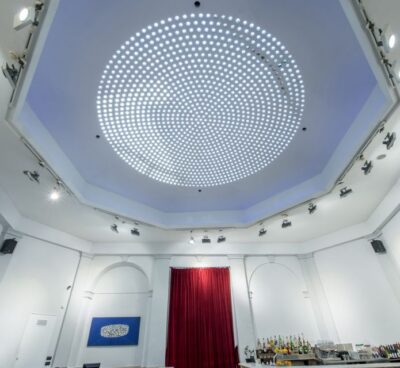
Opera Concert at Palazzo Poli – Fontana di Trevi
Read our review →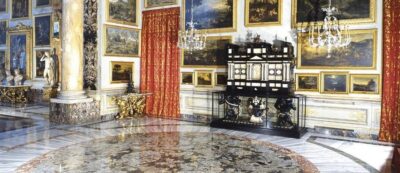

The Great Opera Arias Concert at Palazzo Poli – Trevi Fountain
Read our review →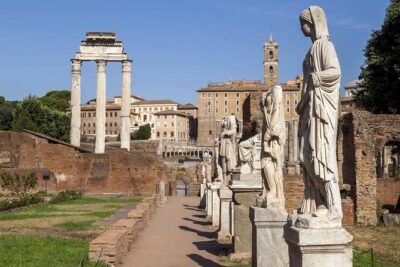
Colosseum Underground, Roman Forum & Cesar Palace Special Access
Read our review →
Vittoriano with Rooftop & Palazzo Venezia Hosted Entry
Read our review →
Colosseum Special Access on Arena Floor, Roman Forum and Palaces
Read our review →
Private Tour – National Museum of Palazzo Massimo
Read our review →
Browse the lists this tour appears in