
Review · PALACE WALKING TOURS
Kyoto: Imperial Palace & Nijo Castle Guided Walking Tour
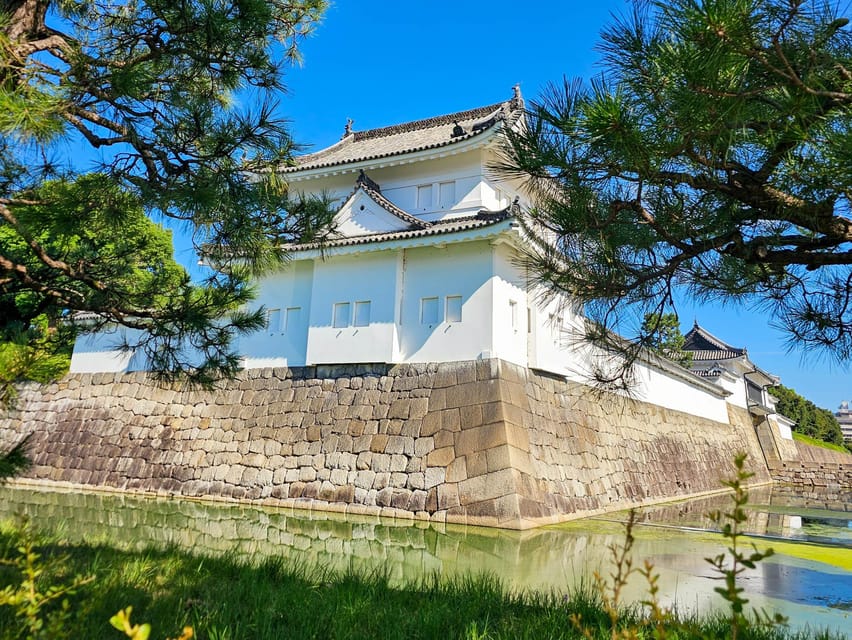
Kyoto’s political story comes into focus when you visit Nijo Castle and the Imperial Palace together. One was tied to the shogun, the other to the emperor, and the contrast gives you a useful key to Japan’s past. I like the small groups, limited to nine people, and the choice of start times, which makes this a practical booking even on a busy Kyoto day. I also like that the tour includes admission to Nijo Castle’s Ninomaru-goten Palace and Painting Gallery.
The main consideration is the amount of walking. The scheduled duration is three hours, although the description also refers to seeing both places in two hours. Plan for three hours, plus your journey to Nijojo-Mae Station and onward from Imadegawa Station. The Imperial Palace visit is mainly outdoors, and modest dress is expected.
Key points to know before booking
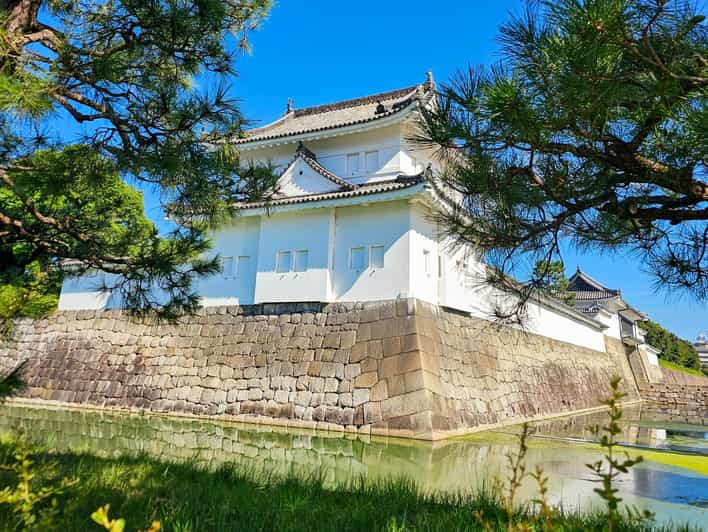
- Two powerful viewpoints on Japan: Nijo Castle represents the shogun’s world, while the Imperial Palace introduces the emperor’s former residence.
- Small groups matter: With no more than nine participants, it should be easier to hear the guide and ask questions.
- Ninomaru-goten is the main castle interior: The tour includes this palace and its Painting Gallery, but not every part of the castle complex.
- Strong guide-led experience: Guides such as Jasmine, Raphael, Vincent, Taku, Cecilia, and Alex are repeatedly praised for clear explanations and cultural context.
- A useful three-hour route: You begin at Nijojo-Mae Station and finish near Imadegawa Station, making this easy to pair with other central Kyoto plans.
- Bring water and good shoes: The grounds are extensive, summer heat can be intense, and the tour is not designed for people with mobility, heart, respiratory, or pregnancy-related concerns.
Why these two sites belong on the same morning
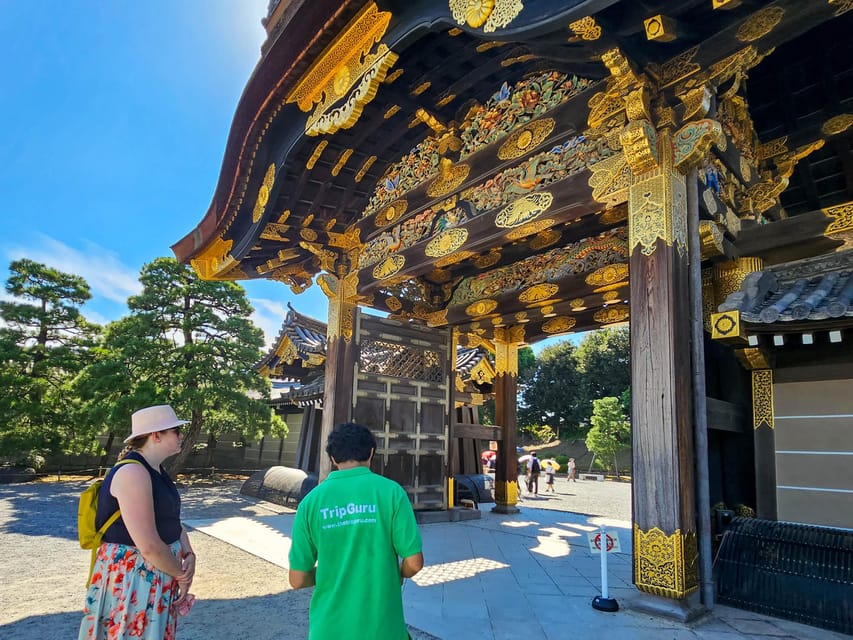
Nijo Castle and Kyoto Imperial Palace are not simply two attractive historic buildings checked off in one outing. They help you understand two sides of authority in Japan.
Nijo Castle was linked to the shoguns, the military rulers who held practical power during the feudal era. The Imperial Palace was the home of Japan’s imperial family after Kyoto served as the capital for more than a thousand years. Seeing both in one route lets you compare court life and military rule without having to piece the story together on your own.
That comparison is one of the tour’s best features. A guide can explain why the architecture, gardens, rooms, and symbols differ. Cathal, one of the recent participants, specifically appreciated how the tour clarified the difference between shogun and emperor. That is the sort of context that turns a pleasant walk into a useful history lesson.
You pay $49 per person. For that price, you receive a three-hour guided walk, the English, French, or Spanish-speaking guide, and admission to Nijo Castle, including Ninomaru-goten Palace and the Painting Gallery. I consider that a fair price if you want historical explanation and help finding the important details. If you prefer to move at your own speed, take photographs for long stretches, or read every sign alone, a self-guided visit may suit you better.
More Palace Walking Tours in Japan
- Tokyo: Imperial Palace and Shogun Historical Walking Tour
★ 5.0 · 2,251 reviews - Tokyo Castle & Imperial PalaceーShogun Walking Tour
★ 4.7 · 1,068 reviews - Tokyo: Imperial Palace Japanese History Walking Tour
★ 4.9 · 987 reviews
Starting at Nijojo-Mae Station
Meet your guide outside Exit 1 of Nijojo-Mae Station. Look for the TripGuru shirt or sign, and arrive at least 10 minutes early. The guide waits no more than 10 minutes after the scheduled start, so a late arrival can mean missing the opening explanation or the group altogether.
This is a central and sensible starting point because Nijo Castle is the first major stop. Morning traffic can take longer than navigation apps suggest, so leave extra time if you are coming by taxi or bus. Kyoto’s roads can be slow, especially at busy times.
The tour has several start times, which helps if you are fitting it between a morning temple visit and an afternoon appointment. Last-minute reservations are also welcomed when places remain. I would still avoid treating this as a completely casual drop-in, since the small-group limit can fill and punctuality matters.
Inside Nijo Castle and Ninomaru-goten
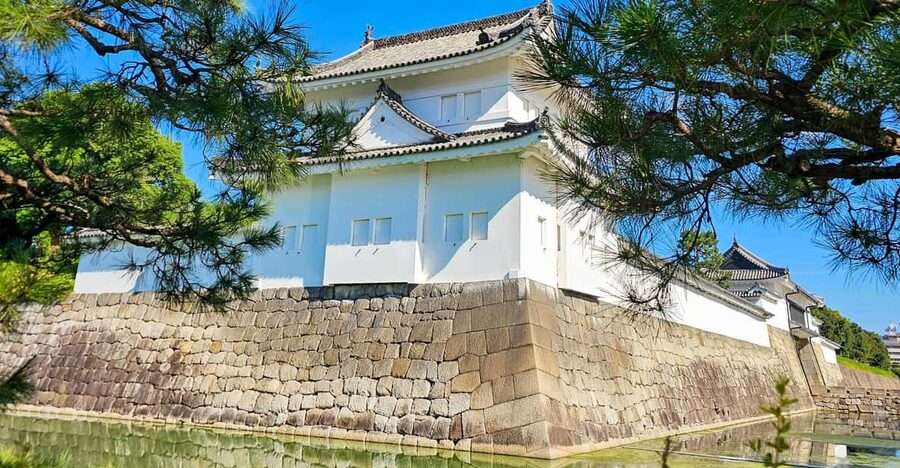
The castle visit lasts about an hour. You will see the impressive grounds, gardens, and the Ninomaru-goten Palace, including its Painting Gallery. The guide’s job here is not just to point at old wood and painted screens. The useful part is learning how the buildings expressed rank, power, and social order.
Ninomaru-goten is the centerpiece of this portion. It gives you a close look at feudal-era architecture and the setting connected with the shogun’s government. Guides also explain details that can be easy to miss if you walk through without help. Several participants singled out the value of learning the meaning behind architectural symbols and the stories connected with the rooms.
The castle is also where the contrast with the palace begins. You are looking at a site tied to military authority, ceremony, and the shogun’s presence. A guide such as Jasmine or Raphael can connect what you are seeing to the broader changes in Japanese government and society.
There is an important limit here. The castle portion focuses on Ninomaru-goten Palace and Garden. You should not expect a complete tour of every building or corner of the Nijo Castle grounds. If Nijo Castle is your main reason for booking, this focused visit gives you the essential section, but you may want extra time on another visit if you wish to explore the entire complex at leisure.
The grounds also require walking. Wear shoes you can use comfortably for several hours, and keep your camera ready for the gardens and exterior views. Personal expenses, meals, and drinks are not included, so carry cash for anything you may want along the way.
The route to Kyoto Imperial Palace
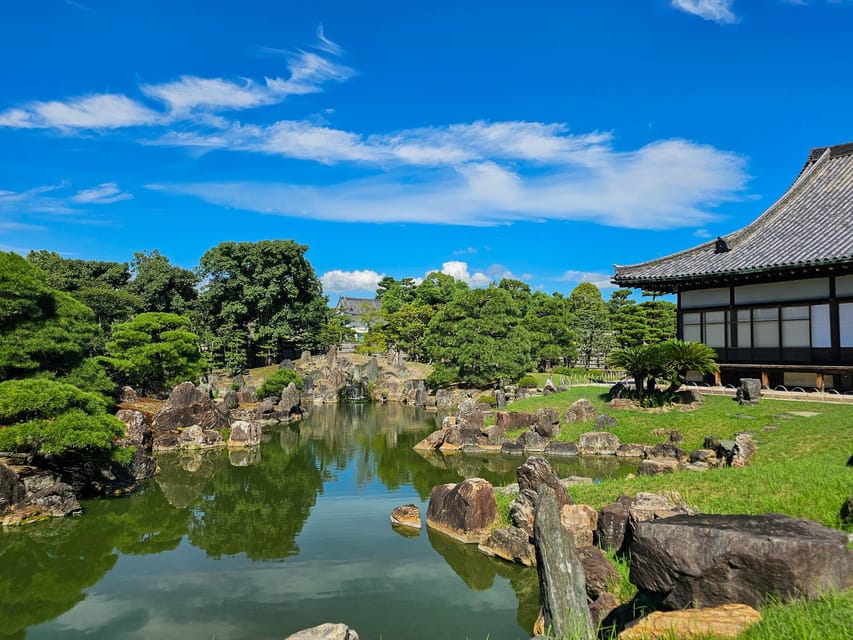
After Nijo Castle, the group continues to the Imperial Palace area. The supplied schedule gives one hour for the palace visit, with the complete activity lasting three hours. That remaining time allows for the movement between the two sites and the transitions that make a two-stop walking tour work.
The route is not a private car excursion. You should expect to stay on your feet and keep pace with the group. This is one reason the tour works well for someone who wants a compact introduction to central Kyoto, but it may be tiring in hot weather or difficult if you have a mobility limitation.
The tour does not include hotel pickup or drop-off. It begins at Nijojo-Mae Station and ends at Imadegawa Station, so you have clear points for planning the rest of your day. You are responsible for getting to the first meeting point and arranging your onward travel.
More Royal Palace Tours in Japan
- Tokyo: Imperial Palace and Shogun Walking Tour
★ 4.9 · 935 reviews - Imperial Palace East Garden and Edo Castle Walking Tour in Tokyo
★ 5.0 · 510 reviews - Tokyo: Imperial Palace East Gardens Walking Tour
★ 4.8 · 353 reviews - Tokyo: Imperial Palace, Sensō-ji Temple, & Tokyo Tower Tour
★ 4.5 · 339 reviews
What the Imperial Palace adds
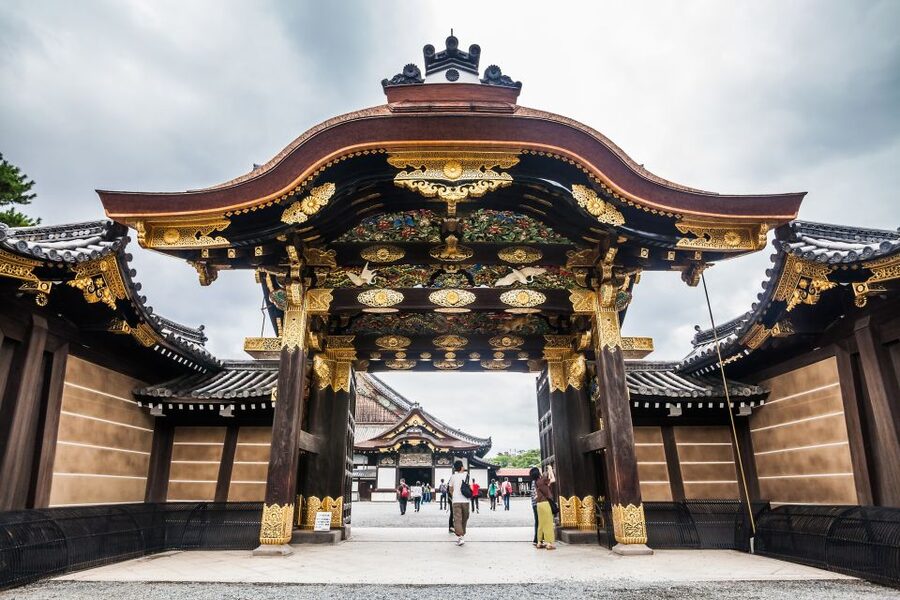
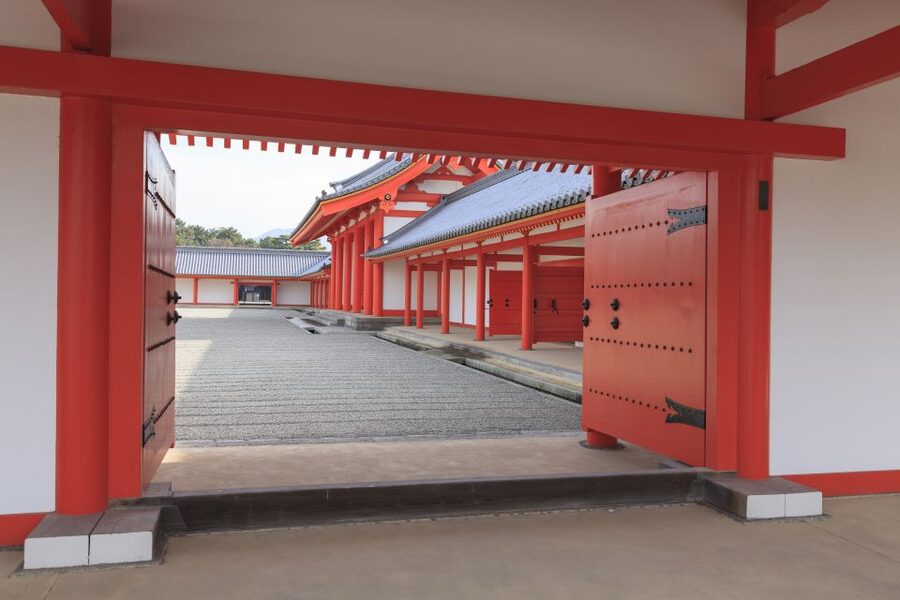
The Imperial Palace was once the residence of Japan’s imperial family. Here, the emphasis shifts from the shogun’s military authority to the ceremonial and dynastic role of the emperor.
You will have time to look at the architecture, gardens, and grounds while the guide explains the site’s place in Kyoto’s long political story. The palace section is more about the setting and the meaning of the former imperial residence than about a full interior tour.
That distinction matters. The Imperial Palace is not the kind of stop where you should expect to enter every grand room. One person who enjoyed the tour still felt the palace offered less to see than Nijo Castle and involved a lot of walking. I think that is a fair warning. If you mainly want interiors, painted panels, and close views of historic rooms, the castle may be the stronger half of the experience.
Still, the palace helps make the tour worthwhile as a pair. Without it, you lose the direct comparison between imperial and shogunal power. A good guide can show how the two sites reflect different roles, customs, and forms of authority.
Dress modestly and respectfully for the palace grounds. Avoid tank tops, very short clothing, or anything overly casual. This is a simple request, but it is worth planning for if you are spending the morning in shorts or athletic clothing.
The guides make the difference
The strongest part of this tour is the guide-led explanation. Across the available feedback, guides are praised for clear English, patience, humor, good pacing, and the ability to answer questions beyond the basic script.
Jasmine is repeatedly described as expressive, easy to understand, and attentive to the whole group. She has explained history, cultural practices, and the meaning of symbols, and she has also helped take photographs at scenic points. Raphael is praised for linking history and culture in a relaxed way, while Vincent receives credit for managing time well and helping with practical needs at the end of the route.
Other guides named by participants include Taku, Cecilia, Alex, Kenta, Kosuke, Naoki, Yuko, Katsuhiko, Miya, Gus, Eloise, and Jasmine Lau. The exact guide depends on the date and language, so you cannot assume you will receive a particular person. What you can reasonably expect is a local-led tour built around explanation rather than a silent walk from gate to gate.
The small group helps. With up to nine people, you have a better chance of hearing the guide in outdoor spaces and getting an answer to a question. Some departures may be smaller, even close to a private experience, but that is not guaranteed.
The languages offered are English, French, and Spanish. Check the available departure and language when you book.
Timing, weather, and physical demands
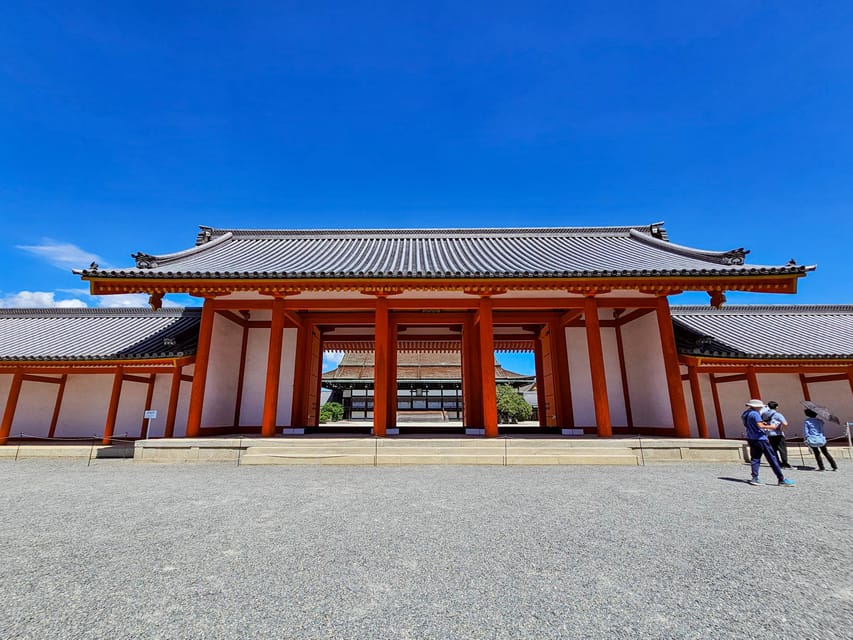
The published duration is three hours, with roughly one hour at each major site. The description also says the two attractions can be seen in two hours, but I would plan around the three-hour schedule. That gives you room for the walk between places, group movement, and explanations.
The tour is most comfortable when you have eaten beforehand and carry water. June can be very hot, and one participant specifically advised bringing water and a hat. Kyoto’s summer humidity can make open palace and castle grounds feel harder than the timetable suggests.
Comfortable shoes are essential. You will walk through large grounds, move between outdoor areas, and spend much of the tour standing. The activity is not suitable for pregnant women or people with mobility impairments, heart problems, or respiratory issues.
A camera is useful, but do not let it take over the visit. The value here comes from noticing why a building looks the way it does and what the setting says about power. Several guides also offer to take photographs, which can be handy when you are traveling as a couple or small group.
Is $49 a good value?
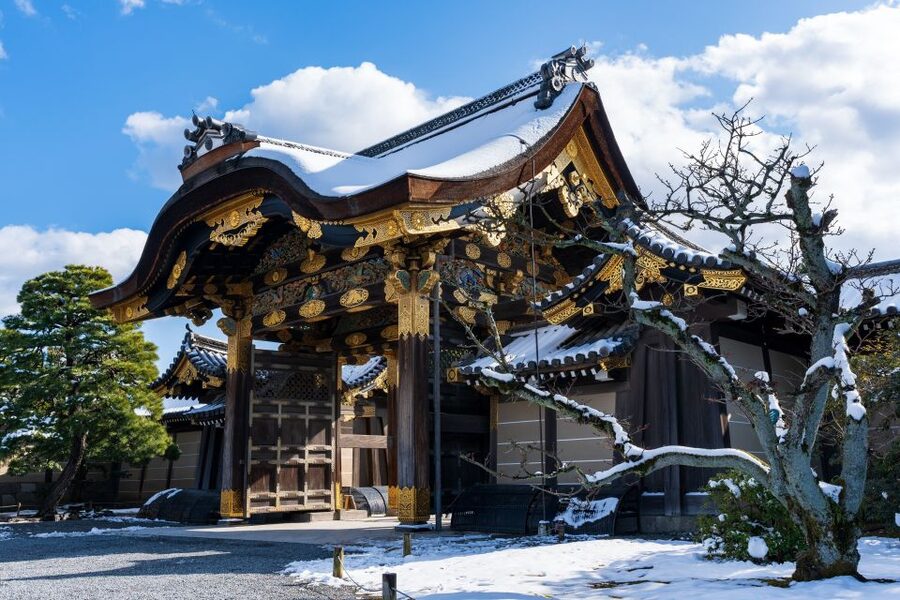
At $49, this is a moderate-cost way to cover two major Kyoto sights with admission to the key Nijo Castle areas included. You avoid spending time sorting out the basic route and gain explanations that can make the architecture and gardens easier to understand.
The value is highest if you are in Kyoto for a short stay, have limited planning time, or want a clear introduction before visiting other historic sites. It also suits people who enjoy asking questions about Japanese culture, religion, history, and daily life. Guides have offered local suggestions about food and other places to visit, which can add practical value beyond the scheduled route.
The price is less compelling if you already have strong background knowledge or prefer a slow visit with long photography stops. You also need to budget for your own food, drinks, transportation to the meeting point, and transportation after the finish.
Cancellation is free up to 24 hours before the tour for a full refund, and you can reserve now and pay later. Those terms are useful when your Kyoto plans are still changing.
Who should book this Kyoto walking tour?
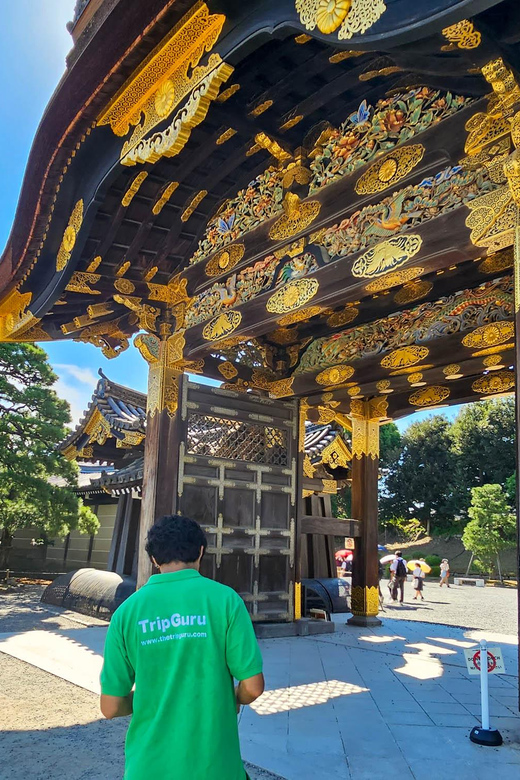
I would recommend it to first-time Kyoto visitors who want a short, organized introduction to the city’s imperial and shogunal past. It is also a good fit if you have only part of a day available and want two important sites handled in one plan.
History fans should get the most from it, especially if you like hearing how buildings, gardens, and ceremonies connect to political life. Couples and small families may appreciate the group size and the chance to have someone take photographs.
I would be cautious about booking if you have trouble walking for three hours, dislike fixed pacing, or want extensive indoor access at the Imperial Palace. The tour is compact and efficient, not leisurely. Nijo Castle is likely to be the more satisfying stop for many people, while the palace earns its place by giving you the second half of the historical comparison.
My recommendation
Book this tour if you want clear historical context, two major Kyoto sites, and a manageable three-hour route. The guide quality appears to be the central strength, with names such as Jasmine, Raphael, Vincent, Taku, and Cecilia receiving especially warm praise for their explanations and care.
Go independently if you want to linger, sketch, photograph every garden, or explore more than the included areas of Nijo Castle. For most visitors with limited time, though, the combination of Ninomaru-goten and the Imperial Palace gives you a useful, well-shaped introduction to Kyoto’s past for a reasonable price.
FAQ
How long does the tour last?
The scheduled duration is three hours. The two main visits are listed as about one hour each, with time for movement and transitions between Nijo Castle and the Imperial Palace.
Where does the tour begin?
Meet outside Exit 1 of Nijojo-Mae Station, at Nijo Castle. The guide will wear a TripGuru shirt or hold a TripGuru sign.
Where does the tour finish?
The tour finishes at Imadegawa Station.
What languages are available?
The live tour guide may speak English, French, or Spanish. Check the available language when selecting your departure.
What is included in the price?
The price includes the guide, the walking tour, and entrance to Nijo Castle, including Ninomaru-goten Palace and the Painting Gallery.
Is hotel pickup included?
No. Hotel pickup and drop-off are not included. Meals, drinks, and personal expenses are also separate.
How early should I arrive?
Arrive at least 10 minutes before the stated meeting time. The guide waits a maximum of 10 minutes before continuing to the next stop.
Is the tour suitable for people with mobility or health concerns?
The tour is not suitable for pregnant women or people with mobility impairments, heart problems, or respiratory issues. Comfortable walking shoes are recommended.
More Royal Palace Tours in the world
- Madrid: Royal Palace Fast-Access Admission Ticket
★ 4.6 · 13,856 reviews - Madrid: Royal Palace Expert Guided Tour with Skip-the-Line
★ 4.7 · 8,407 reviews - Amsterdam: Royal Palace Entry Ticket + Audio guide
★ 4.6 · 7,889 reviews - Dubai To Abu Dhabi: Grand Mosque, Royal Palace & Etihad Towers
★ 5.0 · 7,632 reviews
More Palace Walking Tours in the world
- Venice: Doge’s Palace and St Mark’s Basilica Walking Tour
★ 4.4 · 6,291 reviews - Split: Old Town and Diocletian Palace Walking Tour
★ 4.9 · 4,727 reviews - Walking Tour of Split and Diocletian’s Palace
★ 5.0 · 2,588 reviews - Bangkok: Grand Palace and Wat Phra Kaew Guided Walking Tour
★ 4.4 · 2,417 reviews
Newly added in the world
- Avignon: Around The Palace Tour★ 4.5 · 13 reviews
- Ayutthaya Full-Day Tour with Bang Pa In (Summer Palace)★ 5.0 · 2 reviews
- Bali: Gate Of Heaven and Water Palace Tirta Gangga Package★ 4.7 · 3 reviews
- Aranjuez: Royal Palace Guided Tour★ 4.5 · 93 reviews
- Asia Continent & Topkapı Palace & Harem. Guided, Small group★ 4.9 · 3 reviews
- Kornik Castle and Rogalin Palace Half-Day Private Tour★ 5.0 · 2 reviews
- Antananarivo: Guided Tour and sunset in queen’s palace★ 3.9 · 13 reviews
- Royal Palace of Aranjuez Small-Group Tour with Entry Ticket★ 5.0 · 2 reviews
Palace Walking Tours, compared.
Doge’s Palace and St Mark’s Basilica Walking Tour
Read our review →

Grand Palace and Wat Phra Kaew Guided Walking Tour
Read our review →
Imperial Palace and Shogun Historical Walking Tour
Read our review →
Madrid Old Town & Royal Palace Walking Tour Skip the Line Ticket
Read our review →
Knossos: Knossos Palace Skip-the-Line Guided Walking Tour
Read our review →
Tokyo Castle & Imperial PalaceーShogun Walking Tour
Read our review →Browse the lists this tour appears in