
Review · PALACE WALKING TOURS
Tokyo: Imperial Palace and Shogun Walking Tour
Tokyo’s Imperial Palace East Gardens tell a sharper story than a quick photo stop ever could. Beneath the clipped trees and quiet ponds are the gates, moats, guardhouses, and stone foundations of Edo Castle, the seat of Tokugawa power. I like the way this tour connects those surviving stones to modern Tokyo, rather than treating the grounds as a pretty park with no explanation.
I also like the two-hour format and the very low $16 price. Guides such as Tony, Blake, Jim, Embla, Miguel, and Thomas are praised for clear history, friendly conversation, and useful Tokyo advice. The main consideration is that this is a walking tour of the palace grounds, not a tour through the imperial residence itself, and the experience depends on your guide and the weather.
Key points to know before you book
- Edo Castle survives in walls and foundations: You see the physical defenses and castle tower base that made this the center of shogun rule.
- Ninomaru Garden is the peaceful heart of the walk: Koi ponds, seasonal planting, and carefully arranged garden views offer a calm break from central Tokyo.
- The history is explained on site: Your English-speaking guide ties samurai government, the Tokugawa shogunate, imperial rule, and present-day Tokyo together.
- The meeting point is easy to identify: Start in front of Starbucks at Kokyo Gaien Wadakura Fountain Park, at coordinates 35.6830391, 139.7614181.
- Two hours gives you useful context without taking over your day: The pace includes several short stops and time in the gardens.
- The tour is wheelchair accessible: You can also cancel up to 24 hours ahead for a full refund or reserve now and pay later.
Why Edo Castle matters more than the palace name suggests

When you hear Imperial Palace, you may picture a formal imperial residence. This tour focuses on the East Gardens, where Edo Castle once ruled Japan’s political world. The imperial connection is important, but the strongest part of the story here is the long transition from samurai government to modern Japan.
For centuries, Edo, now Tokyo, was controlled by the Tokugawa shogunate. The shogun was the military ruler, while the emperor held a different position in Japan’s political and cultural order. The castle was not simply a home. It was a guarded center of power, administration, ceremony, and military authority.
That difference gives the walk its value. Without a guide, you may see a huge wall, a gate, a pond, and some stones. With the story filled in, those same features become clues. The scale of the walls tells you something about defense. A guardhouse suggests controlled movement. A garden reveals a softer side of elite life.
I would book this early in a Tokyo visit if you want a basic framework for Japanese history. Several guides, including Tony, were praised for linking Edo-era decisions to the way Tokyo is arranged today. That kind of explanation can help you make more sense of later visits to temples, historic districts, and other sites.
More Palace Walking Tours in Japan
- Tokyo: Imperial Palace and Shogun Historical Walking Tour
★ 5.0 · 2,251 reviews - Tokyo Castle & Imperial PalaceーShogun Walking Tour
★ 4.7 · 1,068 reviews - Tokyo: Imperial Palace Japanese History Walking Tour
★ 4.9 · 987 reviews
Starting at Kokyo Gaien Wadakura Fountain Park
The tour begins in front of Starbucks at Kokyo Gaien Wadakura Fountain Park. The stated meeting coordinates are 35.6830391, 139.7614181, which gives you a precise point to check before setting out.
This is a practical meeting place because a café is easier to spot than an unmarked corner of a large park. Still, give yourself time to arrive. The Imperial Palace area is broad, and a short walk from a station or nearby street can take longer than the map suggests.
You will want comfortable shoes and enough water for two hours outside. The route includes several stops rather than a nonstop march, but it is still a walking experience. One guide, Sneha, included a short sitting break and time to get a drink from a vending machine. That is useful, especially in warm or wet weather.
The weather can shape the outing. Thomas was praised for keeping a group engaged despite poor conditions, and Jim even loaned an umbrella to one family. Those details suggest a guide who pays attention, but you should still dress for the forecast rather than count on a rescue umbrella.
Ote-Mon Gate: the first lesson in castle power

Ote-Mon Gate is the first major stop, with about 10 minutes for explanation. This is where the tour begins to show you how carefully access to Edo Castle was controlled.
A grand gate is easy to photograph, but its real interest is practical. Castle entrances were designed to slow people down, direct movement, and make visitors pass through layers of security. Your guide can explain how the approach, walls, and surrounding defenses worked as a system.
This short stop is also a good test of the tour’s style. A strong guide will not bury you under dates. Tony, Blake, and several others were praised for explaining Japanese history in direct language and answering questions without rushing. That matters here because the site presents many details without much written explanation.
You should not expect a long architectural lecture. Ten minutes is enough to establish the idea of the castle as a working seat of government before the walk moves farther inside the grounds.
The Imperial Palace grounds and the shift from shogun to emperor
The next section is listed as a 15-minute visit and guided tour of Tokyo Imperial Palace. The focus is on the grounds and the historical change they represent, not on entering private imperial rooms.
This is where the story moves from Tokugawa rule to modern Japan. Your guide explains how the area connects the age of shoguns with the imperial system and present-day Tokyo. Tony was especially praised for covering both the Edo period and life in Japan today, while Jim was noted for adding cultural details and practical suggestions for the rest of a visit.
I value this bridge between periods. It keeps the tour from becoming a narrow lesson about military leaders. You get a sense of how political power changed hands and how the capital continued to develop around this central site.
The stop is short, so do not expect every part of imperial history. Instead, treat it as a useful orientation. If you are new to Japan, this background will make later sights easier to place.
More Royal Palace Tours in Japan
- Imperial Palace East Garden and Edo Castle Walking Tour in Tokyo
★ 5.0 · 510 reviews - Kyoto: Imperial Palace & Nijo Castle Guided Walking Tour
★ 4.7 · 453 reviews - Tokyo: Imperial Palace East Gardens Walking Tour
★ 4.8 · 353 reviews - Tokyo: Imperial Palace, Sensō-ji Temple, & Tokyo Tower Tour
★ 4.5 · 339 reviews
Hyakunin Bansho Guardhouse and the human side of security
At Hyakunin Bansho Guardhouse, the guide spends about 10 minutes on one of the most practical remnants of castle life. The name and structure point to the people stationed there and the constant need to control access.
This stop helps balance the grand scale of the walls. Fortifications were not useful by themselves. Guards watched gates, checked movement, and formed part of the daily machinery that protected the shogun’s headquarters.
I like stops such as this because they make the site feel occupied. You can picture routines, waiting, orders, and controlled entrances rather than only imagining famous leaders. Your guide may also use this point to answer questions about samurai society and the way the castle operated.
The limitation is simple: the guardhouse is an explanation stop, not a museum visit filled with displays. Its value depends on the story your guide provides. The strongest guides listed for this tour, including Miguel, Lasse, and Mayumi, were praised for patient explanations and clear answers.
Fujimi-yagura: a high point for the castle story

The walk continues to Fujimi-yagura for around 15 minutes. This structure is one of the places where the defensive purpose of the castle becomes easier to understand.
The name refers to a turret, and the stop gives your guide a chance to explain how watch structures fit into the wider castle plan. From here, you can pay attention to the relationship between the walls, open spaces, and routes through the grounds.
This is also a good place to slow down and compare the surviving structure with Tokyo’s modern surroundings. The tour’s best historical theme is the meeting of old power and present-day city life. Tony was praised for making that connection clear, explaining how Japanese history affected the way Tokyo functions today.
Do not expect a panoramic observation deck or a climb through a tower. The attraction is the surviving structure and its setting. Fifteen minutes is enough for context and photographs without turning the walk into a long architectural study.
The East Gardens: quiet space inside central Tokyo

The tour then spends about 30 minutes in the Imperial Palace East Gardens. This is the point where the outing becomes less about gates and more about atmosphere.
The gardens offer a striking change from the busy city around them. You see broad lawns, shaped plantings, water, stonework, and castle remains in the same setting. I like this combination because the garden is not separate from the history. It softens the military site without erasing it.
The East Gardens also give your guide room to explain how the grounds are used and understood today. Karen particularly valued the calm of this section, and that is easy to appreciate. You are still in central Tokyo, yet the pace drops and the visual noise falls away.
A 30-minute visit is long enough to enjoy the setting, but it is not a leisurely garden tour with time to inspect every plant. If you want extended photography or a slow solo stroll, you may wish you had more time after the guided portion. The advantage is that the tour keeps moving and covers several important sites in two hours.
Ninomaru Garden and the koi ponds
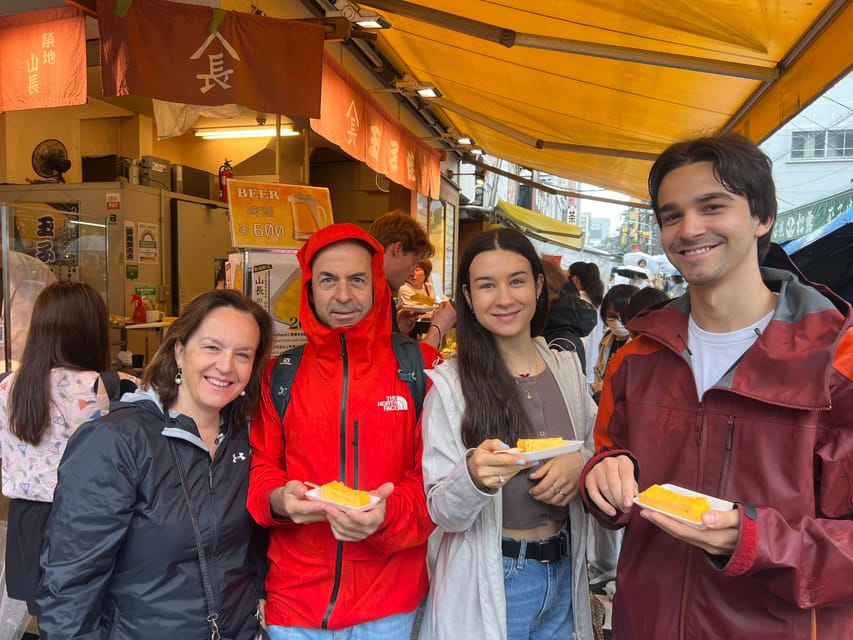
Ninomaru Garden gets another 30 minutes and is likely the most serene part of the experience. This was once the shogun’s inner garden, and today its ponds, bridges, plantings, and koi offer a gentler view of castle life.
The koi are not just a pleasant detail. They help show how the site combined authority with controlled beauty. The garden was designed for enjoyment and reflection, but it existed within the world of the shogun’s power.
Seasonal changes matter here. The gardens have a different feel depending on the time of year, and the planting gives the stop more than one good view. You can expect tranquil ponds and carefully arranged garden scenes rather than a dramatic attraction built for crowds.
This is where Blake’s reported style sounds particularly useful. He was praised for using imagination to bring the gardens to life, while other guides were noted for adding fun facts about the shogun dynasty. That kind of storytelling helps you see the garden as a lived part of the castle, not just a decorative park.
The tradeoff is that Ninomaru Garden can make you want to linger. The schedule allows 30 minutes, which is generous within a two-hour tour but still structured. If your ideal morning is an unhurried garden visit, you may prefer to return on your own afterward.
What the guide adds for $16
At $16 per person, the price is unusually modest for a guided two-hour walk in central Tokyo. The admission value is not the main point. The real purchase is interpretation: someone helps you understand why the walls, gates, gardens, and foundations matter.
I would not pay for this tour simply to see the palace grounds. You can appreciate a garden without help. I would pay for it if you want the political story, the samurai context, and a clearer connection between Edo and modern Tokyo.
The guide quality appears to be the strongest part of the experience. Tony is repeatedly praised for clear explanations, broad knowledge of Japanese culture, and useful suggestions for food and other activities. Blake is described as friendly, interactive, patient, and well paced. Jim is praised for keeping teenagers interested, while Embla, Miguel, Thomas, Dylan, and Lasse are also singled out for warm and informative guiding.
Because the guide may vary, the tone can vary too. That is normal for a live tour. The consistent qualities to look for are clear English, willingness to answer questions, and the ability to connect facts to the places in front of you.
You also get useful personal help at the end or during the walk. Several guides offered suggestions for nearby activities, food, and places beyond Tokyo. That can be especially valuable at the start of a Japan visit, when you are still deciding how to use your time.
Who will enjoy this walk most
I recommend this tour for a first visit to Tokyo, especially if you want a calm introduction before tackling busier districts. It suits history lovers, families, and anyone who prefers stories tied to actual places.
It also works well for mixed groups. One business group used it as a shared cultural activity, and another family kept teenagers interested because the guide made the history approachable. The two-hour length is short enough to fit into a wider day.
You should be comfortable walking outdoors and stopping to listen. The tour is wheelchair accessible, which makes it more suitable for many visitors than a route involving steep or difficult access, though the provided information does not describe every surface or restroom detail.
I would choose something else if you want to enter the imperial residence, see lavish interior rooms, or spend the whole day in a garden. This experience is about the East Gardens, the ruins of Edo Castle, and the explanation that ties them together.
Booking details that affect your day
The activity lasts two hours and is offered with different starting times, so you need to check availability for the date you want. It begins and ends at Starbucks Kokyo Gaien, giving you a simple return point for the next part of your day.
English is the stated tour language, and the tour includes a live English-speaking guide. Reserve now and pay later is available, which helps if your Tokyo schedule is still shifting. You can cancel up to 24 hours in advance for a full refund.
At $16, the tour is a low-risk way to add historical context to your itinerary. The main thing to plan around is not the price but the timing. Leave enough room to reach the meeting point, and avoid stacking an important reservation immediately after the walk.
Should you book the Imperial Palace and Shogun Walking Tour?
Book it if you want the Imperial Palace East Gardens to make sense, not just look attractive. The Ote-Mon Gate, guardhouse, Fujimi-yagura, stone walls, castle tower base, koi ponds, and Ninomaru Garden become far more meaningful when a guide explains the power system behind them.
I especially recommend it for first-time visitors and anyone who wants a gentle start to Japanese history. Tony, Blake, Jim, Embla, Miguel, and the other listed guides have a strong record of clear, friendly instruction, but remember that the exact guide is not guaranteed.
Skip it if you want private palace interiors or a completely free-form garden stroll. For everyone else, two hours and $16 is a sensible buy, with enough history to sharpen the rest of your Tokyo visit and enough garden time to keep the lesson from feeling heavy.
FAQ
Where does the Imperial Palace and Shogun Walking Tour begin?
The meeting point is in front of Starbucks at Kokyo Gaien Wadakura Fountain Park. The stated coordinates are 35.6830391, 139.7614181.
How long does the tour last?
The tour lasts two hours.
What language is the tour conducted in?
The tour is conducted in English with a live English-speaking guide.
What places are included on the walk?
The route includes Ote-Mon Gate, Tokyo Imperial Palace grounds, Hyakunin Bansho Guardhouse, Fujimi-yagura, the Imperial Palace East Gardens, and Ninomaru Garden.
Will I enter the imperial residence?
The provided details describe a guided visit to the palace grounds and East Gardens. They do not state that the tour enters private imperial residence rooms.
What is Ninomaru Garden?
Ninomaru Garden is the former inner garden of the shogun. The visit includes seasonal garden scenery, tranquil ponds, and koi.
Is the tour wheelchair accessible?
Yes, the activity is listed as wheelchair accessible.
Can I cancel the booking?
Yes. You can cancel up to 24 hours in advance for a full refund.
Can I reserve now and pay later?
Yes. The activity offers reserve now and pay later, so you do not need to pay at the time of booking.
More Royal Palace Tours in the world
- Madrid: Royal Palace Fast-Access Admission Ticket
★ 4.6 · 13,856 reviews - Madrid: Royal Palace Expert Guided Tour with Skip-the-Line
★ 4.7 · 8,407 reviews - Amsterdam: Royal Palace Entry Ticket + Audio guide
★ 4.6 · 7,889 reviews - Dubai To Abu Dhabi: Grand Mosque, Royal Palace & Etihad Towers
★ 5.0 · 7,632 reviews
More Palace Walking Tours in the world
- Venice: Doge’s Palace and St Mark’s Basilica Walking Tour
★ 4.4 · 6,291 reviews - Split: Old Town and Diocletian Palace Walking Tour
★ 4.9 · 4,727 reviews - Walking Tour of Split and Diocletian’s Palace
★ 5.0 · 2,588 reviews - Bangkok: Grand Palace and Wat Phra Kaew Guided Walking Tour
★ 4.4 · 2,417 reviews
Newly added in the world
- City Palace Udaipur Express visits with english speaks guide★ 5.0 · 9 reviews
- Free E-Sim War Remnants Museum & Independence Palace Tour★ 4.7 · 55 reviews
- Skip-the-Line Wilanow Palace and Gardens Private Tour Warsaw★ 5.0 · 16 reviews
- Taman sari water castle, sultan palace & local food tasting★ 4.7 · 11 reviews
- Vung Tau Full-Day Tour with Beach, Christ Statue & White Palace★ 5.0 · 51 reviews
- Borobudur Climb To The Top, Prambanan Temple, Yogyakarta Palace★ 4.5 · 26 reviews
- Yogyakarta: Palace, Water Castle & UNESCO Temple Guided Tour★ 4.4 · 37 reviews
- Yogyakarta: Yogyakarta Palace & Water Castle Guided Tour★ 4.7 · 70 reviews
Palace Walking Tours, compared.
Doge’s Palace and St Mark’s Basilica Walking Tour
Read our review →
Grand Palace and Wat Phra Kaew Guided Walking Tour
Read our review →
Imperial Palace and Shogun Historical Walking Tour
Read our review →
Madrid Old Town & Royal Palace Walking Tour Skip the Line Ticket
Read our review →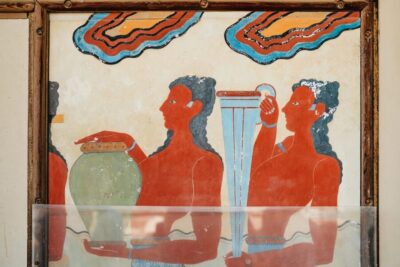
Knossos: Knossos Palace Skip-the-Line Guided Walking Tour
Read our review →
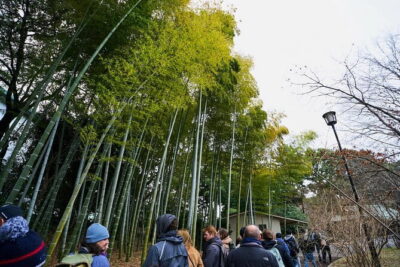
Tokyo Castle & Imperial PalaceーShogun Walking Tour
Read our review →Browse the lists this tour appears in