
Review · ROYAL PALACE TOURS
Imperial Palace Tour: Discover Samurai History with a Guide
At the Imperial Palace East Gardens, Tokyo’s polished modern capital gives way to stone walls, castle foundations, old gates, and stories of samurai power. I like the small group, limited to eight people, and the chance to ask questions instead of trailing behind a large crowd. I also like the price: $24 is a fair deal for a personal history walk led by a local guide.
The main thing to watch is the timing. The activity is advertised as 90 minutes, while the route details add up to about 100 minutes and the highlights describe it as a 2-hour walk. You should also expect steady walking, so it is a poor match for anyone with low fitness, despite being wheelchair and stroller accessible.
Key Points

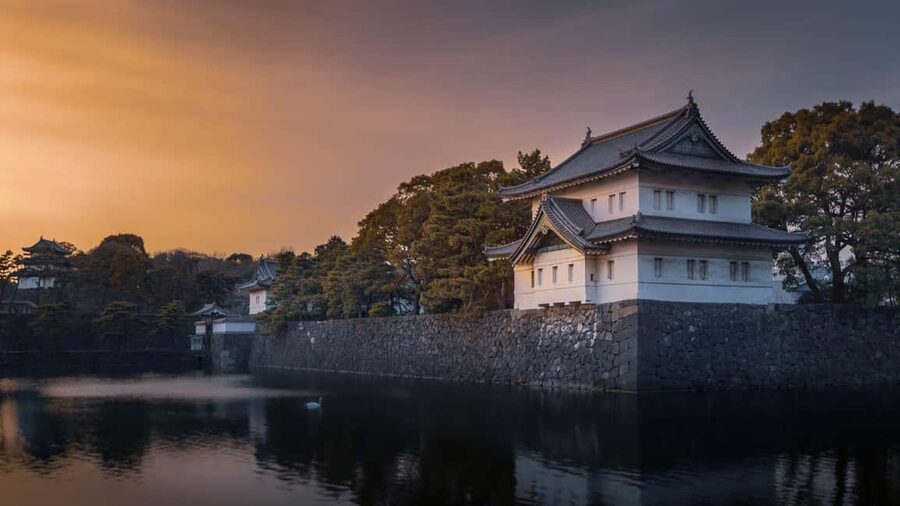
- Edo Castle ruins provide the focus: See the Tenshudai base, stonework, gates, and Tatsumi Yagura, rather than only viewing the palace from outside.
- Small groups keep the guide close: The maximum group size is eight, making questions and conversation easier.
- Several guides receive warm praise: Hina, Naoki Sugar, Delfo, Hiroshi, and Taku are named for their friendly explanations and language skills.
- Three tour languages are offered: Choose English, Spanish, or French when checking available times.
- The price is modest for guided context: At $24, the tour can fill in the political and military story behind the gardens.
- Plan for a walking outing: Bring comfortable shoes, water, and a camera, and allow roughly 90 minutes to 2 hours.
Why the East Gardens Tell Tokyo’s Samurai Story
The Imperial Palace is easy to think of as a grand royal residence with limited public access. The East Gardens give you a more useful window into the past. They occupy part of the former Edo Castle, the seat of the Tokugawa shogunate and one of the key centers of power in old Japan.
That setting matters. You are not simply hearing a general explanation of samurai culture in a museum room. You are walking among the remains of the castle complex that once controlled political life in Japan. Stone walls and foundations may look quiet today, but a guide can connect them to the military government, the emperor, and the growth of Tokyo.
I find guided walks especially helpful here because the ruins do not always explain themselves. A stone base, watchtower, or broad garden path can seem like a pleasant piece of scenery until you learn what it protected, who used it, and how the castle fit into the city’s development.
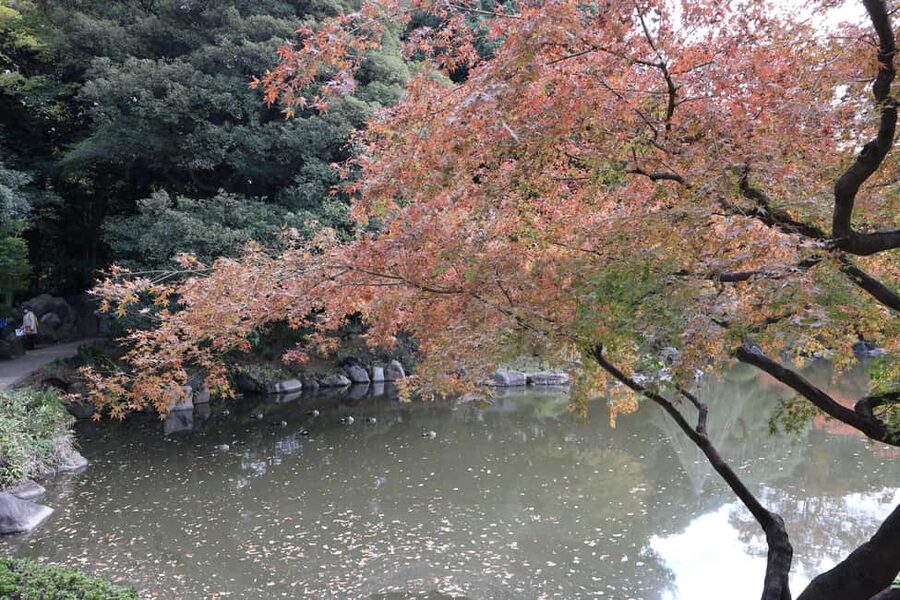
The East Gardens also give you a change of pace from central Tokyo. The paths are carefully maintained, and the gardens provide open space and greenery inside a very busy capital. You get history without giving up the simple pleasure of a calm walk.
More Royal Palace Tours in Japan
- Tokyo: Imperial Palace and Shogun Historical Walking Tour
★ 5.0 · 2,251 reviews - Tokyo: Imperial Palace Japanese History Walking Tour
★ 4.9 · 987 reviews - Tokyo: Imperial Palace and Shogun Walking Tour
★ 4.9 · 935 reviews
Meeting at Starbucks in Wadakura Fountain Park
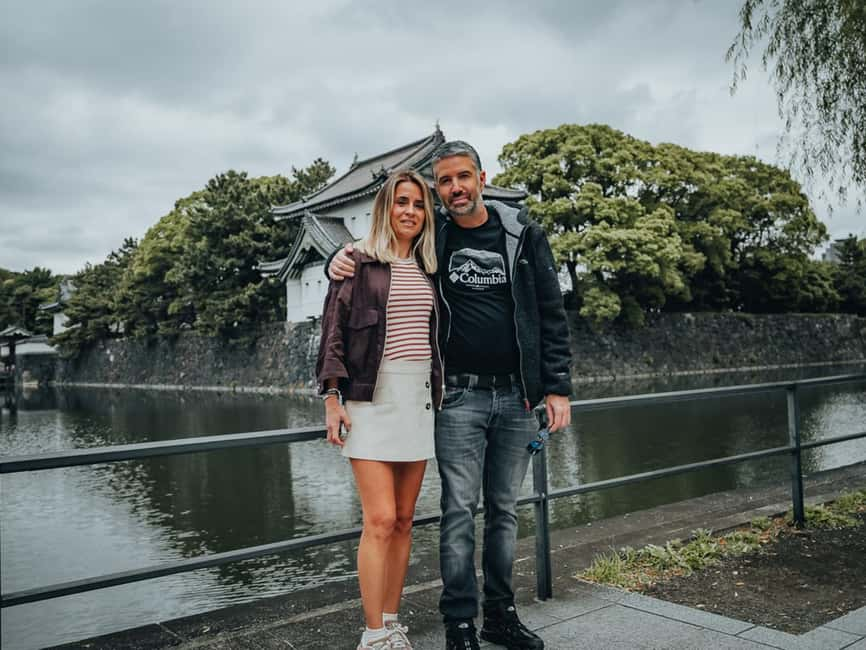
The starting point is Starbucks Coffee Imperial Palace Gaien Wadakura Fountain Park, written in Japanese as スターバックス コーヒー 皇居外苑 和田倉噴水公園店. Your guide waits in front of the café with a sign for the inbound tour service YURAGI.
This is a practical meeting point, but Tokyo’s central districts can still be confusing if you are rushing. Give yourself time to find the café, especially if you are reading signs in English or arriving by train. Look for the guide’s YURAGI sign rather than relying only on a general description of the palace grounds.
If you cannot find the guide, direct contact is available by WhatsApp or phone. That small detail is useful in Tokyo, where a few minutes of walking in the wrong direction can put you on the other side of a large station or park.
Wear shoes you can walk in comfortably. Bring water and a camera. There is no need to pack specialist equipment, but the outing is much easier when you are not distracted by sore feet or searching for a drink.
The First 30 Minutes at Tokyo Imperial Palace
The first scheduled stop is Tokyo Imperial Palace, with about 30 minutes set aside for a visit. This gives the guide room to place the grounds in the wider story of Japan before the walk moves deeper into the East Gardens.
The palace is tied to the Japanese imperial family, while the surrounding castle remains recall the earlier age of shoguns and samurai. That contrast is one of the most interesting parts of the experience. You can begin with the modern imperial role, then look back at the military government that made Edo, the old name for Tokyo, the center of national power.
Your guide’s job here is not just to point out attractive views. The useful information is the connection between the people and institutions that shaped Japan: emperors, shoguns, samurai, and the city that grew around them.
Because the visit lasts only around half an hour, do not expect a full tour of every palace building or an extensive look at imperial interiors. The strength of this stop is orientation. You get the setting and the basic political framework before exploring the castle remains.
Seventy Minutes Among Edo Castle Remains
The main portion of the walk takes place in the Imperial Palace East Gardens, scheduled for about 70 minutes. This is where the tour becomes most concrete. Instead of discussing Edo Castle only in broad terms, you see physical traces of the compound.
The Tenshudai base is one of the key points. It is the base of what was once intended to support Edo Castle’s main tower. Even without a surviving tower above it, the scale of the stone platform helps you picture the ambition and power of the castle.
The route also includes the Tatsumi Yagura, a watchtower associated with the castle defenses. A yagura was not simply a decorative tower. It formed part of the castle’s protective system, and the guide can help explain how such structures fit into the wider compound.
You will also pass old gates and stone ruins. These details reward attention, but they can be easy to overlook if you walk through the gardens alone. A local guide gives names and purpose to features that might otherwise blend into the scenery.
The 70-minute garden section should feel like the heart of the activity. It combines walking, views, and explanation without asking you to spend the entire outing standing in one place. Still, the route is not a quick photo stop. You need to be ready for sustained walking at an easy tour pace.
More Royal Palace Tours in Tokyo:
- Tokyo Castle & Imperial PalaceーShogun Walking Tour
★ 4.7 · 1,068 reviews - Tokyo Castle & Imperial PalaceーShogun Walking Tour
★ 5.0 · 724 reviews - Imperial Palace East Garden and Edo Castle Walking Tour in Tokyo
★ 5.0 · 510 reviews - Tokyo: Imperial Palace East Gardens Walking Tour
★ 4.8 · 353 reviews
What the Guides Add to the Walk
The strongest part of this experience is the human explanation. The guide is there to turn a collection of ruins into a story about control, status, war, and changing power.
Several guides are specifically named in the available feedback. Hina is described as pleasant, informed, and accommodating, with a clear focus on the Edo period. Naoki Sugar leads in Spanish and is noted for explaining the site well in that language. Delfo is praised for being informative, warm, and courteous.
Hiroshi is described as prepared and pleasant, while Taku is credited with answering questions and sharing interesting facts about the site. One small group had both a guide and a trainee, which meant especially close attention.
These details matter because the quality of a history walk depends heavily on the person leading it. You are not guaranteed one particular guide unless the booking process says so, but the named examples show that the company uses guides who can handle questions and adjust to different language needs.
The small-group limit of eight is a real advantage. In a large group, you may hear only the broad outline and lose the chance to ask about a particular tower or historical figure. Here, you have a better chance of speaking directly with the guide and keeping the tour conversational.
A Useful Introduction to Edo Period Japan
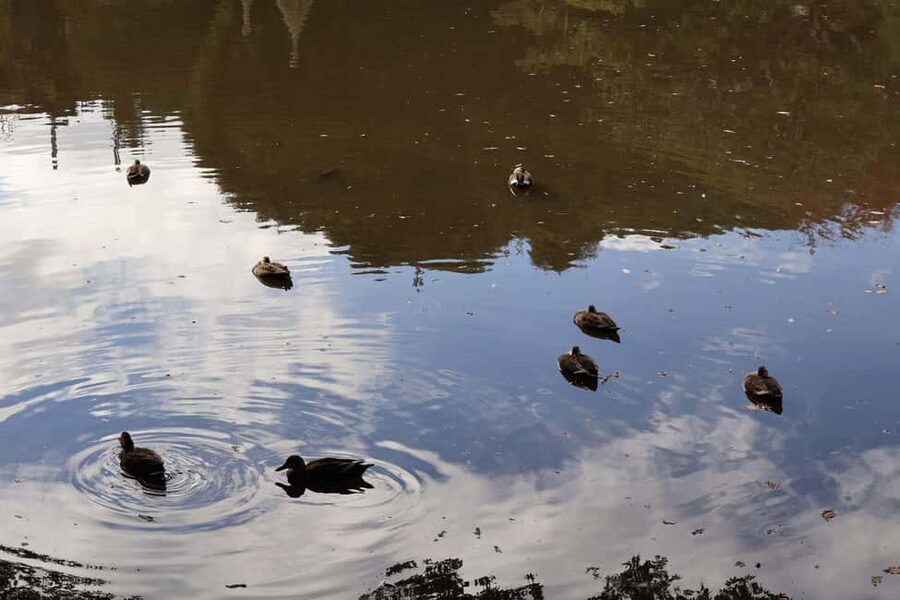
The tour works best if you want a clear introduction rather than an academic lecture. You will hear about the Edo period, samurai, Japanese emperors, and the political power that shaped the country. The garden setting keeps the information tied to visible places.
I like this approach for a first visit to Tokyo. You do not need a detailed background in Japanese history to follow the story. The guide can explain why Edo Castle mattered and how the area relates to Tokyo today.
At the same time, history fans should keep expectations sensible. A 90-minute to 2-hour walk cannot cover every shogun, battle, architectural feature, or change in Japanese government. Think of it as a strong foundation. It gives you enough context to appreciate the palace area and decide what you want to study further.
The guide’s language ability is another practical strength. English, Spanish, and French tours are available. For a historical walk, language clarity is important because names, titles, and political roles can otherwise become a blur.
Is $24 Good Value?
At $24 per person, this is priced below many private sightseeing experiences and makes sense if you want context without committing to a costly full-day tour. You are paying for a professional local guide, a small group, and access to a central Tokyo site that you could technically visit on your own.
The value depends on how much explanation you want. If you are happy to walk through the East Gardens, take photos, and read signs independently, you may not need a paid tour. But if you want to understand the Tenshudai base, Tatsumi Yagura, and the connection between Edo Castle and Japanese power, the guide adds something you cannot get from scenery alone.
The group cap improves the value. Eight people is small enough for direct questions, yet the price remains low enough for many budgets. I would consider it especially worthwhile for solo visitors, couples, and families who want a short historical activity rather than a full day of sightseeing.
The flexible booking terms also help. You can reserve now and pay later, and cancellation is free up to 24 hours before the activity for a full refund. That is useful when your Tokyo schedule includes weather-sensitive plans or uncertain arrival times.
Who Should Book This Walk?
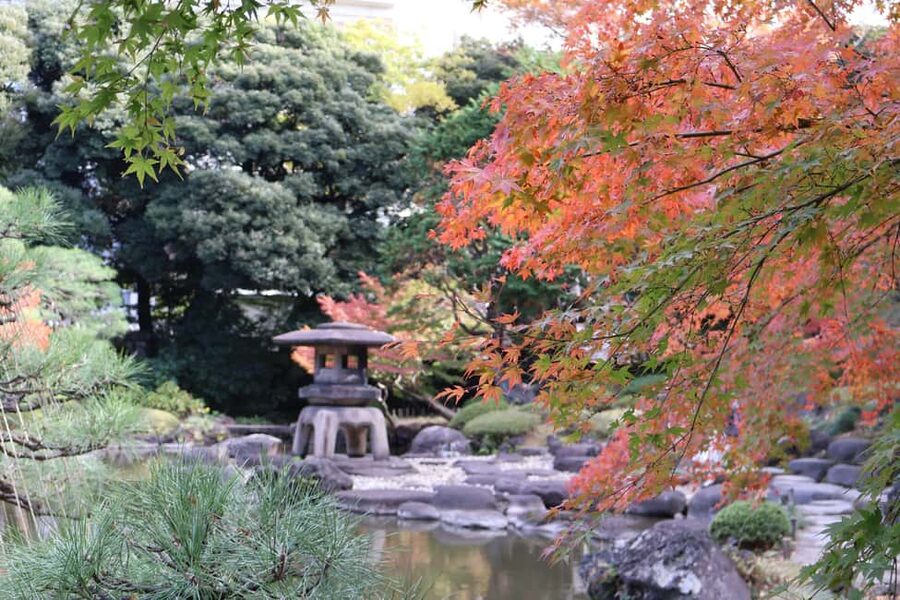
This tour suits you if you want to connect Tokyo’s present-day streets with the samurai government that shaped the city. It is a good choice for first-time visitors who want a clear introduction to the Imperial Palace area, and for repeat visitors who passed the gardens before without understanding the ruins.
It is also a good match if you prefer conversation over headphones or a crowded bus. The small group makes it easier to ask about the Edo period, castle defenses, emperors, or anything else that catches your attention.
You should think twice if your priority is seeing palace interiors or spending most of the time taking photos. The route focuses on outdoor gardens, castle remains, and walking. The palace visit is only about 30 minutes, followed by the longer East Gardens section.
The tour is listed as wheelchair accessible and stroller accessible, and service animals are allowed. It is also near public transportation. Still, the activity is specifically marked as unsuitable for pregnant women and people with a low level of fitness, so you should judge your own comfort with a sustained walk.
Timing, Comfort, and Practical Details
The stated duration needs a little care. The activity information gives 90 minutes, the route lists 30 minutes at Tokyo Imperial Palace and 70 minutes in the East Gardens, and the highlights call it a 2-hour guided walk. Plan for roughly 90 minutes to 2 hours rather than arranging a tight connection immediately afterward.
The exact starting times vary, so check availability before booking. Since the tour begins and ends at the Starbucks meeting point, you return to the same general location after the garden walk.
The best preparation is simple:
- Wear comfortable walking shoes.
- Carry water.
- Bring a camera if you want photographs of the gardens, walls, gates, and towers.
- Arrive at the Starbucks meeting point with enough time to find the YURAGI sign.
- Keep WhatsApp or phone contact available in case you have trouble locating the guide.
The gardens may feel easy at first, but the tour still asks you to stay on your feet and keep moving. Comfortable clothing and a relaxed schedule will make the experience better.
Should You Book the Imperial Palace Tour?
Book it if you want a short, affordable way to understand Tokyo’s Imperial Palace area through Edo Castle, samurai government, and imperial history. The strongest reasons are the eight-person limit, the named guides’ warm and clear style, and the chance to see specific remains such as the Tenshudai base and Tatsumi Yagura.
Skip it if you want palace interiors, a private guide reserved only for your party, or a very gentle outing with little walking. Also allow extra time because the stated duration ranges from 90 minutes to about 2 hours.
For most visitors who want more than attractive garden paths, I think the $24 price is sensible. You get a focused history lesson in a calm part of central Tokyo, with enough personal attention to make the ruins meaningful.
FAQ
Where does the Imperial Palace tour begin?
The tour begins in front of Starbucks Coffee Imperial Palace Gaien Wadakura Fountain Park, shown in Japanese as スターバックス コーヒー 皇居外苑 和田倉噴水公園店. The guide holds a YURAGI inbound tour service sign.
Where does the tour end?
The walk returns to the same Starbucks meeting point near Wadakura Fountain Park.
How long does the tour last?
The activity is listed as 90 minutes, while the route details total about 100 minutes and the highlights describe it as a 2-hour walk. You should allow roughly 90 minutes to 2 hours.
What places are visited?
The route includes Tokyo Imperial Palace and the Imperial Palace East Gardens, which were once part of Edo Castle. It includes the Tenshudai base and Tatsumi Yagura watchtower.
What languages are available?
The live guide is available in English, Spanish, and French.
How large is the group?
The activity is limited to eight participants.
Is the tour wheelchair accessible?
Yes. The activity is listed as wheelchair accessible and stroller accessible. Service animals are allowed.
What should I bring?
Bring comfortable shoes, water, and a camera. The tour involves walking through the palace and garden areas.
More History Tours in Tokyo
- Tokyo: Imperial Palace, the history of Japan (ENGLISH GUIDE)
★ 5.0 · 77 reviews - Madrid Essential: Historic Center, Plaza Mayor & Royal Palace
★ 5.0 · 6,416 reviews - Venice’s Best: Basilica, Doge’s Palace, Gondola & History Gallery
★ 4.5 · 2,478 reviews - Dubai: Abu Dhabi Grand Mosque, Palace, and Heritage Village
★ 4.8 · 1,265 reviews
Newly added in Tokyo
- Tokyo walking tour around Imperial Palace and Tokyo Station★ 5.0 · 3 reviews
- Tokyo: Imperial Palace, the history of Japan (ENGLISH GUIDE)★ 5.0 · 77 reviews
- Tokyo: Imperial Palace with Nostalgic Alley Kagurazaka tour★ 4.3 · 8 reviews
- Tokyo: Pvt. Tour – Edo Castle & Imperial Palace East Gardens★ 4.8 · 63 reviews
- Tokyo: Edo Castle Ruins & Imperial Palace East Garden Tour★ 4.4 · 13 reviews
- Tokyo: Edo Castle and Imperial Palace Guided Walking Tour★ 5.0 · 6 reviews
- Tokyo: Imperial Palace East Gardens and Tokyo Station Tour★ 5.0 · 16 reviews
- Full Tokyo: Meiji Shrine, Imperial Palace, Asakusa & Skytree★ 4.7 · 16 reviews
Royal Palace Tours, compared.


Royal Palace Expert Guided Tour with Skip-the-Line
Read our review →
Dubai To Abu Dhabi: Grand Mosque, Royal Palace & Etihad Towers
Read our review →

Abu Dhabi Day-Trip Grand Mosque, Royal Palace & Lunch
Read our review →

Louvre Entry & Etihad Tower/Royal Palace Options
Read our review →Browse the lists this tour appears in