
Review · ROYAL PALACE TOURS
Tokyo: Imperial Palace, the history of Japan (ENGLISH GUIDE)
Tokyo’s Imperial Palace is more than a pretty park in the middle of the capital. Beneath the clipped trees and quiet paths sits the former base of Edo Castle, the power center of Japan for more than 350 years. This walking tour helps you read the stones, gates, gardens, and palace ruins as parts of Japan’s larger story.
I like the small-group feel, which makes it easier to ask about Japanese mythology, the imperial family, language, and daily life. I also like the unusual details, especially the palace-only koi and trees sent from different prefectures. The main thing to check before paying is the guide language: the experience title refers to English, but the detailed information says French, and the named guide Nicolas is Franco-Japanese.
Key points to know before you go
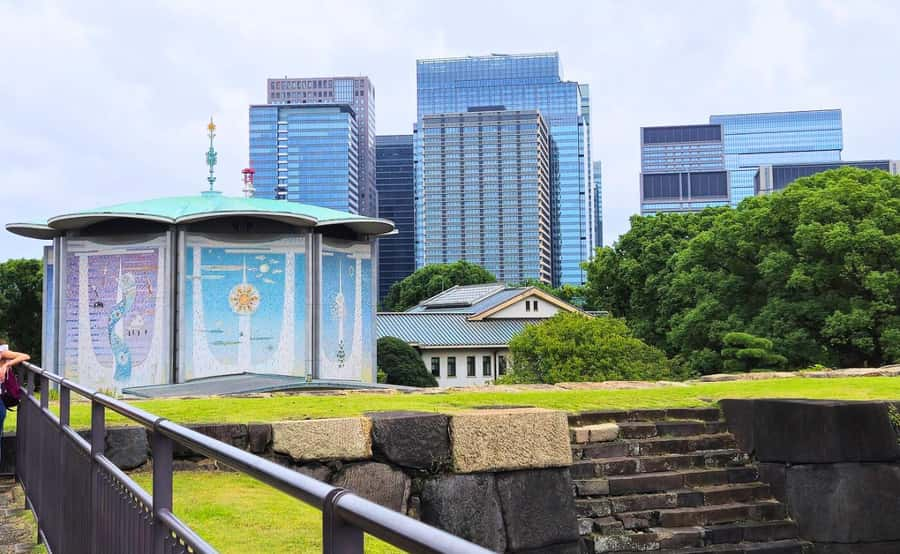
- Edo Castle comes before today’s Imperial Palace: You will see the former castle grounds and learn why the main castle no longer exists.
- The tour includes the eastern gardens: You can enter this historic section, but not the inner palace.
- Nicolas may be your guide: He is described as a Franco-Japanese guide who discusses history, mythology, language, and modern Japan.
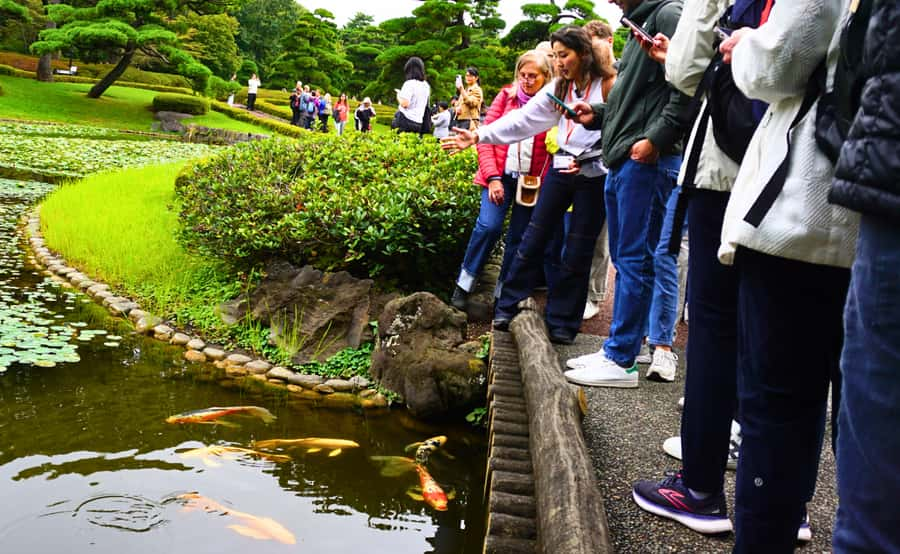
- Special koi add a local detail: The tour includes fish said to be a unique breed found only here.
- Meet beside Starbucks at Wadakuramon Fountain Park: Tokyo Station and Otemachi Station are both about a 5 to 10 minute walk away.
- Confirm the language first: The supplied details conflict between English and French guiding.
Why Edo Castle is the real subject
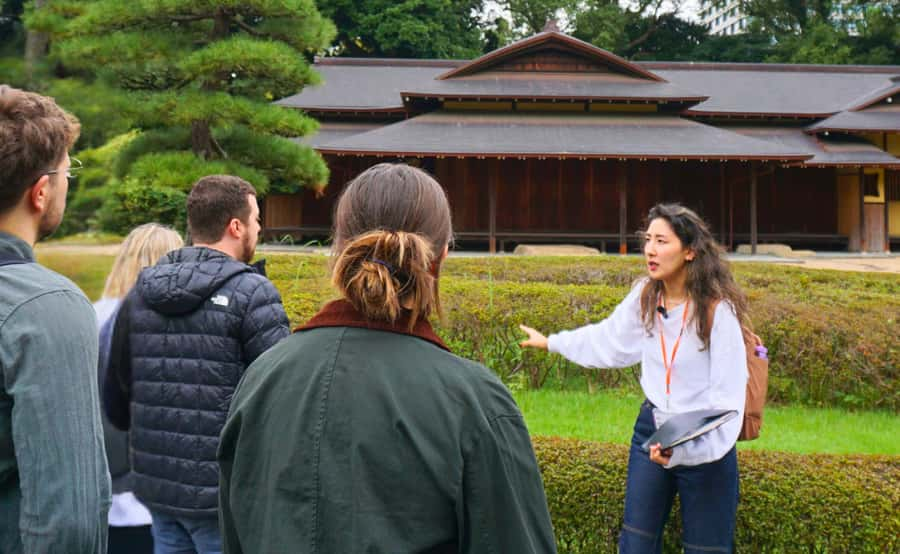
Many people arrive at the Imperial Palace expecting to see an ornate royal residence. That is not what this tour offers. The inner palace is off limits, and the main castle itself is gone. Instead, you walk through the eastern gardens of the former Edo Palace, where stone walls, foundations, gates, open spaces, and smaller structures help show how the site once worked.
That is a useful distinction. The Imperial Palace is not simply a sightseeing stop with attractive landscaping. It is a place where Japan’s political center changed over time. Edo Castle was tied to the shoguns and the military government that ruled Japan for centuries. The modern imperial palace occupies part of that same historic zone, but the site you visit gives you a broader view than a quick look at today’s palace buildings would.
Your guide supplies the missing pieces. A wall or empty foundation can be hard to understand on your own. With an explanation of who used the area, how the castle was organized, and why the central structure disappeared, the grounds become easier to picture.
The tour also aims to explain how Japan developed into its present form. That makes it a better choice for a first or second visit to Tokyo than a tour focused only on architecture. You are not simply collecting palace photos. You are getting a basic timeline for Japan’s political and cultural changes.
More Royal Palace Tours in Japan
- Tokyo: Imperial Palace and Shogun Historical Walking Tour
★ 5.0 · 2,251 reviews - Tokyo: Imperial Palace Japanese History Walking Tour
★ 4.9 · 987 reviews - Tokyo: Imperial Palace and Shogun Walking Tour
★ 4.9 · 935 reviews
Meeting at Wadakuramon Fountain Park
The meeting point is near Starbucks at Wadakuramon Fountain Park, beside the fountain. You can reach the area from Tokyo Station or Otemachi Station, followed by a walk of roughly 5 to 10 minutes.
Give yourself enough time for this walk. Tokyo Station is large, and the surrounding streets can feel confusing if you are relying on a rushed transfer or trying to find the correct palace entrance at the last minute. The guide waits near the fountain with a SUNRISE ADVENTURE sign, which should make the final meeting point easier to identify.
This arrangement is practical because you do not need to find the palace gate by yourself. Once the group gathers, the guide leads you toward Otemon, the large main gate. That shared walk also gives the guide a chance to get the group organized before entering the grounds.
Be precise about the meeting time. If you are more than 10 minutes late, the group may leave without you. That rule matters here because the palace grounds are large, and the guide cannot easily stop the entire visit to search for missing participants.
Passing through Otemon
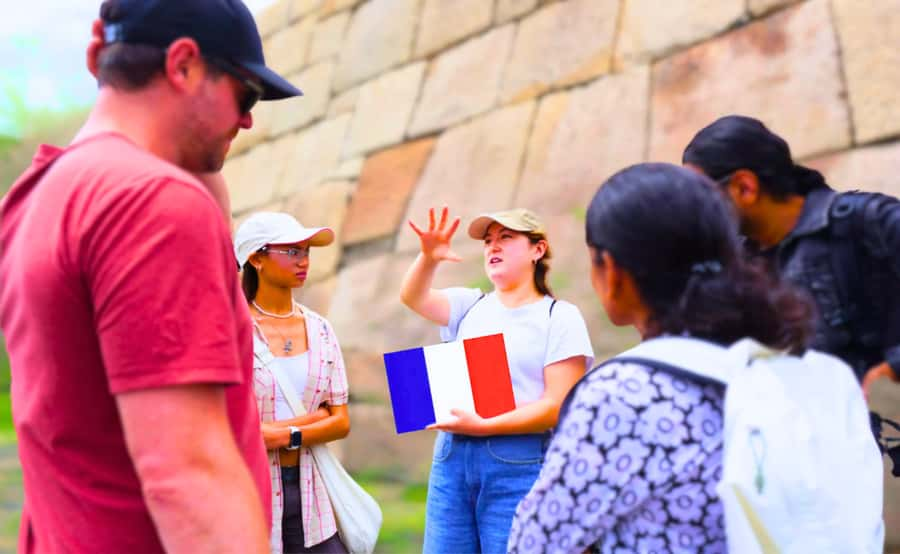
Otemon is the natural opening to the tour. A large gate gives you a sense of the scale and security of the former castle before you reach the quieter garden paths.
The gate is not just a doorway into a park. It marks the transition from modern Tokyo into the historic castle grounds. Your guide can explain how the site functioned and help you notice details that would be easy to pass without comment.
From here, the pace is a walking tour rather than a formal palace ceremony. You should expect time outdoors, short stops for explanations, and a route through garden areas and historic remains. Wear shoes and clothing suited to the weather.
The tour runs in good weather or bad weather, so rain protection and sun protection are sensible. The information provided does not give a duration, so you should check the current booking details if you need to fit this around a train, meal, or another timed activity.
Reading the palace ruins and former barracks

The former soldiers’ barracks are one of the more useful stops because they show the working side of the castle. Palaces can seem distant and ceremonial, but barracks point to the people who guarded, maintained, and operated the compound.
The main castle no longer exists, and the reason for its disappearance is part of the guide’s explanation. You will also see a miniature structure representing the former palace. That model helps fill in the gaps left by the missing buildings, especially if you have trouble picturing the original scale from foundations alone.
I like this combination of ruins and reconstruction. A model by itself can feel abstract, while ruins without context can look like random stonework. Together, they help you connect the physical remains to the former castle complex.
Do not expect a fully restored fortress or a sequence of lavish interior rooms. This is an outdoor history walk. The value lies in understanding what happened on the site and how the grounds changed, not in entering a preserved castle building.
More Royal Palace Tours in Tokyo:
- Tokyo Castle & Imperial PalaceーShogun Walking Tour
★ 4.7 · 1,068 reviews - Tokyo Castle & Imperial PalaceーShogun Walking Tour
★ 5.0 · 724 reviews - Imperial Palace East Garden and Edo Castle Walking Tour in Tokyo
★ 5.0 · 510 reviews - Tokyo: Imperial Palace East Gardens Walking Tour
★ 4.8 · 353 reviews
Gardens, trees, and the palace koi
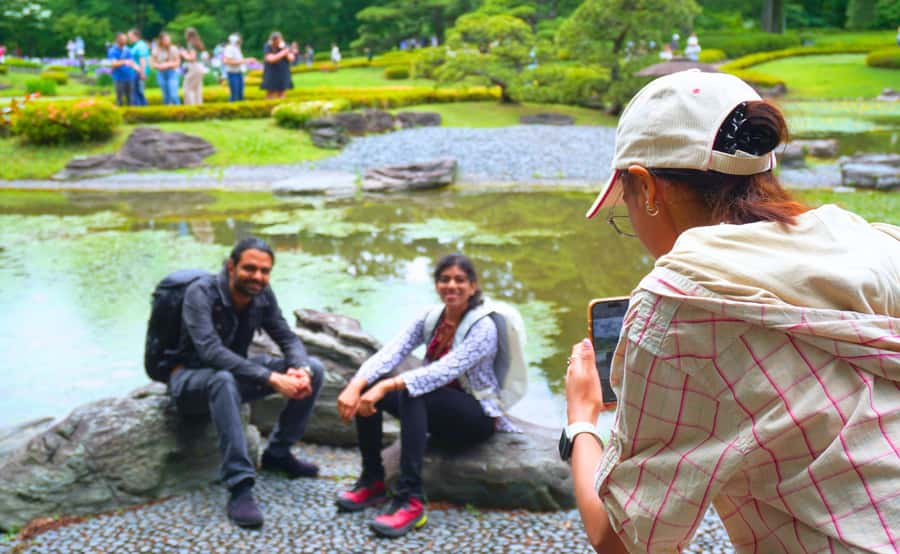
The eastern gardens add a calmer side to the visit. You will move through ornamental plantings and paths while the guide points out the relationship between the garden and the former palace grounds.
One unusual feature is the collection of trees from different prefectures of Japan. This detail gives the gardens a national dimension. You are not only seeing plants selected for appearance. You are also seeing a connection to different parts of the country.
The koi provide another memorable stop. The tour highlights a special breed said to be found only at the Imperial Palace. Fish are a small part of the visit, but that is exactly why they work well. After explanations about shoguns, castles, and the imperial family, a close look at palace koi gives you something concrete and easy to remember.
The gardens are also the main setting for photographs. The route includes spots chosen for good pictures, with a mix of greenery, stonework, palace remains, and open views. Your guide can help you notice the best angles, though the precise views will change with weather and season.
A guide who connects history with modern Japan
The strongest part of this experience is the guide’s role. The tour is designed around explanation and conversation, not simply following a route from one landmark to the next.
Nicolas is described as a Franco-Japanese guide who discusses the site, the imperial family, Japanese mythology, the Japanese language, and Japan more generally. That range matters because visitors often have questions that do not fit neatly into a palace timeline.
A small group of five was possible on one outing, which created plenty of room for conversation. The exact group size can vary, but a smaller group generally gives you more chances to ask questions and hear the guide clearly. It also makes the experience feel more personal than a large coach-style tour.
If you enjoy asking questions, this format should suit you. You can ask why the palace was built where it was, how the former castle relates to modern Japan, or how older beliefs connect to the country today. If you prefer to explore quietly at your own pace, the guided stops may feel more structured than a self-guided visit.
Pay close attention to the language description when booking. The title says English guide, while the included and additional information identifies French as the language. Nicolas’s Franco-Japanese background may make him comfortable with several languages, but you should not assume an English tour without confirming it with Sunrise Adventure.
What the $40 price means
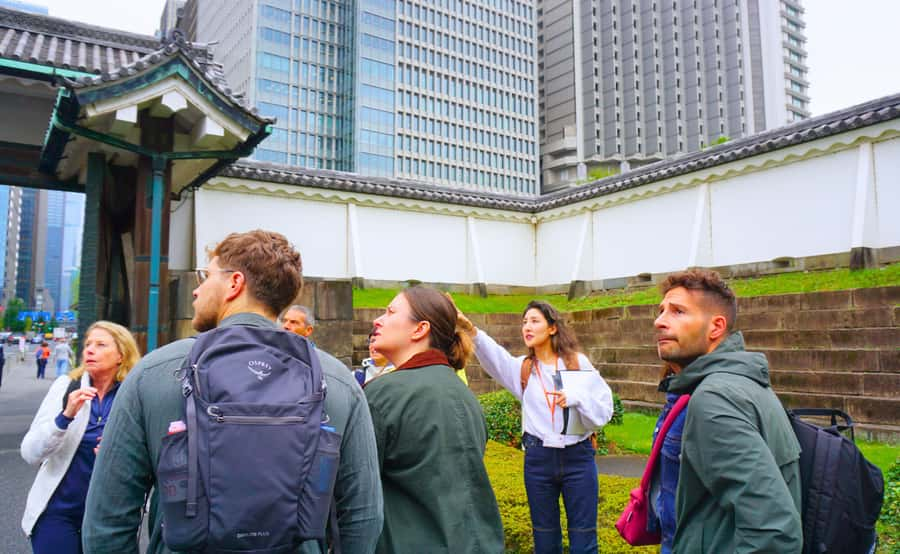
At $40 per person, this is not a ticket for access to every part of the Imperial Palace. You do not enter the inner palace, and the main value is the guide-led historical walk through the eastern gardens and former Edo Castle grounds.
I would judge the price by the quality of the explanation rather than by the number of buildings you enter. If you want a short orientation to Japanese history, a guide can save you from wandering past walls and foundations without understanding them. The added value comes from the story connecting the military compound, the imperial family, the garden, and present-day Japan.
The price makes less sense if you only want a peaceful garden stroll. You can see the scenery, take photos, and enjoy the grounds, but much of the experience depends on the guide’s commentary. In that case, confirm the language and make sure the historical focus matches your interests.
The small-group format improves the value for visitors who like conversation. A guide who can answer questions about mythology, language, and modern Japan offers more than a standard list of dates. Still, the tour does not include food, transportation, or access to the inner palace, so budget for those separately.
Who will enjoy this palace walk

I would recommend this experience to you if you want context for your time in Tokyo. It works especially well early in a Japan trip, when you are still trying to understand the relationship between the emperor, the shogunate, Edo, and modern Japan.
It also suits visitors who enjoy asking questions. The tour can move from castle design to mythology to language, and the small-group setting makes that exchange easier.
Families with older children may find the koi, gates, model structure, and castle remains easier to connect with than a museum full of written panels. The outdoor setting also gives you room to walk instead of standing in one exhibition room for a long time.
You may want a different plan if your priority is entering the working palace or seeing lavish imperial interiors. This tour does not include inner palace access. It is also not ideal for anyone who wants to avoid walking outdoors in uncertain weather.
Practical tips for a smoother visit
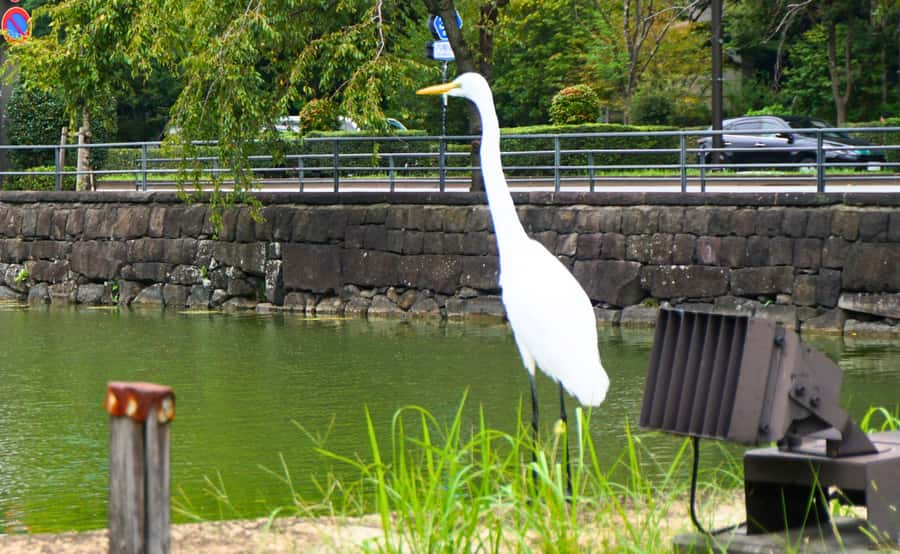
Wear clothing suitable for the forecast, since the walk takes place outside in rain or sunshine. Comfortable footwear is sensible for garden paths and the route between the meeting point, Otemon, and the palace grounds.
Arrive early at the fountain. Tokyo Station and Otemachi Station are close on the map, but large station areas can add time to a simple journey. Finding the correct Starbucks and fountain before the meeting time will make the start much less stressful.
Bring your camera, but do not let photos take over the visit. The best part of the tour is learning what you are looking at. A shot of a stone wall is far more interesting after you understand its role in the former castle.
Smoking, drones, alcohol, drugs, littering, and skateboards are not allowed. These rules are straightforward, but they matter in a formal historic garden in the center of Tokyo.
The booking terms allow cancellation up to 24 hours in advance for a full refund, and a reserve-now, pay-later option is available. That gives you some flexibility if your Tokyo schedule is still changing.
Should you book the Imperial Palace history tour?
Book it if you want the Imperial Palace grounds to make historical sense, especially if this is your first introduction to Edo Castle and Japan’s political past. The combination of castle ruins, gardens, palace koi, national trees, and a conversational guide gives the visit more substance than a quick photo stop.
I would make one call or message before booking: confirm whether your departure is in English or French. That is the key practical issue in the supplied information. If the language works for you and you enjoy history, the $40 price is reasonable for a small-group explanation of one of Tokyo’s most important sites.
Skip it if you mainly want inner palace access, a fully restored castle, or a completely self-guided stroll. For everyone else, this is a friendly way to connect today’s Tokyo with the Edo-era power center beneath it.
FAQ
Where does the Imperial Palace tour meet?
Meet near the Starbucks at Wadakuramon Fountain Park, by the fountain. The guide will hold a SUNRISE ADVENTURE sign.
How do I reach the meeting point?
Take the train to Tokyo Station or Otemachi Station. From either station, the meeting point is about a 5 to 10 minute walk.
Does the tour enter the inner palace?
No. Access to the inner palace is not included. The visit focuses on the eastern gardens and the former Edo Palace grounds.
Is the tour in English or French?
The experience title refers to an English guide, but the detailed information identifies French as the guide language. Confirm the language with Sunrise Adventure before booking.
Who may guide the tour?
Nicolas is identified as a Franco-Japanese guide. The assigned guide may vary, so check the booking details for your date.
What will I see during the walk?
You will visit the eastern gardens, Otemon, former castle areas, palace ruins, a miniature structure, former soldiers’ barracks, special koi, and trees from different prefectures of Japan.
What happens if I arrive late?
If you do not arrive within 10 minutes of the meeting time, the group may start the tour without you.
Can I cancel the booking?
You can cancel up to 24 hours in advance for a full refund. A reserve-now, pay-later option is also available.
More History Tours in Tokyo
- Imperial Palace Tour: Discover Samurai History with a Guide
★ 5.0 · 12 reviews - Madrid Essential: Historic Center, Plaza Mayor & Royal Palace
★ 5.0 · 6,416 reviews - Venice’s Best: Basilica, Doge’s Palace, Gondola & History Gallery
★ 4.5 · 2,478 reviews - Dubai: Abu Dhabi Grand Mosque, Palace, and Heritage Village
★ 4.8 · 1,265 reviews
Newly added in Tokyo
- Tokyo walking tour around Imperial Palace and Tokyo Station★ 5.0 · 3 reviews
- Tokyo: Imperial Palace with Nostalgic Alley Kagurazaka tour★ 4.3 · 8 reviews
- Tokyo: Pvt. Tour – Edo Castle & Imperial Palace East Gardens★ 4.8 · 63 reviews
- Tokyo: Edo Castle Ruins & Imperial Palace East Garden Tour★ 4.4 · 13 reviews
- Tokyo: Edo Castle and Imperial Palace Guided Walking Tour★ 5.0 · 6 reviews
- Tokyo: Imperial Palace East Gardens and Tokyo Station Tour★ 5.0 · 16 reviews
- Imperial Palace Tour: Discover Samurai History with a Guide★ 5.0 · 12 reviews
- Full Tokyo: Meiji Shrine, Imperial Palace, Asakusa & Skytree★ 4.7 · 16 reviews
Royal Palace Tours, compared.


Royal Palace Expert Guided Tour with Skip-the-Line
Read our review →
Dubai To Abu Dhabi: Grand Mosque, Royal Palace & Etihad Towers
Read our review →

Abu Dhabi Day-Trip Grand Mosque, Royal Palace & Lunch
Read our review →

Louvre Entry & Etihad Tower/Royal Palace Options
Read our review →Browse the lists this tour appears in