
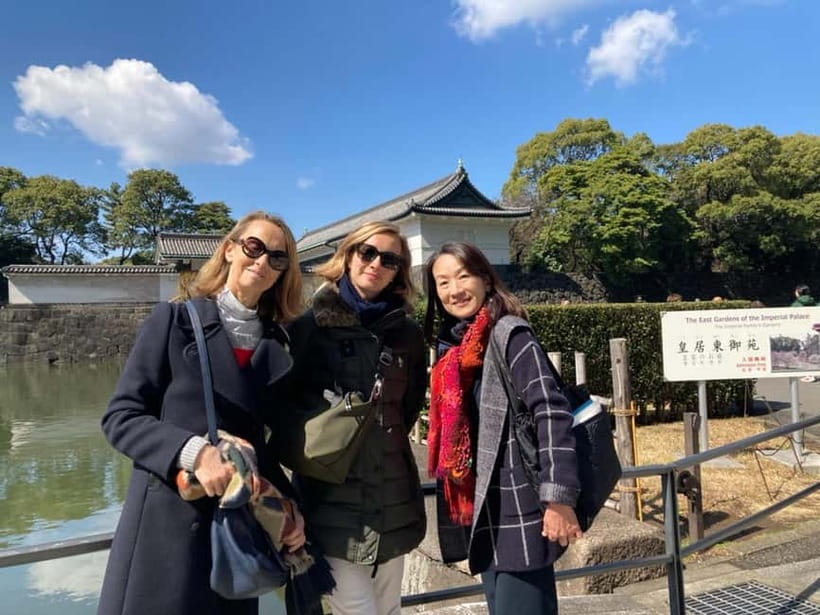
Review · PALACE GARDENS AND GROUNDS
Tokyo: Pvt. Tour – Edo Castle & Imperial Palace East Gardens
Edo Castle once covered much of central Tokyo, and its surviving walls, moats, gates, and gardens give you a clear sense of the power held by Japan’s shoguns. This private two-hour walk brings that past into focus without pulling you far from the city’s modern center.
I like the private format, which lets your guide adjust the pace for your family and answer specific questions. I also like the contrast between the massive castle foundations and the calm Ninomaru Garden, especially when seasonal flowers or autumn color are showing.
The main limitation is simple: you do not enter the Imperial Palace where the Emperor resides. This is an outdoor history and garden walk, so the experience depends partly on the season, the weather, and what is in bloom.
Key points to know before booking
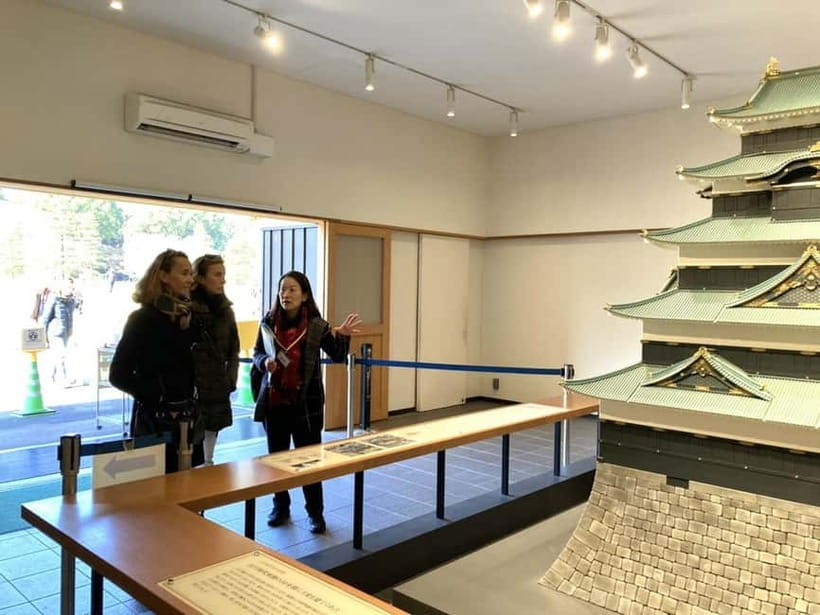
- Edo Castle ruins reveal the scale of shogun power: Expect huge stone walls, moats, gates, and the remains of a once-enormous keep.
- The private guide makes the difference: Guides including Yoshi, Yuji, Mari, Masahito, Naoko, and Hiroshito have been praised for clear English, flexibility, and family-friendly pacing.
- Ninomaru Garden changes with the calendar: Cherry blossoms, irises, autumn leaves, koi, and carefully arranged plantings give each season a different mood.
- The meeting point is easy to reach: Find the guide by the Starbucks in Wadakura Fountain Park, near the Otemachi D2 exit.
- Expect a baggage inspection: Leave Japanese knives and similar purchases in a coin locker before arriving at the palace grounds.
- This is a two-hour introduction, not a full palace visit: It suits a first look at the area, but you will not see the Emperor’s inner residence.
Why Edo Castle is the real star
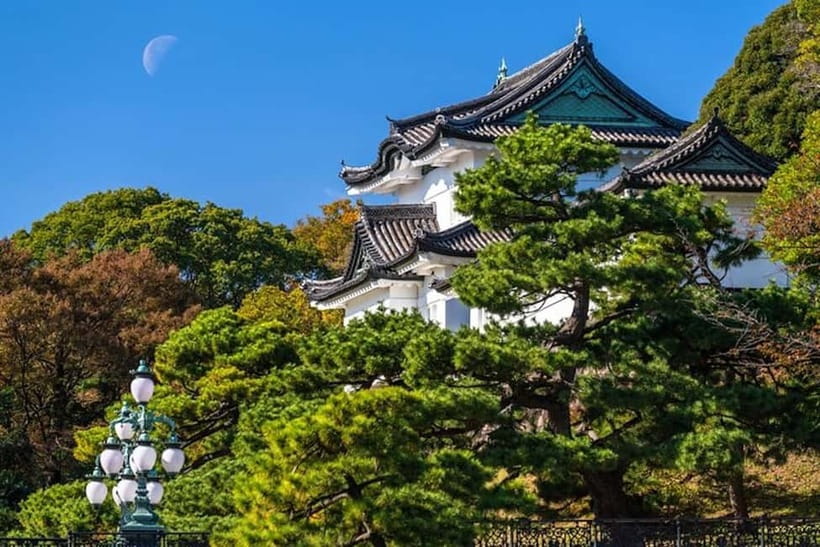
Many people come to Tokyo expecting the Imperial Palace to be an ornate, fully accessible royal residence. That is not what you get here. The palace grounds are working imperial property, and the inner palace is not part of this tour.
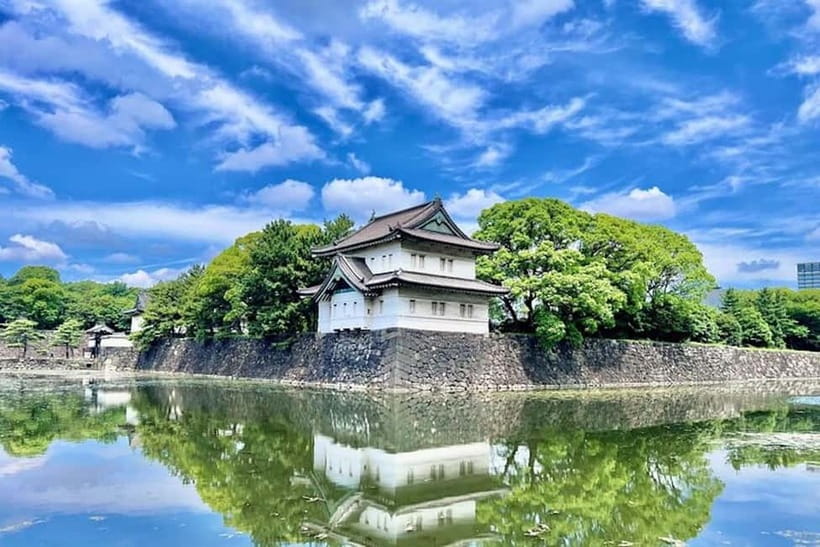
What you can see is more revealing in a different way. Edo Castle was the political center of the Tokugawa shogunate, and its remaining walls, moats, gates, and foundations show how large and fortified the compound once was. The open spaces make it easier to picture the castle as a seat of military power rather than simply a pretty garden.
I find that the ruins work best when a guide supplies the missing pieces. A bare stone wall can be easy to overlook, but the right explanation helps you understand why the wall was built so thick, how the gates controlled movement, and how the castle related to Japan’s feudal government.
The walk also gives you a useful introduction to the change from shogun rule to the modern imperial era. Your guide can connect the physical remains to Japan’s political past, then bring you back to the present palace grounds around you.
More Palace Gardens and Grounds in Japan
- Imperial Palace East Garden and Edo Castle Walking Tour in Tokyo
★ 5.0 · 510 reviews - Tokyo: Imperial Palace East Gardens Walking Tour
★ 4.8 · 353 reviews - Tokyo Castle, Imperial Palace, Shogun & Garden Walking Tour
★ 5.0 · 211 reviews
Meeting your guide at Wadakura Fountain Park
The tour begins in Wadakura Fountain Park, in front of the Starbucks. Look for a guide holding a sign marked gotcha. The location is about a three-minute walk from Tokyo Metro’s Otemachi Station, exit D2, and about a ten-minute walk from Tokyo Station’s Marunouchi Central Exit.
That makes this a practical choice if you are already sightseeing around Tokyo Station or Marunouchi. Give yourself enough time to find the correct station exit, since Tokyo’s underground passages can be confusing even when the surface distance is short.
The meeting point has another advantage: it begins in a pleasant open area rather than on a crowded station platform. Once you meet your English-speaking guide, the visit moves toward the Imperial Palace East Gardens and the historic entrance area.
The private setup matters from the first few minutes. You are not trying to keep up with a large crowd or wait while a guide repeats the same explanation for several dozen people. Families and small groups can ask for a slower pace, extra photographs, or more attention to a particular part of the grounds.
The Main Gate and its guardhouse
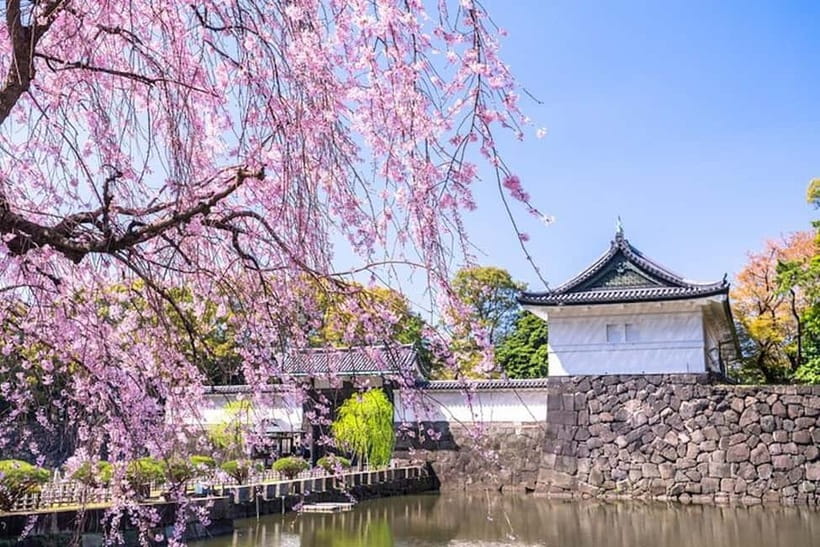
The Main Gate offers an early lesson in how the castle was protected. You will see traditional architectural details alongside present-day security arrangements, a useful reminder that this remains an important imperial site rather than a simple public park.
The guardhouse helps you picture the controlled movement of people into Edo Castle. Gates were not just grand entrances. They were checkpoints, defensive structures, and symbols of status. Your guide can explain what you are seeing instead of leaving you to guess at the meaning of the buildings and stonework.
This is also where practical planning matters. Visitors entering the Imperial Palace grounds are subject to a baggage inspection. The inspection is a normal part of access, but it can slow the start of your walk if you arrive with items that need extra attention.
In particular, do not bring Japanese knives or similar objects purchased at Tsukiji, Asakusa, or another part of Tokyo. Put them in a coin locker or leave them somewhere secure before the meeting. This is an easy detail to miss, especially if you have spent the morning shopping for kitchenware.
Edo Castle ruins, moats, and massive stonework
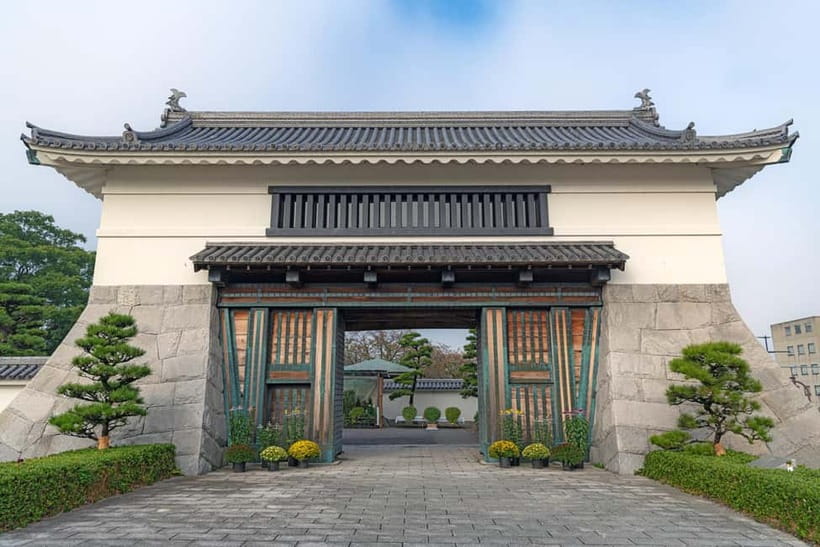
The ruins are the historical core of the walk. Ancient stone walls and moats give the site its scale, while the remains of the keep help you understand how much of Edo Castle has disappeared and how much still survives.
You will not be touring a furnished castle interior. Instead, you are reading the site through foundations, masonry, open courtyards, and the layout of the grounds. That may sound modest, but it is a strong way to see how Japanese castle design used height, distance, water, and controlled entrances for protection.
The large stonework is especially useful for visitors who want more than a garden stroll. You can admire the craftsmanship while also considering the labor and organization required to build such a complex in the shogun’s capital.
A good guide keeps the ruins from becoming a collection of disconnected sights. Masahito, one of the guides praised for this experience, has been described as setting a comfortable pace and explaining the garden and palace area clearly. Another guide, Naoko, has been praised for discussing the buildings, past and present inhabitants, koi, and the plantings in detail.
That kind of interpretation is the main reason to pay for the tour instead of walking through the grounds alone. You can certainly see the stones and gardens without help, but you may miss how they fit together.
More Royal Palace Tours in Japan
- Tokyo: Imperial Palace and Shogun Historical Walking Tour
★ 5.0 · 2,251 reviews - Tokyo: Imperial Palace Japanese History Walking Tour
★ 4.9 · 987 reviews - Tokyo: Imperial Palace and Shogun Walking Tour
★ 4.9 · 935 reviews - Tokyo: Imperial Palace, Sensō-ji Temple, & Tokyo Tower Tour
★ 4.5 · 339 reviews
Ninomaru Garden and the changing seasons
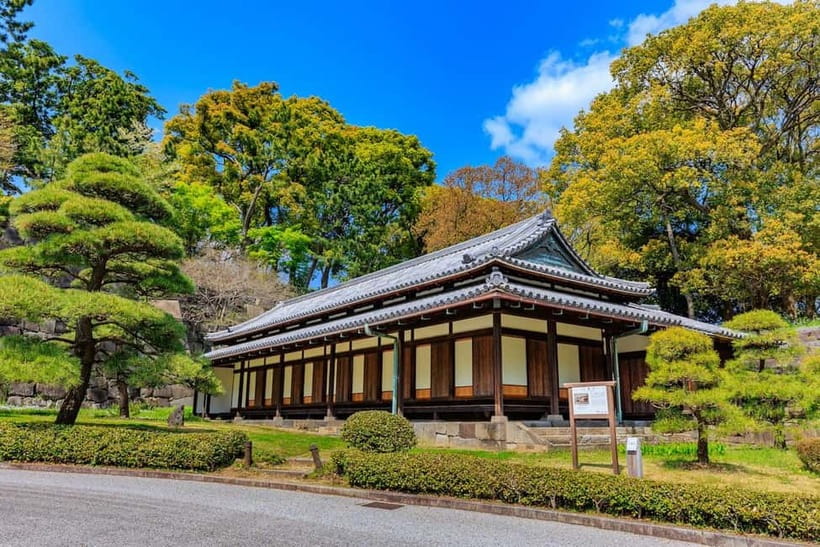
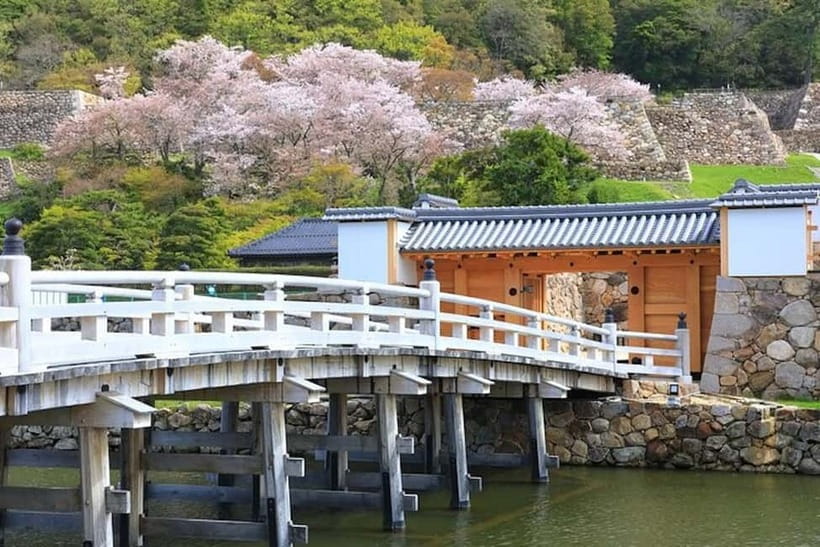
Ninomaru Garden softens the mood after the castle ruins. Its traditional Japanese design, ponds, paths, flowers, and carefully arranged greenery offer a quieter view of the old castle grounds.
The garden is not the same experience all year. Cherry blossoms may appear in spring, irises in summer, and autumn leaves later in the year. Timing matters, though. A spring visit does not guarantee peak blossoms. One April visitor found that both the flowers and cherry trees were not yet fully out, so you should keep expectations flexible.
That is not a flaw in the garden. It is simply how seasonal planting works. If you visit outside a peak period, you still have the paths, ponds, trees, and design principles to enjoy, but the color may be more restrained.
The koi are another detail worth noticing. Naoko was especially praised for explaining the hybrid koi, which shows how a guide can draw your attention to small features that you might otherwise walk past.
I like this part of the tour because it gives you two different views of Japanese history. The castle remains speak to authority and defense. The garden shows a more controlled and contemplative side of the same setting.
What the private format adds
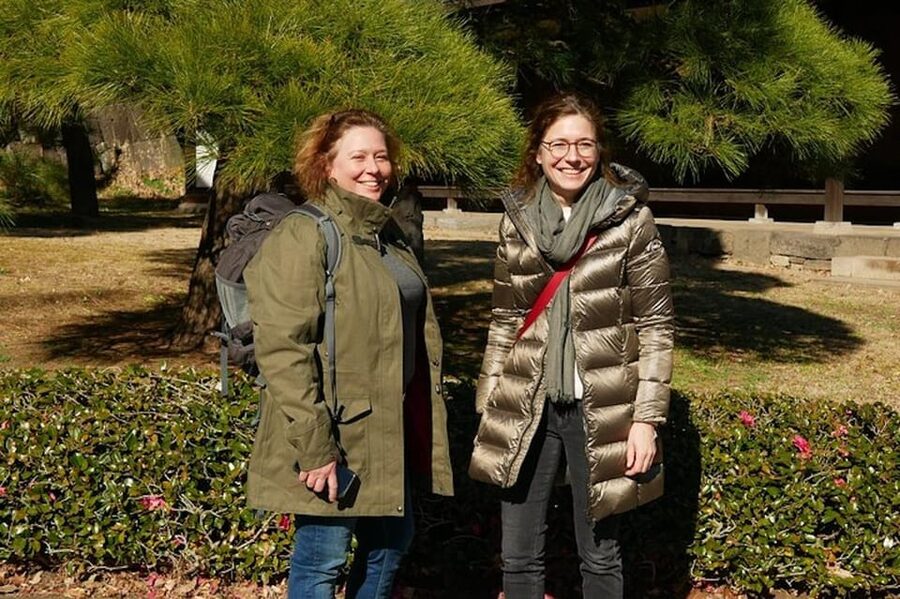
The private group arrangement is more than a marketing label here. Guides such as Yuji have been praised for walking at a comfortable family pace and offering suggestions for what to see next. Another guide, Hanh’s unnamed guide, even helped with directions toward the next station after the walk.
You should not expect every guide to offer identical commentary, but the experience clearly depends on the person leading it. The strongest guide will do more than recite dates. They will explain the site in plain English, notice what interests you, and adjust the route or pace within the two-hour window.
Guides have included Yoshi, Mari, Yuji, Masahito, Naoko, Ishida, Chichiro, David, and Hiroshito. English ability and guiding style can vary by person, but the available feedback points repeatedly to clear communication, friendliness, punctuality, and flexibility.
Families may find the private format particularly useful. Children can ask questions without worrying about holding up a large group, and older relatives can take the walk at a manageable speed. Couples and solo visitors may also prefer the quieter rhythm.
The tradeoff is that a private tour costs more per person than simply entering a garden on your own. At $63 per person, the value rests mainly on the guide’s interpretation. If you enjoy learning the story behind what you see, that cost is easier to justify. If you prefer quiet self-guided walks, you may not need it.
How much time the two-hour tour gives you
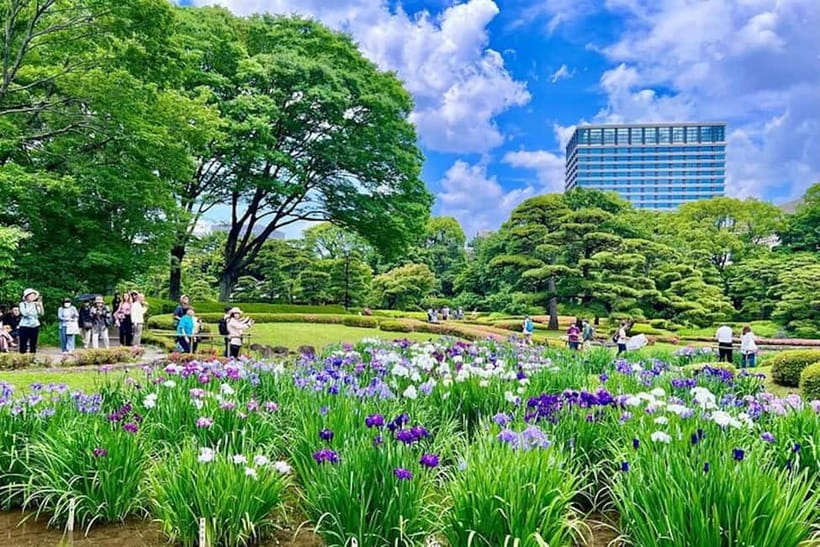
Two hours is enough for a focused introduction to the East Gardens and Edo Castle remains. Your route includes the meeting area, the historic entrance, castle ruins, and Ninomaru Garden, with explanations along the way.
It is not enough for an unhurried exploration of every corner of the grounds. You should think of this as a well-shaped orientation rather than a full-day palace visit. The benefit is that it fits neatly into a Tokyo sightseeing schedule.
The walk is also a good way to break up time among Tokyo’s stations, department stores, and dense commercial streets. The palace grounds offer open space and greenery without requiring a long trip outside central Tokyo.
Wear comfortable walking shoes and allow room in your schedule for the baggage check. The supplied information does not specify a route length or accessibility details, so you should ask the operator directly if your group has mobility needs.
Is $63 per person good value?
The price is fair if you want history explained in English and prefer a private walk. A guide can show you what the stone walls, moats, garden features, gates, and koi mean, rather than leaving you with attractive but disconnected views.
The value is strongest for first-time visitors to Tokyo, families, and anyone interested in the shogunate or imperial history. It is also useful if your schedule allows only a short visit to the palace district.
The price is less compelling if you mainly want photographs or a free garden walk. The East Gardens can be appreciated without a guide, and the tour does not include access to the inner palace. You are paying for context, pacing, and personal attention.
Free cancellation up to 24 hours before the start and the option to reserve now and pay later make the booking less rigid. Still, the key question is not flexibility. It is whether you want a person beside you to explain why the site matters.
Who should book this experience?
I would choose this tour for a first Tokyo visit, especially if you want a manageable introduction to Japanese history without committing to a full-day excursion. The central location makes it easy to pair with other sightseeing around Tokyo Station and Marunouchi.
It also suits families. The private group can move at its own speed, and several guides have been praised for being attentive and accommodating with children and mixed-age groups.
History fans will get the most from the castle remains and discussions of the Edo period. Garden lovers should choose their timing carefully, since seasonal flowers can be early or past their best. Spring does not always mean peak cherry blossoms.
I would hesitate to book it if entering the Imperial Palace is your main goal. That is not part of the experience. I would also skip it if you have already studied Edo Castle in detail and prefer to explore the gardens independently.
The final call
Book this tour if you want the East Gardens to make sense, not just look attractive. The strongest parts are the private pace, the English explanations, and the contrast between Edo Castle’s military remains and Ninomaru Garden’s calm design.
Go with realistic expectations. You will not enter the Emperor’s residence, and seasonal color is never guaranteed. But for $63 and two hours, this is a useful, personal introduction to one of central Tokyo’s most important historic spaces.
FAQ
Where does the tour meet?
Meet in front of the Starbucks in Wadakura Fountain Park. Look for the guide holding a sign that says gotcha.
How far is the meeting point from public transportation?
The meeting point is about a three-minute walk from Tokyo Metro Otemachi Station exit D2. It is about a ten-minute walk from Tokyo Station’s Marunouchi Central Exit.
Is the Imperial Palace interior included?
No. The tour does not enter the inner palace where the Emperor resides.
How long does the tour last?
The guided walking tour lasts two hours.
Is the tour private?
Yes. It is offered as a private group experience with an English-speaking live guide.
Will my baggage be inspected?
Yes. Visitors are subject to a baggage inspection when entering the Imperial Palace grounds.
What should I do with Japanese knives or similar purchases?
Leave Japanese knives or other items that could be used as weapons in a coin locker or another secure place before meeting the guide. This applies to items purchased at Tsukiji, Asakusa, or elsewhere.
More Royal Palace Tours in Tokyo
- Tokyo Castle & Imperial PalaceーShogun Walking Tour
★ 4.7 · 1,068 reviews - Tokyo Castle & Imperial PalaceーShogun Walking Tour
★ 5.0 · 724 reviews - Tokyo: Imperial Palace, the history of Japan (ENGLISH GUIDE)
★ 5.0 · 77 reviews - Full Tokyo: Meiji Shrine, Imperial Palace, Asakusa & Skytree
★ 4.7 · 16 reviews
More Palace Gardens and Grounds in Tokyo
- Tokyo: Edo Castle & East Garden of the Imperial Palace Tour
★ 4.7 · 112 reviews - Tokyo: Imperial Palace East Gardens and Tokyo Station Tour
★ 5.0 · 16 reviews - Tokyo: Edo Castle Ruins & Imperial Palace East Garden Tour
★ 4.4 · 13 reviews - Paris: Versailles Palace and Gardens Full Access Ticket
★ 4.6 · 41,579 reviews
Newly added in Tokyo
- Tokyo walking tour around Imperial Palace and Tokyo Station★ 5.0 · 3 reviews
- Tokyo: Imperial Palace, the history of Japan (ENGLISH GUIDE)★ 5.0 · 77 reviews
- Tokyo: Imperial Palace with Nostalgic Alley Kagurazaka tour★ 4.3 · 8 reviews
- Tokyo: Edo Castle Ruins & Imperial Palace East Garden Tour★ 4.4 · 13 reviews
- Tokyo: Edo Castle and Imperial Palace Guided Walking Tour★ 5.0 · 6 reviews
- Tokyo: Imperial Palace East Gardens and Tokyo Station Tour★ 5.0 · 16 reviews
- Imperial Palace Tour: Discover Samurai History with a Guide★ 5.0 · 12 reviews
- Full Tokyo: Meiji Shrine, Imperial Palace, Asakusa & Skytree★ 4.7 · 16 reviews
Palace Gardens and Grounds, compared.

Versailles Palace and Gardens Full Access Ticket
Read our review →
Skip-the-Line Tour of Palace and Gardens Access
Read our review →
Schönbrunn Palace & Gardens Skip-the-Line Tour
Read our review →
Alhambra & Gardens Tour w/Nasrid Palaces Option
Read our review →
Versailles Palace & Gardens with Transportation
Read our review →
Skip-the-Line Schönbrunn Palace & Gardens Tour
Read our review →
Versailles Palace Guided Tour & Gardens Access
Read our review →
Versailles Palace and Gardens Tour from Paris
Read our review →Browse the lists this tour appears in