Review · PALACE GARDENS AND GROUNDS
Tokyo Castle, Imperial Palace, Shogun & Garden Walking Tour
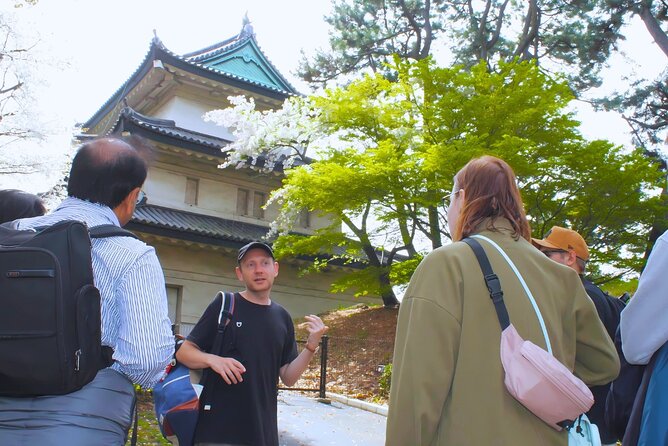
The most interesting thing here is what you don’t see: the grand palace buildings are gone, but their stone foundations, gates, gardens, and defenses reveal how Edo Castle once controlled Japan. A guide turns an open green space into a readable chapter of Tokyo’s past, with stories about shoguns, emperors, samurai, and the city’s rise to power.
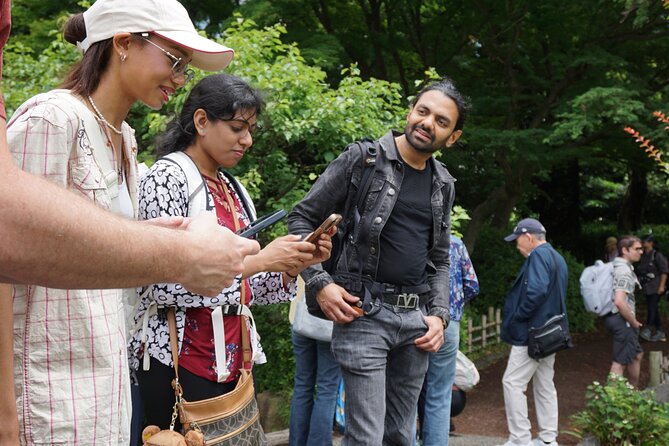
I like the small-group format, which keeps questions easy and lets the guide pause for photos. I also like the practical side: the guide leads you through a huge palace complex, points out the best views, and can take group photos. The main drawback is simple: this is a garden and castle-ruin walk, not an interior palace tour, and some people may find two hours too expensive for what remains.
Key points at a glance
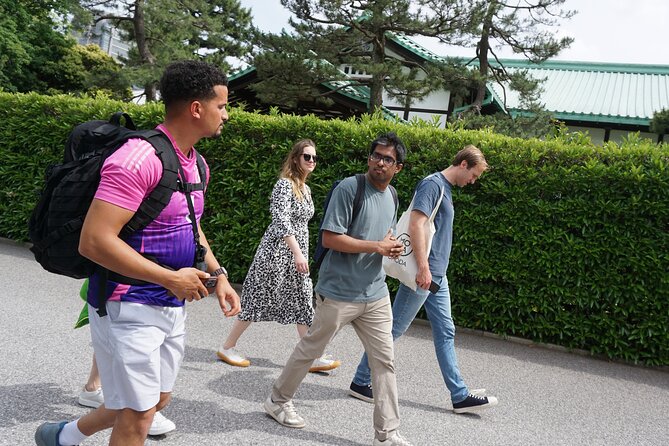
- See Edo Castle remains: Enter through Ōtemon Gate and walk among old stone walls, guardhouse ruins, castle foundations, and defensive features.
- History makes the gardens matter: Guides connect the site to the shogun era, the imperial family, and modern Tokyo.
- A genuinely small group: The tour is advertised for a maximum of 15 people, while the additional booking details state a maximum of 10.
- Guides add the value: Mika, Natsumi, Lakki, Nicolas, and other local guides have led engaging tours in clear English.
- Peaceful break from the city: Ninomaru Garden, koi ponds, and carefully arranged greenery offer a calm two-hour walk.
- Know what you are booking: The Inner Palace is closed to the public, and this experience does not include access to the Emperor’s residence.
What the Imperial Palace tour really shows you
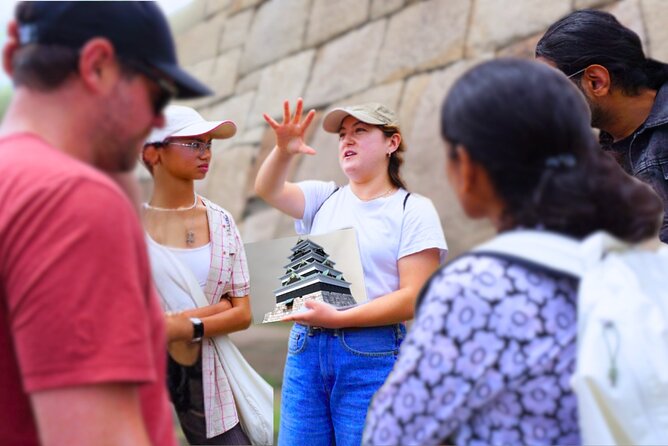
Tokyo’s Imperial Palace is not a single sightseeing building waiting behind open doors. The active palace is used by the Emperor and the imperial family, and the Inner Palace is not open to the public. This tour takes you through the East Gardens, the former site of Edo Castle, where history survives in gates, walls, gardens, and foundations.
That distinction matters. If your picture of the experience is a grand palace interior with ornate rooms, you may be disappointed. If you enjoy seeing how a castle worked and learning how power shifted from shoguns to emperors, the East Gardens offer far more than a quick stroll through a park.
I find the site most rewarding when you treat it as an outdoor history lesson. The gardens are attractive, but the stones underfoot and the remaining defensive structures explain why this place mattered. A guide helps you connect those physical traces to the political story of Japan.
More Palace Gardens and Grounds in Japan
- Imperial Palace East Garden and Edo Castle Walking Tour in Tokyo
★ 5.0 · 510 reviews - Tokyo: Imperial Palace East Gardens Walking Tour
★ 4.8 · 353 reviews - Tokyo: Edo Castle & East Garden of the Imperial Palace Tour
★ 4.7 · 112 reviews
Meeting at Wadakura Fountain Park
The walk begins at Starbucks Coffee in Wadakura Fountain Park, at 3-1 Kōkyōgaien in Chiyoda City. The meeting point is near public transportation and gives you a clear place to find the guide before the group heads toward Ōtemon Gate.
Starting outside the main gate is useful because it gives the guide a chance to gather the group and set the scene. The palace grounds are large, and it is easy to lose your sense of direction if you arrive without a plan. I would allow extra time to reach the Starbucks, especially if you are unfamiliar with Tokyo’s major stations and underground passages.
The tour ends back at the same meeting point. That makes it easier to plan lunch or your next stop, although the exact finish time can depend on the pace of the group, weather, and time spent on questions and photographs.
Ōtemon Gate and the first castle defenses

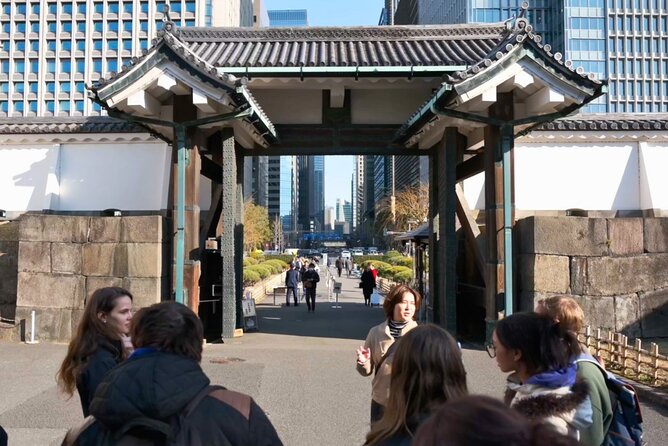
The route heads toward Ōtemon Gate, the impressive main entrance to the East Gardens. Passing through a historic castle gate gives the walk a strong start. You are not simply entering a public garden. You are following the route into what was once the center of shogunal power.
The guide explains the gate’s purpose and the defensive thinking behind the castle complex. One especially appealing part of the tour is the attention to practical castle design. You may hear about guard positions, controlled access, stone walls, and the way an enemy would have struggled to reach the inner areas.
This is where a guide earns the fee. Without explanation, a thick wall can look like an old wall. With context, its height, angles, entrances, and position begin to make sense. The tour does not ask you to be a military-history expert. It gives you enough background to understand why the site was built as it was.
The walk is outdoors, so comfort matters. The grounds can feel hot in summer and cold in winter, and one particularly useful point is that the palace area is much larger than it first appears. Wear sensible shoes, bring water in warm weather, and be ready for a steady stroll rather than a short photo stop.
Edo Castle ruins and the missing palace
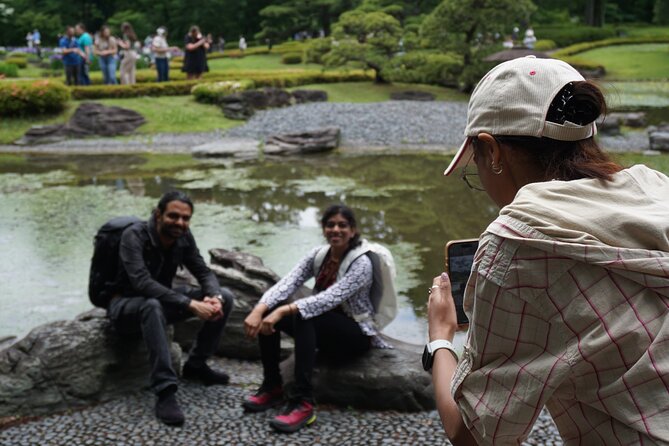
The name Tokyo Castle in the tour title refers to Edo Castle, the enormous fortress that once occupied this site. Much of the original castle was destroyed, including buildings lost to fire, and it was not rebuilt in the form many people expect. What remains includes stone foundations and other fragments rather than a complete castle rising above the gardens.
That absence is both the attraction and the limitation. You get a more honest look at how time, fire, and political change reshaped Tokyo, but you do not get a dramatic castle interior or a restored keep. The guide’s maps, images, and explanations help you picture the structures that are no longer there.
Mika has been praised for using historical references and visual material to help families understand the site. Natsumi has connected the Edo period to the way Tokyo and Japan later developed. Lakki has focused on shogun history with an energetic style, while Nicolas has brought attention to the meaning of the gardens and palace grounds.
Guide quality will always vary by date and person. The strongest feedback centers on clear English, a friendly manner, detailed answers, and the ability to keep children interested. One less favorable experience involved unclear explanations, so if you have trouble hearing, move closer to the guide and ask questions early.
More Palace Walking Tours in Japan
- Tokyo: Imperial Palace and Shogun Historical Walking Tour
★ 5.0 · 2,251 reviews - Tokyo Castle & Imperial PalaceーShogun Walking Tour
★ 4.7 · 1,068 reviews - Tokyo: Imperial Palace Japanese History Walking Tour
★ 4.9 · 987 reviews - Tokyo: Imperial Palace and Shogun Walking Tour
★ 4.9 · 935 reviews
Ninomaru Garden, koi, and the calmer side of Tokyo

Ninomaru Garden is the softer part of the route. After gates, walls, and castle remains, you enter a more peaceful setting of trees, ponds, planted areas, and koi. The garden gives you a chance to slow down and appreciate Japanese design without rushing from one major monument to another.
The koi are a small but memorable feature. They add movement and color to the ponds, while the garden itself changes with the season. Cherry blossoms can make the walk especially attractive, but winter also has its appeal, with a quieter feel and views that are not hidden by summer growth.
The guide does more than point out pretty scenery. You learn how the garden relates to the former castle compound and how its layout reflects Japanese ideas about space and presentation. That extra meaning is why this tour can offer more than walking through the gardens alone.
Photography is encouraged, and the guides know good places to stop. They may also take photos for people in the group. Still, this is a walking tour, not a dedicated photography outing, so the time at each spot is limited.
Shoguns, emperors, and modern Tokyo
The historical thread is the strongest reason to book. The tour explains the relationship between the shogunate and the imperial family, rather than treating them as separate subjects. That helps you understand why Edo Castle became central to Japan’s leadership and how the political center shifted into the modern era.
The story can be surprisingly easy to lose when you explore Tokyo on your own. Names, eras, and changes in government pile up quickly. A guide gives you a basic timeline and ties it to visible features: a foundation, a gate, a garden, or a wall.
Families may find this especially useful. One guide held the attention of children aged 11, 13, and 15 by using historical references and questions. That does not guarantee the same experience for every group, but it suggests the tour can work well for older children and teenagers who need more than a silent garden walk.
The tour also leaves room for questions. Several guides have shared recommendations for local restaurants and shrines when asked, which adds a practical Tokyo angle without turning the walk into a restaurant or shrine tour.
Two hours, a small group, and the price
At $31.84 per person, this is a reasonably priced guided walk if you value explanation and direction. You are not paying for a major admission ticket, since entry to the East Gardens is included without a separate charge. You are paying mainly for the guide’s time, historical interpretation, route planning, and help with photographs.
That value depends on your expectations. If you are happy to read signs and stroll through gardens on your own, the price may feel high for a two-hour activity. One direct assessment found the tour too short and not detailed enough for the cost. I would agree that the experience is strongest for people who want a clear introduction, not a long academic lecture.
The small group improves the equation. The tour information gives a limit of 15 people, while the additional details state a maximum of 10. Because those figures conflict, check the confirmed booking information if group size matters to you. Either limit is far more manageable than a large coach group, and a smaller party makes it easier to hear the guide and ask questions.
The tour has a 4.9 rating from 211 ratings and a 99 percent recommendation rate. Those figures suggest strong overall satisfaction, but they should not hide the basic fact that the site itself is made up largely of gardens and remains. The tour works because of the interpretation, not because you will enter a grand palace.
Weather, clothing, and walking comfort
This is an outdoor activity and requires good weather. If the operator cancels because conditions are poor, you are offered another date or a full refund. You can also cancel for a full refund up to 24 hours before the start time. Cancellations or changes made within 24 hours are not refunded or accepted.
There is no dress code, and tattoos are welcome. The practical issue is comfort rather than appearance. Wear shoes suitable for a two-hour walk and prepare for seasonal temperatures. Summer heat and winter cold have both affected the feel of the grounds, while rain can make the route less comfortable even when the guide keeps the history interesting.
The walk is suitable for most people, but the information provided does not promise a particular accessibility arrangement. If you need specific assistance, ask the operator before booking rather than assuming the route will meet your needs.
Who will get the most from this walk
I would choose this tour early in a Tokyo visit if you want a short historical orientation. It gives you a framework for understanding the shogun era, the imperial system, and Tokyo’s political importance before you visit other historic areas.
It is also a good choice for:
- Families with older children and teenagers
- First-time visitors who want help finding their way around the palace grounds
- History fans interested in samurai, shoguns, and castle defenses
- People who prefer a calm outdoor activity over a crowded indoor attraction
- Anyone who wants a guide to take group photos and suggest nearby places to eat or visit
I would think twice if your main goal is to enter the palace itself, see restored castle rooms, or spend a full day at one major attraction. The Inner Palace is not open to the public, and the former Edo Castle survives mainly through its foundations, stonework, gardens, and remaining structures.
Should you book the Imperial Palace walking tour?
Book it if you want the East Gardens to make sense. The gardens are pleasant on their own, but the shogun-era story, castle defenses, and political background give the place weight. At $31.84, the tour is fair value for a clear two-hour introduction led by a local guide.
Skip it if you want an interior palace visit or a complete castle reconstruction. You should also consider exploring independently if you prefer a slow walk with no fixed pace and are comfortable researching Edo Castle before you arrive.
For most people, the best reason to book is not the promise of a palace interior. It is the chance to look at a quiet garden, a stone foundation, or a guarded gate and understand what it meant. That is a modest experience, but in Tokyo, modest and meaningful can be a welcome combination.
FAQ
Does this tour enter the Imperial Palace itself?
No. The Inner Palace is not open to the public. This activity visits the East Gardens and the former Edo Castle grounds.
How long does the tour last?
The walking tour lasts approximately two hours.
Where does the tour begin?
It begins at Starbucks Coffee in Wadakura Fountain Park, at 3-1 Kōkyōgaien, Chiyoda City, Tokyo 100-0002, Japan.
Where does the tour finish?
The activity ends back at the meeting point in Wadakura Fountain Park.
What places are included during the walk?
The tour includes Ōtemon Gate, guardhouse ruins, Edo Castle remains, and Ninomaru Garden.
How large is the group?
The tour is advertised with a limit of 15 people. The additional booking information states a maximum of 10 people, so confirm the group limit when booking.
Is admission included?
Yes. The guided walk includes access to the Imperial Palace East Gardens, with no separate admission ticket listed.
Is there a dress code?
No. There is no dress code, and tattoos are welcome.
What happens if the weather is poor?
The activity requires good weather. If it is canceled because of poor conditions, you are offered a different date or a full refund.
More Palace Gardens and Grounds in the world
- Paris: Versailles Palace and Gardens Full Access Ticket
★ 4.6 · 41,579 reviews - Versailles: Skip-the-Line Tour of Palace and Gardens Access
★ 4.7 · 10,429 reviews - Vienna: Schönbrunn Palace & Gardens Skip-the-Line Tour
★ 4.7 · 7,739 reviews - Granada: Alhambra & Gardens Tour w/Nasrid Palaces Option
★ 4.2 · 7,022 reviews
More Royal Palace Tours in Japan
- Kyoto: Imperial Palace & Nijo Castle Guided Walking Tour
★ 4.7 · 453 reviews - Tokyo: Imperial Palace, Sensō-ji Temple, & Tokyo Tower Tour
★ 4.5 · 339 reviews
Newly added in the world
- Avignon: Around The Palace Tour★ 4.5 · 13 reviews
- Ayutthaya Full-Day Tour with Bang Pa In (Summer Palace)★ 5.0 · 2 reviews
- Bali: Gate Of Heaven and Water Palace Tirta Gangga Package★ 4.7 · 3 reviews
- Aranjuez: Royal Palace Guided Tour★ 4.5 · 93 reviews
- Asia Continent & Topkapı Palace & Harem. Guided, Small group★ 4.9 · 3 reviews
- Kornik Castle and Rogalin Palace Half-Day Private Tour★ 5.0 · 2 reviews
- Antananarivo: Guided Tour and sunset in queen’s palace★ 3.9 · 13 reviews
- Royal Palace of Aranjuez Small-Group Tour with Entry Ticket★ 5.0 · 2 reviews
Palace Gardens and Grounds, compared.

Versailles Palace and Gardens Full Access Ticket
Read our review →
Skip-the-Line Tour of Palace and Gardens Access
Read our review →
Schönbrunn Palace & Gardens Skip-the-Line Tour
Read our review →
Alhambra & Gardens Tour w/Nasrid Palaces Option
Read our review →
Versailles Palace & Gardens with Transportation
Read our review →
Skip-the-Line Schönbrunn Palace & Gardens Tour
Read our review →
Versailles Palace Guided Tour & Gardens Access
Read our review →