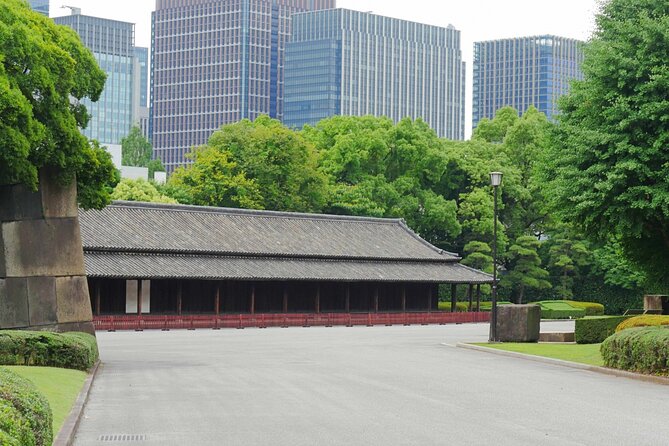
Review · PALACE GARDENS AND GROUNDS
Imperial Palace East Garden and Edo Castle Walking Tour in Tokyo
Edo Castle is the real story here. The Imperial Palace East Gardens let you walk through former castle grounds, past stonework, ponds, gardens, and the remains of the old castle tower. Guides such as Kenta, Glenda, Kei, Miko, and Sato bring the site to life with stories about samurai, shoguns, emperors, and daily life in Japan’s past.
I like the small group of no more than 12 people, which makes it easier to hear the guide and ask questions. I also like the useful mix of history and setting: Wadakura Fountain Park gives you a calm start, while the East Gardens offer strong photo spots and a clear sense of how Edo Castle once shaped Tokyo.
The main drawback is simple: you do not enter the Imperial Palace buildings, and the gardens may feel modest if you expect grand interiors or a flower-filled park. The walk can also run close to the full two and a half hours, so do not squeeze it into a tight schedule.
Key points to know before you book
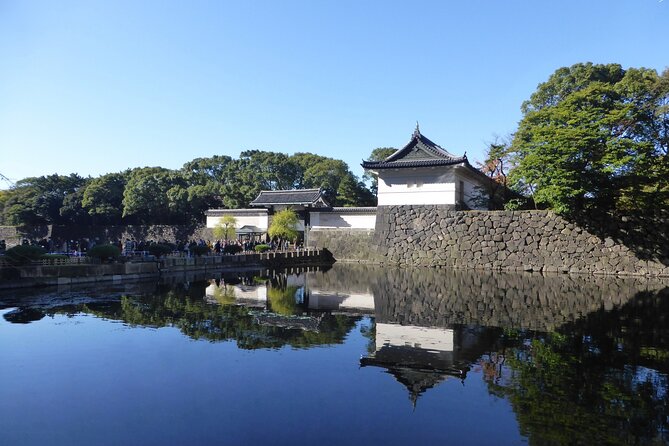
- Edo Castle ruins are the main attraction: You see former castle grounds, stone remnants, the Honmaru area, and the Ninomaru Garden.
- Wadakura Fountain Park begins the experience: Allow about 30 minutes for this peaceful public park near the palace.
- The tour is fully outdoors: Palace buildings are not open to the public, so this is a grounds and history tour.
- Guides make the difference: Kenta, Glenda, Kei, Miko, Sato, Kaz, and others are praised for clear English, humor, visual aids, and thoughtful pacing.
- Plan for a real walking tour: Expect hills and some steep paths, though one guide described the route as having no stairs.
- The price is modest: At $25 per person, the value rests mainly in the guide’s explanations rather than admission, since both stops are free.
What the Imperial Palace East Garden tour is really about
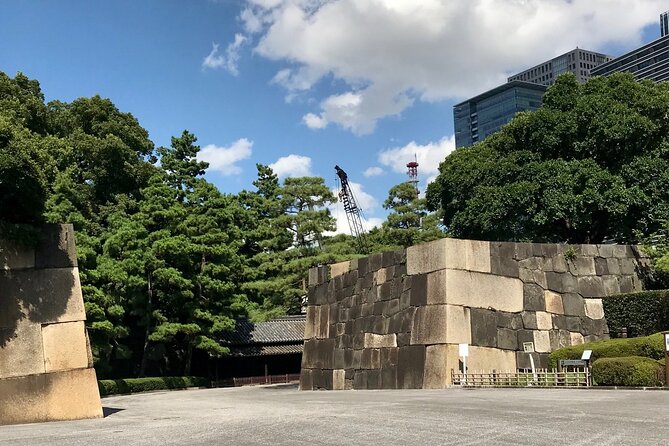
This is not a palace interior visit. It is a guided walk through the outdoor grounds connected with Edo Castle, the former seat of military power in Japan, followed by time in gardens that now form part of the Imperial Palace complex.
That distinction matters. If you picture painted rooms, throne halls, or a tour inside the Emperor’s residence, this is not the right activity. Public access to the palace buildings is not permitted, but the East Gardens and surrounding grounds provide a useful way to understand the site from the outside.
I like this format for a first morning in Tokyo. The grounds give you room to walk, pause, and take photographs, while the guide supplies the context that can be hard to find on your own. A stone wall may look like a stone wall until you learn which part belonged to the old castle, what the Honmaru area was used for, or how the castle connects to samurai and shogun rule.
The tour has earned a 4.9 rating from 510 reviews, with 98 percent recommending it. The strongest praise centers on the guides, not on grand spectacle. That is a useful clue. You are paying $25 for interpretation, orientation, and company in a small group, not for a costly admission ticket.
More Palace Gardens and Grounds in Japan
- Tokyo: Imperial Palace East Gardens Walking Tour
★ 4.8 · 353 reviews - Tokyo Castle, Imperial Palace, Shogun & Garden Walking Tour
★ 5.0 · 211 reviews - Tokyo: Edo Castle & East Garden of the Imperial Palace Tour
★ 4.7 · 112 reviews
Meeting at Wadakura Fountain Park
The meeting point is the Starbucks Coffee at Wadakura Fountain Park, 3-1 Kōkyogaien, Chiyoda City. This gives you a clear place to meet near the Imperial Palace, though you should still allow time to find the correct Starbucks and guide before the start.
The first stop, Wadakura Fountain Park, takes about 30 minutes. It is a public space built around carefully designed water features and a quiet atmosphere. The park first opened in 1961 to mark the wedding of Emperor Akihito and Empress Michiko. It was redesigned and reopened in 1995 for the wedding of Crown Prince Naruhito and Crown Princess Masako.
Those dates add a modern imperial layer before the tour turns toward Edo-era history. The park is not the grandest part of the experience, and you should not expect a long garden visit here. Think of it as a gentle introduction, a place to meet the guide, settle into the group, and begin connecting Tokyo’s current imperial identity with its earlier past.
The fountain park is also useful for anyone who needs a calm start. The tour does not begin with a rush through crowded streets. Instead, you get a brief orientation in an open public setting before walking into the East Gardens.
Walking through the East Gardens and Edo Castle ruins
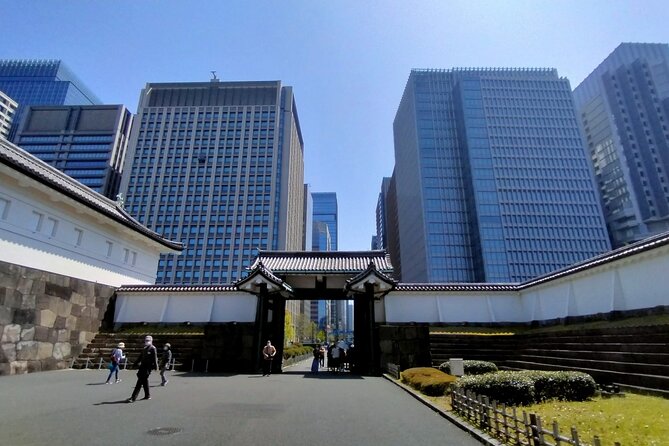
Most of the tour, about two hours, takes place in the East Gardens of the Imperial Palace. These grounds were once part of Edo Castle and now combine formal plantings, ponds, open paths, and castle remains.
The Honmaru area is one of the important stops. It contains remnants connected to the old castle, including the former castle tower area. You will not see a standing castle building, but the ruins help you read the shape and importance of the site. A guide can point out what you are looking at and explain how the grounds once functioned.
The Ninomaru Garden offers a different mood. Here, traditional Japanese garden scenery replaces the harder lines of castle stonework. The contrast makes the walk more rewarding: one part tells you about defense, power, and government, while another gives you ponds, plants, and carefully arranged views.
Season matters. Cherry blossoms can add color in spring, and autumn may bring changing foliage. But do not book this expecting flowers at every turn. A walk in October, for example, may show plenty of neatly kept greenery without much fall color. The gardens can be beautiful and calm without looking like a peak-season flower display.
You may also see koi in the garden ponds, with sunlight making their colors especially striking. Small details like this help break up the history talk and give you time to enjoy the setting at your own pace.
Why the guide matters more than the admission price
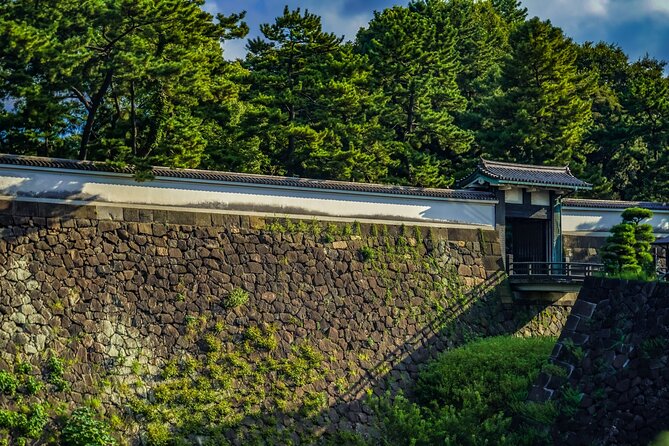
Both stops are free, and the $25 fee covers the guide, taxes, and other tour fees. That means the value is not in skipping an expensive ticket line. It is in getting a clear explanation of a large, layered site that can otherwise feel vague.
The best guides use more than names and dates. Kenta is praised for humor, energy, and visual pages that help explain the grounds. Miko uses photographs to show the history of the gardens, former castle tower, and palace area. Glenda is noted for clear, carefully paced English and for linking the site to emperors, shoguns, samurai, and Japanese culture.
Other guides, including Kei, Sato, Kaz, Miki, Satoko, Miyu, and Loc, are praised for friendly service, clear explanations, good storytelling, and the ability to answer questions. The individual guide assigned to your departure can vary, so you should not book on the assumption that one named person is guaranteed.
That said, the repeated strength of the guiding team is encouraging. A guide can show you where to look, explain why a ruin matters, and connect the site to Japan’s transition from feudal rule to the modern imperial family. Without that help, you may simply walk past walls, paths, and gardens without understanding their purpose.
The tour also seems to handle different group needs with care. One guide helped obtain a wheelchair for a person who became tired and dizzy. Another kept a steady pace during rain and moved the group to more sheltered locations while continuing the discussion. This does not make the route fully effortless, but it suggests that guides may be willing to adapt when practical problems arise.
More Palace Walking Tours in Japan
- Tokyo: Imperial Palace and Shogun Historical Walking Tour
★ 5.0 · 2,251 reviews - Tokyo Castle & Imperial PalaceーShogun Walking Tour
★ 4.7 · 1,068 reviews - Tokyo: Imperial Palace Japanese History Walking Tour
★ 4.9 · 987 reviews - Tokyo: Imperial Palace and Shogun Walking Tour
★ 4.9 · 935 reviews
Timing, terrain, and what to wear
The advertised length is about two hours and 30 minutes. Treat that as the real planning figure. One person finished close to the full two and a half hours and found that the longer duration affected the day’s schedule.
Wear comfortable walking shoes. The route includes hills and, at times, steep paths. One account describes an easy walk with some hills but no stairs, while another specifically warns about steep sections. Conditions may depend on the exact route and pace, but you should not treat this as a flat stroll beside a road.
The tour requires good weather. If poor weather cancels the activity, you are offered another date or a full refund. Rain does not always end a departure, since guides may adjust the pace and use sheltered spots, but the stated weather requirement means you should keep some flexibility in your Tokyo plans.
Bring water, since snacks are not included. There is no need to buy a separate admission ticket for the two listed stops, but food and personal purchases are your responsibility.
The maximum group size is 12 people. Some departures may feel even more intimate, with one group described as having six people plus two others. A smaller group is especially helpful when the guide is showing photographs, answering questions, or gathering everyone around a historic feature.
The best seasons and the limits of the scenery
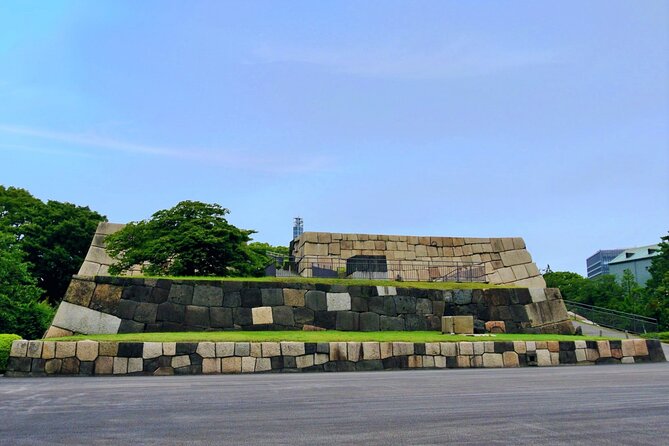
The East Gardens are at their best when you want a quiet green break in central Tokyo. The setting gives you ponds, lawns, plantings, castle stonework, and open views. It is a pleasant contrast to the city’s dense streets, but it is not a full-day botanical attraction.
Spring can bring cherry blossoms. Autumn may bring colorful leaves, though the timing is not guaranteed. Outside those windows, the appeal comes from the garden design, tidy greenery, koi ponds, and the relationship between natural spaces and the old castle grounds.
I would book this for history and atmosphere rather than flowers. If you need constant visual drama, you may find sections of the gardens understated. One fair criticism is that the grounds can seem less impressive than expected when the plants are not in bloom.
The setting becomes much stronger when the guide explains what you are seeing. The gardens are not just a series of pretty paths. They are part of the former Edo Castle site, and the ruins give the walk a sense of place that a standard city park would not have.
Who should take this tour
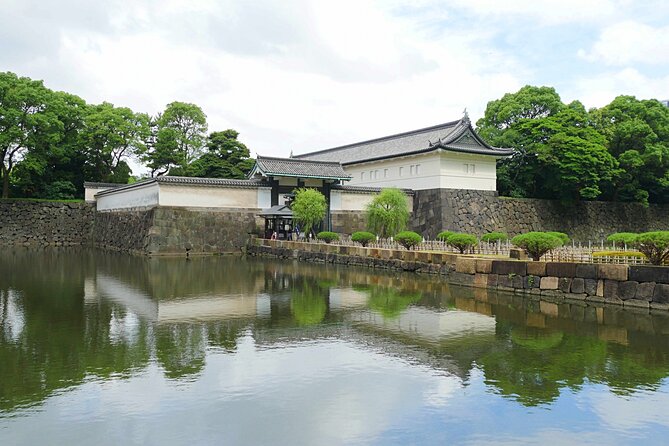
This is a good choice for a first visit to Tokyo, especially if you want a compact introduction to Japanese history without spending half a day in a museum. The tour covers the samurai and Edo period, the shogun era, the imperial family, and the physical remains of the castle grounds.
Families can manage it, and one guide handled children with patience. The small group also helps if you have questions or want to stay close to the guide. People who enjoy photographs will find plenty of material in the fountains, gardens, ponds, walls, and ruins.
It also suits you if you want an English-speaking guide who explains rather than simply points. The strongest guide feedback emphasizes clear speech, humor, visual aids, and answers to questions.
I would hesitate if you have limited mobility or dislike uneven ground, hills, or long walks. Service animals are allowed, and most people can participate, but the route is still outdoors and includes some slopes. If you are unsure, contact the operator before booking and be realistic about two and a half hours on foot.
Is $25 a fair price?

At $25, this is a reasonable buy if you value context. You can walk into the East Gardens without paying an admission fee, so the tour does not save you money on entry. It saves you research time and gives you a person who can explain the site in real time.
The price is particularly fair for a small group capped at 12 people. You get a better chance to hear the guide than you would on a large coach tour, and you can ask questions about details that catch your interest.
The value drops if you only want a quick look at the gardens. You could see the outdoor grounds independently, and the tour may feel too long if your schedule is tight. It also cannot provide the palace interior experience some people expect.
Free cancellation is available when you cancel at least 24 hours before the start time. Changes or cancellations inside that window are not refunded, so check your plans before the cutoff.
Should you book the Imperial Palace East Garden walk?
Book it if you want a well-priced, outdoor history lesson with a small group and a strong chance of getting a friendly, clear English-speaking guide. Kenta, Glenda, Kei, Miko, Sato, and the other guides are praised for making the past understandable without drowning you in detail.
Skip it if palace interiors are your main goal, if you want a short one-hour stop, or if you expect dramatic flowers in every season. The East Gardens can be subtle, and the attraction grows as the guide explains the ruins, royal connections, and former castle grounds.
For most first-time Tokyo itineraries, I would place this early in the trip. It gives you a calm introduction to central Tokyo, a useful foundation in Japanese history, and a pleasant two-and-a-half-hour walk for a modest price.
FAQ
Does the tour enter the Imperial Palace buildings?
No. The tour does not enter the palace buildings because entry is not permitted to the public. It covers the Imperial Palace East Gardens and surrounding grounds.
How long does the experience last?
The tour lasts approximately two hours and 30 minutes. Plan for the full time rather than assuming you will finish in one to one and a half hours.
Where does the tour begin?
It begins at Starbucks Coffee in Wadakura Fountain Park, 3-1 Kōkyogaien, Chiyoda City, Tokyo 100-0002, Japan.
Where does the tour end?
The activity ends back at the meeting point.
What is included in the price?
The price includes all fees and taxes and an English-speaking local guide. Snacks are not included.
How large is the group?
The maximum group size is 12 people.
Is the tour suitable for people who do not walk easily?
Most people can participate, and service animals are allowed. The route is outdoors and includes hills, with some reports of steep paths. You should consider your walking ability before booking.
What happens if bad weather cancels the tour?
The experience requires good weather. If it is canceled because of poor weather, you are offered a different date or a full refund. You can also cancel for a full refund if you do so at least 24 hours before the start time.
More Palace Gardens and Grounds in the world
- Paris: Versailles Palace and Gardens Full Access Ticket
★ 4.6 · 41,579 reviews - Versailles: Skip-the-Line Tour of Palace and Gardens Access
★ 4.7 · 10,429 reviews - Vienna: Schönbrunn Palace & Gardens Skip-the-Line Tour
★ 4.7 · 7,739 reviews - Granada: Alhambra & Gardens Tour w/Nasrid Palaces Option
★ 4.2 · 7,022 reviews
More Royal Palace Tours in Japan
- Kyoto: Imperial Palace & Nijo Castle Guided Walking Tour
★ 4.7 · 453 reviews - Tokyo: Imperial Palace, Sensō-ji Temple, & Tokyo Tower Tour
★ 4.5 · 339 reviews
Newly added in the world
- City Palace Udaipur Express visits with english speaks guide★ 5.0 · 9 reviews
- Free E-Sim War Remnants Museum & Independence Palace Tour★ 4.7 · 55 reviews
- Skip-the-Line Wilanow Palace and Gardens Private Tour Warsaw★ 5.0 · 16 reviews
- Taman sari water castle, sultan palace & local food tasting★ 4.7 · 11 reviews
- Vung Tau Full-Day Tour with Beach, Christ Statue & White Palace★ 5.0 · 51 reviews
- Borobudur Climb To The Top, Prambanan Temple, Yogyakarta Palace★ 4.5 · 26 reviews
- Yogyakarta: Palace, Water Castle & UNESCO Temple Guided Tour★ 4.4 · 37 reviews
- Yogyakarta: Yogyakarta Palace & Water Castle Guided Tour★ 4.7 · 70 reviews
Palace Gardens and Grounds, compared.

Versailles Palace and Gardens Full Access Ticket
Read our review →
Skip-the-Line Tour of Palace and Gardens Access
Read our review →
Schönbrunn Palace & Gardens Skip-the-Line Tour
Read our review →
Alhambra & Gardens Tour w/Nasrid Palaces Option
Read our review →
Versailles Palace & Gardens with Transportation
Read our review →
Skip-the-Line Schönbrunn Palace & Gardens Tour
Read our review →
Versailles Palace Guided Tour & Gardens Access
Read our review →